
Solo Adventures
I Went on a Bucket-List Antarctica Expedition Cruise, Alone. This is What It Looked Like.
I set foot on my seventh and final continent in 2023 — and Antarctica delivered beyond every expectation. From navigating the Drake Passage at a rocky level 5 to strolling amongst the penguins on heavily protected and untouched land, here's everything I learned after an 11-day Antarctic expedition cruise.
August 6, 2026
In November of 2023, I set foot on the seventh and final continent on my bucket list. Despite a lifetime goal of visiting all seven continents, I'd always thought of Antarctica as unattainable — too far, too expensive, too risky. That's why I saved it for last.
I went on an Antarctic expedition cruise anyway. Alone.
Going to Antarctica takes knowledge and planning, but I can attest that anyone can do it — and the secret is, you don't have to do it alone.
How to Choose a Solo Antarctica Expedition Cruise — and the One I Chose
The Antarctica expedition season runs from November to February — the Southern Hemisphere summer. There is no one best time to visit Antarctica within the season; November offers the cleanest landscapes, while later months bring hatching penguin chicks. I chose November partly out of excitement, but also to see the landscape at its most pristine, before other tourists reached the continent.
I would recommend purchasing an Antarctic expedition at least a year in advance when all room types and extra activities are still available. I booked my trip in December 2022, eleven months ahead. This gave me plenty of time to plan the other logistics, such as getting myself to the departure point.
I joined an Antarctica expedition operated by Intrepid Travel aboard the Ocean Endeavour for an 11-day, small-ship voyage called the Pristine Wilderness — which also happened to be the first trip of the Antarctic travel season.
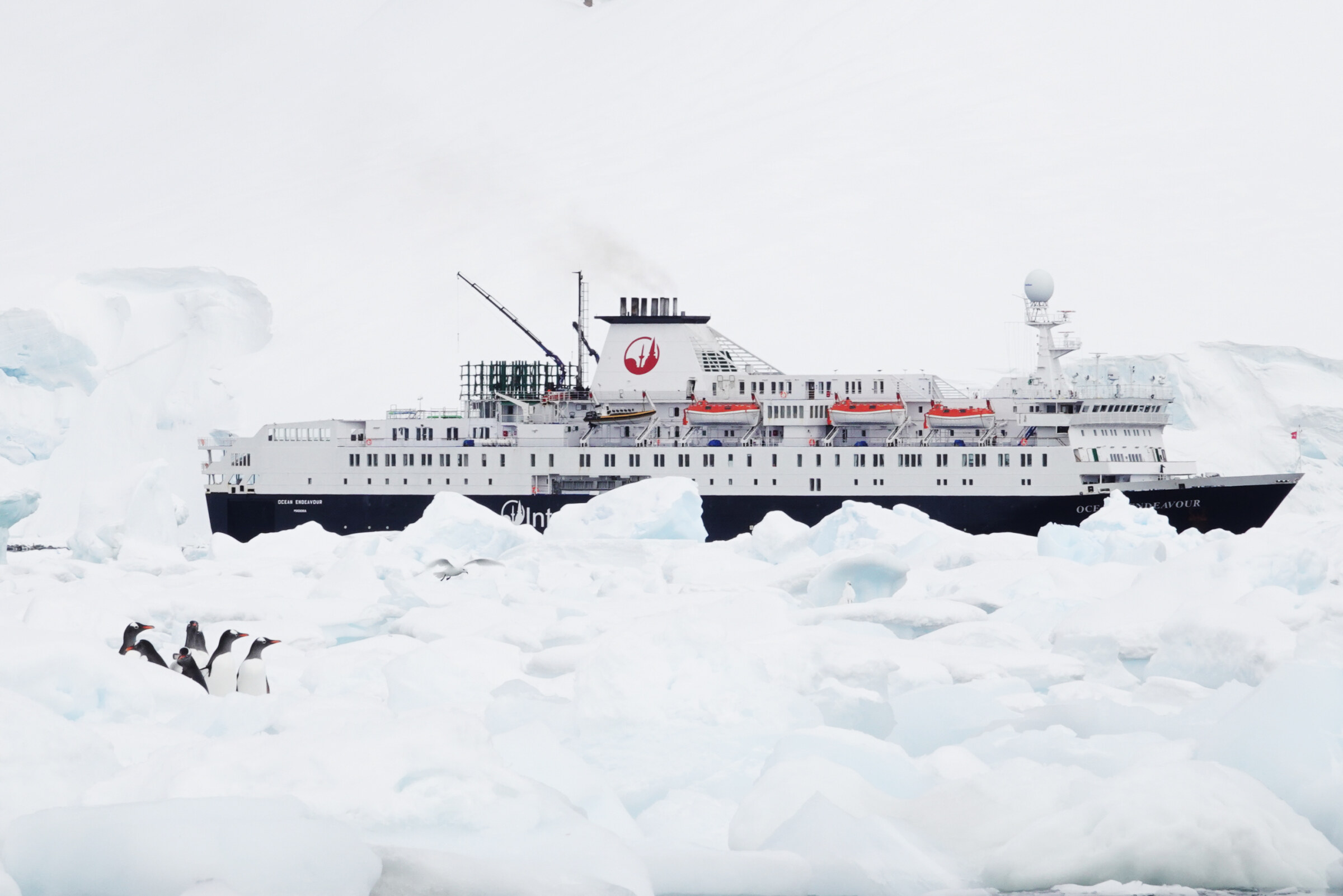
The Ocean Endeavour holds up to 200 passengers, which is important to note, as only 100 passengers were allowed on land in Antarctica at a time. Intrepid addressed this by taking 100 passengers ashore while the other 100 joined zodiac excursions, then swapping groups, ensuring each passenger spent at least an hour at each landing site. Our tour had 191 passengers ranging in age from preteens to passengers in their 80s.
Prestigious operators like National Geographic Expeditions and Silversea Expeditions use smaller ships with no more than 100 passengers, giving guests more time ashore, access to narrower passages and bays, and a more personalized onboard experience. For travelers drawn to these premium sailings, a LuxRally Travel advisor can handle the logistics, secure preferred partner benefits, and provide personal travel support — arranging a luxury Antarctica expedition with just a few conversations. If this is the type of sailing you seek, connect with me, whether traveling solo or not.
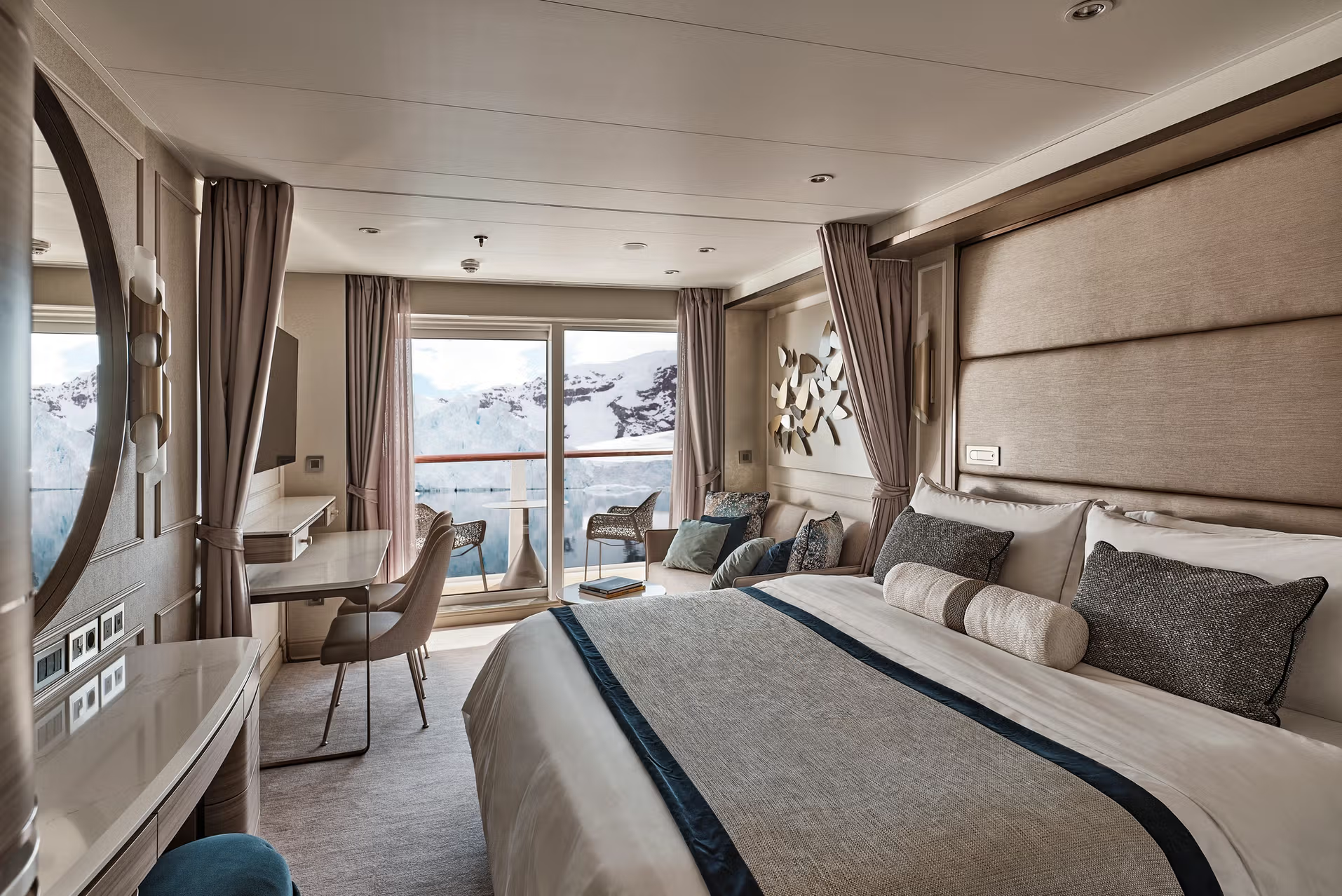
So how much does a solo Antarctica expedition cruise cost? For my sailing, a lower-category cabin (two twin beds and a porthole) ran $7,550 per person at the solo rate, while the most expensive suites reached around $20,000. Prices vary widely by operator and ship class: entry- to mid-level Antarctic cruises range from $12,000 to $20,000+ (based on double occupancy), while luxury and ultra-luxury expeditions cost anywhere from $18,000 to $45,000+ (double occupancy).
Part of what made this trip possible was my decision to travel solo. Intrepid matched solo travelers with a roommate based on the same gender and similar age, and I had no complaints.
Ushuaia, Argentina: Getting to the Bottom of the World
Many Antarctica expedition cruises begin in Ushuaia, Argentina — the southernmost city in the world — and getting there from the United States is quite a journey.
I took a red-eye to Buenos Aires, Argentina (13 hours of travel with a short connection through Miami), then spent a night there before continuing on to Ushuaia. I recommend this approach for most clients heading to Antarctica; it makes the flight simpler, and if it's your first visit to Buenos Aires, add in a couple of extra days to explore the city before your cruise.
From there, we flew to Ushuaia and were transferred to the Wyndham Garden Ushuaia Hotel del Glaciar, where we checked in ahead of the expedition. We were to spend one night there and leave the following day. After checking in, I met my roommate, delighted to find that she was also from the Caribbean, only five years older, and someone I got along with very well. We still keep in touch!
Spend at least a day in Ushuaia. Before our welcome meeting, I explored downtown Ushuaia on a walking tour — snow-capped Andes views, Chile visible across the water, and tastings of local beers and chocolates. The next morning, I hiked to the base of Martial Glacier (I'm no hiker, but vacation Shebna does what she has to do), stopped at the charming La Cabaña Tea House for scones, and caught a glimpse of the beautiful End of the World Park.
Inevitably, something goes wrong on every trip.
For us, the Ocean Endeavour was delayed on its way from Germany. This was the first Antarctic voyage of the summer season, meaning no alternative ship was available, so we departed one day late.
Moments like these are when a travel advisor proves invaluable, preparing travelers for potential complications — such as embarkation delays or illness during the Drake Passage — and outlining contingency plans for the expedition. I knew that I'd soon be making a career of travel; this delay and my lack of an advisor at the time only cemented that.
Intrepid handled the delay gracefully: they covered an extra hotel night, arranged a buffet dinner, organized a catamaran tour to the Beagle Channel and Martillo Island, and issued a $750 voucher toward a future trip. The bonus day also gave me time to visit the Ushuaia Prison Museum, the "Alcatraz" of Argentina — where there were preserved cells that were noticeably chilly and eerie, prisoner stories that were fascinating to read, and a maritime museum with a great display of penguin species.
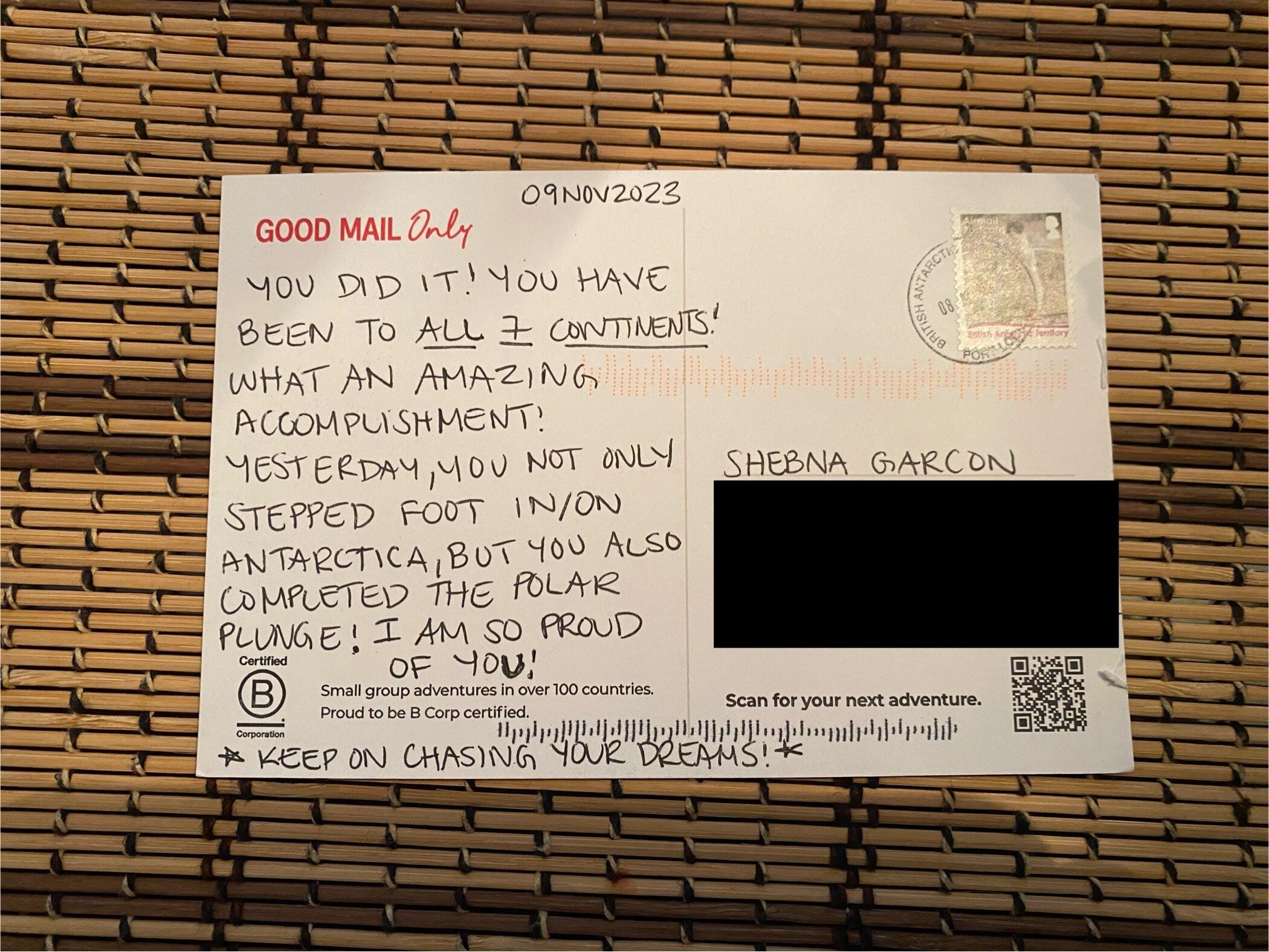
Once aboard, my roommate and I found our cabin. Compact but thoughtfully arranged, it had everything we needed and nothing we didn't. On our beds were insulated Kathmandu-brand puffer jackets — ours to keep — a blank postcard, and a ship's patch. Later during the expedition's limited downtime, I used the provided postcard to send myself a note. The polar boutique sold stamps, and we could give postcards to the staff to mail out from Antarctica.
Crossing the Drake Passage — Drake Shake or Drake Lake?
The journey to Antarctica begins by crossing the Drake Passage, the narrow stretch of sea where the Atlantic and Pacific Oceans meet and often create tumultuous conditions. During that two-day crossing, you either get the Drake Shake (rough seas), or you get the Drake Lake (calm waters).
There is no reliable way to predict whether you will get the Shake or Lake before the expedition. There is, however, a way to reach Antarctica without crossing the Drake Passage: a two-hour chartered flight from Chile to the South Shetland Islands, where you join an expedition. These fly-cruise options start around $9,000, through multiple vendors.
We definitely got a bit of the Drake Shake — reportedly a level 5 or 6 out of 12. The ship was essentially a seesaw; we walked at a 45-degree angle to keep from falling. The cafeteria's tables and chairs were chained to the floor. Items not secured to surfaces flew off tables, usually shattering glassware as they fell. I can only imagine how severe a level 12 of the Drake Shake would be.
Take motion sickness medication when crossing the Drake Passage, even if you don't expect to get sick. The ship's doctor shared this advice with us the first night, and luckily I did not feel seasick because of it. I even enjoyed the rocking motion at night and slept like a baby. However, I counted myself among the lucky ones.
Life on Board
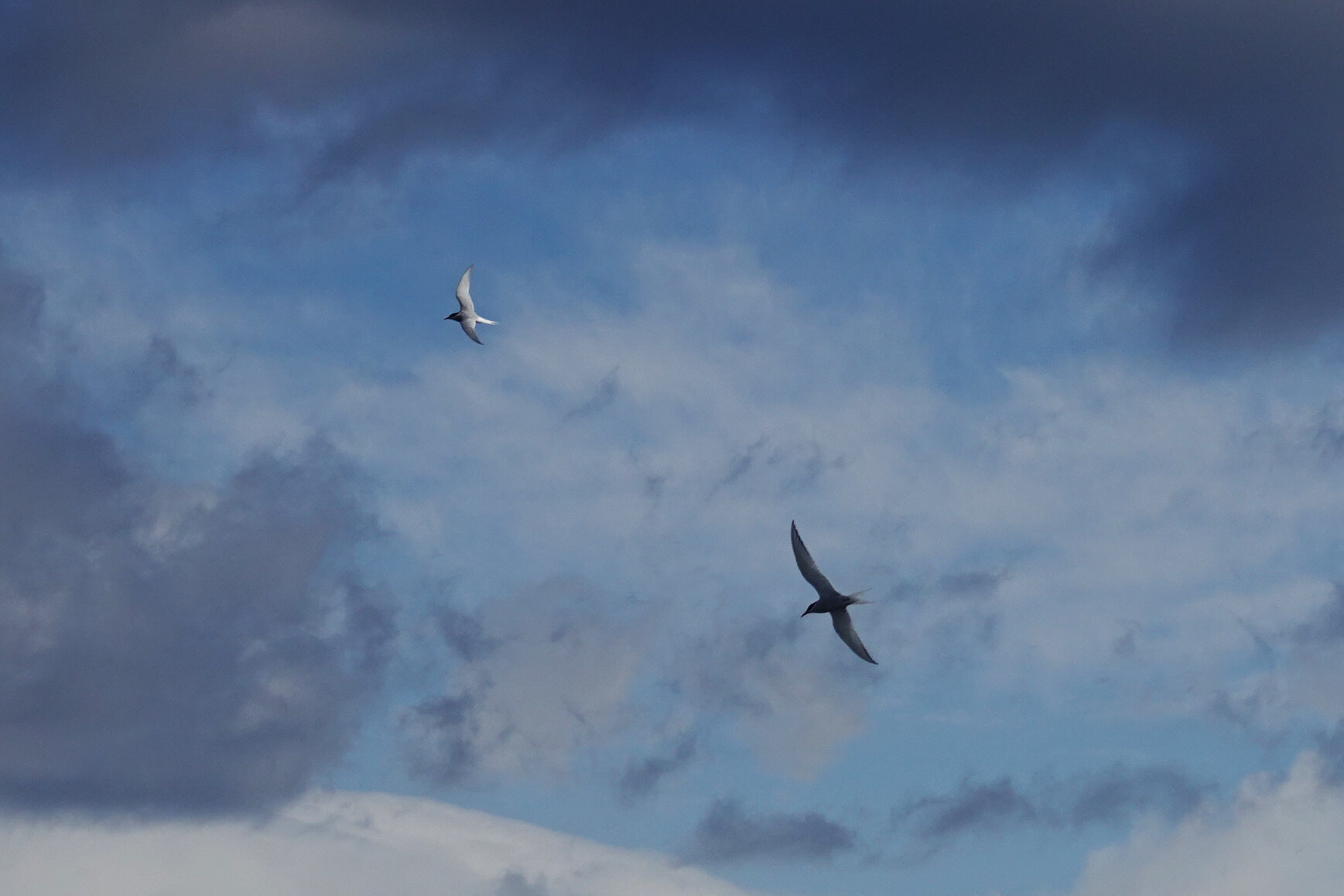
Beyond the passage, jagged frozen peaks cut through the calm water as albatrosses and petrels soared overhead, their occasional cries the only sounds breaking the silence. The captain's bridge was almost always open to guests, who could observe the captain and crew at work and take in panoramic views. I was deeply grateful to have added Intrepid's photography program — using the provided Sony cameras, I captured sweeping glacier shots and action shots of the world's fastest penguins swimming.
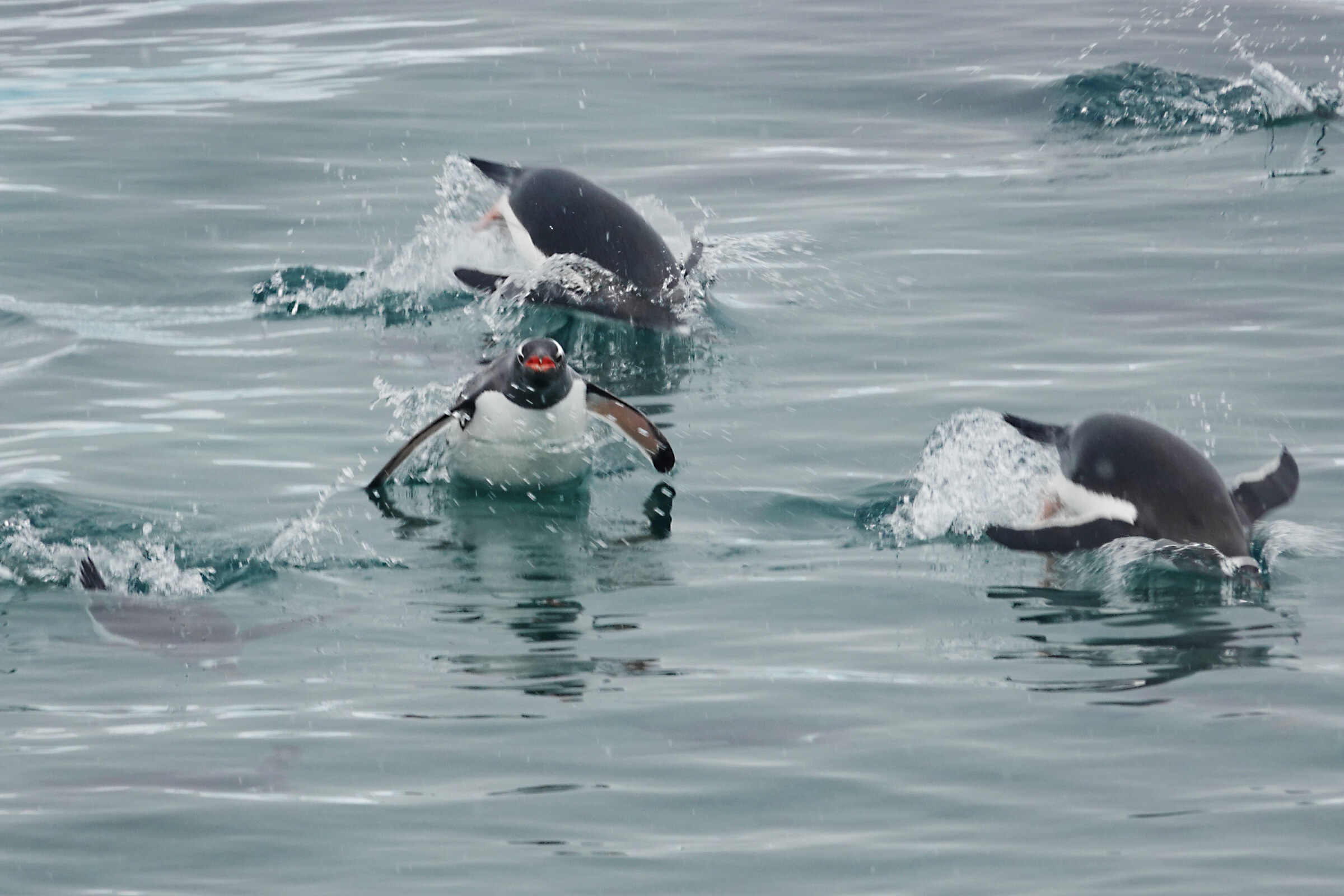
Each day started with an early intercom wake-up call that included a weather update and the daily schedule, also displayed on the cabin TVs. Mornings and afternoons included lectures on wildlife, terrain, climate, safety, and biosecurity — all livestreamed so we could watch from our cabins if needed. The photography program offered two classes a day, and the first few days included mandatory safety and biosecurity sessions. We could select add-on, prepaid activities on a first-come, first-served basis, weather permitting — camping, kayaking, paddleboarding, snowshoeing, and photography programs are typical offerings on most Antarctica cruise lines. We had a briefing each evening, where the expedition team recapped the day's activities and discussed the next day's weather forecast.
Meals in the cafeteria were either buffet-style or à la carte, depending on the meal. There was a good variety and the food quality was excellent. Water, tea, and coffee were included. Soft drinks were around $3, and alcohol started around $10. There was also free afternoon tea available each day with tea, coffee, hot chocolate, some finger sandwiches, and cookies.
A Typical Sea Day
Wake-up call → breakfast → morning lecture → photography class → lunch → deck time for birdwatching and icebergs → afternoon lecture → afternoon photography class → daily briefing → dinner
If you found time between meals, lectures, and watching the scenery, you could:
- Browse the polar boutique.
- Join informal talks with the expedition team.
- Catch up on reading in the library — especially during afternoon tea — or review the posted bulletins about wildlife, the expedition team, and the journey map.
- Relax in the spa, sauna, or Jacuzzi. I got a wonderful hot stone massage and participated in a sunset sauna stretch class. There is also an onboard fitness center available for use.
- Hang out with new friends and have snowball fights while on board.
A Typical Landing Day
Quick breakfast → race to the mudroom when the ship nears the next stop → morning expedition → lunch → back to the mudroom → afternoon expedition → daily briefing → dinner
Landing days move faster and leave far less downtime — a jam-packed schedule with little room to relax. Passengers can return to the ship early during any excursion, but I stayed on the continent as long as possible.
What We Did on the Continent
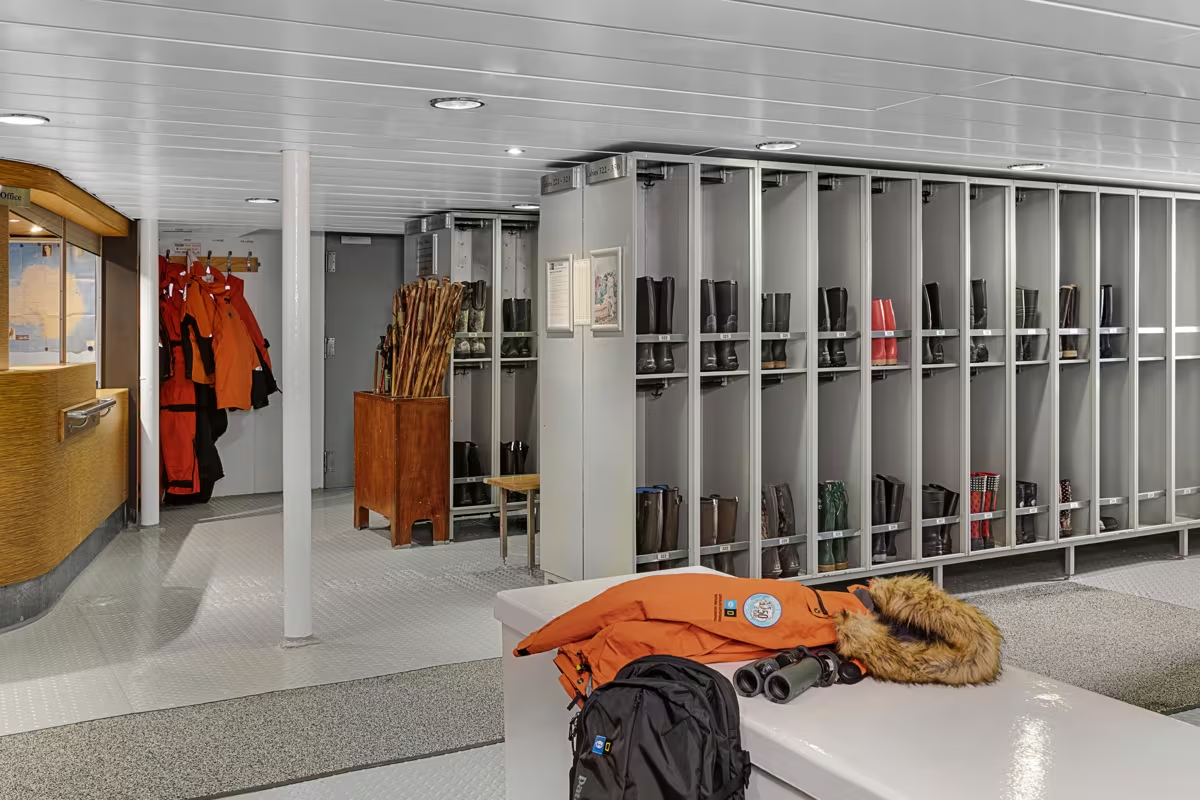
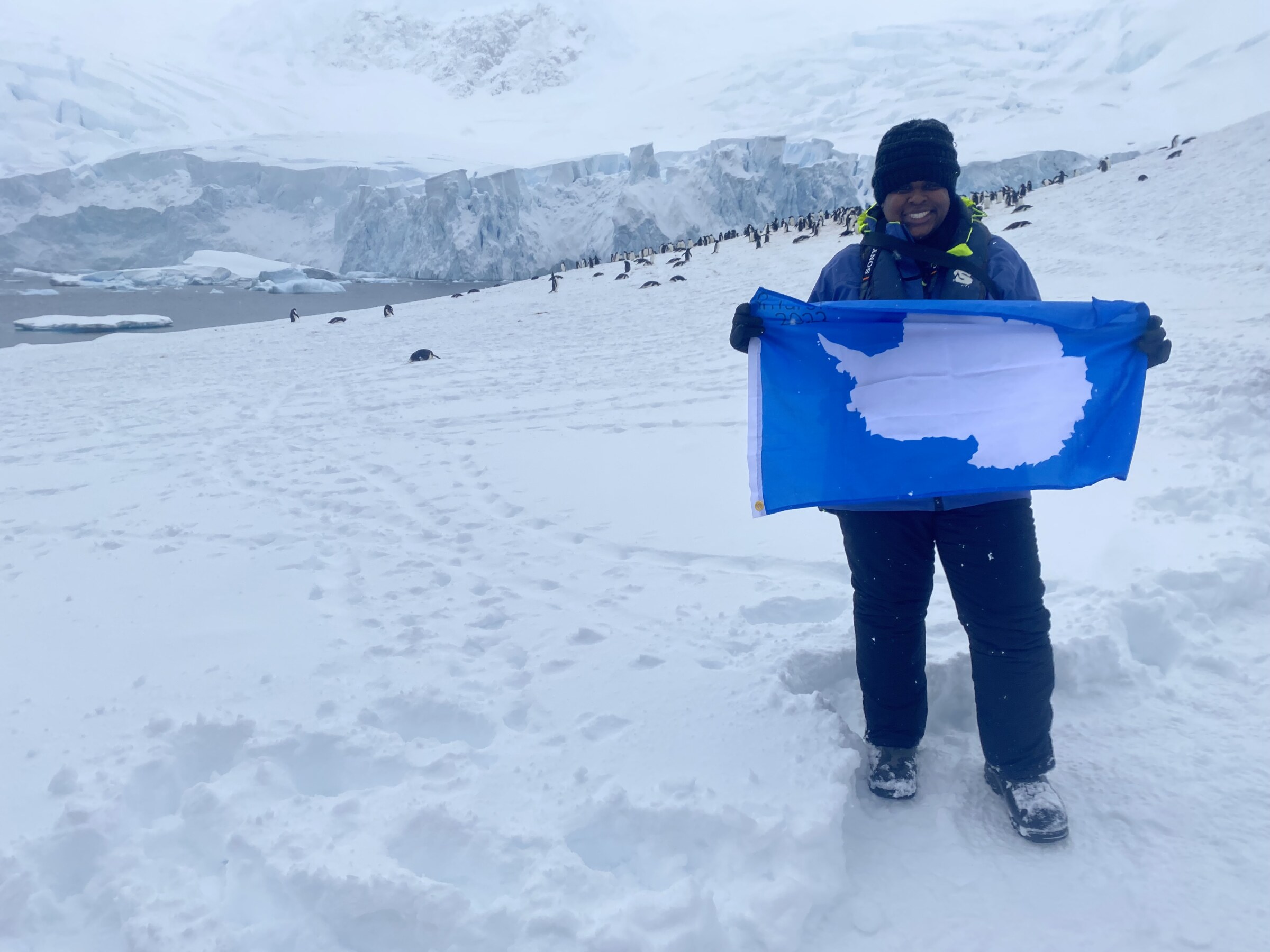
As only 100 people may be on Antarctic land at a time, we were divided into mudroom groups, and the scheduled order was posted for each stop. I was in the photography group — we always went first and had to be fully dressed before the first listed group's departure, so the timing was strict. Any personal gear brought on land was thoroughly inspected for pet dander, dust, or debris that could harm the wildlife; staff deemed items unusable if contamination couldn't be fully vacuumed off.
What Was Provided vs. What I Packed
Provided at boarding: an insulated puffer jacket, a blank postcard, a patch
Provided in your mudroom locker: an expedition parka, muck boots, and a life vest, sized before the trip
What I packed: my own cold-weather layers, ski or waterproof pants, boots, gloves, winter hat, earmuffs — all inspected for biosecurity before going ashore
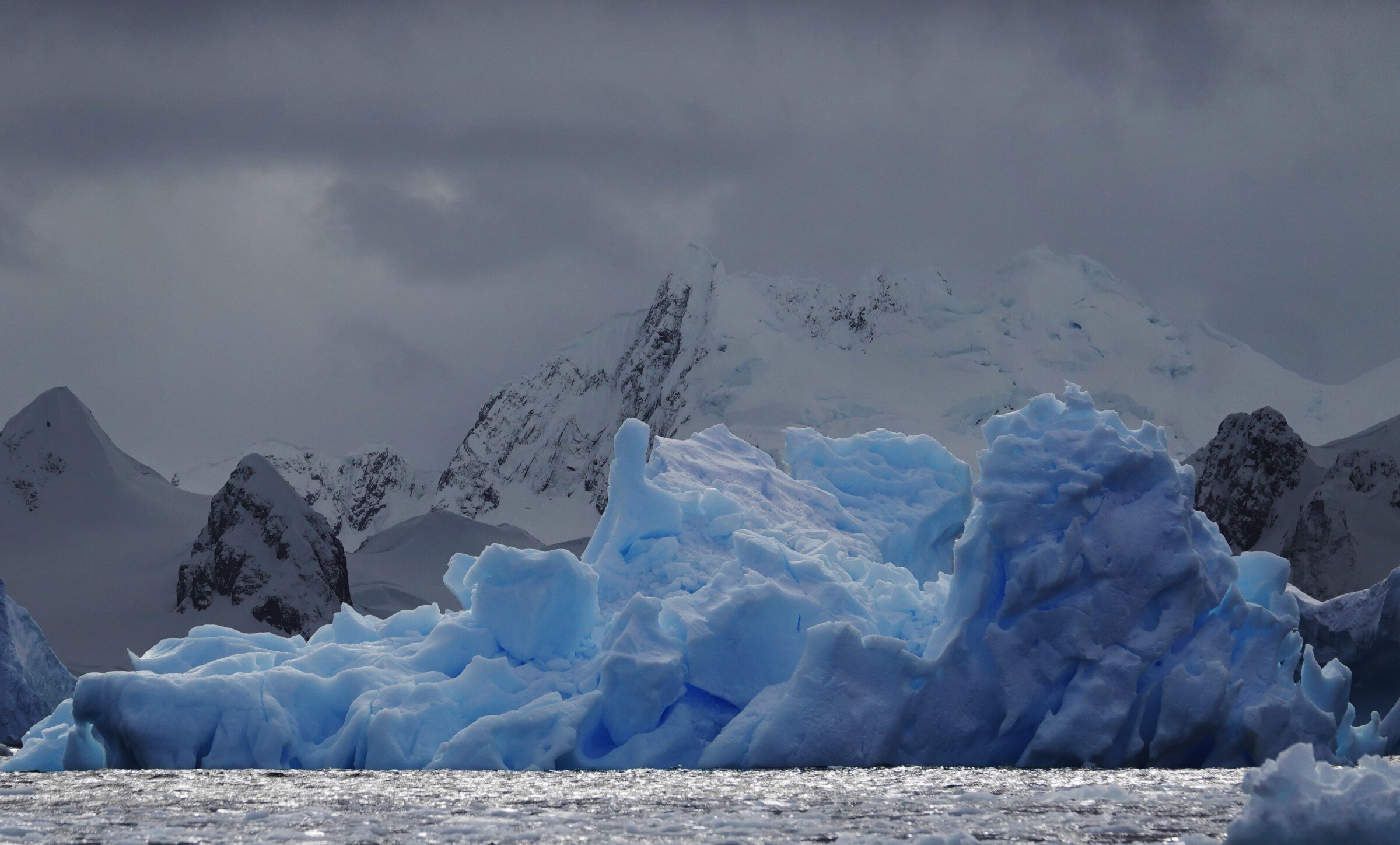
Our expedition spanned Antarctica and the South Shetland Islands, where we visited Deception Island, Whalers Bay, Portal Point, Freud Passage, Paradise Bay, Danco Island, Neko Harbour, and Orne Harbour. The landscape defied easy description. Icebergs ranged from blinding white to deep blues, soft lavender, and a surprising black — each sculpted differently by wind and time.
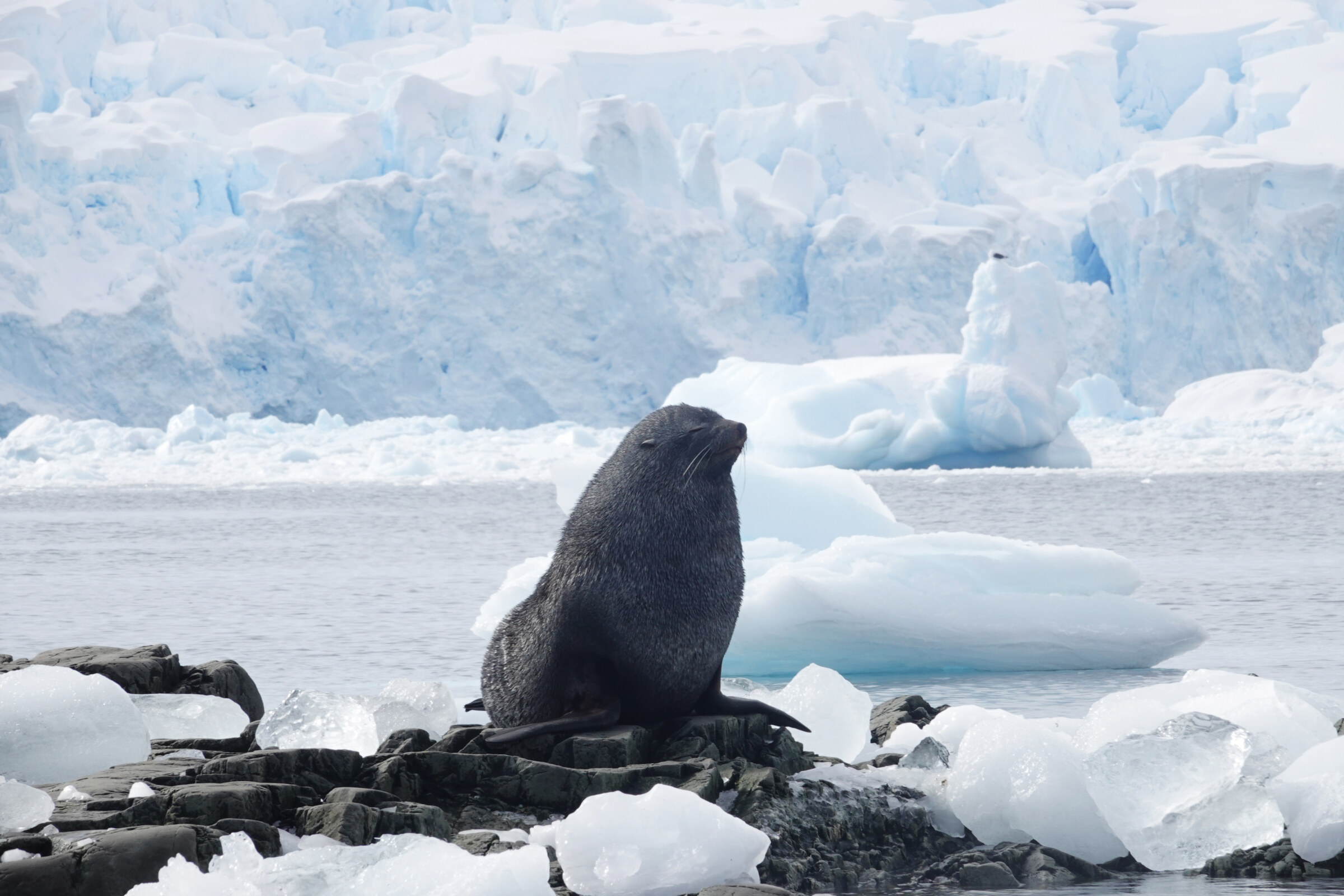
We also spotted Weddell seals, Antarctic fur seals, and leopard seals, and so many bird species that I felt like a seasoned birder, photographing every one I spotted. Gentoo and chinstrap penguins moved around us with complete indifference. When snow began to fall softly during our landing on mainland Antarctica, the silence was almost reverent. We were required to stay at least 5 metres away from the penguins, but they ignored that rule and approached us anyway. While on land, we could not sit, kneel, or squat to minimize our environmental impact.
On that same snowy day, we had the opportunity to take the polar plunge. The water was below freezing, but it did not feel as cold as expected — perhaps that was due to the adrenaline. I could barely taste the shot of vodka offered to us to warm up after the plunge. Soaking in the hot tub certainly helped warm me up. On a typical day, though, the temperature was −3 degrees Celsius (about 27 degrees Fahrenheit) at its lowest, which was not as cold as I thought it would be. I found myself needing fewer layers than anticipated.
Why I Do This — and Why It Matters for Your Trip
Is an Antarctica expedition cruise worth it? Absolutely. It is fast-paced and lecture-rich — not exactly a trip for relaxation — but it is unquestionably a trip of a lifetime and remains at the top of my travel list.
As with every other continent I'd visited, I had planned this entire trip myself: arranging the flights and connections to Ushuaia, coordinating hotels and transport between stops, navigating the ship delay and scrambling for backup options when things went south. Those are the moments that taught me what travelers really need — and now I do that for others.
Whether you're after cost savings, luxury benefits, or simply someone in your corner if things go sideways — I provide personal travel support before, during, and after the trip, at no additional cost. If you're considering your own Antarctic expedition — even if it looks nothing like mine — let's talk. I can match you to the best sailing for your expectations.
Connect with me below to start the conversation.

Plan your next journey with
Shebna GarconShebna Garcon is a fully licensed travel advisor with LuxRally Travel — trained, insured, and accredited to plan and book travel anywhere in the world. Shebna has personally traveled to all 7 continents & is happy to help her clients see the world!
Related Stories
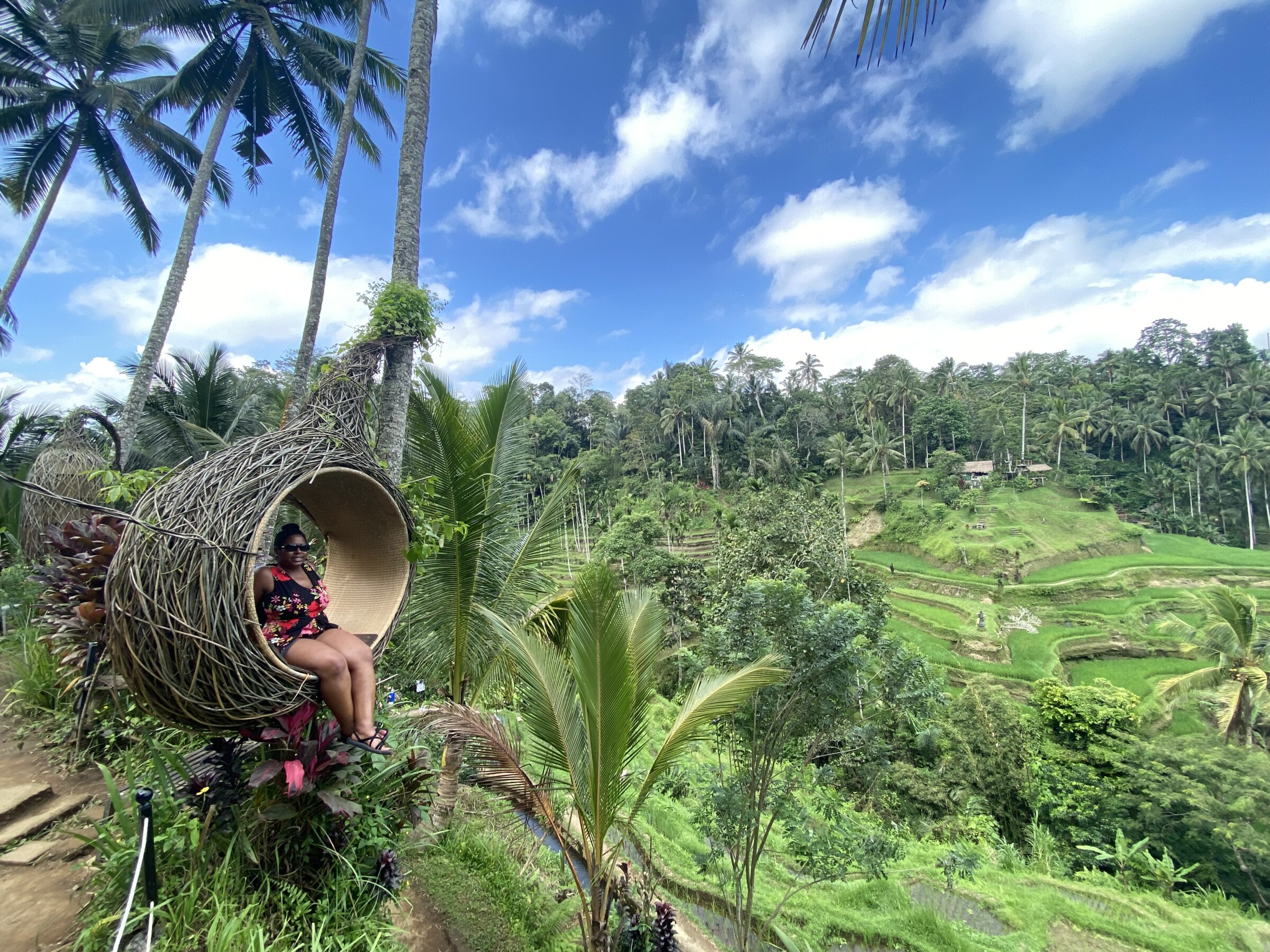
Four Types of Solo Trips to Take When You're Done Waiting on Someone Else
After over a decade of waiting on others, I decided to see the world for myself, alone. Here are four types of solo trips, personally tested by a luxury travel advisor — from group expeditions to fully private tours.
By Shebna Garcon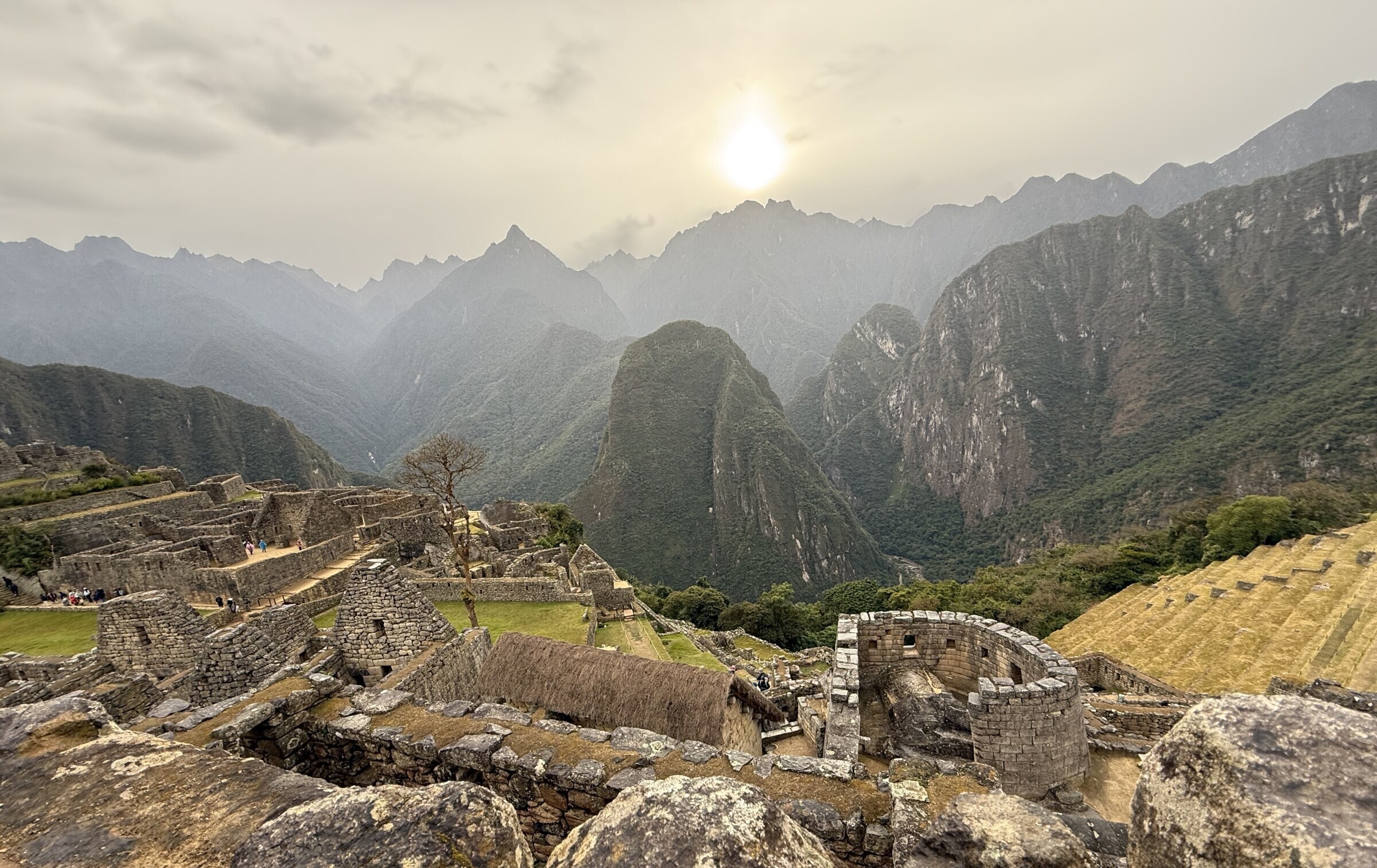
Getting to Machu Picchu Without Hiking: Deeper Immersion and Far Fewer Blisters
What happens when you skip the Inca Trail and spend those days exploring the ruins around the gates to Machu Picchu instead? A deeper, richer arrival at one of the world's great wonders.
By Shebna Garcon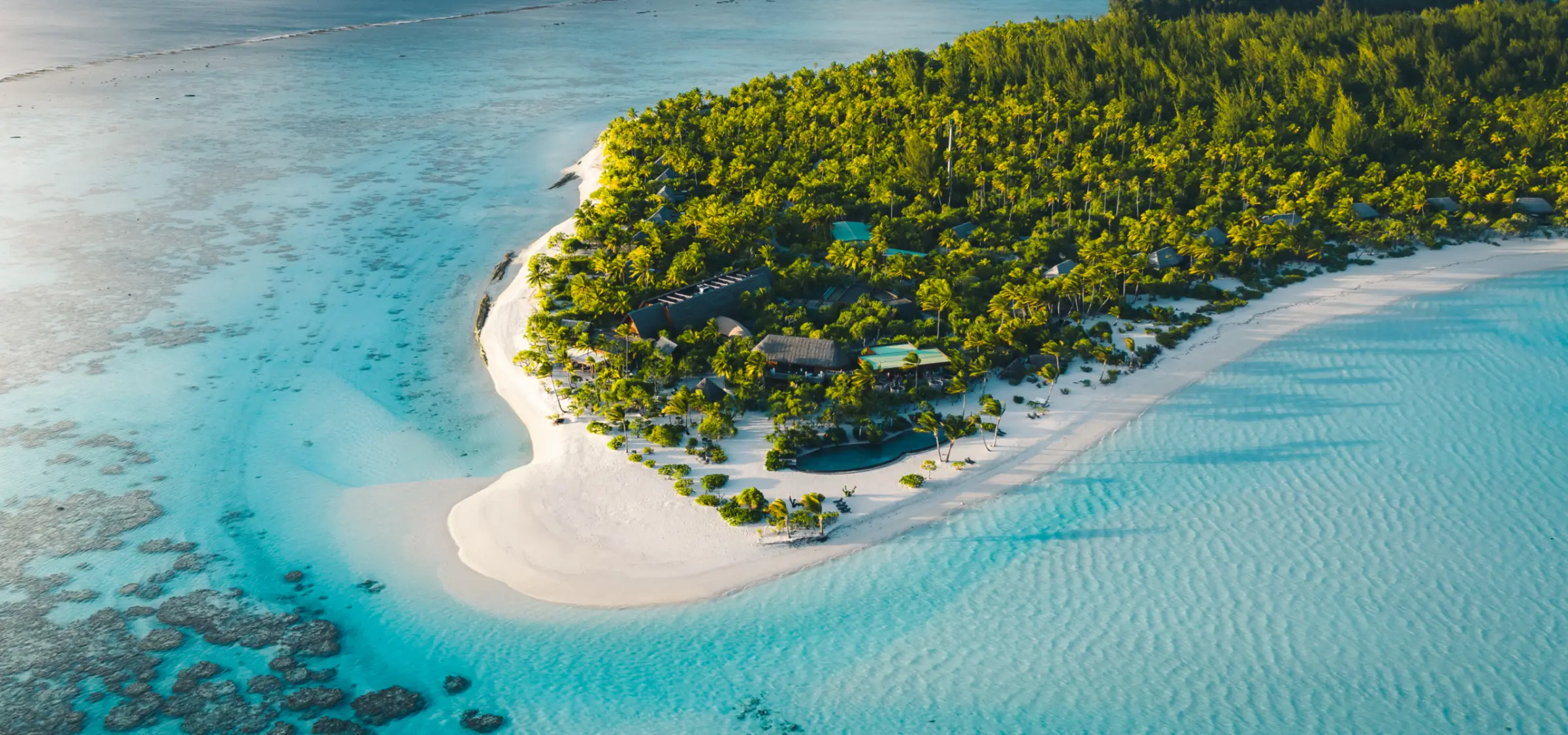
The Brando's Private Motu: One Island Marlon Brando Kept for Himself
A short flight from Tahiti, one islet sits apart from Marlon Brando's own resort, reserved by request for a single party at a time. It is the closest a traveler can get to the man who built this atoll, it's resort, and the private oasis even further from the main retreat.
By Alina Moretti
Kona Meets Sedona: Inside Black Desert Resort, Southern Utah's Luxury Escape
Deep black volcanic basalt, emerald fairways, and red sandstone cliffs that shift from terracotta to burnt sienna by the hour — Black Desert Resort shouldn't work as a landscape, but it does, spectacularly. I pulled up on an October morning and realized I was looking at something I'd never seen before in a place I call home.
By Megan Saldibar
The New Science of Living Longer: 5 Anti-Aging Retreats Redefining Luxury Wellness
Five destinations where longevity, biohacking, and genomic medicine have become the most compelling luxury on earth. From Swiss clinics to Mediterranean retreats, the future of travel is biological.
By Alina Moretti
Confessions of a Converted Cruiser: How Alaska and Oceania Changed Everything
A self-proclaimed non-cruiser boards Oceania for an Alaskan voyage — and discovers that breaching humpbacks, foie gras-topped filets, and glass-smooth mornings can change a traveler's mind entirely.
By Cassie Bacon