
Solo Travel Guide
Four Types of Solo Trips to Take When You're Done Waiting on Someone Else
After over a decade of waiting on others, I decided to see the world for myself, alone. Here are four types of solo trips, personally tested by a luxury travel advisor — from group expeditions to fully private tours.
October 24, 2026
above the terraced rice fields of Tegallalang, Ubud, Bali.
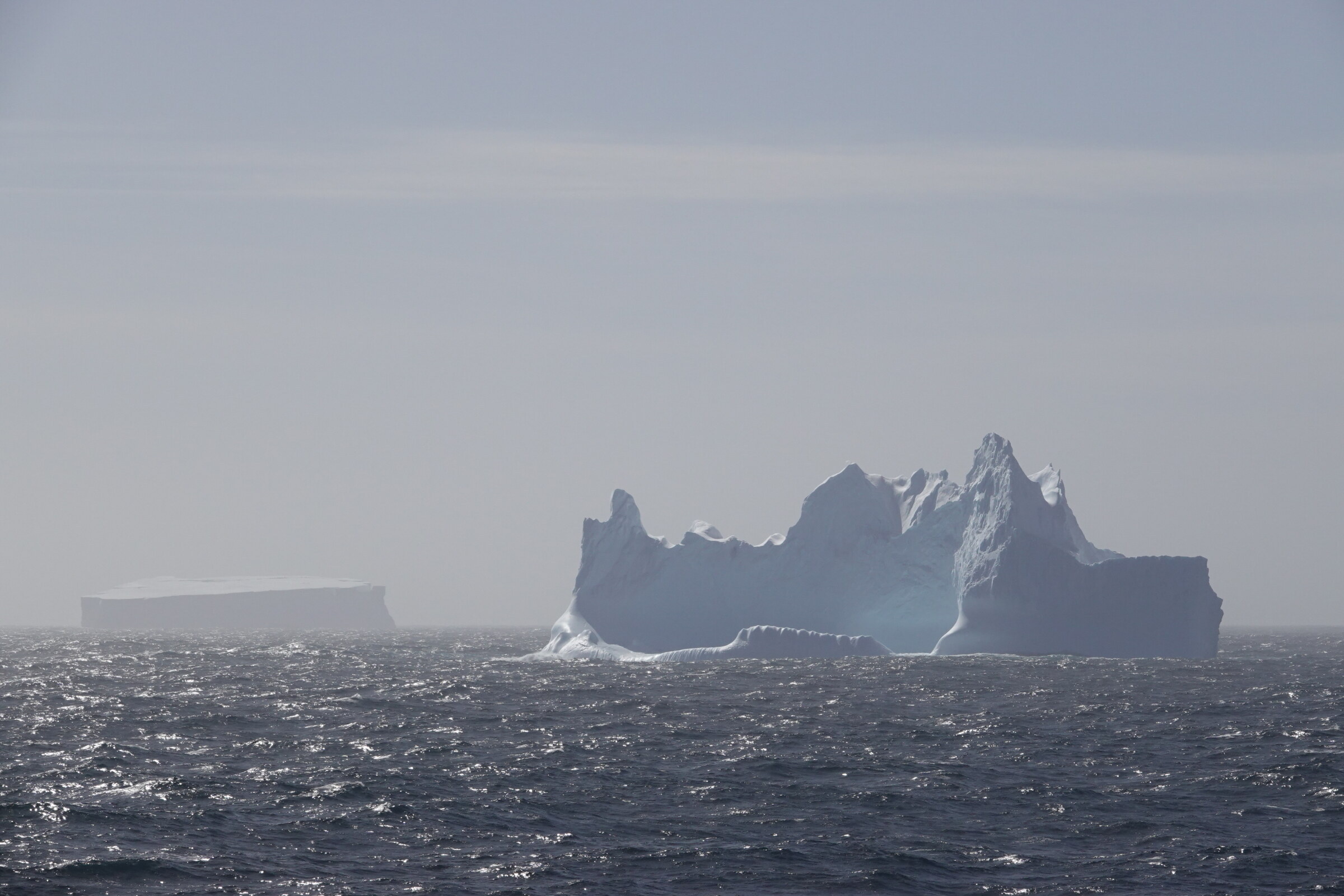
The first time I stood on the deck of a ship and watched an iceberg appear, impossibly white at its core, I was alone. No one to grab my arm. No one to say, "Are you seeing this?" Just me, the cold air, and a silence that makes you feel very small and very alive at the same time. I had waited 16 years for that moment. I almost didn't make it.
Most of us would rather travel with someone else, for safety and security reasons. But sometimes, you just can't find someone to go with you. The hard truth is that waiting for someone to say yes is one of the most expensive things you can do with your time.
That's exactly what I used to do. As someone who has since become a travel advisor and personally taken every one of the solo trips covered in this article, I can tell you firsthand what that waiting cost me in missed experiences. It's the reason it took me 16 years to reach all seven continents.
For a full decade (2012 to 2022), I didn't set foot on a single new continent. I only had two left to complete my goal: Africa and Antarctica. I kept cruising the Caribbean, revisiting places I already knew, waiting on friends and family to commit to the bigger adventures. Africa stayed on the wish list. Antarctica stayed on the wish list. And life just kept moving.
When an opportunity arose for Antarctica, I finally decided enough was enough. I was done waiting. I was going solo, and I was done living with the what-ifs.
So if you can't get your trip ideas out of the group chat, here are four types of solo trips that will empower you to get out there anyway.
First Things First — Do Your Research
Before I choose which type of solo trip I'm taking, I research locations that are safe for solo travelers — especially for women and minority travelers. Safety is non-negotiable, and it's the foundation everything else gets built on. That research is something I do for myself and for every client I work with — checking official advisories, reading recent firsthand experiences, and vetting destinations specifically through the lens of solo female and minority travel.
My first stop is always the U.S. State Department's travel advisories at travel.state.gov, which gives a solid baseline before I dig into firsthand accounts from travelers with similar backgrounds. Then I figure out which way I want to travel, and sometimes the destination helps decide that. Paris will have far more solo tour options than, say, Seychelles. The location and the trip type work together — one often dictates the other.
Type 1: Join an Organized Tour, Solo
This is the one that sealed it. Africa had come first — September 2022 — but that trip wasn't solo. Antarctica was. In November 2023, I booked an expedition cruise on the Ocean Endeavour and went alone. Antarctica is what broke the pattern of waiting. I chose a group tour specifically because I was traveling solo. There's a built-in sense of safety when you're moving with a group, and on an expedition like that you're sharing zodiac landings and wildlife encounters with people who chose to be there for the same reasons you did.
For Antarctica, I opted for roommate matching. My roommate was around my same age and same gender, and it worked out really well. The solo room would have cost me double the occupancy price, so that roommate match saved me around $8,000. Yes, really.
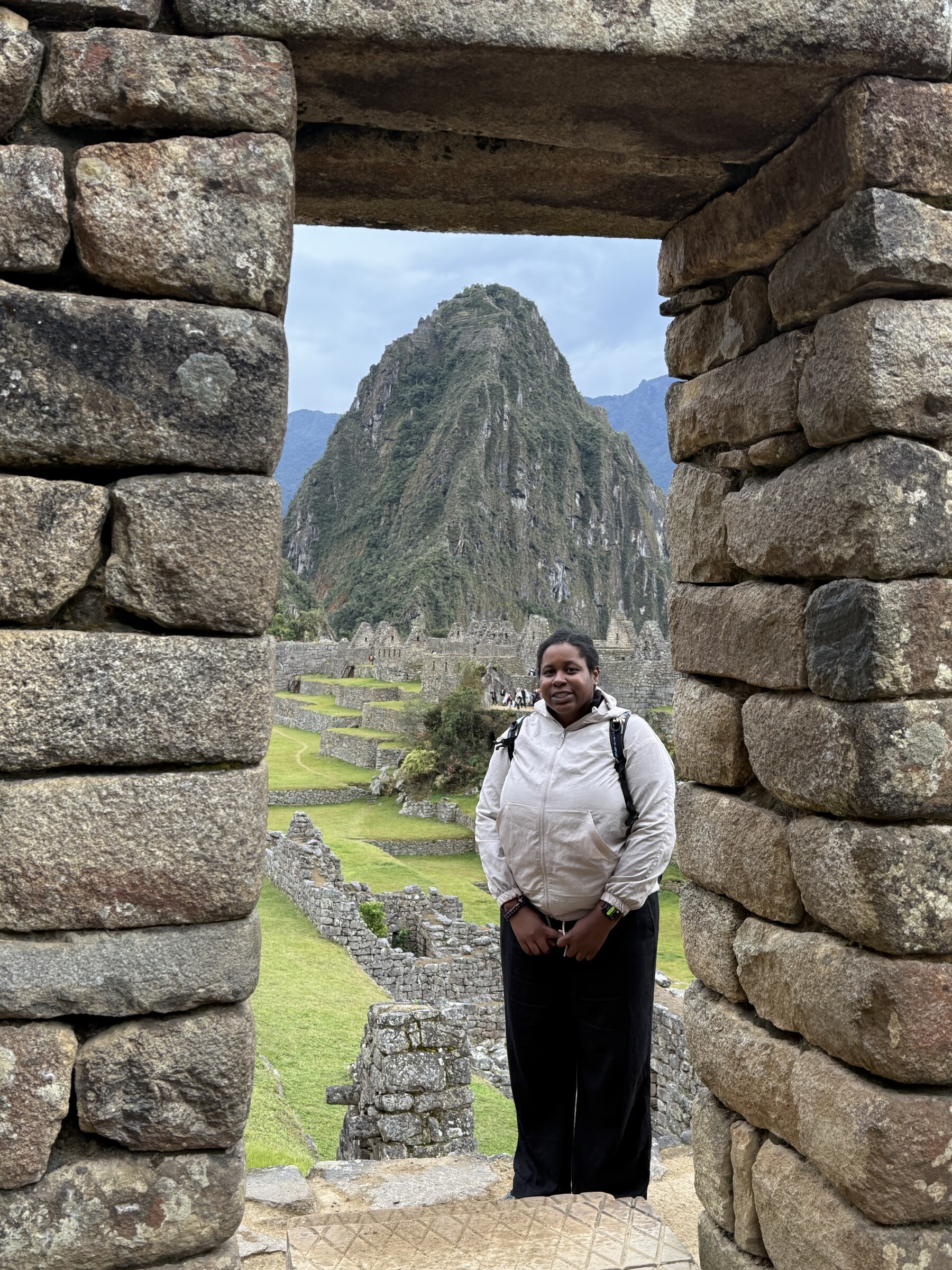
I've since done other Type 1 solo trips the same way: the Galápagos, Machu Picchu, and Bali. For those, I got my own room but still had the structure of an organized tour taking us from city to city. There's downtime built in so you can venture out on your own. You can ask the tour guide for suggestions and make the experience feel personal even within a group framework.
It's important to note that most organized group tours like these cap out at around 20 people. That's intentional: it keeps the group manageable, the pace reasonable, and the experience from feeling like a crowded bus tour. There's always someone who takes a little longer to get back to the meeting point, but a good tour guide keeps that to a minimum. For a solo female traveler who wants structure and community without sacrificing independence, this is an excellent starting point — and it's the type of trip I can help you find and book.
Type 2: Doing an Organized Independent Tour
This type of solo trip is a little more free-form. It typically includes a stationary hotel and sometimes the flights as well, with optional tours you can purchase — or you can do your own thing entirely. The dates are set, so there are usually other travelers doing the same tour at the same time.
I've done this through Gate 1 Travel to the Azores in Portugal and to Hawaii, and both trips came in at a reasonable price point because the flights and hotel were bundled together. My Azores trip, for example, ran around $1,500 all in — transatlantic flight, seven nights of accommodation, and the optional tours included. For what the trip delivered in genuine connection and discovery, it punched well above its price point. Hawaii was closer to $4,000. The experiences were quite different. In Hawaii, the hotels were large enough that even when I did the optional tours, I wasn't seeing the same people each time. It felt more independent, more like I was navigating on my own terms.
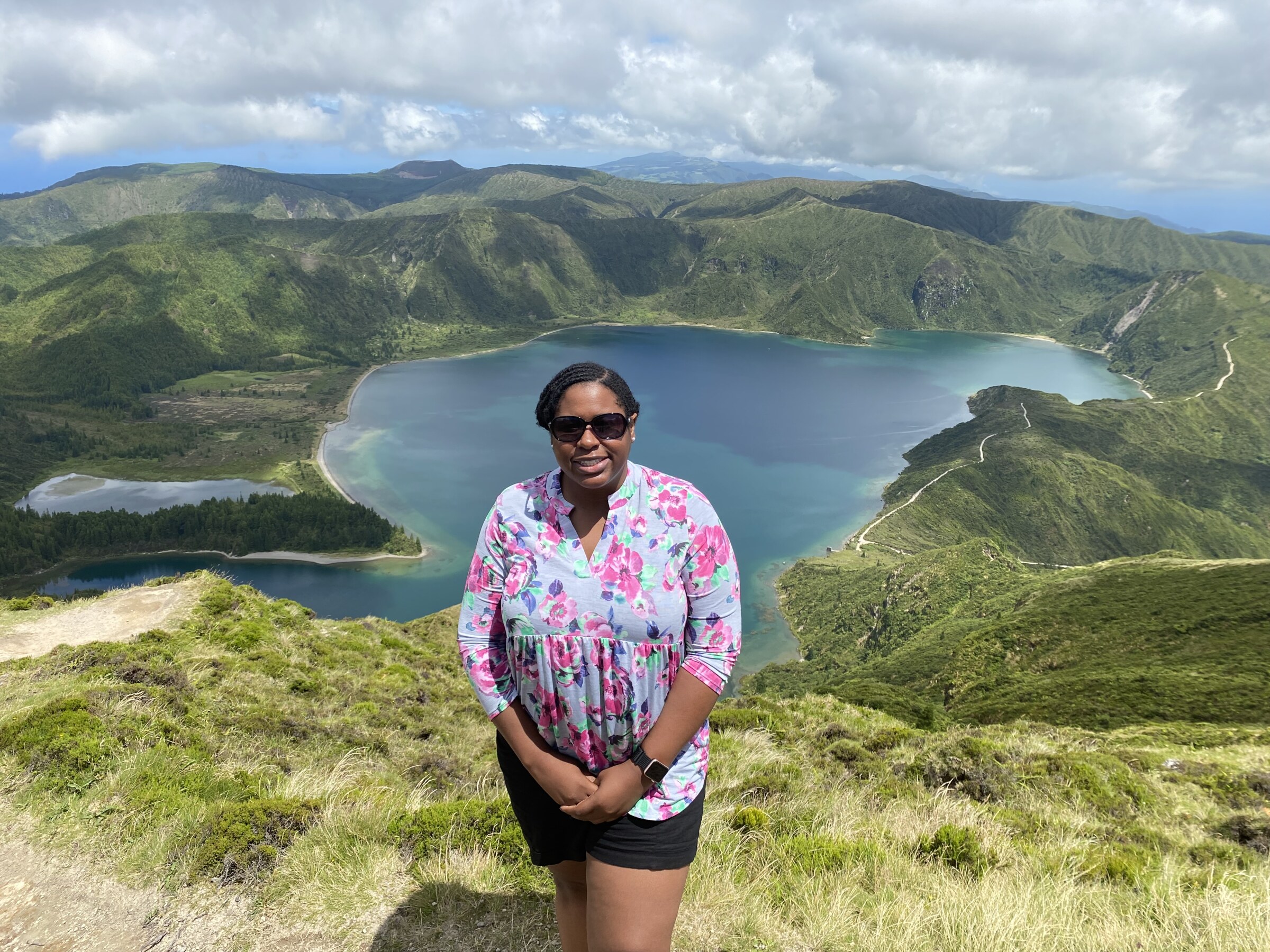
The Azores was another story entirely — and a better one. There were maybe six other people doing the same tour, and we kept crossing paths on the optional excursions. I ended up bonding with an older couple over the shared tours. We'd take pictures for each other (one of the perks of these group-adjacent experiences when you're solo) and we ended up going out to dinner together. We're still in touch to this day. Unexpected connection makes solo travel feel less solo.
Type 3: Doing a Completely Private Tour
This is the more luxurious option, and I'm going to be honest — sometimes it's the exact escape you need, price tag aside.
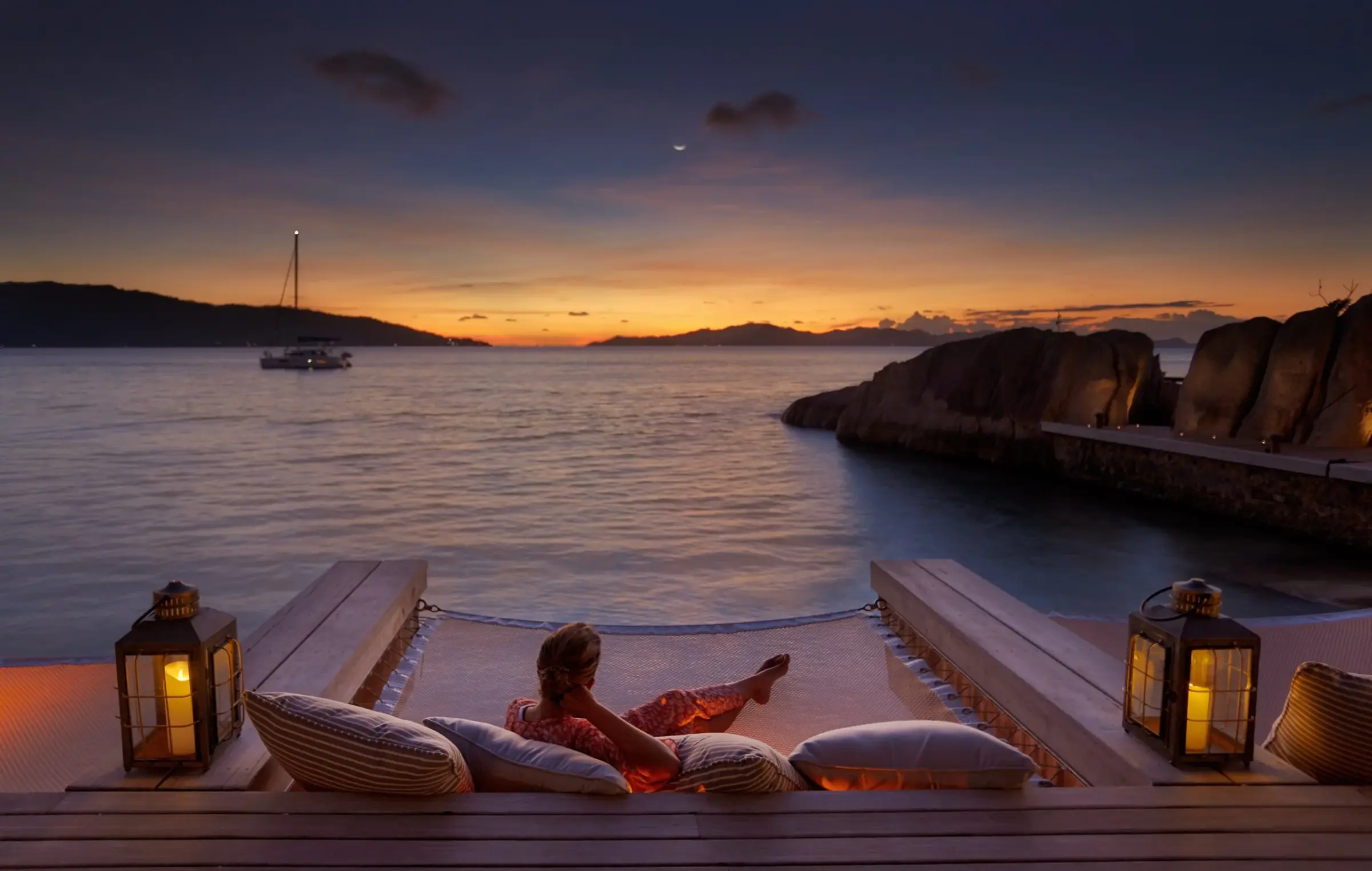
I just did a private tour to East Africa through Zanzibar, Kenya, and Seychelles. A private tour like this runs considerably more than a group or independent tour. Mine (three countries, roughly two weeks) came in closer to the $10,000 range, and that number shifts depending on the destinations, the length of stay, and the level of accommodation. But for the complete flexibility, the private guides, the VIP logistics — it delivered something in a different category of travel entirely.
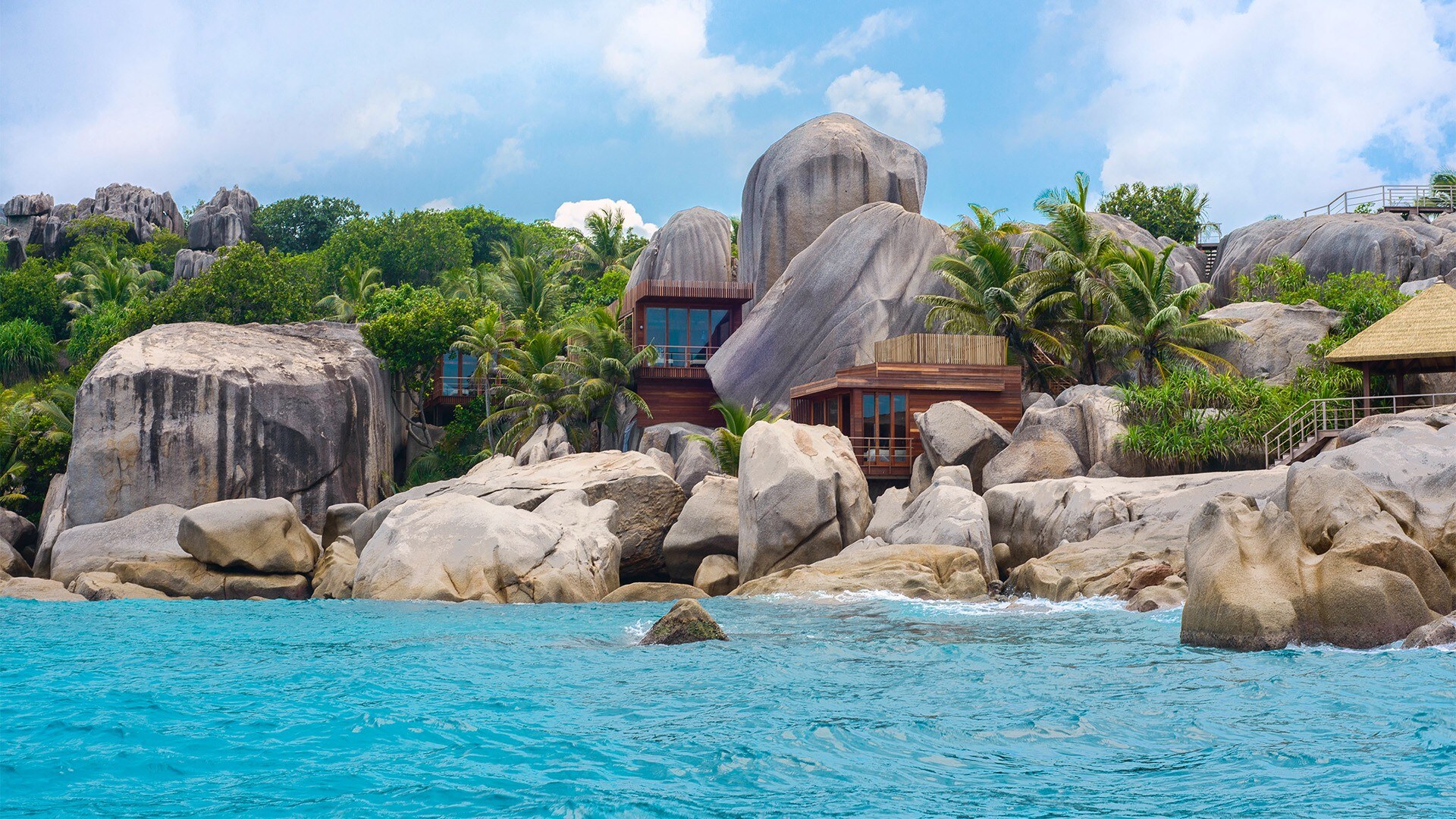
This was a gift to myself for a milestone birthday after a particularly hard year. I needed a trip that was entirely on my terms, with no waiting for other guests to get back to the bus, no compromising on how long I spent somewhere, no pressure from anyone else's itinerary. If you want to explore this option, reach out to me directly — this is the type of trip I build for clients one-on-one with trusted DMCs and tour operators, at no additional cost.
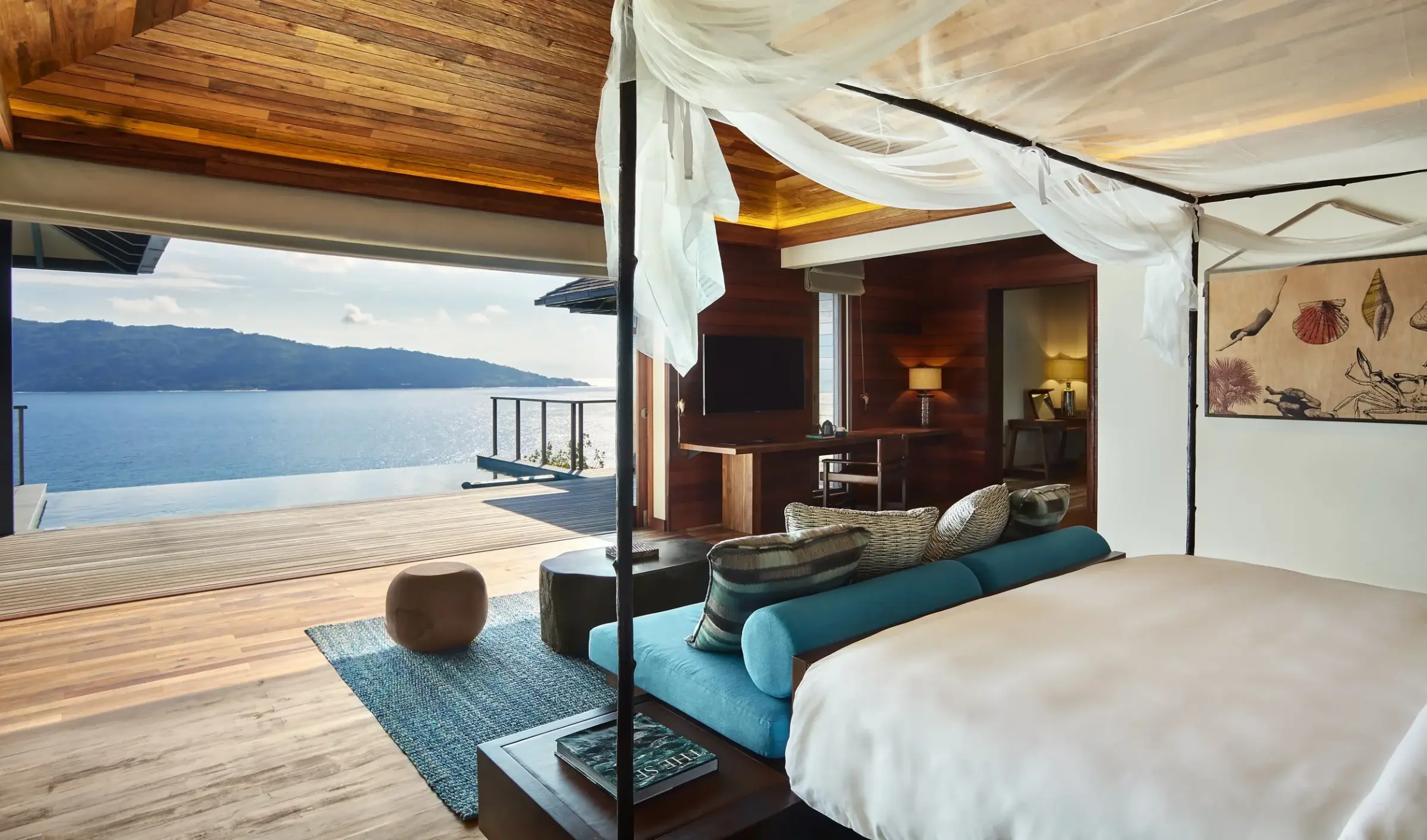
With a private tour, you have your own drivers and transportation (shared ferries and flights excepted), your own private tour guides, and VIP pickup from the airport. In Zanzibar, someone actually met me at the gate and assisted me through customs, immigration, and security. Throughout the trip, the hotels were beautiful, the service was excellent, and the whole thing moved at my pace. If I wanted to leave a stop early, I could. If I wanted to linger somewhere longer, my guide adjusted. It was entirely up to me.
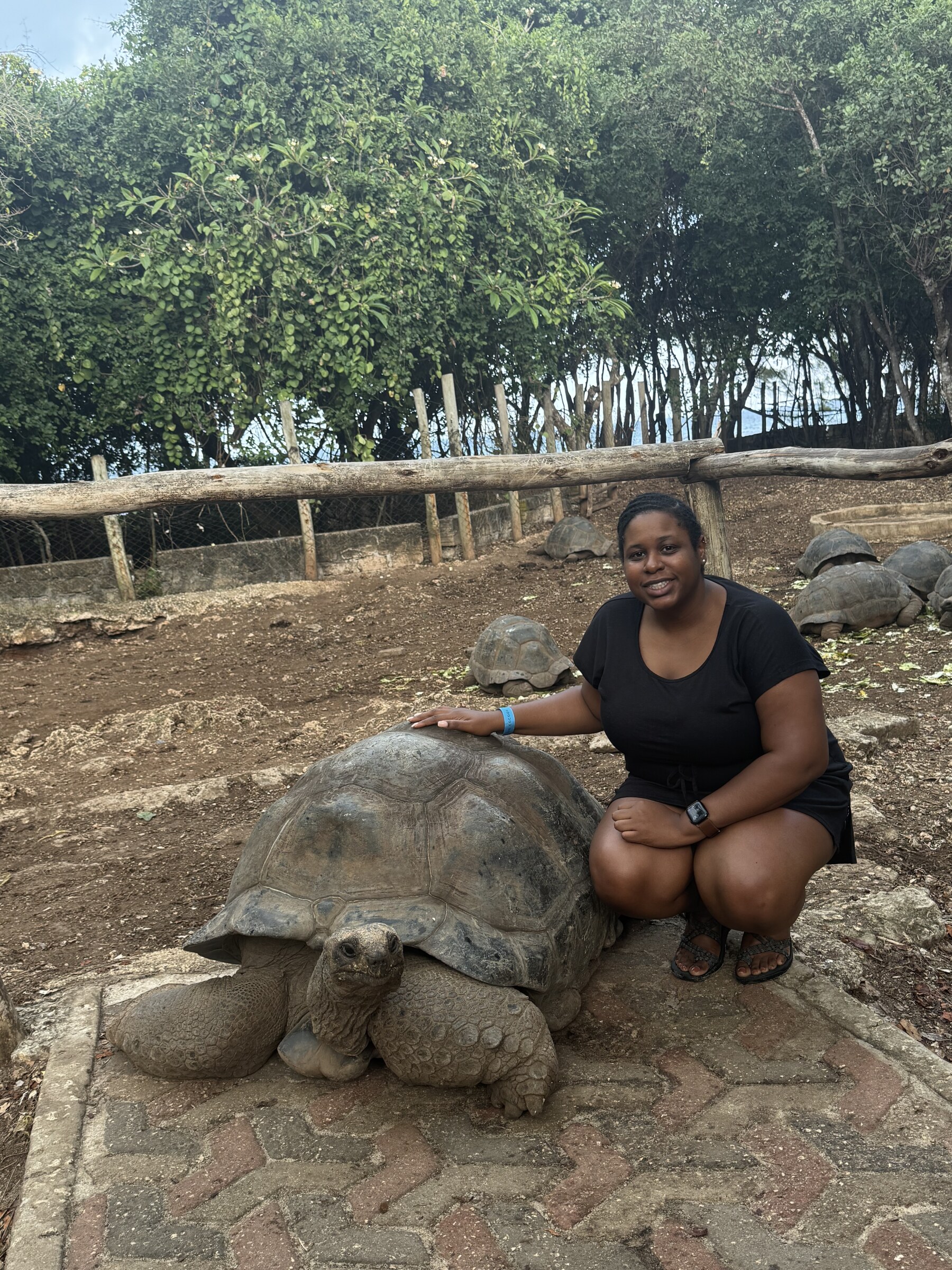
In Zanzibar, one of the highlights was Prison Island: walking among the Aldabra giant tortoises that move like they have all the time in the world, because they basically do. I also did horseback swimming right on the beach, which was a completely different kind of experience that has stuck with me since. In Kenya, I fed giraffes while my private guide acted as a personal photographer, and I got so close to the baby elephants at a sanctuary that when they played in the mud, I got splashed. A rope barrier stood between me and the elephants, but barely; my guide knew exactly where to stand for the best experience. And in Seychelles, I had the Suazier waterfall entirely to myself for at least 30 minutes. No one else. Just me and the sound of the water.
That kind of flexibility to linger, to be in the moment without an audience, meant everything at a time in my life when I needed to focus on myself and not feel pressured by anyone else's pace.
Type 4: The Spontaneous Trip — With a Caveat
Some people love the thrill of a last-minute trip with nothing fully planned out, and I understand the appeal. In my experience, the most freeing moments on a solo trip happen not because you threw out the plan, but because you built one solid enough to lean on — and left room inside it to say yes. A guide suggests a detour you hadn't considered, or an evening that starts at dinner with strangers turns into a friendship years later. That kind of spontaneity is real, and it doesn't require going in blind to get there.
But a completely unplanned trip with no accommodation sorted and no sense of the area? I wouldn't recommend it, especially for solo female travelers. Destination-wise, somewhere like Lisbon or parts of the Caribbean can absorb a fairly loose itinerary if you're comfortable navigating on your own. But even then, I'd want a safe home base locked in before you leave. Cost-wise, booking last-minute without flexibility will cost you more — flights spike, availability narrows, and the good hotels fill first.
Structure isn't the enemy of adventure. It's what makes the adventure worth having.
Speaking of unfortunate realities... traveling solo almost always comes with a solo occupancy fee. For most trips, you're looking at an extra $200 or more; for in-demand destinations like Hawaii or the Galápagos, that fee can climb closer to $1,000. Some companies offer roommate matching to waive it entirely (for my Antarctica expedition, that saved me around $8,000), so it's worth considering when you book.
I think everyone reaches a point where they just don't want to share a room with strangers. I have friends and family I've known my whole life and still wouldn't share a room with them. So now, I've reached the point where I just budget for that solo traveler fee. It's the price of peace of mind, and since most of these trips still give you a group or a community of other travelers to connect with, having my own room has never made me feel like I'm missing out.
You Don't Have to Wait.
I think a lot of people, especially women, are scared to travel solo, and instead of figuring out a way to make it work, they don't travel at all. I understand that instinct. I lived it for ten years.
But life is short, and you only have a limited window to experience everything you've been dreaming about. If seeing the world is a dream of yours, I'm here to help you do that. I've lived every one of these solo travel types firsthand, and I know how they work, what they cost, and which one makes sense depending on your destination, your budget, and what you need from the experience.
I'm not done exploring. Not even close. But I've stopped waiting on anyone else to say yes. And I think you should too.
Connect with me below to start planning your solo trip.
Frequently Asked Questions
How do I choose between the four types of solo trips?
Start with your destination — some places, like Antarctica, practically require a structured group tour if you're going alone. Others, like Paris or Hawaii, open up all four options. Then factor in your budget and how much alone time you actually want. I help clients work through exactly this decision.
Do I need travel insurance for a solo trip?
Yes — and I'd argue it matters even more when you're traveling alone. If something goes wrong, there's no travel companion to help navigate it. Look for a policy that covers trip cancellation, emergency medical, and evacuation. I always recommend my clients have coverage in place before they go.
What should I do if something goes wrong on a solo trip?
Know before you go: save your embassy or consulate's contact information, share your itinerary with folks back home, and have your travel insurance details somewhere accessible. For structured tours (Types 1, 2, and 3), your on-the-ground guide or tour operator is your first call — that's one of the underrated benefits of traveling with any kind of support structure.
Is solo travel safe for women and minority travelers?
It is, with the right preparation. I research every destination through the lens of solo female travel — checking official advisories and reading firsthand accounts from travelers with similar backgrounds. Safety is the foundation everything else gets built on.
What is a solo occupancy fee, and how much should I expect to pay?
A solo occupancy fee is the surcharge hotels and tour operators add when only one person occupies a room. It varies widely — from around $200 for shorter trips to $1,000 or more for in-demand destinations. Some companies offer roommate matching to waive it entirely, which is worth asking about when you book.
How far in advance should I book a solo trip?
For popular destinations and expedition-style travel, the earlier the better — some trips fill months out. That said, I've booked trips as close as a month in advance and still had great experiences, as long as accommodation and key tours were locked in before I landed. Going in without a plan is the one thing I wouldn't recommend.
How far in advance should I book a private tour?
For a multi-country private itinerary — especially one that includes Africa or remote island destinations like Seychelles — I'd plan at least four to six months out. Availability for quality private guides and preferred accommodation in these regions fills earlier than most people expect. The more specific your itinerary, the more lead time you need.
What should I pack for a solo trip?
It depends on the trip type and destination — an expedition cruise to Antarctica calls for very different gear than a week in the Azores. That said, the constants for solo travelers: a portable charger, a copy of all your documents stored separately from the originals, and layers you can mix and match. If you're working with me to plan your trip, I'll give you a destination-specific packing guide before you go.

Plan your next journey with
Shebna GarconShebna Garcon is a fully licensed travel advisor with LuxRally Travel — trained, insured, and accredited to plan and book travel anywhere in the world. Shebna has personally traveled to all 7 continents & is happy to help her clients see the world!
Related Stories
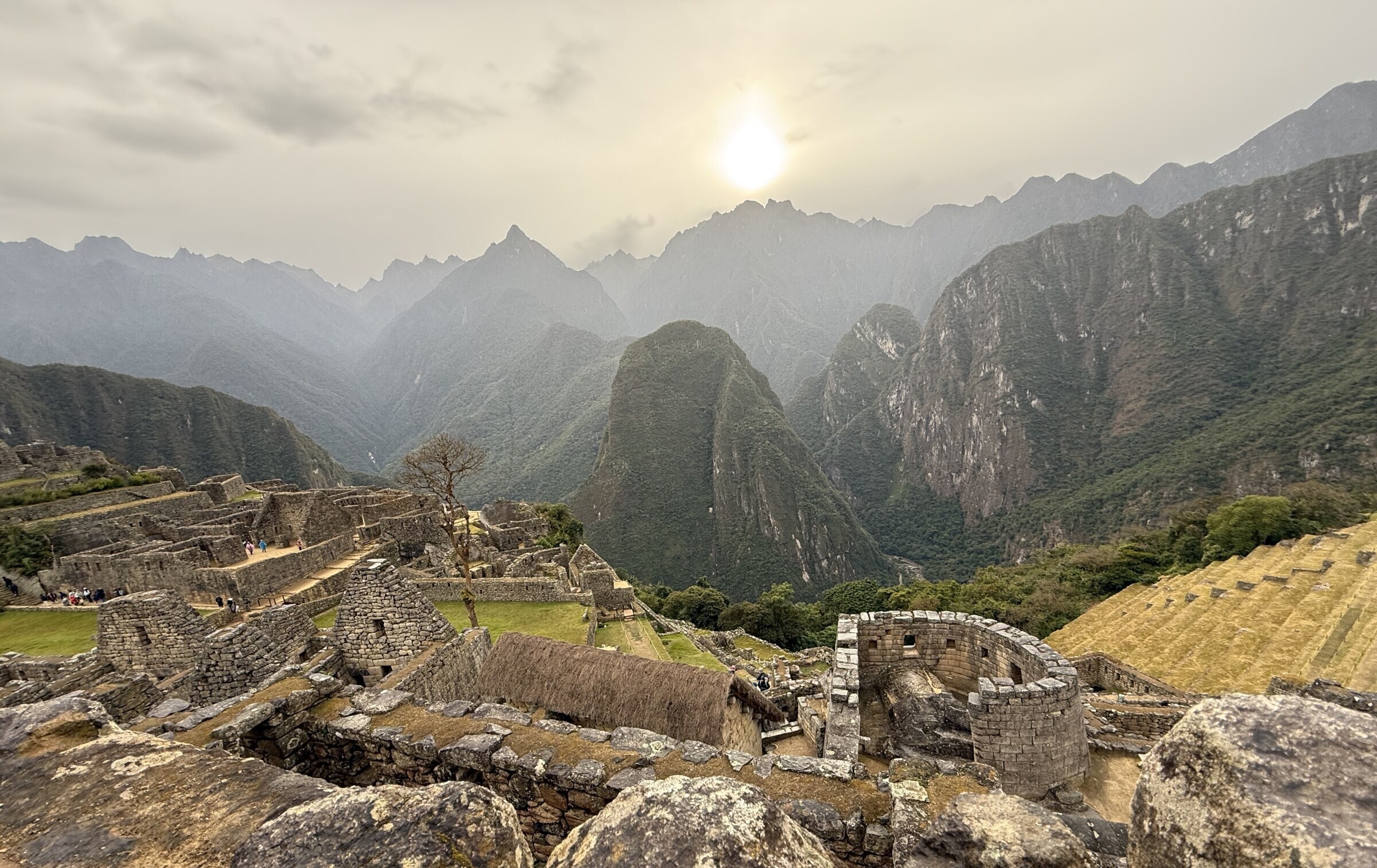
Getting to Machu Picchu Without Hiking: Deeper Immersion and Far Fewer Blisters
What happens when you skip the Inca Trail and spend those days exploring the ruins around the gates to Machu Picchu instead? A deeper, richer arrival at one of the world's great wonders.
By Shebna Garcon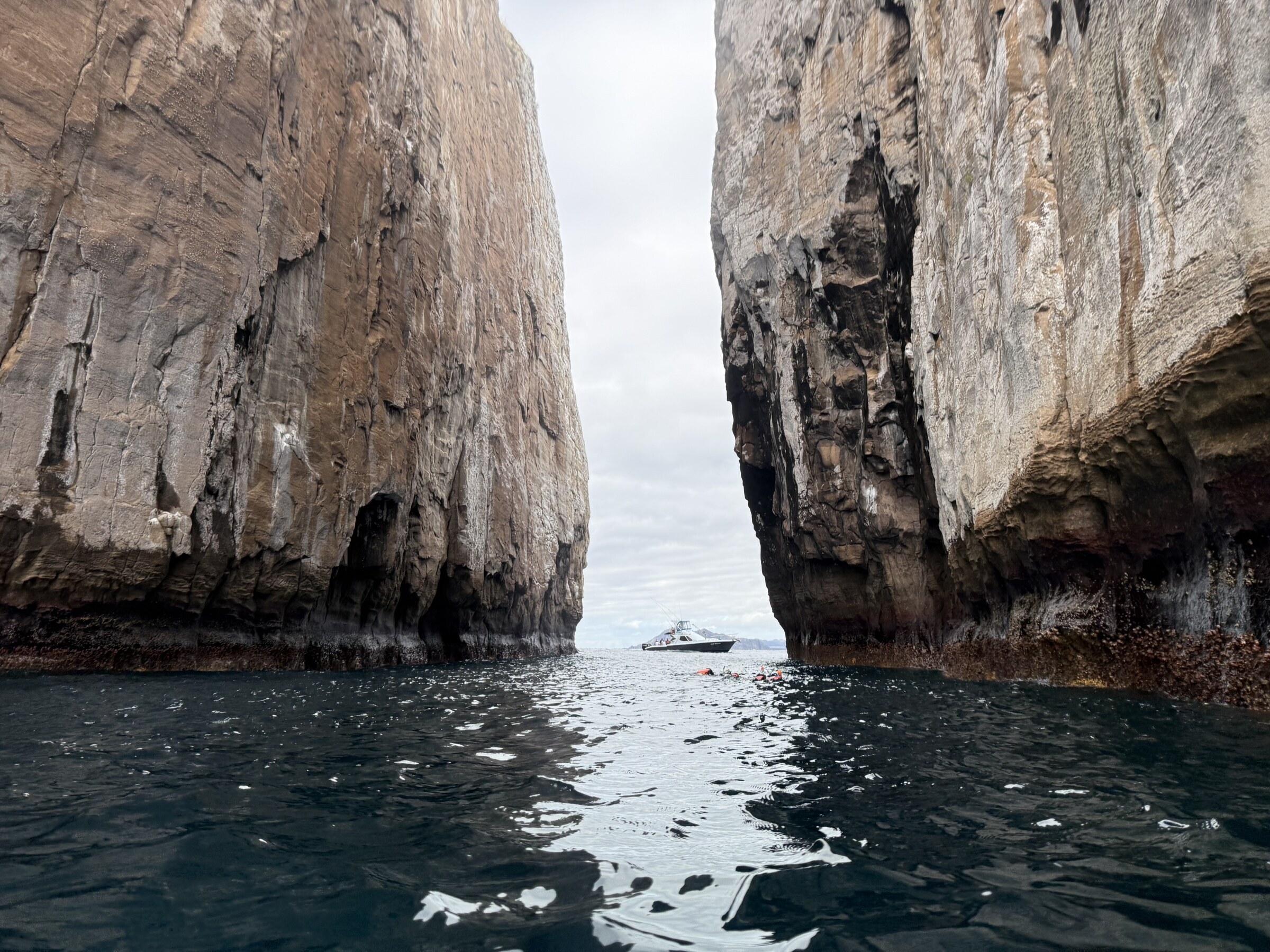
Nine Days, Four Islands, One Unsolved Disappearance: Exploring the Galápagos by Land Tour
The Galápagos Islands are most often sold as a cruise expedition — but a land-based tour is an equally extraordinary way to experience them, and far less talked about.
By Shebna Garcon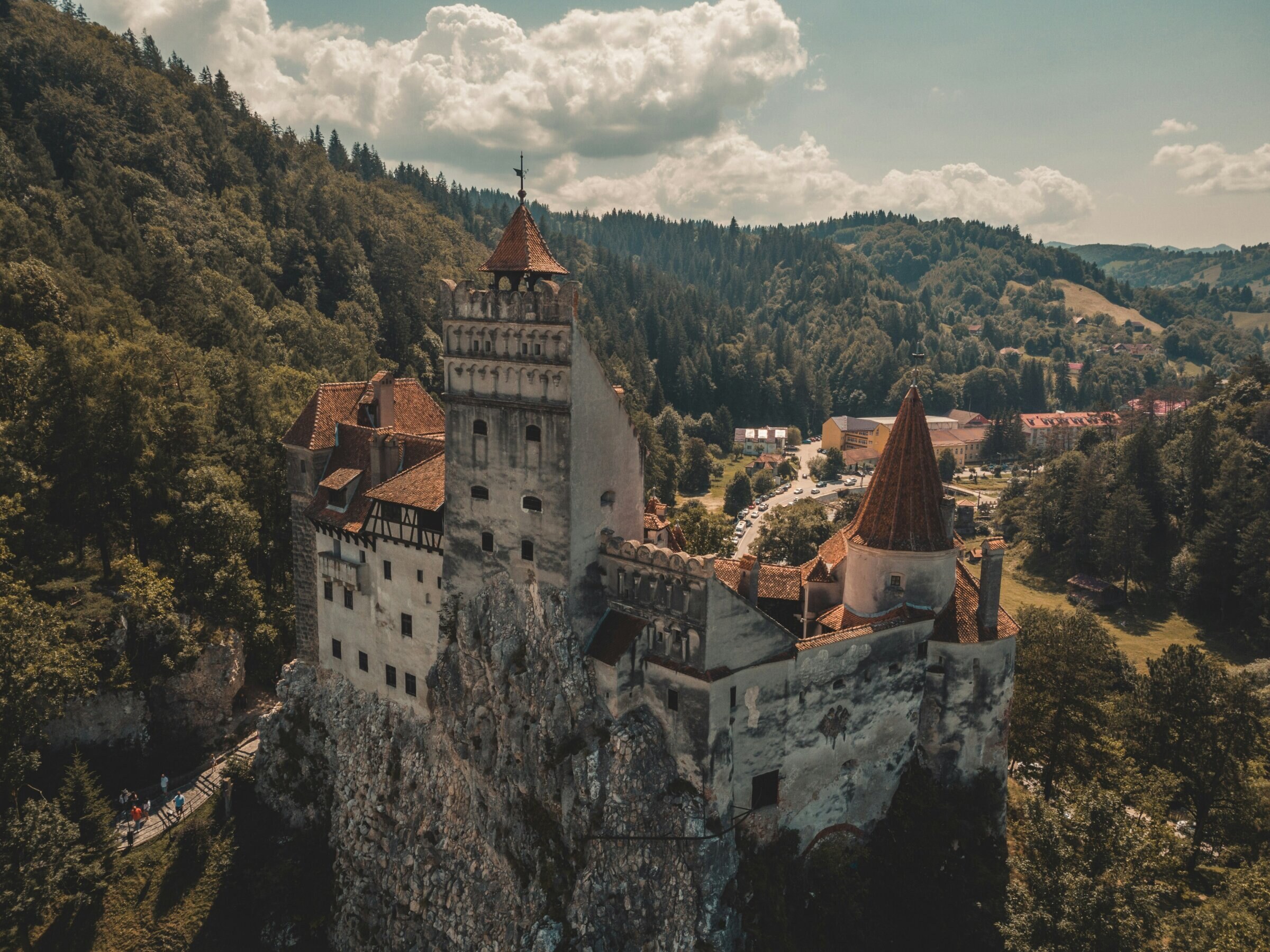
I Visited Dracula's Castle in Transylvania, Romania — and It's Lesser Known, Better Neighbor
I grew up watching Dracula movies on Saturday-night TV — so booking a day trip from Bucharest to Bran Castle felt like a childhood dream come true. Transylvania delivers: Gothic towers, stone corridors, and castles so eerily atmospheric they don't need the legend to impress.
By Nicole Severson
It Not About Remembering: Why Travel Matters During Early Childhood
Forget whether they'll remember it — that's the wrong question. Research suggests the value of early travel lives in the brain connections being built in real time, not the memories stored later. Here's what that means for how you plan family travel.
By Alexis Dunfee
An Argument for Luxury Slow Travel: Instagram is Ruining Travel for Everyone
Perfectly curated moments. Perfectly cropped. Perfectly hollow. Instagram has turned travel into performance — and the destinations, the bystanders, and the travelers themselves are all paying the price.
By Jennifer Jilot
Welcome to Country: A Travel Guide to Indigenous Australia
Indigenous heritage is not another experience to add to a luxury Australian itinerary. It is the lens through which the entire country is best understood. A framework for designing journeys that create understanding rather than consumption.
By Alisha Myers