
Travel Essay
An Advisor's Quest to the World's Most Famous Waterfalls: Niagara, Victoria, and Iguazú Falls
“There is a hidden message in every waterfall. It says, if you are flexible, falling will not hurt you.” ~ Mehmet Murat Ildan
November 7, 2026
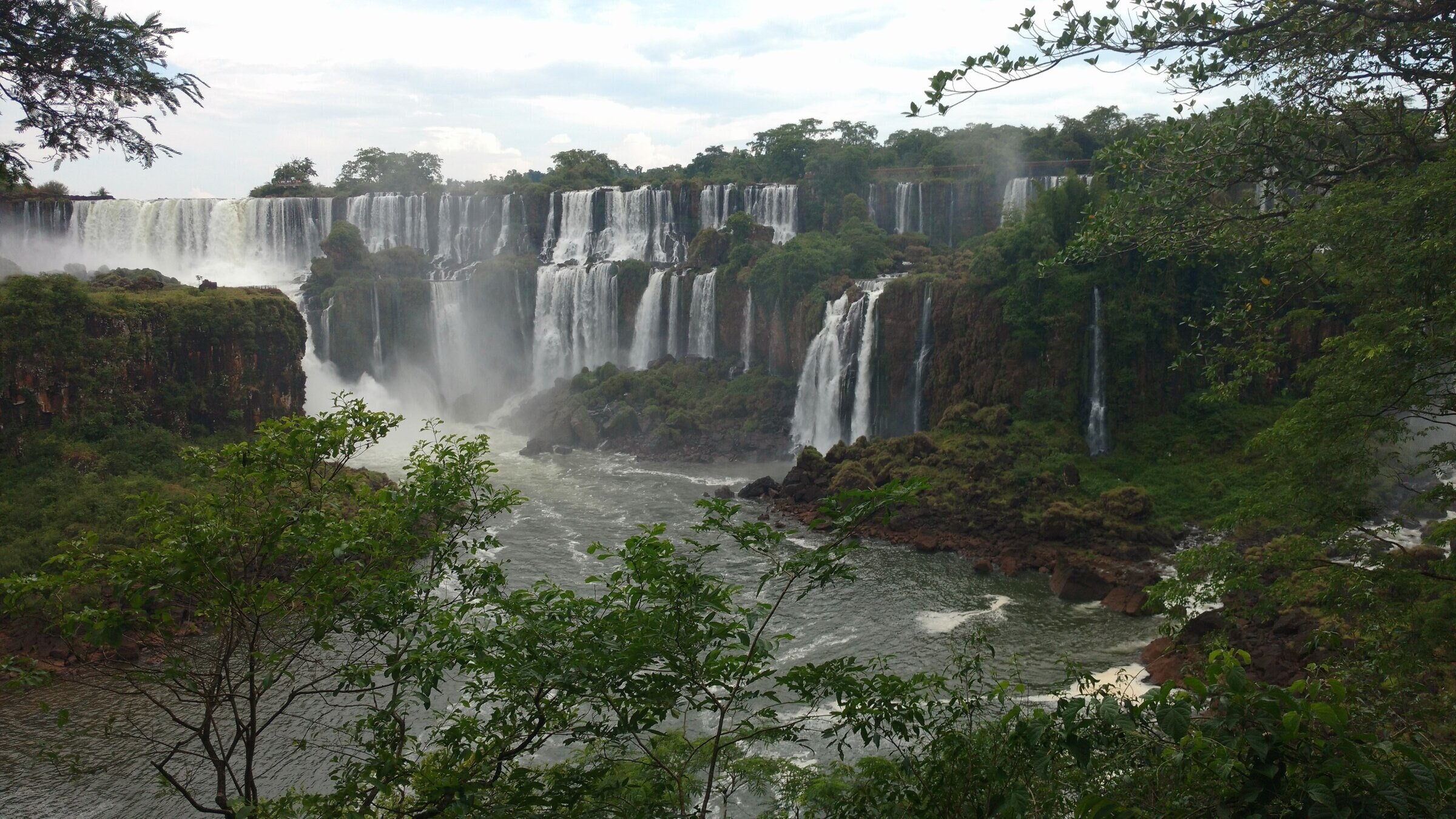
the Brazilian circuit at Iguazú Falls.
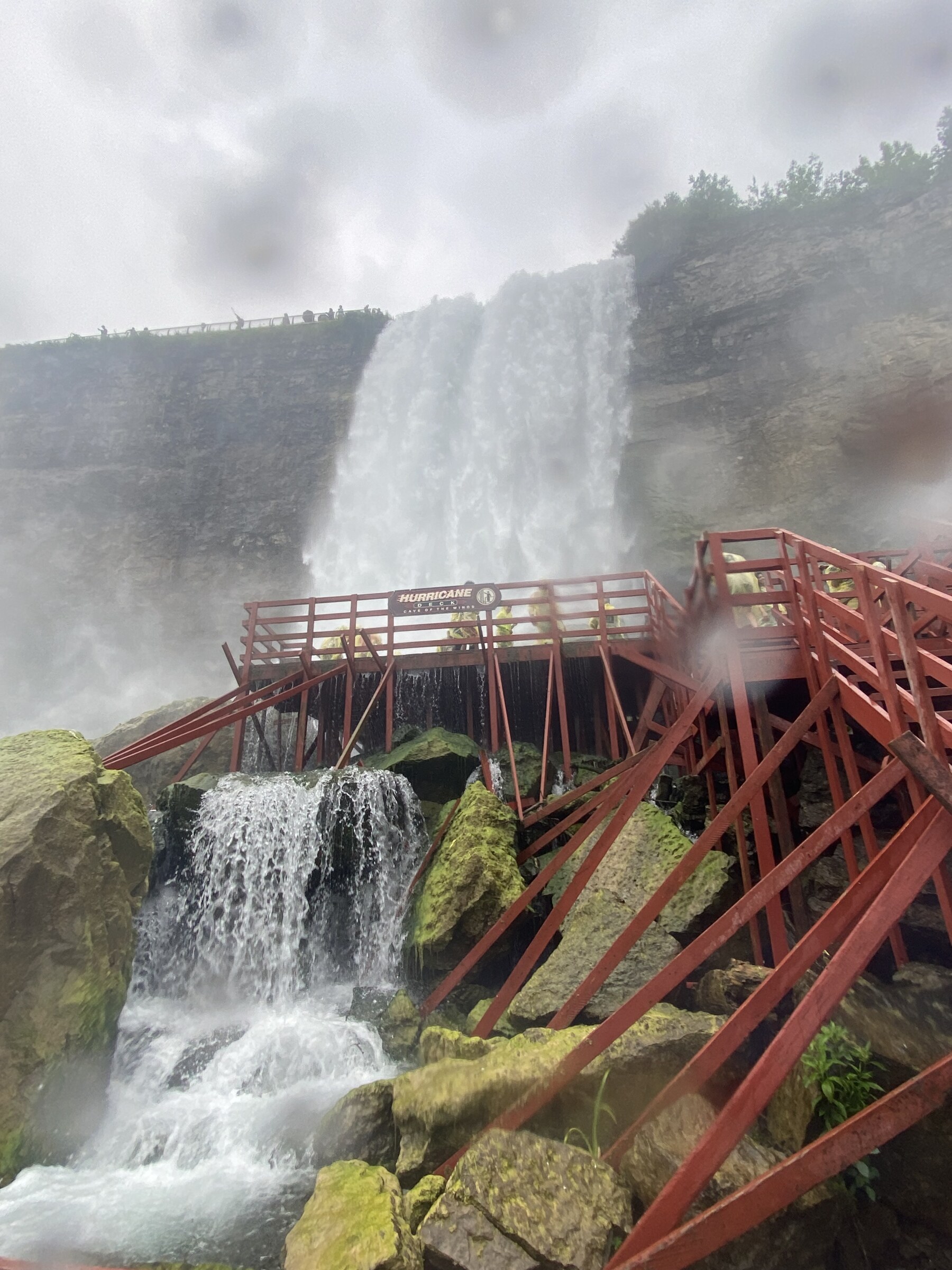
The poncho they hand you at the Hurricane Deck is a joke. A well-meaning joke, but a joke.
Standing at the base of Bridal Veil Falls, close enough that the mist isn't just mist anymore but pure water hitting you from every direction at once, I realized no piece of plastic was ever going to save me. I was soaked within thirty seconds and grinning within five.
I am a Pisces, of Caribbean descent, and deeply, almost embarrassingly in love with water in all its forms. So chasing three of the world's most famous waterfalls — Niagara Falls, Victoria Falls, and Iguazú Falls, all UNESCO World Heritage Sites and Natural Wonders of the World — wasn't just a bucket list exercise. As a travel advisor, I've sent clients to some of the world's most spectacular places, but these three I had to experience firsthand, spread across years and continents and a whole lot of pointless ponchos.
Visiting was inevitable. My expectations were still blown out of the water.
Niagara Falls: The American and Canadian Sides are Both Worth It
Niagara was first. I came in on the American side, and the first thing that hit me was the sheer scale. It doesn't register until you're actually standing there, feeling the spray and the noise before you've even oriented yourself.
What I didn't expect was being able to see both countries at once. Niagara Falls sits right on the border between New York and Ontario, Canada, split across three curtains of water: Horseshoe Falls spanning both sides, and American Falls and Bridal Veil Falls belonging entirely to the U.S.
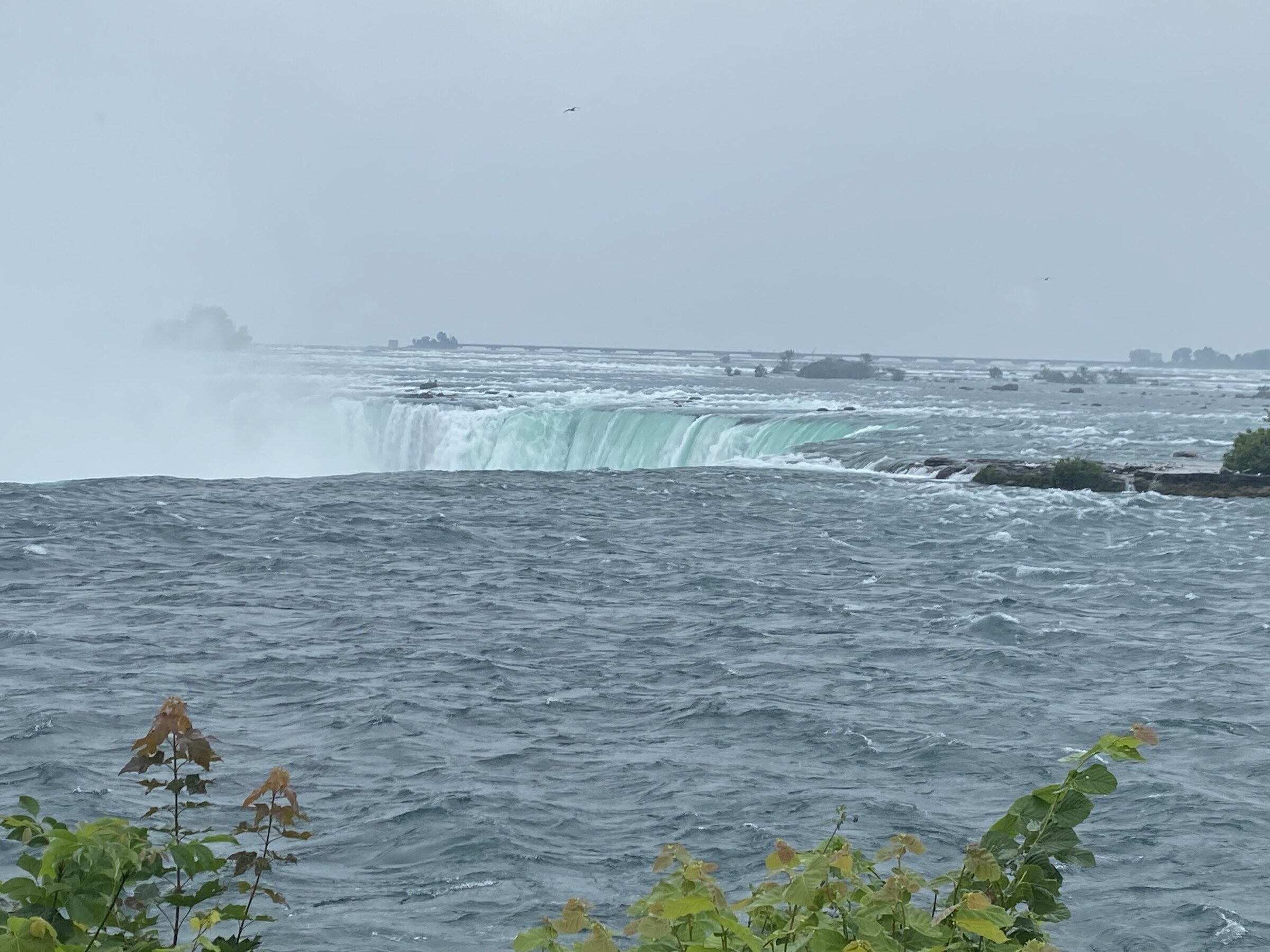
I booked a guided tour that covered both sides in just a day (about $200 USD per person), and it moved through all three falls in a way that felt intentional rather than rushed. We started on the American side and went down to the Hurricane Deck at the Cave of the Winds, getting impossibly close to Bridal Veil Falls. The ponchos they hand you are more symbolic than functional; the mist soaks you regardless.
Then I boarded the Maid of the Mist (individual tickets run about $25–$30 USD per adult, though it was included in our tour) — and got completely drenched again from being so close to Horseshoe Falls. Worth every penny. Then we crossed over to Canada for those sweeping, head-on views that make Niagara look the way it does on every postcard you've ever seen.
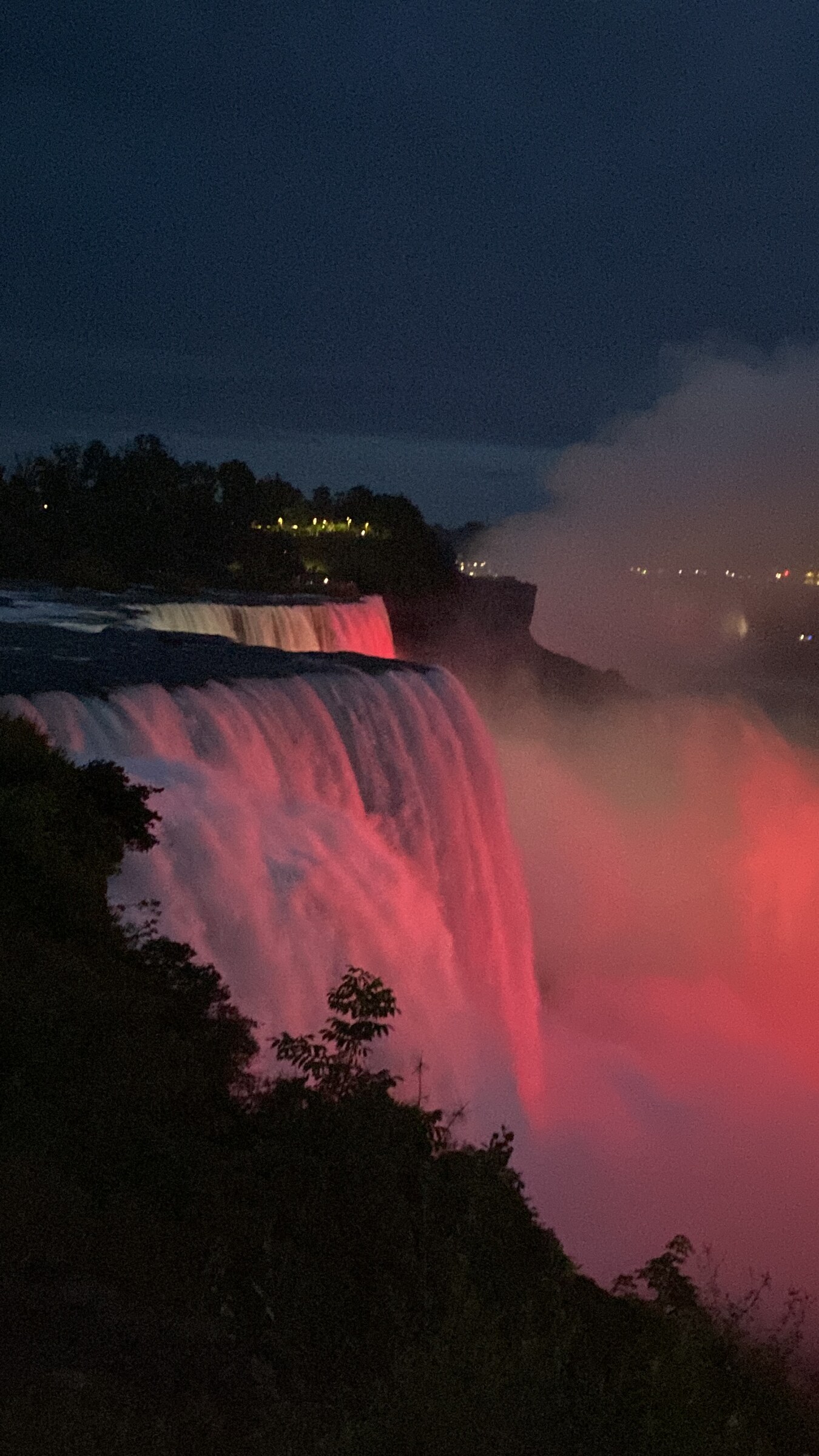
Beyond the falls themselves, the Niagara Falls Illumination Board puts on a nightly light show projected directly onto the water, and on Fourth of July weekend, the fireworks made for an especially dynamic sight. I went that weekend, and it checked every box. June through August is the window I'd recommend: water flow is at its fullest, daylight hours are long, and the nightly illumination show runs. If I'd gone in January instead, I would have traded crowds for ice formations along the banks and a completely different kind of stunning. The falls don't freeze entirely, but winter Niagara has its own quiet drama and almost no lines.
If you're deciding which side to base yourself on, I'd recommend staying in Canada — hotels in the Fallsview district give you those head-on views of the falls right from your room, which is worth crossing the border for.
Victoria Falls: The Zimbabwe Side and the Flight of the Angels
Victoria Falls was a different kind of trip entirely. By the time we reached Victoria Falls, we had already been through South Africa and Botswana on an 11-day guided tour. Zimbabwe was the final stop.
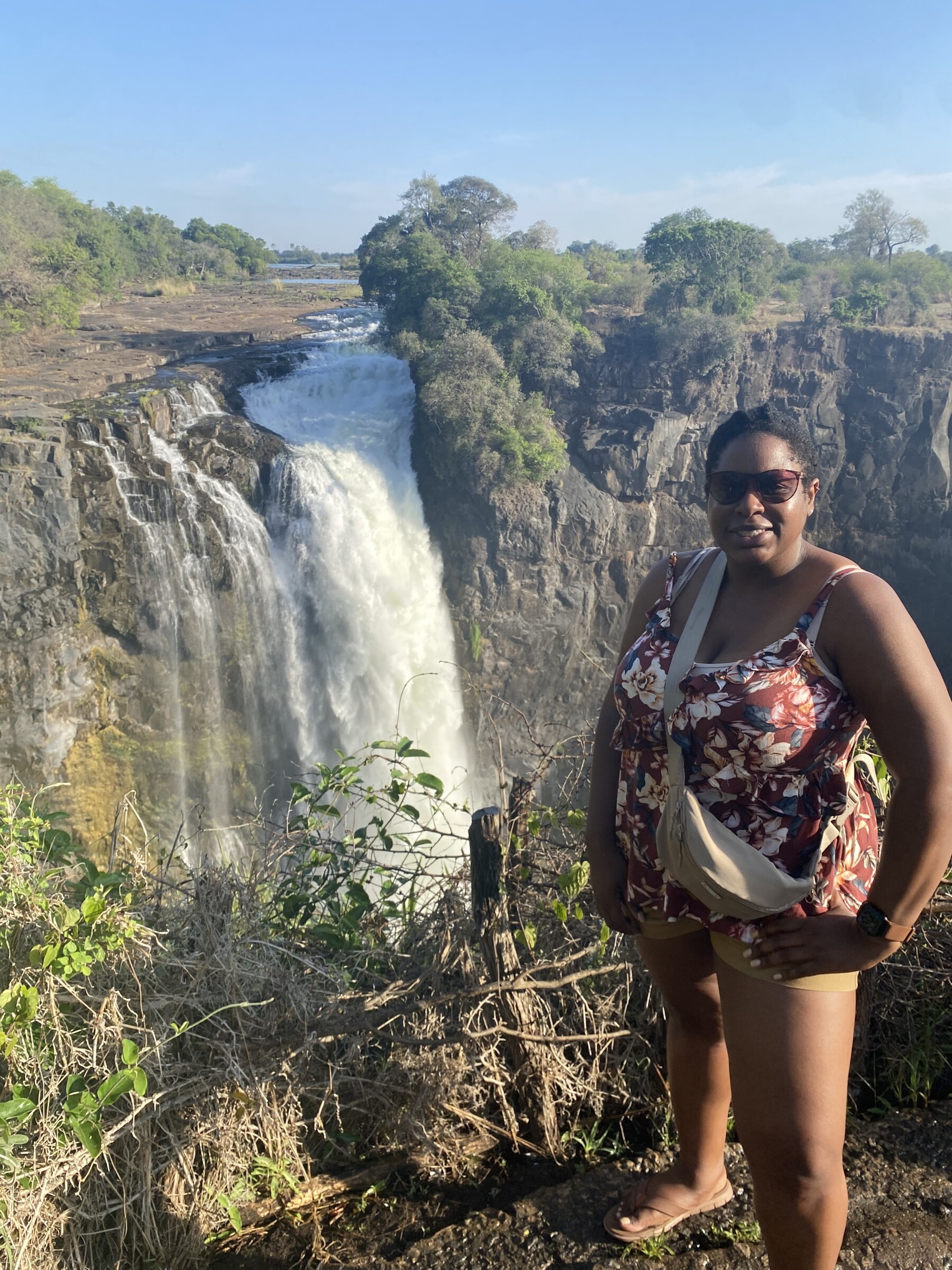
Standing at the first viewpoint on the Rainforest Path, the sound hit me before anything else — a low, continuous thunder that seemed to come from everywhere at once. I understood immediately why this is one of the 7 Natural Wonders of the World.
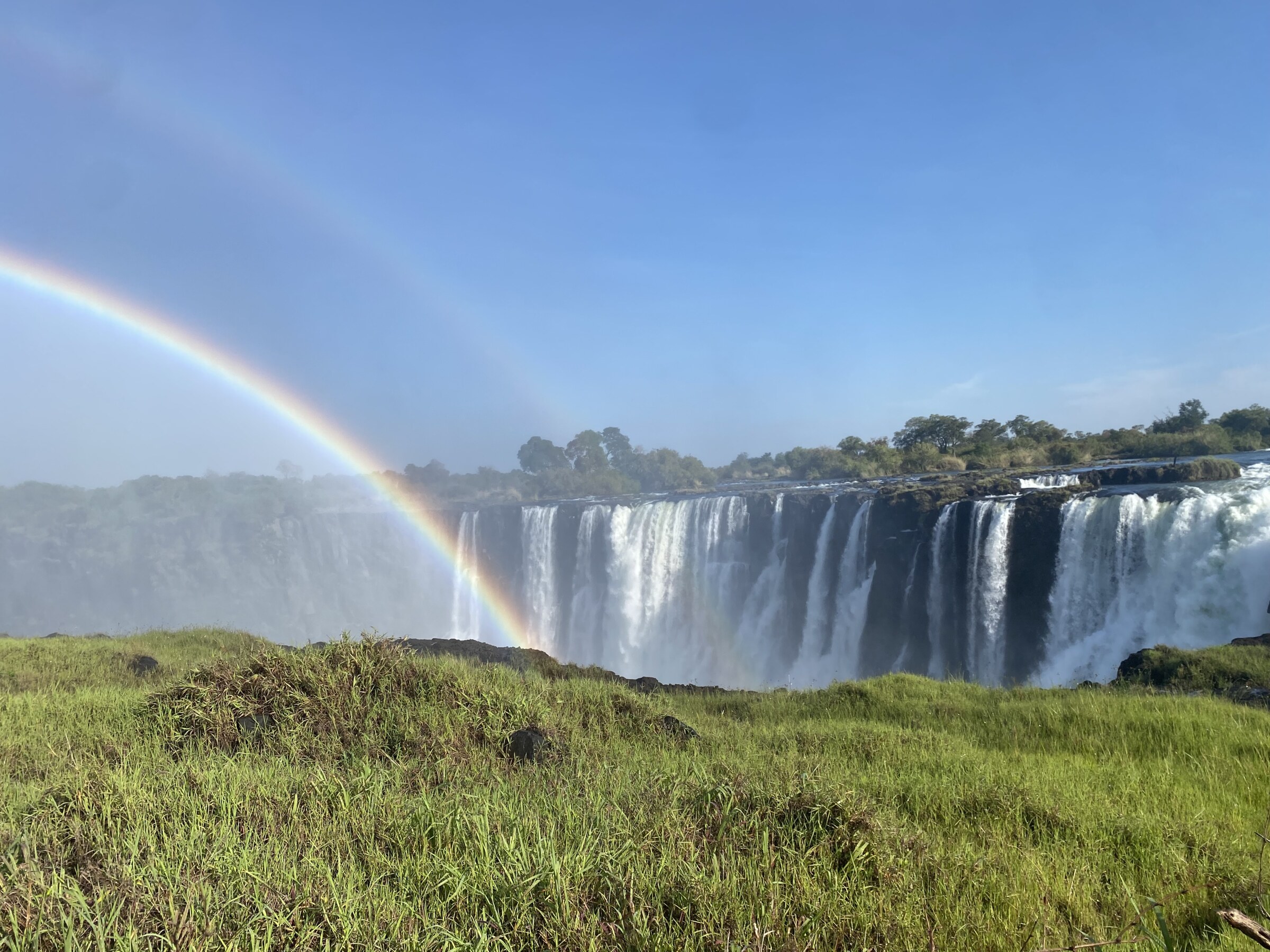
The falls stretch across the border between Zimbabwe and Zambia, split into five distinct sections, 75% of which lie on the Zimbabwe side, where we spent our time. The Rainforest Path is a well-maintained paved walkway with 16 different viewpoints of the falls, and we went to every one. The full loop takes about an hour and a half, at a leisurely pace. Even in low season, we still got soaked by the mist from the falls. It was refreshing on a hot day, and it felt like a light rainstorm that led to so many rainbows.
I couldn’t get enough of Victoria Falls, so I also took a helicopter ride to see the falls from above. The 12-minute Flight of the Angels costs about $150 USD. It was my first helicopter ride over a waterfall, and the view was breathtaking. I spent most of it torn between snapping photos and simply being there. It was, without question, the right way to end the trip.
The whole 11-day itinerary through South Africa, Botswana, and Zimbabwe came in around $2,500 per person, which felt like exceptional value for everything it covered — and the kind of trip I'd be happy to help you build.
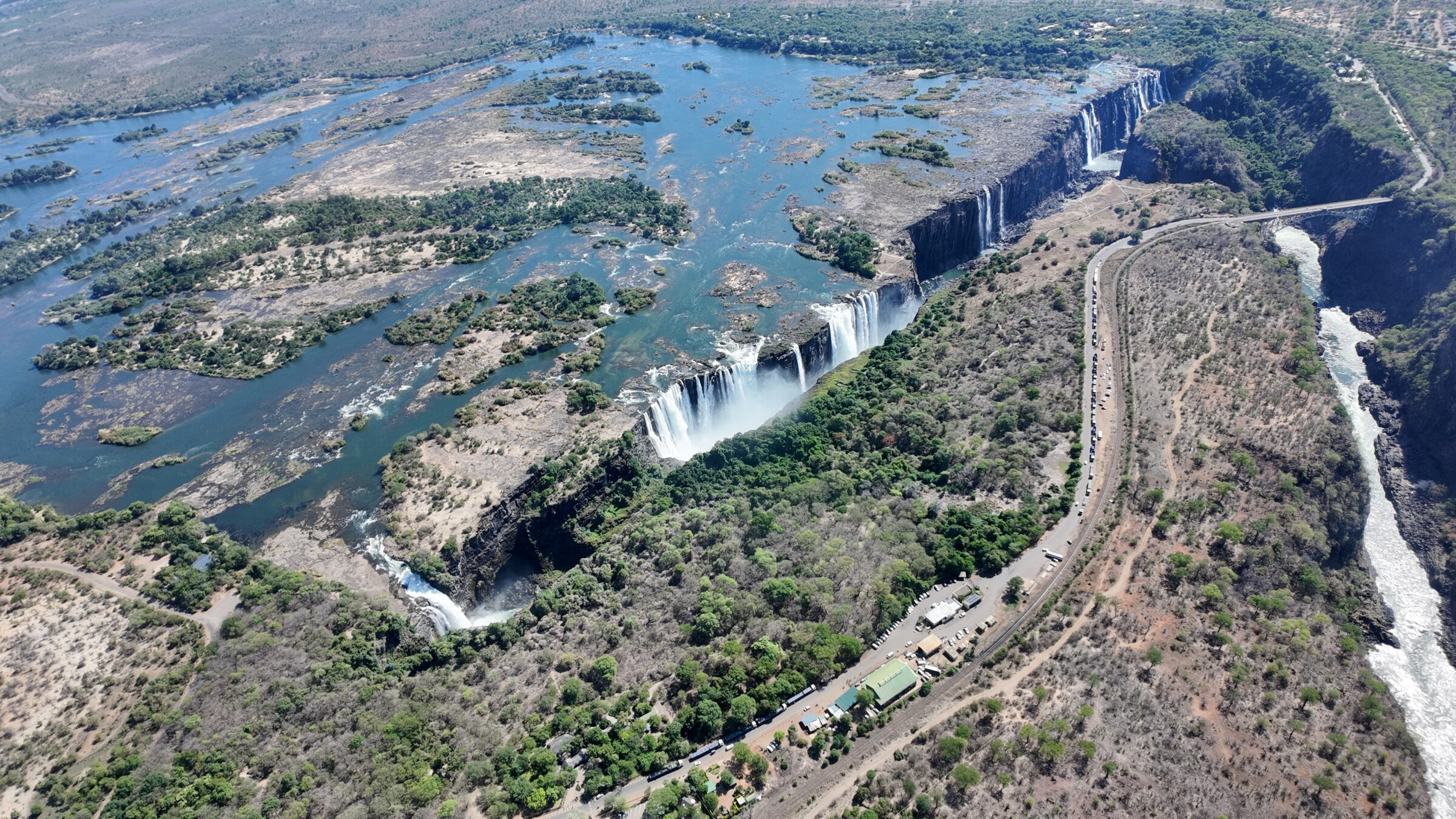
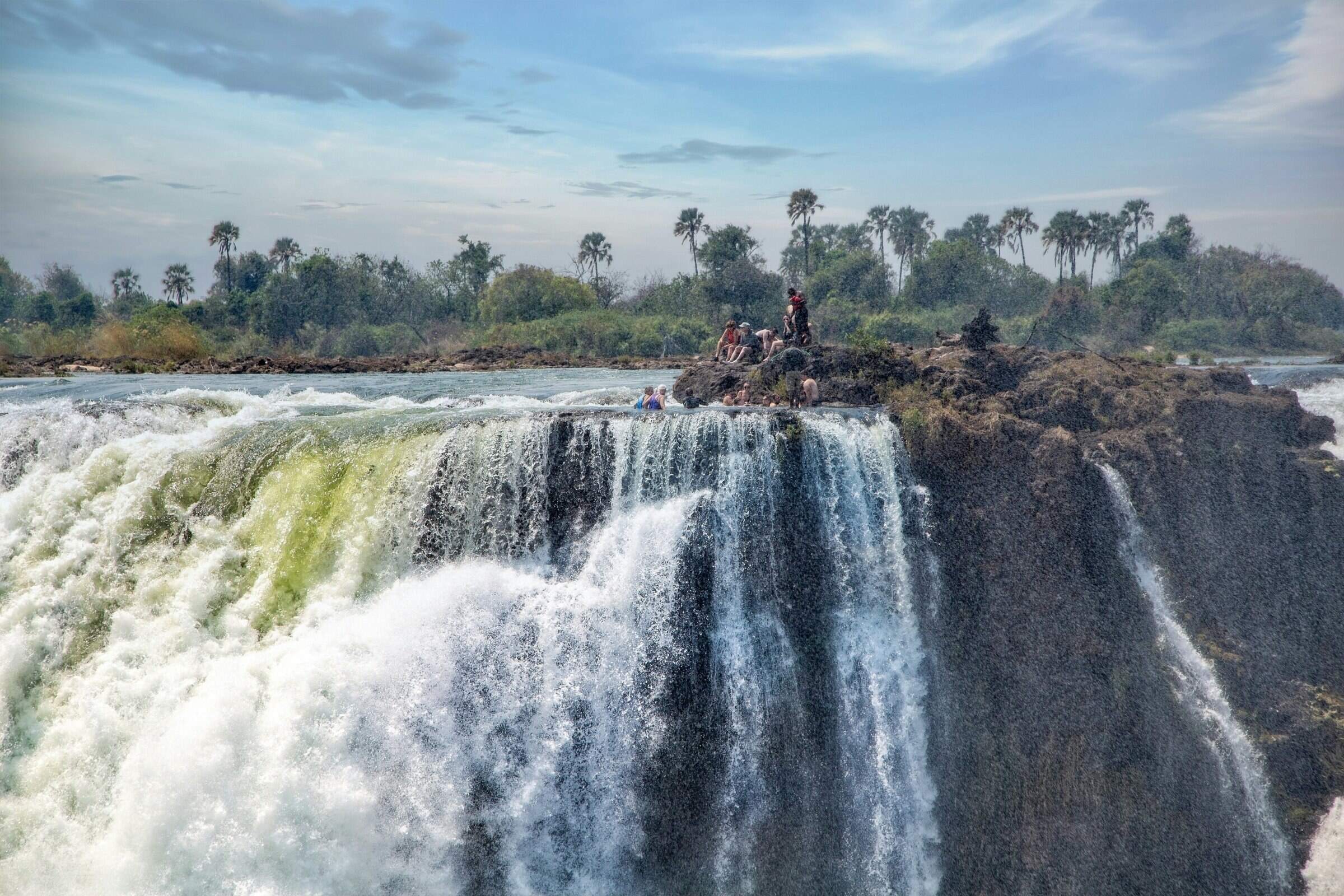
I went in early December, which put us squarely in the low-water season. The Zambia side had dried up considerably, so the Devil's Pool (a natural infinity-edge pool formed at the lip of the falls, accessible only when water levels allow) wasn't an option for us. If I'd gone in March or April, I would have seen the Zambezi at full roar, both sides accessible and the mist so thick it can obscure the views. That's the trade-off: peak flow means maximum drama, but waterproof everything. Always. For clearer sightlines and calmer conditions, September through November works well, though water levels will be lower, especially on the Zambia side.
We stayed in the town of Victoria Falls, and I'd recommend it without hesitation. It puts you right at the doorstep of the falls, with most hotels within walking distance of the main entrance, which means you can slip back in at golden hour when the crowds have thinned. The town has options across a range of styles, from intimate guesthouses to larger full-service hotels with pools and restaurants. It's a manageable, low-key base that keeps you close to everything without needing a car.
Iguazú Falls: Two Countries, One Endless Waterfall
Niagara and Victoria — two famous waterfalls down. And still, somehow, nothing had prepared me for the third. Iguazú humbled me immediately. The falls straddle the border between Argentina and Brazil, and the first thing you realize is that no single viewpoint gives you the whole picture.
There isn't one. Iguazú is made up of somewhere between 275 and 300 individual falls, earning its place as one of the New Seven Wonders of Nature and the largest waterfall system in the world. Iguazú was also the backdrop for Warrior Falls in Marvel's Black Panther. Filmmakers used aerial shots and footage of the falls to bring the secret city of Wakanda to life, and standing there, you completely understand why they chose it.
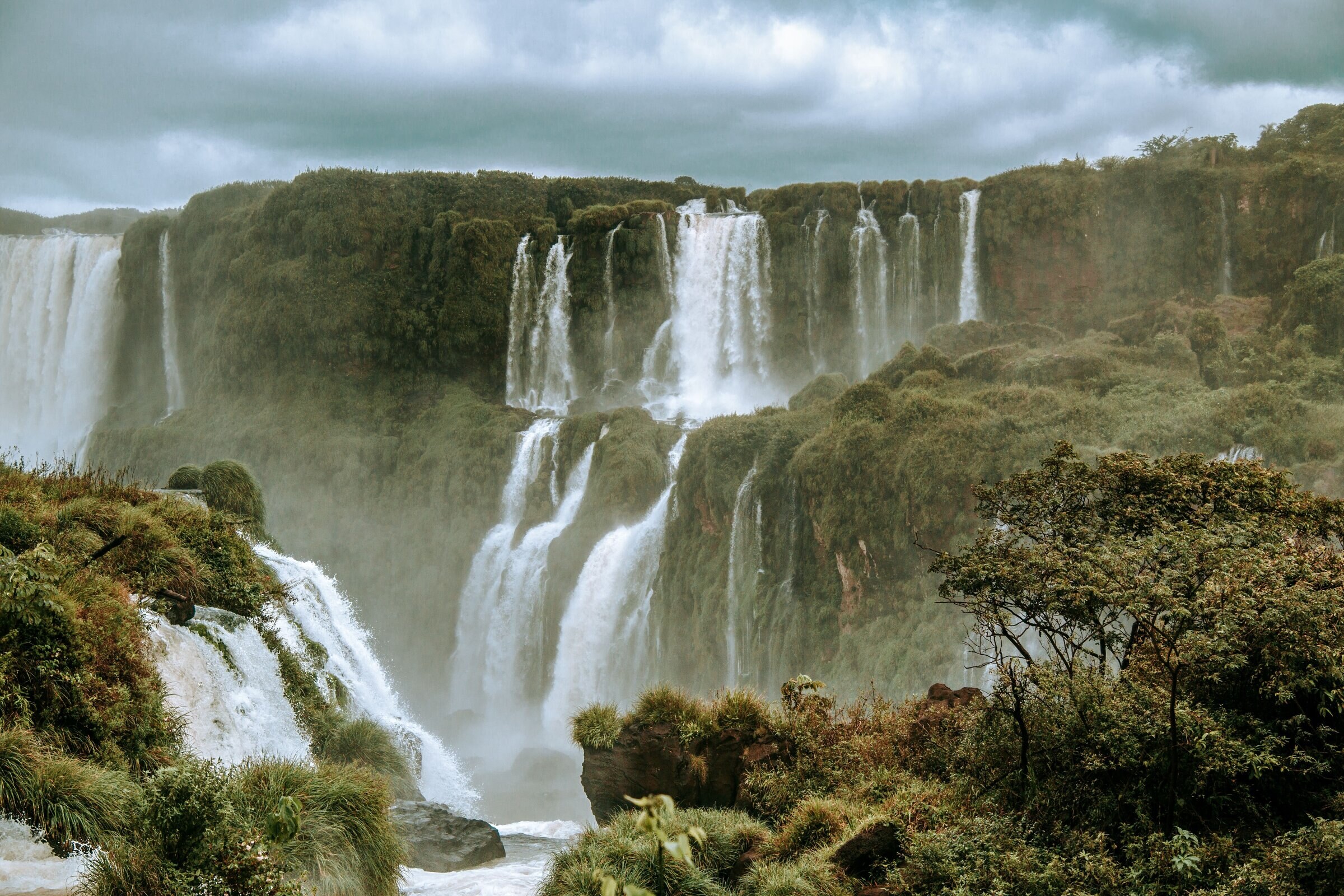
I booked a short trip through my travel network: three days and two nights based in the town of Foz do Iguaçu, with tours of both sides of the falls included and a single supplement built in, totaling $940. I spent the first day on the Argentine side of the falls. First up was the walk to Devil’s Throat waterfall for a view of the falls from directly above. It was windy, which meant mist everywhere. After that, we walked the upper circuit to take in the different falls that make up Iguazú — each one distinct, each one enormous.
Seeing the falls from slightly above and from afar apparently wasn’t enough for me. I could not pass on the opportunity to take a boat ride under the falls: the Macuco Safari, which cost $90 USD per person. I was soaked from the cold mist, but it was 100% worth it. I'd book it again without hesitation.
The next day was the Brazilian side, and the contrast was immediate. Where Argentina puts you inside the falls, Brazil pulls you back and shows you the whole picture. I walked most of the length of the viewpoint path and kept expecting it to end. It didn't. Every corner revealed another curtain of water. It genuinely never got old. At the end of the path, platforms jut out over the water for a closer look at the falls, which of course meant getting soaked all over again.
But wait, there’s still more. I couldn’t say no to a helicopter ride over the falls. The aerial view was breathtaking. Capturing all of the falls in a single photo was not an easy feat. The helicopter ride runs about $120 USD and it was 120% worth it.
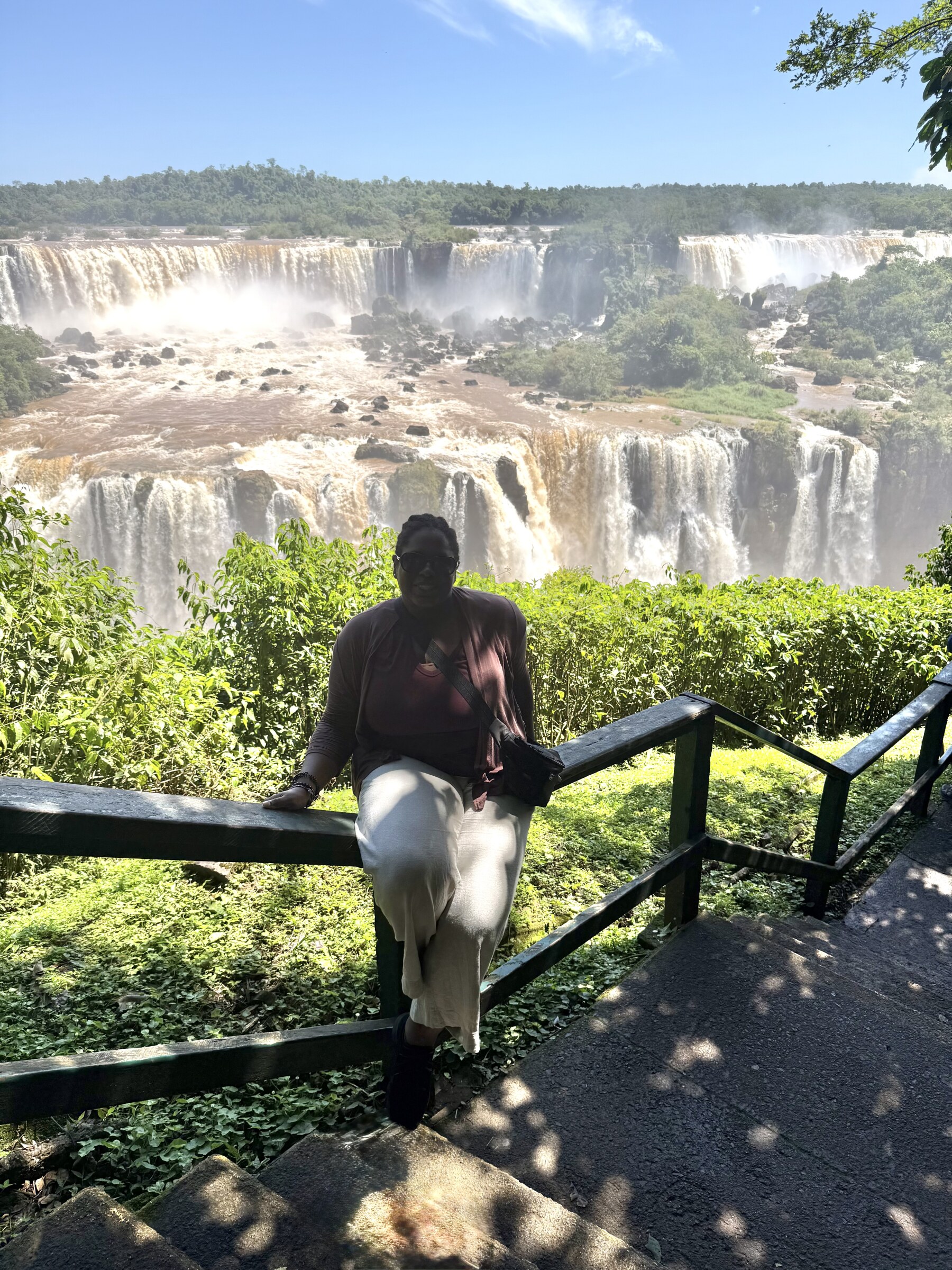
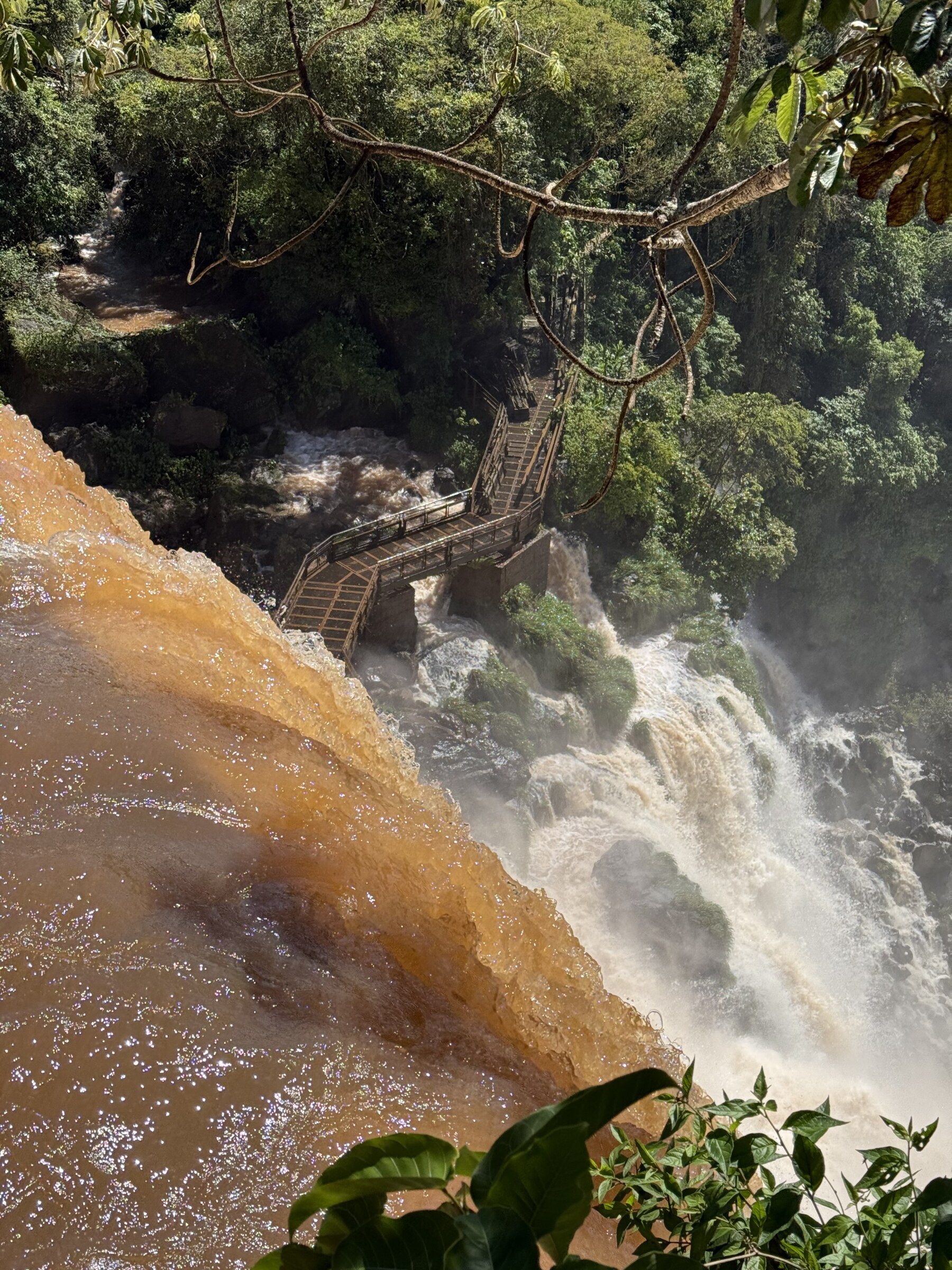
I went in mid-October, which sits right at the tail end of Iguazú's dry season, and the timing worked out better than I expected. The water levels were picking up as the wet season approached, which meant the falls had real energy without flooding out any of the circuits. If I'd gone in March or April, right after the wet season peaks, I would have seen the falls at their most ferocious. Unfortunately, some of the lower circuits can close due to flooding, and the mist gets thick enough to obscure the views entirely. For the full experience with access to everything, May through October is the window I'd recommend. The shoulder months give you that sweet spot between dramatic volume and full access.
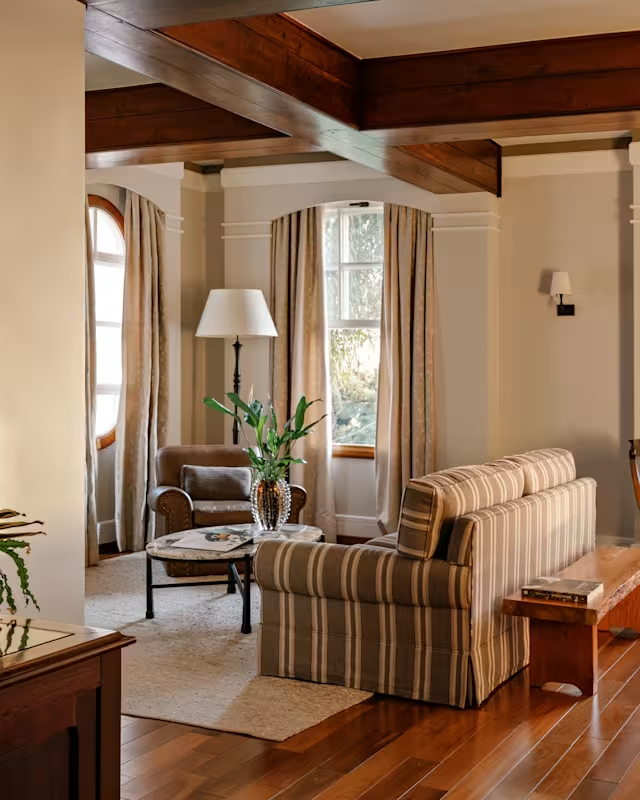
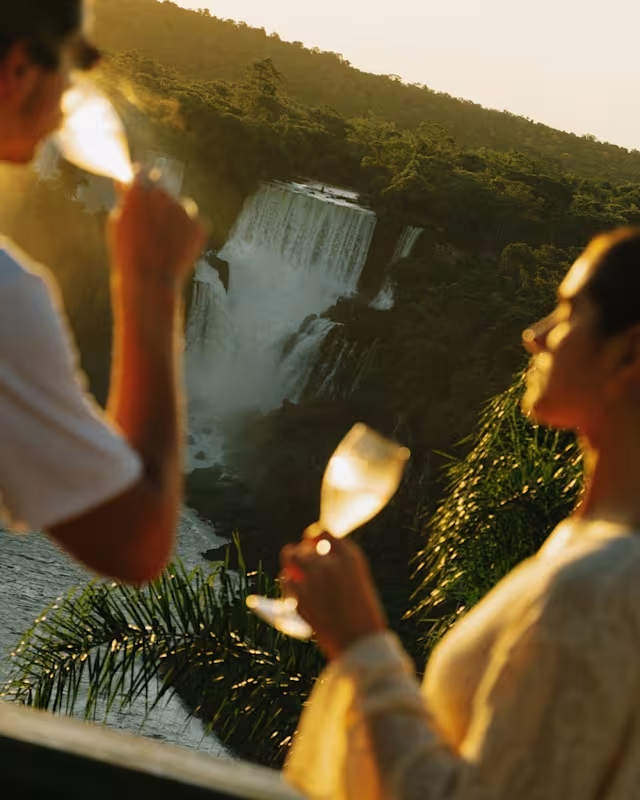
I was based in Foz do Iguaçu on the Brazil side — a practical, unpretentious base that made it easy to cover both sides of the falls over two days. If you want to stay on the Argentine side, Puerto Iguazú is the town to know. And if budget isn't a constraint, both sides have luxury properties right at the falls themselves: Gran Meliá Iguazú sits inside the national park on the Argentine side, while Hotel das Cataratas, a Belmond Hotel known for its blush-pink exterior, puts you steps from the Brazilian viewpoints. Staying inside the park means you're there before the day crowds arrive, which is its own kind of magic.
While I was in Foz do Iguaçu, I also made time for Parque das Aves — one of the largest bird parks in Latin America, home to around 150 species and dedicated to keeping many of them from extinction. There were sections where the birds roamed freely around you, and I nearly got knocked by a wing or two by the ones that took flight so close to my head. It's a worthwhile half-day before or after the falls, and a good reason to give yourself that third day.
Three Falls, Three Continents: What Water Has Taught Me
Three falls, three separate trips, three continents — Niagara, Victoria, and Iguazú Falls. Three sets of country borders. Three completely different answers to the question of what water can do when it decides to show off.
Niagara Falls gave me spectacle, the kind that comes with crowds and cruise boats and neon lights after dark, and still manages to take your breath away. It's the waterfall that performs, and it performs beautifully. Victoria Falls gave me power: raw, thundering, biblical power that makes you feel genuinely small in the best possible way. Standing on that Rainforest Path, soaked through and grinning, I understood why they call it Mosi-oa-Tunya. The Smoke That Thunders. It earns every syllable. And Iguazú Falls gave me wonder; the specific kind that keeps resetting itself, where you think you've seen everything and then there are more falls, and more after that, cascading endlessly into the green.
If I had to choose a favorite? Iguazú. Not because it's the most dramatic. Victoria Falls owns that. Not because it's the most iconic image. Niagara has been on postcards since before either of us was born. But because Iguazú is the one I'm still processing. It's the one that made me feel like I'd stumbled onto something the earth wasn't quite finished building yet. Iguazú broke my brain a little, and I mean that as the highest compliment.
But here's what I really learned chasing these three: water doesn't care about your itinerary. It falls on its own schedule, at its own volume, in its own direction. You can plan the helicopter and book the boat and pack the poncho, and you still won't be ready for the moment it actually hits you. That's the thing about waterfalls. They're not a backdrop. They're the whole point.
So I'll ask you what I asked myself standing at the edge of Devil's Throat, mist in my face, zero regrets: which one is calling your name the loudest?
When you're ready to start planning, reach out — I'd love to help you build the trip. Whether you want all three on one epic itinerary or you're starting with just one of these famous waterfalls, I can help you figure out the best timing, the right base, and the experiences that are actually worth your money.
Connect with me below to start the conversation.
Frequently Asked Questions
Do I need a visa to visit Victoria Falls on the Zimbabwe side?
Yes — most visitors need a visa to enter Zimbabwe, available on arrival at the border or Harare airport. Fees vary by destination, so check current requirements well in advance.
Can I see both the Argentine and Brazilian sides of Iguazú Falls in one trip?
Absolutely, and I'd say you have to — each side gives you a completely different experience. The Argentine side puts you inside the falls; the Brazilian side pulls back and shows you the full picture. The short break I did covered both in three days, two nights, and it was the right amount of time.
What are the entrance fees for Iguazú Falls?
The Argentine and Brazilian sides have separate national park entrance fees, and they differ — the Argentine side tends to run close to $40 per person, while the Brazilian side ranges from $25 to $35 per person. Fees change periodically, so check the current rates on each park's official site before you go, or ask me and I'll pull the latest figures for you.
Which side of Niagara Falls is better — the U.S. or Canadian side?
Both are worth seeing, and I'd recommend doing both if you can swing it. The American side gets you close — the Hurricane Deck at Cave of the Winds puts you right inside Bridal Veil Falls. The Canadian side gives you the sweeping, head-on view of Horseshoe Falls that you've seen on every postcard. For base camp, I'd stay on the Canadian side — the Fallsview district hotels have the best views.
What is the best time of year to visit Victoria Falls?
It depends on what you want to see. September through November offers clearer sightlines and calmer conditions, though water levels are lower — especially on the Zambia side. March and April bring the Zambezi to full roar but the mist can be so thick it obscures the view. I went in early December, which was low water but still spectacular — and far fewer crowds.
Is the helicopter ride over a waterfall worth it?
Yes — 100% worth it. The Flight of the Angels runs about $150 USD for roughly 12 minutes in the air, and the view from above is something the Rainforest Path simply cannot give you. I went back and forth between taking photos and just sitting there taking it in. Book it.
Do I need to be an adventure traveler to enjoy these waterfalls?
Not at all. All three falls have options for every kind of traveler — from easy walking paths with stunning views to boat rides and helicopter tours for those who want more. The Rainforest Path at Victoria Falls is a straightforward walk. The Iguazú circuits are well-maintained. You can go as deep or as relaxed as you like — the waterfalls do the work regardless.
How many days do I need at each waterfall?
Two days at Niagara gives you time to cover both sides without rushing. One full day at Victoria Falls is enough to walk the entire Rainforest Path and add a helicopter ride, though two nights in town lets you ease into the pace. Iguazú genuinely benefits from two full days — one per side — plenty of time to fit in Parque das Aves or a boat ride under the falls.
What is the entrance fee for Victoria Falls on the Zimbabwe side?
Entrance to the Zimbabwe national park side costs around $30 USD per person. It's cash or card at the gate, so worth knowing before you arrive.
Add
Suggest questions

Plan your next journey with
Shebna GarconShebna Garcon is a fully licensed travel advisor with LuxRally Travel — trained, insured, and accredited to plan and book travel anywhere in the world. Shebna has personally traveled to all 7 continents & is happy to help her clients see the world!
Related Stories
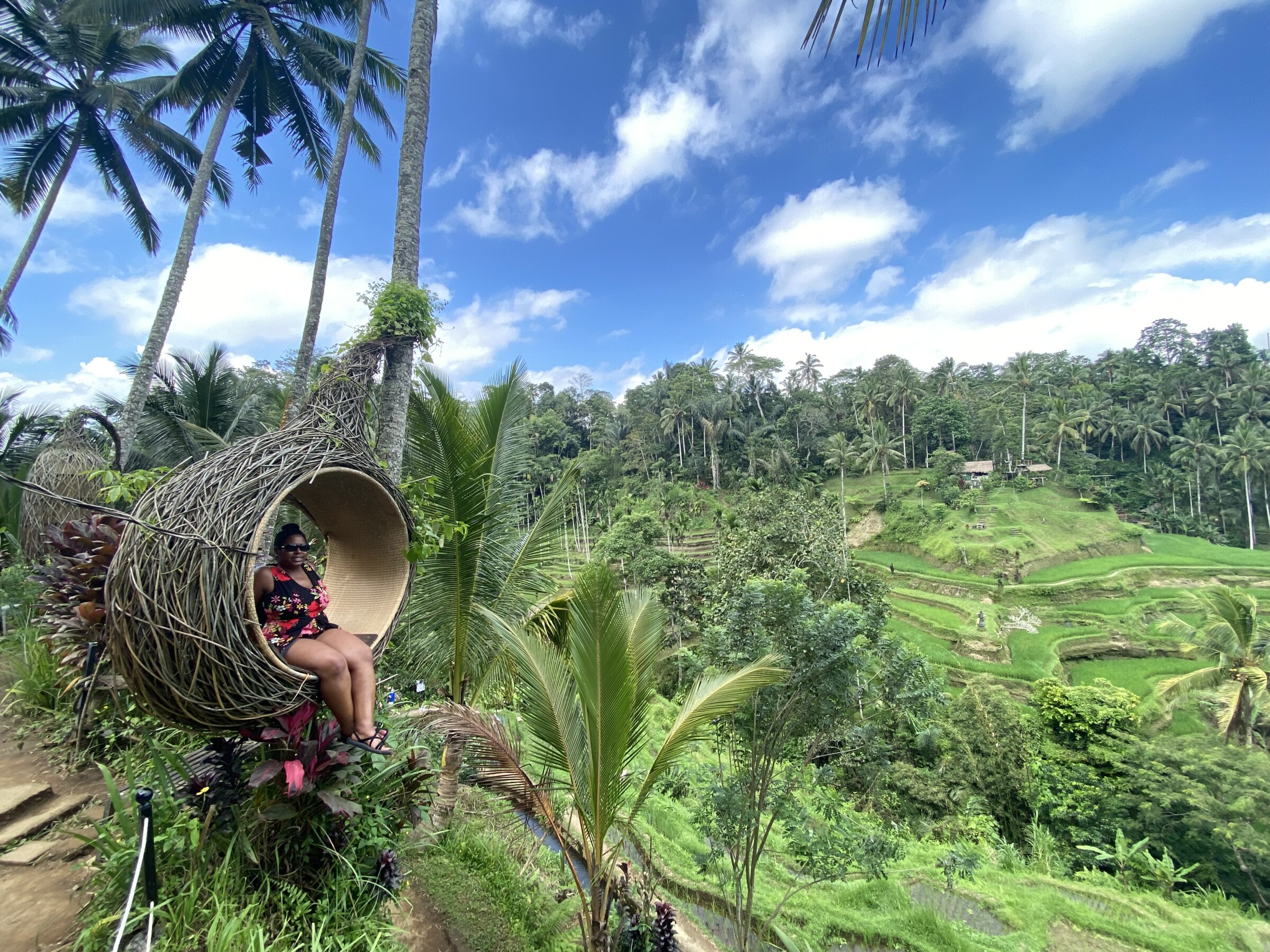
Four Types of Solo Trips to Take When You're Done Waiting on Someone Else
After over a decade of waiting on others, I decided to see the world for myself, alone. Here are four types of solo trips, personally tested by a luxury travel advisor — from group expeditions to fully private tours.
By Shebna Garcon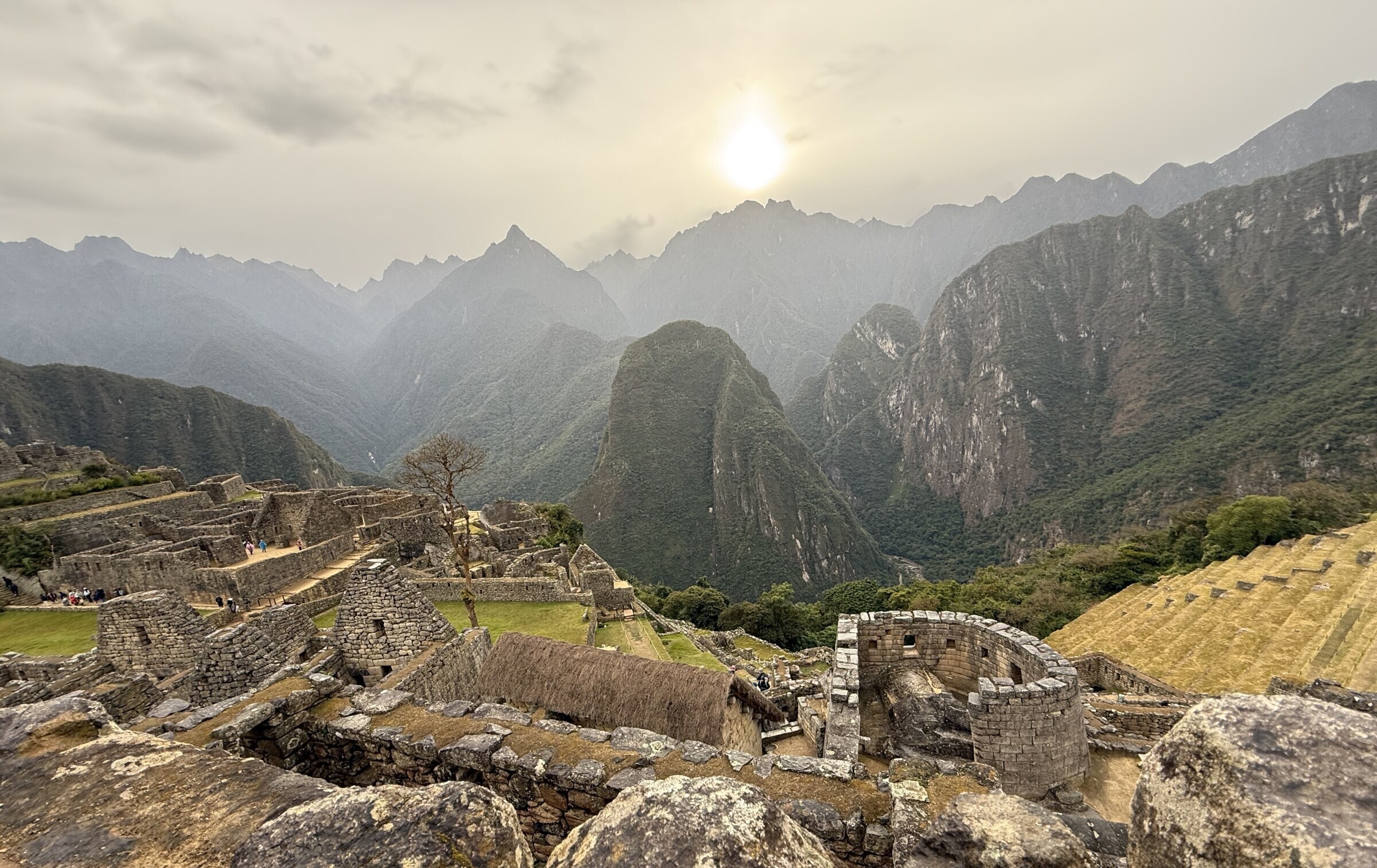
Getting to Machu Picchu Without Hiking: Deeper Immersion and Far Fewer Blisters
What happens when you skip the Inca Trail and spend those days exploring the ruins around the gates to Machu Picchu instead? A deeper, richer arrival at one of the world's great wonders.
By Shebna Garcon
Why Every Mom Should Solo Travel With Her Kid
A globe-trotting mom and travel advisor makes the case for ditching the fear and taking your child abroad — just the two of you. From scolding deer in Nara to sneaking through Paris metro gates, the mishaps become the memories.
By Roxanne Worsham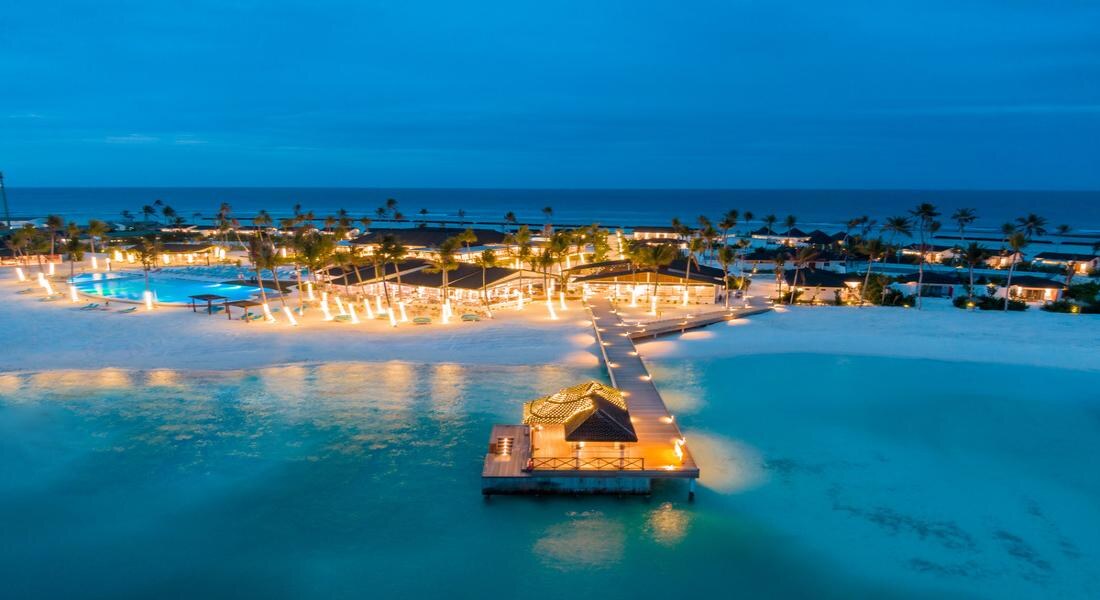
Your Dream Vacation Is Affordable Luxury Travel in Disguise: Four Destinations Debunked
From the Maldives to the Serengeti, the real cost of dream travel is dramatically lower than what most people assume. Here are four bucket-list destinations you could visit for $5,000 to $15,000+ total, for a weeklong trip for two.
By Phillip Ritzenthaler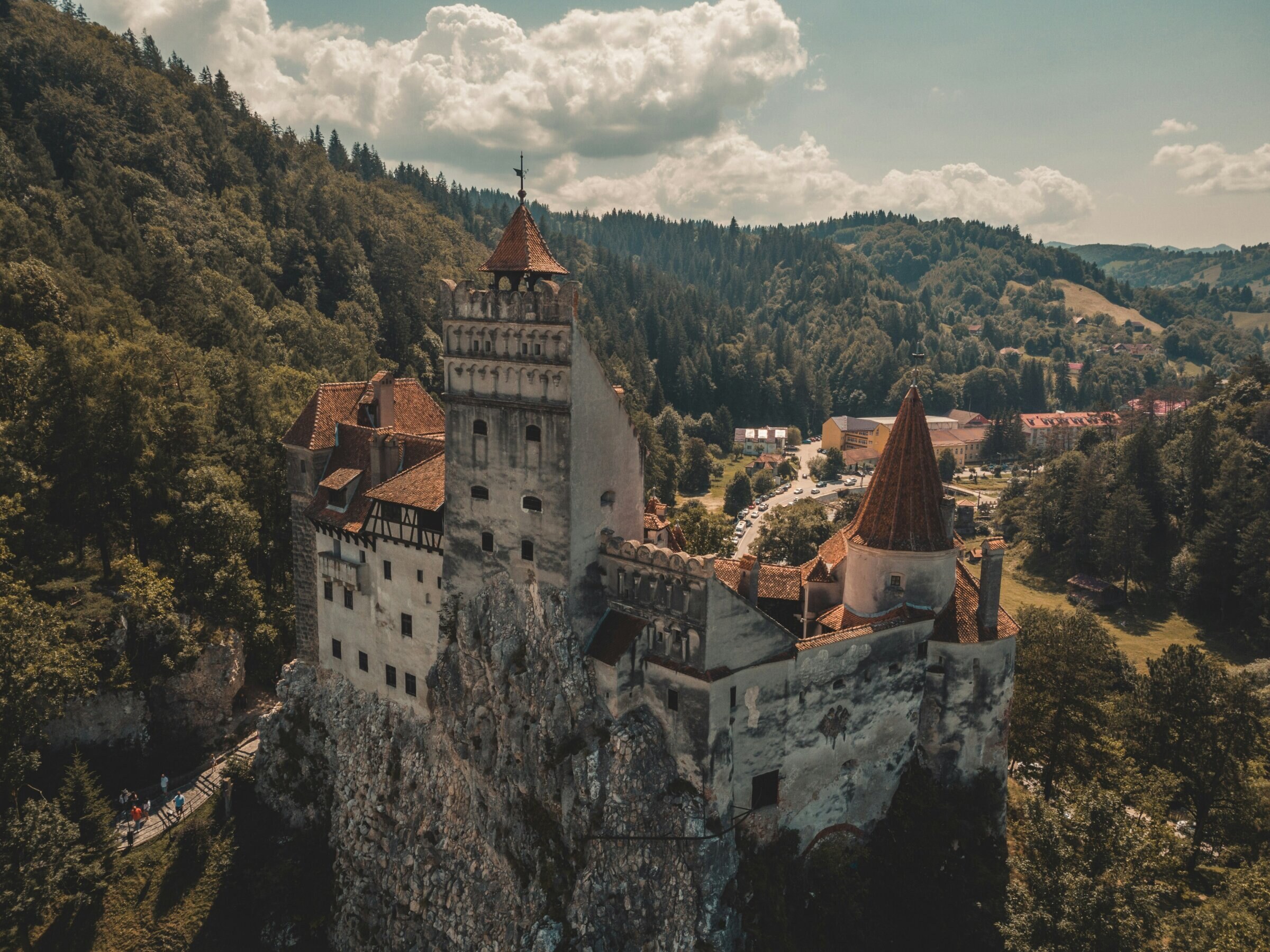
I Visited Dracula's Castle in Transylvania, Romania — and It's Lesser Known, Better Neighbor
I grew up watching Dracula movies on Saturday-night TV — so booking a day trip from Bucharest to Bran Castle felt like a childhood dream come true. Transylvania delivers: Gothic towers, stone corridors, and castles so eerily atmospheric they don't need the legend to impress.
By Nicole Severson
It Not About Remembering: Why Travel Matters During Early Childhood
Forget whether they'll remember it — that's the wrong question. Research suggests the value of early travel lives in the brain connections being built in real time, not the memories stored later. Here's what that means for how you plan family travel.
By Alexis Dunfee