
Early Childhood Travel
It Not About Remembering: Why Travel Matters During Early Childhood
Forget whether they'll remember it — that's the wrong question. Research suggests the value of early travel lives in the brain connections being built in real time, not the memories stored later. Here's what that means for how you plan family travel.
October 27, 2026
"They won't remember it anyway."
As a luxury travel advisor specializing in family travel — and as a mother who has been traveling with my son since he was an infant — it's one of the most common things I hear from the families I work with. The logic seems sound: if a child is too young to remember a destination years from now, why invest the time, expense, and effort to take the trip?
That question may be measuring the value of early childhood travel by the wrong standard.
For adults, the value of travel is often measured by the memories it leaves behind. We revisit photographs, recall favorite restaurants, and tell stories about the places we've been. Research in developmental neuroscience, however, suggests that young children experience travel through a very different lens: implicit memories like sensory impressions, emotional textures, the feeling of somewhere new — rather than the conscious recall of a landmark or moment.
During the earliest years of life, the brain undergoes one of the most significant periods of growth it will ever experience. The lasting value of travel may not lie in whether a child can consciously recall it decades later, but in how it contributes to the foundation being built in the present: forming strong neural connections in a developing mind, exercising otherwise unused regions of the brain, and laying the groundwork for stronger cognitive problem-solving and emotional adaptability into adolescence.

That doesn't mean every trip is transformative, nor does it suggest that travel is essential to healthy development. Loving, stimulating environments exist everywhere—from neighborhood parks to grandparents' homes. Rather, current research invites a rethink of how we measure experiences during early childhood.
If the purpose of those early years isn't simply to accumulate memories, perhaps remembering isn't the only measure of whether an experience mattered.
Why We Don't Remember Our Earliest Years
The belief that young children "won't remember it anyway" isn't entirely without merit. Most adults retain few, if any, personal memories from before the age of three or four — a well-documented phenomenon known as childhood amnesia.
Scientists have spent decades trying to understand why these earliest memories fade. Rather than pointing to a single cause, current research suggests several factors in early brain development likely work together. The regions of the brain responsible for forming long-term memories are still maturing; new brain cells are being produced at an extraordinary rate; the brain is still developing the systems needed to store memories long-term; and language is rapidly developing — while children are only beginning to build a lasting sense of themselves and their place in the world.
Together, these changes make it much harder for the brain to preserve the detailed personal memories that most adults rely on when they think back on their own lives. This does not mean that young children fail to learn from their experiences. Quite the opposite. The absence of lasting memories reflects how the developing brain organizes and stores information during this stage of life, not whether those experiences had value.
In other words, we've been asking the wrong question. Rather than asking whether an experience matters only if it can be remembered years later, developmental neuroscience reframes the question: what does it contribute to the developing brain while it's happening?

How Travel Shapes Early Childhood Development, Beyond Memory
During the first few years of life, the brain develops at a pace that will never again be matched. Every new experience helps shape that development, strengthening frequently used connections while allowing others to gradually fade as the brain becomes more efficient. Rather than simply collecting memories, a young child's brain is building the foundation for future learning, behavior, and understanding of the world. Decades of research confirm that rich, varied environments play a meaningful role in that process.
Travel is, by its very nature, an enriched environment.
A young child doesn't experience a destination the way an adult does. They aren't evaluating a hotel's amenities or appreciating the history of a centuries-old landmark. Instead, they are absorbing an extraordinary variety of new sights, sounds, textures, smells, languages, faces, and environments. A beach becomes an entirely new texture. An airport becomes an entirely new soundscape. Even the walk from the hotel room to breakfast can become part of the adventure.
The idea of an enriched environment gained traction through the work of neuroscientist Dr. Marian Diamond, whose research demonstrated that developing brains respond differently when exposed to greater variety, exploration, and sensory stimulation. While those early studies were conducted in laboratory settings, decades of subsequent research have continued to support the broader principle that diverse experiences play a meaningful role in early brain development.
It might also explain why parents are often surprised by what captures a young child's attention while traveling. Adults zero in on entertainment. Children are drawn to the experience itself.
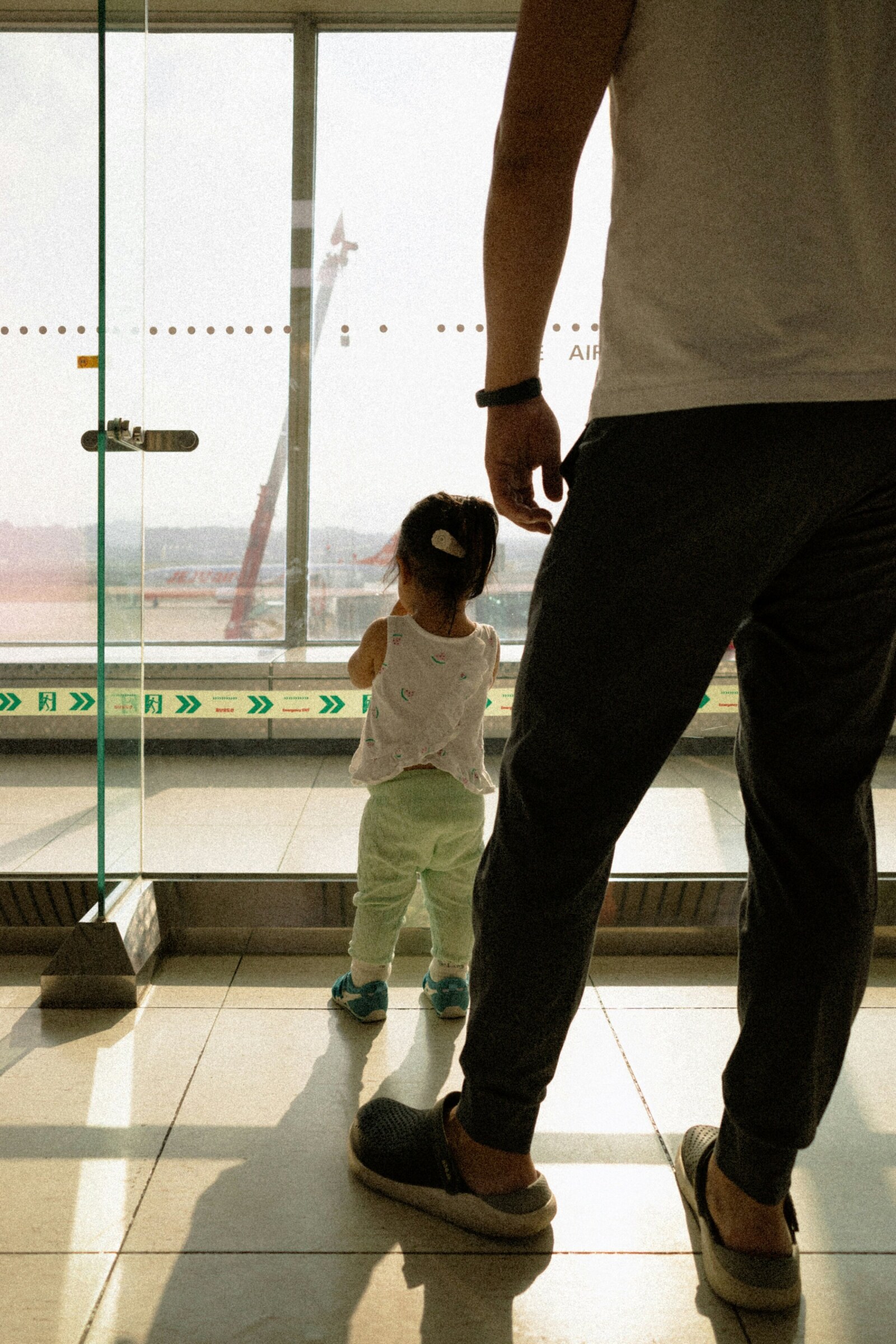
Watching airplanes through an airport window, playing with the zippers on a suitcase, feeling sand between their toes for the first time, riding an elevator, listening to unfamiliar languages, or simply exploring a hotel lobby can be deeply engaging. For a toddler, everything is new. During this stage of development, novelty is often more stimulating than the carefully curated activities adults assume they need. The experience itself is often the entertainment.
Rethinking the Journey
Understanding how young children experience travel changes how I think about planning it — and I know this not just from the research, but from years of traveling with my own son. I've watched him absorb an airport terminal the way most adults absorb a museum. I've seen him unbothered by a four-hour drive that would have had most grown-ups counting exits. Adults often build itineraries around everything they hope to see and accomplish. Young children experience those same journeys very differently.
Adults remember the itinerary. Children experience the moments between.
A carefully planned schedule may look productive from an adult's perspective, but for a young child, every unfamiliar environment is already asking a great deal of the developing brain. New sounds, new routines, different foods, unfamiliar faces, changing scenery, and constant sensory input all require attention and energy to process. It's little surprise that children often become tired more quickly while traveling, even when they seem to be enjoying themselves.
Understanding this changes what a successful trip looks like.
It means leaving room to pause when a child becomes fascinated by something adults might otherwise walk past. It means understanding that an unhurried morning exploring a beach, watching boats in a harbor, or simply observing people in a town square may offer just as much developmental value as checking another landmark off an itinerary. It also recognizes that rest isn't wasted time. It's an essential part of processing new experiences.
A successful family trip with young children isn't necessarily about covering the most ground. It means leaving enough room for curiosity, exploration, and rest to unfold naturally. Understanding how children experience travel doesn't make the journey smaller. It simply changes how you measure it.
Does Travel Matter in Early Childhood? The Bottom Line
Parents naturally want to create memories for their children. There is nothing wrong with that. Some of life's most meaningful experiences are the ones we remember for decades.
But early childhood invites a different measure.
Developmental neuroscience suggests that long before children can carry lasting memories into adulthood, their experiences are already shaping the foundations through which they will learn, adapt, and understand the world around them. Age matters less than most parents expect — even infants and toddlers benefit from the sensory richness of new environments.
The question was never simply whether they would remember the trip. The better question has always been whether the experience had value. For young children, the answer has very little to do with memory at all.
The memory may fade. The foundation it helped build does not.

The Foundation in Action
I just returned from three weeks of travel with just my son. Yes, three weeks. He's five.
We started with a 5.5-hour drive to Bristol, Virginia for an overnight. Then Shenandoah Caverns on the way to Washington, D.C., where we stayed at the InterContinental DC – The Wharf to watch the Fourth of July fireworks. A few days with my father. Then I drove him two hours to his grandparents' house in a place he'd visited only once when he was five months old, before my dad and I flew to Colombia for five days. When I got back, we stayed a few more nights before making the 7.5-hour drive back to Bristol for another overnight. Then the 5.5-hour drive home.
Multiple states. Multiple stays. Multiple handoffs. Long drives. A stay with grandparents in a place he couldn't possibly remember. He met every piece of that itinerary with excitement and eagerness. No fear. No hesitation. No meltdowns at yet another unfamiliar bed. That's the foundation built during all those trips he won't remember. So when someone says, 'They won't remember it anyway' — they're right. He won't. But his brain will.
And if logistics are what's holding you back, making you default to renting a house because it feels easier, because you can drive there and bring everything from home — I get it. That instinct makes sense.
But luxury travel has already solved for most of what you're packing that car for. Bottle warmers, bath chairs, sound machines, crib setups — the properties I work with have thought about all of it. The bellhop takes the car seat while you catch your breath. The room is ready before you are. And I handle the coordination before you ever leave the house, so you arrive to find more already done than you expected.
If you're ready to stop packing the car and start actually traveling, I'm here to help you plan it.
Connect with me below to start the conversation.
Frequently Asked Questions
Do young children need a birth certificate to travel?
For domestic flights, most airlines don't require a birth certificate for lap infants, but it's worth carrying one — some carriers ask for proof of age at the gate. For international travel, a valid passport is required regardless of age, including for infants.
How do I get through TSA with a 2-year-old?
Children under 12 don't need to remove shoes at TSA. You will need to take your child out of a carrier or stroller for the X-ray, and formula, breast milk, and juice are exempt from the 3-1-1 liquid rule — just declare them at screening. Enrolling in TSA PreCheck makes the whole process significantly calmer.
What are the best places to travel with young children?
The destination matters less than most parents think. What I look for is variety from home — new textures, sounds, and faces — and accommodations that make the logistics manageable. Beach destinations, cities with good walkability, and properties with family-forward amenities all work well. The key is that the experience is enriching for the child and actually restful for the adults.
What is the hardest age to travel with a child?
There's no single hardest age — every stage has its own logistics. That said, most parents find the mobile-but-not-yet-verbal window (roughly 9–18 months) the most physically demanding, since children want to move constantly but can't communicate what they need. Infants under six months are often easier than expected, and children over three tend to engage more actively with the experience.
Plan your next journey with
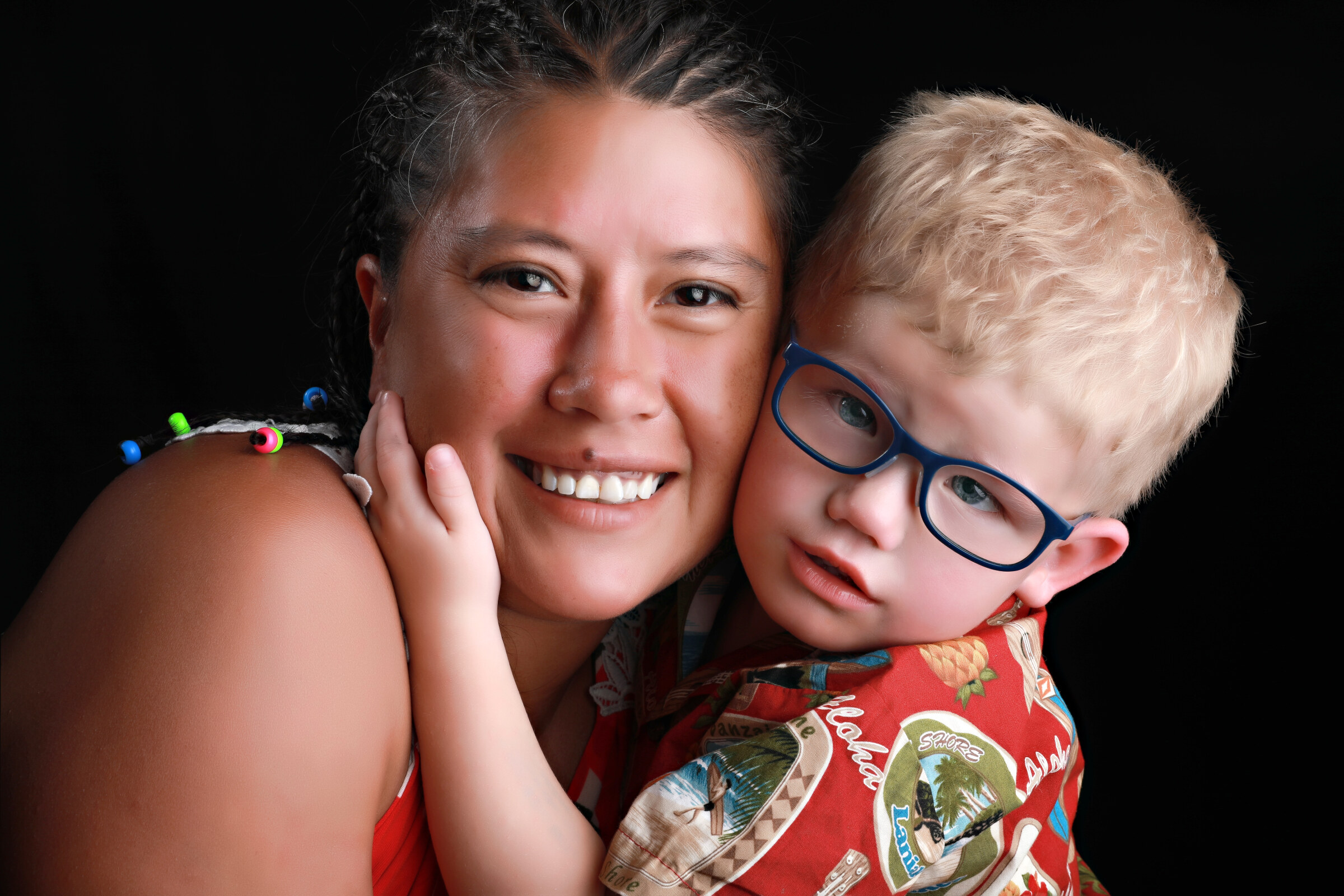
Alexis DunfeeAlexis Dunfee is a fully licensed travel advisor with LuxRally Travel, a Forbes Travel Guide Endorsed agency, specializing in crafting exceptional travel experiences for discerning clients.
Related Stories

Hotel Xcaret México Review: Everything You Need to Know Before You Book
With eight distinct Casas, five adventure parks, and over 20 restaurants, Hotel Xcaret México is the Disney of the Riviera Maya. My biggest takeaway? Don't arrive unprepared.
By Alexis Dunfee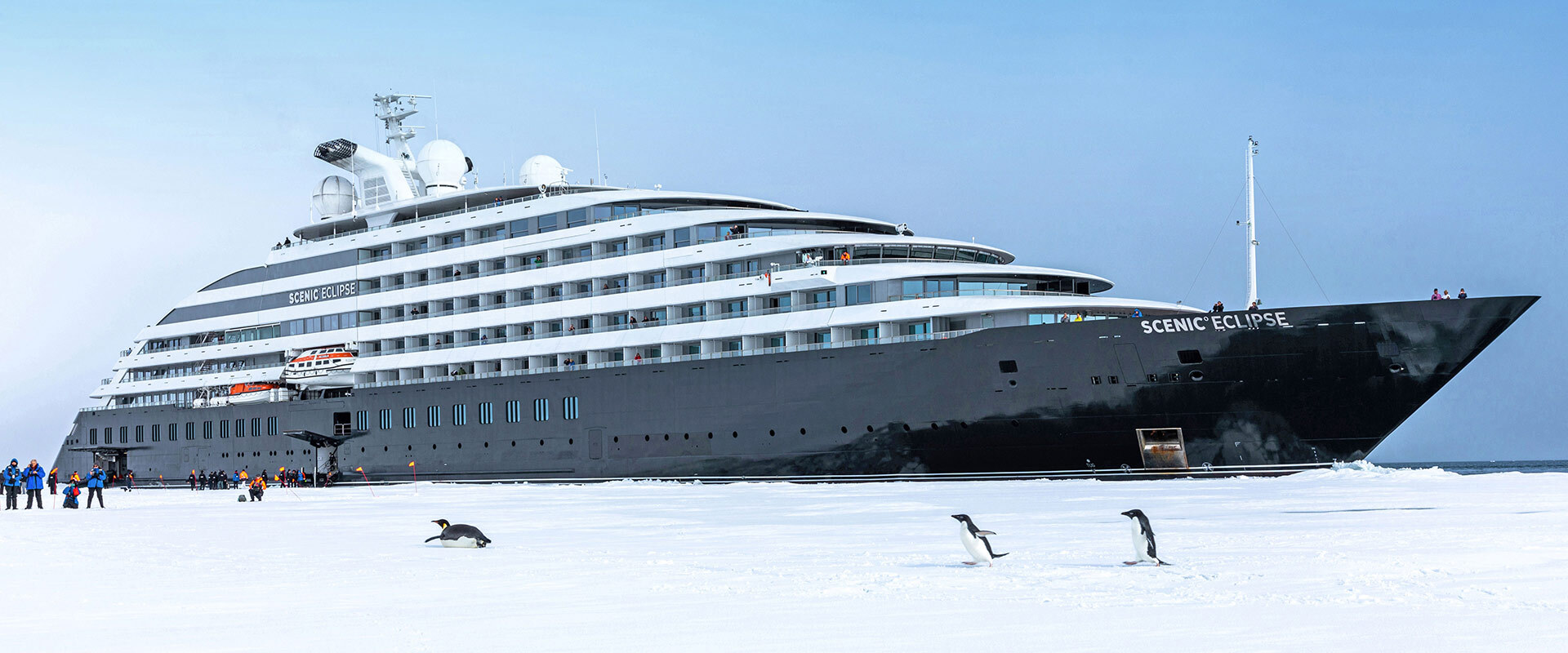
The Logistic Side of Antarctica Expedition Cruises: How to Choose the Best Ship, Route & Timing
There's a silence in Antarctica that exists nowhere else —and whether you actually experience it depends on decisions made months before you board. Ship size, ice class, timing, operator: I've laid out everything that matters in this guide.
By Alexis Dunfee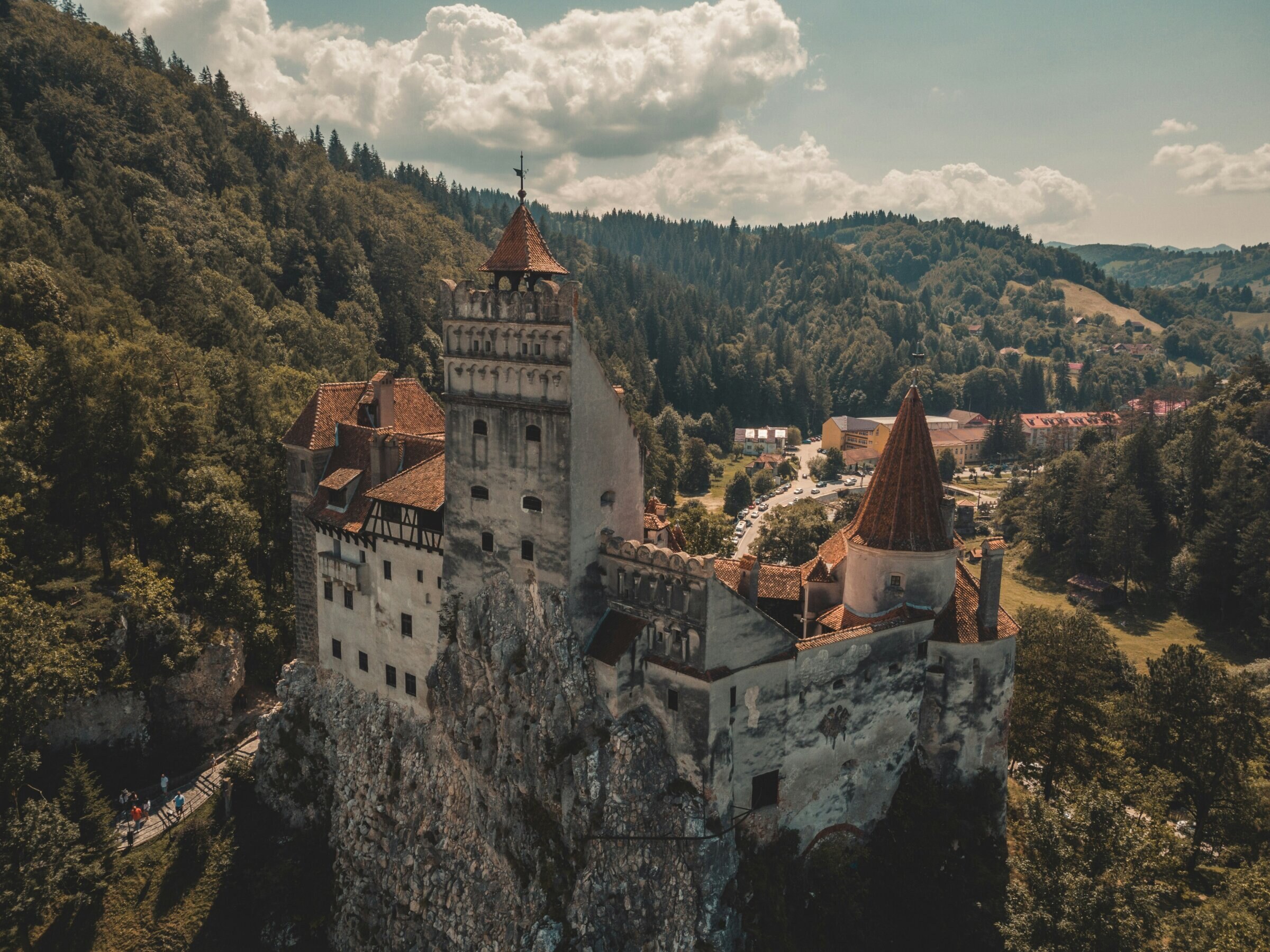
I Visited Dracula's Castle in Transylvania, Romania — and It's Lesser Known, Better Neighbor
I grew up watching Dracula movies on Saturday-night TV — so booking a day trip from Bucharest to Bran Castle felt like a childhood dream come true. Transylvania delivers: Gothic towers, stone corridors, and castles so eerily atmospheric they don't need the legend to impress.
By Nicole Severson
Four Types of Solo Trips to Take When You're Done Waiting on Someone Else
After over a decade of waiting on others, I decided to see the world for myself, alone. Here are four types of solo trips, personally tested by a luxury travel advisor — from group expeditions to fully private tours.
By Shebna Garcon
An Argument for Luxury Slow Travel: Instagram is Ruining Travel for Everyone
Perfectly curated moments. Perfectly cropped. Perfectly hollow. Instagram has turned travel into performance — and the destinations, the bystanders, and the travelers themselves are all paying the price.
By Jennifer Jilot
Welcome to Country: A Travel Guide to Indigenous Australia
Indigenous heritage is not another experience to add to a luxury Australian itinerary. It is the lens through which the entire country is best understood. A framework for designing journeys that create understanding rather than consumption.
By Alisha Myers