
Walking Trails
5 Days Along the Cornish Coast: Walking the South West Coast Path
Five days hiking the South West Coast Path from Penzance to Falmouth — hidden coves, unregulated cider, backup chocolate, and the kind of small-town magic you can only find on foot. Even with the meltdowns, it's a worthy walk.
By Hannah Anastasia VogtSchaller
November 10, 2026
St Michael's Mount rising from a glassy tidal flat at low water.
I'm from Colorado. I'm no stranger to earning a view — the kind you have to climb for — lungs burning, eyes watering, every step a negotiation. But there's something different about earning a view where the reward is the sea.
My husband and I spent five days in early July hiking the South West Coast Path from Penzance to Falmouth — the final leg of a longer trip. We'd already spent two weeks working our way down from the Scottish islands (a trip that deserves its own story, coming soon). I'm a travel advisor based in Denver, and I planned this trip the way I plan for all my clients: with obsessive spreadsheets, a lot of emails to very patient innkeepers, and zero shortcuts. The result? Ten to fifteen miles of English coastline a day, B&B to B&B, our 20-liter daypacks stripped to essentials — along cliffs and harbors and hidden coves so stunning they felt illegal.
We had no idea what we were walking into. You don't need to be a trail runner to do this walk — but you do need to be comfortable with sustained uphill on uneven, rocky ground, and with stairs. So many stairs. For reference: we averaged ten to fifteen miles a day over five days, with one rogue seventeen-mile day I'll tell you about shortly (and do not recommend). The total route along the South West Coast Path runs roughly sixty miles.
The route was simple: Penzance to Porthleven, then around the Lizard Peninsula and up to Falmouth, staying in whatever coastal village had a bed and a pub. Just covering ground on our feet, together, with nothing but the trail and the promise of a cold beer at the end of each day.
Day One: St. Michael's Mount, Porthleven, and Orders from Strangers
We took the train from London to Penzance — a quick, scenic journey — and dropped our bags with a luggage courier right at the station (a service that shuttles your bags between B&Bs each day so you only carry a daypack on the trail) before walking straight to the shore. England was in the grip of a record heat wave and an ocean breeze was a welcome mercy after a sweltering few days in London.
Our first adventure on the South West Coast Path wasn't even a hike. It was a wait.
We stood there for a while, watching the tide pull back to reveal a cobblestone causeway to St. Michael's Mount — an ancient monastery and castle that looms out of the water like something conjured from a storybook. The path itself stopped me in my tracks: large stones pieced together by hand that have somehow withstood two tides a day for hundreds of years. I kept thinking about the feet that had crossed before mine. Pilgrims, fishermen, soldiers. And now us, in our trail runners, blinking at it like tourists. Which we were.
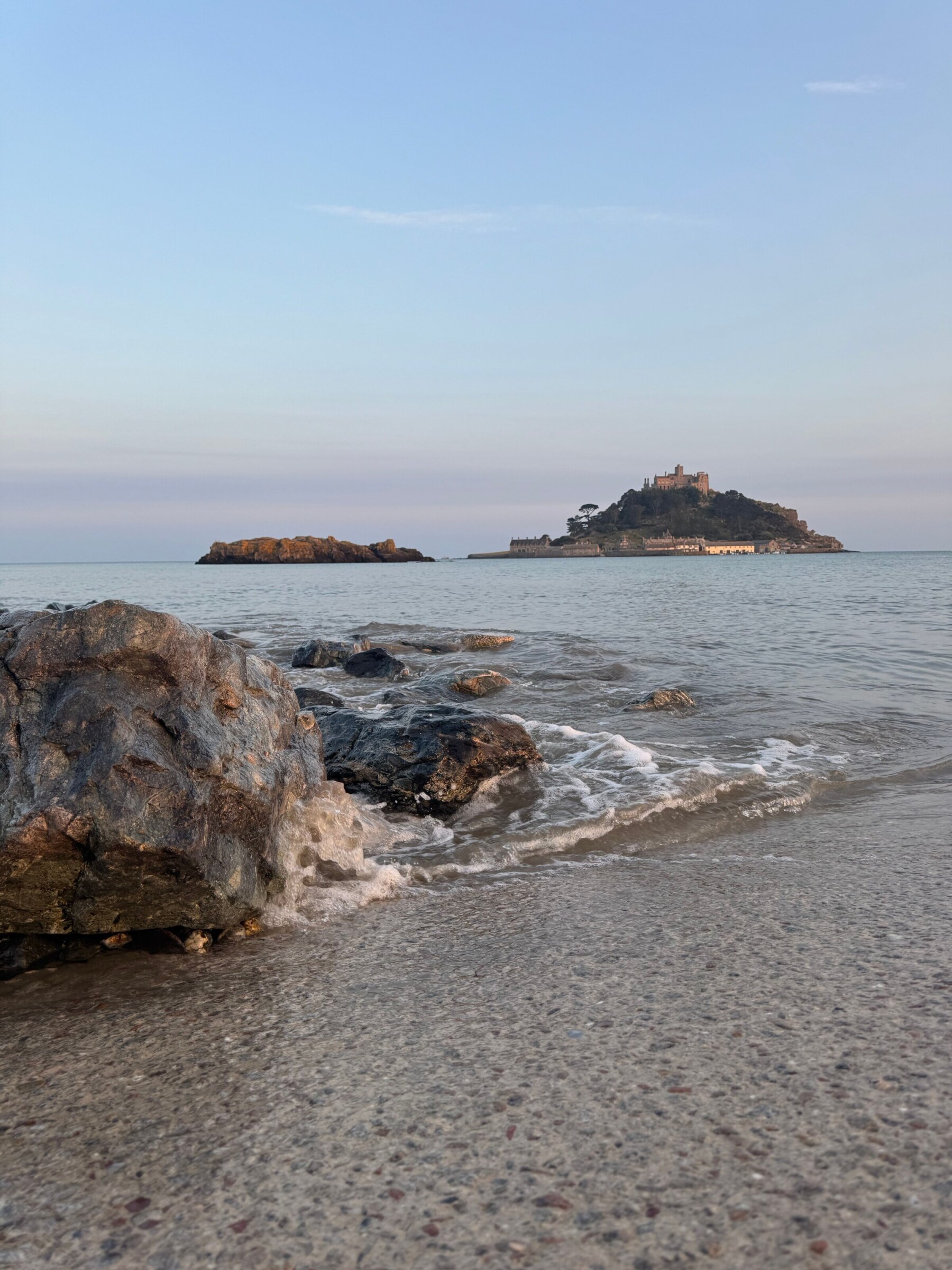
The mount itself is surrounded by terraced, rock-walled gardens, green and riotous with color, climbing up to the castle like they're trying to reach it before you do. The castle set the tone for the entire trip: ancient and salt-worn, beautiful beyond reason.
From there, we turned west and started walking. The clifftop path out of Marazion is gentle at first — open farmland on one side, the bay glittering below on the other — before it narrows and steepens along the coast toward Porthleven. About eight miles in total, and every one of them worth the steps. However, we arrived in Porthleven exactly as one would expect: sweaty, starving, and deeply grateful for the existence of harbor towns.
Porthleven was Day One's reward. The Harbour Inn has a glorious patio right on the water — and rooms overlooking the harbor that come with the most extraordinary amenity I've ever been handed at check-in: an English swimming coat. Long, lined, waterproof, and built for getting into the sea in actual UK weather. We settled in with cold Cornish beer and watched local kids (and some very enthusiastic big kids) leap into the harbor. The water was startlingly clear, dotted with small fishing boats bobbing gently at their moorings.
After an easy check-in to the Harbour Inn, we took our pints to the patio and shared a picnic table with two local women who, upon hearing about our hike and our hunger, didn't suggest a restaurant. They ordered us to the Mussel Shoal — a kitschy seafood shack in Porthleven Harbour — immediately, for the best seafood we would ever have.
We obviously followed their advice.
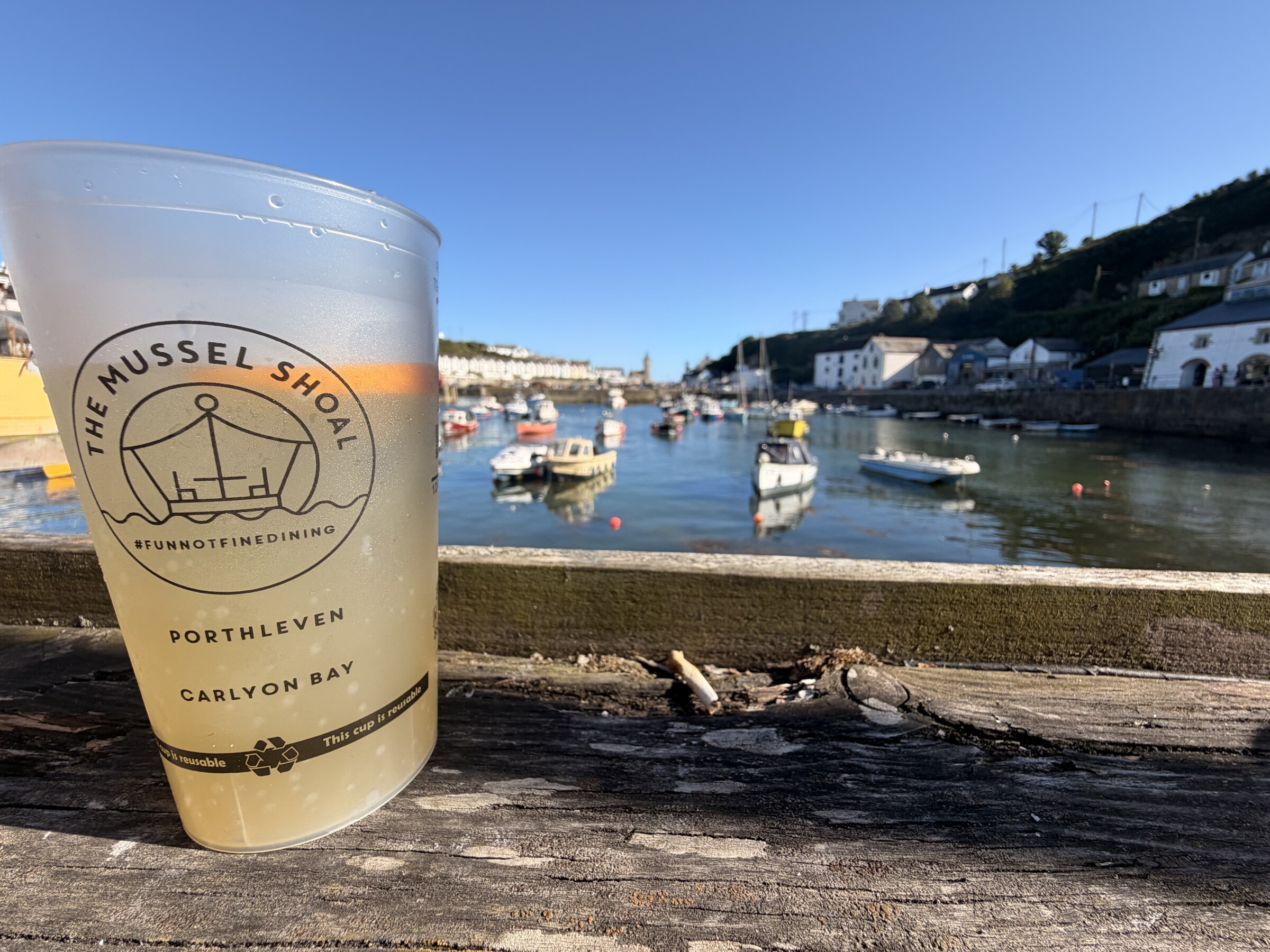
The mussels were fresh off the boats, eaten right up against the water alongside a beautifully fresh menu — and indeed, some of the best I've ever had. I've had mussels in Brussels, Belgium (where moules-frites, or mussels and fries, are the national dish), so I don't say that lightly.
Day Two: Mounts Bay, Cider Roulette, and a Hamburger Warning
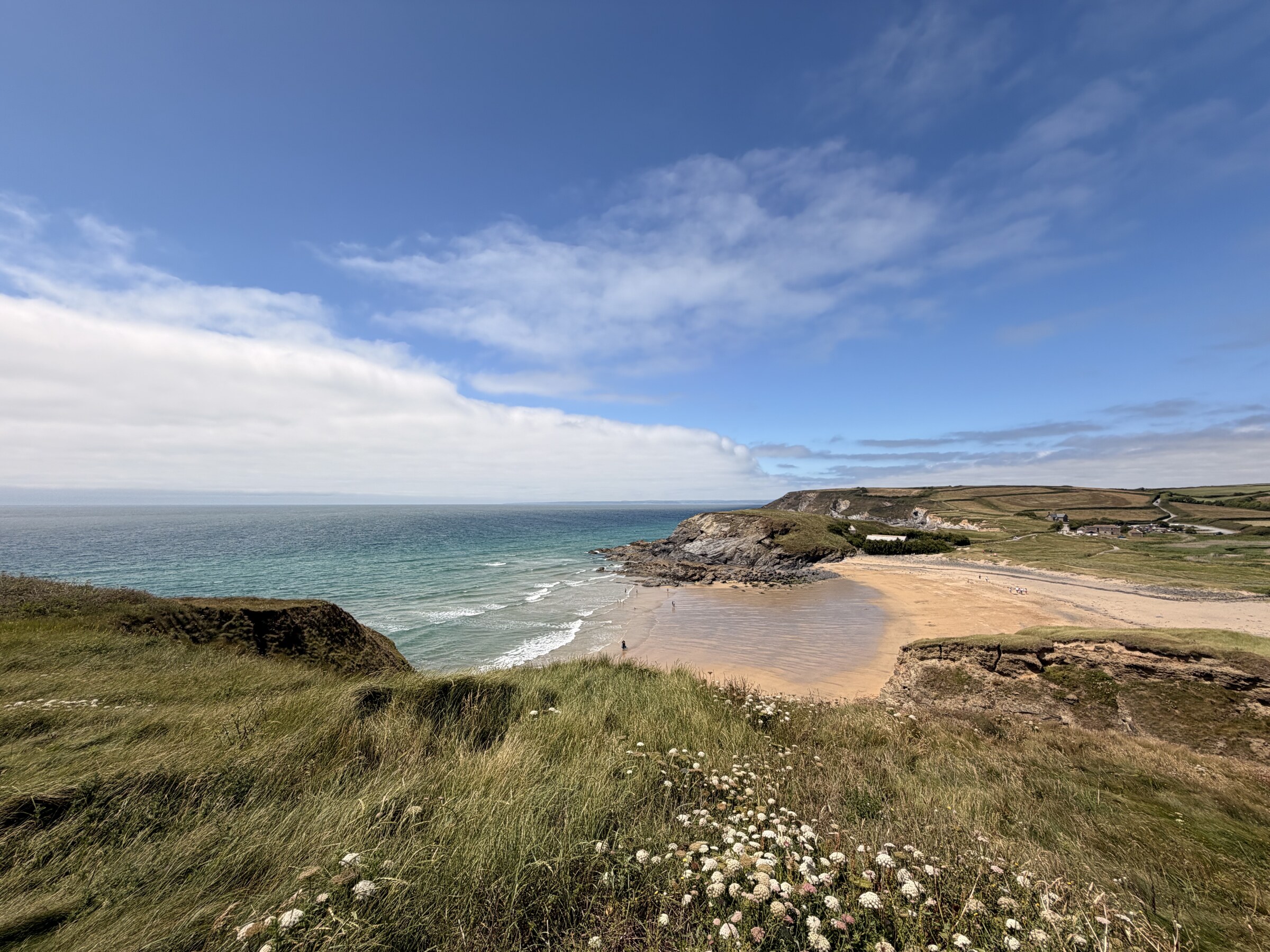
The second day eased us into the trail's particular cruelty — the kind that shows you something beautiful and then makes you climb away from it. We left Porthleven and walked east, the path alternating between scrubby clifftop heath and sudden drops to rocky coves, the sea a shade of blue I hadn't expected to find this far north. The air smelled of salt and something heathery and wild.
By mid-morning we'd passed through the sleepy village of Perranuthnoe and were working our way around the broad curve of Mounts Bay, watching St. Michael's Mount shrink behind us like a very dramatic goodbye wave.
That night, the Mounts Bay Inn was warm and low-lit and absolutely packed with locals, which felt like the highest possible recommendation. Beside being our stay, it was also the only restaurant in town, so the place doubled as the village living room — everyone knew everyone, and they were gracious enough to pretend they knew us too. The young bartender updated us on every development of the World Cup and then, unprompted, delivered a full lecture on Cornish cider.
Here's what I learned: Cornish cider is locally made, often farm-produced, sometimes sold directly from the farm that pressed it. It skews sweet — notable if you're a beer person, which I am. But the truly important detail is that local Cornish ciders are completely unregulated. You have no idea if you're ordering something with 5% ABV or 18%. None. Every glass or bottle is a lottery with apple juice as the stakes. Proceed with caution, especially if you have miles to walk the next morning.
My husband, emboldened by the cider situation and several days of trail food, made a decision I have since warned many people against: he ordered a hamburger. Not in a gastropub. Not in a city. In a small Cornish village, in a pub that had been making pasties and pints since before anyone thought to ask what a hamburger was. It arrived. It was firm. Dense. It was, essentially, a meatloaf patty — minus, as I told him, mom's love. He was desperate for one, and I respected the impulse while deeply questioning the execution. But let the record show: do not order a hamburger in a small English town when you have miles to walk the next day. Just don't.
Day Three: Seals, Lighthouses, the Most Southerly Point, and The Meltdown
Day three took us around Lizard Point — the southernmost tip of the UK. It's been built up as a tourist attraction, all signage and car parks, but the coastline doesn't care. The cliffs are dramatic, the rock stacks are gorgeous, and the seals lounging on the rocks below were utterly unbothered by our existence. Keep your distance, but keep your camera ready — though unless you've got a serious telephoto lens, they'll look like sunbathing potatoes.
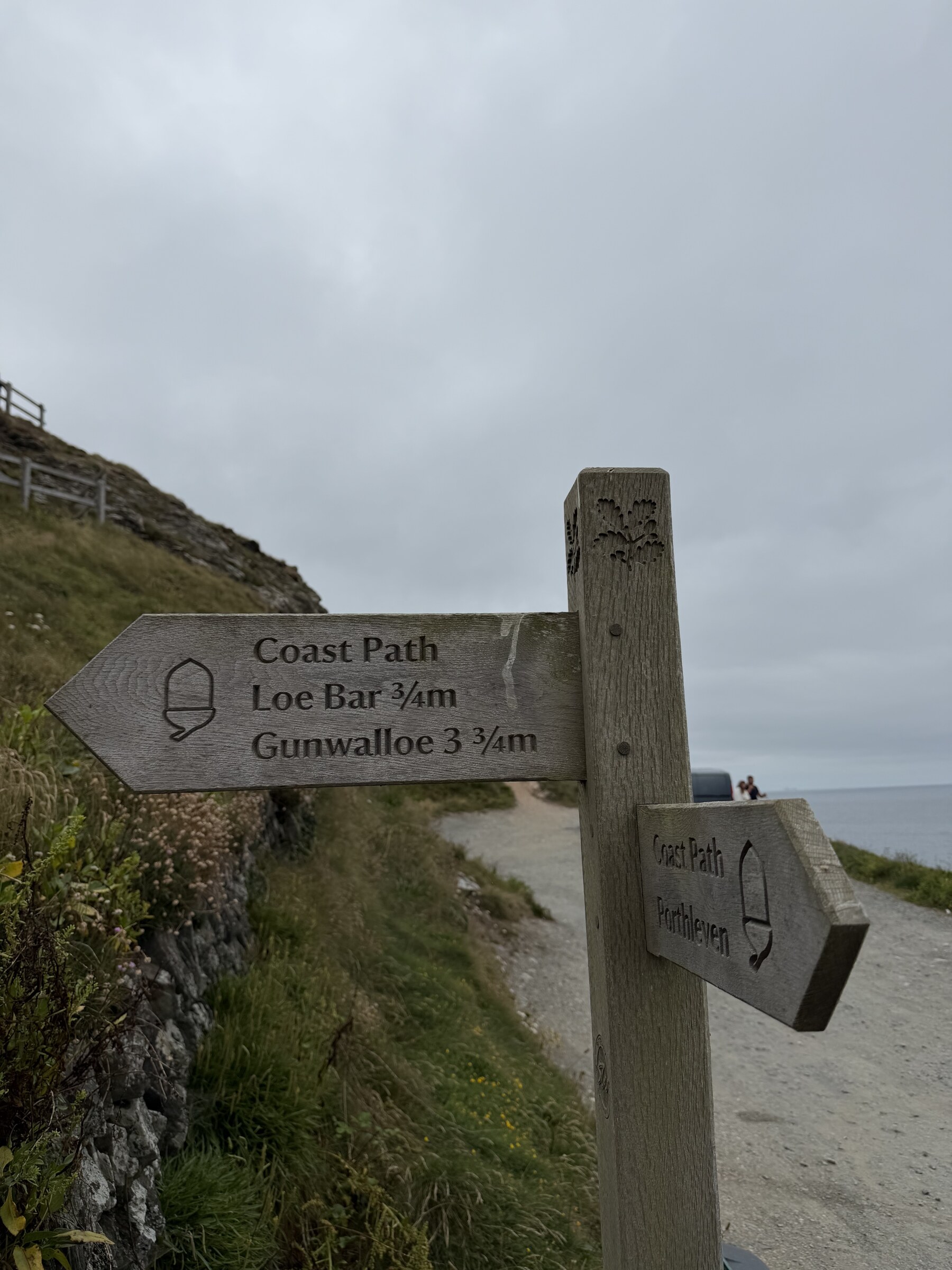
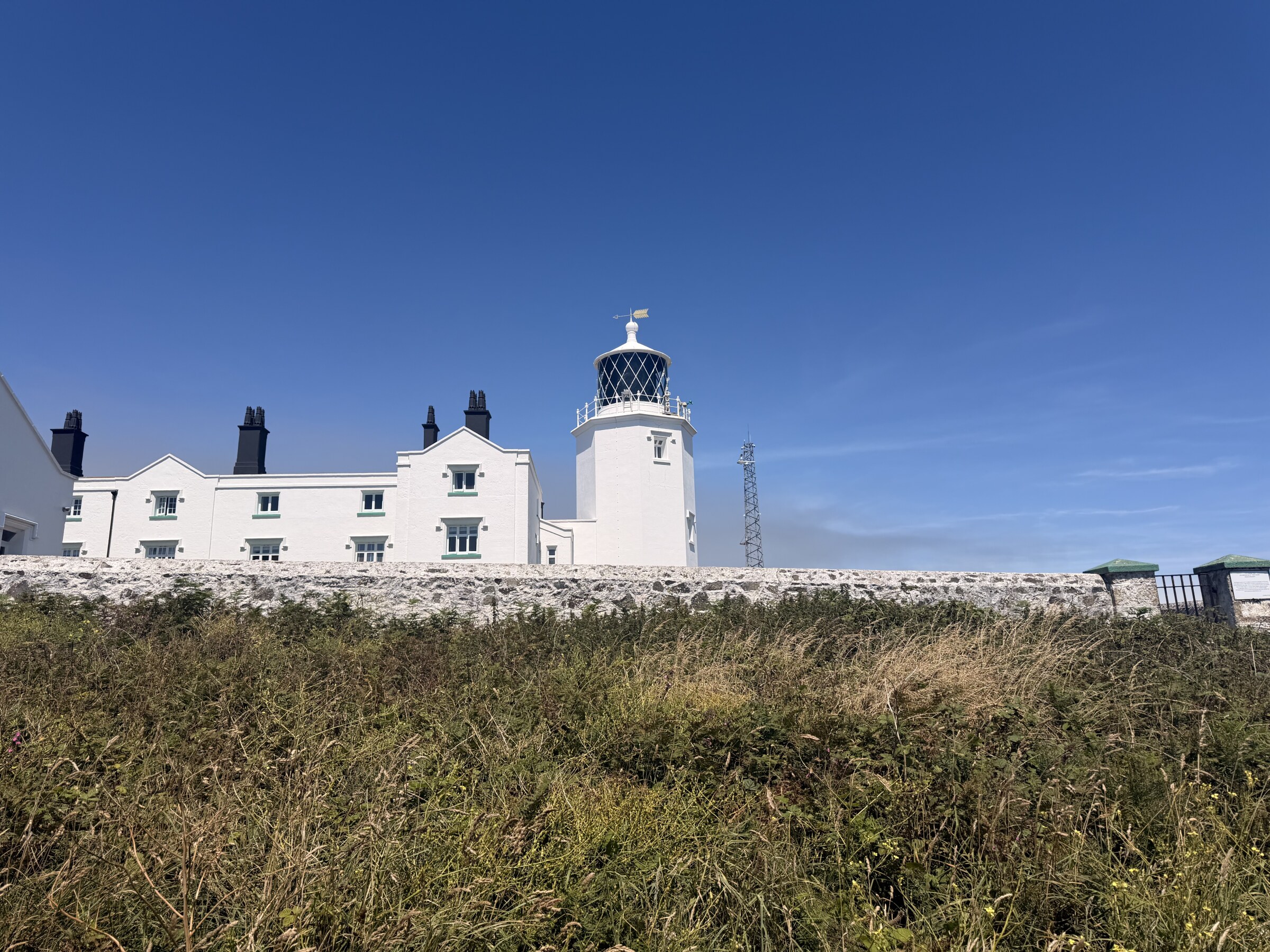
I love lighthouses — always have, probably always will — and the ones along this stretch of coast sit on tall cliffs like they've been watching over the water since before anyone bothered to write anything down. There's something about a lighthouse on a raw Cornish headland that makes you feel both very small and strangely safe.
Remember that Scottish leg I mentioned? Two weeks earlier, we'd stood at Muckle Flugga (yes, that's the real name), the northernmost point of the UK: a tiny island off the Shetland coast with a lighthouse clinging to its edge like it's daring the Atlantic to try something. So we'd essentially bookended the whole country in two weeks. Not bad for a couple of Americans in trail shoes, if I do say so myself.
This is where I need to confess something. I am not as athletically blessed as my husband. He's patient and kind about it, which is key when you're hiking together day after day. We have a system. When the going gets rough, I start singing "The Final Countdown" by Europe — except I change the words to "The Final Meltdown." He knows this is the signal. Out comes the backup chocolate he's stashed in his pack.
I was the planner, and I had spectacularly overshot our mileage for the day: seventeen miles total. The Final Meltdown hit me hard around mile eleven, walking in full sunlight through a heat wave.
We each carried a liter of water, though there were plenty of places to refill — beach cafes, small town pubs, the occasional farm stand. Trail runners over boots, always, on this terrain — your ankles will thank you for the grip you'll gain, and your feet won't be screaming quite as loudly by mile fourteen. My husband produced a square of emergency Cadbury from his hip pocket somewhere around mile eight. I ate it without a word.
Always carry a sun shirt with you on this trail. It's better than bottles of sunscreen and constant reapplying, and will save you the sunburn (and worse). Whether you're walking this path or simply stepping outside, this is my advice for all of life, really.
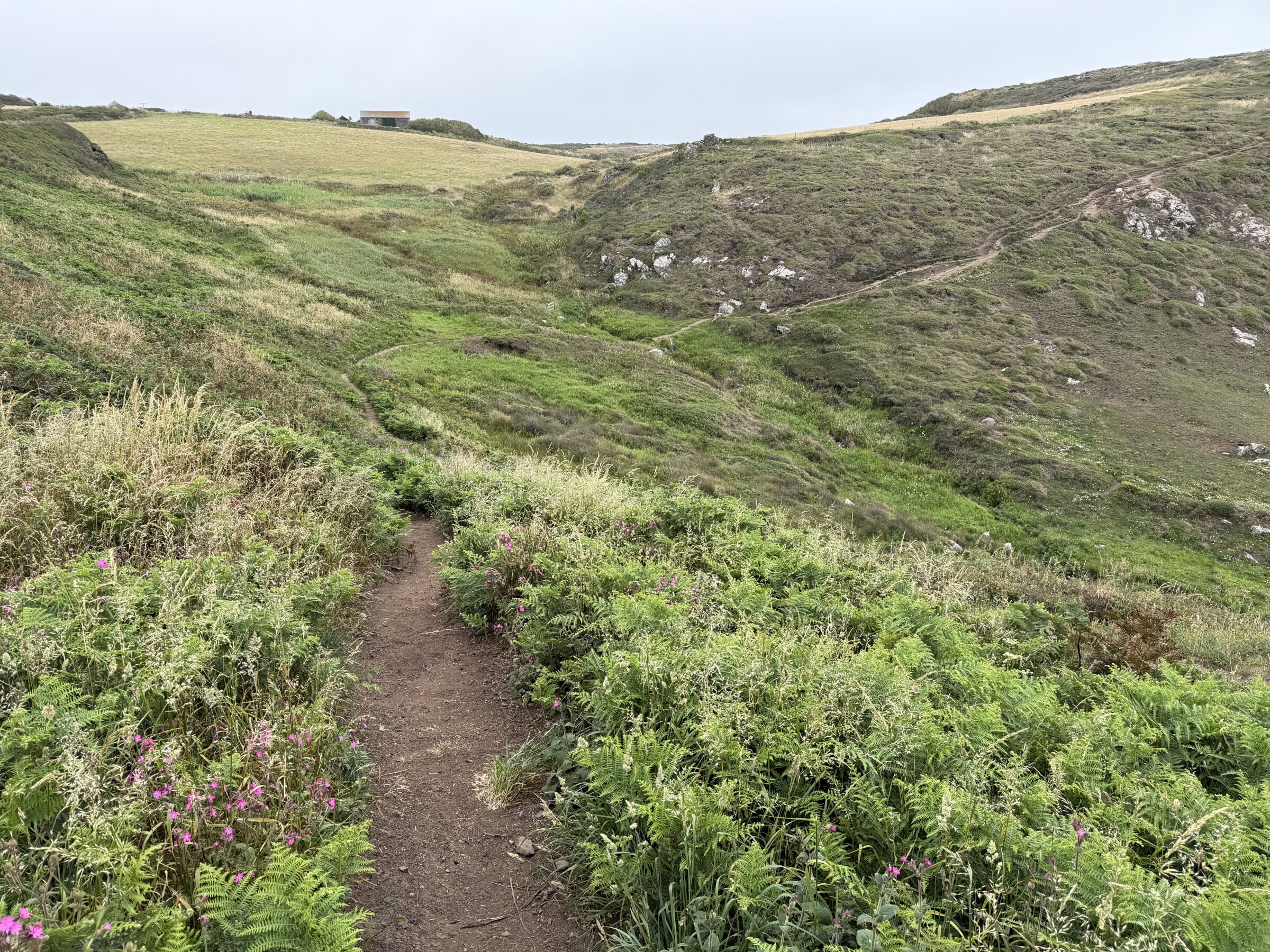
After Lizard Point, we hiked up a rounded hill that ended at a cliff split by a small stream. On the ocean side: rocky stacks and blue water. On the inland side: a gully with equally steep walls covered in glorious ferns and wildflowers. And then we saw it — a steep stone staircase with a railing, descending into the gully and climbing back up the other side. Awesomely difficult to climb. At the bottom, a small rock bridge crossed the stream, and a tiny overgrown path led even farther down to a small, untouched cove of clear blue water with white sand.
When you've made it this far, you can't pass it up. Even if your feet are yelling at you.
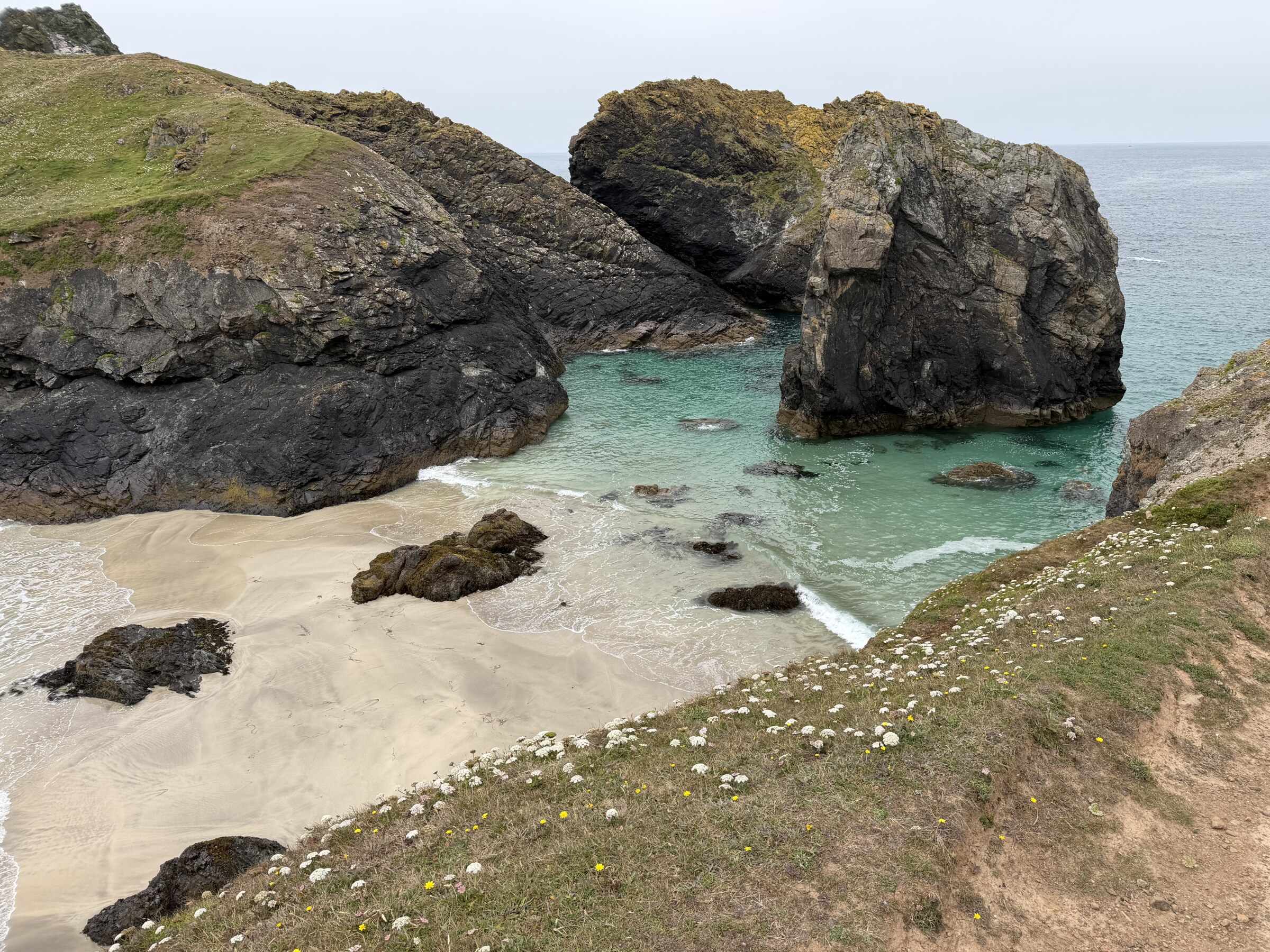
I waded in up to my thighs, the crisp water revitalizing my legs for the climb back up (which was a beast). My husband, who loves cold water, swam out farther. These are cold waters — refreshing is the generous word. We had maybe twenty minutes in that cove, and I could have stayed a day. There's a hotel above the cove: the Housel Bay Hotel, perched on the clifftop with a view straight down to that cove. I'm naming it here because I want you to plan for it, rather than stumble past it the way we did. It's the kind of place that stays perfect because not everyone knows to look for it: a handful of rooms, a terrace restaurant, and that cove practically in your front garden.
We never made it to mile seventeen on foot. Somewhere around mile fourteen, we stopped in the tiny village of Cadgwith — just a handful of cottages tumbling down to the sea — and ducked into the Cadgwith Cove Inn for what was meant to be a quick rest. Then the locals started to arrive. And then someone pulled out an instrument. And then, unprompted and unrehearsed and absolutely priceless, they started playing traditional music.
We sat there with our pints, sore and sunburned and completely enchanted. Nobody announced anything. Nobody passed around a set list. It just happened, the way the best things on this trail kept happening — through no planning of mine whatsoever. I stopped thinking about the miles. I stopped thinking about my feet. There was just the music and the low light and the smell of salt coming through the open door. The barkeep, sensing that we were done for the day in every possible way, quietly called us a cab.
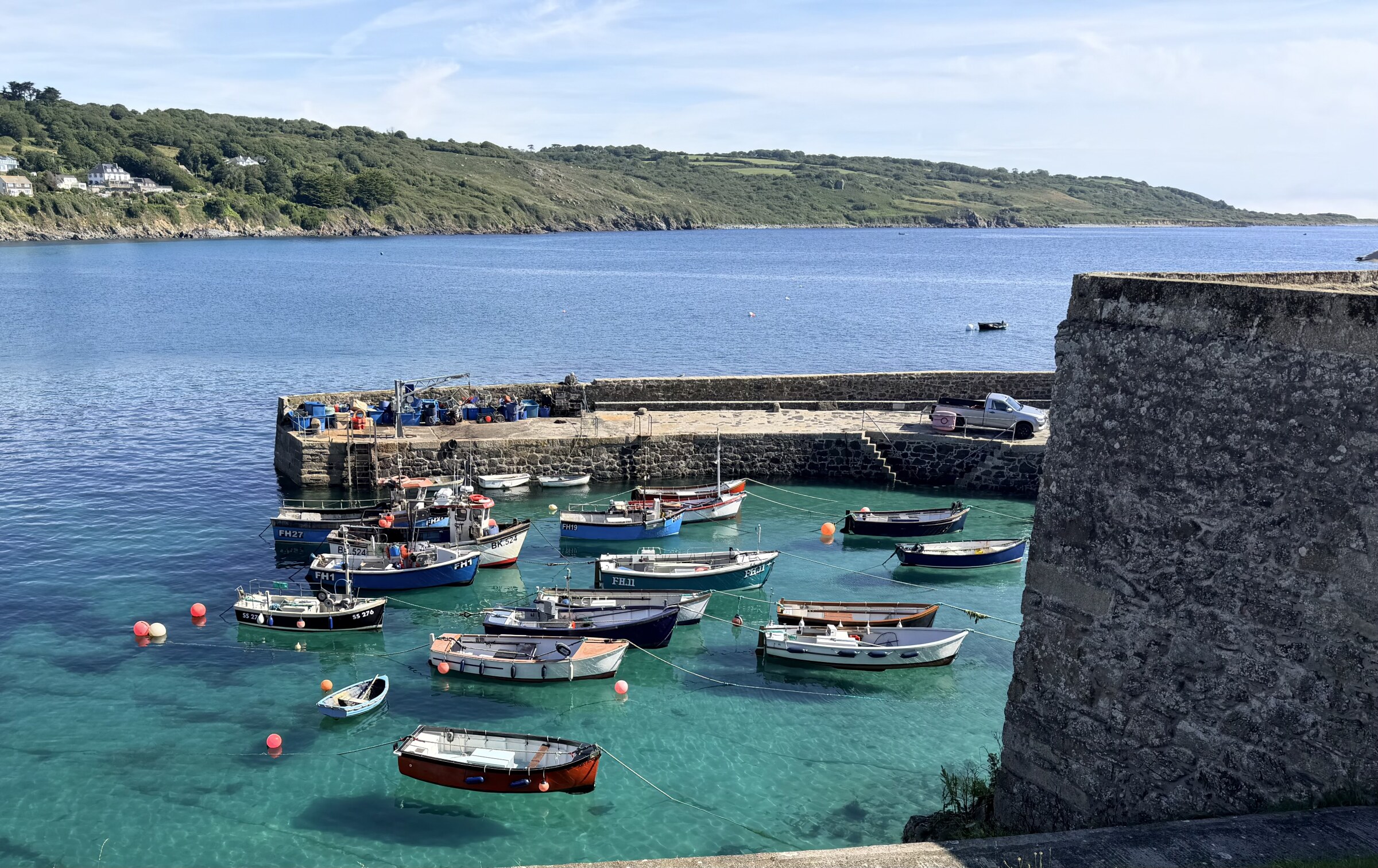
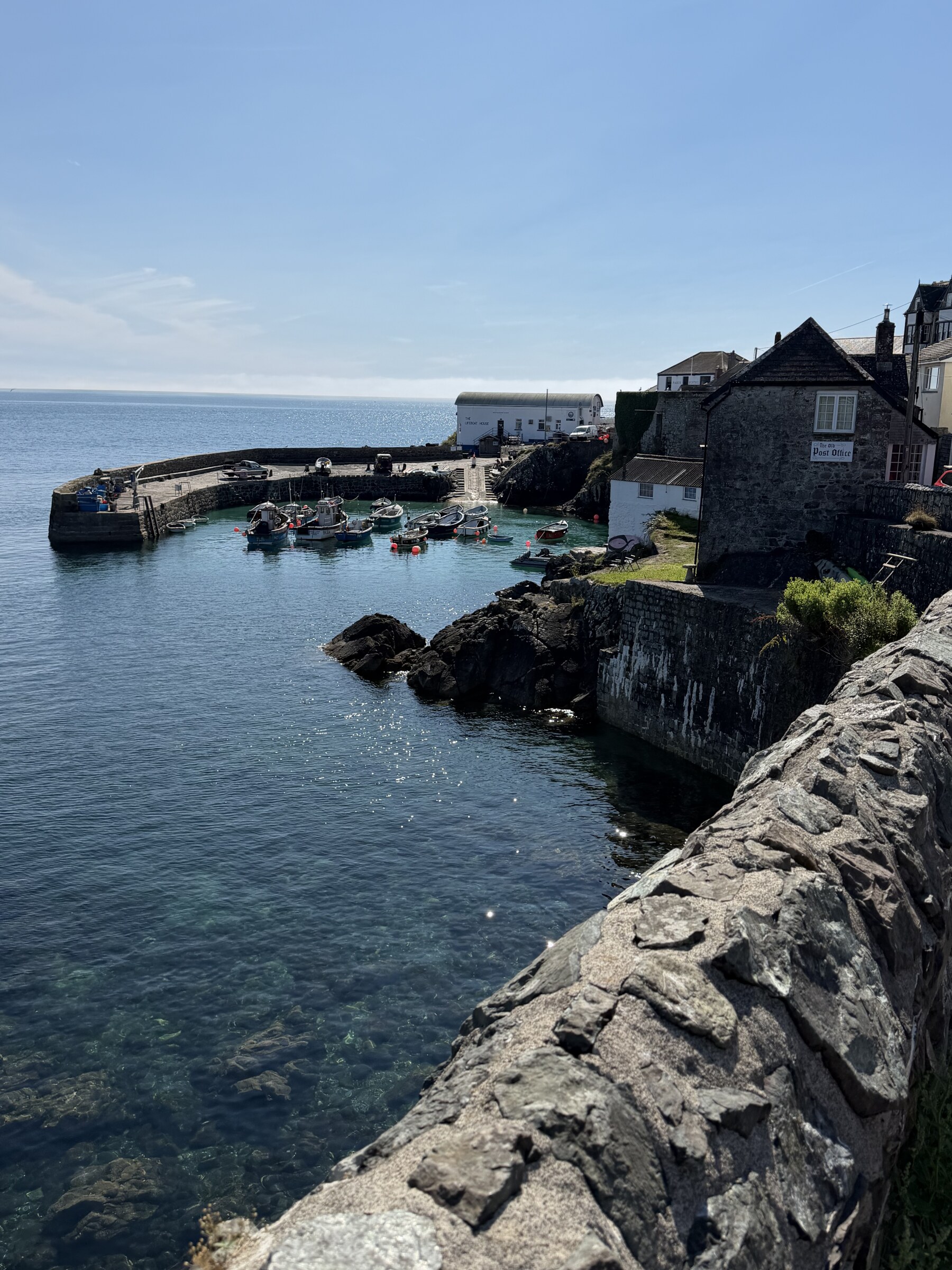
The cab dropped us in Coverack as the light turned golden over the water. The Paris Hotel is small and unassuming from the street, but our room had a harbor view that made me stand at the window longer than was entirely sensible for our tight itinerary. We ate dinner at the only restaurant in town, which turned out to have the virtue of being exactly right: simple food, cold drinks, a window table looking out at the boats. Nobody trying too hard. After a day like that, nobody needed to.
We were in bed by nine. It was perfect.
Day Four: Helford
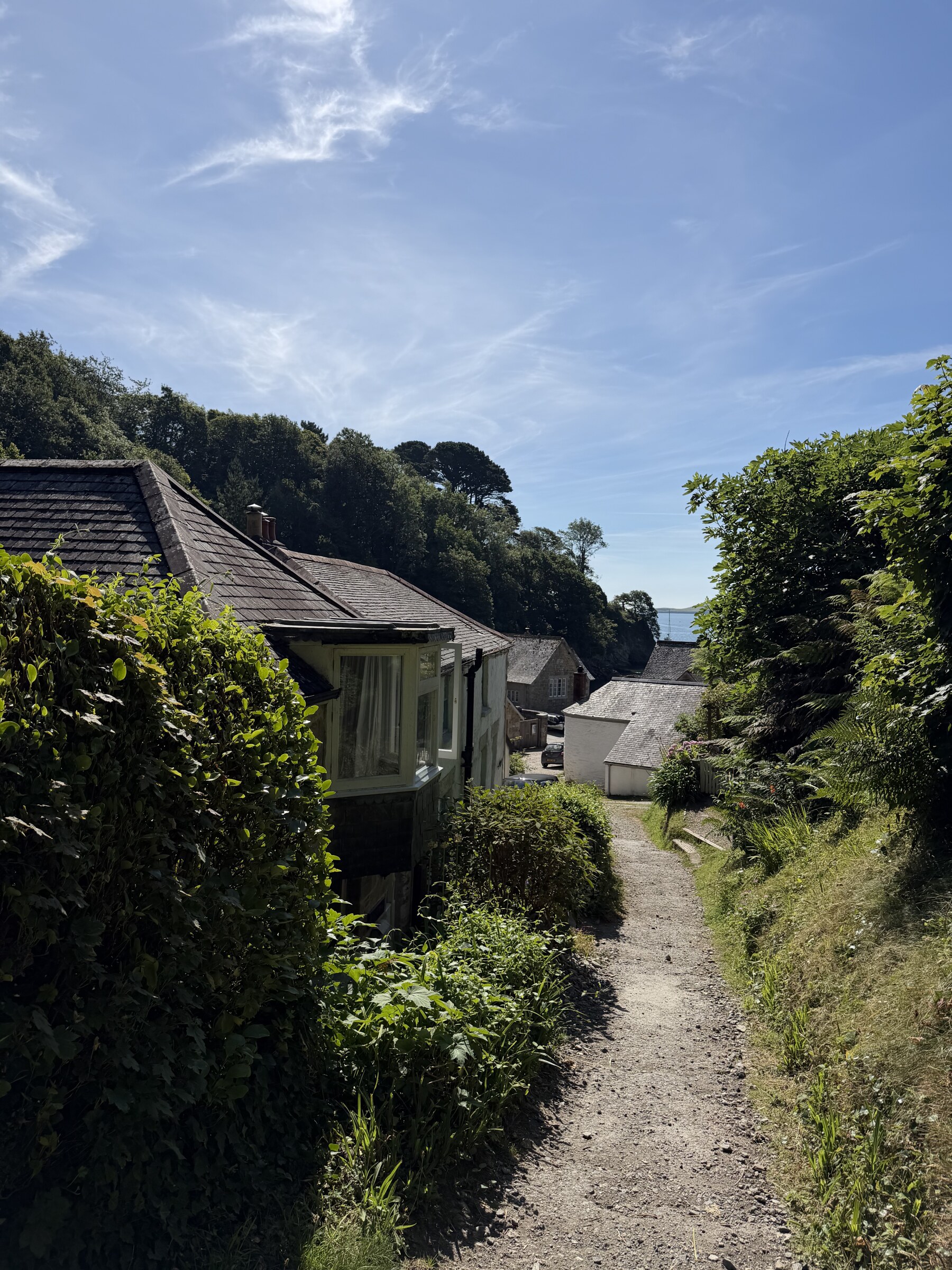
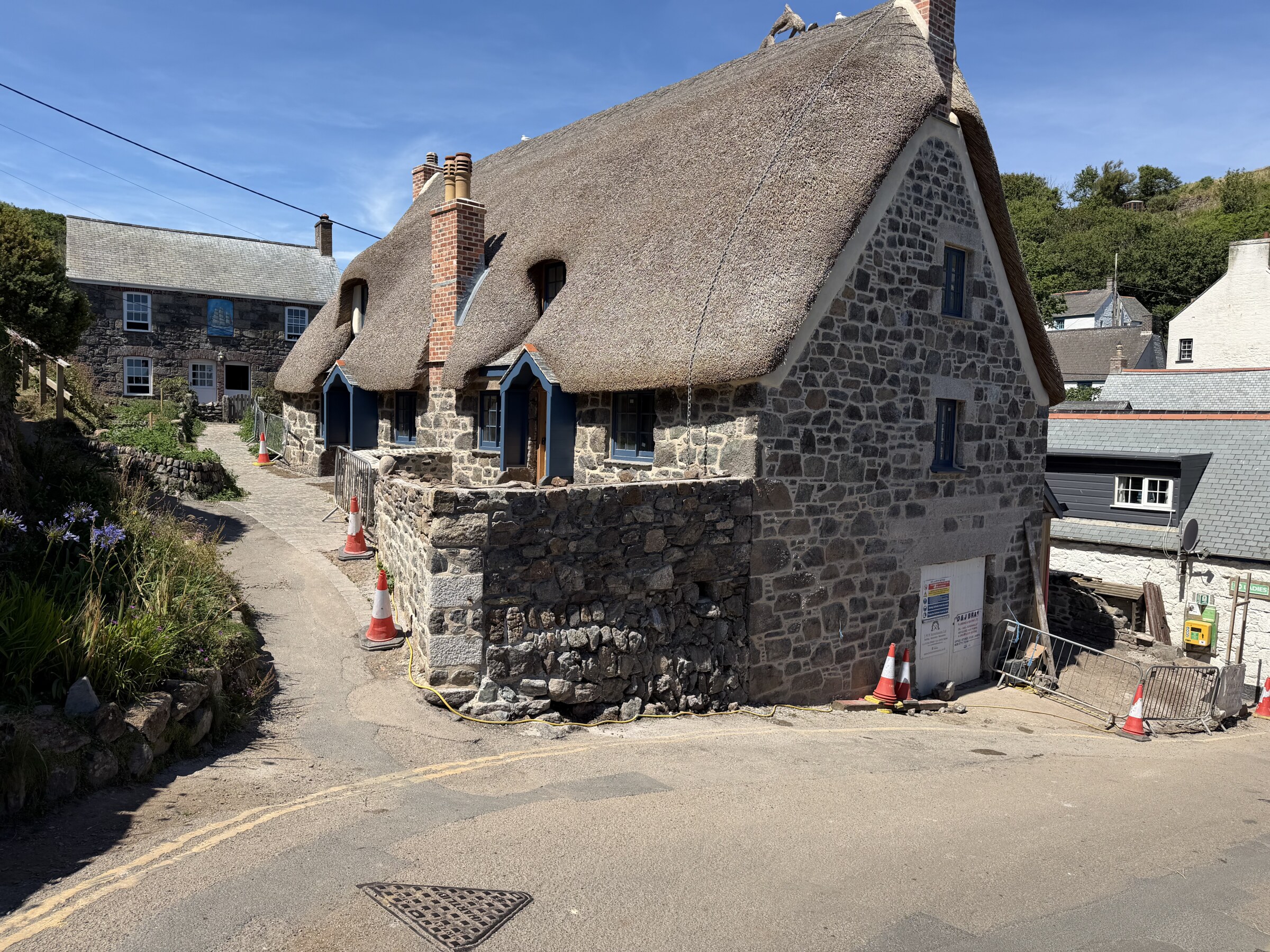
Day Four started with the kind of morning that makes you forget the previous day ever tried to kill you. The harbor was so still it looked painted. Mugs of hot coffee. Dry socks. The quiet of a small Cornish town before it wakes. We left Coverack in the early morning, stepping out into light that was still low and orangey-pink, the boats sitting motionless on glass-flat water. We'd been handed a tip the night before about a stretch of trail that most hikers skip in favor of the road. We took the trail anyway, because of course we did, but thankfully it was a short 9-mile day.
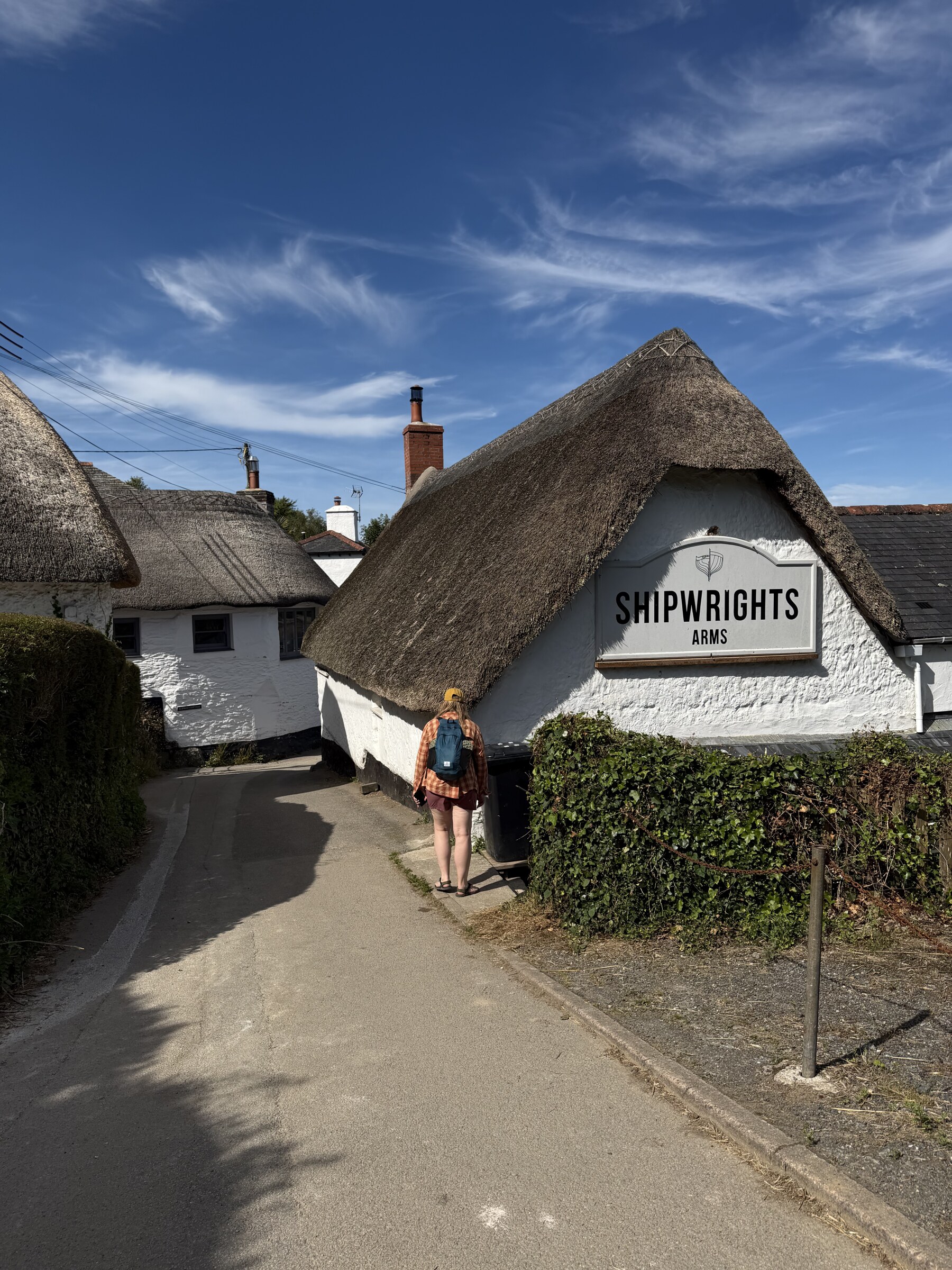
If not for that trail, we wouldn't have found the Shipwrights Arms, tucked into the village of Helford. Most hikers walk straight through that town, and I understand why — it doesn't announce itself. But the room was the nicest and largest on our entire trail: king bed, an oversized armchair positioned exactly where you'd want it, and a view of the inlet where fishing boats drifted past at high tide. I could have stayed a week. The restaurant below had multiple levels of terraced decks cascading down to the water.
We later found out the Shipwrights Arms is owned by Roger Taylor, the drummer of Queen. We didn't see him, but still. Pretty cool.
Day Five: Falmouth, and Walking Out of the Spell
The path climbed immediately as usual, and within the first mile we were back up on the clifftops with nothing but the wind and the gorse and a horizon so wide it felt personal. The coast on the way to Falmouth is wilder, less visited, the trail narrowing to a single-file ribbon of dirt along the cliff edge. My husband walked ahead, as he tends to do when we're both in our heads, and I remember thinking that this — exactly this, just walking silently and breathing and not being anywhere in particular — was the whole point.
Then the trail changed. We hiked past cars. Through large intersections with traffic lights. Our hotel sat on a bustling street in the harbor, and suddenly there were city sounds — engines, crosswalks, crowds. After days of nothing but birdsong and waves and the occasional seal grunt, Falmouth felt almost aggressively real.
We stayed by the docks and had one last night of excellent seafood. But I kept thinking about the women in Porthleven, the bartender at the Mounts Bay Inn, the musicians in Cadgwith, the taxi drivers who told us about their own favorite stretches of the trail. All those lovely small-town people, and all their loveliness.
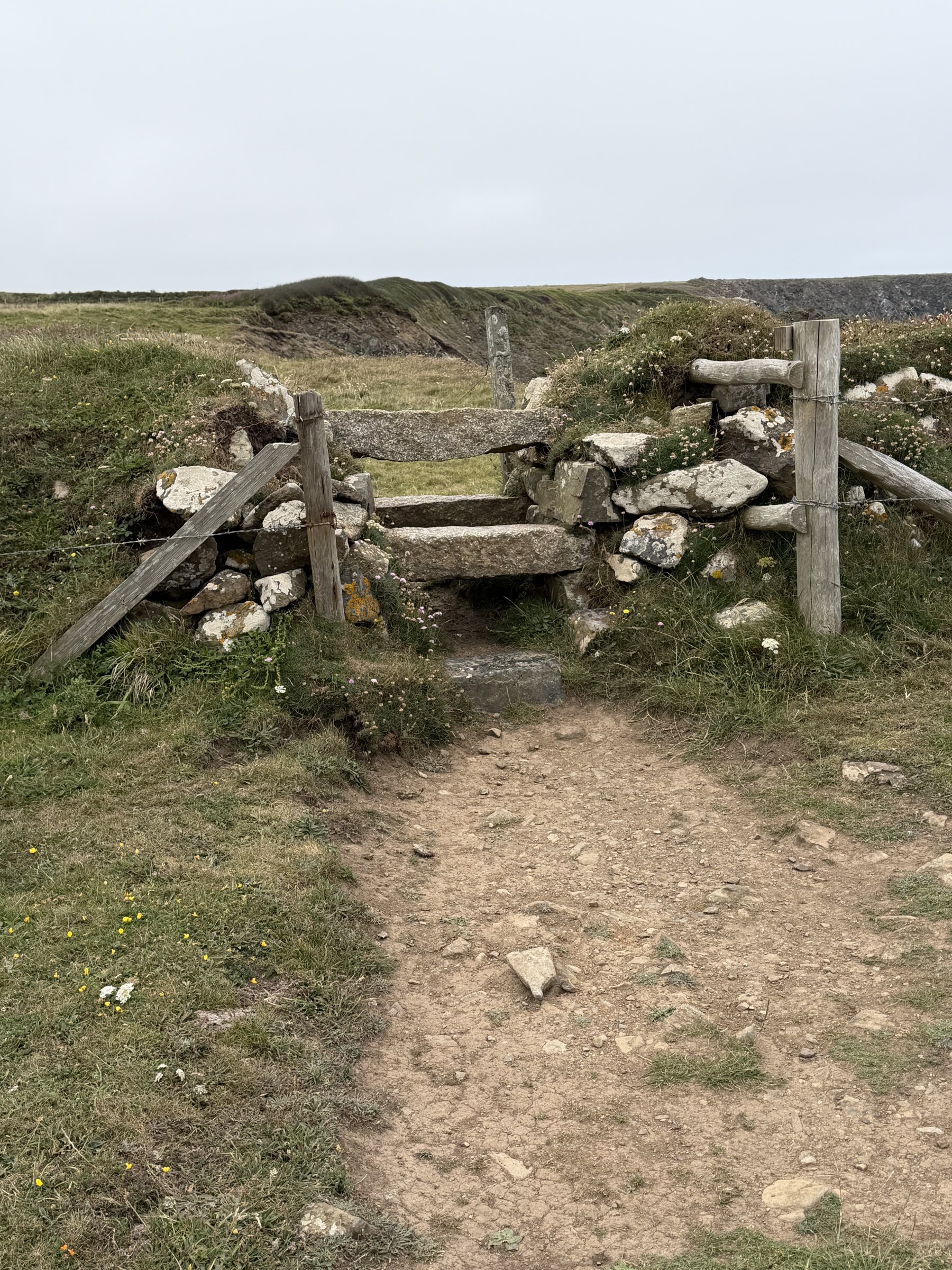
Simply covering ground on your feet together — especially for couples — is a sort of joint meditative experience. Especially when you're running on endorphins and the distant promise of a cold beer at the end of the trail. Five days of that, and a rhythm settles into your partnership, into your body, into the way you see a place.
Logistics and Planning Your Trip — and Not Going It Alone
We booked each B&B independently, which meant a lot of emails to very patient innkeepers — and one very patient travel advisor (me) who plans trips like this for clients and refuses to hold herself to a lower standard.
A local luggage courier service hauled our bags from stop to stop: you arrange it in advance, leave your bag outside your accommodation by an agreed time each morning, and it arrives at your next B&B before you do. That was the single best decision of the entire trip. Hauling a suitcase up a cliff staircase is the last thing you want to do. Trust me.
Rooms on this stretch ranged from around £120 to £220 a night, depending on the property and whether you're looking at a harbor view or just a very good pillow. The luggage courier charged us roughly £10–£15 per bag per transfer — one of the better pounds-per-joy ratios of the entire trip.
If you're dreaming of walking the South West Coast Path, reach out — I'd love to help you plan it. The best inns along this stretch sell out fast, and January is not too early to book for June or July. These are tiny towns. The rooms are limited. And this stretch of Cornwall is a beloved local holiday spot, not just a tourist trail. The locals treat it with the kind of reverence that tells you everything you need to know.
Falmouth was fine. Beautiful, even. But it crystallized something I already knew: the magic of the South West Coast Path is in the smallness. The single pub. The shared picnic table. The cove you have to earn.
Bring backup chocolate. Skip the hamburger. Share a table with a stranger. And connect with me below to start the conversation.
Frequently Asked Questions
How fit do I need to be to walk the South West Coast Path from Penzance to Falmouth?
You don't need to be a trail runner, but you do need to be comfortable with sustained uphill on uneven ground — and stairs. A lot of stairs. We averaged ten to fifteen miles a day, which is manageable if you're used to regular hiking. Build in at least one shorter day so your body has room to recover.
When is the best time to walk this stretch of the South West Coast Path?
We went in early July and hit a record UK heat wave — which was both beautiful and brutal. Early July through August is peak season; the weather is warmest but the best B&Bs sell out fast. Book in January if you're targeting June or July. Shoulder season (May or September) is worth considering if you prefer cooler temperatures and fewer crowds.
Do I need to book accommodation in advance?
Yes — and earlier than you'd think. These are tiny coastal villages with limited rooms, and this stretch is a beloved local holiday spot, not just a tourist trail. We booked in January for a July trip and some inns were already filling up. The good ones go first.
What is a luggage transfer service and do I need one?
A luggage courier collects your bags from your accommodation each morning and delivers them to your next stop, so you only carry a daypack on the trail. Several companies operate along the South West Coast Path; we paid roughly £10–£15 per bag per transfer. It was the single best decision of the entire trip. Hauling a suitcase up a cliff staircase is not the vibe.
What should I carry on the trail each day?
We each carried a 20-liter daypack stripped to essentials — water (at least a liter, with plenty of cafes and pubs to refill along the way), snacks, a rain layer, and a sun shirt. The sun shirt is non-negotiable. Emergency chocolate is also strongly recommended, for morale.

Plan your next journey with
Hannah Anastasia VogtSchallerHannah VogtSchaller is a fully licensed travel advisor with LuxRally Travel, a Forbes Travel Guide Endorsed agency. She specializes in crafting exceptional travel experiences for discerning travelers around the world.
Related Stories

The Total Travel Disasters That Made Me the Luxury Travel Agent I Am Today
From sprinting through the Paris suburbs at midnight to accidentally vacationing in a conflict zone, one travel advisor’s gloriously unplanned past explains why she now obsesses over every detail.
By Hannah Anastasia VogtSchaller
Montana's New Gem: One&Only Moonlight Basin
One&Only Moonlight Basin settles into Big Sky's valley like a stunning private mountain village. From world-class skiing to hot air balloon rides and bespoke alpine spa treatments, this is Montana at its most luxurious.
By Hannah Anastasia VogtSchaller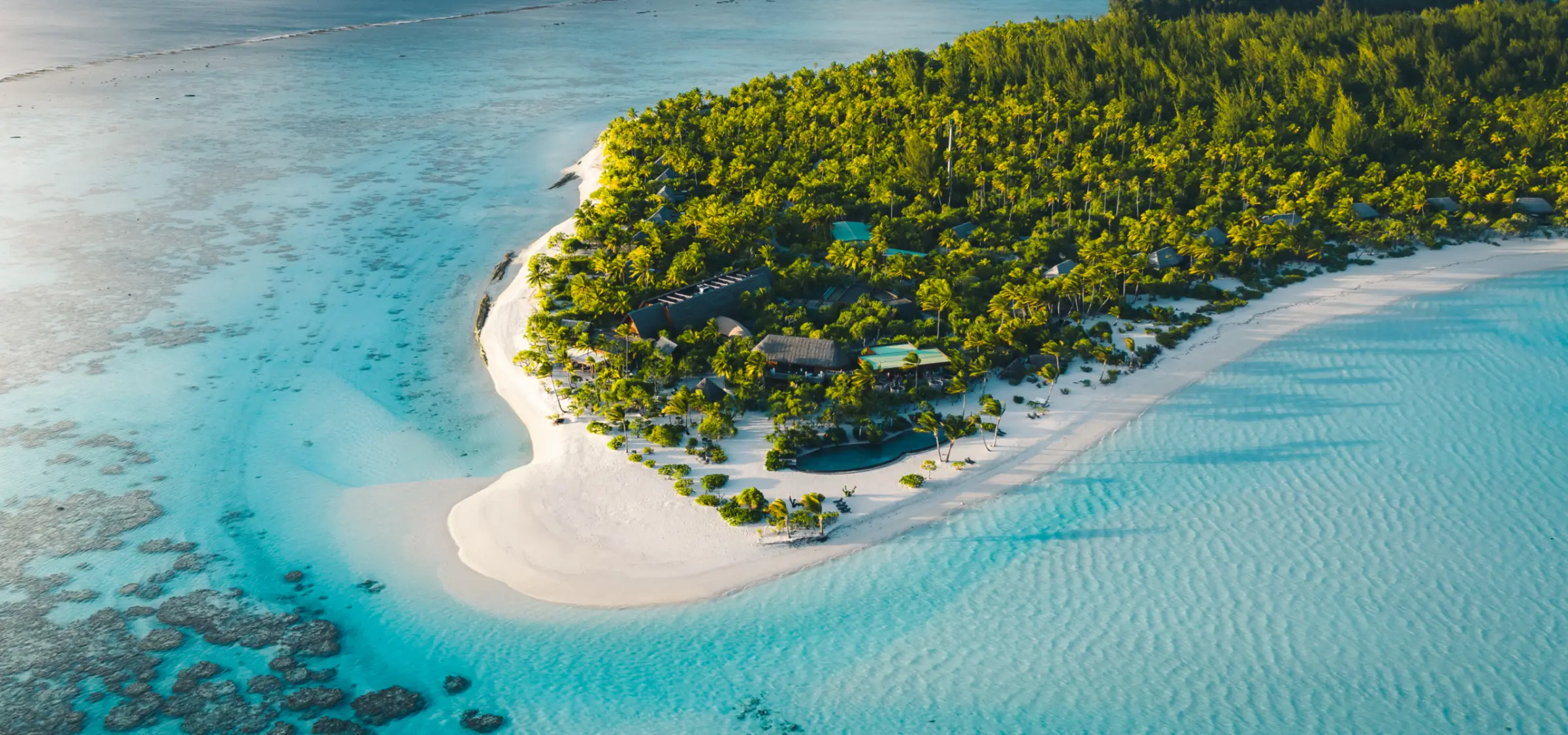
The Brando's Private Motu: One Island Marlon Brando Kept for Himself
A short flight from Tahiti, one islet sits apart from Marlon Brando's own resort, reserved by request for a single party at a time. It is the closest a traveler can get to the man who built this atoll, it's resort, and the private oasis even further from the main retreat.
By Alina Moretti
Kona Meets Sedona: Inside Black Desert Resort, Southern Utah's Luxury Escape
Deep black volcanic basalt, emerald fairways, and red sandstone cliffs that shift from terracotta to burnt sienna by the hour — Black Desert Resort shouldn't work as a landscape, but it does, spectacularly. I pulled up on an October morning and realized I was looking at something I'd never seen before in a place I call home.
By Megan Saldibar
The New Science of Living Longer: 5 Anti-Aging Retreats Redefining Luxury Wellness
Five destinations where longevity, biohacking, and genomic medicine have become the most compelling luxury on earth. From Swiss clinics to Mediterranean retreats, the future of travel is biological.
By Alina Moretti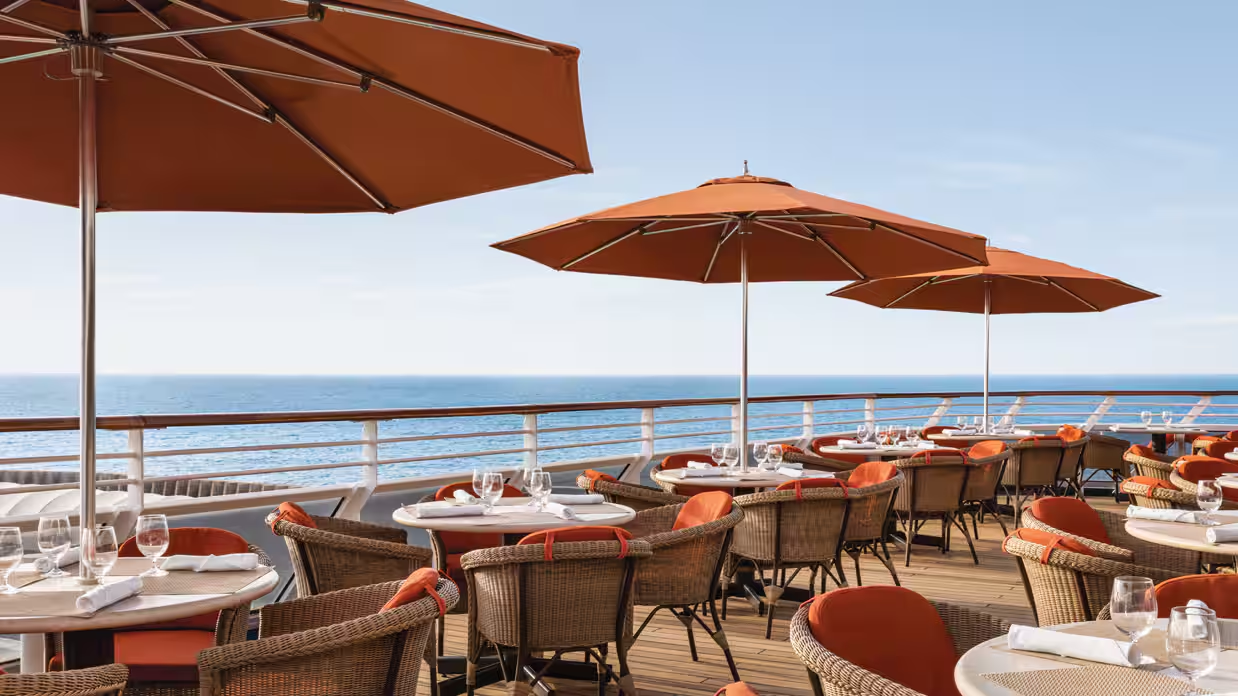
Confessions of a Converted Cruiser: How Alaska and Oceania Changed Everything
A self-proclaimed non-cruiser boards Oceania for an Alaskan voyage — and discovers that breaching humpbacks, foie gras-topped filets, and glass-smooth mornings can change a traveler's mind entirely.
By Cassie Bacon