
Heritage Travel Guide
Luxury Heritage Travel Through England, Scotland, & Ireland: An UHNW Guide to Ancestry Travel
Heritage travel at its best is not researching where you came from. It is standing in a place your ancestors once stood, long enough that it stops feeling like the past and starts feeling like a place you can understand and call your own.
By Alisha Myers
August 31, 2026
My family name is Moxon. It traces through parish records around Barnsley, Cawthorne, and Silkstone in Yorkshire, England. A few years ago, I watched those names move from historical documents to road signs and village church walls, and it transformed genealogy into something tangible for me. What began as a piece of paper — names passed down to me — became a place I could stand in.
That is the promise of luxury heritage travel through the British Isles: not simply seeing England, Scotland, or Ireland, but experiencing them through the lens of your own ancestry — walking the same villages, landscapes, and historic estates that shaped generations before you. Family history may be what inspires the journey, but it is standing in those places, staying in remarkable properties, and experiencing them with intention that creates something lasting.
What follows is a guide to three of the finest regions for luxury heritage travel — England, the Scottish Highlands, and the Irish countryside — anchored by exceptional properties that do not merely accommodate but define the journey.
Planning UHNW Ancestry Travel: DNA Tests, Research, and Timeline
The most successful luxury heritage trips don't start with flights or hotel reservations. For UHNW travelers and high-net-worth families, they start with research — and increasingly, that research begins before you even contact a genealogist.
If you have not already done so, a DNA test — AncestryDNA, 23andMe, or MyHeritage (typically $80–$200) — is often the fastest way to confirm which regions and even specific counties are worth building a trip around, especially if your family's oral history is thin or contradictory. Professional genealogists take it from there: parish records, census documents, immigration records, and estate archives that can trace a name to an actual village, church, or property.
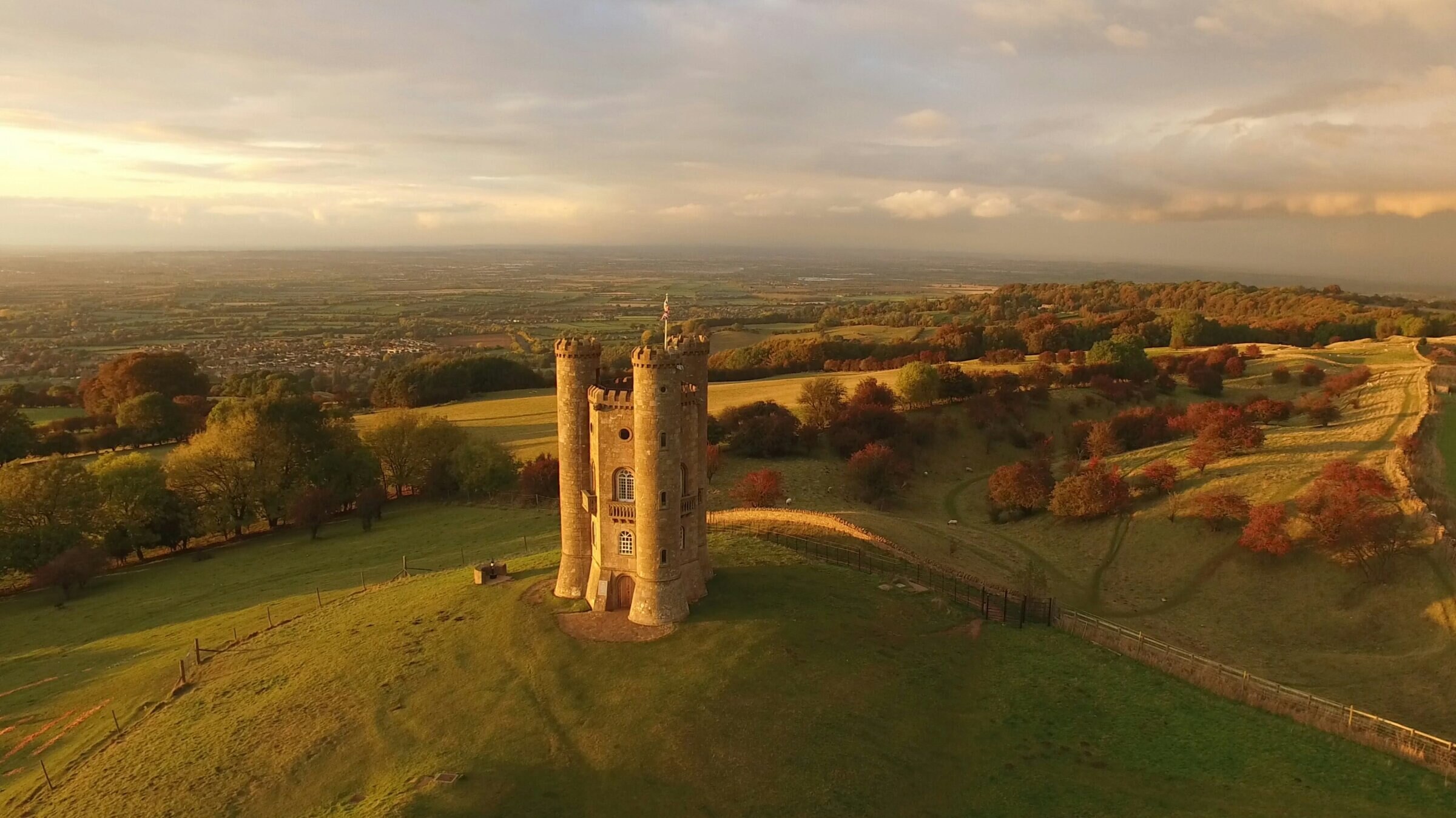
A thorough genealogical project typically represents 15 to 30 hours of professional research, at rates generally ranging from $50 to $150 per hour. I coordinate this directly so the investment translates into actionable, travel-ready intelligence-ready intelligence rather than a folder of documents you're left to interpret on your own. Good genealogists book months out, so I recommend starting this process at least four to six months before you intend to travel, and earlier still if you're researching multiple family lines across more than one country.*
Those discoveries become the foundation for everything that follows. Instead of broadly touring Yorkshire, your journey may lead to the villages surrounding Barnsley and Silkstone. Rather than exploring the Highlands generally, your itinerary may focus on the lands historically associated with your family's clan. Instead of simply driving across western Ireland, you may find yourself standing inside the very parish church where your ancestors were baptized generations ago.
That level of personalization transforms an itinerary into something no guidebook could ever replicate. I work directly with genealogists and local historians throughout this process, so the research and the travel planning happen in parallel rather than one waiting on the other.
Moving between all three countries is more straightforward than it looks on a map — and where most of the invisible planning actually happens. A private transfer from Grantley Hall to Edinburgh runs about two and a half hours, or under an hour by charter flight from Leeds Bradford; a private car service carries you on to Braemar, with the drive itself woven into the experience. The crossing into Ireland is similar — flight to Dublin, then private car or helicopter on to Ashford Castle — all of which I arrange in advance so that no one has to think about it once you've landed.
As a rough guide, plan on three to four nights in each region — enough to do the research and the hospitality justice without feeling rushed. Less than that, and one of the three will always feel like an afterthought.
*Prices reflect average rates as of publication date (U.S.).
England Heritage Travel: Country Houses & Historic Villages
The English countryside rewards the traveler who wants to slow down.
After spending a few days in London, I love sending clients into the English countryside, where heritage blends seamlessly with some of the country's finest luxury hotels. Yorkshire is where my own family's story leads, so it's the region I know most intimately and the one I'll use here.
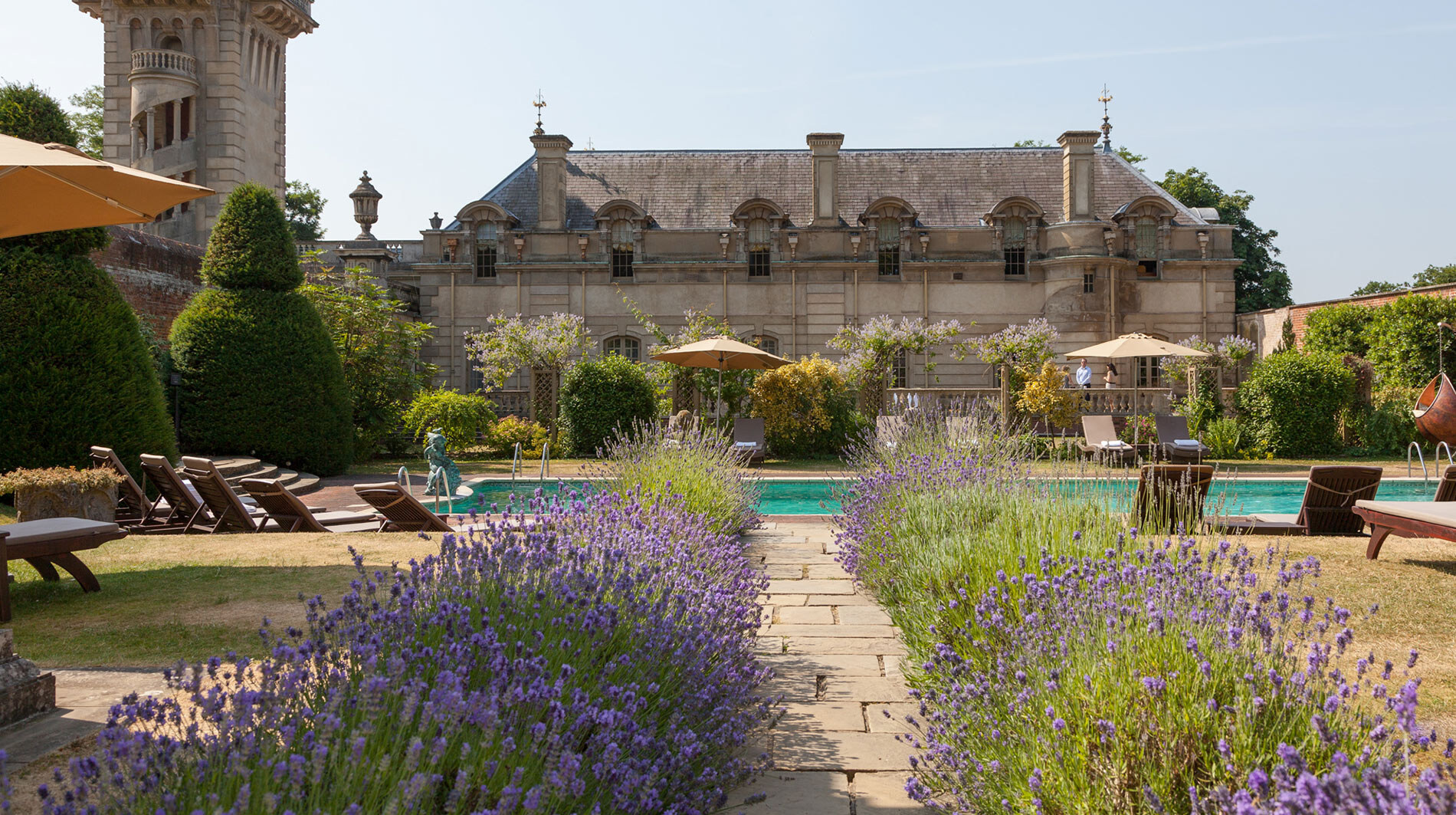
I recommend Grantley Hall as the anchor for Yorkshire — a 47-room Leading Hotels of the World member with its own Michelin-starred dining, positioned precisely within the region where this kind of heritage work happens. For those flying into London first, Cliveden House — 47 rooms set within 376 acres along the Thames, and a Relais & Châteaux property in its own right — is a natural first night before continuing north.
The specific villages, archives, and hotels I'd recommend shift depending on where your ancestry actually traces to; what follows is a real example of the kind of journey this becomes, not a fixed itinerary. Once your own heritage research is in, my recommendations become personal to you.
Most journeys begin at London Heathrow or Gatwick. From there, it is roughly a three-hour drive or a direct train connection north to Yorkshire — with Cliveden House as a natural first stop just outside London before you continue north.
One day may include a private guide leading you through medieval York, then on to parish churches and county archives. The next could be spent wandering market towns, enjoying lunch in a centuries-old coaching inn, and touring Castle Howard before returning to Grantley Hall for an afternoon at the spa and dinner celebrating Yorkshire's exceptional local produce.
The balance of discovery and indulgence here is precise and entirely intentional.
For me, Yorkshire will always carry an especially personal connection — it is the region that started all of this. What begins as a visit gradually becomes something deeper, shaped by names, villages, and landscapes that feel, quietly, like your own.
Scotland: Clan Heritage, Castles & Highland Hospitality
If England feels historic, Scotland feels legendary.
Towering mountains, ancient castles, mist-covered lochs, and centuries-old clan traditions make Scotland one of the world's most compelling settings for heritage travel.
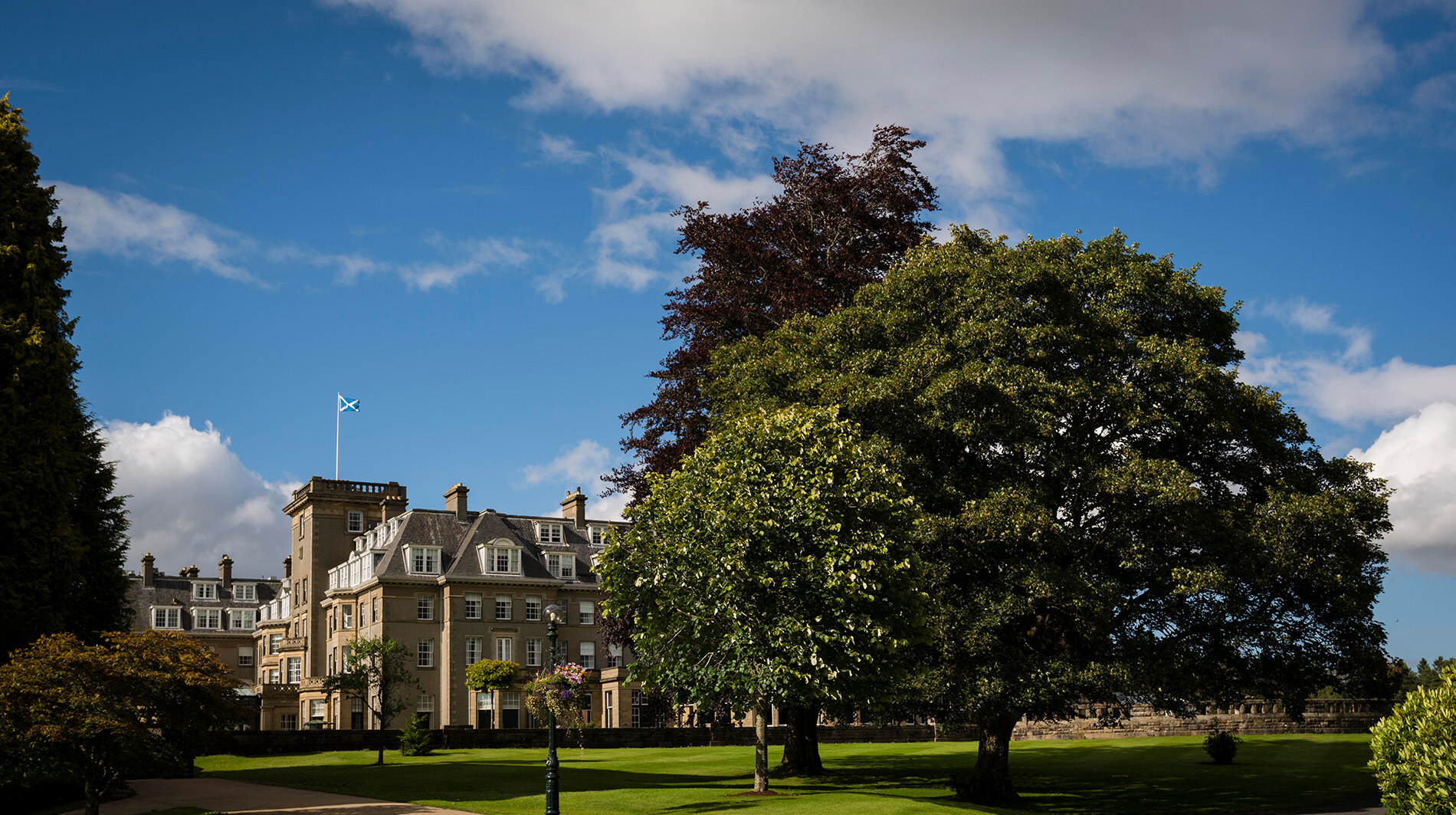
The Fife Arms in Braemar is my go-to recommendation for Scotland — a 46-room, art-filled restoration of a Victorian coaching inn and a Two-Michelin-Key property that places you directly inside the Highland landscape your research will likely lead you into. For those arriving via Edinburgh, The Gleneagles Hotel — nearly 260 rooms and suites across 850 acres of Perthshire estate — makes an exceptional first stop, roughly 45 minutes from Edinburgh Airport, before continuing north.
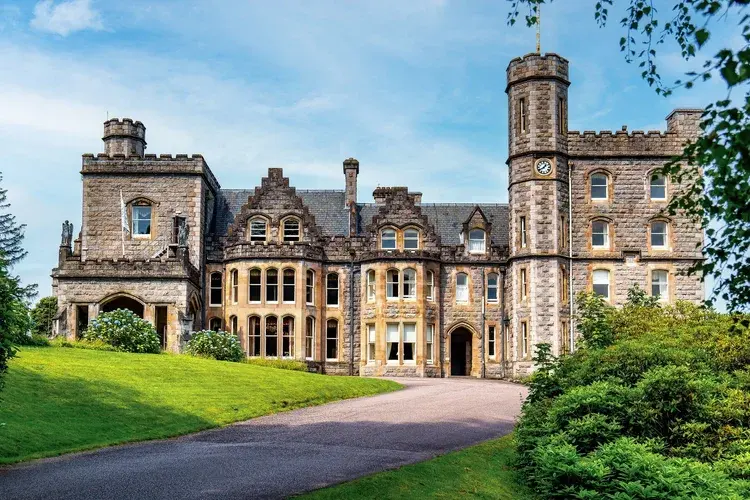
As an alternative deeper into the Highlands, Inverlochy Castle, a 17-room Victorian estate near Fort William and a member of Small Luxury Hotels of the World, offers the same sense of geographic immersion with even greater seclusion. Your days might include meeting privately with a clan historian, visiting ancestral villages, exploring castle ruins, or touring historic estates with local experts who bring generations of family history to life.
Between discoveries, there is time to simply experience Scotland: a whisky tasting with a master distiller, falconry on a private estate, a leisurely lunch overlooking a Highland loch, evenings beside a roaring fire with beautifully prepared seasonal cuisine. Nothing here feels rushed — every experience adds another layer to both the destination and your family's story.
Heritage Travel in Ireland: Parish Records & Extraordinary Hospitality
Few places make visitors feel instantly connected quite like Ireland — the warmth of the people, the storytelling, the knowledge that for so many families around the world, this island represents the beginning of everything that followed.
Rather than spending the entire journey in Dublin, I recommend experiencing Ireland through its remarkable countryside.
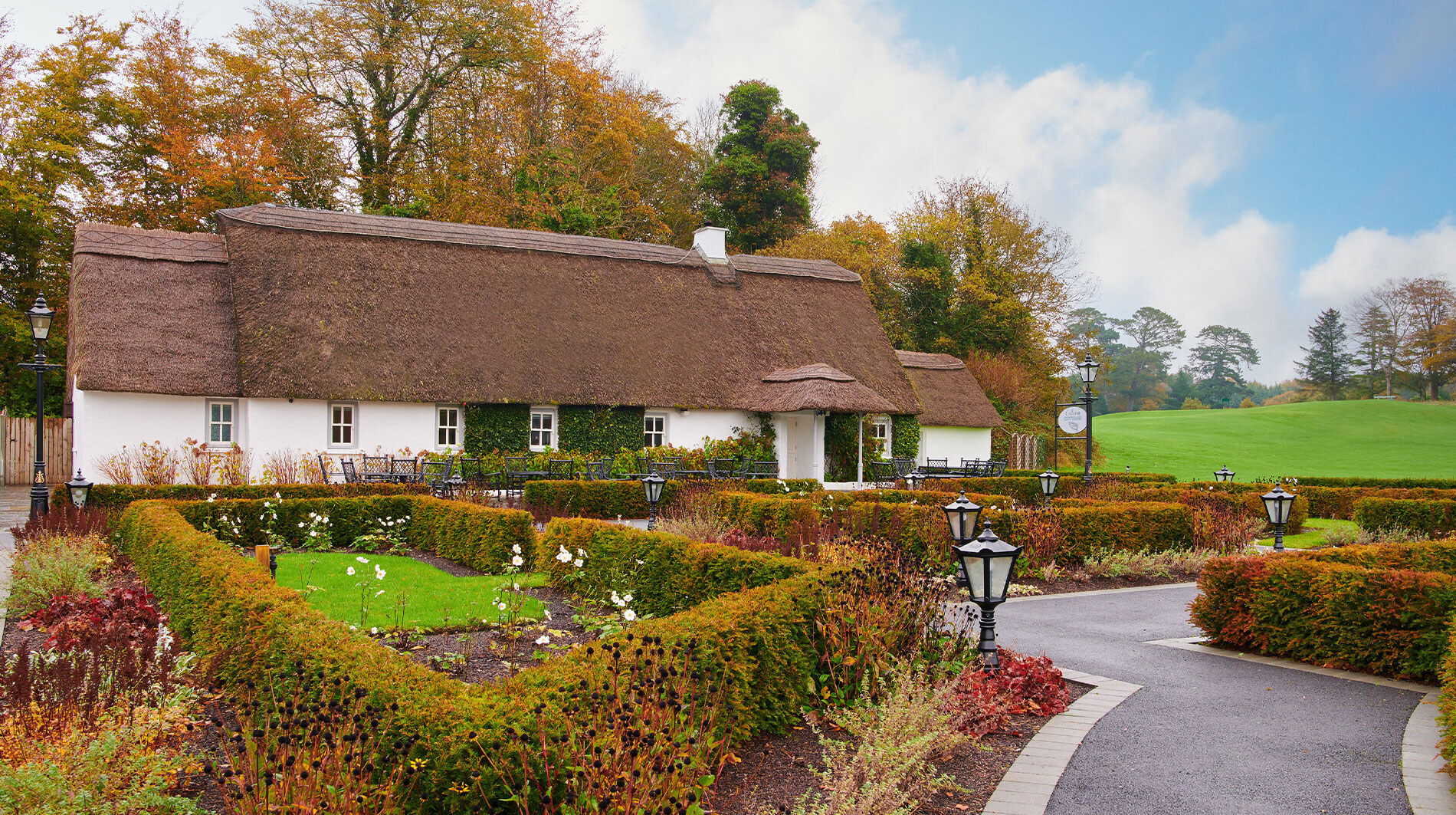
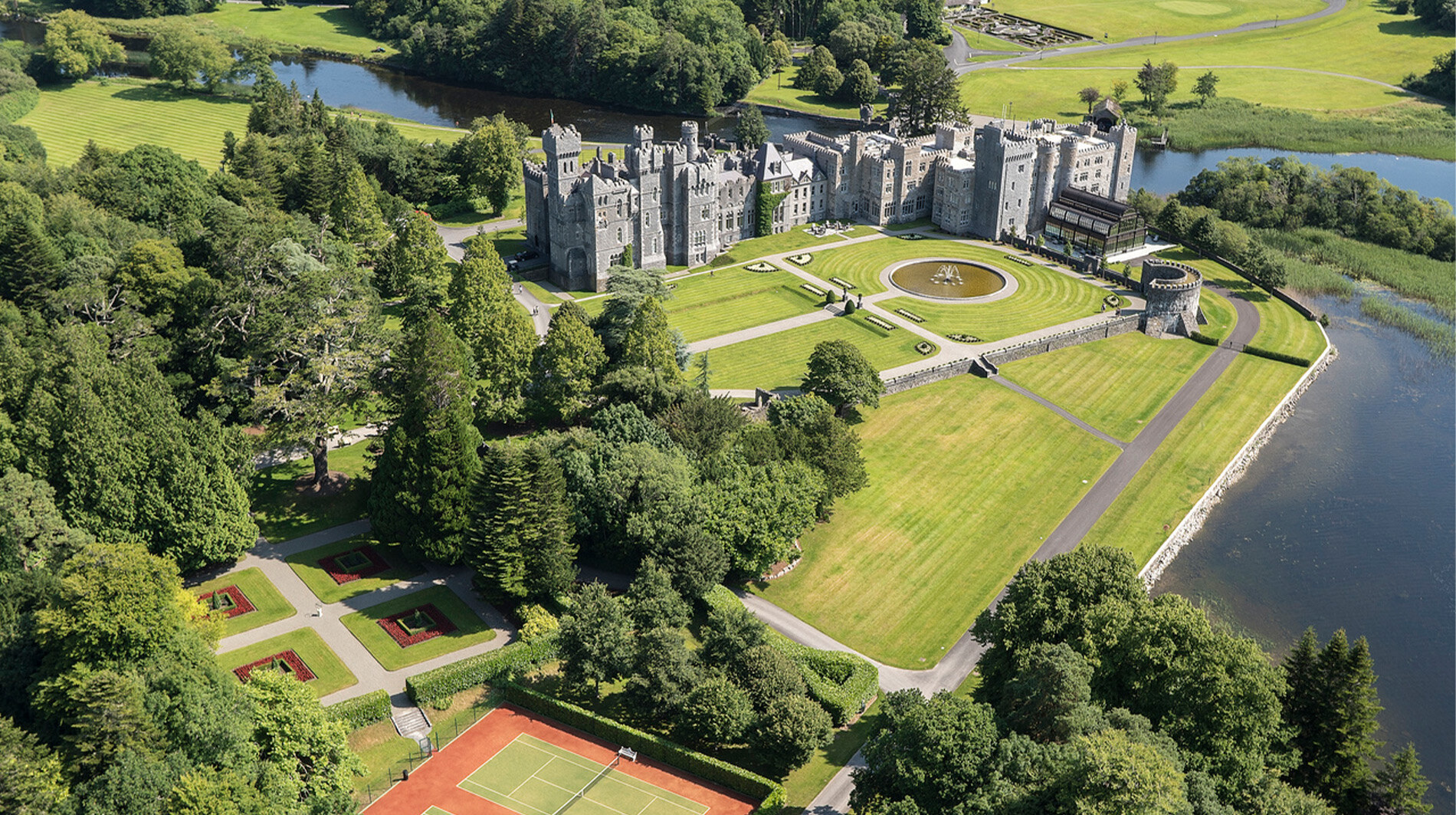
I anchor most Irish heritage itineraries at Ashford Castle — roughly 83 rooms across 350 acres of Connaught countryside — where Forbes Travel Guide Five-Star service holds the journey together through private genealogy appointments, falconry, calm cruises across Lough Corrib, and evenings in one of Ireland's most iconic castle hotels.
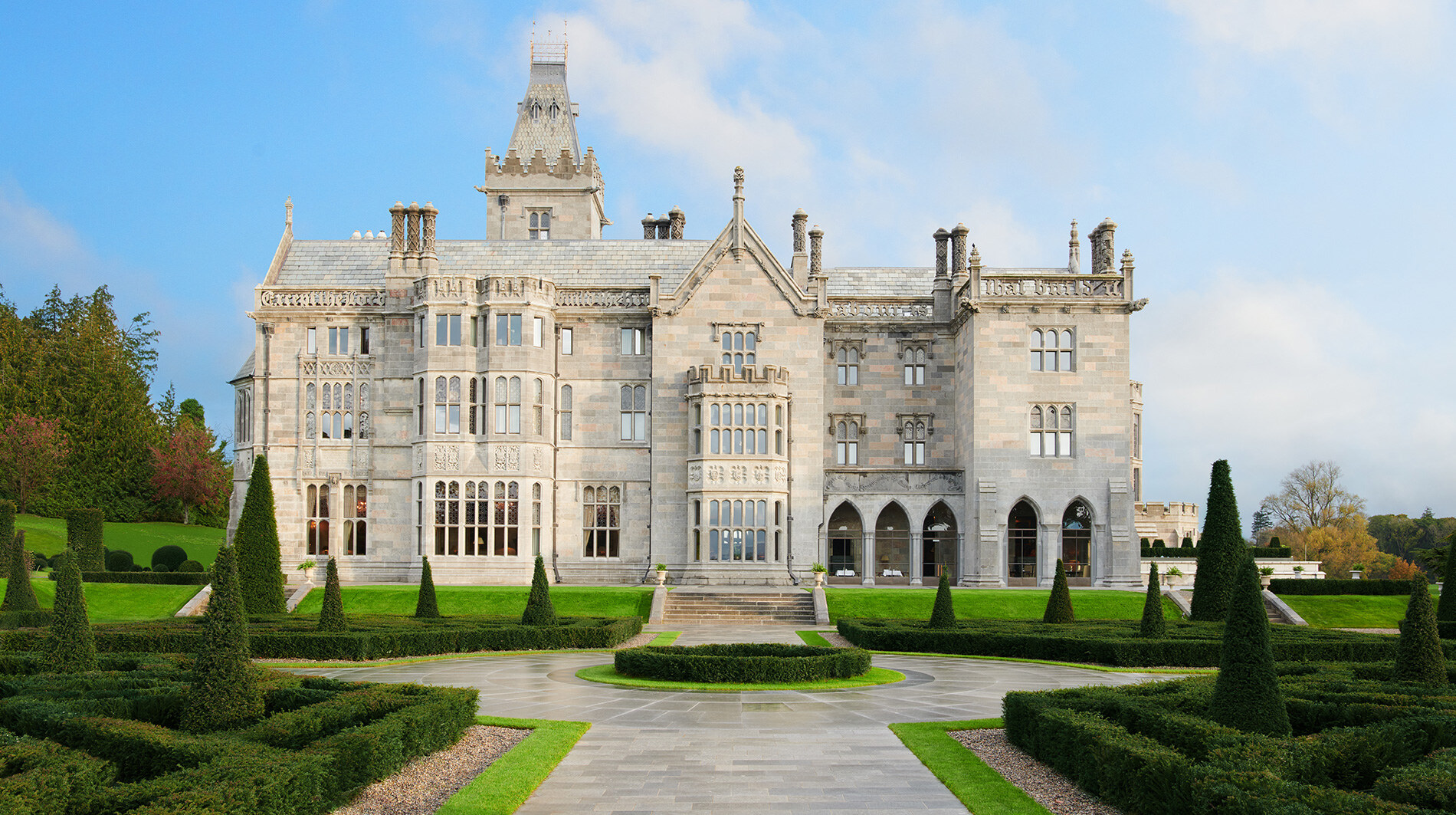
For those whose ancestry traces further south, Adare Manor — 130 rooms and suites across 840 acres — offers an equally exceptional base for exploring nearby villages, churches, and local archives, where Forbes Five-Star service complements Michelin-starred dining, championship golf, and one of Europe's finest manor house experiences.
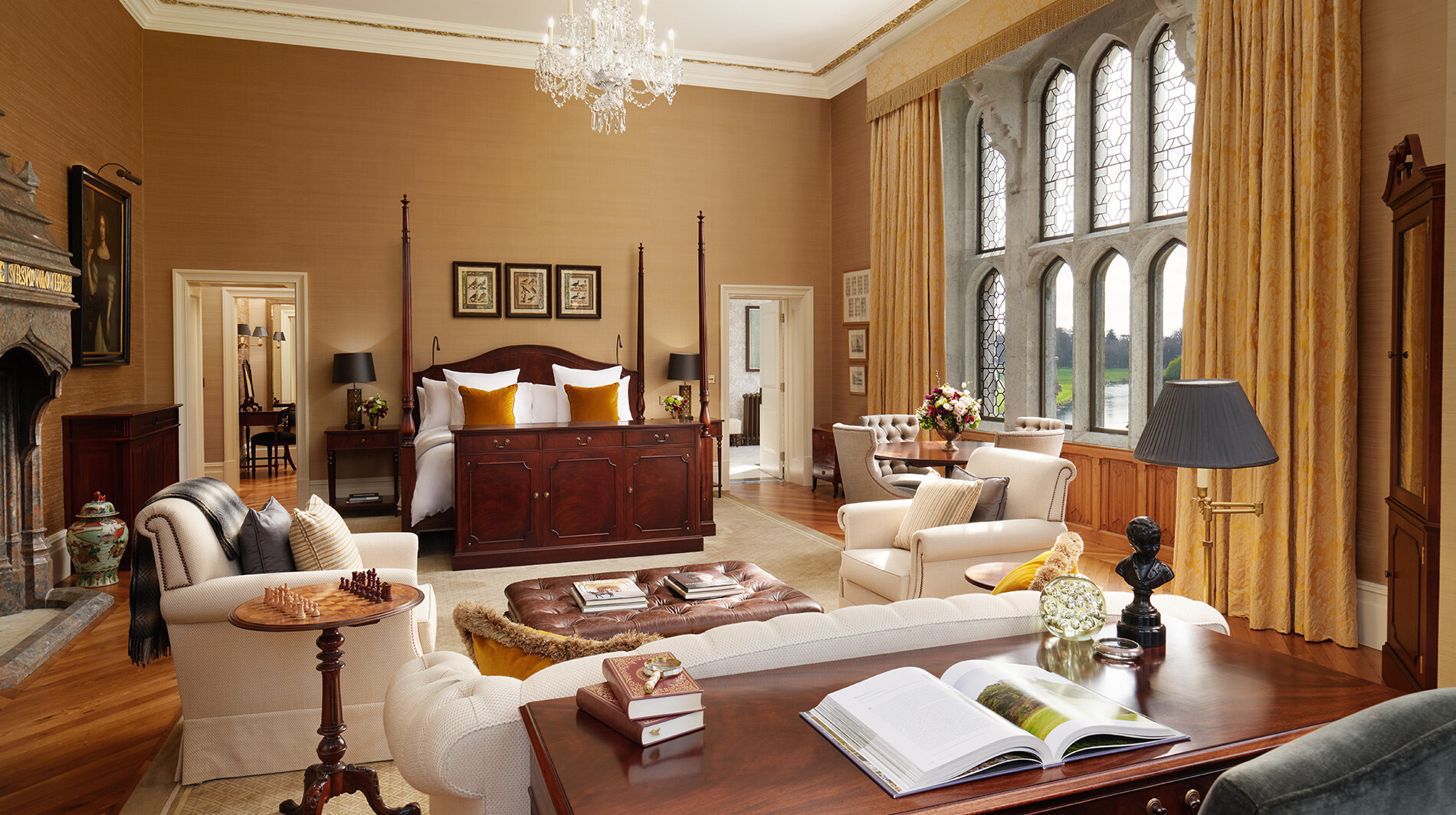

For travelers seeking complete privacy, Ballyfin Demesne delivers something truly extraordinary. A Michelin Three-Key property and member of Relais & Châteaux, it offers just twenty rooms set within over 600 acres of parkland. I have seen clients arrive as guests and leave with the quiet conviction that they had somehow come home.
Research and exploration sit comfortably alongside time to unwind and process what you've learned, with each day moving between discovery and the ease of exceptional hospitality.
A Luxury Genealogy Journey That Stays With You
The moments that linger long after you return home are rarely the ones you expect. Standing outside a church where generations of your family once worshipped. Stepping through an unlocked door as the distance between past and present collapses. Looking out across the Scottish Highlands and realizing those landscapes shaped your family's story long before yours began.
Those moments change your relationship with who you are — which is why heritage travel done this way is never simply a vacation. It is something far more permanent.
Anyone can visit the places their ancestors once lived. What separates a journey like this from any other is what's set in motion before you arrive — the research, the archive appointments, the private access — so that once you're there, nothing needs to be rushed and nothing needs to be researched in the moment. As a LuxRally Travel advisor who works with high-net-worth clients on exactly this kind of trip, I orchestrate that complexity into something that feels effortless. The research and the reservations are just the visible part of it.
If you're considering a journey like this through England, Scotland, or Ireland, I work with genealogists, luxury hoteliers, and local historians to build an itinerary around your family's actual story, not a generic tour of the region.
Connect with me below, and let's find out where yours begins.

Plan your next journey with
Alisha MyersAlisha Myers is a Forbes Travel Guide endorsed Elite Travel Advisor with LuxRally Travel. She specializes in high-complexity, high-touch travel for executives, founders, and families who require more than standard itinerary planning. Her work includes private retreats for CEOs, multi-generational travel, and family office travel programs designed around access, discretion, and seamless execution. Her writing in The LuxRally Journal reflects the same perspective. She explores destination intelligence, the private infrastructure behind ultra-high-net-worth travel, and the growing gap between what discerning travelers expect and what the traditional travel industry typically delivers. Her most widely read pieces focus on what real access looks like at the highest level, and how the right advisor can fundamentally change the travel experience. Readers often come across her work while searching for clarity in complex travel planning. Those who connect with it tend to value insight over inspiration, and execution over aesthetics. She is based in Austin, Texas and works with clients globally.
Related Stories

Family Office Travel: Planning, Booking, and Supporting, From First Call to First Trip
A practical look at how a luxury travel advisor begin working with a family office, from the first conversation and approval process to itineraries, 24/7 support and what we learn after the first trip.
By Alisha Myers
Welcome to Country: A Travel Guide to Indigenous Australia
Indigenous heritage is not another experience to add to a luxury Australian itinerary. It is the lens through which the entire country is best understood. A framework for designing journeys that create understanding rather than consumption.
By Alisha Myers
The Grand Tetons Are Calling: Ski Season with the Four Seasons Resort & Residences Jackson Hole
From ski-in, ski-out luxury at the Four Seasons to a hidden speakeasy bathed in moody red light, this curated roundup captures everything the discerning skier needs for the ultimate Teton Village experience.
By Amy Van Den Top
Local’s Guide to Chicago: America’s Most Underrated Luxury Family Escape
From a Chicago rooftop pool where snow falls beyond the glass, to afternoon tea that needs no occasion — this city rewards the traveler who slows down. Even after thirteen years, it's still a city that my family and I can discover anew.
By Natalia Semizarov
Multigenerational Travel Is Having a Major Moment: Here's The What, Why, Where, and How
Multigenerational trips are the fastest-growing travel trend — and for good reason. From grandparents initiating the adventure to Gen X bridging generations, families are trading scattered getaways for one unforgettable shared experience.
By Sara Ryburn
Hotel Xcaret México Review: Everything You Need to Know Before You Book
With eight distinct Casas, five adventure parks, and over 20 restaurants, Hotel Xcaret México is the Disney of the Riviera Maya. My biggest takeaway? Don't arrive unprepared.
By Alexis Dunfee