
Cruising Africa
The Simplest Way to Safari: Africa's Southern Coast by Luxury Cruise
A cruise-based safari blends open-ocean expedition with wild game encounters and local exploration along Africa's southern coast. Here's everything you need to know before booking a voyage from South Africa to Namibia.
November 18, 2026
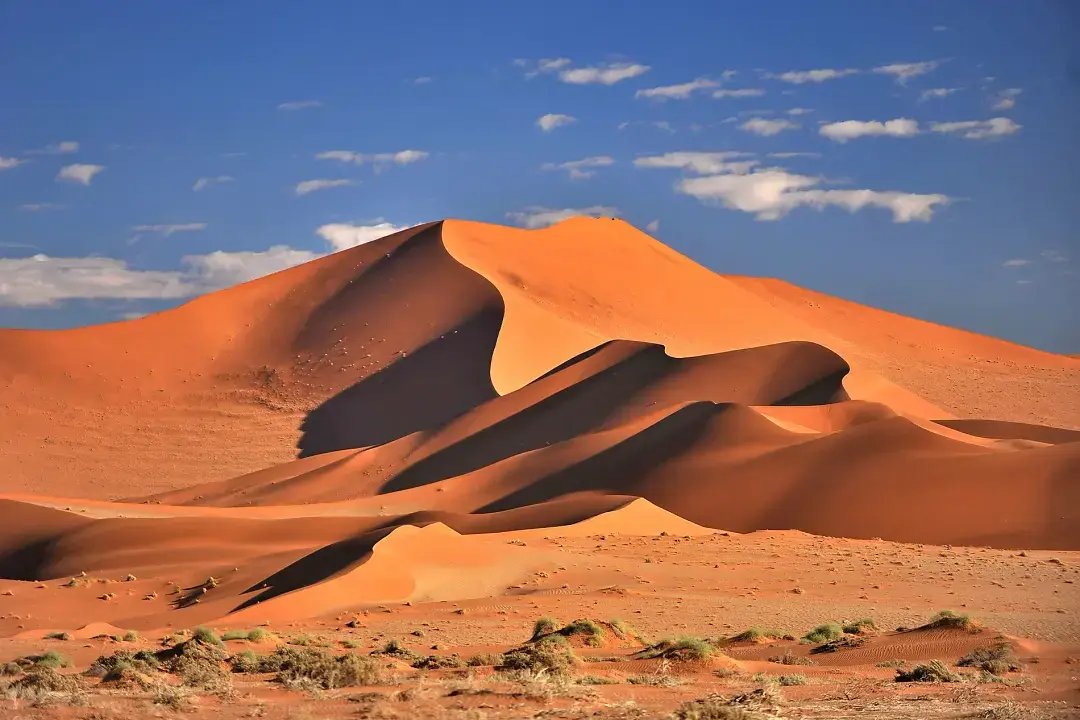
Sand dunes reclaim the interior of an abandoned building in Kolmanskop, Namibia.
The morning air smells of loam and petrichor from a dawn rain, and beyond the porthole, the Eastern Cape coastline dissolves in and out of a thin coastal mist. You're on your private balcony (every stateroom has one), coffee in hand, the ship still silent around you. In three hours, you'll be standing in an open-top 4x4 in the bushveld, watching a bull elephant strip bark from an acacia tree.
Tonight, you'll be back aboard for a gala dinner in a dark suit or cocktail dress, a glass of champagne sweating gently in your hand, listening to Dr. Pepper Trail, the forensic ornithologist known as the Sherlock Holmes of Bird Crime, recount how he got the name.
That's a typical day on this Africa cruise — and it's about as frictionless as going on safari gets.
African safaris have a reputation for being some of the most complicated itineraries a traveler can take. That's hardly true if you know how to do it: reputable tour operators and luxury tented camps throughout South Africa, Botswana, Tanzania, Kenya, and the surrounding region ensure ease and on-the-ground support. When you work with the right providers, Africa is just as accessible as Europe or Asia for the North American traveler, if not more so.
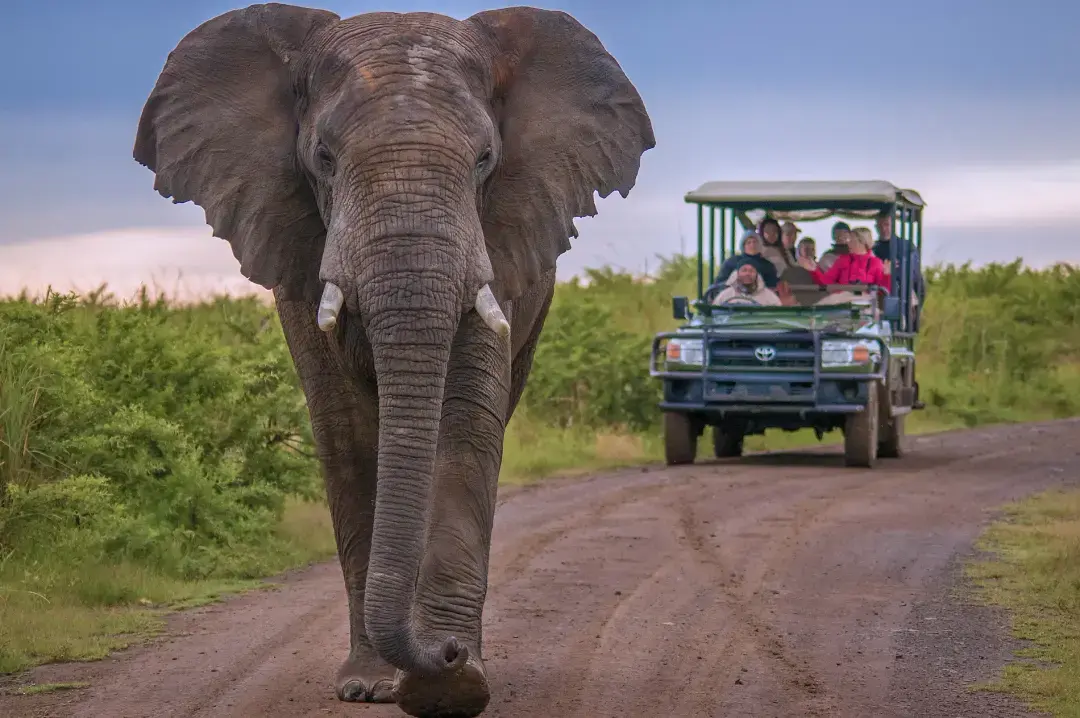
But few people talk about taking a safari by sea — moving around a chunk of the continent from the comfort of a luxury cruise ship, spending your days in the brush, exploring the cities, returning each night to the stillness of the sea. As a travel advisor who spends her days untangling complex itineraries for people who want the hard work done for them, I can tell you: the deeper I dug into the options for an Africa cruise, the more convinced I became that this format solves nearly every problem that stops dreamers from getting to Africa.
The Cruise Format Applied to Africa Changes Everything
I have spent a great deal of time inside this itinerary and similar others on behalf of clients who've asked whether Africa is possible for them. The answer is always yes. The how matters enormously.
The friction most people hit when they start planning a safari in Africa is the ground logistics. What regions are realistic within a given timeframe; the domestic flights between them. The packing and repacking between tented camps and hotels. The coordination between reserves in different provinces — or different countries entirely. A twelve-day land-based safari with those transfers and logistics included, along with the typical all-inclusivity of a luxury tented camp, currently runs close to $13,000 per person through reputable tour operators. But even at that price point, you're still at the mercy of room availability, driver schedules, and the unpredictable realities of ground travel.
Last year, I helped clients plan a winter trip with a luxury tour operator around a couple nights in an igloo at Borealis Basecamp in Fairbanks, Alaska — built the entire itinerary around it. A week before departure, the heating system at Basecamp broke. The trip had to be restructured, the final cost shifted, and the experience they'd been dreaming about for months vanished. Now imagine that level of disruption compounded across reserves in three countries, with charter flights and border crossings in between. A multi-leg African safari built on land contains more moving pieces, more points of failure, and, if you're in transit, no central hub to absorb the shock when something goes wrong.
A cruise ship? You know exactly where your room is, no matter the country. Weather has a say, as always, but you won't be alone when plans change. And you won't be repacking your bags every forty-eight hours, negotiating new check-in procedures, or wondering if your driver got the right pickup time. You unpack once. Your hotel moves with you.
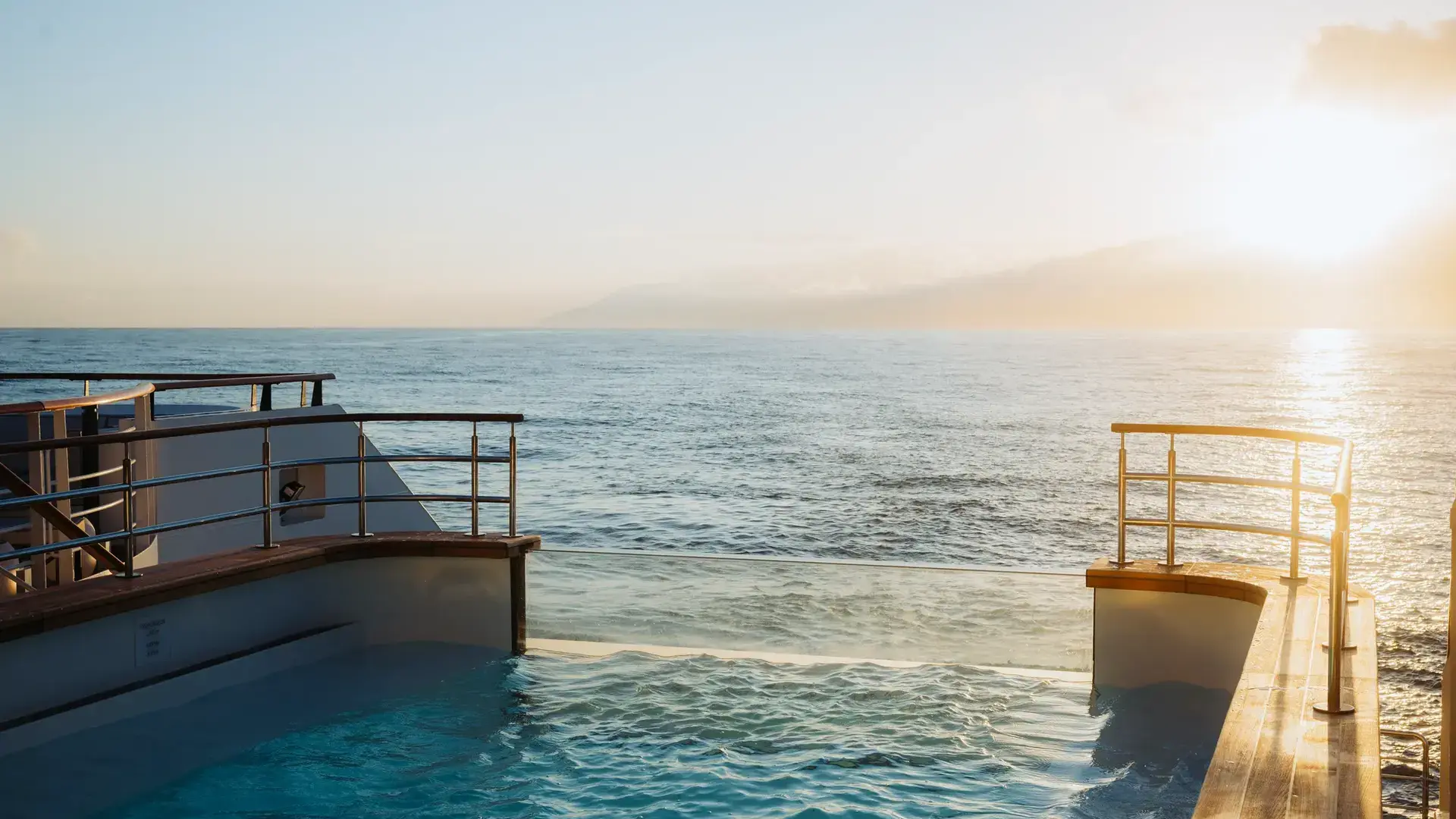
You won't have the deep-bush immersion of three nights in a private concession, but what you trade in depth of a single reserve, you gain in breadth of an entire coastline — and in the cumulative ease of never repacking a bag.
The Itinerary: Durban to Walvis Bay
PONANT's Le Dumont-d'Urville traces the southern coast of Africa from Durban, South Africa, to Walvis Bay, Namibia, unfolding in two distinct acts: the first devoted to wildlife, the second to culture, landscape, and history.
Days 1–5: The Safari Coast
After departing Durban, a day at sea gives you time to settle in, attend onboard lectures, and orient yourself to the rhythm of the ship — before your first port call in East London. Here, excursion options include private game reserves showcasing the wildlife of the Eastern Cape, a visit to a reconstructed Xhosa village for traditional dance and handicraft demonstrations, or a stop at the East London Museum, which played a pivotal role in identifying some of the earliest fossil evidence of Homo sapiens in Africa. This part of the sailing offers four excursion options per day, most of them game drives and safaris, all included in your fare.
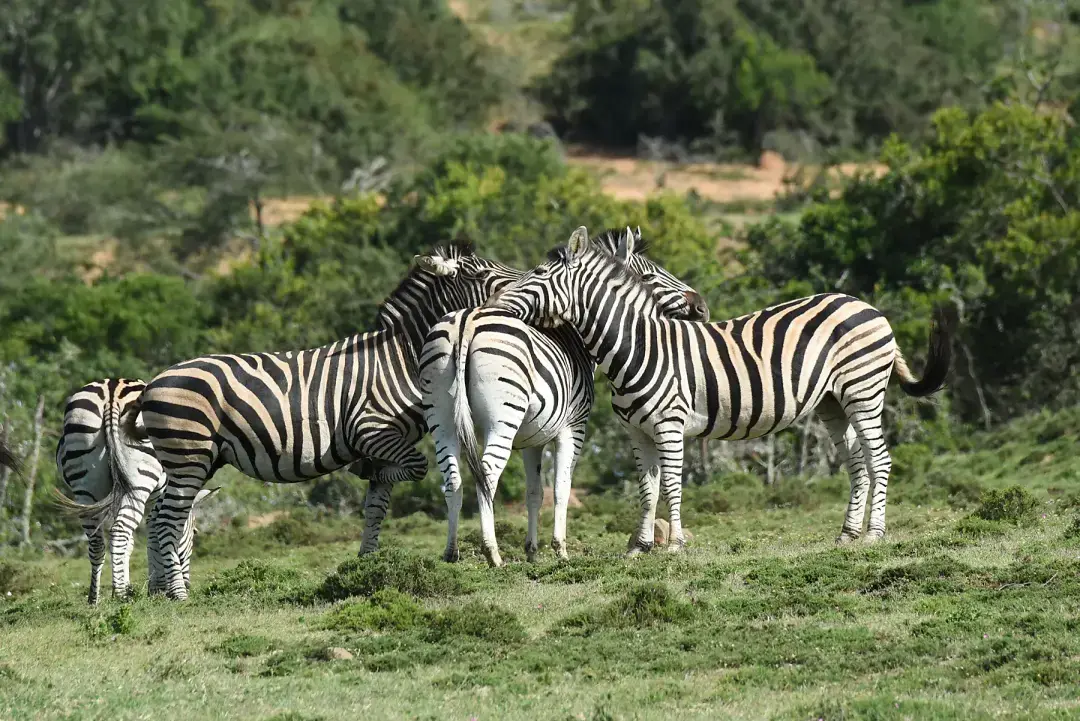
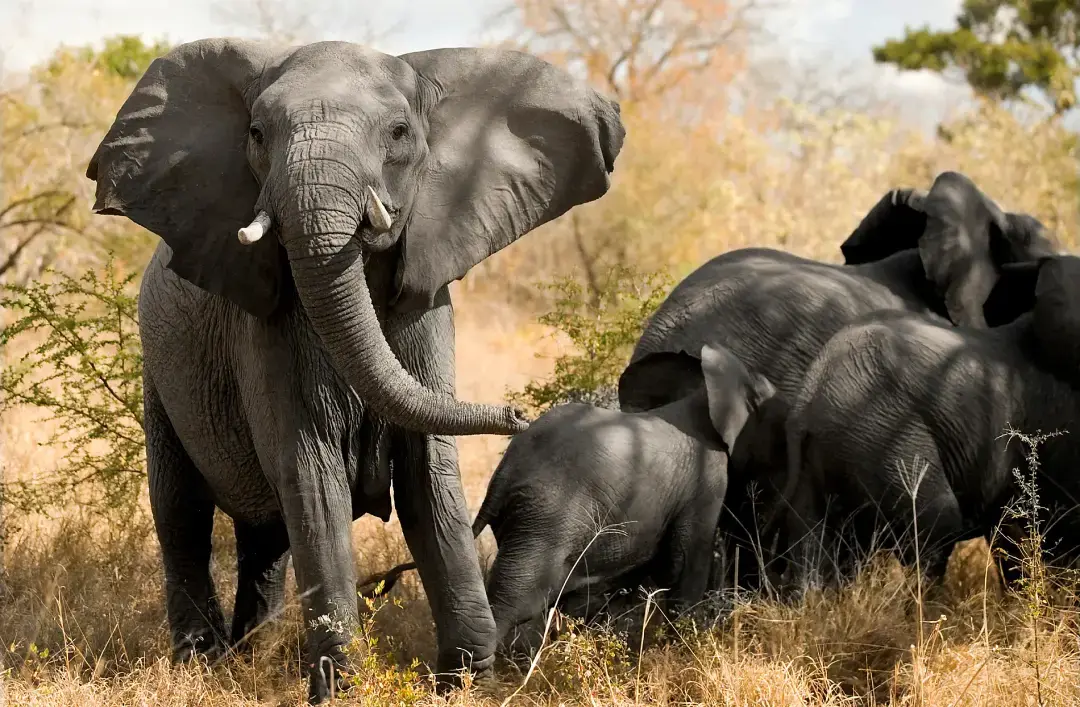
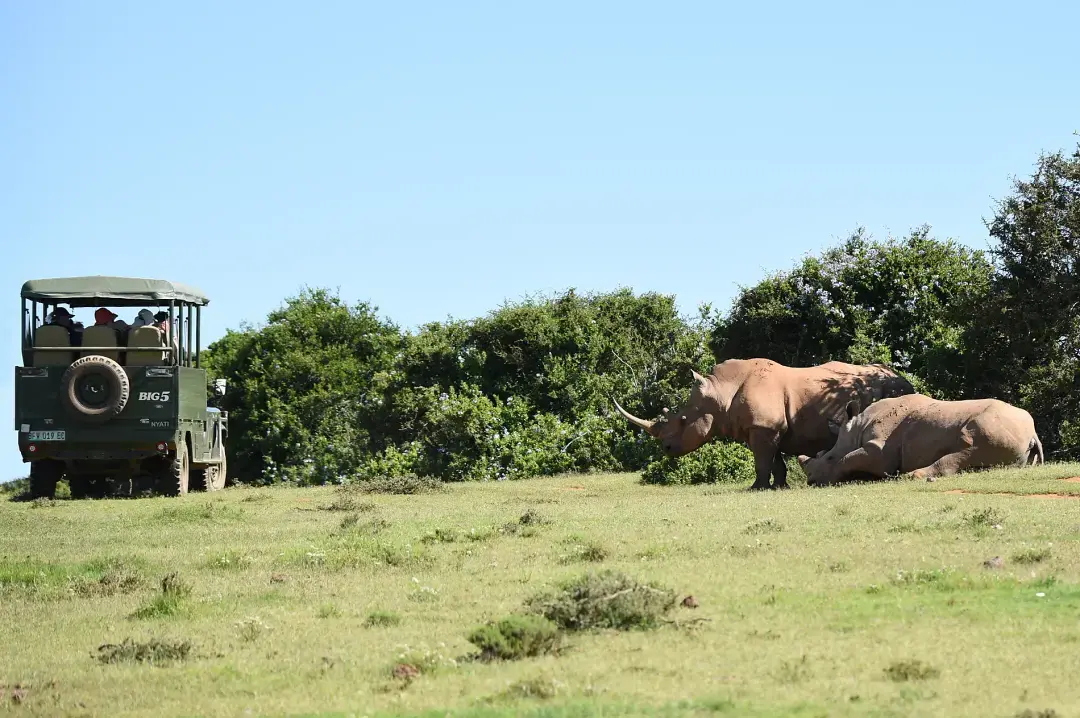
From East London, the ship sails to Gqeberha (formerly Port Elizabeth) where Le Dumont-d'Urville stays docked for two full days: plenty of time to visit Addo Elephant Park, home to some 450 elephants, or a walking safari among giraffes at Bellevue Forest Reserve. Or perhaps take a drive at one of several conservation-focused game reserves offering encounters with the Big Five — lion, elephant, rhino, buffalo, and leopard — across landscapes ranging from bushveld and grasslands to coastal forests, with sightings of zebra, hippo, cheetah, warthog, hyena, and an extraordinary diversity of bird species.
Days 6–8: Cape Town and Beyond
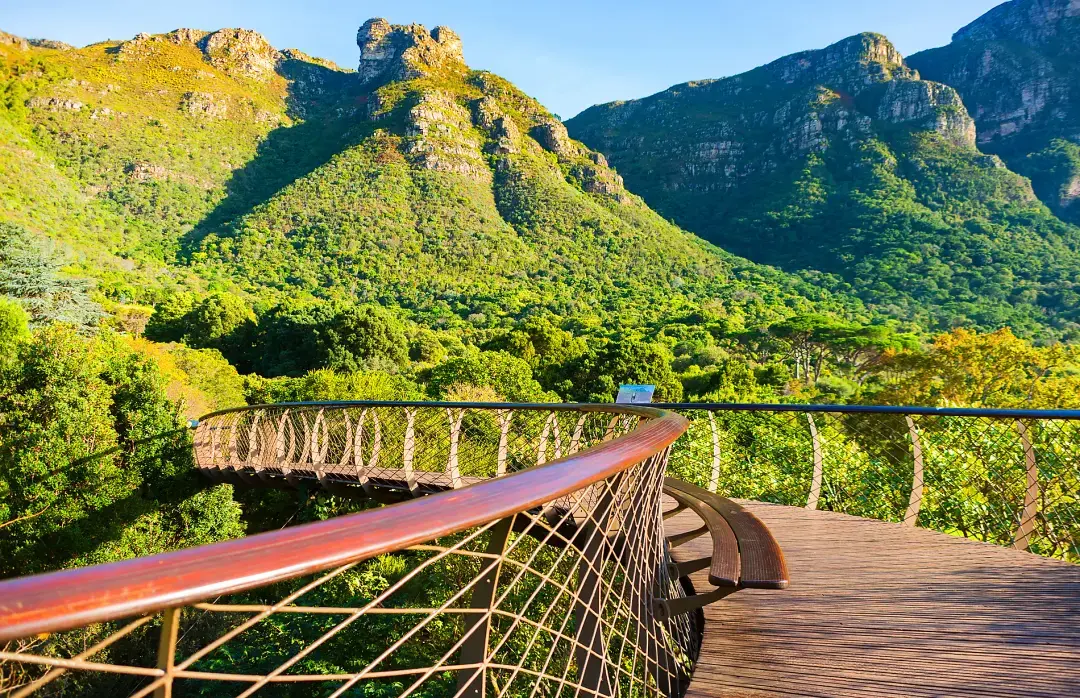
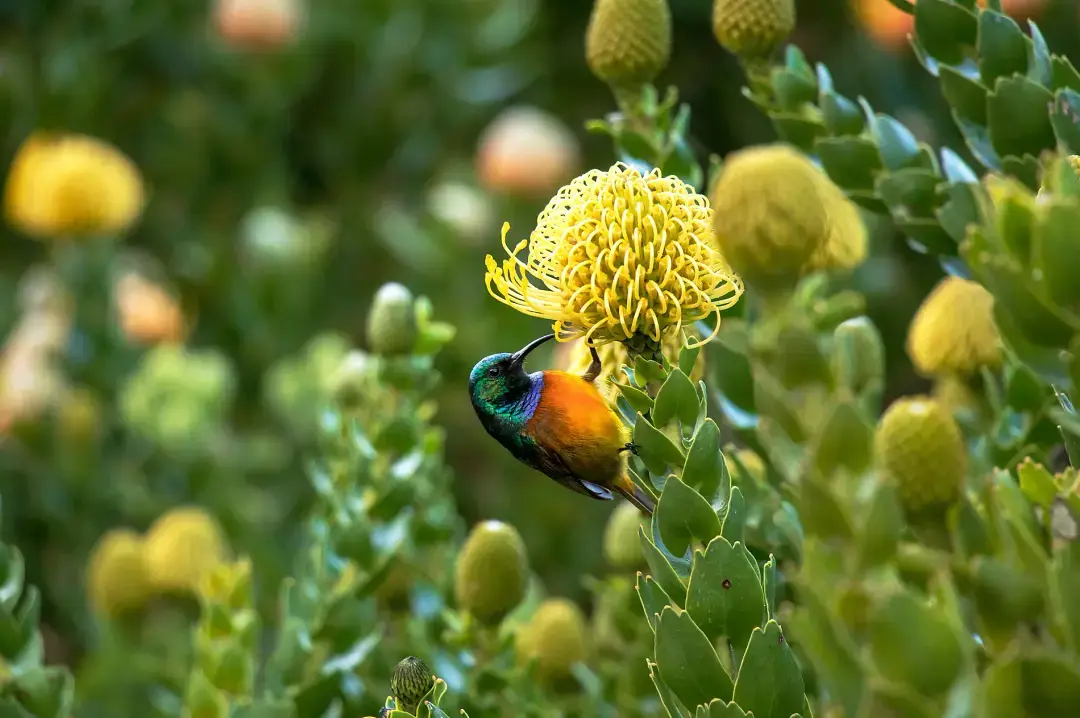
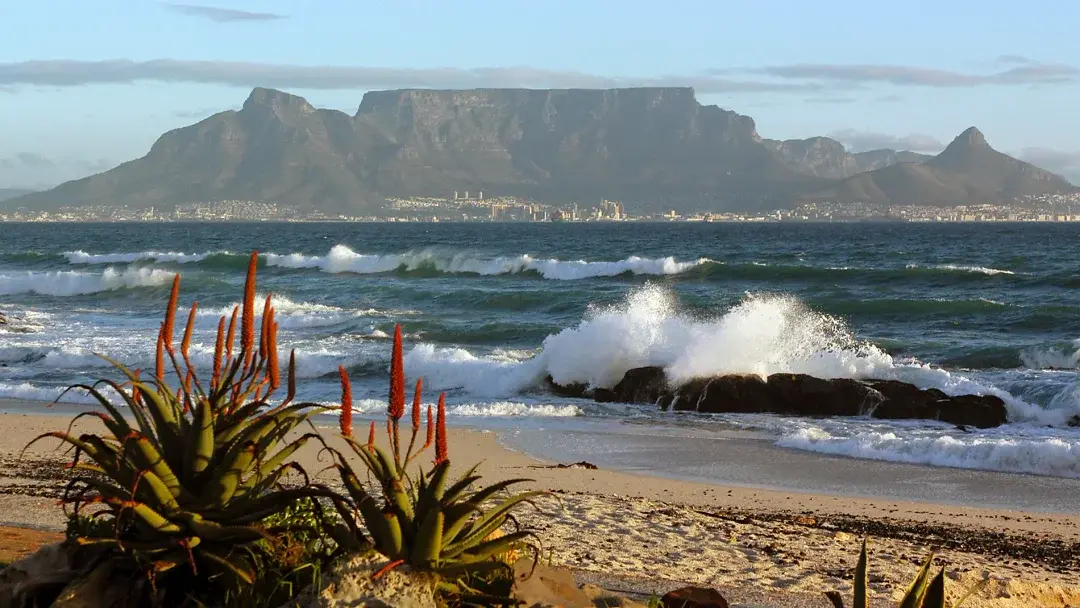
After a restorative day at sea, you arrive in Cape Town for another overnight docking. The excursion options here are staggering in their range: a full-day panoramic drive along the length of the Cape Peninsula with stops at the Cape of Good Hope Nature Reserve and Kirstenbosch National Botanical Garden. A city tour through Company Gardens, the South African Museum, Desmond Tutu's St. George's Cathedral, and the Truth to Power exhibit chronicling the fight against apartheid. A ferry to Robben Island, the World Heritage Site that housed Nelson Mandela. A wine tasting in Stellenbosch among vineyards and whitewashed farmhouses. Shopping the artisanal boutiques of Kalk Bay. And somewhere in there — almost inevitably — you'll find yourself standing atop Table Mountain.
Days 9–11: Namibia
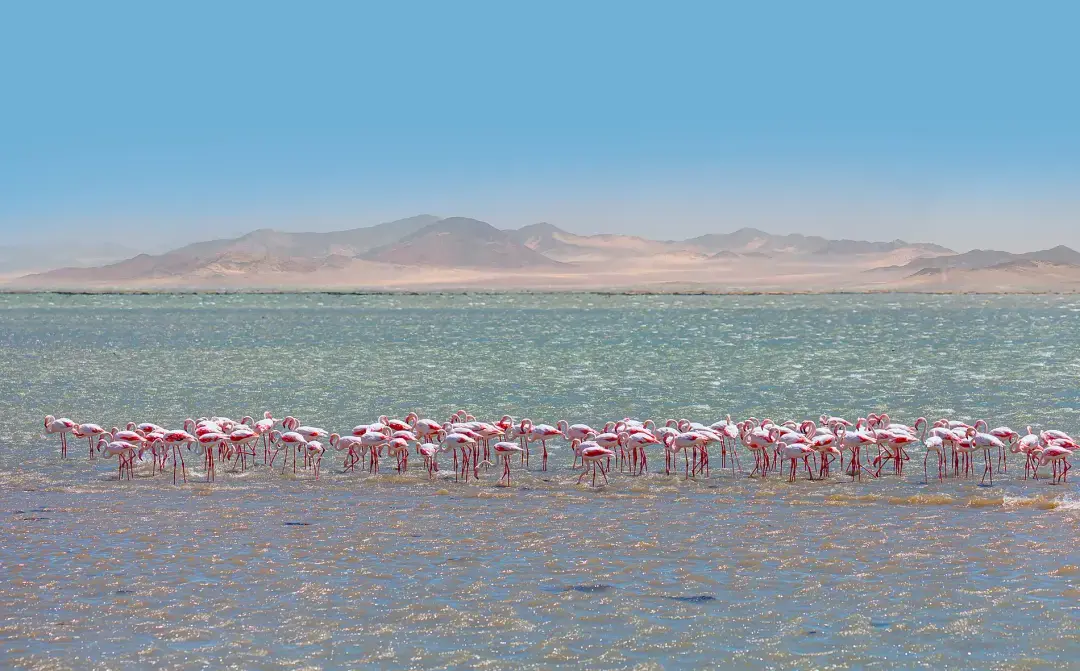
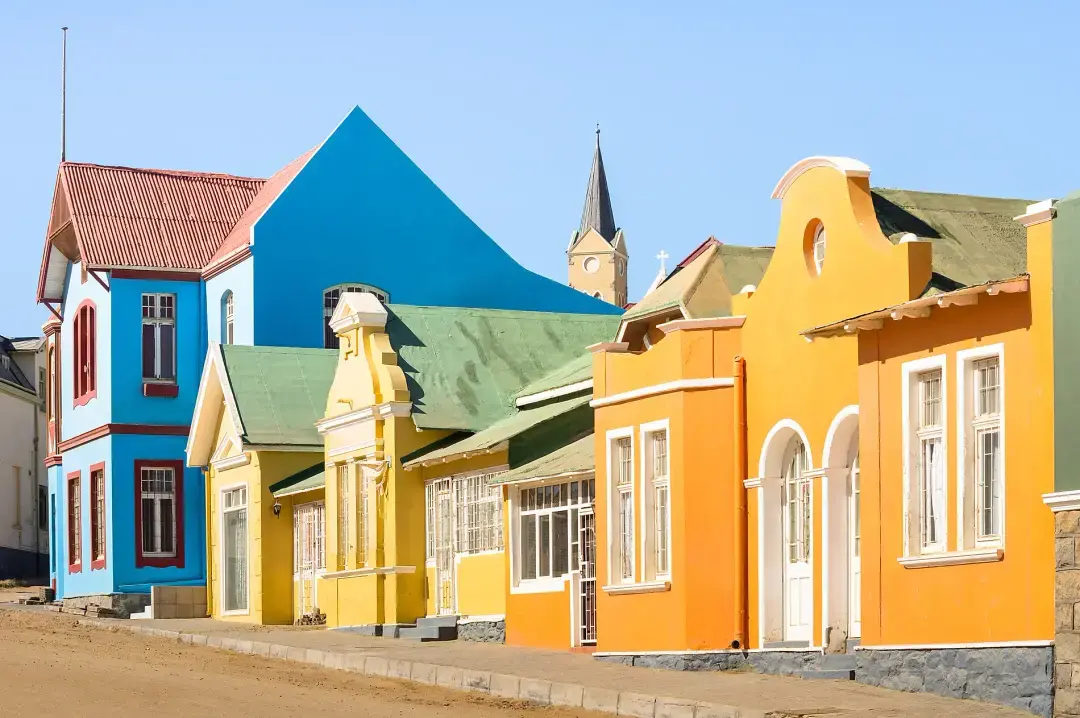
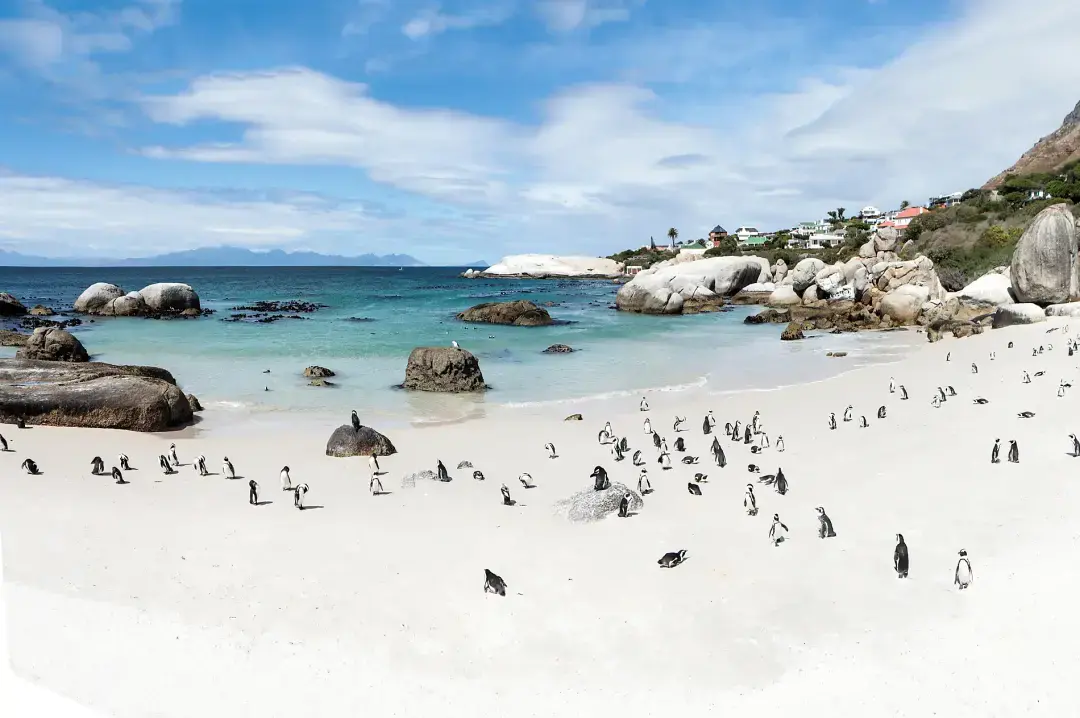
A day at sea carries you north along the Atlantic coast before the Namibian town of Lüderitz appears on Day 10 — founded as a German colony in 1883 and transformed into a diamond-rush boomtown by the early twentieth century. Tour the town and its unmistakably Bavarian architecture, or travel across the desert to Kolmanskop: a ghost town half-swallowed by sand, its abandoned buildings a haunting record of the diamond era's rise and collapse. The voyage ends the following day in Walvis Bay, where flocks of vibrantly pink flamingos wade the shallows of the natural port alongside sunbathing Cape fur seals.
The Smithsonian Journeys Difference
The people sitting across from you at dinner may well include two of the most interesting humans on the ship's roster. This sailing was created in partnership with Smithsonian Journeys, part of a collection of PONANT voyages specially tailored for English-speaking travelers who want something deeper than just a beautiful itinerary. The partnership is intentional and, I'd argue, rare: world-class experts join you aboard the ship, delivering lectures and leading discussions throughout the voyage. It's luxury education: immersive, intimate, and folded seamlessly into days that already include game drives and gala dinners.
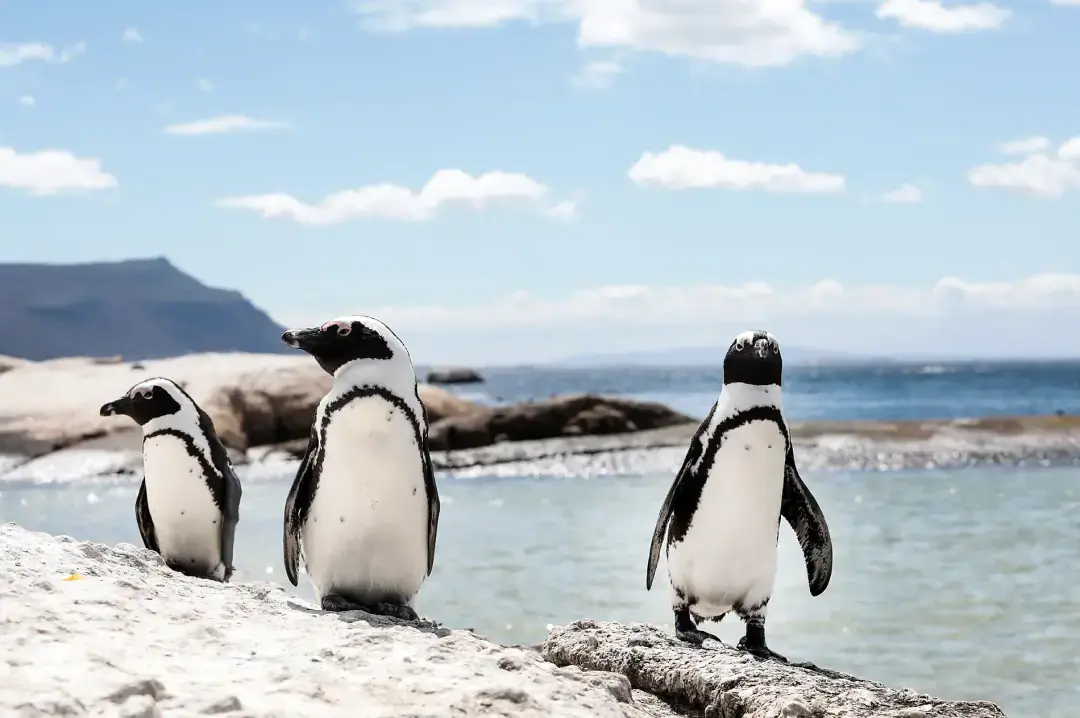
On this particular sailing, two experts will be aboard. The first is Dr. Pepper Trail — the forensic ornithologist who spent decades with the U.S. Fish and Wildlife Service combatting illegal international wildlife trade, earning him the nickname "Sherlock Holmes of Bird Crime." He's conducted post-doctoral research at the Smithsonian Tropical Research Institute and the California Academy of Sciences, and created the Feather Atlas, the leading feather identification resource for North American birds.
The second is Nwabisa Mayema, a South African entrepreneur and advocate for female entrepreneurship who has founded companies, led strategic partnerships at the Branson Centre, and facilitated programming through DreamGirls Academy for the U.S. Embassy's Academy of Women Entrepreneurs initiative. Recognized as one of South Africa's 100 Brightest Young Minds and twice selected for the U.S. Department of State's International Visitor Leadership Program, she brings a contemporary, deeply local perspective to a voyage that could easily stay on the surface of this country's complexity.
The Ship: Le Dumont-d'Urville
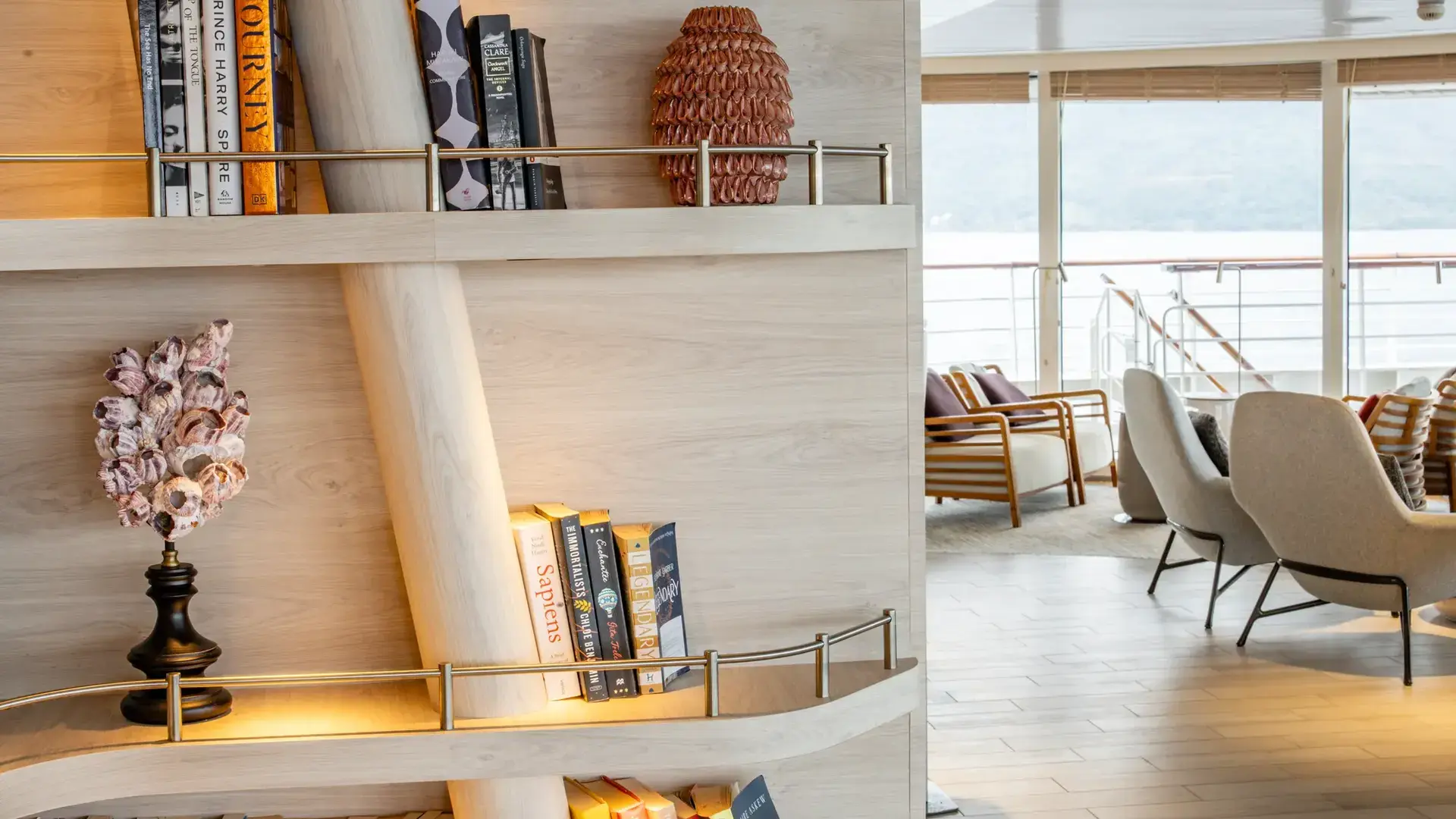
Le Dumont-d'Urville carries a maximum of 184 guests in 92 all-balcony, all-oceanview staterooms and suites, ranging from 204 square feet to nearly 500 square feet for the Owner's Suite. With 118 crew members, roughly 1.6 crew to every guest, luxury service makes itself felt in every interaction, every turned-down bed, every drink that appears before you've finished deciding what you want.
For the winter 2027 sailing, entry-level staterooms start around $10,000 per person. Most cabin categories are still currently available — reach out directly to discuss options. That number includes full board from arrival to departure, high-end gastronomy across all restaurants, and all beverages in restaurants, bars, and minibars (champagnes, wines, spirits, cocktails, beer, soft drinks, and hot beverages). The fare also includes 24-hour room service, butler service in select suites, unlimited internet access, evening entertainment and shows, access to the fitness area and hammam, and all port and security charges. This is classified as an expedition cruise, so the fare also covers onboard lectures, one included excursion per person per day per port — led or supervised by naturalist and local guides — and entrance fees for those outings.
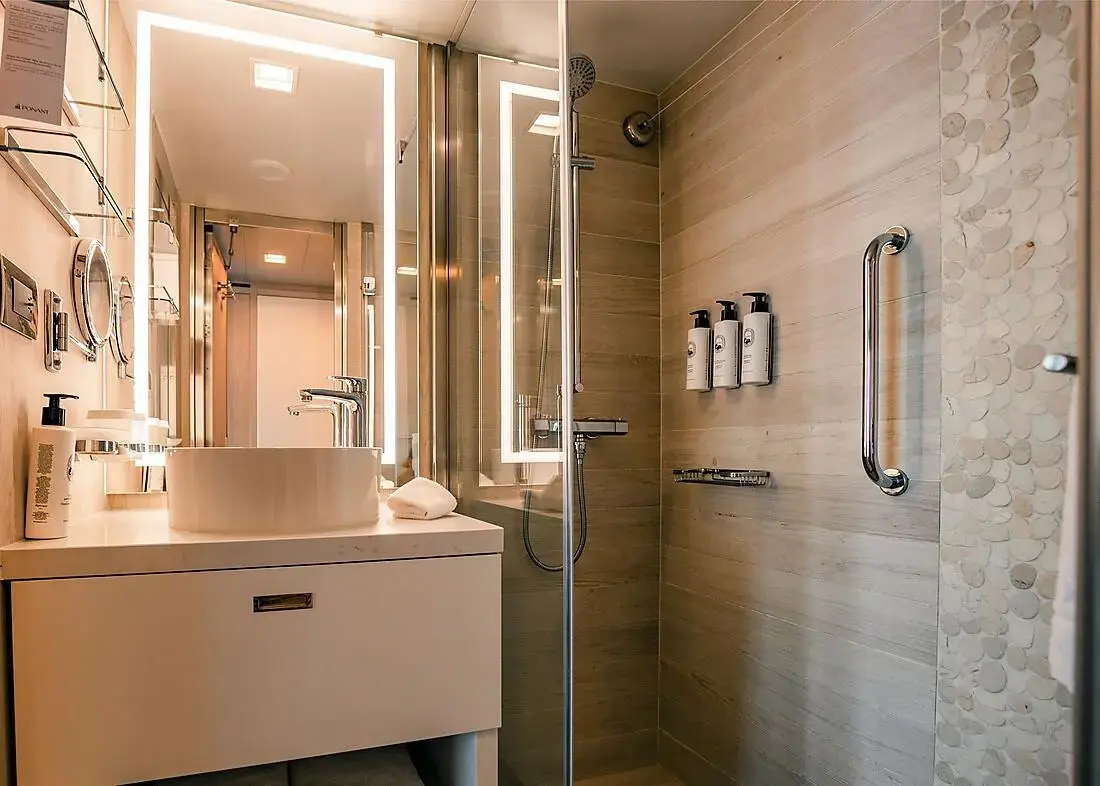
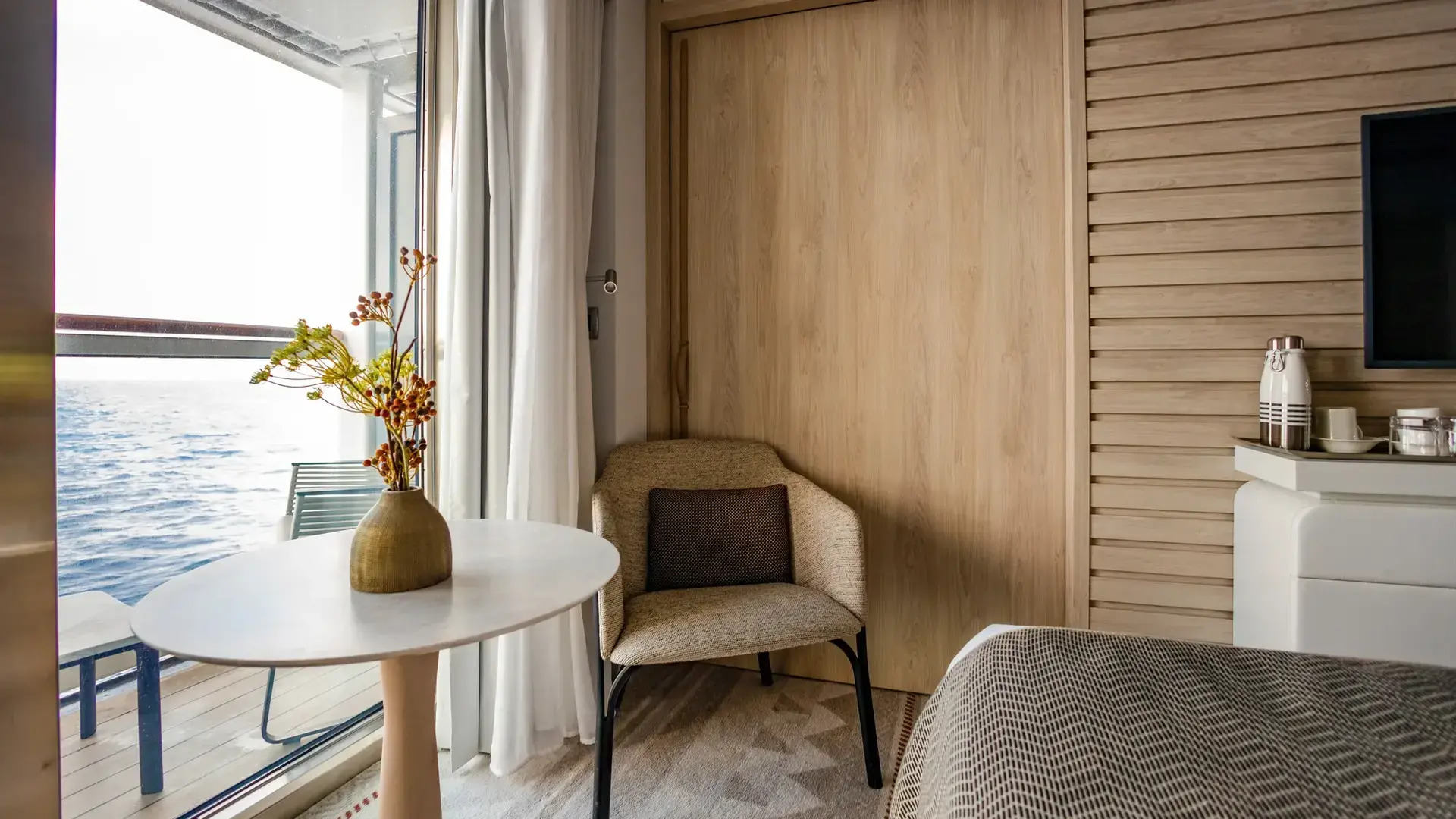
Le Dumont-d'Urville features a gourmet restaurant and an open-air grill, all included in your fare. Le Nautilus runs French-inflected menus with a regional eye, so expect Cape Malay spices worked into a bouillabaisse, or a Namibian game terrine alongside a regional Stellenbosch red. The poolside Patio grill is a looser affair: lunch at sea, salt air, something grilled and uncomplicated in a more relaxed atmosphere.
At around $10,000 per person for entry-level staterooms, that number looks different once you stack what's inside it. Add international flights ($1,100–$1,900 per economy seat) and the short domestic hop from Johannesburg to Durban (around $120), and you're still looking at a total that comes in under a comparable land-based safari — which runs close to $13,000 per person and typically excludes beverages, transfers between camps, and expert programming. Most people don't realize that a safari through Africa and, say, a luxury river cruise through France are sitting in roughly the same price bracket. When you break down the game drives, lodging and meals, transfers, and excursions already folded into your fare, the value of what you'd be assembling à la carte becomes staggering.
The 2027 sailing runs February 21 through March 3, 2027, one of the best stretches to be on the southern African coast, with long days, warm temperatures, and peak wildlife activity in the game reserves. A ship of 184 guests fills faster than most travelers expect, and availability at this price point moves fast — though some cabins currently remain. Booking six to twelve months in advance is a reasonable target to secure your preferred room category; earlier is rarely a mistake.
What To Pack and Wear on an African Cruise (and Safari)
The ship is air-conditioned throughout, so days at sea are best spent in comfortable, light layers. Evenings aboard a PONANT ship skew smart-casual at minimum — no shorts or t-shirts in the restaurants at dinner. On cruises longer than eight nights, an Officer's Evening with a white dress code may be organized, so pack a stylish white outfit. Two gala evenings will also take place during the voyage: cocktail attire, black tie optional. If you've forgotten something or simply want to treat yourself, an onboard boutique carries outfits, jewelry, leather goods, and accessories. A laundry service handles washing and ironing, though dry cleaning is not available.
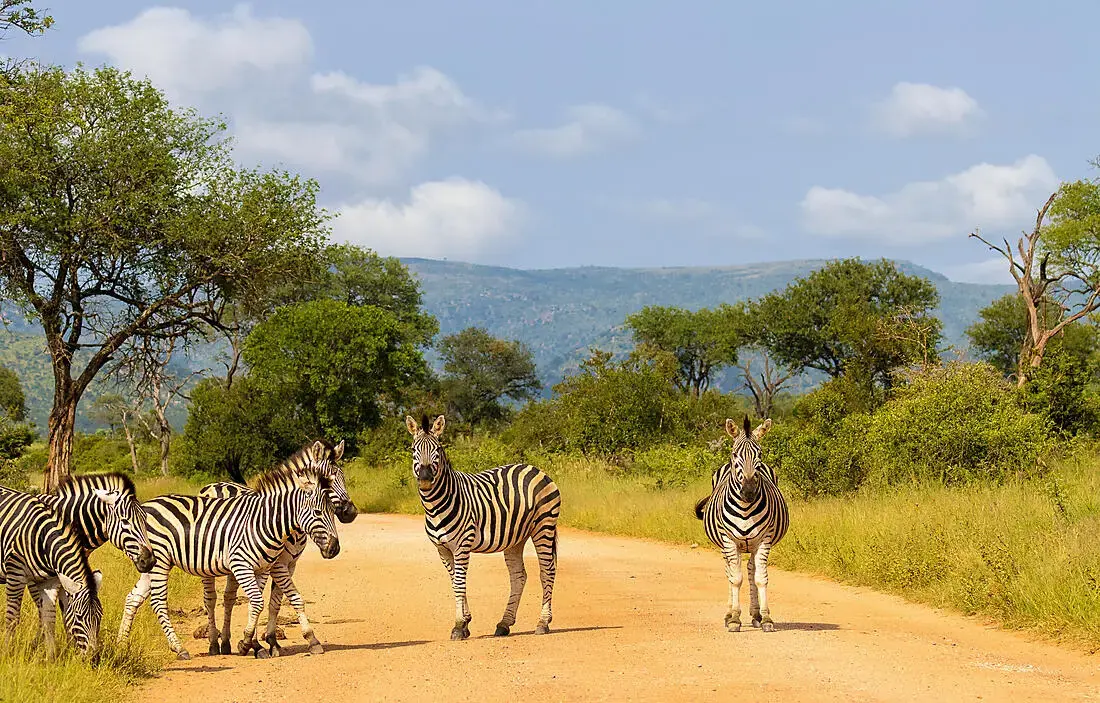
When packing for a safari, layers are everything. Temperatures can swing from scorching midday desert heat to chilly early mornings and nights. Bring neutral earth tones to blend into the bush and stay cool in direct sunlight. White is not recommended (it won't last if you're headed into the brush) and camouflage is illegal in certain parts of the region, so leave it at home entirely. Lightweight long-sleeve shirts and pants protect against insects and sunburn, and close-toed trail runners or hiking boots are a must for the uneven terrain you'll encounter on walking safaris and shore excursions.
Wide-brimmed hats, sunglasses, a scarf or balaclava for dust, and high-SPF sunscreen should stay within arm's reach. What you wear out there will feel like an entirely different life from what you're wearing at the gala dinner — and that contrast is, in a way, half the fun of this trip.
What You Need to Know Before You Go
Flights and Transfers
Getting to the embarkation port means flying into Johannesburg, then catching a roughly one-hour domestic flight to Durban for embarkation. On the return, you'll fly from Walvis Bay back to Johannesburg and then home. International economy tickets currently range from $1,100 to $1,900, and domestic flights within southern Africa run close to $120 per seat. Factor those into your total budget — even with flights added, the all-in cost remains competitive with land-based alternatives.
PONANT includes transfers to and from the ship as part of the voyage fare, so your journey from the pier to the airport is covered. That said, international connections out of Namibia often route through Johannesburg with limited same-day options, and an overnight in Walvis Bay before flying home is worth considering — it removes the anxiety of a tight connection after a long voyage and gives you one last quiet night before the long-haul home.
Visas
U.S. passport holders don’t need a visa for South Africa for stays under 90 days. Namibia, however, has required a visa for U.S. citizens since April 2025. Apply for the eVisa online before departure (NAD 1,600, about $88).
Physical Expectations
This is an ocean-going expedition cruise: embarkation at piers, tenders and Zodiacs for some landings, and excursions that start as early as 8:00 a.m. and run four or more hours. Plan to walk up to two miles a day on uneven terrain — cobblestones, unpaved trails, the occasional staircase without handrails. For game drives specifically, the 4x4 safari vehicles used in the Eastern Cape reserves are considerably more accessible than walking safaris, which require more physical ability. The ship is elevator-equipped between decks, so moving between cabins, dining, and common areas doesn't require navigating stairs.
Gratuities
PONANT includes gratuities for the ship's crew in the fare. For local safari guides, trackers, and excursion leaders on the ground, a small cash tip is customary and appreciated. South African rand and U.S. dollars are both widely accepted for this purpose; plan for roughly $10–$20 per person per game drive as a reasonable benchmark.
Currency
South Africa's official currency is the South African rand (ZAR); Namibia's is the Namibian dollar (NAD). The two currencies are pegged to each other at a 1:1 ratio and are interchangeable within both countries — rand are accepted everywhere in Namibia, though Namibian dollars are rarely accepted back in South Africa, so spend them before you cross the border. For small cash transactions onshore, rand is the most practical currency to carry. U.S. dollars are not always accepted at face value outside major tourist areas, so it's worth drawing a modest amount of rand on arrival in Johannesburg or Durban. Aboard Le Dumont-d'Urville, all onboard charges are settled in euros or USD, billed to your cabin account and settled at the end of the voyage by card.
Vaccines and health
There is a current rabies outbreak being monitored among Cape fur seals and stray dogs in the region. Do not touch seals or wildlife, and speak with your medical provider about a pre-exposure rabies vaccination before departure. If bitten by any animal during the voyage, the ship's 24-hour medical office should be your first call. Other vaccines to discuss with your provider include MMR and Hepatitis A and B. The route begins and ends below the yellow fever belt and misses zones with active malaria transmission. Medication is not required, but worth raising with your doctor, as certain malaria prophylactics must be started before departure. Regardless, pack mosquito and insect repellent as a standard — for comfort's sake if nothing else.
Travel insurance
PONANT does not require travel insurance as a condition of booking, but strongly recommends it — and so do I. For a voyage of this distance and complexity, comprehensive coverage that includes trip cancellation, trip interruption, and emergency medical is a baseline. Medical evacuation coverage is the piece most travelers overlook, and the one that matters most in a remote destination. If something happens in the Eastern Cape or in the Namibian desert, getting to a facility equipped to treat you is not a quick ambulance ride.
The Pitch for Africa by Cruise, Simply Put
I spend a lot of my time as a travel advisor untangling logistics for people who want to see the world without the stress of coordinating every moving piece themselves. This voyage is the rare itinerary I can hand to a client and say: this one does it for you.
Two countries. Two overnights in port. The Big Five. Cape Town's vineyards and apartheid history. A Namibian ghost town half-buried in desert sand. Smithsonian experts at dinner. Champagne at sunset. One suitcase. One ship. No rebookings, no last-minute scrambles if a tented camp overbooks.
Between the bull elephant in the acacia at dawn and the champagne glass sweating in hand at your goodbye gala, you'll understand why travelers who've done Africa this way rarely go back to doing it any other way. The world is enormous and the window for seeing it is shorter than any of us would like to admit. This particular window is well worth opening.
Connect with me below to start the conversation.
Plan your journey with
Theodora GreenTheodora Green is a fully licensed travel advisor with LuxRally Travel — trained, insured, and accredited to plan and book travel anywhere in the world. She also leads the editorial vision and strategy behind the LuxRally Travel Journal.
Related Stories
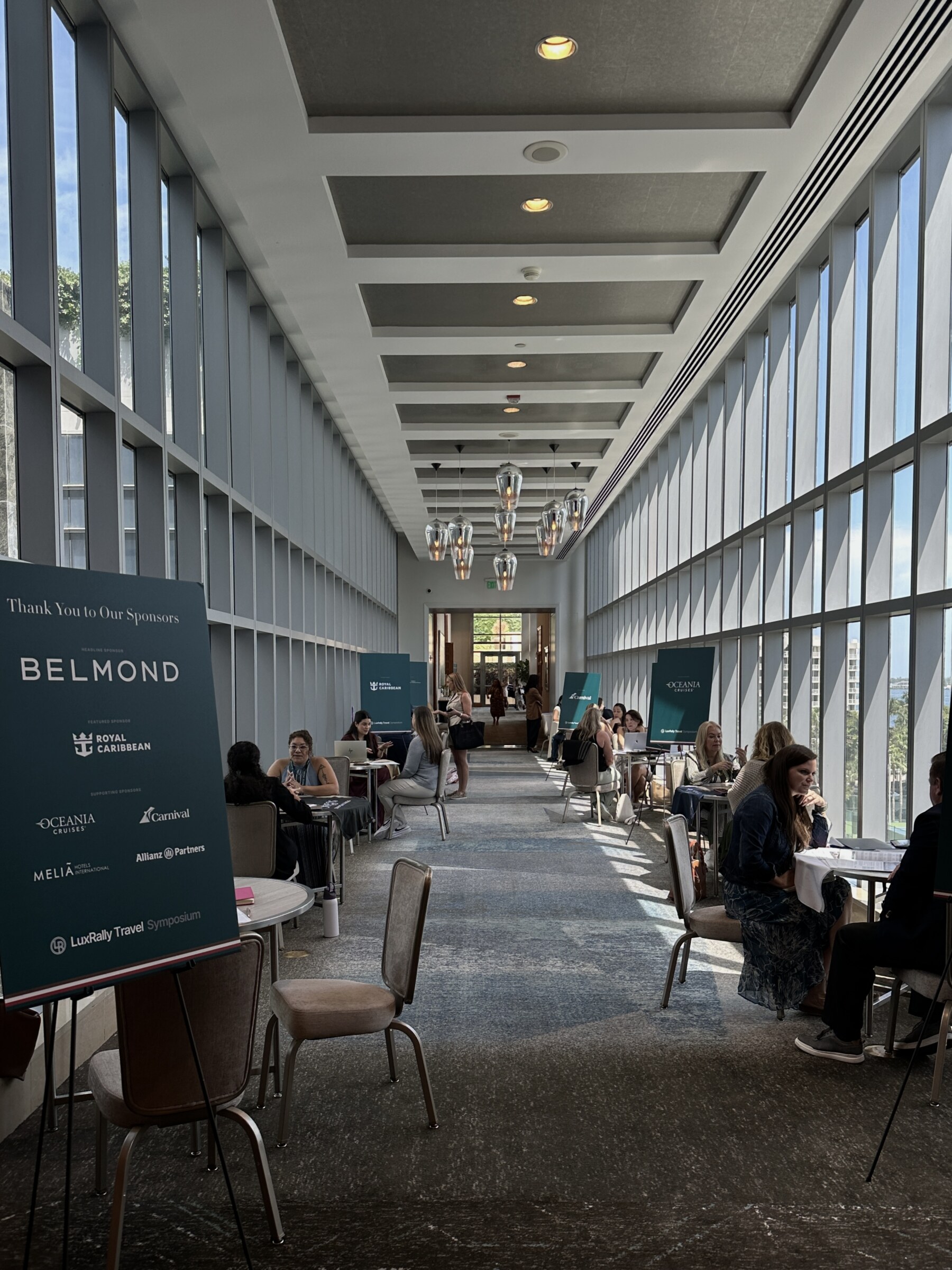
Inside LuxRally Travel's 2026 Symposium: Belmond, Royal Caribbean, and the Advisors Redefining Luxury Travel
A look inside the annual LuxRally Travel Symposium at the Four Seasons Miami Brickell. Over fifty vendors, expert advisors from across the country, and hospitality's best and brightest, all in one building.
By Theodora Green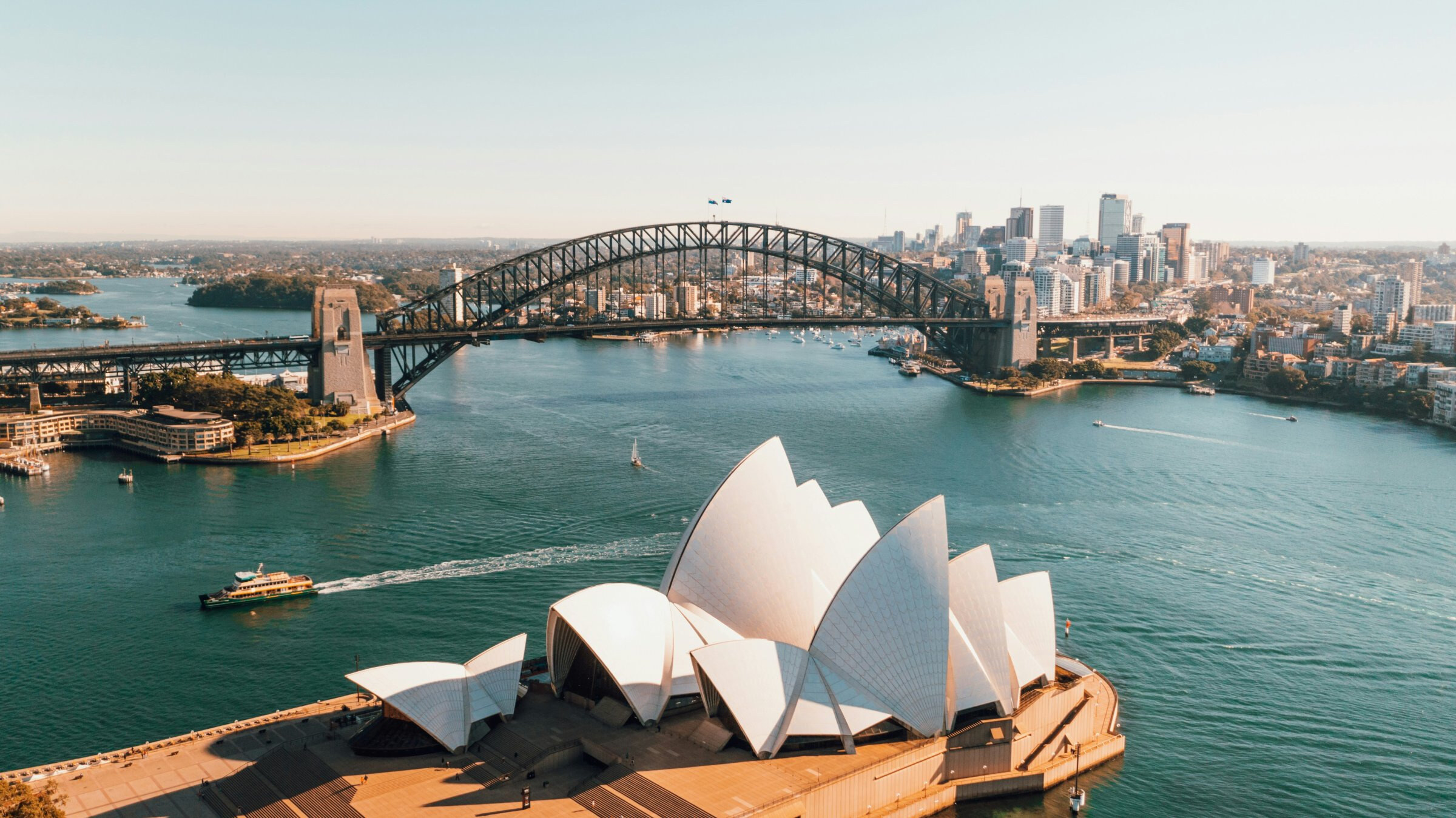
From Oil Exec to Luxury Travel: Building a Business with Authenticity
An Australian oil and gas executive turned luxury travel advisor, Alisha Myers, shares how she rebuilt her career from the ground up—by showing up every single day and letting authenticity drive her success.
By Theodora Green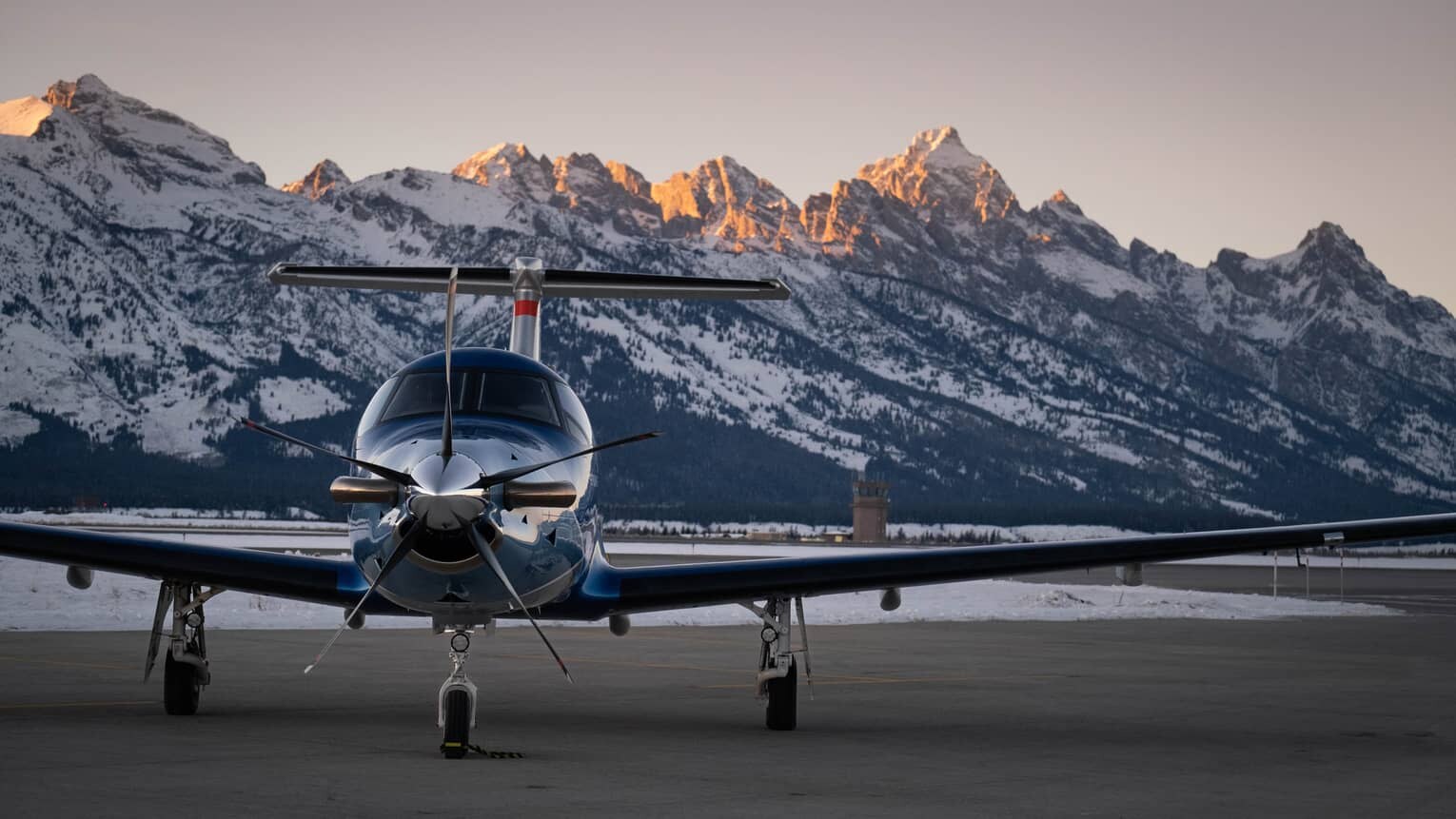
The Grand Tetons Are Calling: Ski Season with the Four Seasons Resort & Residences Jackson Hole
From ski-in, ski-out luxury at the Four Seasons to a hidden speakeasy bathed in moody red light, this curated roundup captures everything the discerning skier needs for the ultimate Teton Village experience.
By Amy Van Den Top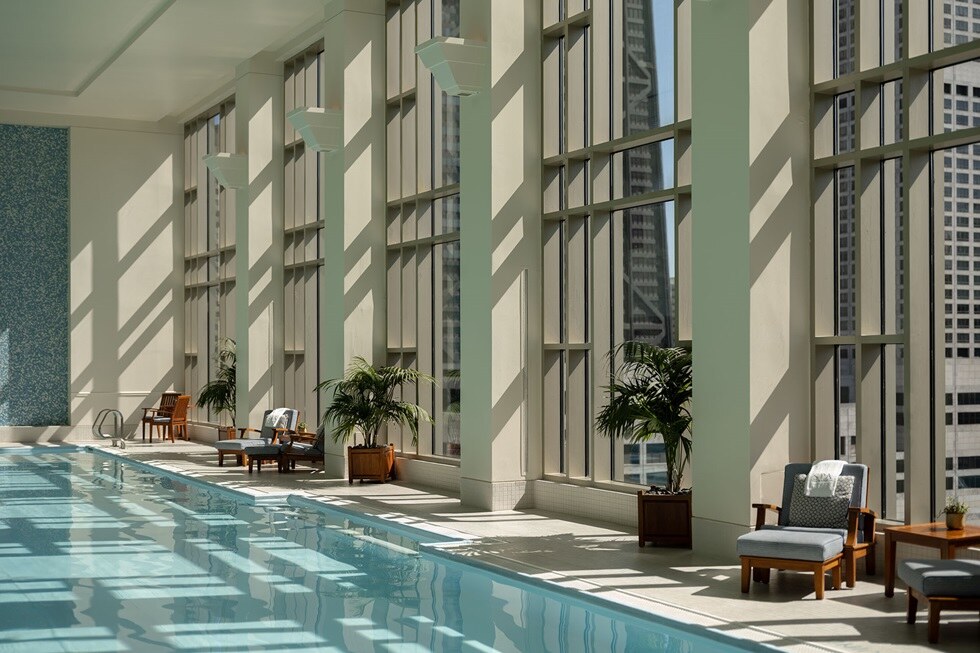
Local’s Guide to Chicago: America’s Most Underrated Luxury Family Escape
From a Chicago rooftop pool where snow falls beyond the glass, to afternoon tea that needs no occasion — this city rewards the traveler who slows down. Even after thirteen years, it's still a city that my family and I can discover anew.
By Natalia Semizarov
Multigenerational Travel Is Having a Major Moment: Here's The What, Why, Where, and How
Multigenerational trips are the fastest-growing travel trend — and for good reason. From grandparents initiating the adventure to Gen X bridging generations, families are trading scattered getaways for one unforgettable shared experience.
By Sara Ryburn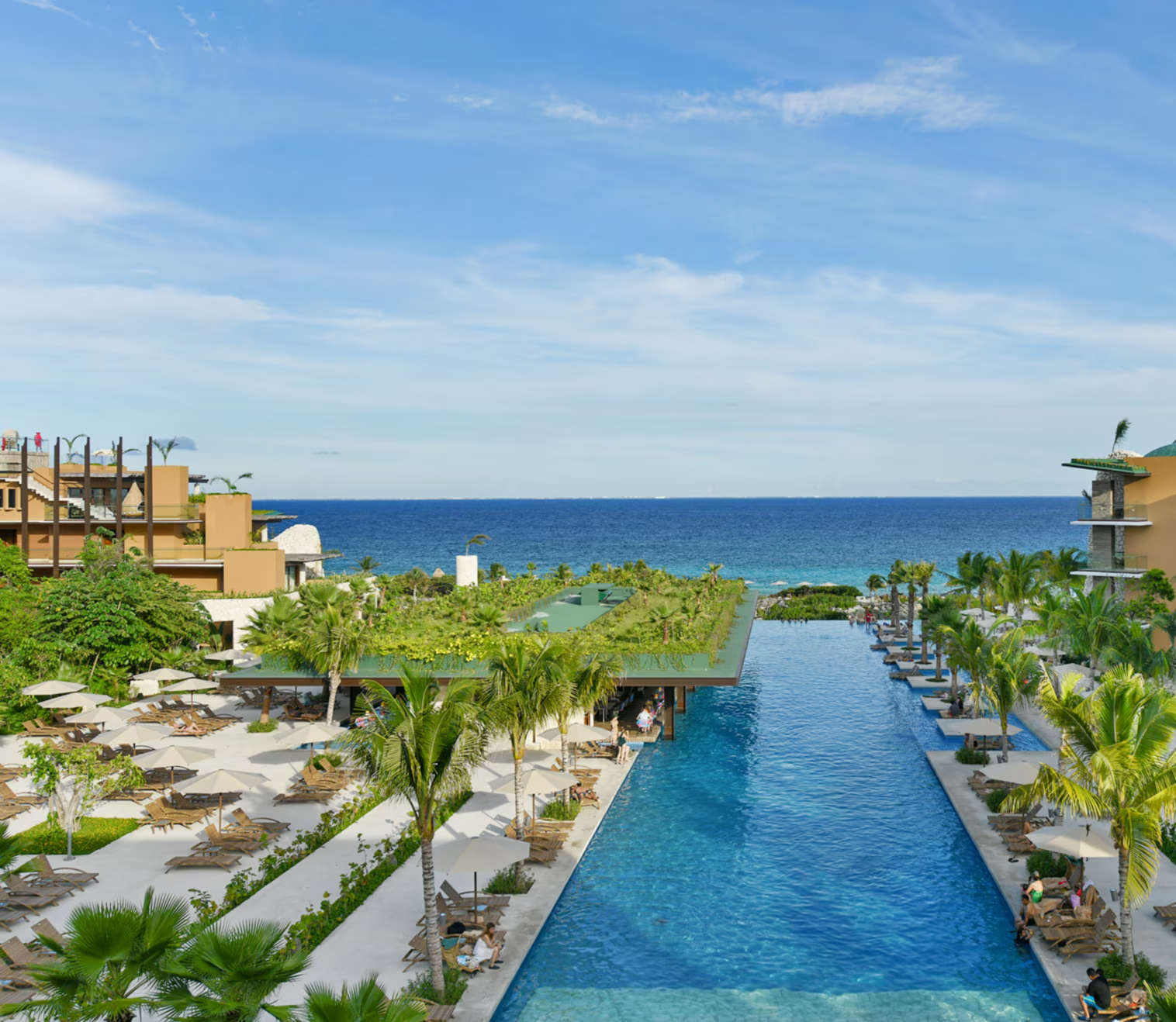
Hotel Xcaret México Review: Everything You Need to Know Before You Book
With eight distinct Casas, five adventure parks, and over 20 restaurants, Hotel Xcaret México is the Disney of the Riviera Maya. My biggest takeaway? Don't arrive unprepared.
By Alexis Dunfee