
Safari Planning Guide
How to Plan a Great Migration Safari You'll Actually Remember
The Great Migration is not an event you can schedule for a week in August. It is a year-round cycle happening across vast ecosystems, and the gap between expectation and reality is what proper planning actually solves.
By Alisha Myers
July 3, 2026
Every year, I speak with travelers who return from safari saying, "We thought we'd see the migration."
What surprises me is that they almost always had an exceptional trip. They saw lions, elephants, giraffes, and breathtaking landscapes. They stayed in beautiful camps and came home with incredible photographs. By almost any measure, it was a remarkable safari.
Yet something hadn't quite matched what they had imagined.
In my experience as a luxury travel advisor, I've found that disappointment rarely comes from the quality of the safari itself. It comes from a mismatch between expectations and planning. Many travelers arrive believing the Great Migration is a single event they simply need to schedule around. In reality, it is a continuous, year-round movement across the Serengeti–Mara ecosystem, and where you stay, when you travel, and how your itinerary is designed determine which part of that story you'll experience.
Understanding that distinction is the difference between booking a wonderful safari and booking a migration safari.
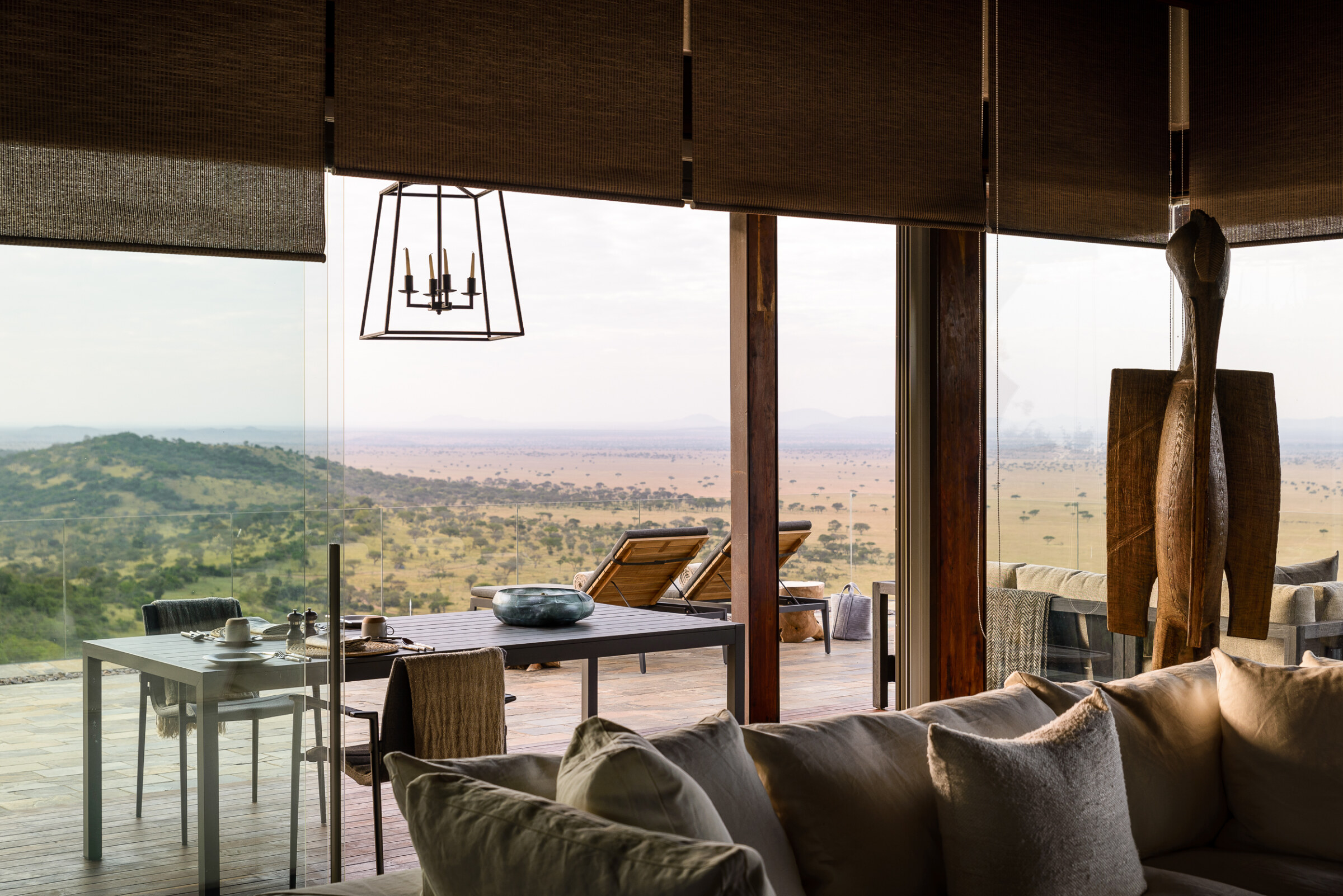
This article isn't about finding the "best" month to visit. There isn't one. Instead, it's about understanding what the Great Migration actually is, what each stage offers, and how thoughtful planning helps ensure your safari delivers the experience you're hoping for.
The Right Question Changes Everything
Most people begin the planning conversation with the wrong question: "When is the best time to see the Great Migration?"
The better question is this:
Which part of the migration do I want to experience?
The Great Migration is not a single event that happens in one place. Millions of animals move through a vast ecosystem, and different phases of that cycle appeal to entirely different travelers. A family fascinated by newborn animals and predator interactions should travel at a completely different time than a family whose dream is witnessing a Mara River crossing. Both families are seeing the Great Migration. They are simply experiencing different chapters of the same story.
That distinction is where every well-designed migration safari begins. Once you identify the experience you're hoping to have, the timing, camp, guiding, routing, and logistics all follow.
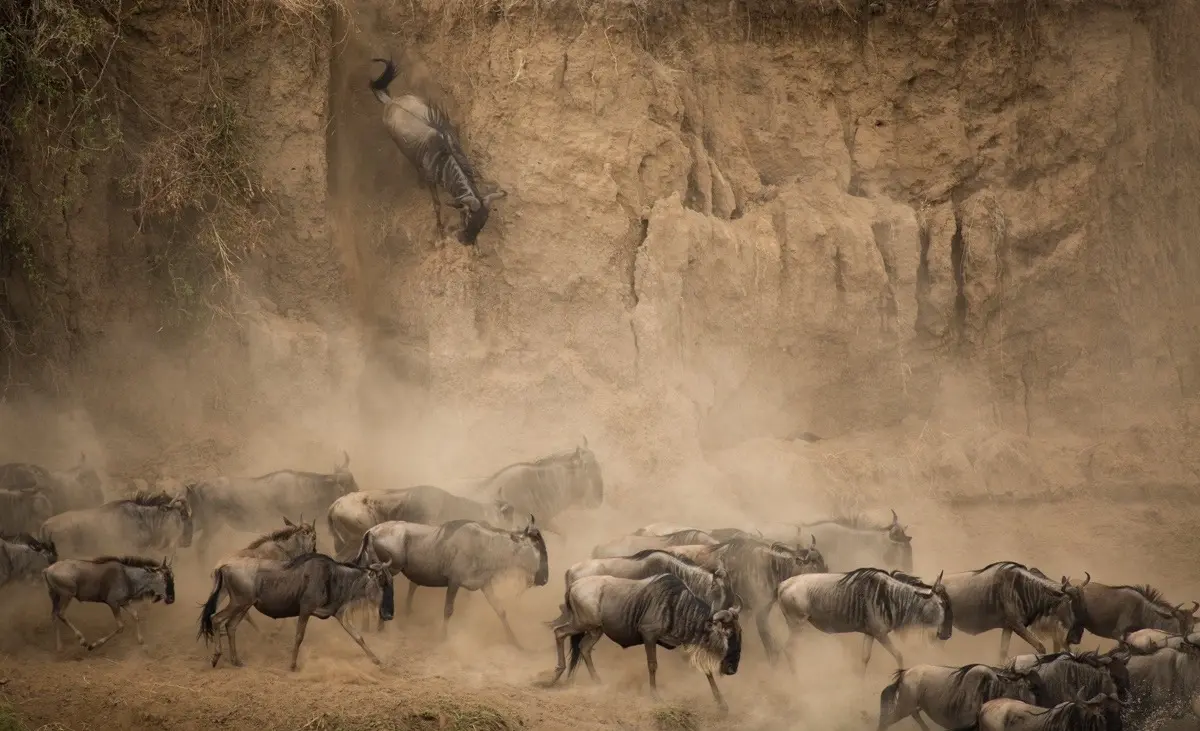
Serengeti Migration Guide: Great Migration Timing, Month by Month
The confusion around migration timing exists because the herds are always moving. Where you stay in January should look very different from where you stay in July or October. Here is how the cycle actually unfolds.
January through March is calving season in the southern Serengeti. Hundreds of thousands of wildebeest gather on the short-grass plains, and roughly half a million calves are born in a matter of weeks. If you are interested in predator action, this is one of the most exciting periods of the entire year. Lions, cheetahs, hyenas, and leopards know exactly where the vulnerable young animals are. Most travelers assume they must wait for the famous river crossings, but if your goal is predator activity, raw wildlife encounters, and the Serengeti at its most electric, this is one of the most rewarding times to visit.
April and May bring the long rains. The herds begin moving northwest through the central Serengeti. The landscape is lush and green, and visitor numbers are lower. Some camps close during this period, but for travelers who value solitude, fewer vehicles, and a greener Serengeti over guaranteed migration drama — and do not mind occasional rain — it can be one of the most underrated windows of the year.
June marks the beginning of one of the migration's most dynamic phases. Herds move into the western corridor, gathering momentum as they push north. You may witness Grumeti River crossings — but this is not yet the Mara River spectacle most travelers picture.
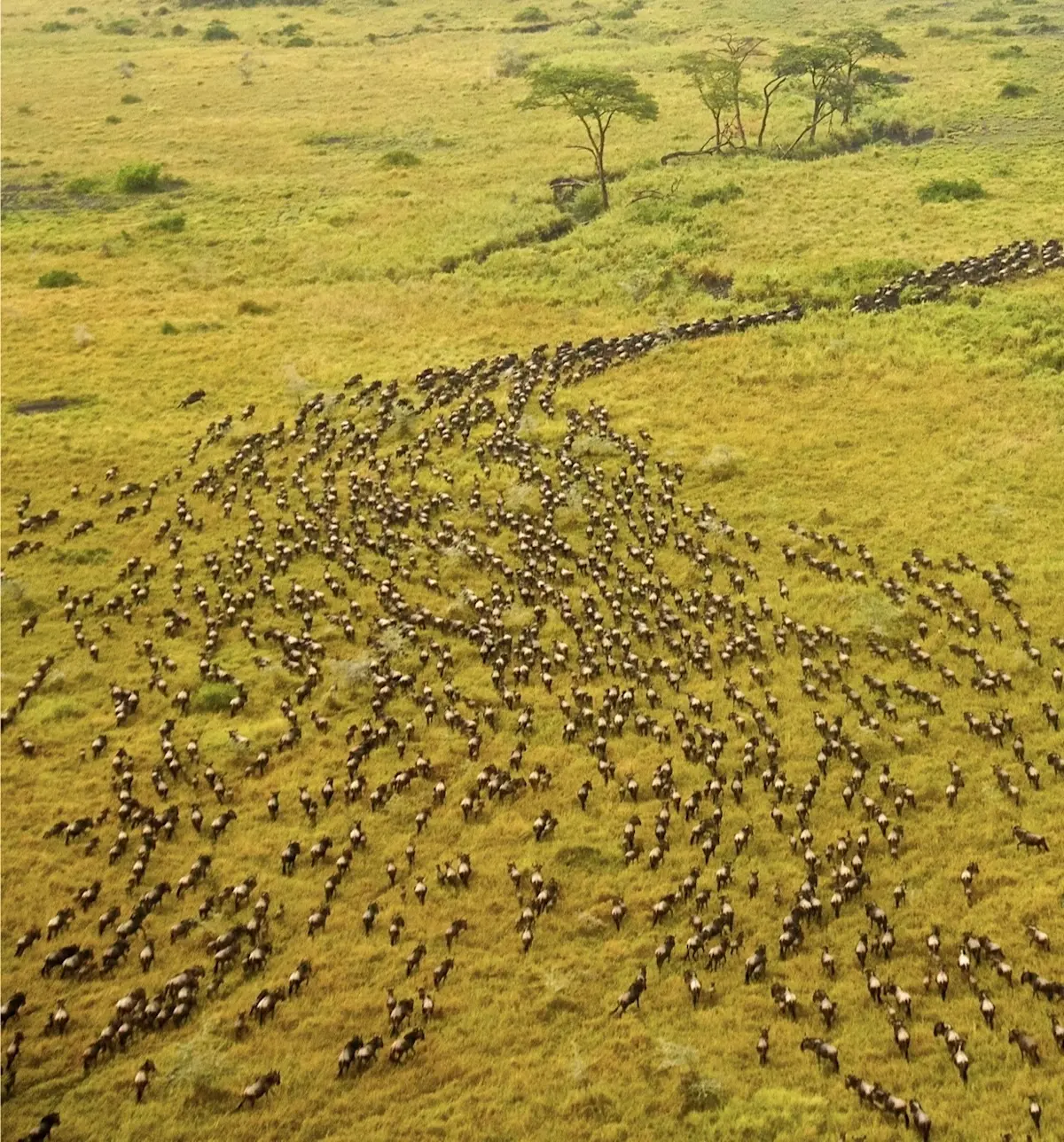
July and August are what most people picture. This is when many herds reach the northern Serengeti and Masai Mara, creating the possibility of the dramatic Mara River crossings seen in documentaries. For travelers prioritizing a Mara River crossing, this is the peak window — but securing the right camp requires planning well in advance.
The Mara River crossing is the single most common question I receive from families planning a safari. I emphasize the word "possibility." A river crossing cannot be scheduled for a Tuesday at 10:18 a.m. These are wild animals responding to rainfall, grazing pressure, and instinct. The goal is not to guarantee a crossing. It is to maximize the likelihood of witnessing one by staying in the right place, with the right guide, for long enough.
September is often my first recommendation for clients intent on seeing river crossings. Crowds tend to be lighter than in peak August, but the herds are still moving through the northern ecosystem. You still have opportunities for dramatic crossings, with a little more breathing room. For many of my clients, September strikes the best balance between opportunity and atmosphere.
October is a transition month. Some herds remain in the Mara while others begin drifting south. Wildlife viewing remains excellent, but the migration becomes more dispersed and less predictable.
November and December bring the migration back toward the southern Serengeti as the short rains arrive. Most travelers overlook this period entirely, which is a mistake. The herds are on the move, the landscape is transforming, and you can have exceptional wildlife viewing with fewer vehicles around.
Why the Best Luxury Safaris Are Designed, Not Just Purchased
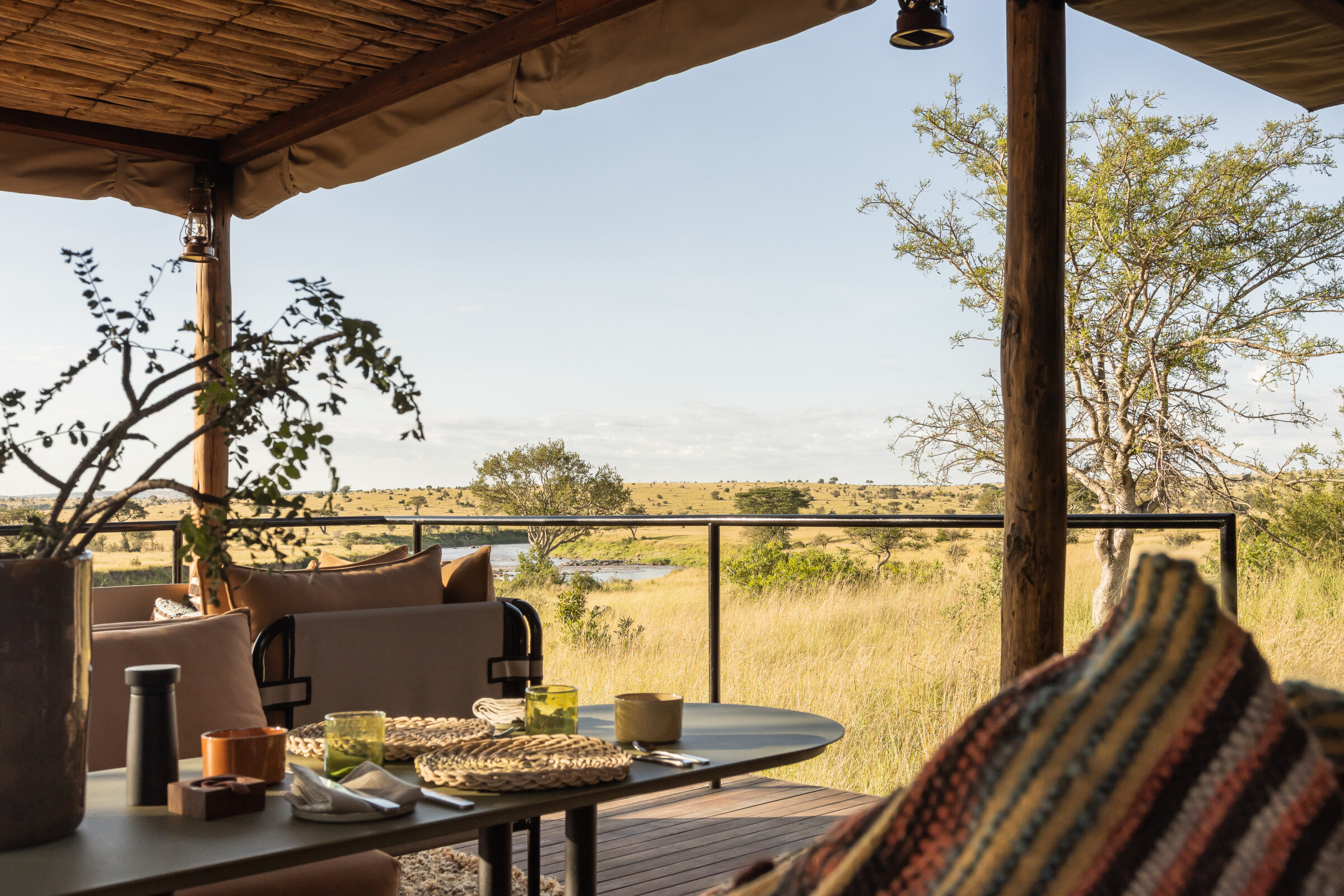
Many travelers assume they can decide they want to witness the river crossings, make a call in the spring, and simply reserve one of the best camps for August. In reality, the top camps positioned for migration viewing have been holding reservations a year or more out, particularly for larger family accommodations, exclusive-use villas, or multiple tents together.
When someone calls me in April hoping to travel in August, it is not necessarily impossible. But the conversation changes. Instead of choosing from the best options, we are often evaluating what remains. Sometimes that works out beautifully. Sometimes it means compromising on camp location, room configuration, guide quality, or length of stay.
Luxury safari planning is not constrained by budget nearly as much as it is by inventory. There are only so many exceptional camps in the right location, and only so many beds available during the migration's most sought-after weeks.
That is especially true for UHNW families. A couple can occasionally secure the last available tent somewhere exceptional. A family needing interconnected accommodations, private guides, private vehicles, flexibility for children, and seamless logistics requires a much larger planning runway.
The camp itself is only one piece of the equation. For a migration-focused safari, I care just as much about who is guiding the experience as where the family sleeps. A great guide is not simply one who locates animals. They interpret movement patterns, communicate with the broader guiding network, understand recent herd activity, and adjust game drives based on what is happening in real time.
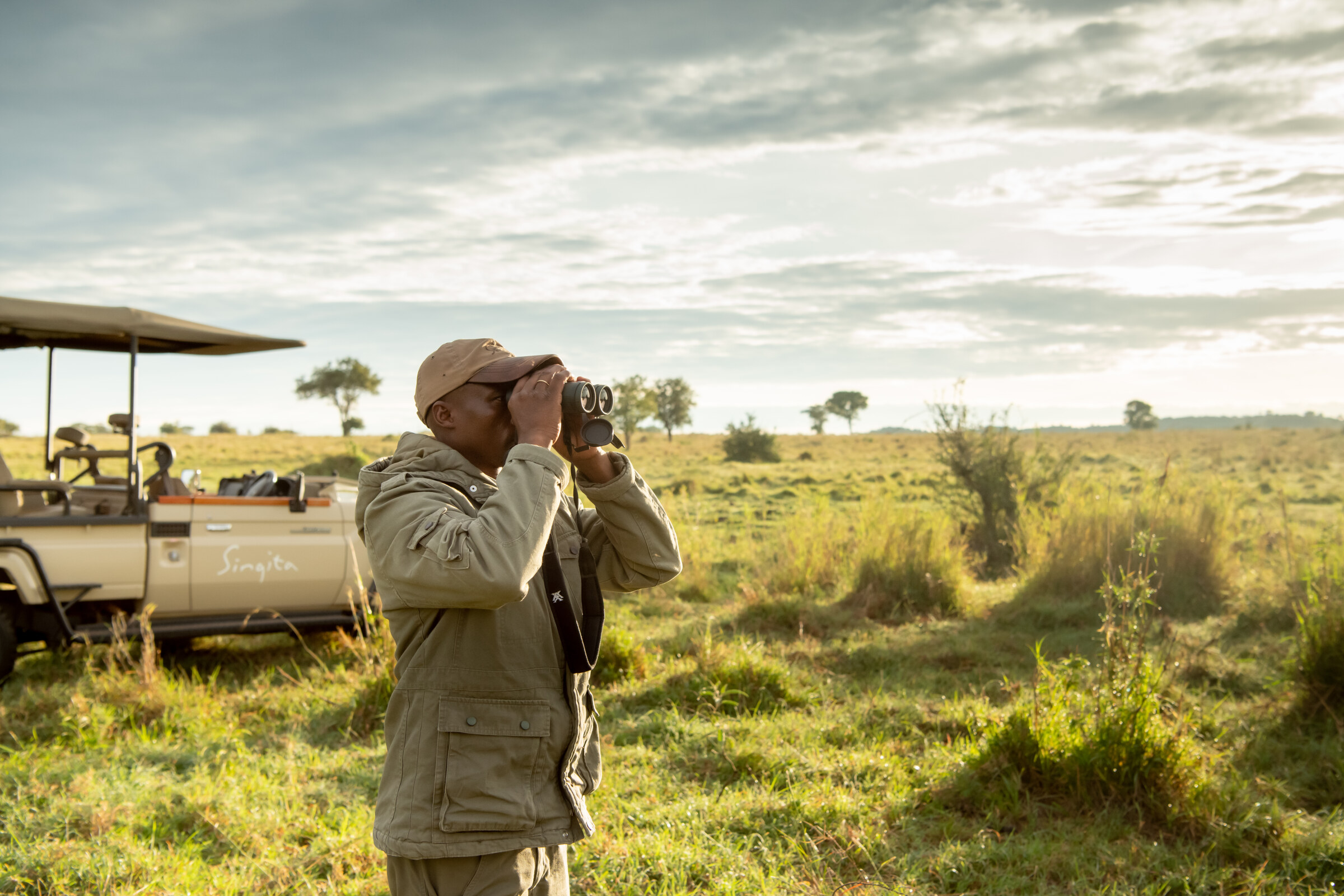
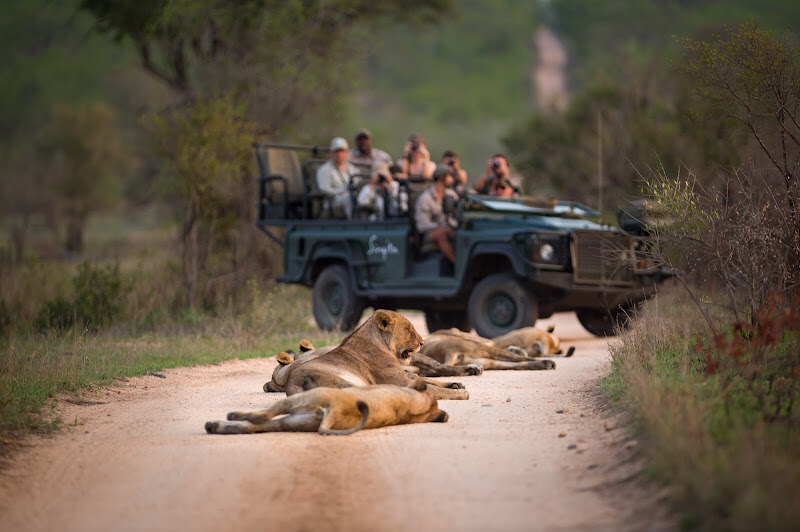
Private vehicles matter just as much. The ability to stay at a sighting longer, leave earlier, return later, or pivot when conditions change creates a fundamentally different Great Migration experience than sharing a vehicle with other guests. For UHNW families, a private vehicle is not an upgrade — it is a baseline requirement for a properly designed migration safari.
A safari purchased online is often built around a date. A properly designed migration safari is built around animal movement, camp positioning, guiding quality, logistical flexibility, and probability management.
The Conservation Layer You Don't Always See
One of the reasons the Great Migration is so extraordinary is that it still exists at all.
I think about this every time I watch a crossing. The noise, the scent of the water, the crocodiles waiting. The sheer biological improbability of it.
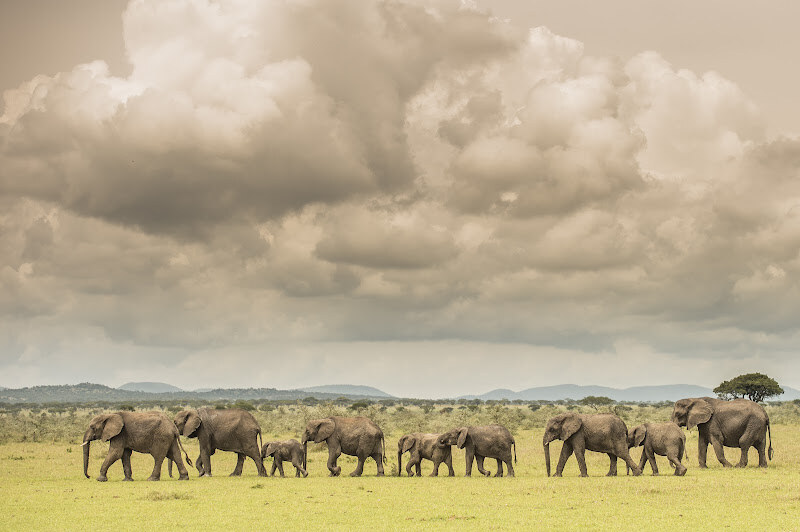
We are talking about one of the last great terrestrial migrations on Earth. Millions of animals moving through an ecosystem that, despite modern pressures, still functions largely as nature intended. That does not happen by accident. Many of the luxury camps you book are using those funds to protect the land and ecosystem.
Through its partnership with the Grumeti Fund, Singita helps protect more than 350,000 acres of critical migration habitat while supporting anti-poaching efforts, wildlife monitoring, research, and local communities.
Many UHNW families are increasingly interested in that conversation. Not because they want a sustainability lecture. Because they are asking smarter questions than they did ten years ago. They want to know where their money goes, whether local communities benefit, and whether conservation is genuinely embedded in the business model or simply used as a marketing message. All Singita properties in the Serengeti contribute to the same overarching conservation initiatives through their non-profit partner, the Grumeti Fund. This is why Singita lodges, including Singita Sasakwa and Singita Serengeti House, are among the properties I recommend for clients who want that answer to be unambigious.
I see this especially with multi-generational travel and family offices. When grandparents are bringing children and grandchildren on safari, the trip often becomes bigger than a vacation. It becomes an opportunity to witness something remarkable while helping support the preservation of that landscape for future generations.
The Privilege of Getting It Right
The greatest luxury of a migration safari is not the suite, the wine cellar, or even the private guide. It is witnessing one of the last great wildlife spectacles on Earth in a way that matches the experience you have been dreaming about.
That starts with asking the right question.
Not: "When should we go?"
But: "What do we want to experience?"
Once you answer that, every other decision becomes clearer: the season, the camp, the guide, the routing, and the pace of the journey.
A migration safari isn't a trip you simply book. It is one you design. And that design begins with the right question, the right timing, and the right person to build it.

Plan your next journey with
Alisha MyersAlisha Myers is a Forbes Travel Guide endorsed Elite Travel Advisor with LuxRally Travel. She specializes in high-complexity, high-touch travel for executives, founders, and families who require more than standard itinerary planning. Her work includes private retreats for CEOs, multi-generational travel, and family office travel programs designed around access, discretion, and seamless execution. Her writing in The LuxRally Journal reflects the same perspective. She explores destination intelligence, the private infrastructure behind ultra-high-net-worth travel, and the growing gap between what discerning travelers expect and what the traditional travel industry typically delivers. Her most widely read pieces focus on what real access looks like at the highest level, and how the right advisor can fundamentally change the travel experience. Readers often come across her work while searching for clarity in complex travel planning. Those who connect with it tend to value insight over inspiration, and execution over aesthetics. She is based in Austin, Texas and works with clients globally.
Related Stories

Family Office Travel: Planning, Booking, and Supporting, From First Call to First Trip
A practical look at how a luxury travel advisor begin working with a family office, from the first conversation and approval process to itineraries, 24/7 support and what we learn after the first trip.
By Alisha Myers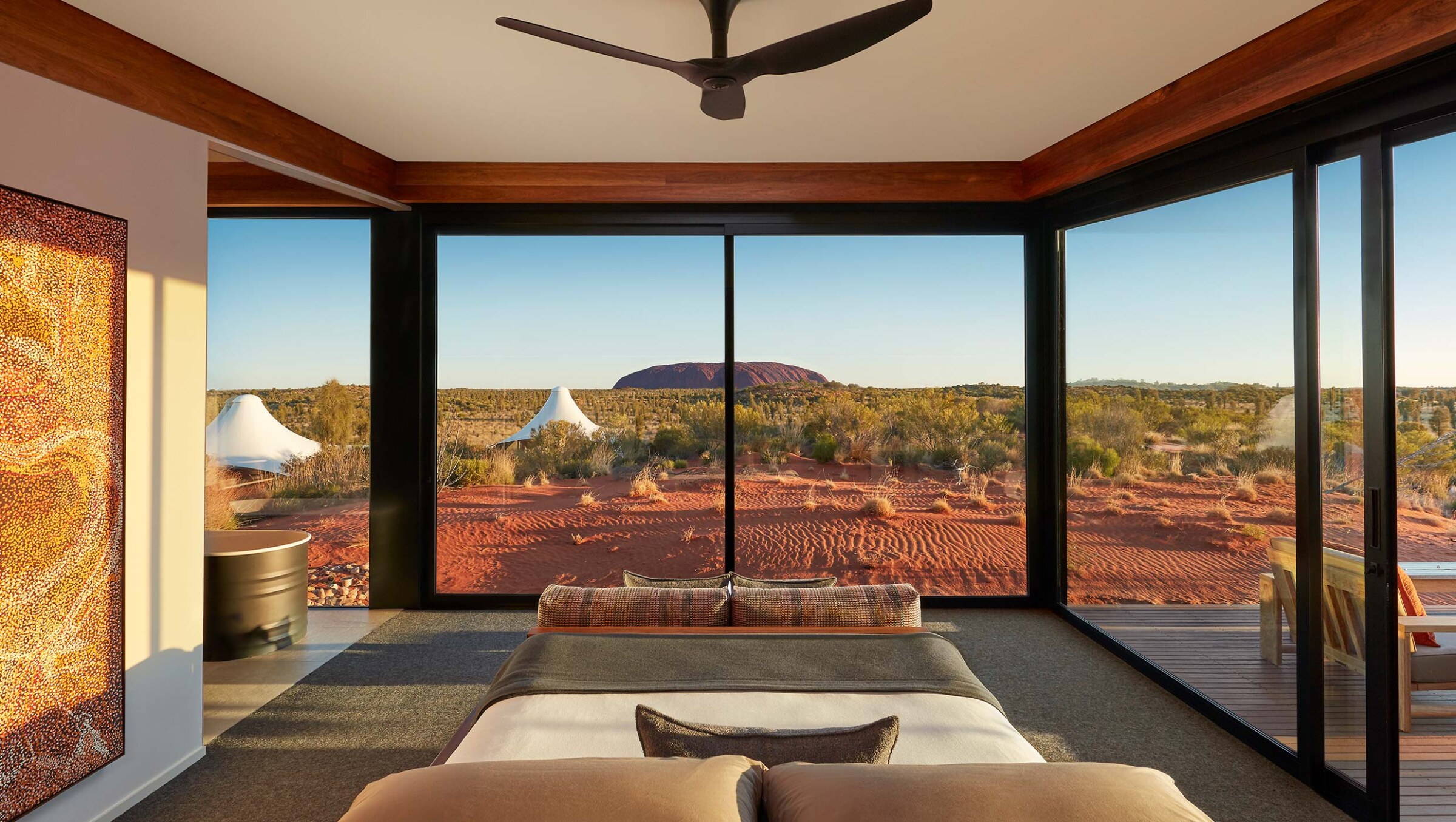
Welcome to Country: A Travel Guide to Indigenous Australia
Indigenous heritage is not another experience to add to a luxury Australian itinerary. It is the lens through which the entire country is best understood. A framework for designing journeys that create understanding rather than consumption.
By Alisha Myers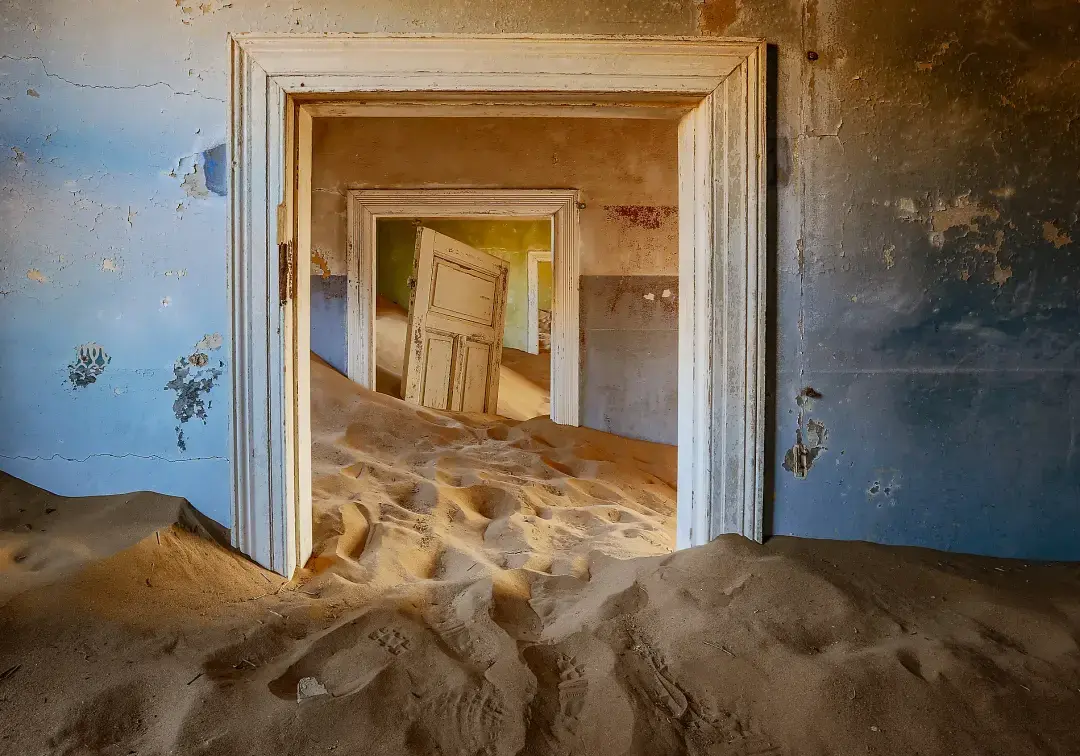
The Simplest Way to Safari: Africa's Southern Coast by Luxury Cruise
A cruise-based safari blends open-ocean expedition with wild game encounters and local exploration along Africa's southern coast. Here's everything you need to know before booking a voyage from South Africa to Namibia.
By Theodora Green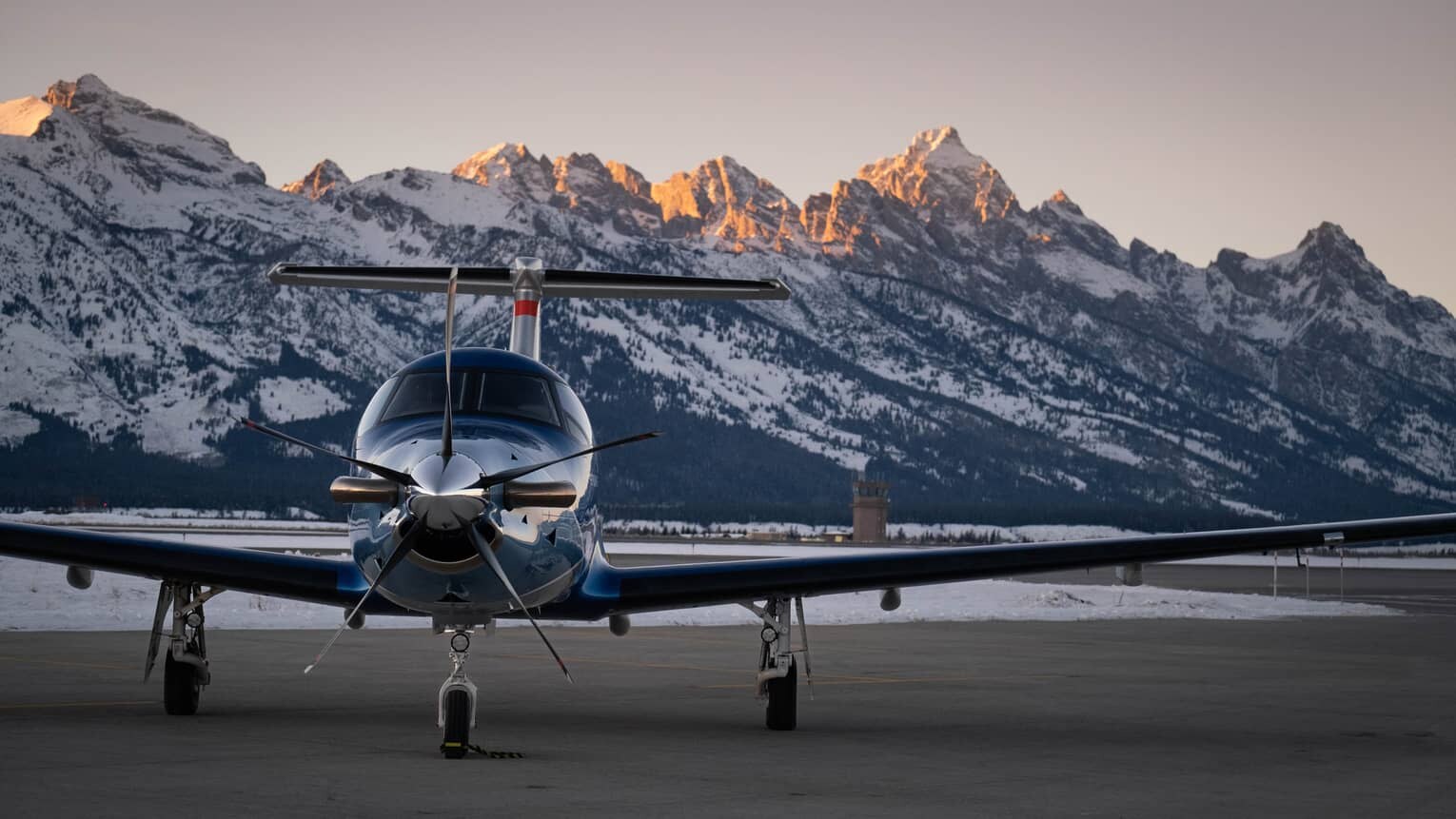
The Grand Tetons Are Calling: Ski Season with the Four Seasons Resort & Residences Jackson Hole
From ski-in, ski-out luxury at the Four Seasons to a hidden speakeasy bathed in moody red light, this curated roundup captures everything the discerning skier needs for the ultimate Teton Village experience.
By Amy Van Den Top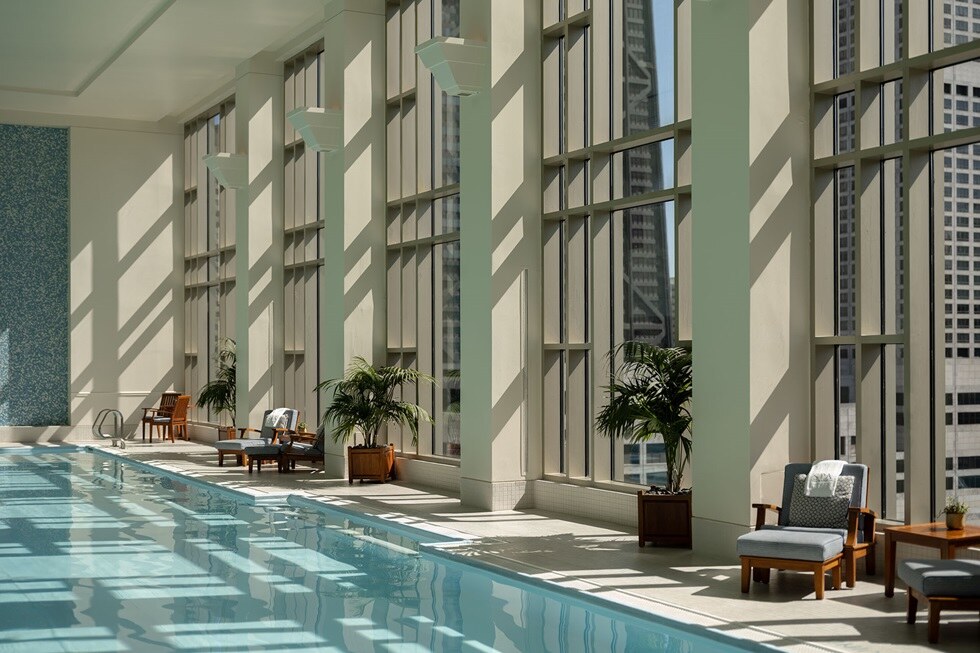
Local’s Guide to Chicago: America’s Most Underrated Luxury Family Escape
From a Chicago rooftop pool where snow falls beyond the glass, to afternoon tea that needs no occasion — this city rewards the traveler who slows down. Even after thirteen years, it's still a city that my family and I can discover anew.
By Natalia Semizarov
Multigenerational Travel Is Having a Major Moment: Here's The What, Why, Where, and How
Multigenerational trips are the fastest-growing travel trend — and for good reason. From grandparents initiating the adventure to Gen X bridging generations, families are trading scattered getaways for one unforgettable shared experience.
By Sara Ryburn