
Australia Heritage Travel
Welcome to Country: A Travel Guide to Indigenous Australia
Indigenous heritage is not another experience to add to a luxury Australian itinerary. It is the lens through which the entire country is best understood. A framework for designing journeys that create understanding rather than consumption.
By Alisha Myers
October 7, 2026
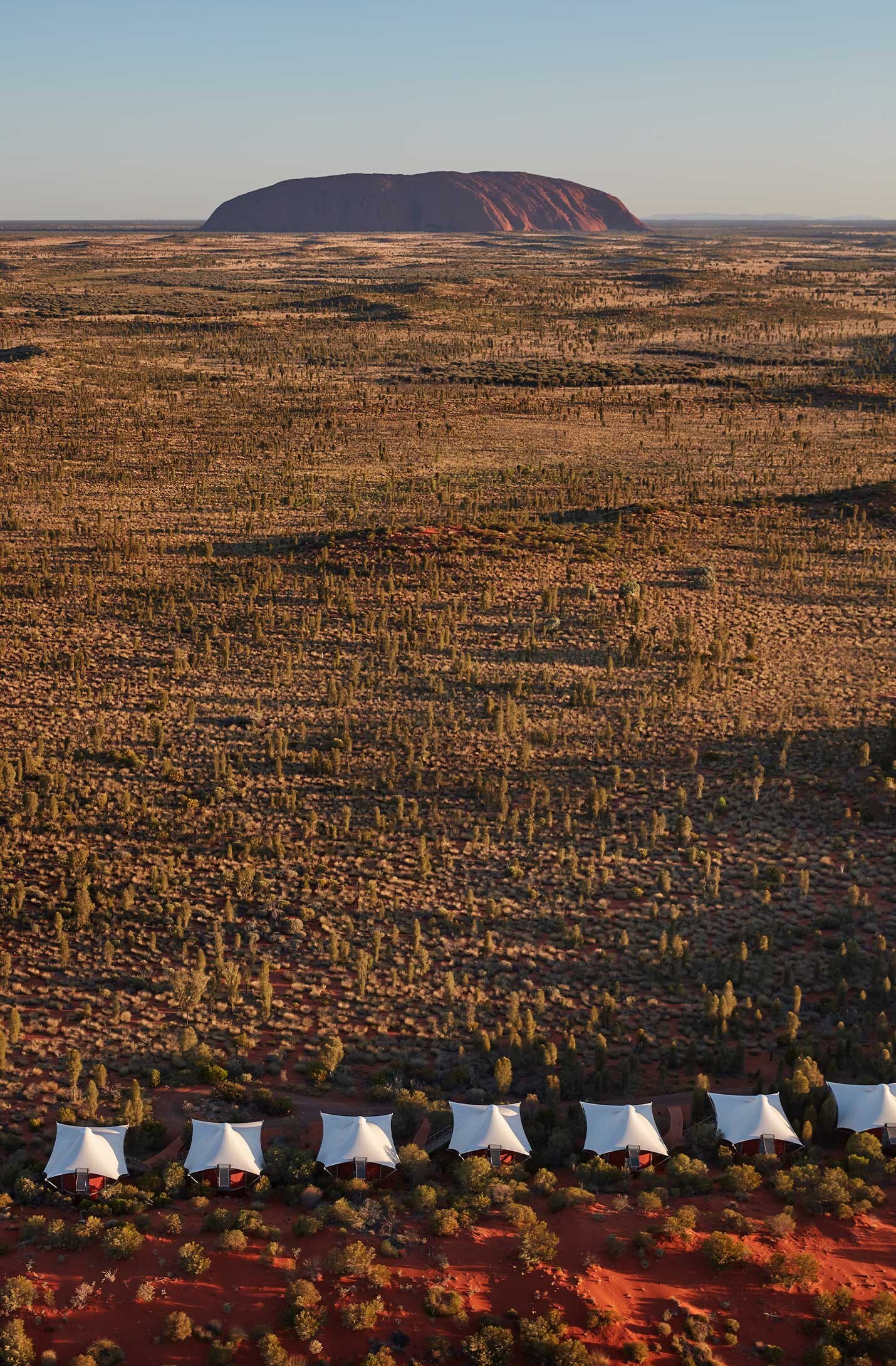
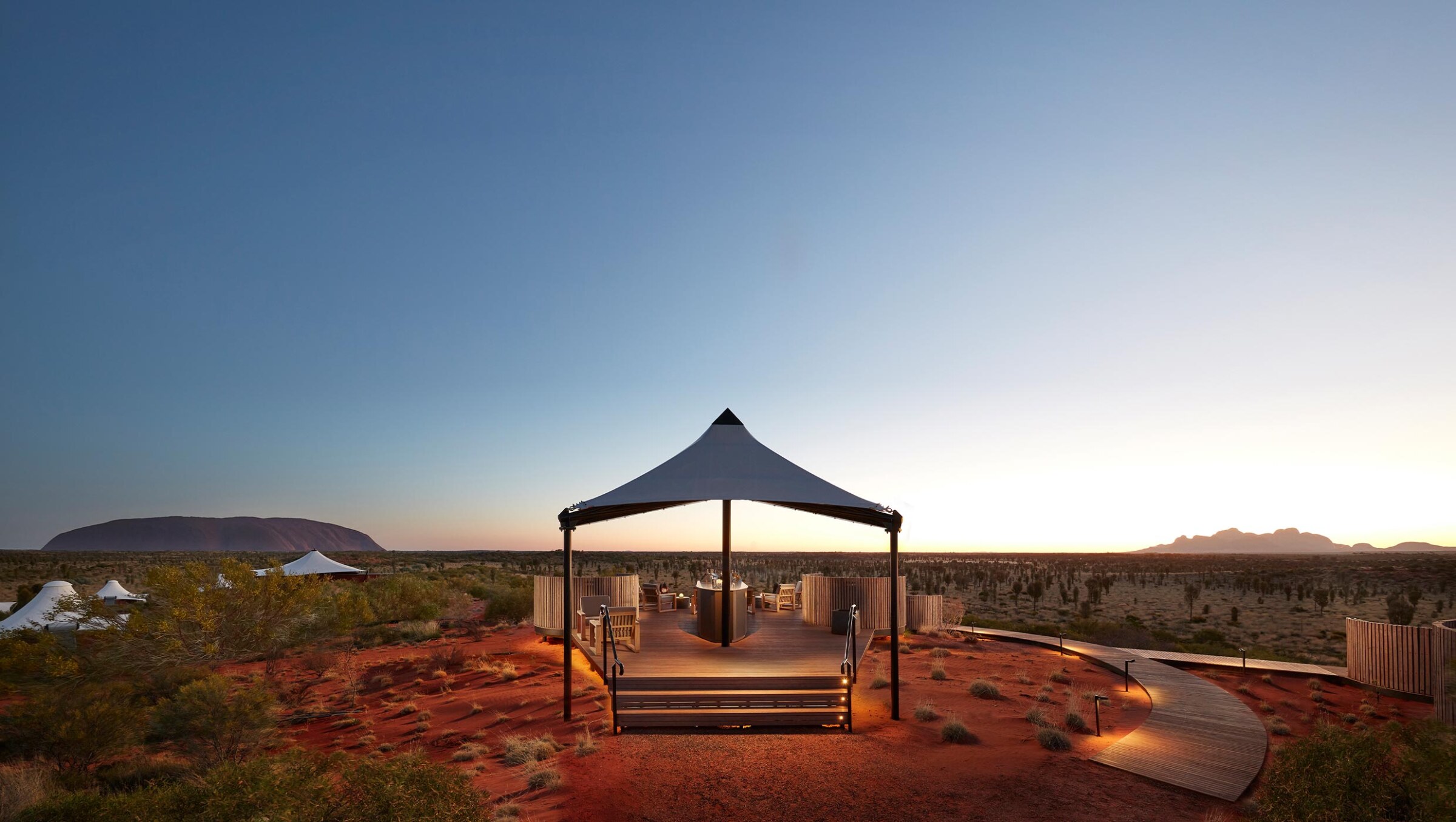
The Dune Pavilion is the only accommodation in Australia where Uluru and Kata Tjuta share the same horizon - a private world of commissioned artworks, open skies and a plunge pool poised at the edge of the ancient frontier.
I grew up in Melbourne, Australia, until I was twenty-one, then spent seventeen years in Western Australia, working across mining, construction, and oil and gas in some of the most ancient landscapes on earth.
If you are the kind of traveler who wants to understand a place rather than simply visit it — who measures a journey by what you carry home in your understanding, not just in your photographs — then heritage travel in Australia will reward you in ways that few destinations can.
Before you can understand Indigenous Australia, understand one thing: this country holds the oldest living cultures on earth. What follows is not a formality. It is an introduction to a way of knowing a place that predates every map ever drawn of it — and every assumption you may have carried in.
My family owns a block on the Murray River, bordering Barmah State Forest, on Yorta Yorta Country. For years, it was simply a place we escaped to. It took decades before I understood what that land held, and what it means to stand and travel in a country whose oldest stories are written into the ground beneath you.
That understanding was not delivered in a single moment. It was accumulated across decades and thousands of kilometres — across the Pilbara, the Kimberley, and the Bowen and Surat Basins. It was forged in boardrooms where cultural heritage management plans shaped billion-dollar project timelines, in negotiations that produced forty-two Indigenous Land Use Agreements before a single kilometre of pipeline could proceed, and on quiet evenings in Broome where the landscape itself seemed to carry a conversation older than anything I could contribute to.
I share that not to claim authority over stories that are not mine to tell, but to explain why I believe what I am about to share with such conviction. Indigenous heritage is not another experience to add to a luxury Australian itinerary. It is the lens through which the entire country is best understood.
What Indigenous Heritage Travel in Australia Actually Requires
There is a version of Indigenous cultural engagement that looks like tourism. A half-day excursion. A welcome ceremony inserted between a wine tasting and a helicopter transfer. A box ticked, a photograph taken, a moment consumed and forgotten before the next course arrives.
That is getting it wrong.
Getting it right requires a fundamental shift in how the journey is conceived. Before you ask where to go, you must ask how you want to experience the country. That distinction, to me, is the difference between travel and luxury travel. Luxury travel is defined by intentionality — by the decision to design a journey that reflects the destination rather than simply consuming it.
I have spent much of my life on Australian soil — in Melbourne, Bunbury, Perth, South Australia, the North West, Far North Queensland, and New South Wales. Australia is home to the oldest living cultures on earth, and any genuine Indigenous heritage travel experience begins with that understanding. More than 65,000 years of knowledge, stewardship, and connection to Country sit within these traditions.
There is not one Indigenous Australian story. There are hundreds of Nations, each with its own history, language, and relationship with the land: the Anangu of the Red Centre, the Kuku Yalanji of the Daintree, the Yawuru of Broome, the palawa of lutruwita (Tasmania) — among many others. Recognising that plurality is not a courtesy. It is the prerequisite for understanding Australia at any meaningful depth.
How to Design an Indigenous Australia Heritage Journey
When I design a heritage journey through Australia for a client — whether that is a family office principal looking to bring the next generation closer to a deeper understanding of the world, or a UHNW traveler who has seen the landmarks and wants to understand what lies beneath them — I do not begin with a list of iconic destinations. I begin with Country.
A destination is a place you visit. Country is a place that has been known, cared for, and understood for millennia. When a traveler begins to see the difference, every landscape they encounter shifts from scenery to story.
I set that lens early. Uluru is perhaps the most powerful place to do it. Longitude 131° offers the luxury accommodation and service my clients expect, but the Anangu perspective is what transforms the experience entirely. Understanding how the Traditional Owners see and interpret that landscape changes how you experience the Red Centre. Uluru is not simply a rock formation. It is a living cultural text, and without that context, you will have experienced the landscape without understanding it.
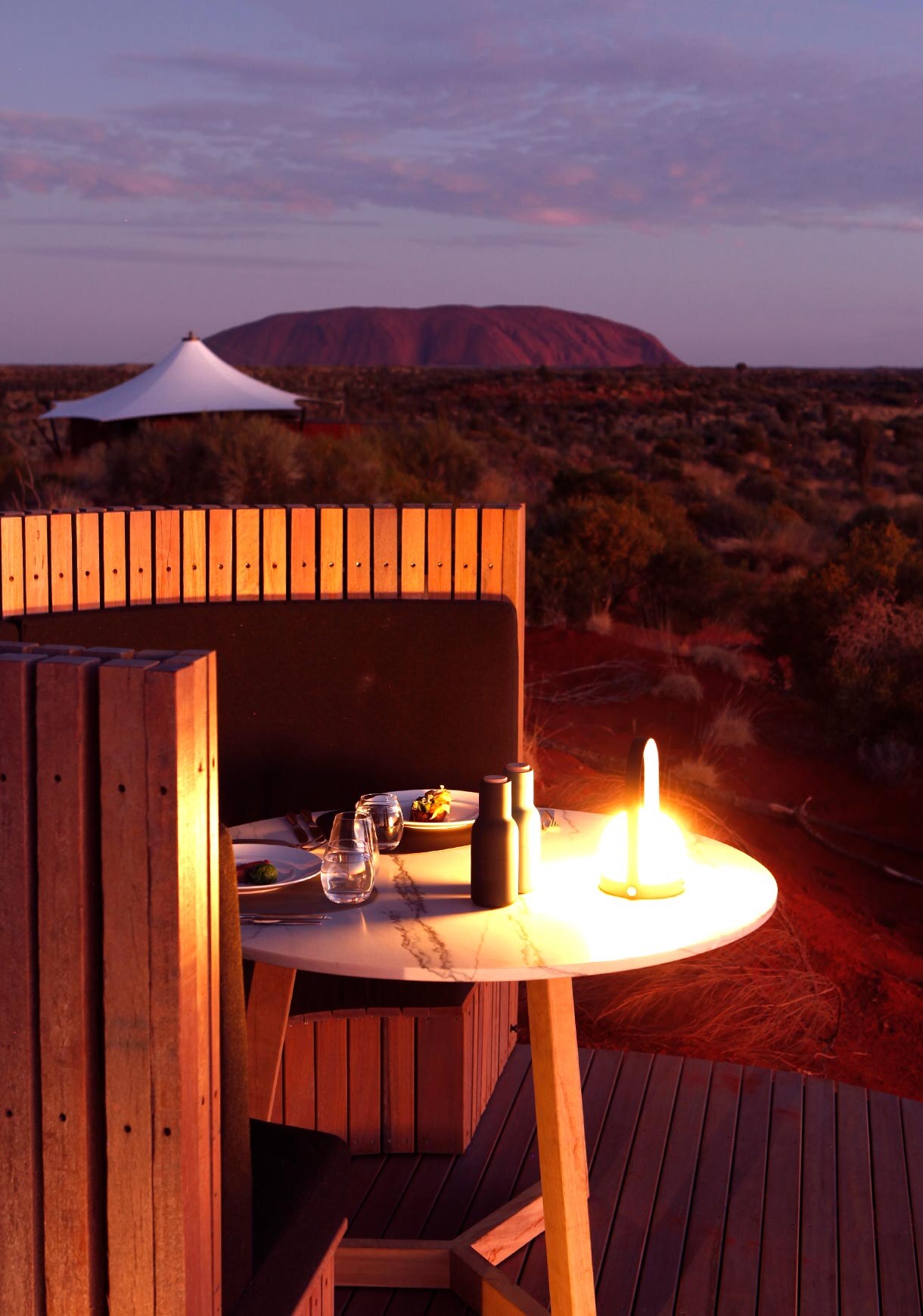
From there, the traveler carries that understanding forward. You do not need an explicit Indigenous cultural experience at every stop. You need the foundation. Once it is established, every landscape that follows is received differently.
Slow Travel and the Australia Heritage Experience
The Ghan is not merely a luxury train journey. It is a commitment to pace: a luxury train ride nearly three thousand kilometres from Adelaide to Darwin, crossing landscapes walked and known for tens of thousands of years. Off-train excursions at Alice Springs and Katherine Gorge offer encounters with Country that no transfer vehicle window can replicate. The desert gives way to tropical savannah, and the sheer scale of that transition demands stillness.

I believe that slowness itself is part of respecting Country. There is something about the deliberate choice to move through a landscape at a pace that allows comprehension rather than consumption. The luxury is not speed or efficiency. It is time. Time to listen, time to observe, time to understand that the land beneath the rails has been known and cared for long before the tracks were laid.
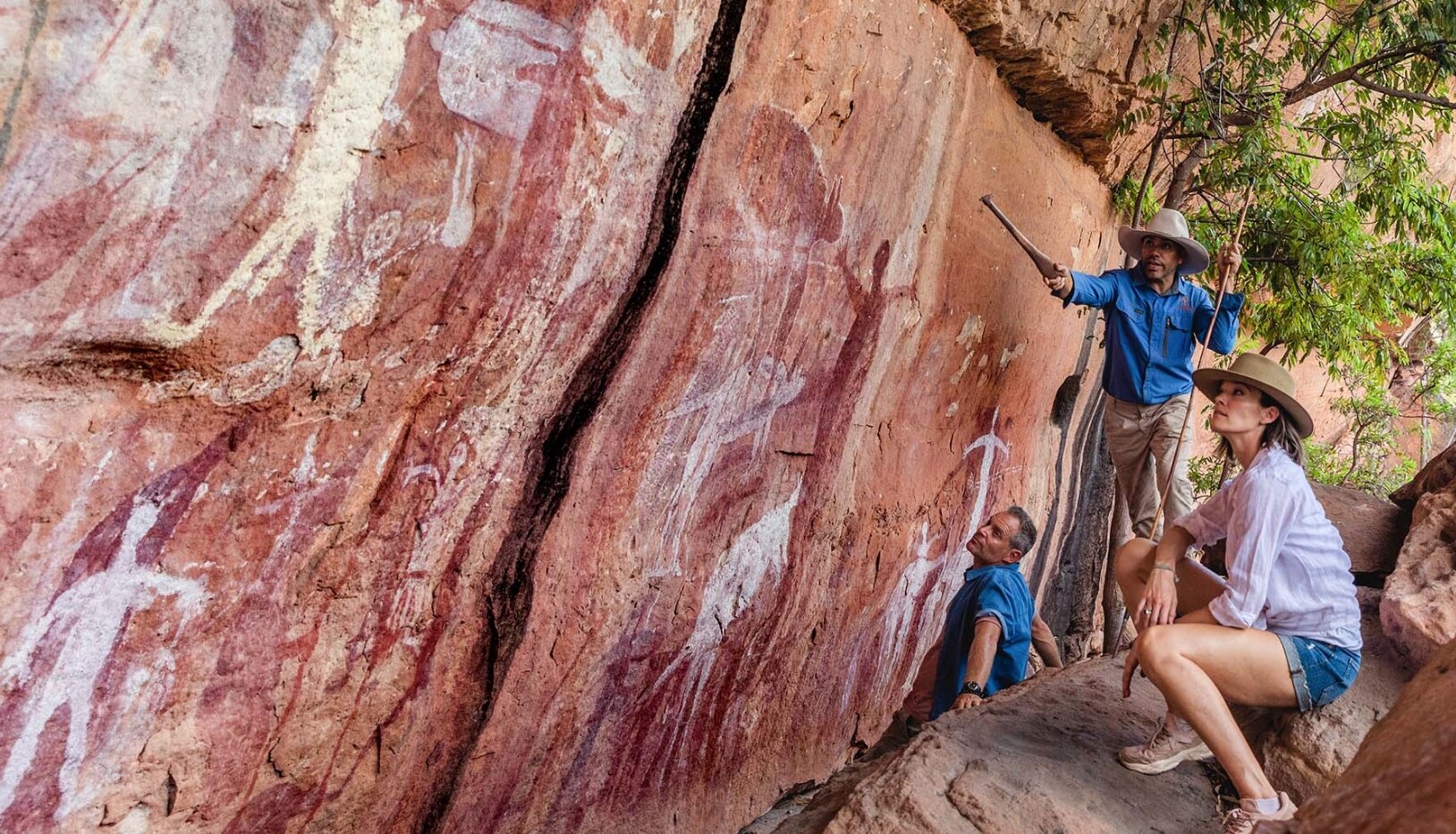
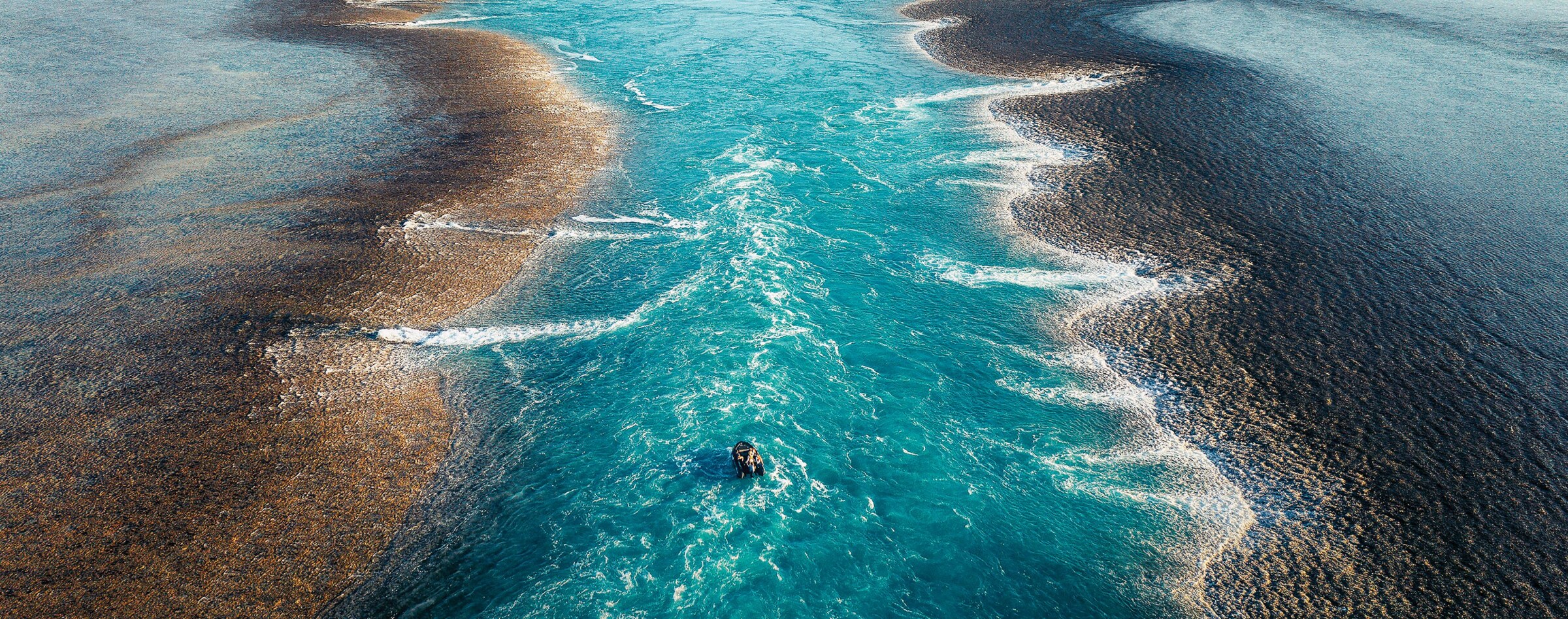
The Kimberley reinforces this. Whether aboard Silversea's Silver Cloud on an expedition voyage or at El Questro Homestead in the wilderness, the Kimberley does not reward haste. Zodiac landings along the ancient coastline reveal rock art galleries that predate European civilization by tens of thousands of years. The tidal movements, the gorge systems, the quality of light at dawn over the Berkeley River — all of it demands a different kind of attention.
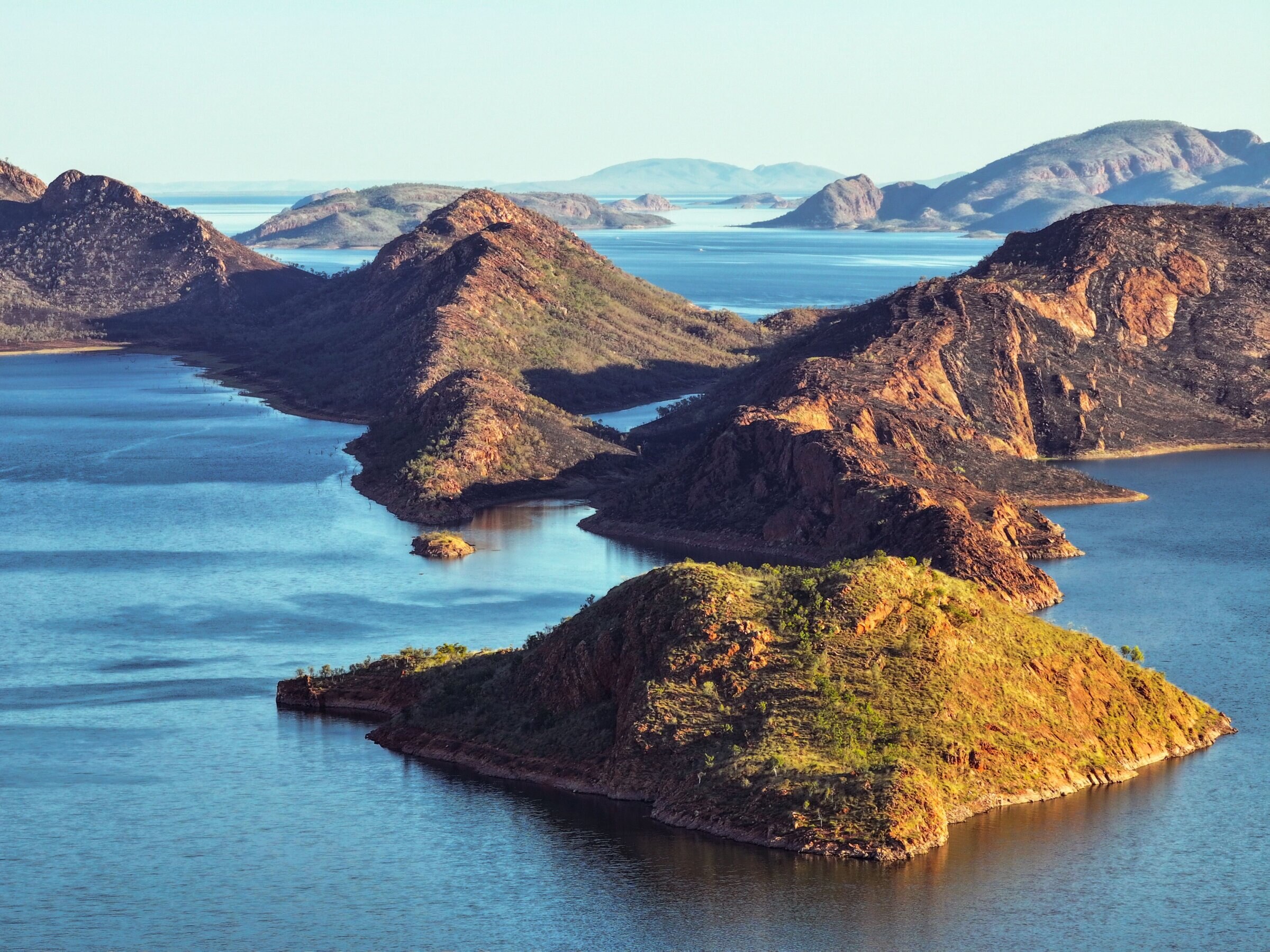
I remember standing on the rim of a gorge outside Broome at dusk — I was there on a work trip, not a holiday, and I had no particular agenda for that evening. The light had turned the rock face a deep, burnished red, and a colleague who had grown up on Country said quietly, almost to himself, that this place had a name, and that name carried the story of how water had moved through it for thousands of years. He did not elaborate. I understood then that what I was looking at was not scenery. It was a record — one I did not have the language to read, but one I had a responsibility to acknowledge.
Building a Luxury Indigenous Heritage Itinerary Across Australia
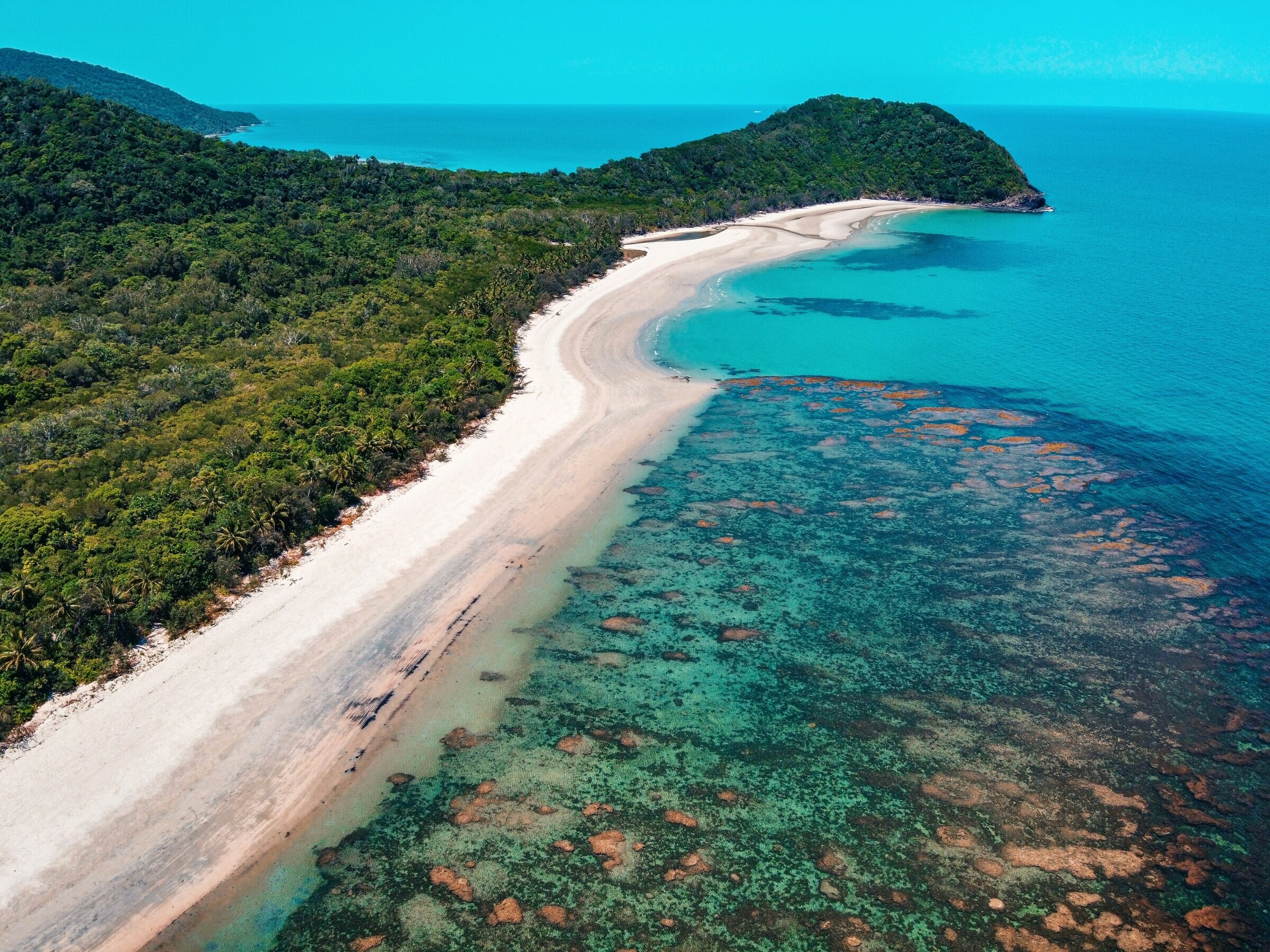
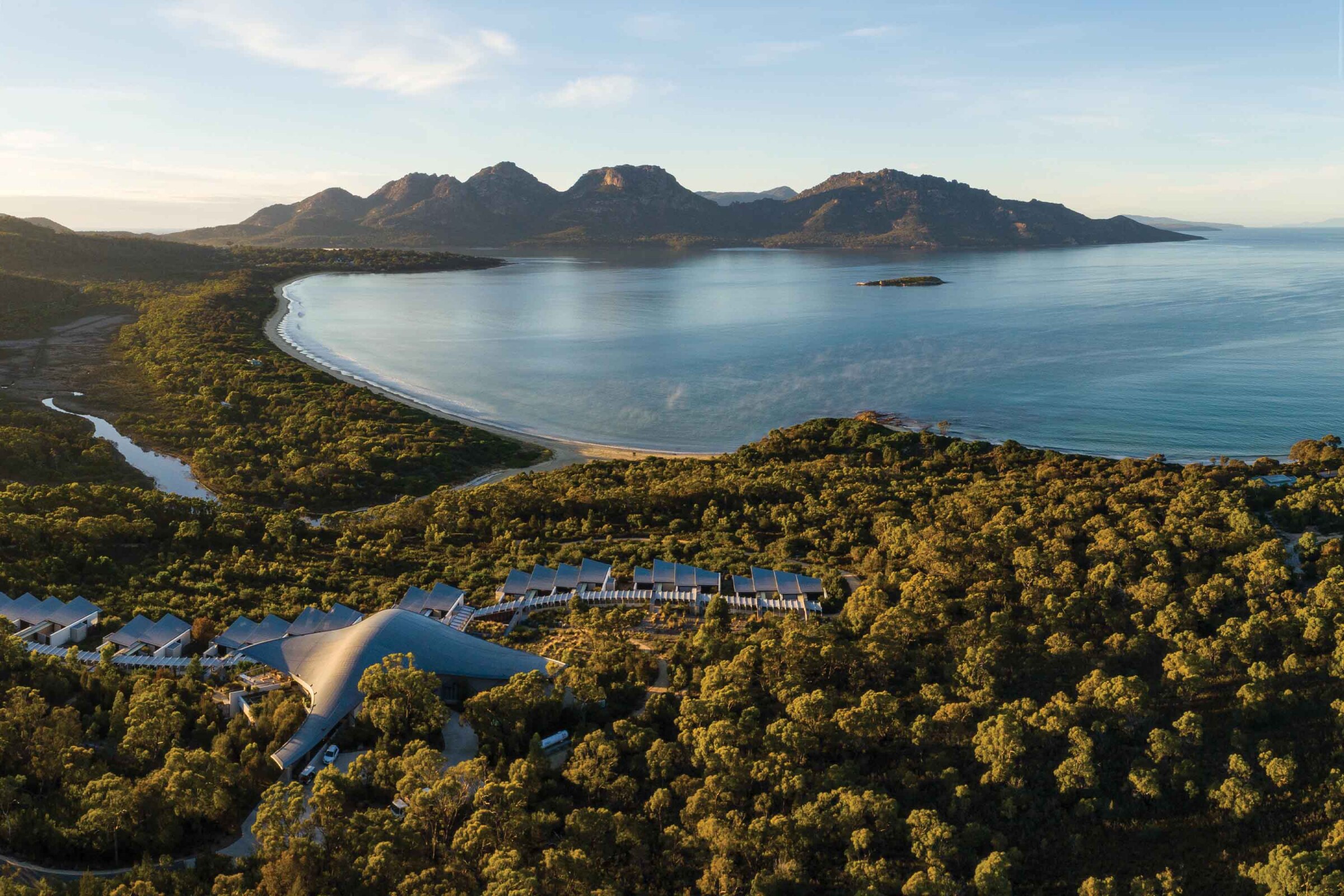
I see the journey continuing through the Daintree at Silky Oaks Lodge, where Kuku Yalanji Country offers one of the most concentrated intersections of rainforest, reef, and Indigenous heritage in Australia. Then to the Great Barrier Reef and Qualia on Hamilton Island, where the Whitsunday waters carry deep cultural histories. Finally, to Saffire Freycinet in Tasmania, where the coastal drama of the Freycinet Peninsula sits on palawa kani Country with a history that stretches back to the last Ice Age.
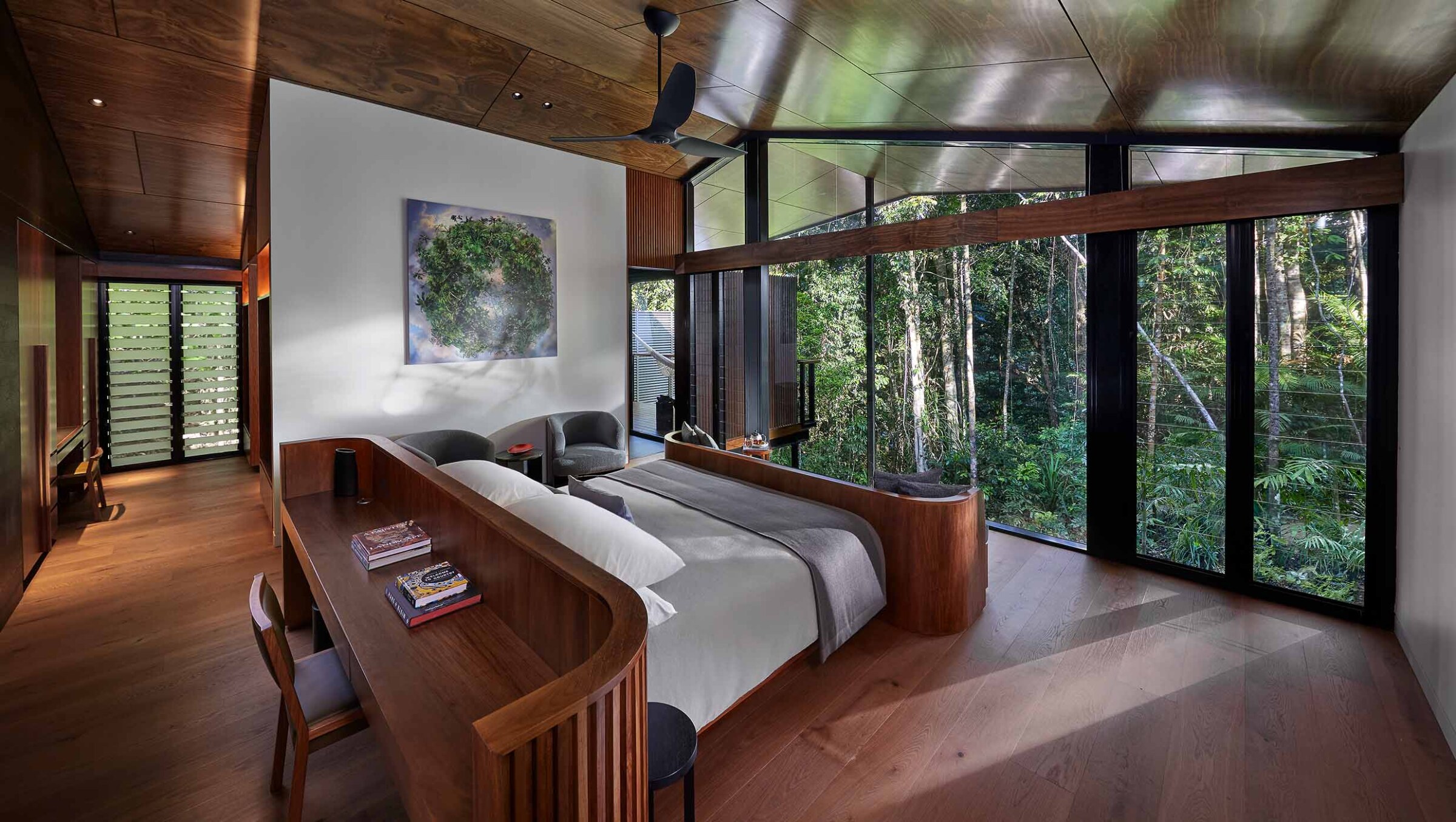
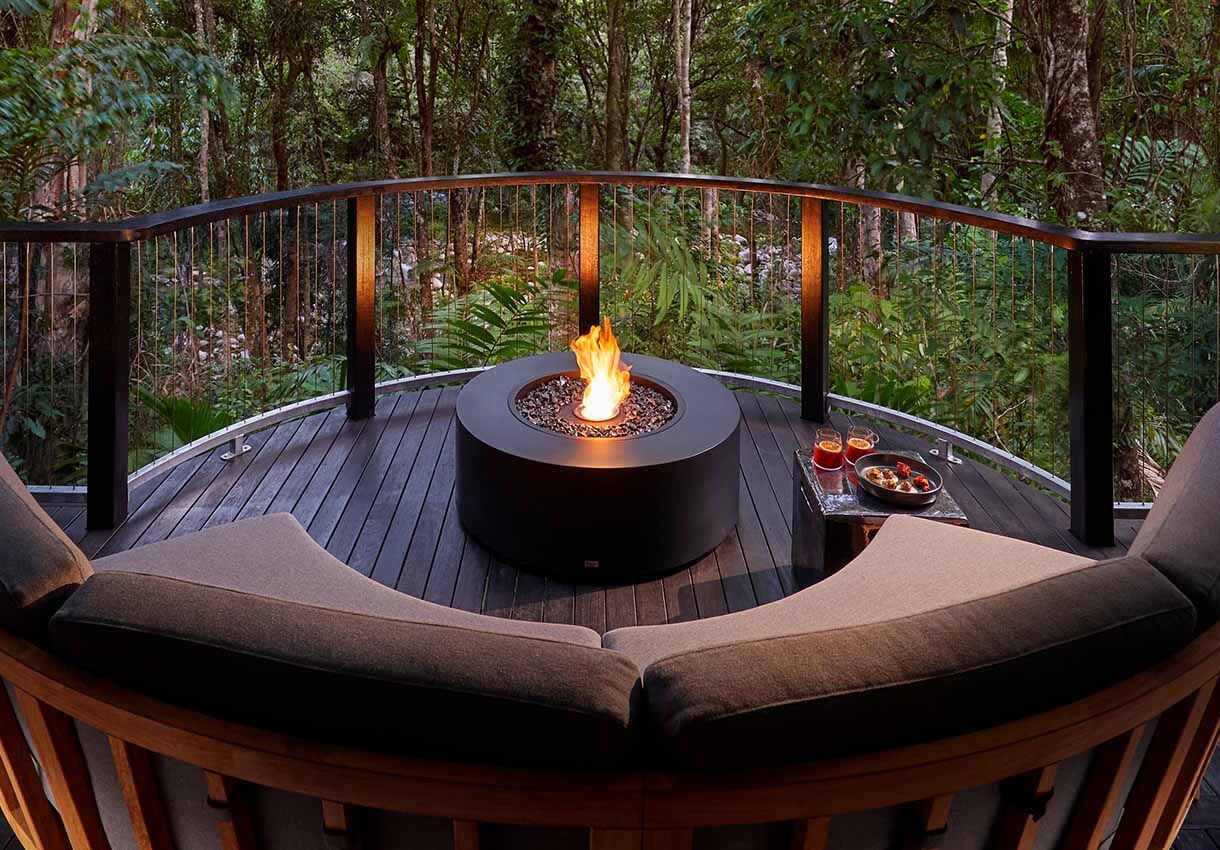
A journey designed with this kind of depth requires time, and I say that as practical guidance, not a philosophical preference. Australia's distances are not incidental — they are part of what the country is. Allow at least two weeks for a meaningful journey focused on two or three regions. To move thoughtfully from the Red Centre through the Kimberley, the tropical north, the reef, and Tasmania without compressing what each place deserves, plan on at least four weeks. That is not excess. It is the minimum the country asks of you if you want to receive it properly.
Not every stop on that journey requires a structured cultural experience. Some moments educate. Some inspire. Some invite reflection. And some are simply there to allow travelers to absorb what they have already encountered. Together, they create a journey that is greater than the sum of its parts.
For many of my clients, this resonance comes naturally. Family office principals and leaders already think in terms of stewardship. They build businesses, preserve family legacies, invest with a long-term view, and think in generations rather than quarters. There is a natural affinity between that mindset and the Indigenous concept of caring for Country. They are different philosophies, but both ask us to think beyond ourselves and consider what we leave behind.
Planning Your Australia Heritage Journey: The Properties That Anchor the Trip
Consider this a working guide — not a complete prescription, but a framework for how to think and what to look for. The specifics of any well-designed Indigenous heritage journey through Australia depend on the client, the region, and the depth of experience they are seeking. That said, there are touchstones I return to when designing these itineraries.
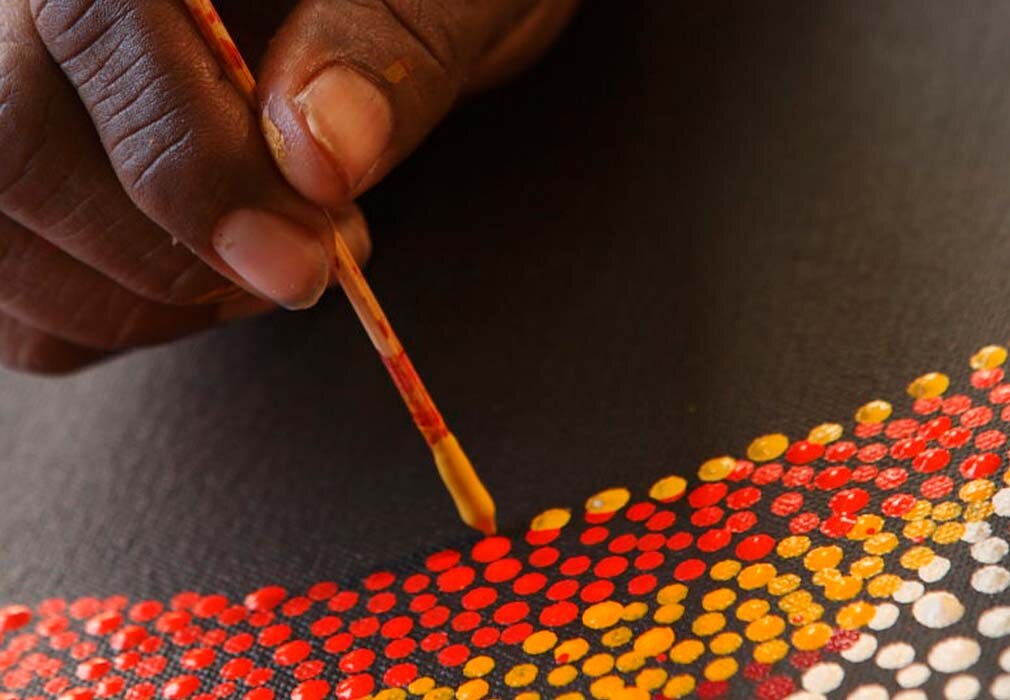
At Uluru, Longitude 131° is the benchmark, not simply for its design and service, but because it positions guests for genuine Anangu cultural engagement through the Ayers Rock Resort's cultural experiences, including guided sunrise walks and the Maruku Arts centre where Anangu artists work and share their traditions.
In the Kimberley, Silversea's Silver Cloud expedition voyages offer Zodiac access to rock art sites and gorge systems inaccessible by any other means. El Questro Homestead delivers a more intimate immersion in station country and the Gibb River Road wilderness.
In the Daintree, Silky Oaks Lodge sits at the edge of Kuku Yalanji Country, and a guided cultural walk with a Traditional Owner guide reframes what rainforest means entirely. For the reef, Qualia on Hamilton Island delivers the service infrastructure; the cultural layer comes through curated connections I facilitate with local knowledge holders.
And in Tasmania, Saffire Freycinet opens the door to Palawa Kani Country through the Freycinet Peninsula — a landscape that requires time and context to be properly received.
For The Ghan, the off-train experiences at Alice Springs and Katherine are where the cultural depth lives. The Alice Springs Desert Park offers an outstanding introduction to Arrernte Country and desert ecology; the Nitmiluk Gorge excursion at Katherine connects travelers directly with Jawoyn custodianship of one of the most significant gorge systems in northern Australia.
These are starting points, not a complete prescription. The sequencing, the pacing, the specific guides and operators I recommend within each region — those are the details I work through with each client individually, shaped by what they are seeking and what they are prepared to receive.
What never changes is the principle.
Indigenous heritage is not another layer added to an itinerary. It becomes the lens through which the entire journey is understood.
Anyone can return from an Indigenous Australian travel itinerary with photographs of Uluṟu, the Kimberley, and the Daintree. But when a journey is designed with this kind of intentionality, they come home understanding why those places matter. They begin to see the landscape not as scenery, but as Country. Country that has been known, cared for, and inhabited for over 65,000 years.
Considering Australia? Tell me which places, stories, or experiences are drawing you there. I will help you shape a journey with the right Indigenous guides, the right time in each region, and the space to engage with what you find.
Connect with me below to start the conversation.
FAQ
How should luxury travelers approach Indigenous cultural experiences in Australia?
I design every journey around Country rather than landmarks. Indigenous heritage should provide the foundation of the itinerary, not as a half-day excursion appended to something else. When the cultural lens is established early, every landscape you encounter is transformed.
How long should a luxury Indigenous heritage journey through Australia take?
Allow at least two weeks for a meaningful journey focused on a few regions. To include the Red Centre, Kimberley, tropical north, reef, and Tasmania without rushing, plan on at least four weeks. Australia's distances, and time zones, make it far more rewarding to choose your priorities than to try to see everything in one trip.
Is this kind of journey suited to ultra-luxury travelers?
It is precisely suited to them. The infrastructure exists at the highest level, from Longitude 131° at Uluru to Silversea expedition voyages in the Kimberley to Qualia on the Great Barrier Reef. What distinguishes this journey from a standard luxury itinerary is intentionality. Not a compromise in service.
What is the best time to visit Australia for an Indigenous cultural experience?
It depends on the region, and getting the timing right matters. The Kimberley is best experienced during the dry season — May through September — when the gorges, coastline, and rock art sites are accessible and the heat is manageable. Uluru and the Red Centre are most comfortable in the cooler months of April through September; summer temperatures can exceed 45°C and limit what is possible. The Daintree and Far North Queensland are best visited during the dry season as well, roughly May through October, before the wet season closes roads and trails. Tasmania is most accessible from November through April, when the Freycinet Peninsula is at its most dramatic. If you are designing a journey that moves across multiple regions — and I would recommend that you do — the sequencing needs to account for these windows carefully. That is one of the reasons the architecture of the itinerary matters as much as the destinations themselves.
What is a Welcome to Country ceremony, and what should travelers know about it?
A Welcome to Country is given by a Traditional Owner or authorised representative of the Country you are visiting. It welcomes guests and recognises their connection to that land. An Acknowledgement of Country is different: anyone can offer one as a mark of respect. As a visitor, the most important thing is to listen and follow your host’s lead.

Plan your next journey with
Alisha MyersAlisha Myers is a Forbes Travel Guide endorsed Elite Travel Advisor with LuxRally Travel. She specializes in high-complexity, high-touch travel for executives, founders, and families who require more than standard itinerary planning. Her work includes private retreats for CEOs, multi-generational travel, and family office travel programs designed around access, discretion, and seamless execution. Her writing in The LuxRally Journal reflects the same perspective. She explores destination intelligence, the private infrastructure behind ultra-high-net-worth travel, and the growing gap between what discerning travelers expect and what the traditional travel industry typically delivers. Her most widely read pieces focus on what real access looks like at the highest level, and how the right advisor can fundamentally change the travel experience. Readers often come across her work while searching for clarity in complex travel planning. Those who connect with it tend to value insight over inspiration, and execution over aesthetics. She is based in Austin, Texas and works with clients globally.
Related Stories

Family Office Travel: Planning, Booking, and Supporting, From First Call to First Trip
A practical look at how a luxury travel advisor begin working with a family office, from the first conversation and approval process to itineraries, 24/7 support and what we learn after the first trip.
By Alisha Myers
A Luxury Weekend in London: Protecting Time, Not Filling It
Private after-hours access at the National Gallery. Afternoon tea at Claridge's. The Belmond British Pullman threading through the English countryside. 48 hours in London, done right, begins with a single question I ask every client: what do you want these hours to feel like?
By Alisha Myers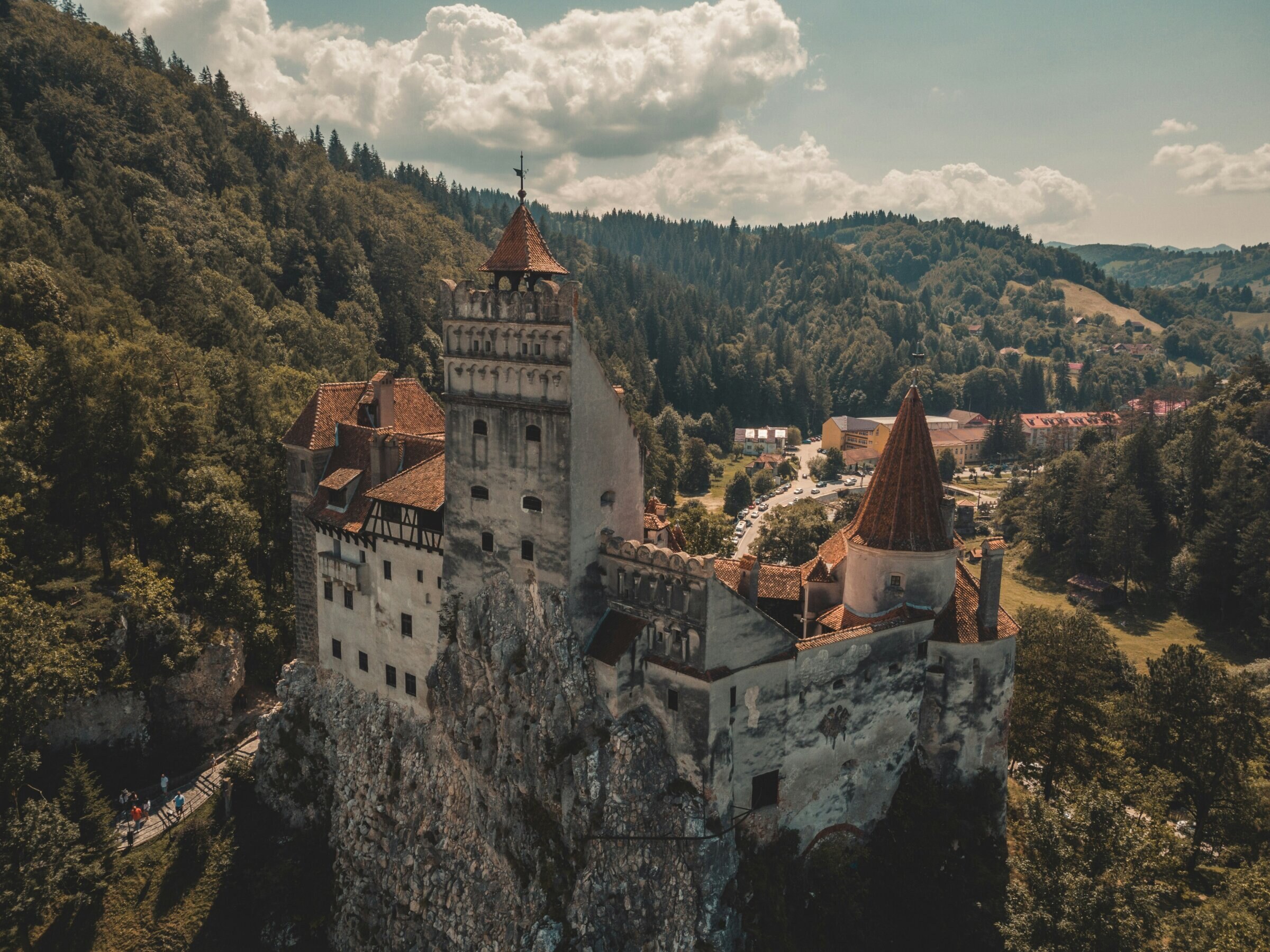
I Visited Dracula's Castle in Transylvania, Romania — and It's Lesser Known, Better Neighbor
I grew up watching Dracula movies on Saturday-night TV — so booking a day trip from Bucharest to Bran Castle felt like a childhood dream come true. Transylvania delivers: Gothic towers, stone corridors, and castles so eerily atmospheric they don't need the legend to impress.
By Nicole Severson
It Not About Remembering: Why Travel Matters During Early Childhood
Forget whether they'll remember it — that's the wrong question. Research suggests the value of early travel lives in the brain connections being built in real time, not the memories stored later. Here's what that means for how you plan family travel.
By Alexis Dunfee
Four Types of Solo Trips to Take When You're Done Waiting on Someone Else
After over a decade of waiting on others, I decided to see the world for myself, alone. Here are four types of solo trips, personally tested by a luxury travel advisor — from group expeditions to fully private tours.
By Shebna Garcon
An Argument for Luxury Slow Travel: Instagram is Ruining Travel for Everyone
Perfectly curated moments. Perfectly cropped. Perfectly hollow. Instagram has turned travel into performance — and the destinations, the bystanders, and the travelers themselves are all paying the price.
By Jennifer Jilot