
Vietnam Destination Guide
Why Hải Phòng, Vietnam Should Be on Every Luxury Traveler's Itinerary
French colonial architecture, extraordinary multi-story cafés, and the quiet beauty of Tam Bạc Lake — Hải Phòng is Vietnam's best-kept secret, especially for solo travelers and couples seeking luxury off the beaten path.
November 18, 2026
I thought I knew Vietnam. I'd studied the usual itinerary for my own trips and clients — Hà Nội's frenetic Old Quarter, Hội An's lantern-lit riverfront, Hồ Chí Minh City's rooftop cocktail bars. Most travelers who venture further north add Hạ Long Bay or debate Cát Bà versus Hạ Long as if that choice defines the region. I'm a luxury travel advisor, and I thoroughly vet and research destinations before I send my clients there. When Hải Phòng landed on my radar, I knew I had to see it first.
As I walked through the city, I realized I'd stumbled upon a well-kept secret. The French colonial architecture stopped me mid-step. The cobblestone streets felt like a lost chapter of Indochina. The café culture — not just coffee shops, but multi-story architectural experiences — was more thoughtfully designed than anything I'd encountered in the country's headline cities.
Hải Phòng was a surprise that I want to share with as many people as possible, starting right here.
Hải Phòng Travel Guide: A City That Rewards the Wanderer
Hải Phòng doesn't shout. It murmurs. This port city sits roughly two hours east of Hà Nội, and has a quiet beauty that reveals itself only to travelers willing to slow down and wander.
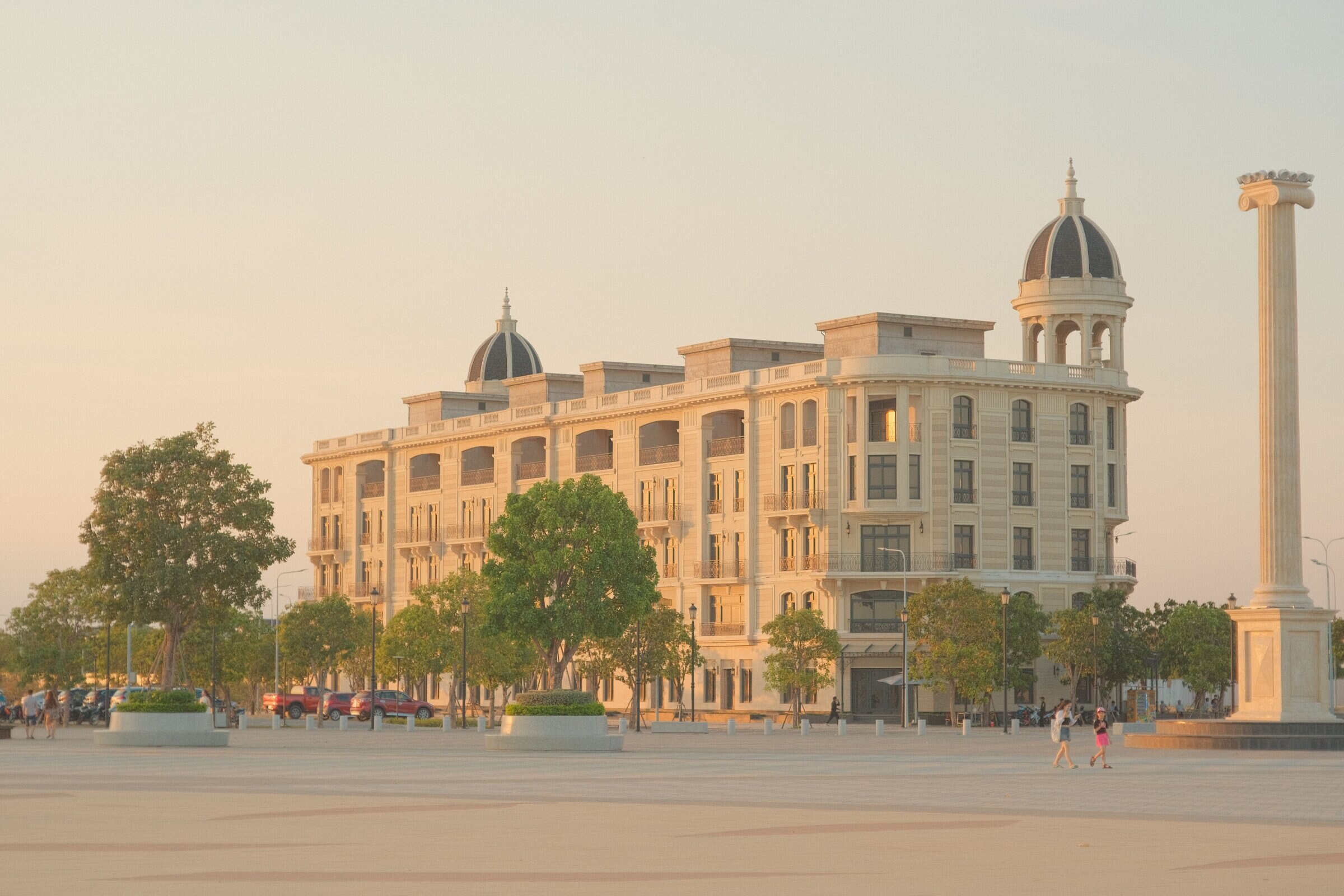
The day I arrived, the sky was overcast, and instead of muting the city, the soft light gave everything an almost painterly quality — muted reds of colonial façades, the cool gray of cobblestone, green reflections rippling across water. I spent my time on foot, walking the perimeter of Tam Bạc Lake, where vendors sold their goods along the water's edge and locals fished in the shallows. There was no jostling for space, no tourist crush. It felt like a city that belonged entirely to the people who lived there, and I was simply welcomed into the rhythm.
The water at Tam Bạc was a perfect reflection of the sky — flat, pewter-gray, occasionally broken by the slow drift of a fishing line. I wasn't there at any particular hour I'd planned for. It was mid-morning, maybe edging toward noon, and the overcast light made it impossible to tell. What I remember most is how quiet it was, even with the layers: vendors calling to each other across the path, the rush of mopeds and motorbikes on the road beside me, constant sounds that never felt particularly noisy. I sat at the edge of the lake for a while, not consulting my phone, not planning the next stop. Just sitting. That doesn't happen often on a trip. But in Hải Phòng I had time.
Two landmarks anchor the colonial streetscape. The Hải Phòng Opera House, built in 1904 and modeled closely on the Opéra Comique in Paris, sits on a wide, tree-lined boulevard. Its cream-and-sage façade, wrought-iron balconies, and symmetrical colonnades are almost shockingly grand for a city most travelers skip entirely. A few blocks away, the Hải Phòng Museum occupies another colonial-era building — terracotta rooflines, shuttered windows, a grandeur that feels more like a governor's residence than a civic institution. Neither requires a ticket as a major attraction. They simply exist, beautifully preserved, a perfect discovery.
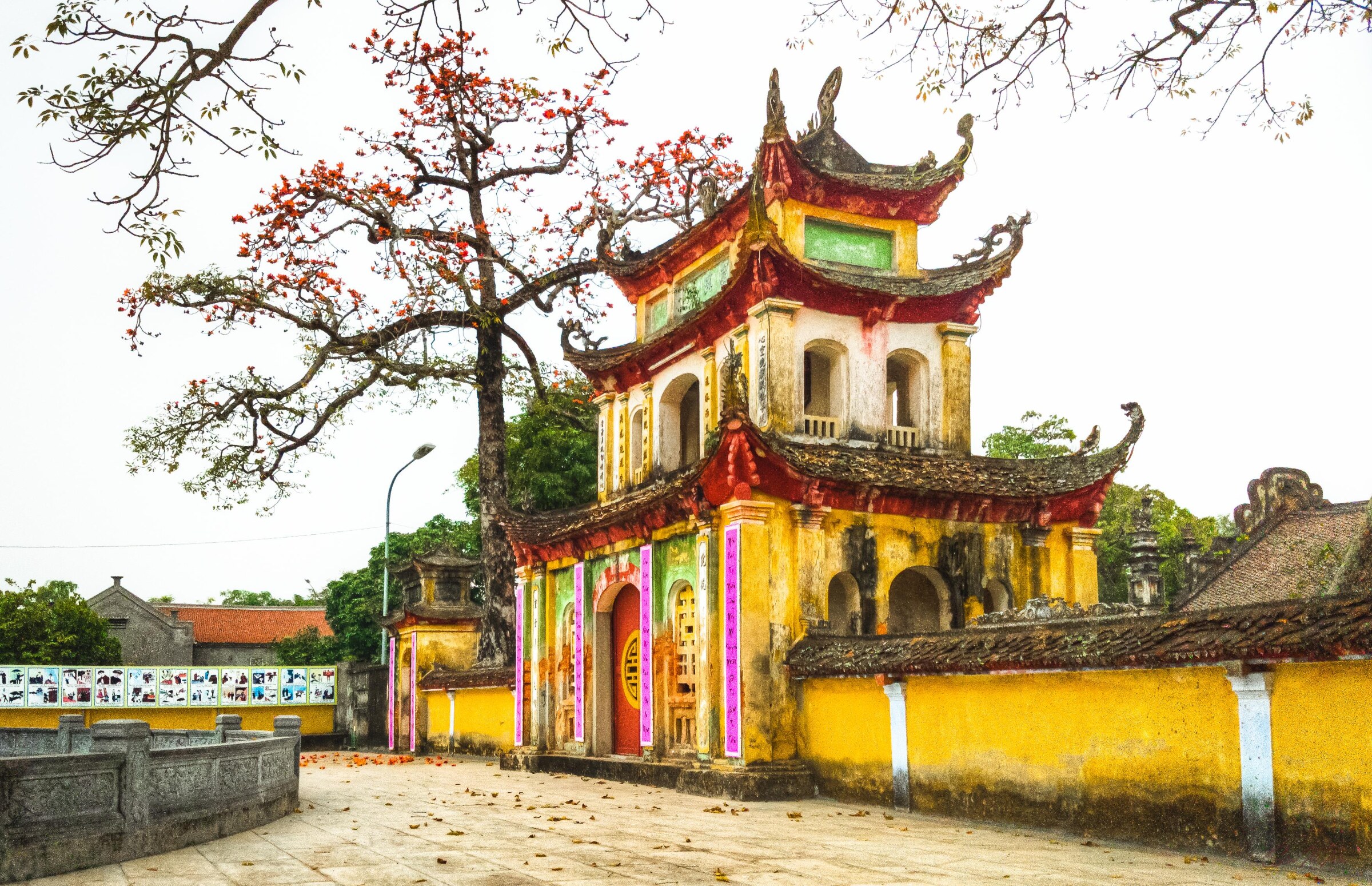
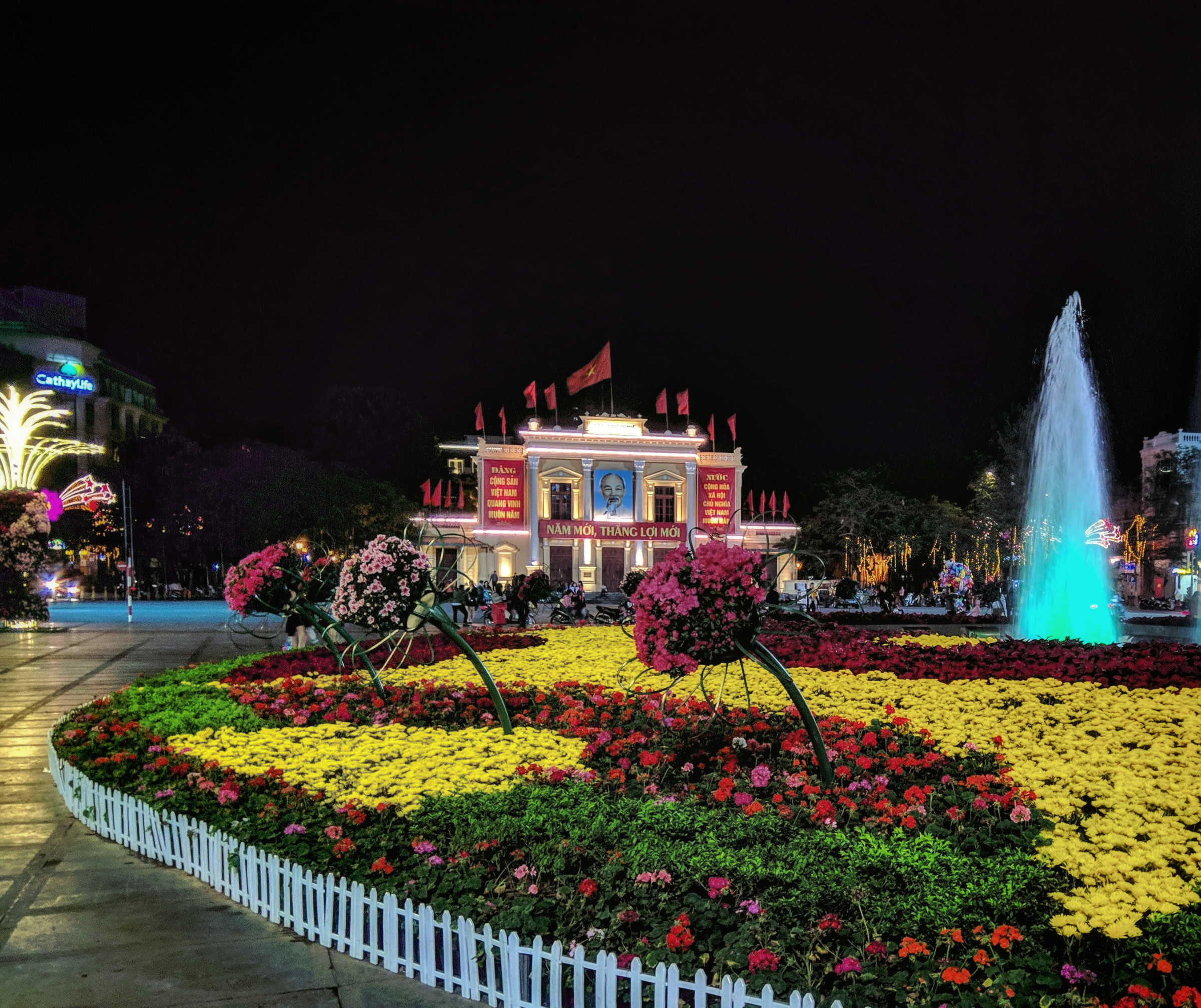
Hải Phòng rewards any luxury traveler who values discovery over itinerary-checking. The city is quiet enough to think, beautiful enough to linger, and specific enough to feel like a real find — whether you're moving at your own pace, wandering with a partner, or looking for a unique reset.
The Café Culture You Didn't Know You Wanted
Hải Phòng is one of Vietnam's best-kept secrets. I spent much of my time exploring cafés around Tam Bạc Lake, and what I found wasn't just good coffee. These were extravagant, multi-story spaces with robust menus, thoughtful interior design, and so much room to breathe. Each one was a place to relax for hours.
Solo travelers will feel immediately at ease here. I walked alone without a second thought. Street-level dining is built for solo eating too: you pull up a low plastic stool, point at something, and within minutes a bowl of bánh đa cua arrives. No one looks twice. And the cafés are perhaps the best solo activity I've found anywhere. You're never conspicuously alone in a space like 1986 Cafe. There's too much to look at, too much going on above and below you, fish circling in still water and light shifting through the skylights. You can spend hours there by yourself and never once feel like you're missing company.
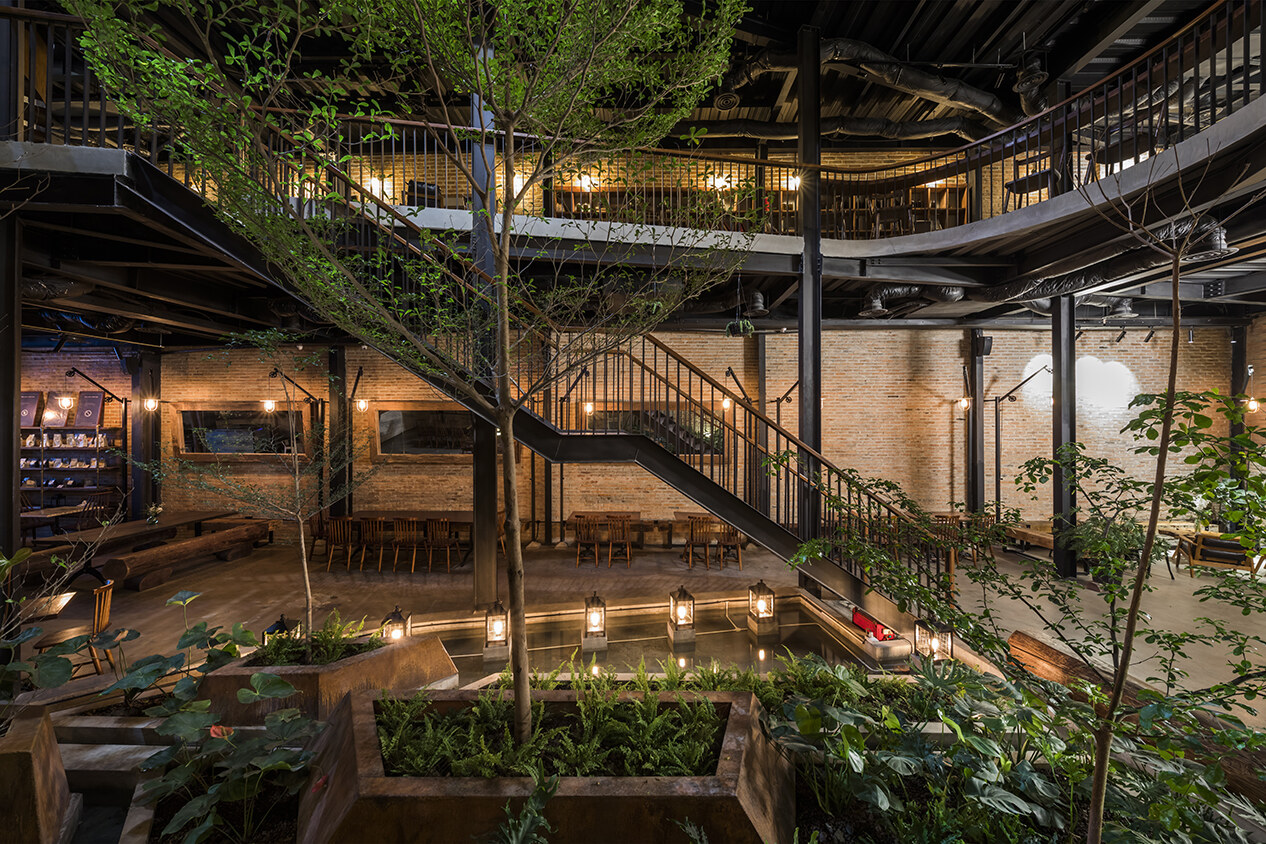
The materials tell their own story: weathered, exposed red brickwork integrated with rusted iron plates and raw textures. Antique wooden tables and chairs, vintage benches, custom art tiles, and bookshelves foster a scholarly, retro charm. Soaring glass skylights and floor-to-ceiling windows flood the brick chambers with natural daylight that shifts through the day. And then there are the indoor trees — actual shade trees growing straight through gaps in the floor — alongside planted shrubs, hanging greenery, and indoor water features complete with swimming fish.
1986 Cafe Hải Phòng is, without exaggeration, one of the most extraordinary café spaces I have ever walked into. Others worth finding include Trà Chanh Đường Thi, known for its airy rooftop terrace overlooking the lake, and The Warehouse Coffee, which tucks a lush courtyard garden behind an industrial-chic façade — both easy to stumble into while looping Tam Bạc.
Eating in Hải Phòng: Local by Nature
At some point, the coffee gives way to hunger — and Hải Phòng is ready for that too. The dining scene won't hand you a white-tablecloth moment, but that's precisely the point. The city's food culture is street-level, proudly local, and deeply tied to its port heritage. It reinforces everything that makes Hải Phòng worth visiting in the first place.
The dish you must seek out is bánh đa cua — a Hải Phòng signature that doesn't exist like this anywhere else in Vietnam. Wide, smoky red-brown rice noodles arrive in a rich crab broth, topped with freshwater crab paste, morning glory, and fried shallots. It is deeply savory, a little funky, and completely arresting. The lack of ceremony is its own kind of luxury.
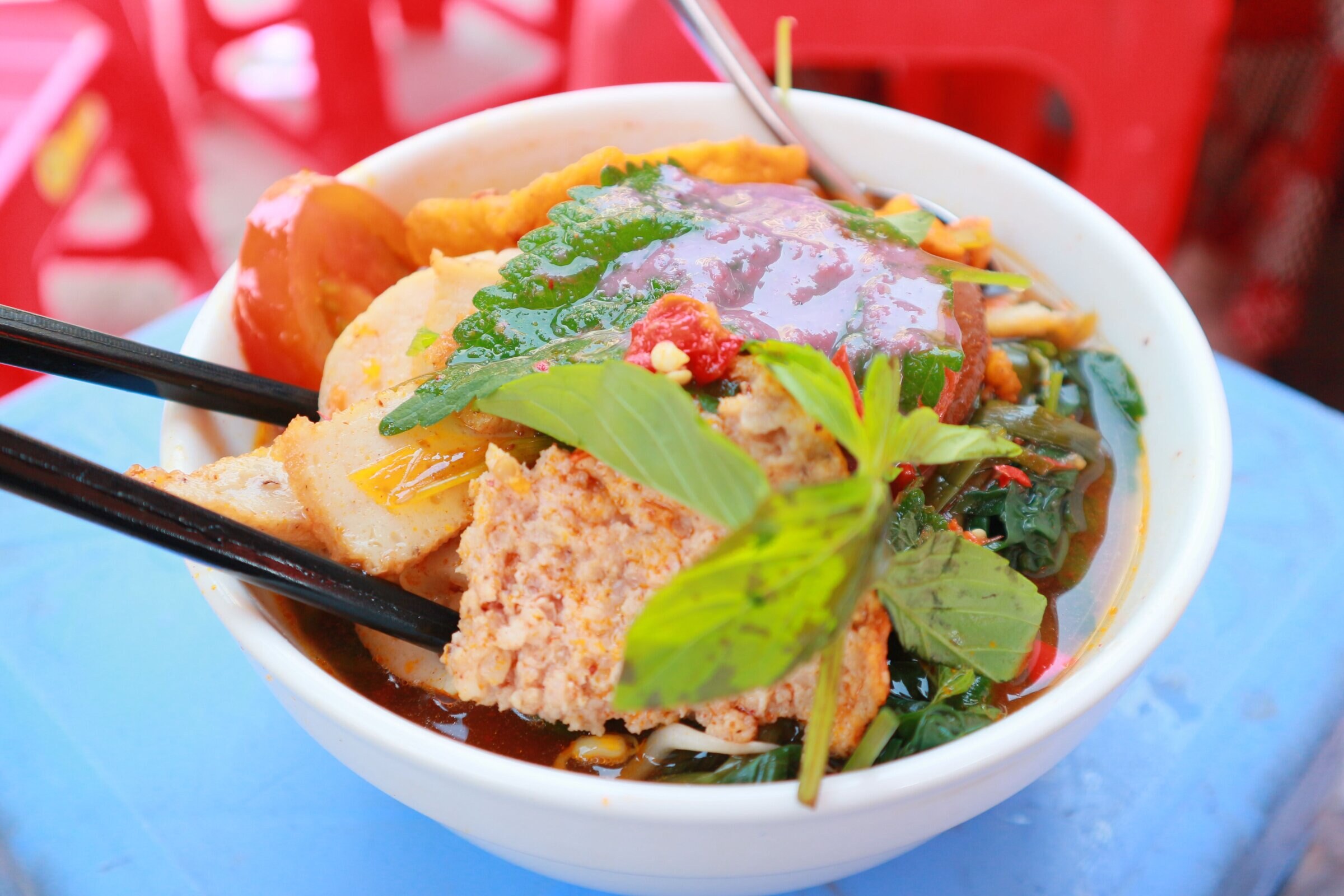
For a more refined setting, the riverside restaurants along the Cấm River are the move. Hải Phòng is a port city, so the seafood is freshly caught and simply prepared — grilled prawns, steamed clams, whole fish. The scene is spread along the riverfront rather than concentrated in one strip, but Nhà Hàng Hải Sản Biển Đông and the cluster near Bến Bính Ferry Terminal are reliable starting points. If you want a specific recommendation based on your group size and evening, reach out and I'll point you in the right direction.
For couples, the Cấm River is where the day should end. As the light fades on the water at dusk, the riverfront settles into a slower rhythm. Order local seafood, share a beer, and watch the river traffic thin out. The Level Lounge at the Meliá offers the perfect nightcap: evening cocktails and canapés in a private space above the city's bustle, just the two of you. That pairing — river at dusk, cocktails above the skyline — is a full evening without a single reservation required.
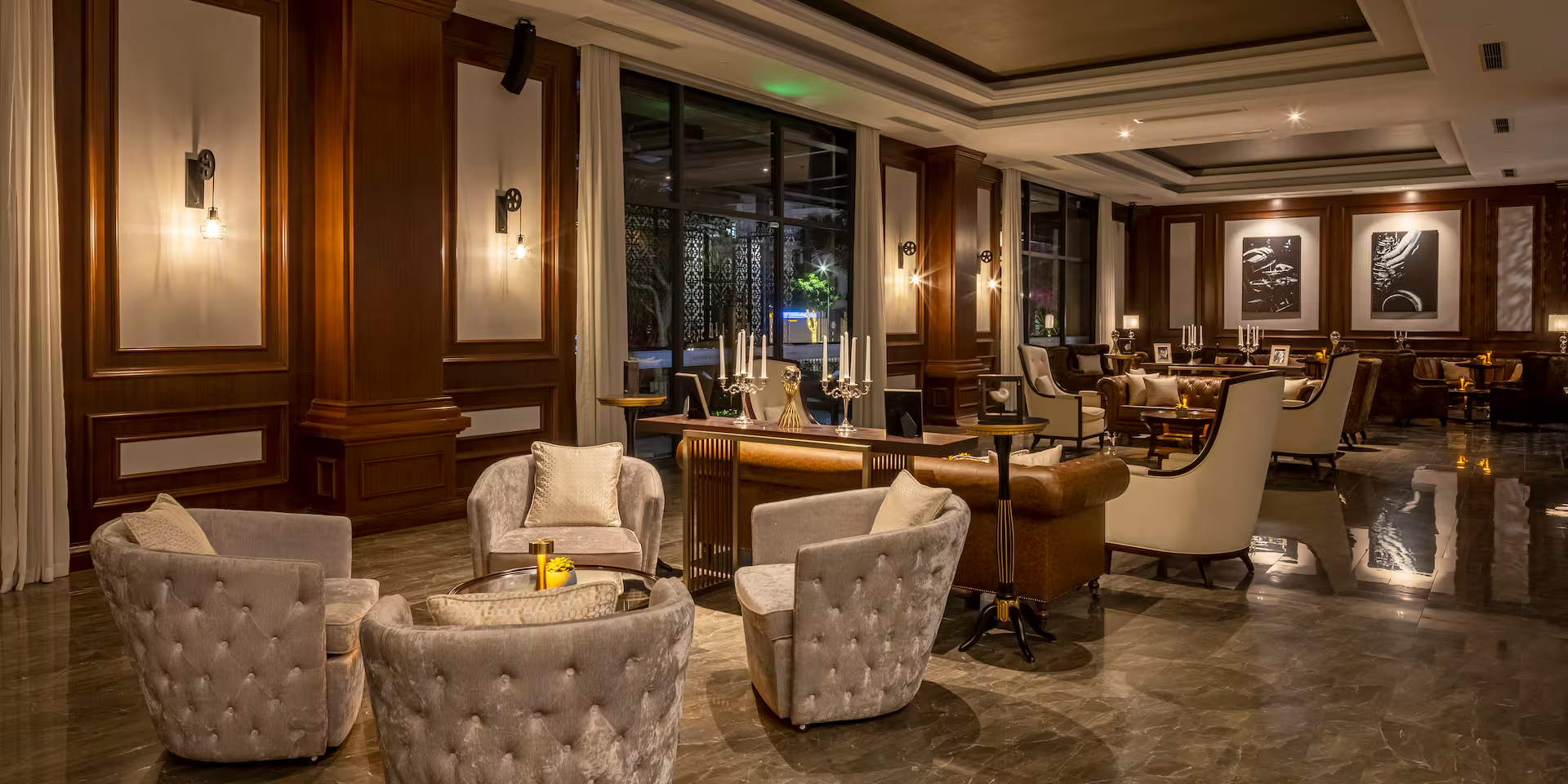
Best Place to Stay in Hải Phòng: Meliá Vinpearl Hải Phòng Riviera
Eventually, even the most extraordinary café must give way to the question every traveler arrives at: where do you stay? After hours of wandering, you'll want to spend your evening in luxury. The answer, without hesitation, is the Meliá Vinpearl Hải Phòng Riviera.
Hải Phòng has one primary luxury property, and that's the Meliá Vinpearl Hải Phòng Riviera. That's not a limitation so much as a clarifying fact: this city is not the place for a property comparison. Travelers choosing between the Aman and the Four Seasons in Tokyo or Kyoto will find a different calculus here. What the Meliá offers is reliable luxury quality in a city where the real attractions are outside the hotel walls — perfect for exploring a hidden gem. I stayed here myself on this trip, and I would recommend it without hesitation. The property is polished, well-serviced, and perfectly positioned as a base for exploring the city.
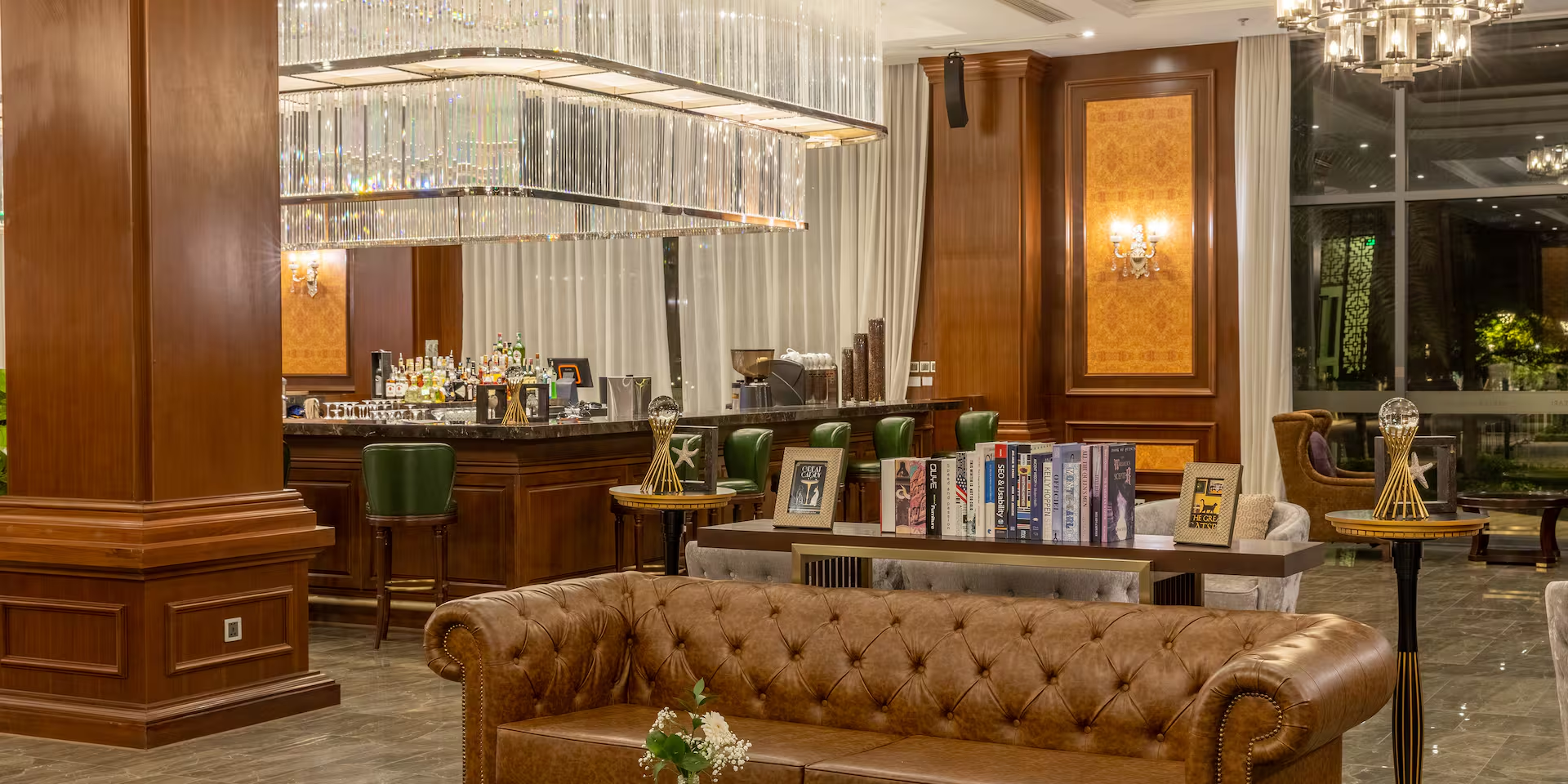
You'll be spoiled for choice with fine dining, bars and lounges, an outdoor pool, full gym facilities, balconies on all rooms, and the YHI spa (which includes a steam room, sauna, and whirlpool tub). Rooms range from $50-$80 per night for entry-level rooms, while the Level rooms start closer to $130-$200 per night. Rates do change depending on season and availability, so reach out for the most accurate quotes.
My personal recommendation? Book the Level rooms. The view alone justifies it — floor-to-ceiling windows looking out over the river and the city rooftops, the kind of view you stand at for a few minutes before you can bring yourself to unpack. Level guests check in through a dedicated lounge rather than the main lobby, and that Level Lounge becomes the rhythm of the day: private breakfast in the morning, curated cocktails and canapés in the evening, a quiet space to decompress between the city's street-level energy and your room. The refined finishes throughout — warm wood tones, crisp linens, thoughtful lighting — give the rooms a quieter, more residential feel than the standard categories.
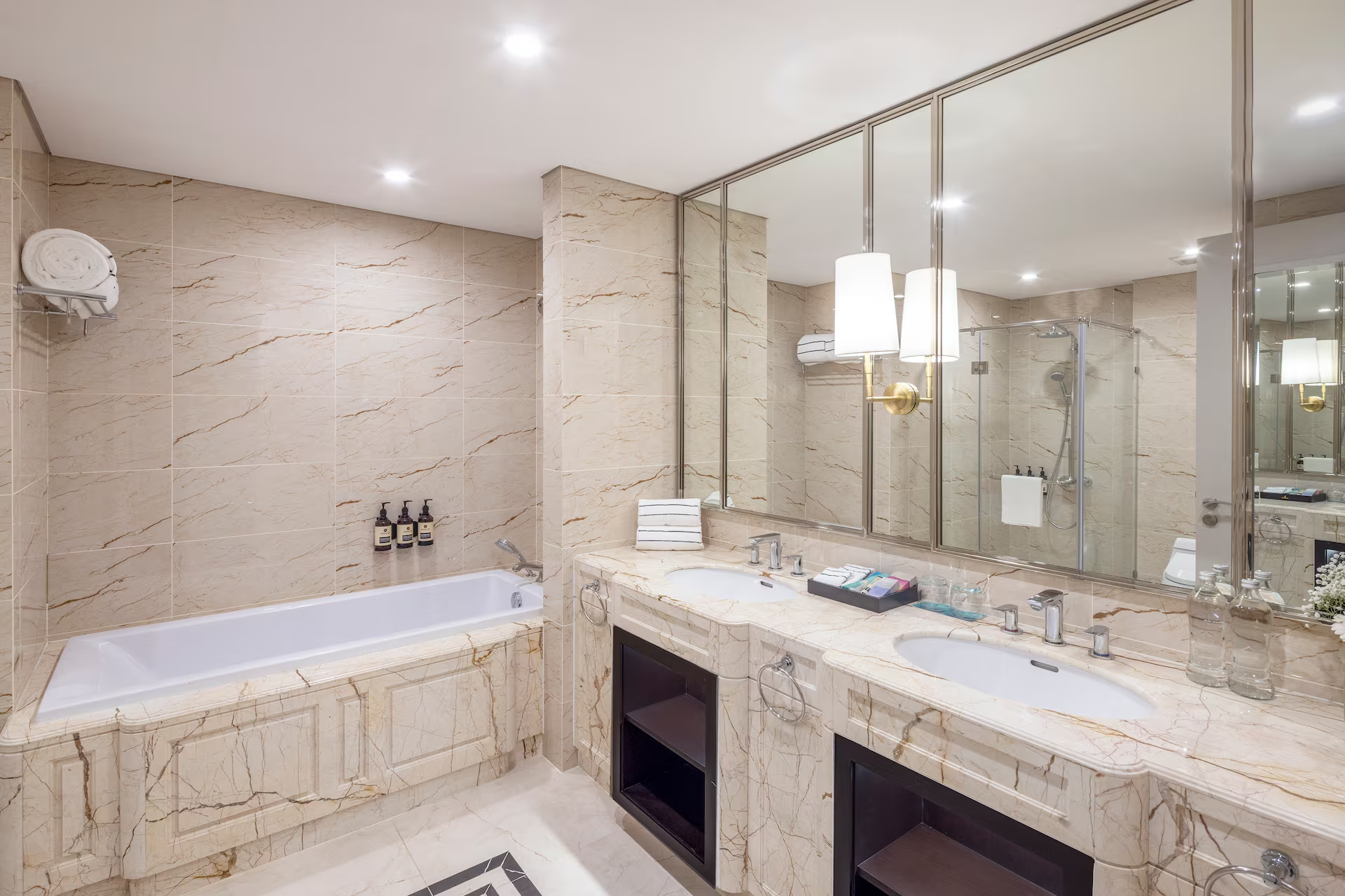
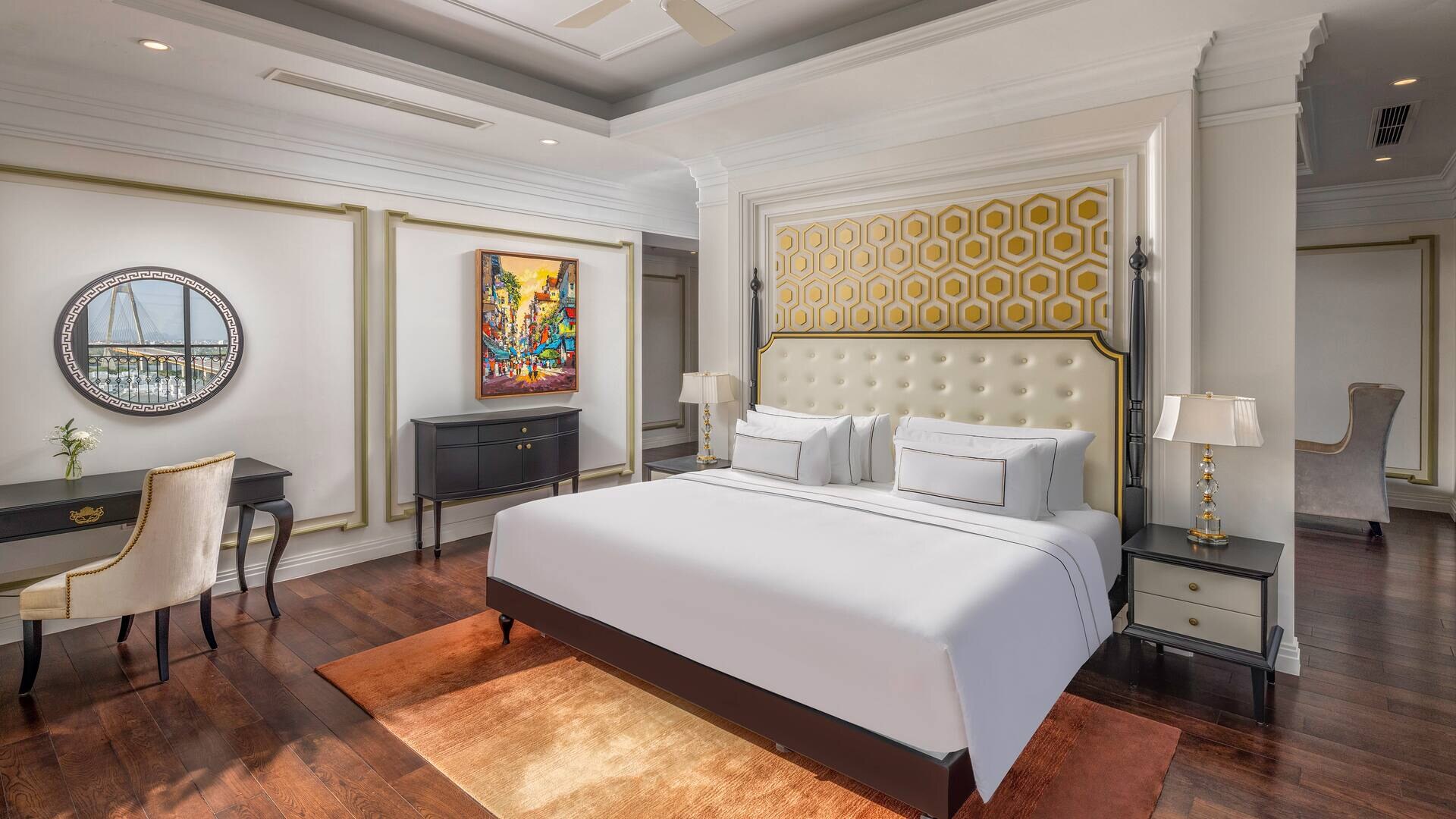
The Melia Vinpearl is a truly luxurious stay and a strong anchor for any itinerary I'd recommend. On my second morning, I did what the view from The Level practically demands: I got on a boat.
Cát Bà Bay Cruise: The Natural Extension of Your Hải Phòng Visit
Hải Phòng is also the natural gateway to Cát Bà Bay, and I got out on the water with a nighttime plankton excursion, which was unlike anything I'd experienced. The boat cut its engine somewhere out in the bay, and the silence that followed was immediate and total — just water, darkness, and the faint sound of the hull settling.
Then passengers began to trail a hand through the water, and it lit up with vivid, electric blue, something underneath responding to the touch. The wake behind the boat glowed the same way. Every movement through the water left a trail of light that faded slowly, as if the bay didn't want to let it go.
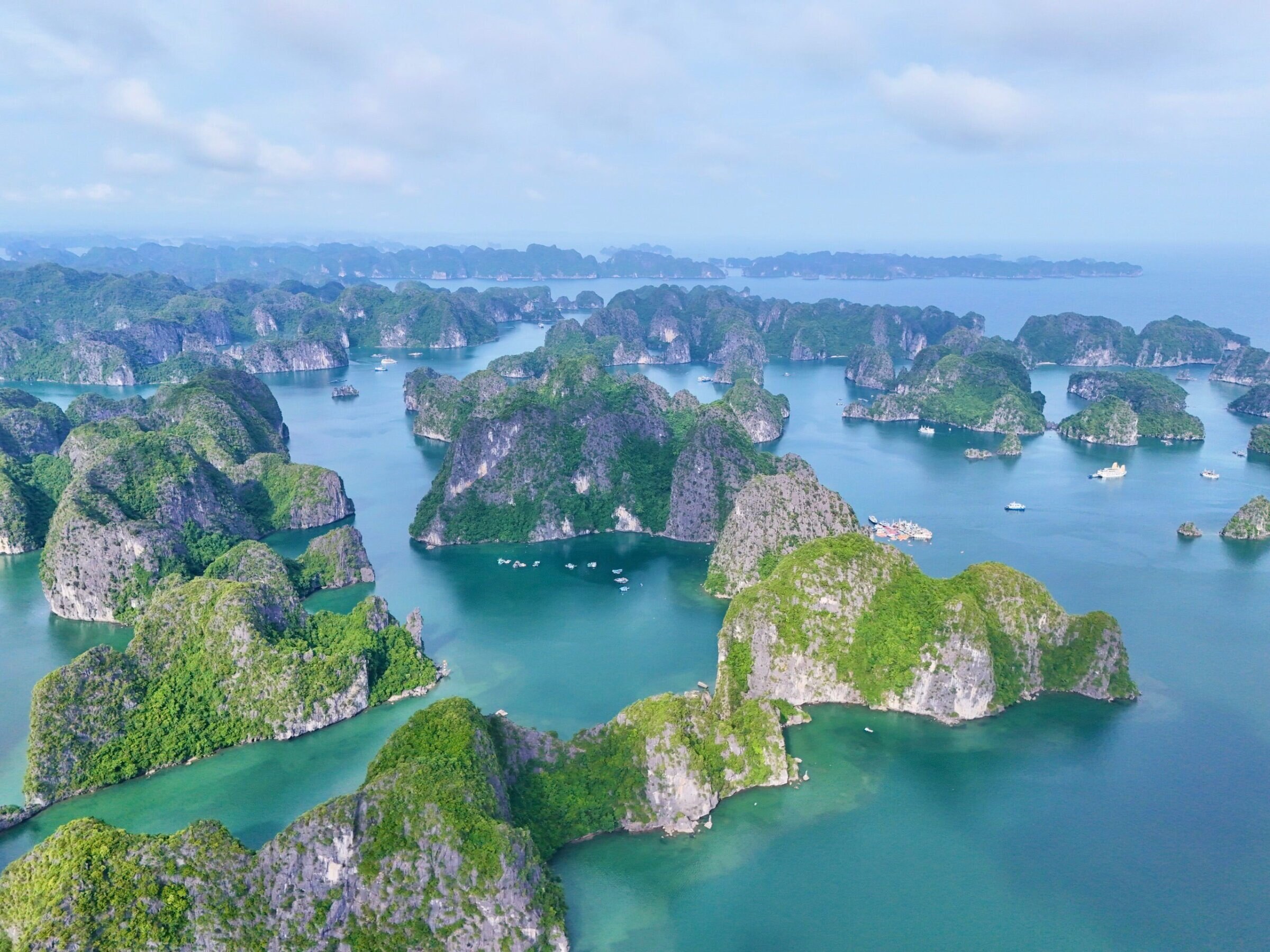
I wasn't prepared for the quiet, or the brightness. I didn't do an overnight cruise, and I'd build that into a return itinerary without hesitation — a full day among the limestone karsts and emerald channels, then back to the Meliá for the evening. That combination is what makes Hải Phòng a real itinerary over a simple stopover.
If you're weighing Cát Bà against Hạ Long Bay: Cát Bà is smaller, quieter, and more accessible from Hải Phòng. Hạ Long is bigger, more famous, and more crowded. If you're already in Hải Phòng, Cát Bà is the obvious call.
Cát Bà vs. Hạ Long Bay: Which Is Right for You?
| — | Cát Bà Bay | Hạ Long Bay |
|---|---|---|
| Size & Feel | Smaller, quieter, wilder — fewer boats, more space to breathe | Larger and more dramatic in scale; the karst formations here are UNESCO-listed and iconic |
| Access from Hải Phòng | ~1.5–2 hrs by road and ferry — the easiest day trip from the city | ~3–4 hrs by road or boat; typically requires a dedicated overnight departure |
| Typical Cruise Format | Half-day or full-day excursions; overnight available and recommended for the full experience | 2-night overnight cruise is the standard; shorter trips exist but cover less |
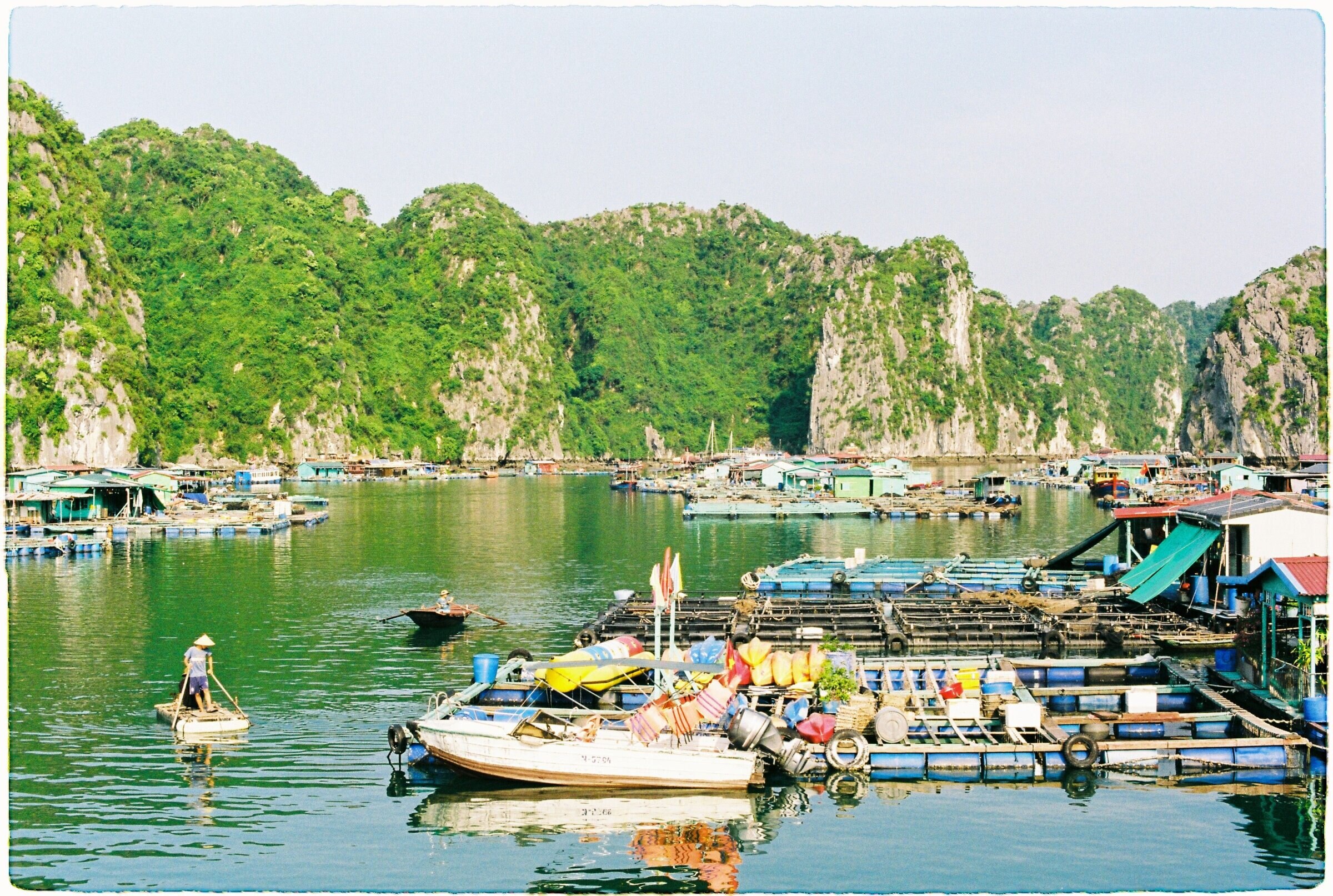
| What the Bay Offers | Limestone karsts, emerald water, kayaking, hidden lagoons, the night plankton experience | Dramatic karst scenery, floating fishing villages, cave systems, classic junk-boat cruising |
| Crowd Level | Low — still largely undiscovered by mass tourism | High — one of Vietnam's most-visited sites; some areas feel theme-park busy in peak season |
| Night Plankton Experience | Yes — available from Cát Bà; I did this and it was extraordinary | Less commonly offered as a standalone excursion |
| Cruise Operators | Independent day-boat operators; a handful of boutique overnight boats | Huge range — budget junks to ultra-luxury Heritage Line and Indochine Sails vessels |
| Price Range | More affordable; day excursions from ~$30–80 USD per person | Premium operators run $300–600+ USD per person per night; budget options exist |
Travel times and prices from Hải Phòng are approximate and vary by operator, season, and group size.
Best Time to Visit Hải Phòng
Timing matters more here. Hải Phòng is quieter, more atmospheric, and more itself when the weather is nice. The best windows are March through April or September through November. I visited at the end of October and found the skies still overcast — beautiful in its own way, that soft, painterly light, but if you want the best chance at clear weather with comfortable temperatures, I'd steer toward November over October. March and April also offer pleasant conditions before the summer heat and humidity settle in. Either window gives you the city at its most generous.
Getting There (and How Long to Stay)
Hải Phòng is more accessible than its off-the-beaten-path reputation suggests. From Hà Nội, the most comfortable option is a private car via the Hà Nội–Hải Phòng Expressway — the drive runs roughly 90 minutes depending on traffic, and the new expressway makes it easy. If you're coming from farther afield or prefer to fly, Cát Bi International Airport handles domestic routes and is a short ride from the city center.
Plan for a minimum of two nights. A loose breakdown that works well: spend Day 1 on foot, wandering the colonial streetscape, circling Tam Bạc Lake, and settling into the café culture (1986 Cafe should anchor the afternoon). Use Day 2 for the water — a full-day cruise into Cát Bà Bay among the karsts is the natural extension, and it's worth every hour. If you have a third night, let it be unscheduled. Hải Phòng rewards the traveler who doesn't have a strict schedule.
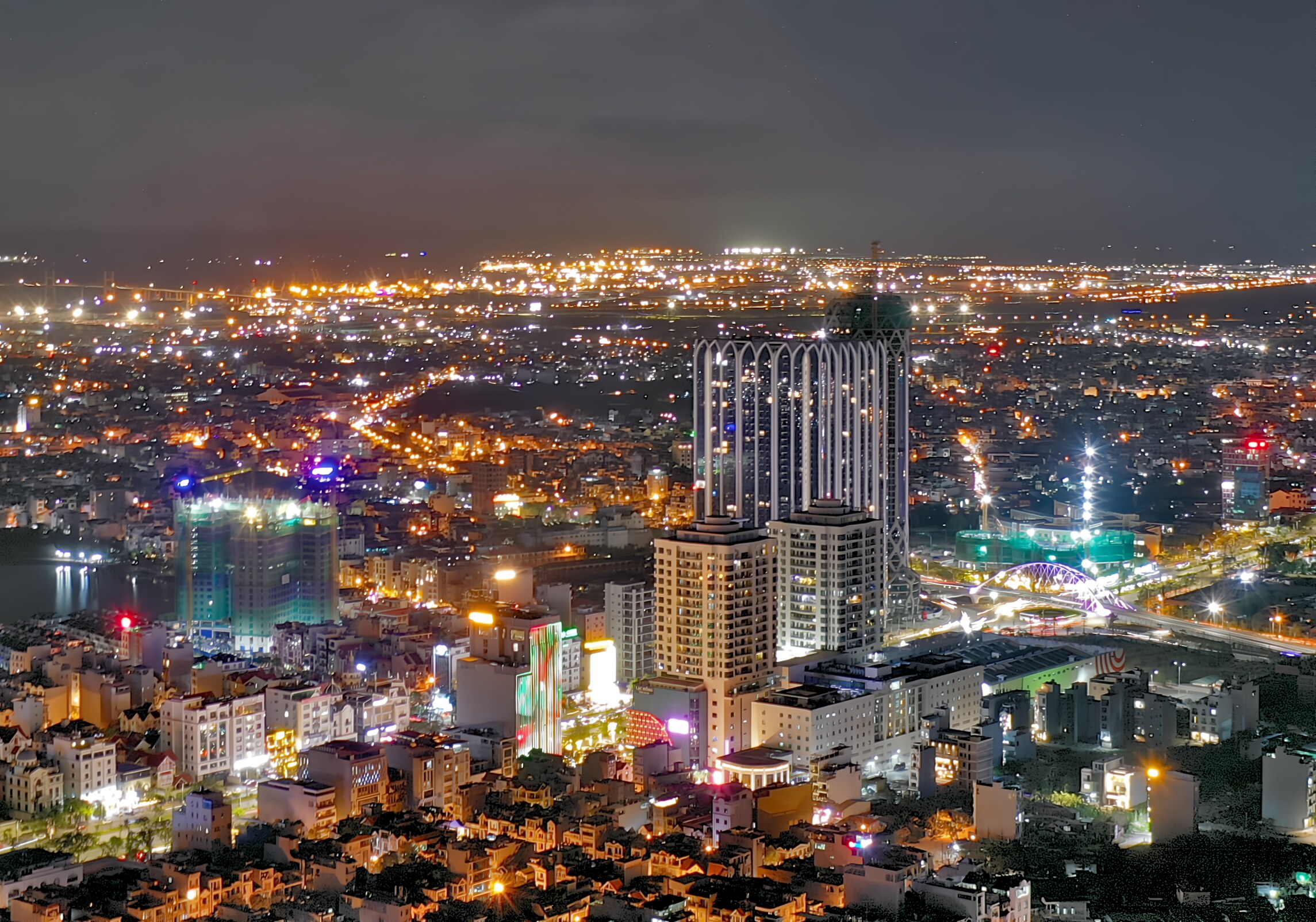
Hải Phòng slots naturally into a northern Vietnam itinerary. The most logical sequence: fly into Hà Nội, spend two to three nights there, then take a private car east to Hải Phòng for two nights before heading south to Hội An or Hồ Chí Minh City. That routing lets Hải Phòng function as a second act rather than a detour — you arrive having already absorbed Hà Nội's energy, and the contrast makes the quiet here land harder. If you're doing Hạ Long Bay or Cát Bà independently, Hải Phòng can bookend that leg too: base here, cruise out, return here, then fly south from Cát Bi.
Navigating the language barrier is easier than it might seem, but it does take a little patience. I leaned on Google Translate's camera mode regularly — point it at a menu and it translates the Vietnamese in real time, which is genuinely useful when no English translation is offered. At the lakeside vendors, gestures and a willingness to embrace the confusion got me most of the way there. If you want a smoother experience — especially for the Cát Bà excursion or any private dining logistics — that's exactly where I can help. From trusted local operators to personal dinner recommendations, I know this destination, and I know how to put a trip like this together.
Whether you're a solo traveler drawn to cobblestone streets and extraordinary cafés, or a couple looking to venture beyond the usual Vietnam circuit, I'd love to help you build a trip that includes Hải Phòng — and everything that makes it unforgettable.
Connect with me below to start the conversation.
Frequently Asked Questions
Do I need a visa to visit Vietnam?
Most Western passport holders can enter Vietnam visa-free for up to 45 days, or obtain an e-visa through the official government portal before departure. Check your country's eligibility before you book.
What currency does Hải Phòng use?
The currency is Vietnamese đồng (VND). Carry local currency — Hải Phòng operates almost entirely in cash.
Is English widely spoken in Hải Phòng?
English is not widely spoken here — less so than in Hà Nội or Hồ Chí Minh City. I can help smooth those edges before and during your trip — reach out before you go.
How do I get from Hà Nội to Hải Phòng?
The easiest option is a private car via the Hà Nội–Hải Phòng Expressway — roughly 90 minutes depending on traffic. If you're flying in from elsewhere in Vietnam, Cát Bi International Airport handles domestic routes and sits a short ride from the city center.
What is the best time of year to visit Hải Phòng?
March through April and September through November are the strongest windows. I visited at the end of October and the skies were still overcast — beautiful, but if you want the best chance at clear weather, aim for November rather than October.
Is Hải Phòng safe for solo travelers?
Yes — I walked alone every day without a second thought. The city is calm, unhurried, and doesn't have the chaotic energy of Hà Nội or Hồ Chí Minh City. Petty theft exists as it does anywhere, but basic precautions (keep your phone in a bag, don't flash valuables) are all that's needed.
Is the water safe to drink in Hải Phòng?
No — tap water is not safe to drink anywhere in Vietnam, including Hải Phòng. Stick to sealed bottled water, which is cheap and available everywhere. Avoid ice at street stalls; reputable cafés and restaurants use filtered ice.

Related Stories
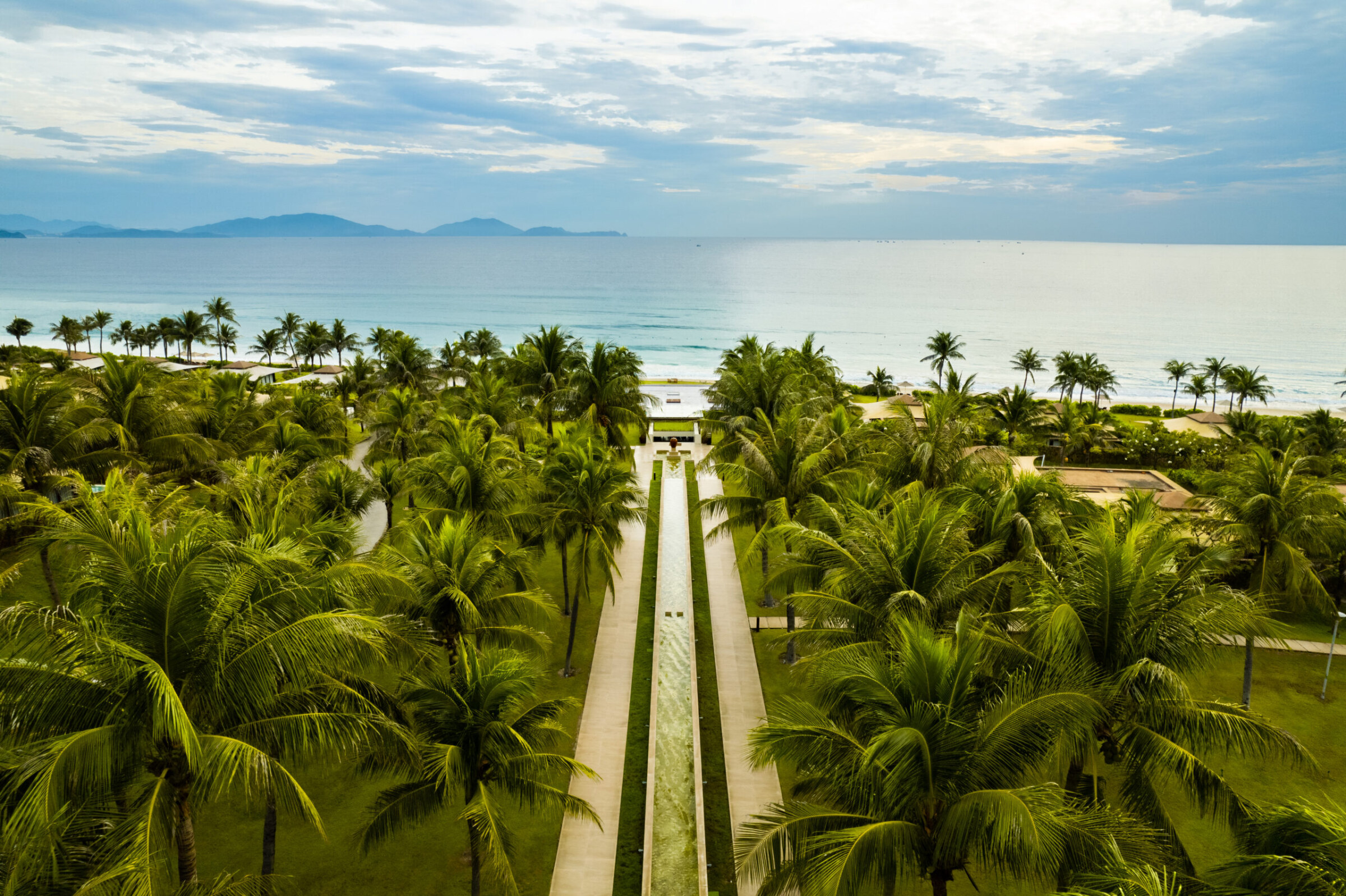
The Magic of Việt Nam: Multi-City Luxury at a Price that Shocked Me
From jaw-dropping $30 lash sets in Hà Nội to accidental café discoveries in the Đà Lạt hills, one traveler's multi-destination journey through Việt Nam proves that luxury isn't always connected to the price tag.
By Stephcynie Curry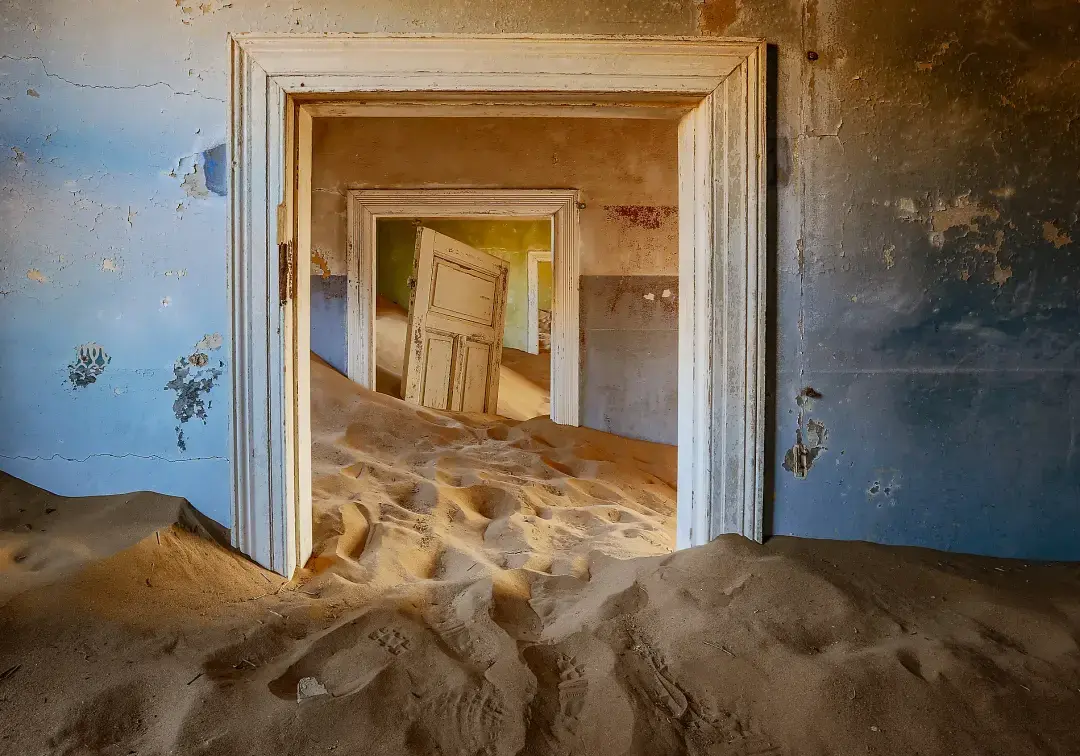
The Simplest Way to Safari: Africa's Southern Coast by Luxury Cruise
A cruise-based safari blends open-ocean expedition with wild game encounters and local exploration along Africa's southern coast. Here's everything you need to know before booking a voyage from South Africa to Namibia.
By Theodora Green
The Grand Tetons Are Calling: Ski Season with the Four Seasons Resort & Residences Jackson Hole
From ski-in, ski-out luxury at the Four Seasons to a hidden speakeasy bathed in moody red light, this curated roundup captures everything the discerning skier needs for the ultimate Teton Village experience.
By Amy Van Den Top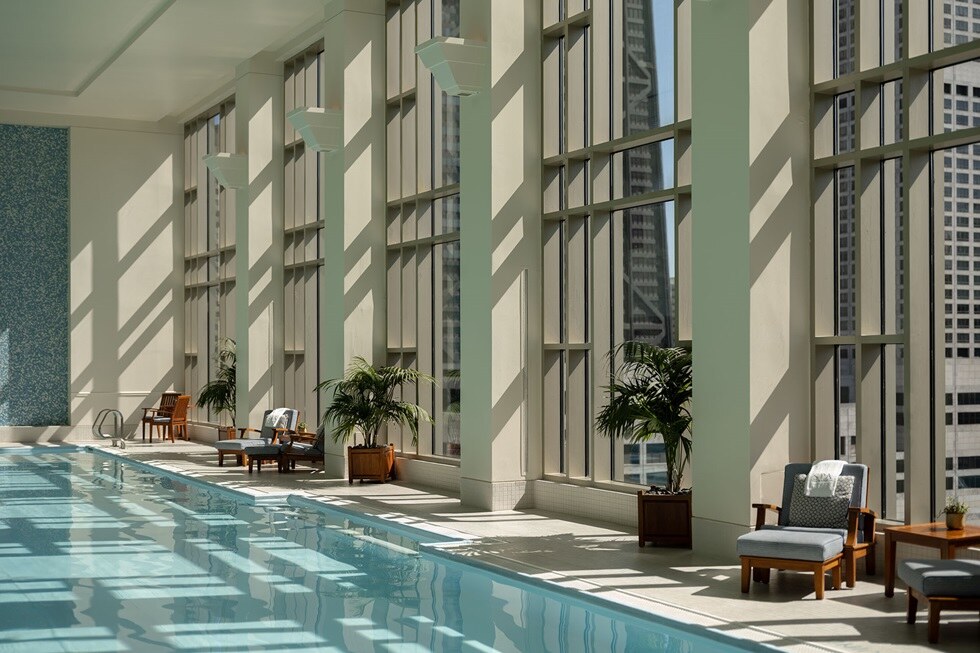
Local’s Guide to Chicago: America’s Most Underrated Luxury Family Escape
From a Chicago rooftop pool where snow falls beyond the glass, to afternoon tea that needs no occasion — this city rewards the traveler who slows down. Even after thirteen years, it's still a city that my family and I can discover anew.
By Natalia Semizarov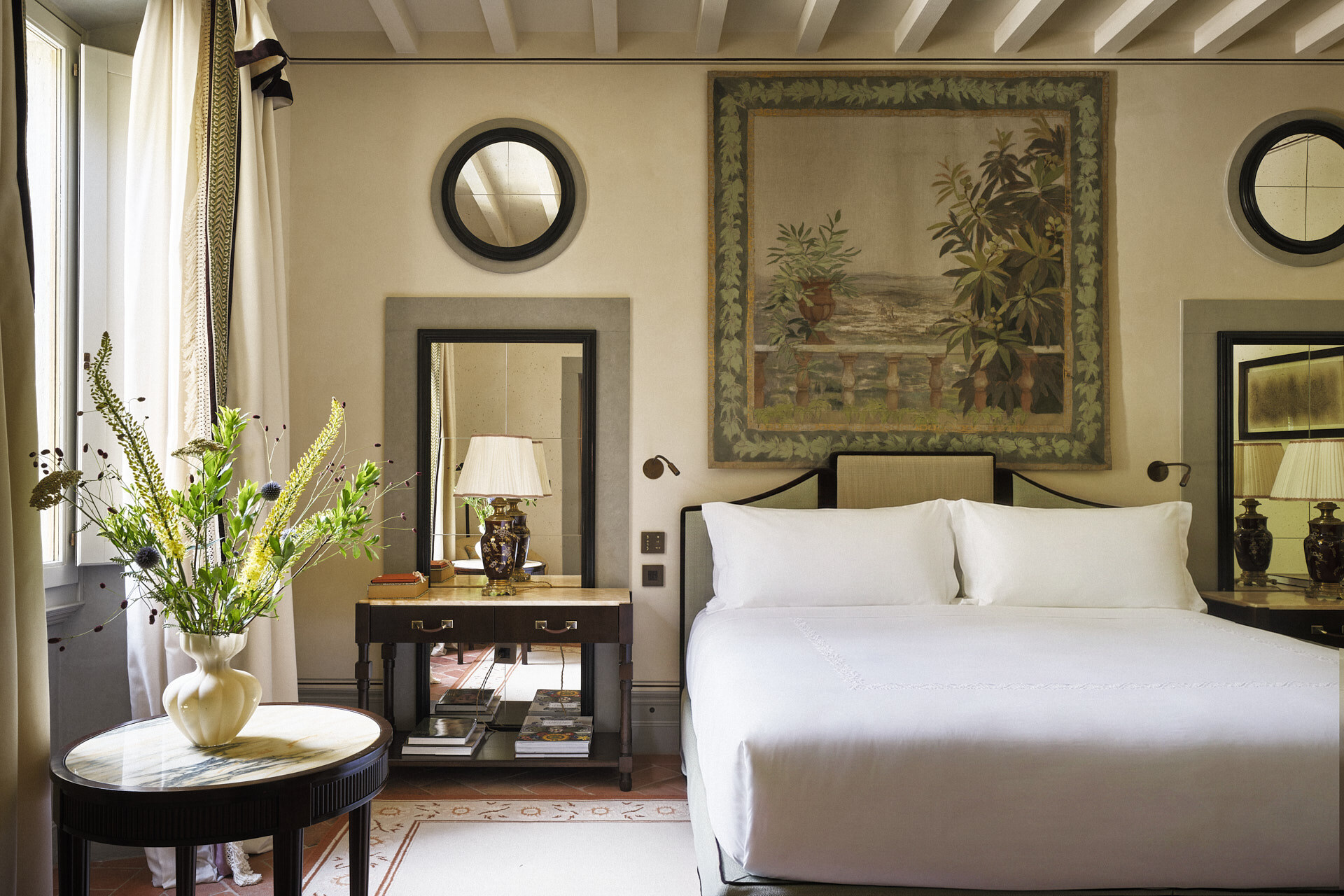
Multigenerational Travel Is Having a Major Moment: Here's The What, Why, Where, and How
Multigenerational trips are the fastest-growing travel trend — and for good reason. From grandparents initiating the adventure to Gen X bridging generations, families are trading scattered getaways for one unforgettable shared experience.
By Sara Ryburn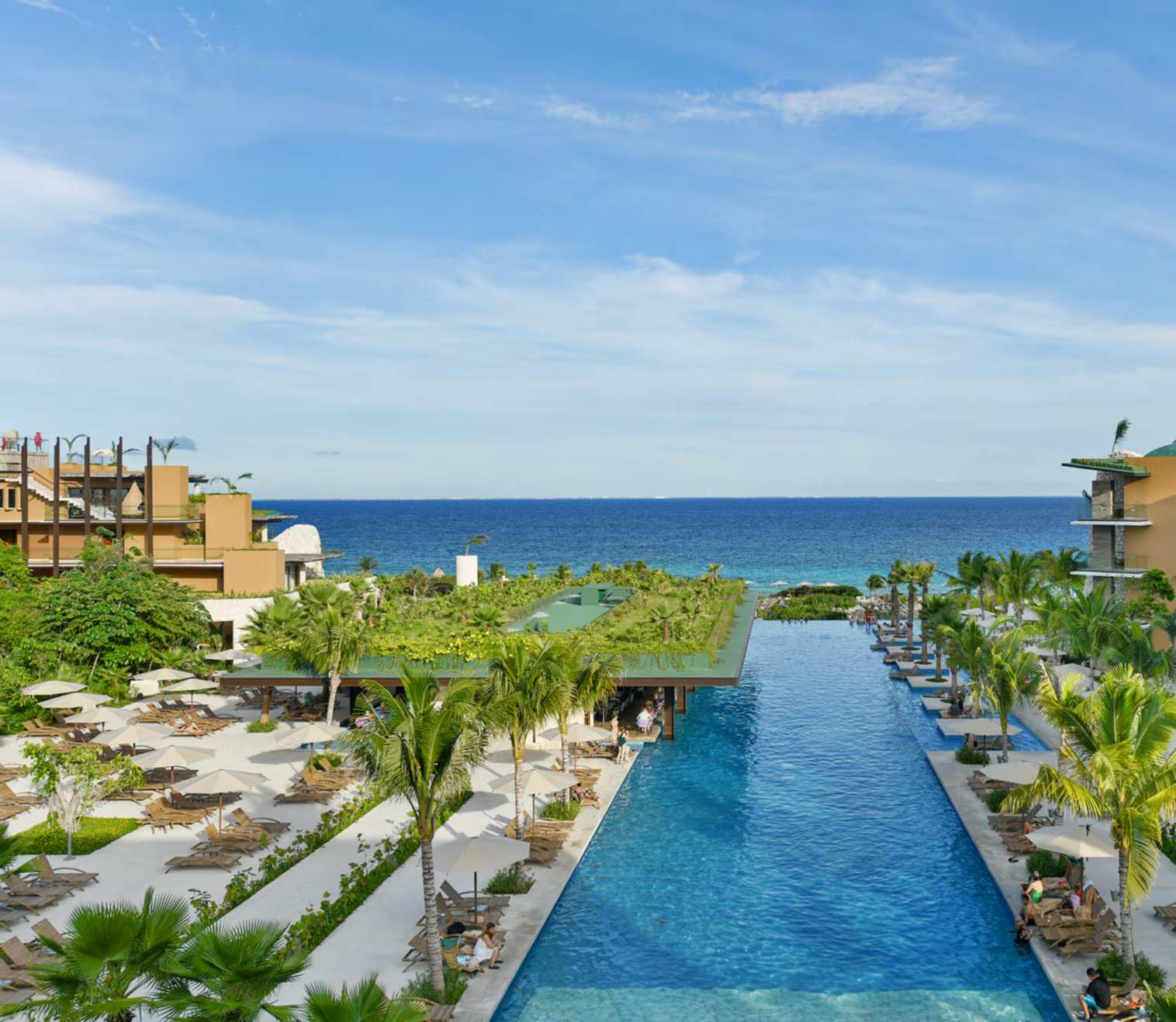
Hotel Xcaret México Review: Everything You Need to Know Before You Book
With eight distinct Casas, five adventure parks, and over 20 restaurants, Hotel Xcaret México is the Disney of the Riviera Maya. My biggest takeaway? Don't arrive unprepared.
By Alexis Dunfee