
Travel Strategy
Fixing the Worst Part of a Napa Valley Trip: Four Seasons San Francisco
Driving from Napa to San Francisco International Airport takes at least two hours , which means an 8 a.m. flight translates to a 3 a.m. alarm on your last morning in wine country. Here's a much better way to end a Napa Valley trip.
September 17, 2026
Not long ago, I had clients return from a Napa Valley trip. They caught an early-morning flight home from San Francisco, and when I told them what time their pickup was, I could see the dismay on their faces. But they'd already booked the flight, so they made the best of it.
On paper, a morning flight at the end of a vacation doesn't seem like much of a big deal. Wake up, get home with enough time to relax, and go to work the next day.
I've spent years building itineraries for athletes, executives, and high-output travelers as a Forbes-endorsed travel advisor and Four Seasons Preferred Partner. My job is to catch the moments where reality might strike you hard. The drive from Napa to SFO takes nearly two hours, and you'll need to arrive at the airport early, so an 8 a.m. flight meant my clients were facing a blaring 3 a.m. alarm on their last day in wine country.
This kind of early flight doesn't just affect the next morning; it changes the experience you have (or don't have) the night before.
You start packing when you should be enjoying yourself. You go to bed early because you have to. The trip doesn't end with a slow breakfast, one last look at the vineyard, or a relaxed checkout. It ends with an alarm that feels invasive.
My clients, these brave souls, still made the flight. But afterward, they told me it was not something they'd repeat, and I formulated a different solution so that would never happen to any of my clients again.
The part people forget is that luxury means no one is rushing you.
Your whole itinerary should feel effortless. You deserve to finish dinner, pack when you want to, wake up slowly, enjoy your coffee, and leave without doing airport math in bed.
If I can prevent a client from ending a relaxing wine country escape with a 3 a.m. alarm and a two-hour drive in the dark, I’m going to.
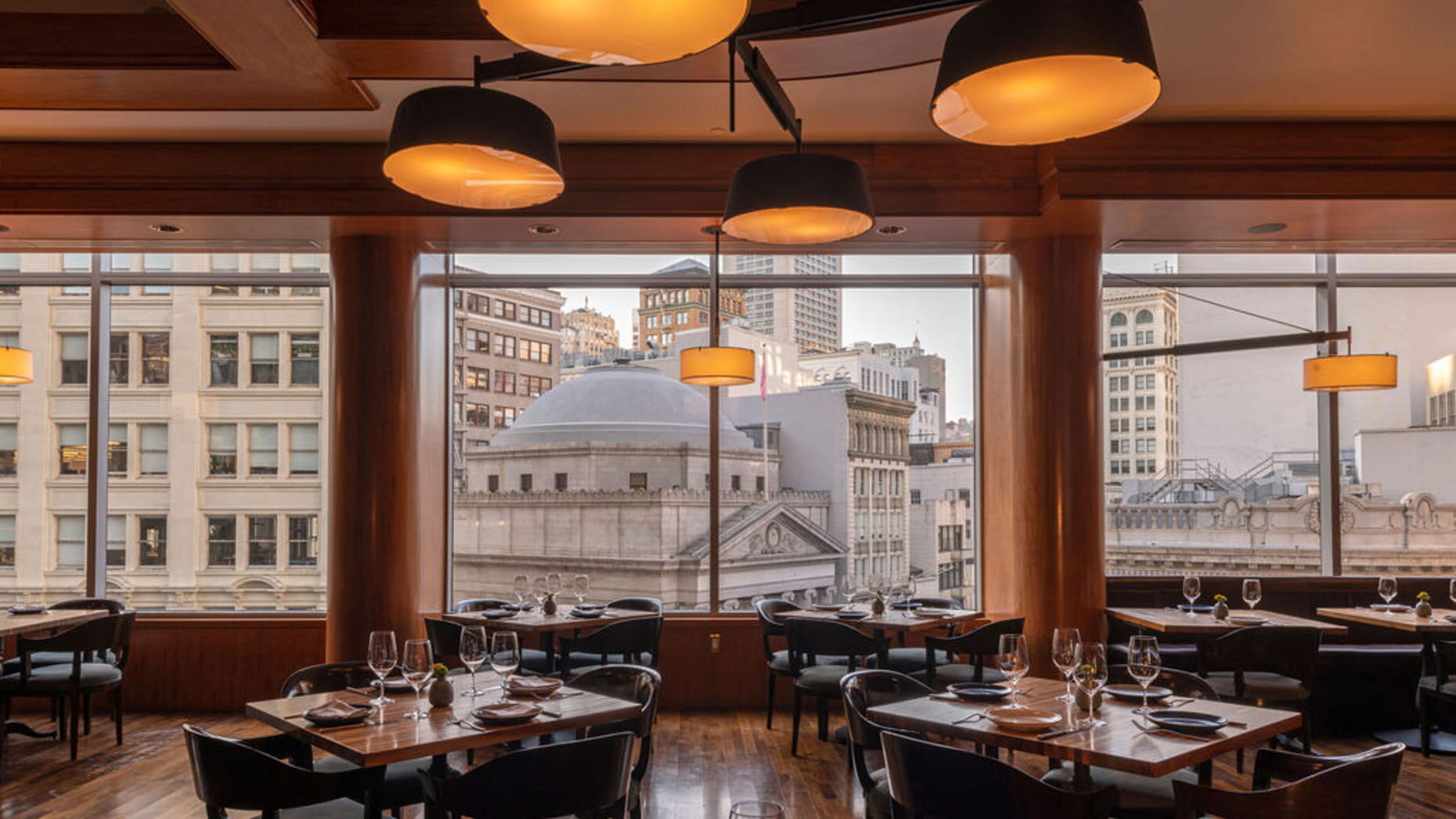
One Night at Four Seasons San Francisco Turns Logistics Into Luxury
Here’s the hack: after Napa, make Four Seasons San Francisco the place you are getting to, instead of racing to the airport.
That one change gives the final day back to you.
You can leave Four Seasons Napa Valley whenever you want. Maybe you get late checkout and enjoy the vineyard a little longer. Maybe you have one last lunch. Maybe you do one more tasting. Maybe you drink wine until the last possible moment because you've hired a driver. The only place you need to get to is another hotel bed.
When the destination is the hotel, the day feels completely different. You are not watching the clock all afternoon. You are not calculating traffic in your head while pretending to enjoy the final hours of the trip. You check out when you check out, get in the car, and let someone else handle the drive.
Then Four Seasons San Francisco takes over. You can hand over your bags, receive a welcome drink, take a shower, order something warm, sleep in a Four Seasons bed, have breakfast the next morning, and head to SFO without sacrificing your last night in Napa.
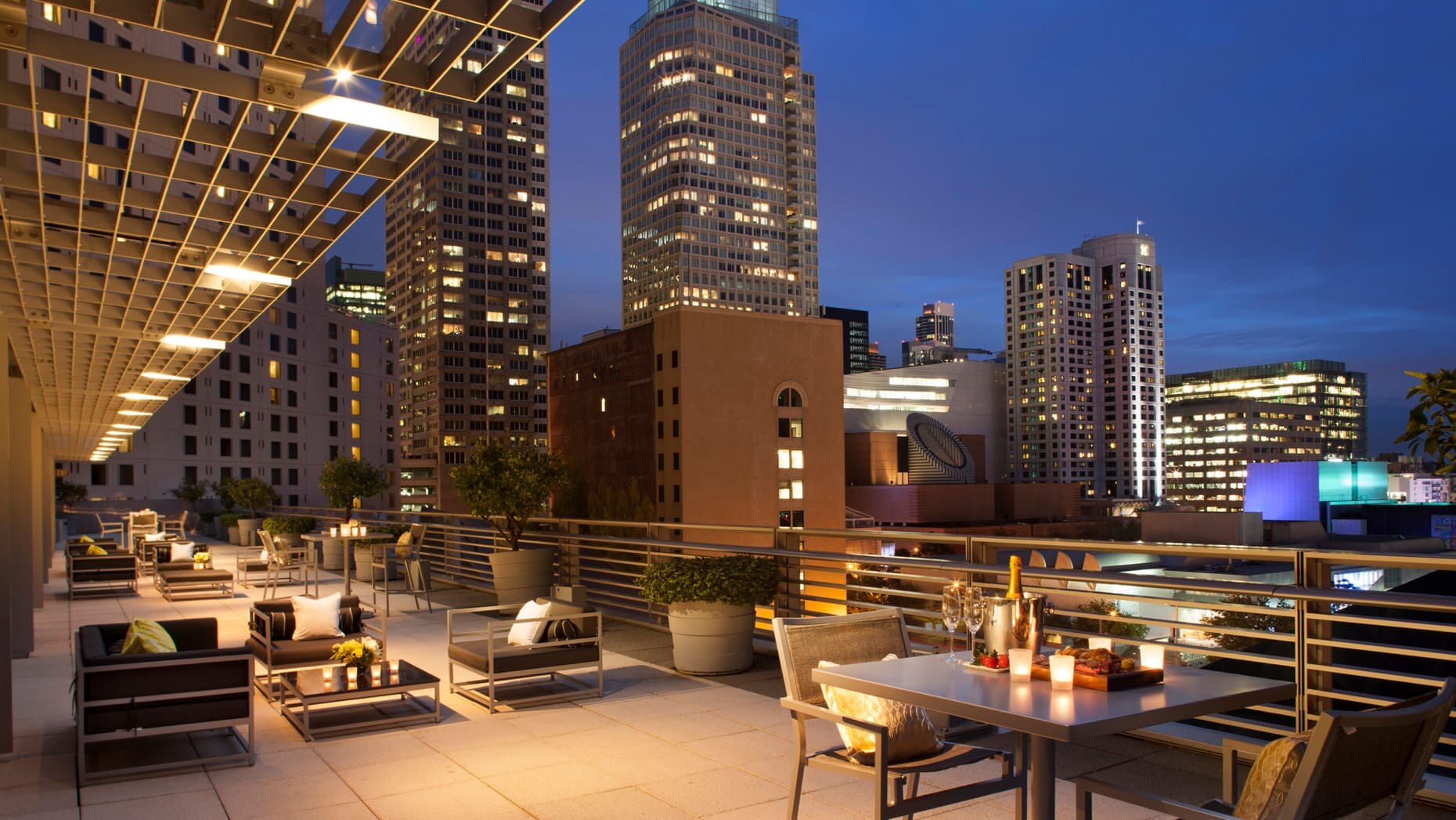
The property has 277 rooms and suites across 40 floors of a mixed-use tower that also houses private residences — which partly explains why the building carries a residential calm that most downtown city hotels don't. Common spaces feel purposeful rather than decorative. The amenities beyond the rooms are serious, too. The hotel has direct access to Equinox Sports Club — basketball court, indoor Olympic-size pool, trainers, multiple floors of equipment, Pilates, yoga, cycling, smoothie bar, sauna, steam room, spa, the works. It's the kind of place where you might casually run into an NBA player.
And if a client tells me, "I don't want to waste a night in San Francisco," my answer is simple: you're not spending a night in San Francisco. You're buying back your last evening in Napa. You don't have to turn San Francisco into a second destination. You're using an exceptional city hotel to make the least glamorous part of the trip feel simple.
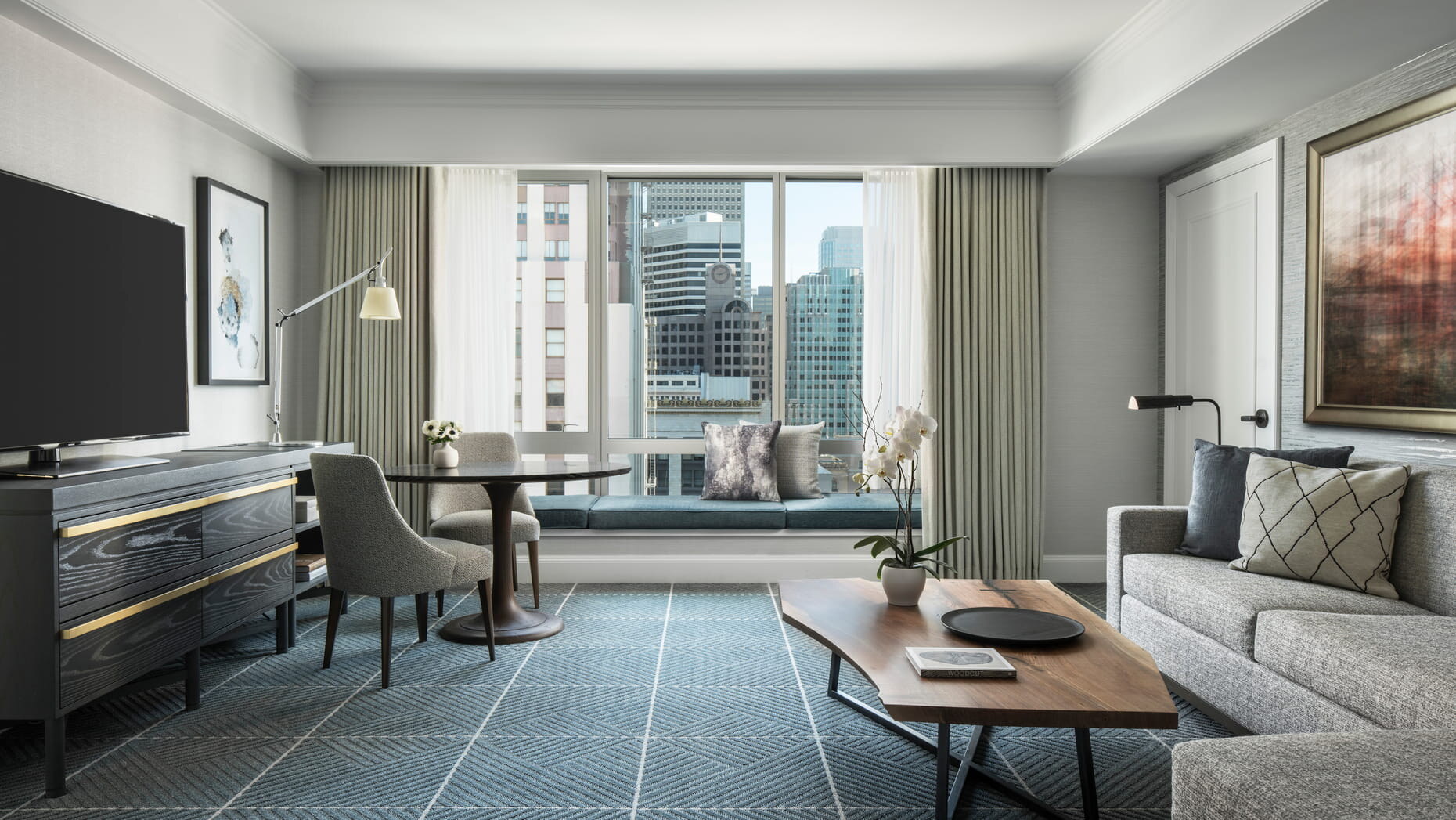
The Stay That Made This Travel Strategy Click for Me
It was on a trip home from Japan that I realized how it should always feel. I added a single night at the Four Seasons San Francisco to break the longest leg of our flight home.
In my mind, it was going to be practical. One night in San Francisco, sleep, wake up, catch the flight home. No big emotional hotel moment. Just a nice place to land before the next travel day. But I underestimated what one night could do.
We arrived depleted. I had reservations about the Market Street location. San Francisco can be unpredictable, and after a long international flight, I did not want to be thrown straight into the city. The arrival at the Four Seasons gave us more of a buffer than I expected. The entrance is tucked into its own private arrival area — no street noise, no city chaos bleeding in, just a quiet, marble-hushed moment where someone had taken our bags before we had even fully registered we had arrived.
From there, the service was immediate and warm. Several team members welcomed us at once, but instead of keeping us standing around while we tried to be functional humans, they seemed to understand exactly what state we were in. We were taken straight up to the room.
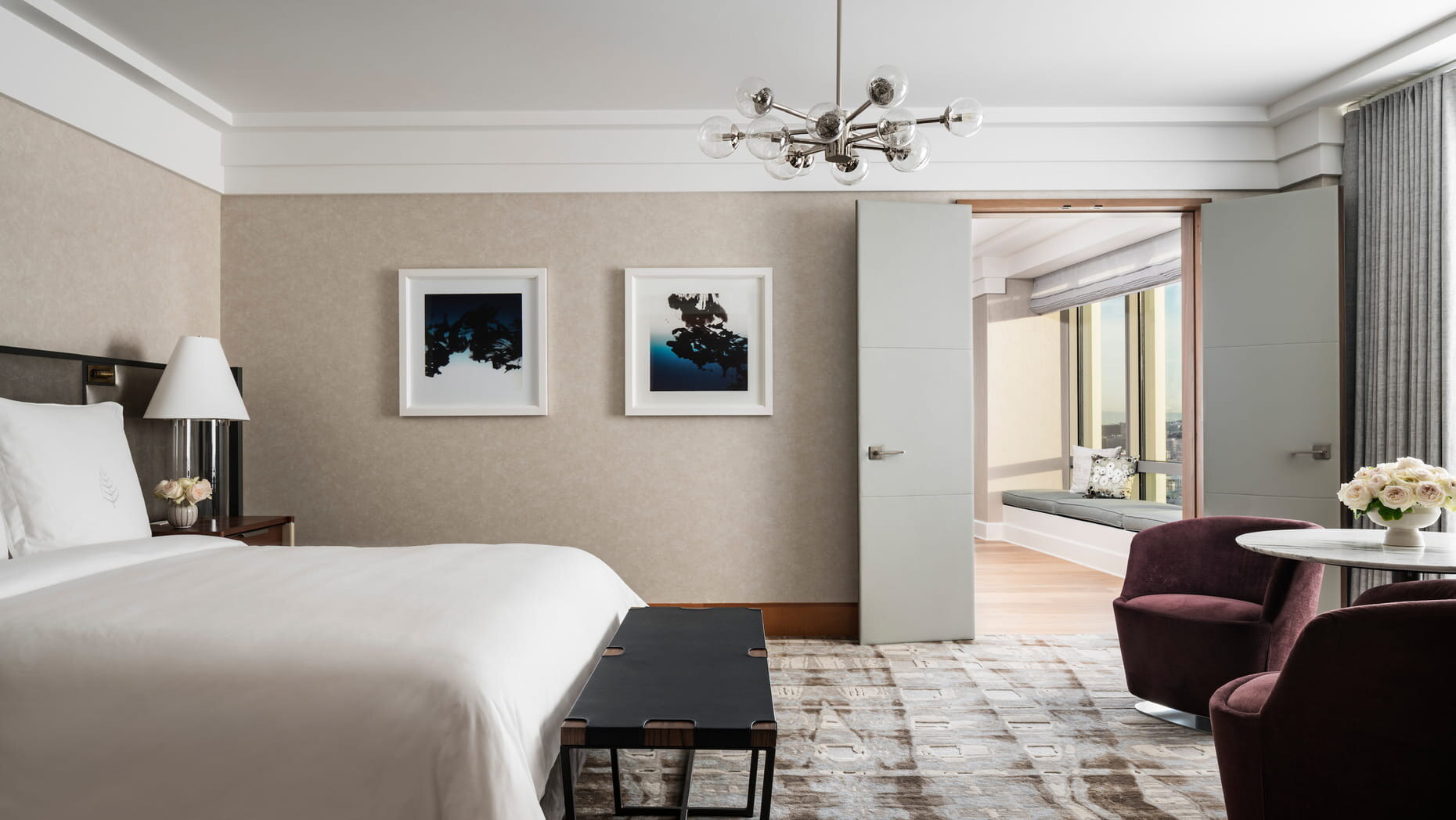
That room was a Premier Suite, and after a long-haul flight, walking into that much space changed everything. A proper living room, a separate bedroom, big city views, room to spread out, room to breathe. It felt less like dropping bags in a hotel room and more like being given a place to recover.
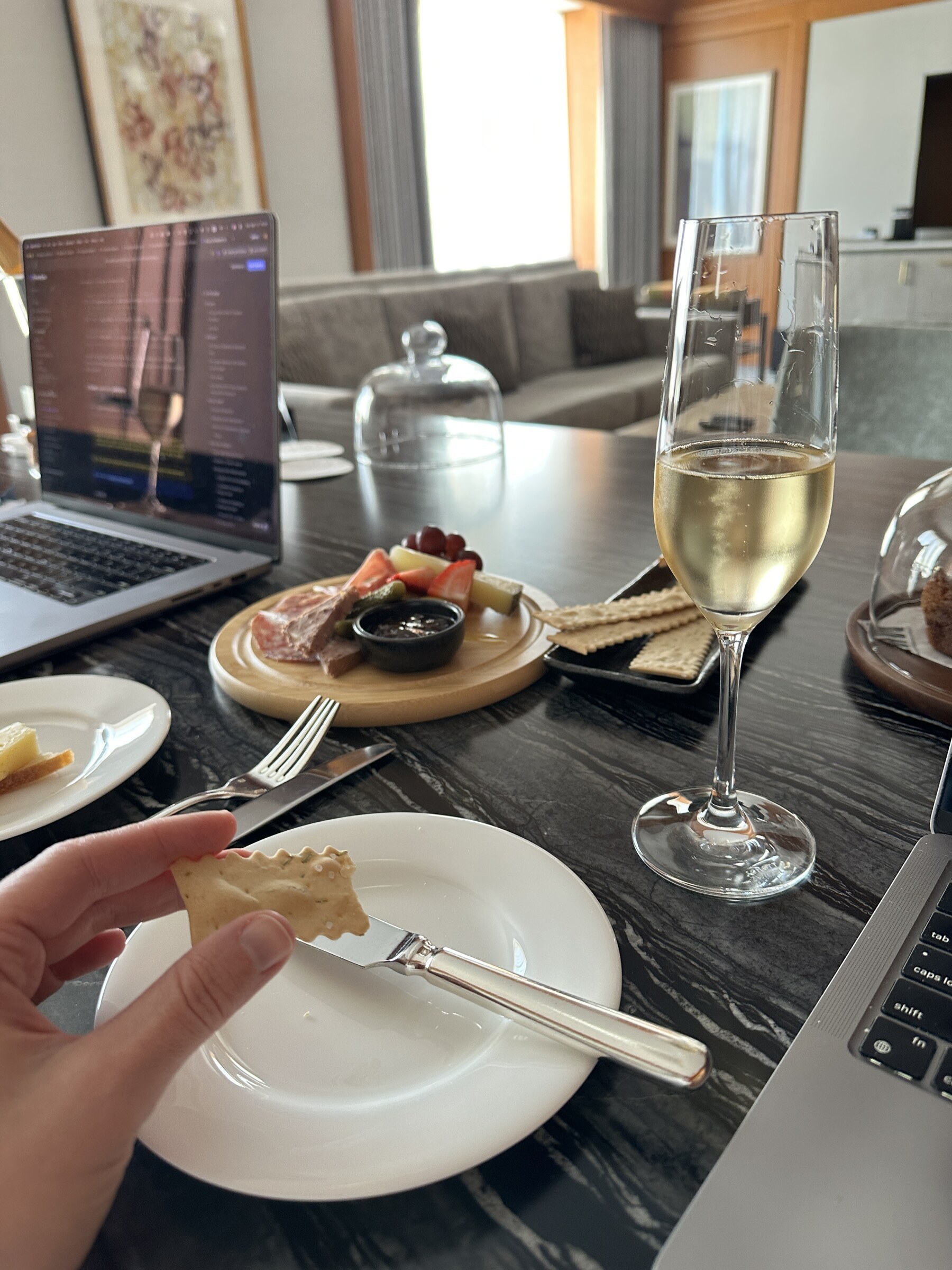
A welcome spread was waiting: fruit, sweets, chocolates, macarons, champagne, charcuterie, banana bread with maple whipped butter. Oh, my!
That night, we did nothing, which was exactly what we needed.
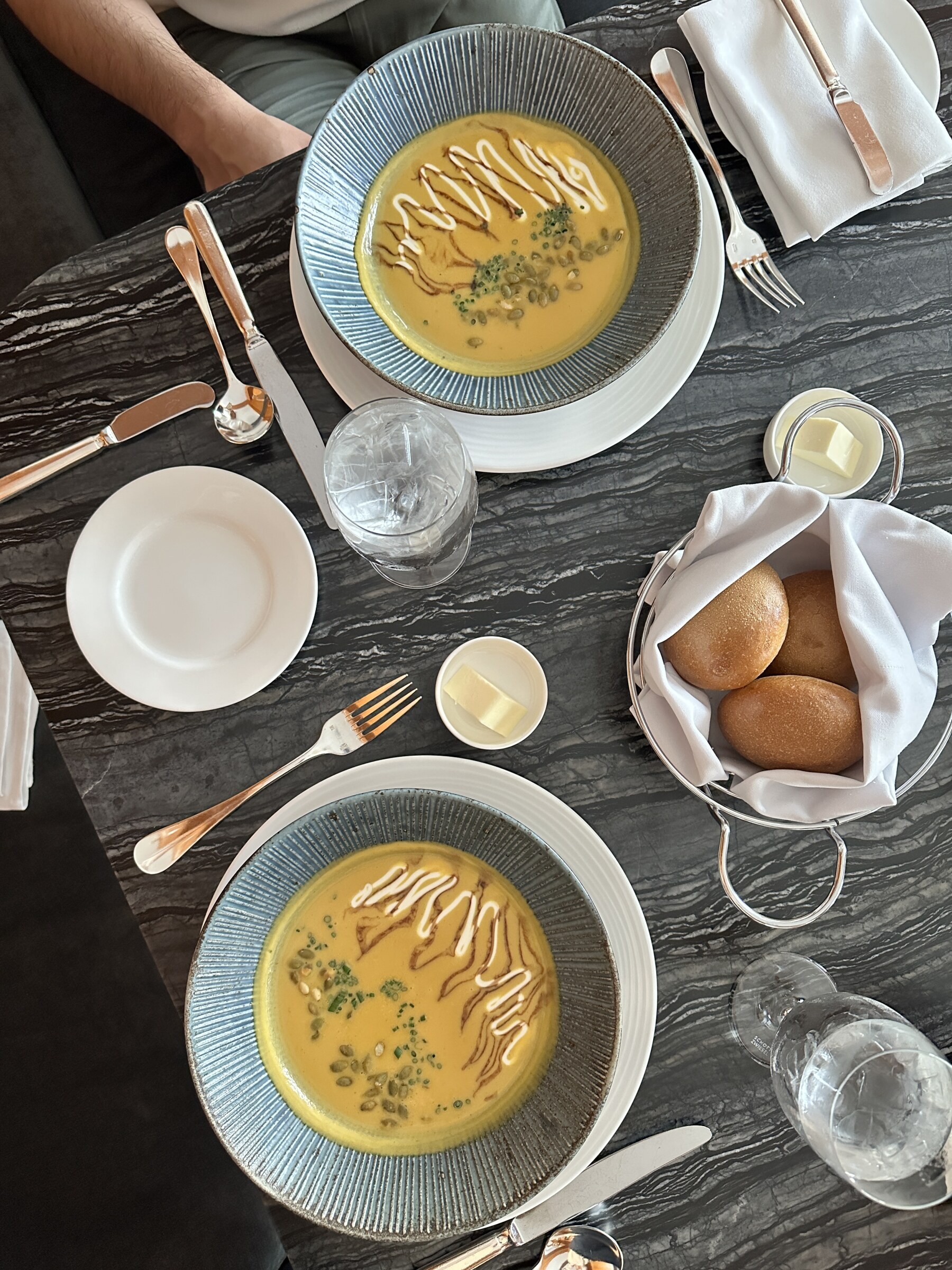
We showered, drank water, ordered butternut squash soup with sourdough from room service, took a bath, made tea, and got into bed early. During the room service call, the person on the phone said, “Yes, we heard you are jet lagged.”
That detail stayed with me. The information had somehow traveled from the arrival team to the person taking our soup order. It was such a small thing, but it made the care feel connected. We were not repeating ourselves. We were not explaining why we needed simple, warm food and an easy night. They already understood.
By the next morning, I felt completely different.
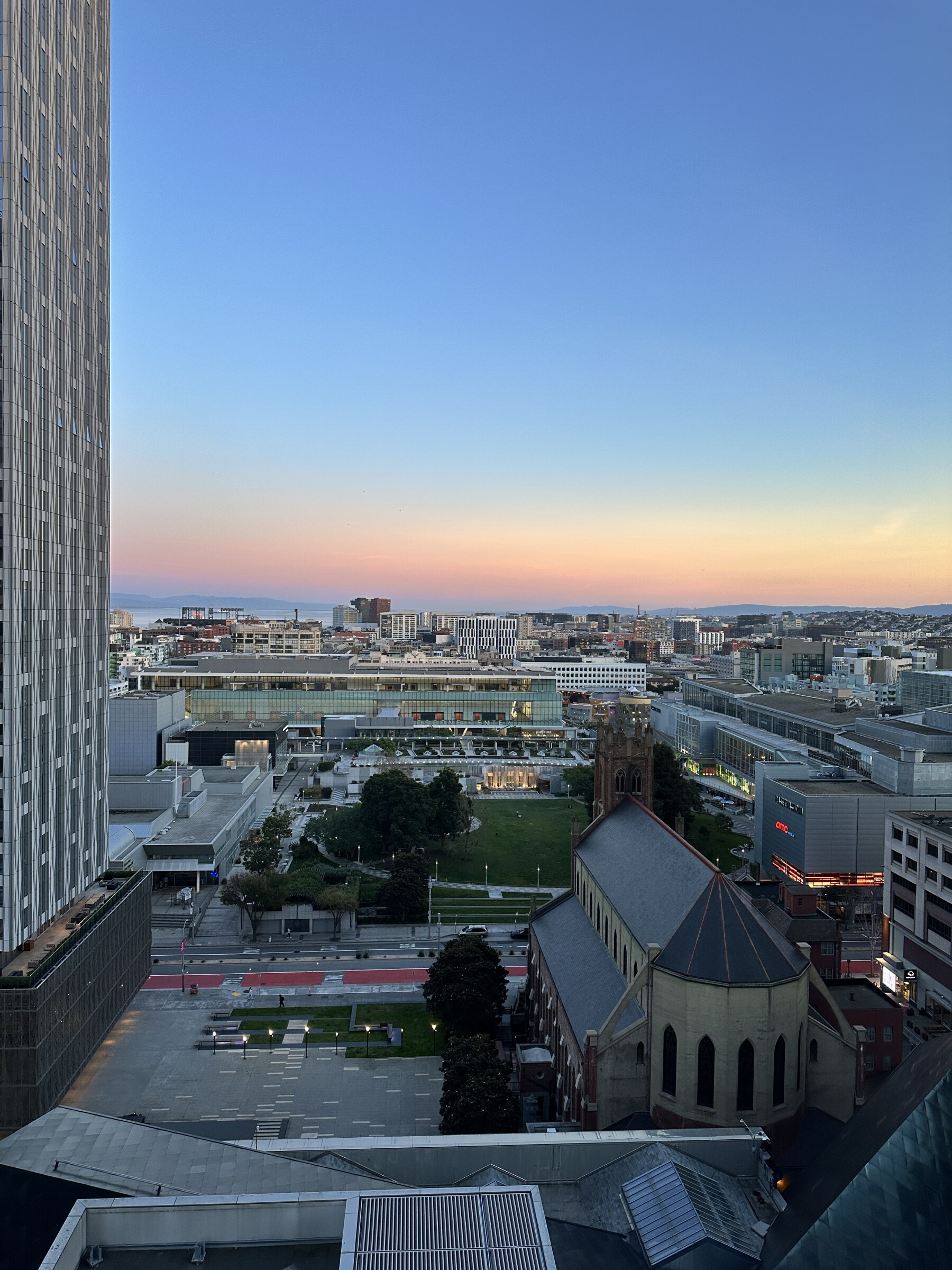
We woke up to city views, church bells, coffee, breakfast, and the feeling that the trip had been gently put back in order. I had expected a practical stopover. Instead, the hotel made the transition feel good.
That morning, it clicked for me. My Napa clients could end the trip with a night at Four Seasons San Francisco. It makes for a far smoother departure than an early morning flight out of the valley.
This works beautifully as a wine country strategy, but I'd also consider it for any trip where you're connecting through San Francisco and the timing matters. Sometimes 24 hours at the right hotel is what gives your body and mind a chance to catch up before moving on to the next leg.
When I’d Plan This Strategy for a Napa Trip
I'd be selective about adding Four Seasons San Francisco before Napa, but there are times when it makes complete sense alongside the night before departure.
If you're arriving from the East Coast, flying in internationally, landing late, or already worn down from a long travel day, I'd rather you decompress in the city than get straight into a car for the two-hour drive into the valley.
The pre-Napa night makes sense if you have a reason to be in San Francisco anyway. Maybe you have friends or family in the city. Maybe there's a meeting, a conference, or a business dinner. Maybe you're turning a work trip into a wine country weekend. In that case, Four Seasons San Francisco becomes a very easy bridge.
You arrive, shower, sleep, have breakfast, and head to the vineyards the next morning feeling refreshed.
Who I Would Book Here
Napa travelers flying through SFO. Busy executives. Couples who do not like to rush. Fitness-focused travelers. Conference travelers turning a San Francisco work trip into wine country. Anyone coming off a long-haul flight who knows they need a beat before getting in a car and driving two hours.
This is for people who want to travel intentionally and without pressure.
If you're on a very tight budget, have limited time, or do not mind a 3 a.m. alarm and a long drive in the dark, that's great. You may not need it. Everyone's different.
For room strategy, the entry-level rooms are still Four Seasons rooms, so if you're simply arriving, sleeping, having breakfast, and moving on, don't overcomplicate it. Standard rooms at Four Seasons San Francisco run from $800 to $1,100+ per night as of mid-2026, though rates vary by season and availability. That said, if the budget allows, I'd highly recommend the Premier Suite (around $3,500 per night at the time of writing).
That's where the stay begins to feel residential. You have a separate bedroom, a living room, space to spread out, a couch, city views, and enough room to actually decompress. Have tea, watch TV, take a bath, order room service, and let your nervous system settle before the next part of the trip.
As a Forbes-endorsed travel advisor and Four Seasons Preferred Partner, I build trips exactly like this one, where the difference isn't just the hotel but the curation and foresight that make the experience seamless. Beyond the best possible rates, that means priority upgrades, daily breakfast for two, hotel credits, early check-in and late checkout when available, and VIP recognition, all arranged before you ever arrive.
But the real value is upstream of all that. It's catching the 3 a.m. alarm before it happens. It's knowing which night needs a buffer and which doesn't. It's building the itinerary so the last day feels like the first one.
Connect with me below and let's build the better version of your trip.
Plan your next journey with
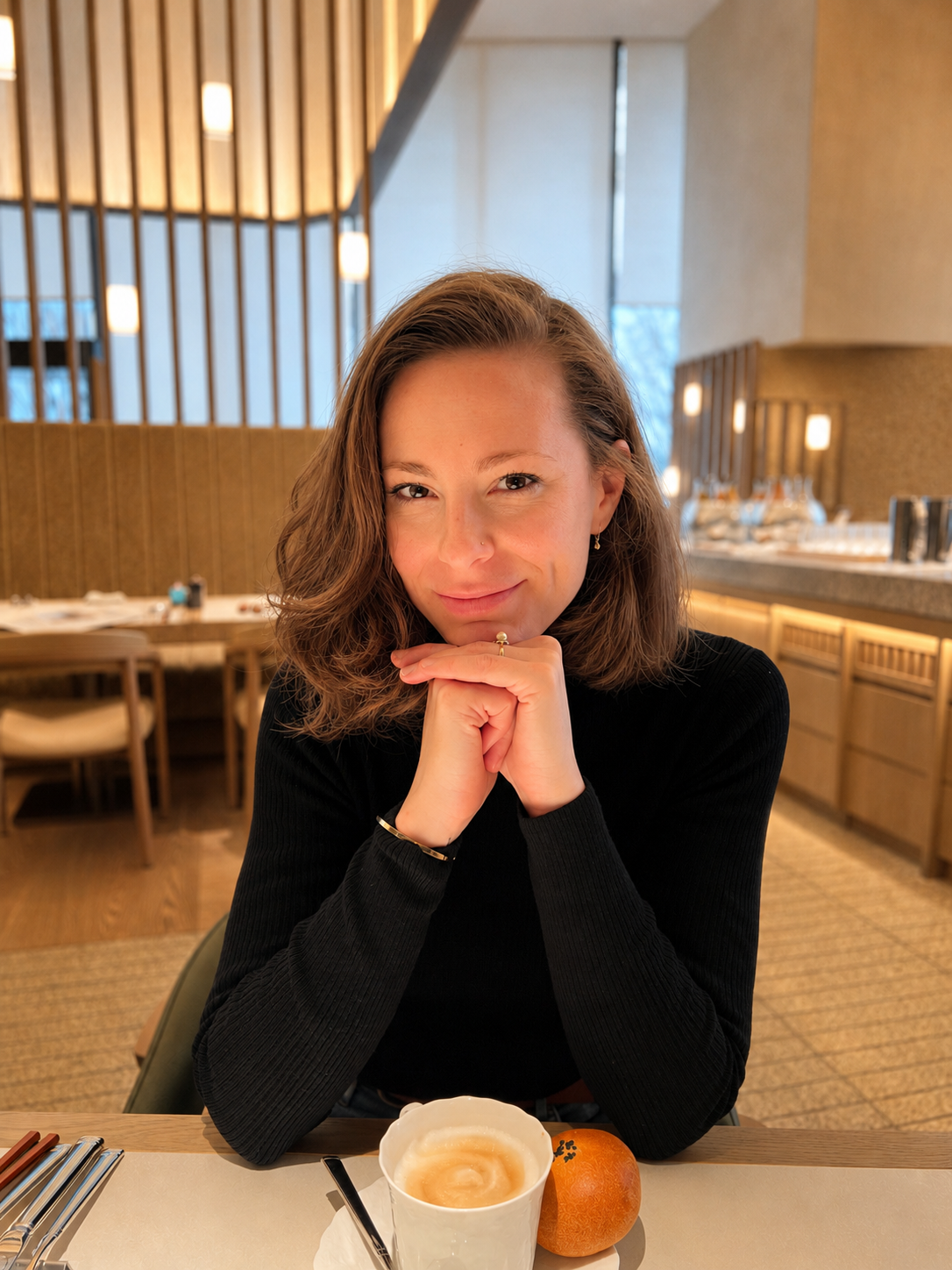
Krystal ArielKrystal Ariel is a luxury travel designer and writer with a particular love for exceptional hotels, restorative experiences, and the small details that can transform an entire journey. Through SHIBUI.travel, she designs deeply personal trips for private clients who value thoughtful pacing, beautiful places, and feeling completely taken care of from start to finish. Originally from Miami and now based in Mexico, Krystal brings a local’s perspective to both destinations, alongside a particular depth of interest in Japan. She is especially drawn to hospitality with soul: intuitive service, a strong sense of place, nourishing food, thoughtful design, and the moments of care guests remember long after they return home. Before entering luxury travel, she spent more than a decade in public relations, marketing, content, and brand partnerships within the technology industry, working across startups, growing companies, and global enterprises. She is also a 500-hour yoga teacher and completed courses in positive psychology, stress management, and well-being through Stanford Medicine, experiences that continue to shape the way she thinks about travel, rest, and human connection.
Related Stories
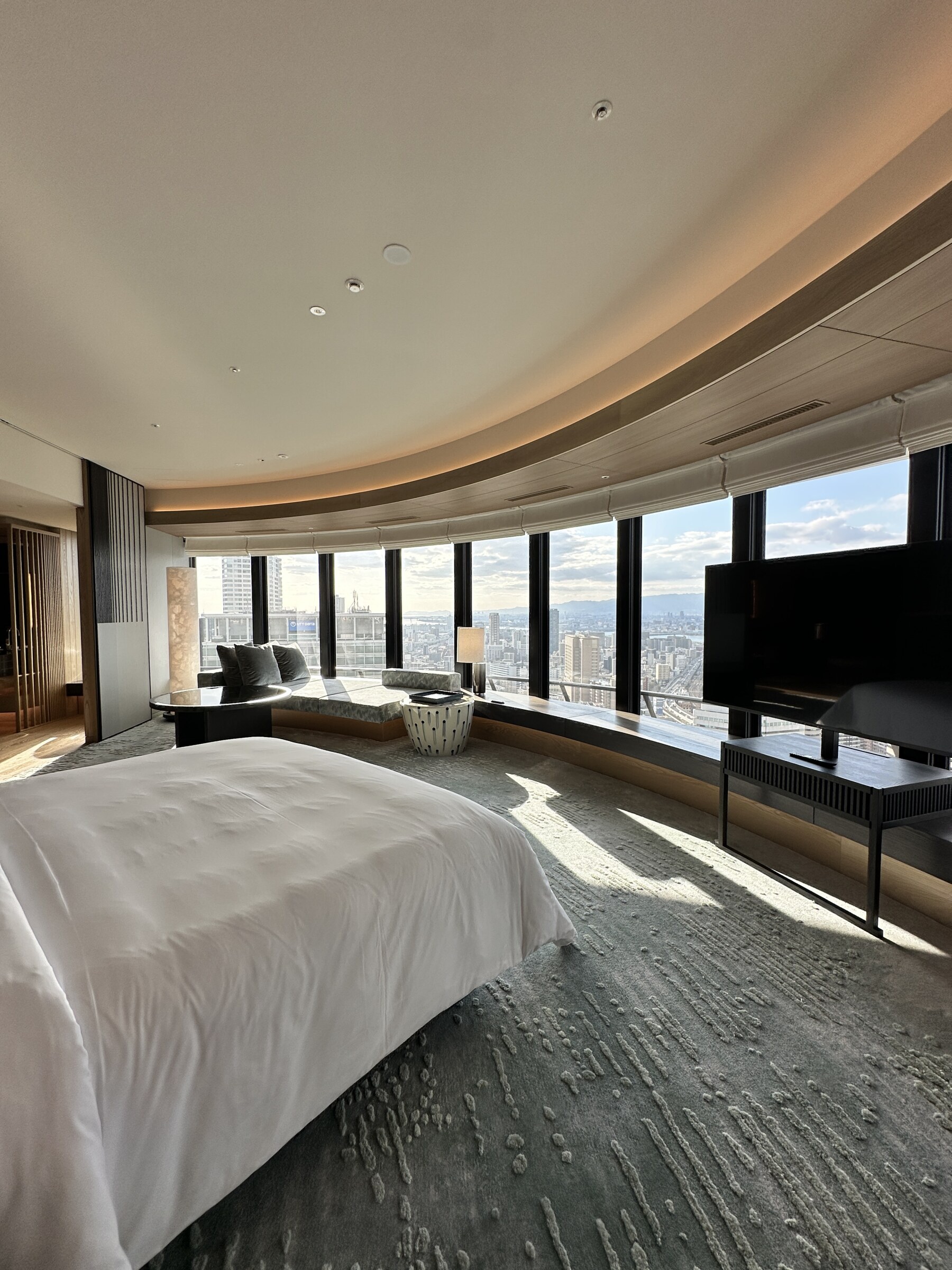
One Day in Osaka is a Mistake: Here's What I Would Do Instead
Osaka is too often treated as a day trip or one-night add-on. Four Seasons Osaka showed me why this city deserves more time, especially for travelers who care about food, movement, comfort, and easy access to the region.
By Krystal Ariel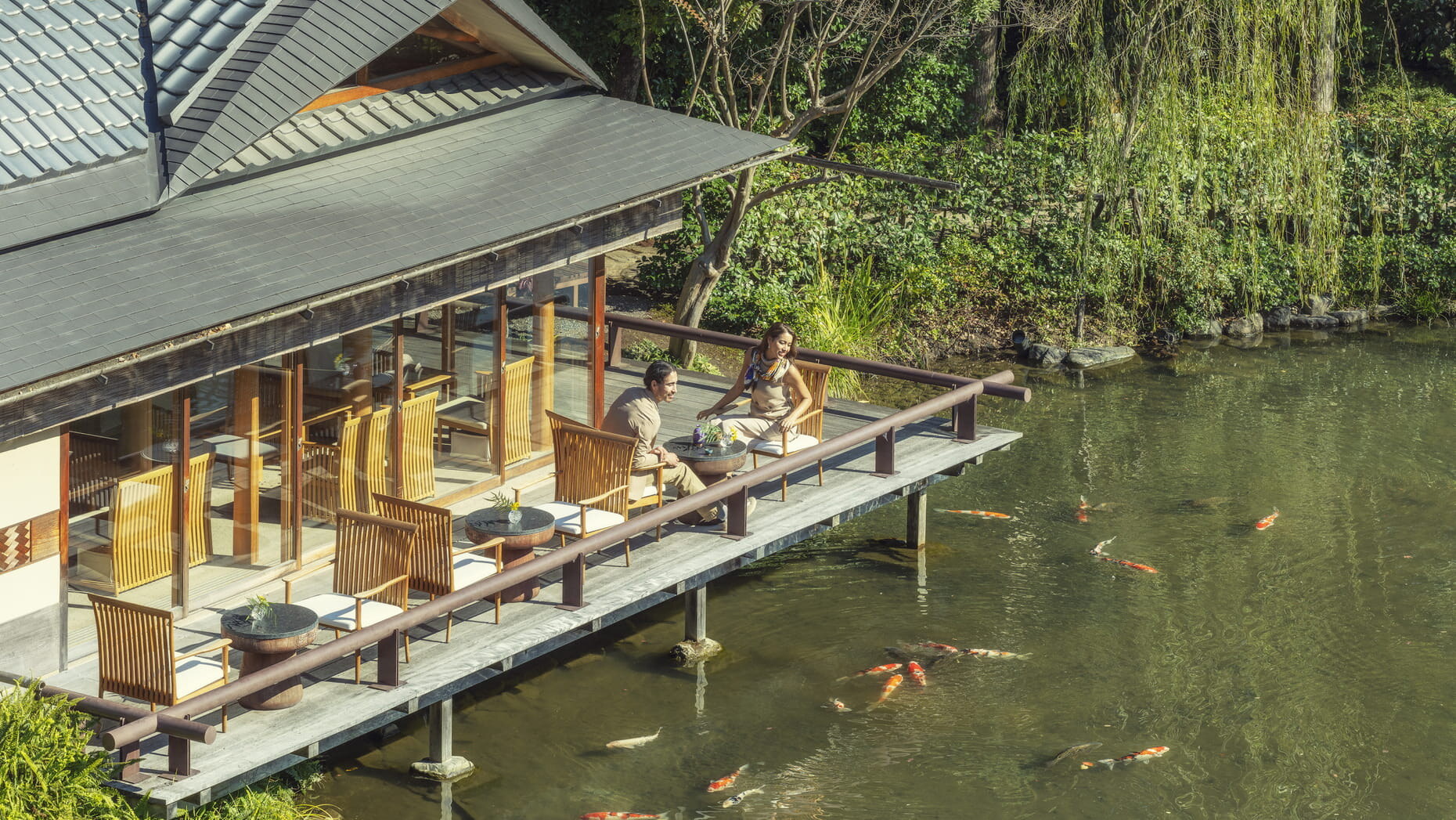
Four Seasons Kyoto: Why a Ryokan Isn't Always the Better Kyoto Stay
Four Seasons Kyoto is for the traveler who wants to be near Kyoto's old soul but knows that a world-class bed and breakfast flexibility are not moral failures. A first-person review of the garden, the ofuro, and why you should stay three nights.
By Krystal Ariel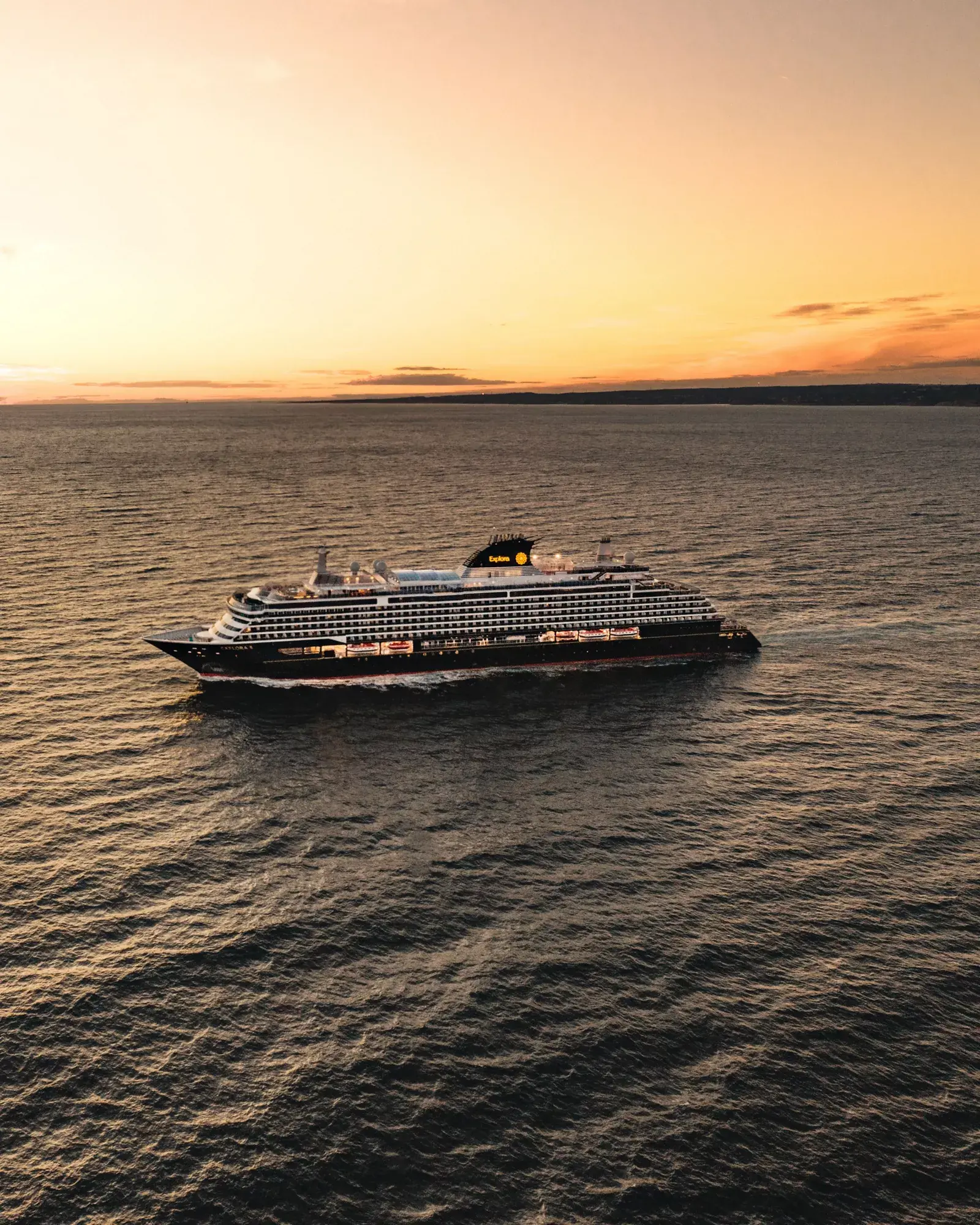
Explora Journeys Review: Was the Upgrade to Luxury Cruising Worth It?
After years of mass-market cruising, I spent 15 days aboard EXPLORA III from Copenhagen to Reykjavík. Here's an honest look at whether luxury cruising is worth the premium — from the champagne welcome to the $9,300 value equation.
By Cyndi Kirchhoff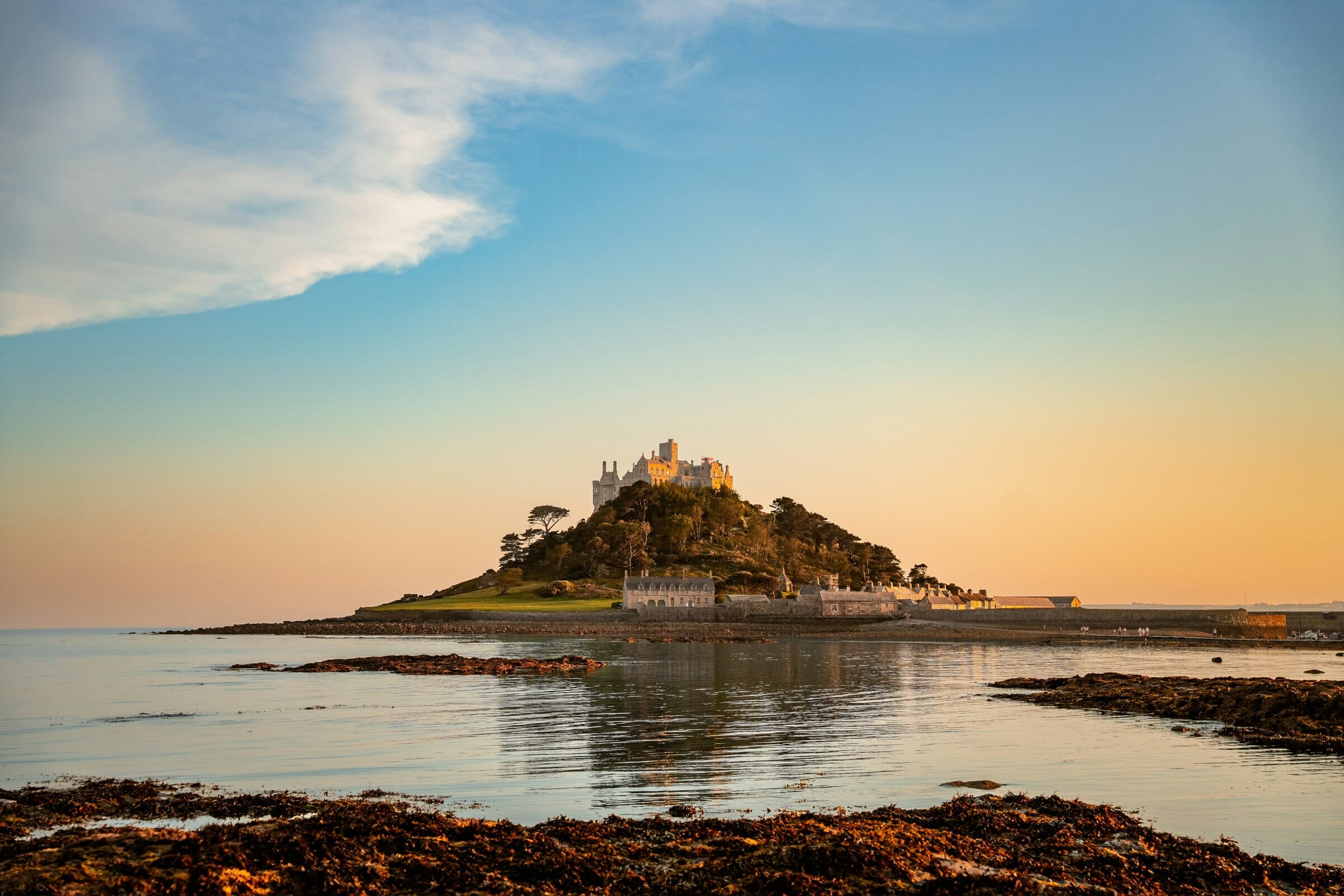
5 Days Along the Cornish Coast: Walking the South West Coast Path
Five days hiking the South West Coast Path from Penzance to Falmouth — hidden coves, unregulated cider, backup chocolate, and the kind of small-town magic you can only find on foot. Even with the meltdowns, it's a worthy walk.
By Hannah Anastasia VogtSchaller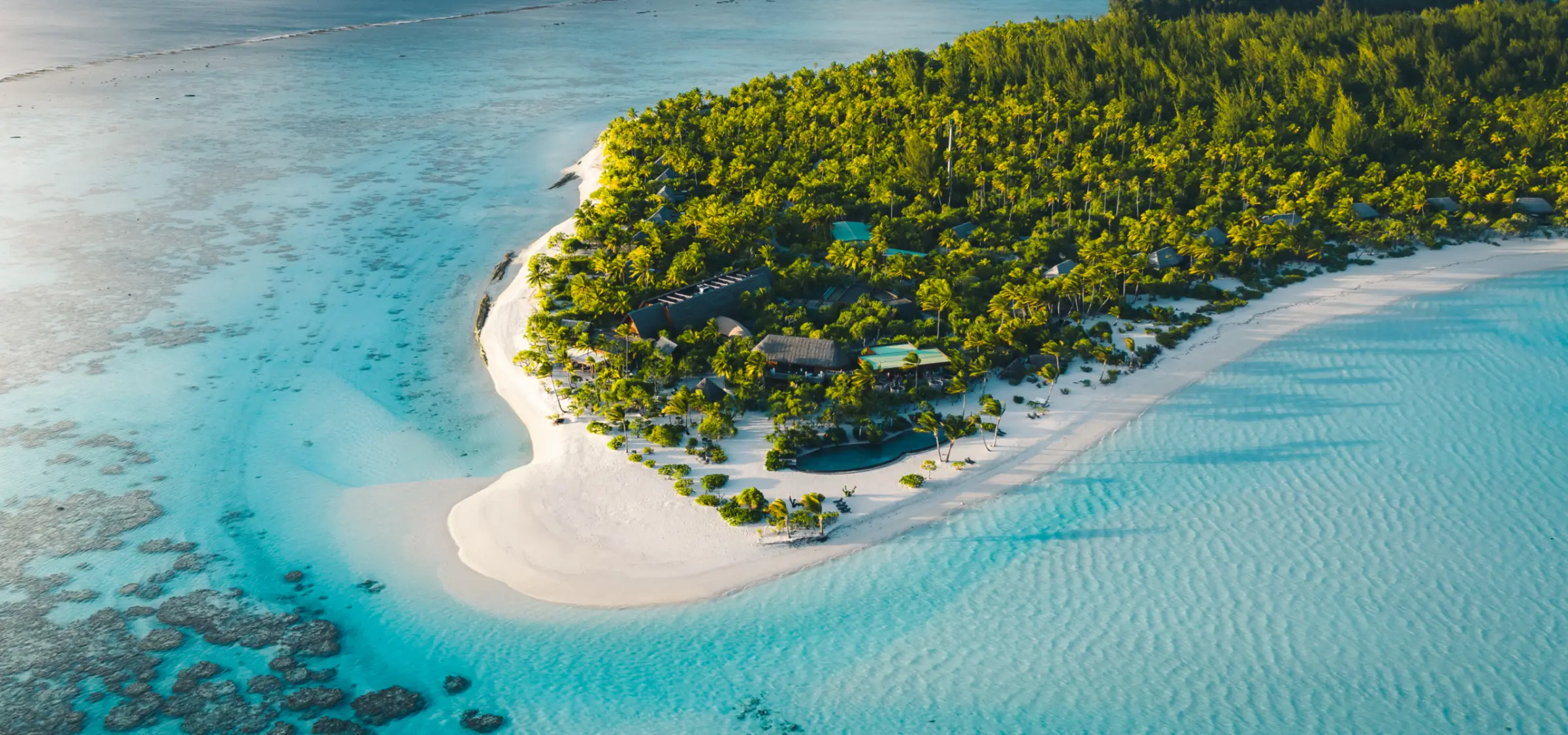
The Brando's Private Motu: One Island Marlon Brando Kept for Himself
A short flight from Tahiti, one islet sits apart from Marlon Brando's own resort, reserved by request for a single party at a time. It is the closest a traveler can get to the man who built this atoll, it's resort, and the private oasis even further from the main retreat.
By Alina Moretti
Kona Meets Sedona: Inside Black Desert Resort, Southern Utah's Luxury Escape
Deep black volcanic basalt, emerald fairways, and red sandstone cliffs that shift from terracotta to burnt sienna by the hour — Black Desert Resort shouldn't work as a landscape, but it does, spectacularly. I pulled up on an October morning and realized I was looking at something I'd never seen before in a place I call home.
By Megan Saldibar