
Kyoto Hotel Review
Four Seasons Kyoto: Why a Ryokan Isn't Always the Better Kyoto Stay
Four Seasons Kyoto is for the traveler who wants to be near Kyoto's old soul but knows that a world-class bed and breakfast flexibility are not moral failures. A first-person review of the garden, the ofuro, and why you should stay three nights.
July 22, 2026
Kyoto has a way of making even the most confident travelers question their hotel instincts.
You begin the planning process thinking: I want somewhere beautiful, comfortable, and well located. That's reasonable. Twenty browser tabs later, you're wondering whether you're failing Japan if you don't sleep on tatami, eat a fully traditional breakfast every morning, and instinctively understand slipper etiquette on arrival.
This is the Kyoto lodging identity crisis.
If you have the budget to stay almost anywhere, the question becomes even more complicated. You're not simply asking, "Which is the nicest hotel?" You're asking, "What version of Kyoto do I want to live inside for the next few nights?"
Four Seasons Kyoto is one of the strongest options for travelers who want history, beauty, service, and comfort in the same place. It is not a traditional ryokan, and it does not pretend to be one. It is a full-service international luxury hotel built around an 800-year-old pond garden in Higashiyama. It has the infrastructure, the dining, the spa, and the ease that most traditional stays simply cannot offer — all centered around a piece of living Kyoto history.
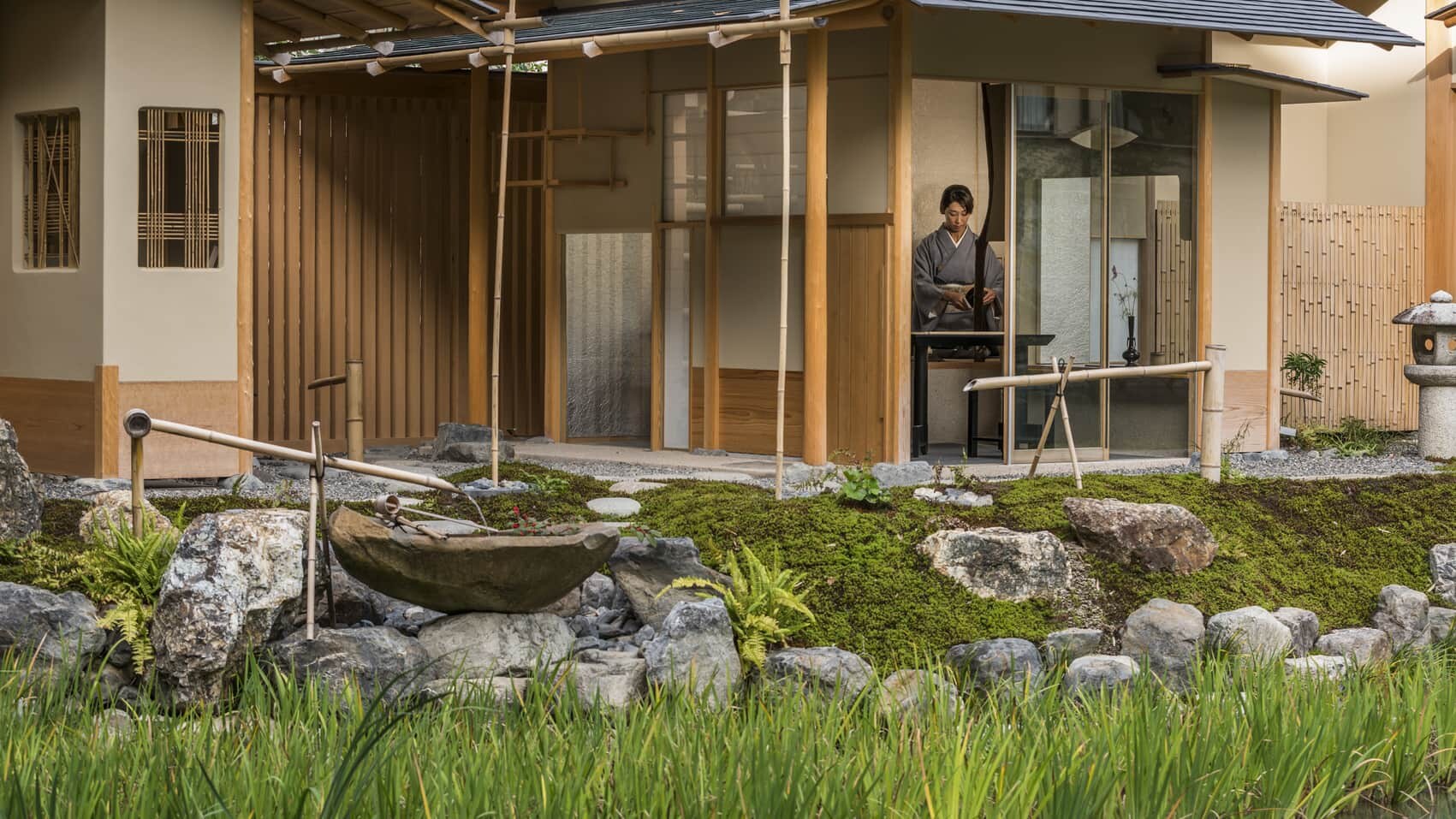
This is the hotel for the traveler who wants to be near Kyoto's old soul but also knows that a world-class bed, breakfast flexibility, and a spectacular bathroom are not failures.
Ryokan vs. Hotel — It's a Question of Rhythm, Not Purity
The mistake many travelers make is treating Kyoto lodging as a purity test. Ryokan equals authentic. Luxury hotel equals comfortable but less meaningful. That sounds tidy, but travel rarely works that neatly.
A traditional ryokan asks guests to surrender to the rhythm of the property. Meal times matter. Bathing rituals matter. Service has choreography. The experience can be deeply beautiful, but it is not passive. You participate in it. For the right traveler, that becomes the emotional center of a Japan trip. For others — a young family, a picky eater, a guest who's anxious about etiquette — the idea of a ryokan can be more appealing than the reality.
Four Seasons Kyoto solves a different problem. It gives travelers a way to experience Kyoto's atmosphere without turning the entire stay into cultural homework. You can engage with Japanese design, gardens, bathing, tea, and seasonal detail, but you can also order something familiar, use the spa, ask the concierge for help, and return to a room that feels easy.
That is not less luxurious. For many travelers, that is the luxury.
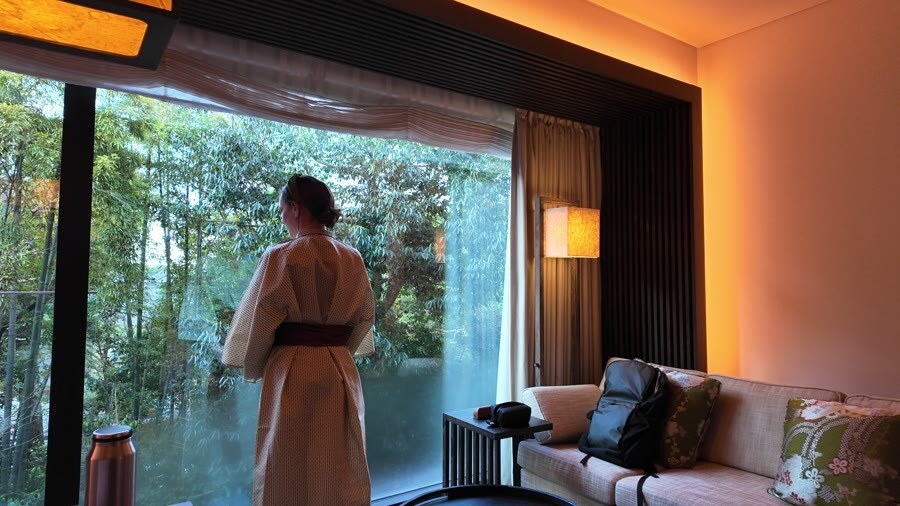
The Garden Is Why This Luxury Kyoto Hotel Works
What first drew me to Four Seasons Kyoto was not the brand name. It was the garden.
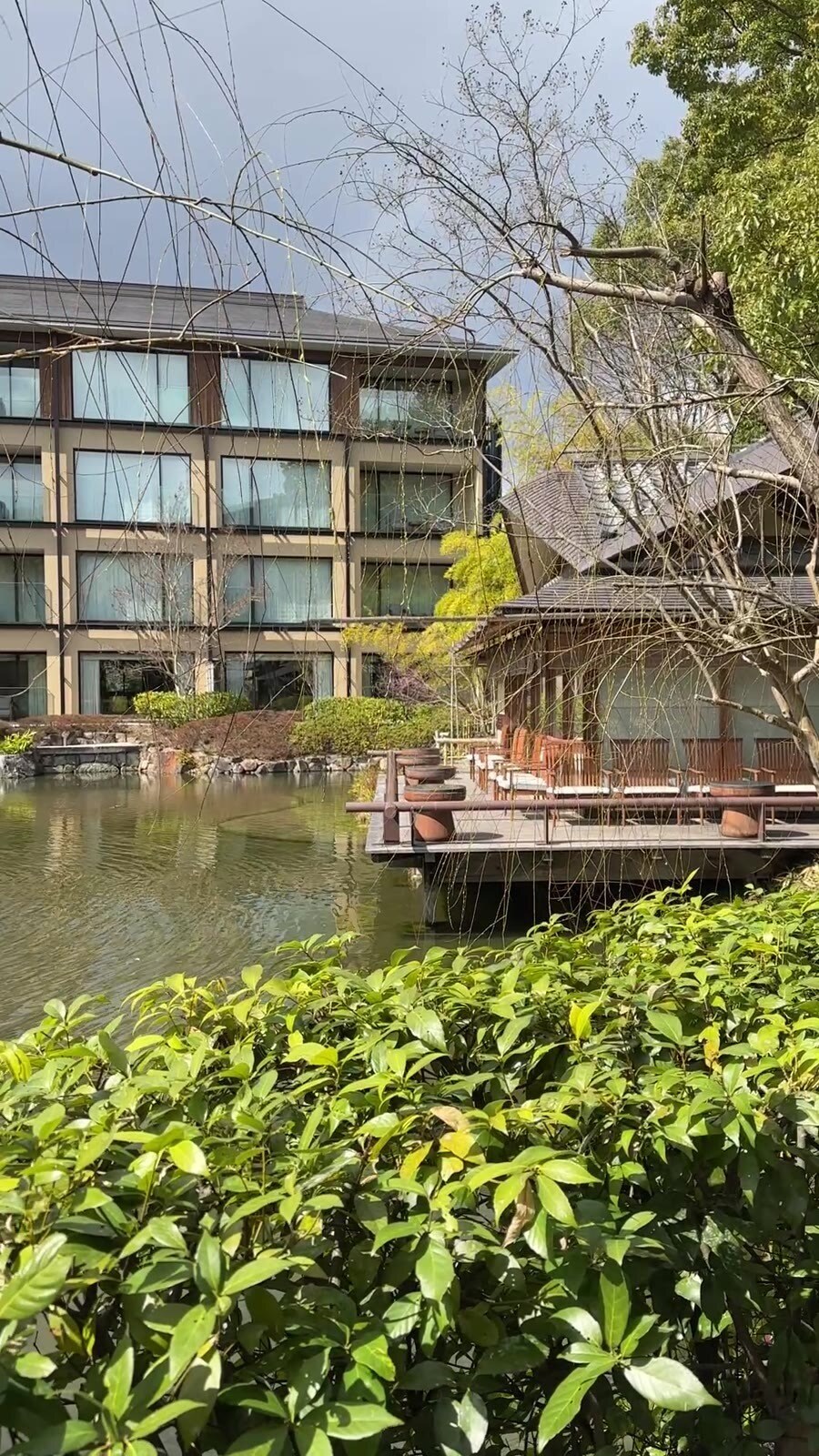
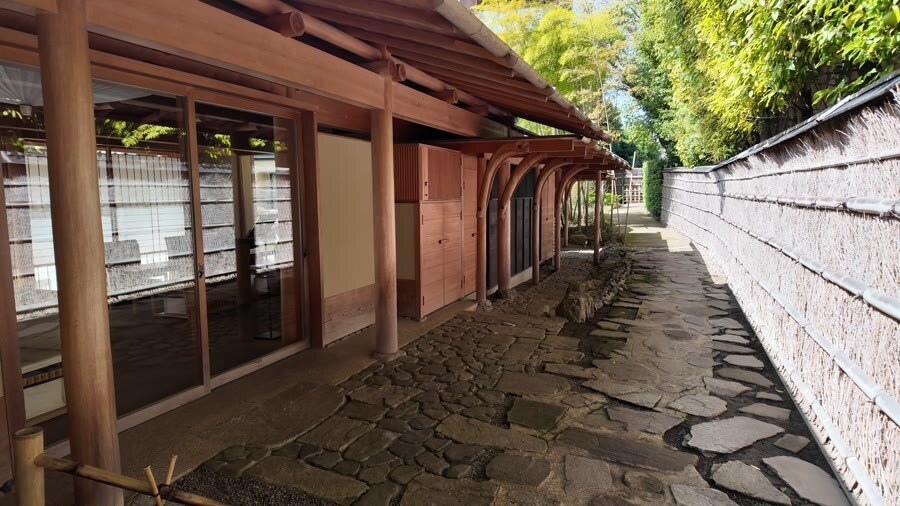
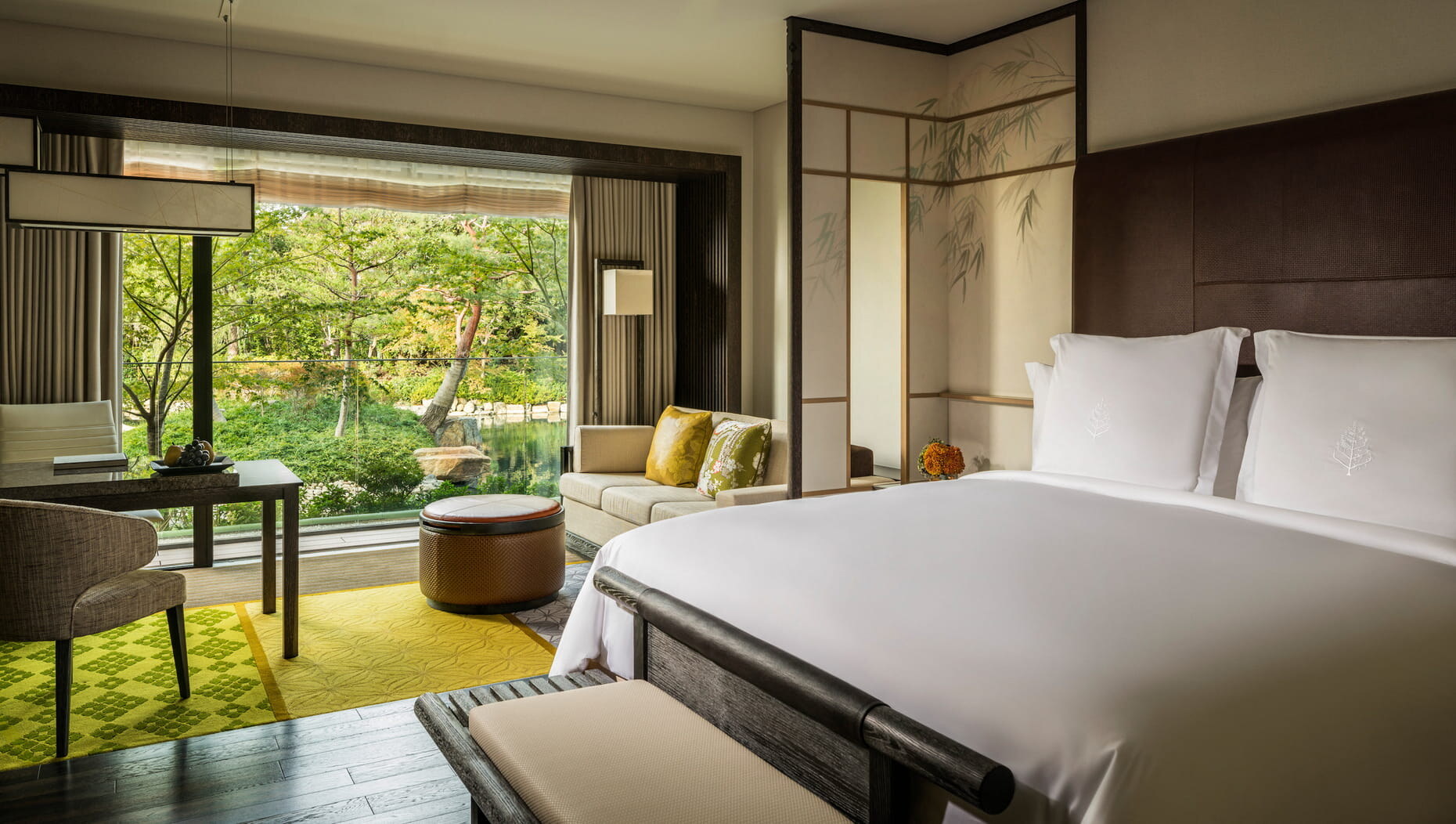
Shakusui-en, the hotel's 800-year-old pond garden, is the reason the property never feels like a polished international hotel that could be anywhere. The lobby looks toward it. The restaurants orient around it. Certain rooms become more valuable because of it. The whole property understands that the garden is not an amenity. It is the point.
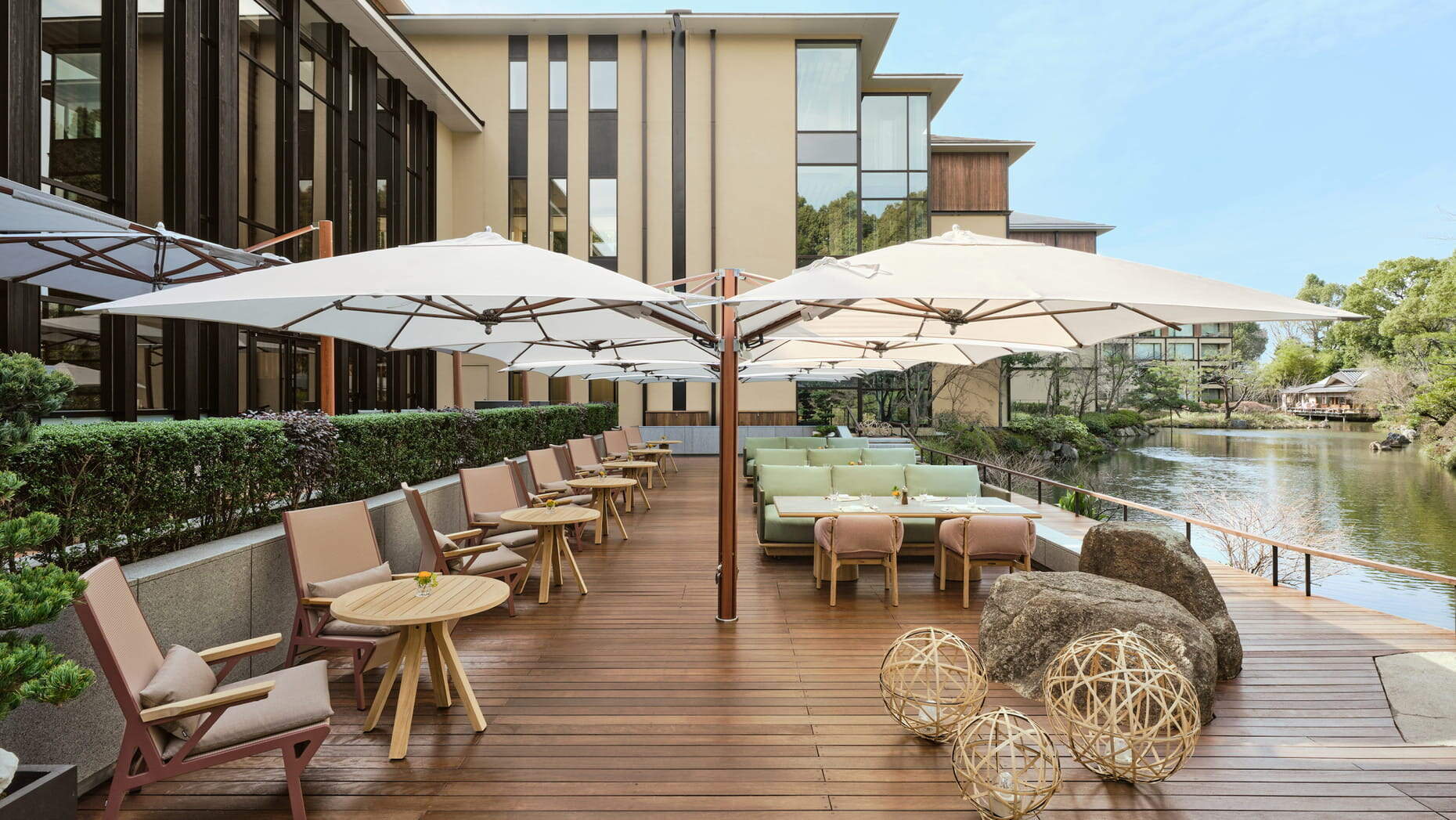
I felt that most clearly the morning after breakfast, when my husband and I walked the garden and fed the koi and the mandarin ducks. The koi were enormous. The ducks were vivid and strangely glamorous, as mandarin ducks tend to be. The water changed the mood of the whole place. In the evening, the garden felt more ceremonial, almost sacred. In the morning, it had more energy — fish gathering near the surface, ducks moving through the pond, greenery waking up around us.
We visited in early March, when it was still cold enough that the outdoor terrace was not really in use. I kept thinking how different it would feel in spring, when the blossoms are out, the terrace is set, and the whole thing has that fresh, new-season energy. Late March through mid-April and November for autumn foliage are the peak windows — beautiful, competitive, and worth booking six to nine months in advance for the best room placement.
This is why the garden is not just a pretty backdrop. It gives Four Seasons Kyoto cultural depth without requiring guests to give up the comfort of a world-class hotel.
The Ofuro, the Spa... and the Naked Part
Kyoto is physically demanding in a quiet way — temple stairs, stone paths, long walks, early starts, full days outside. A hotel with serious recovery infrastructure becomes more valuable than most travelers expect.
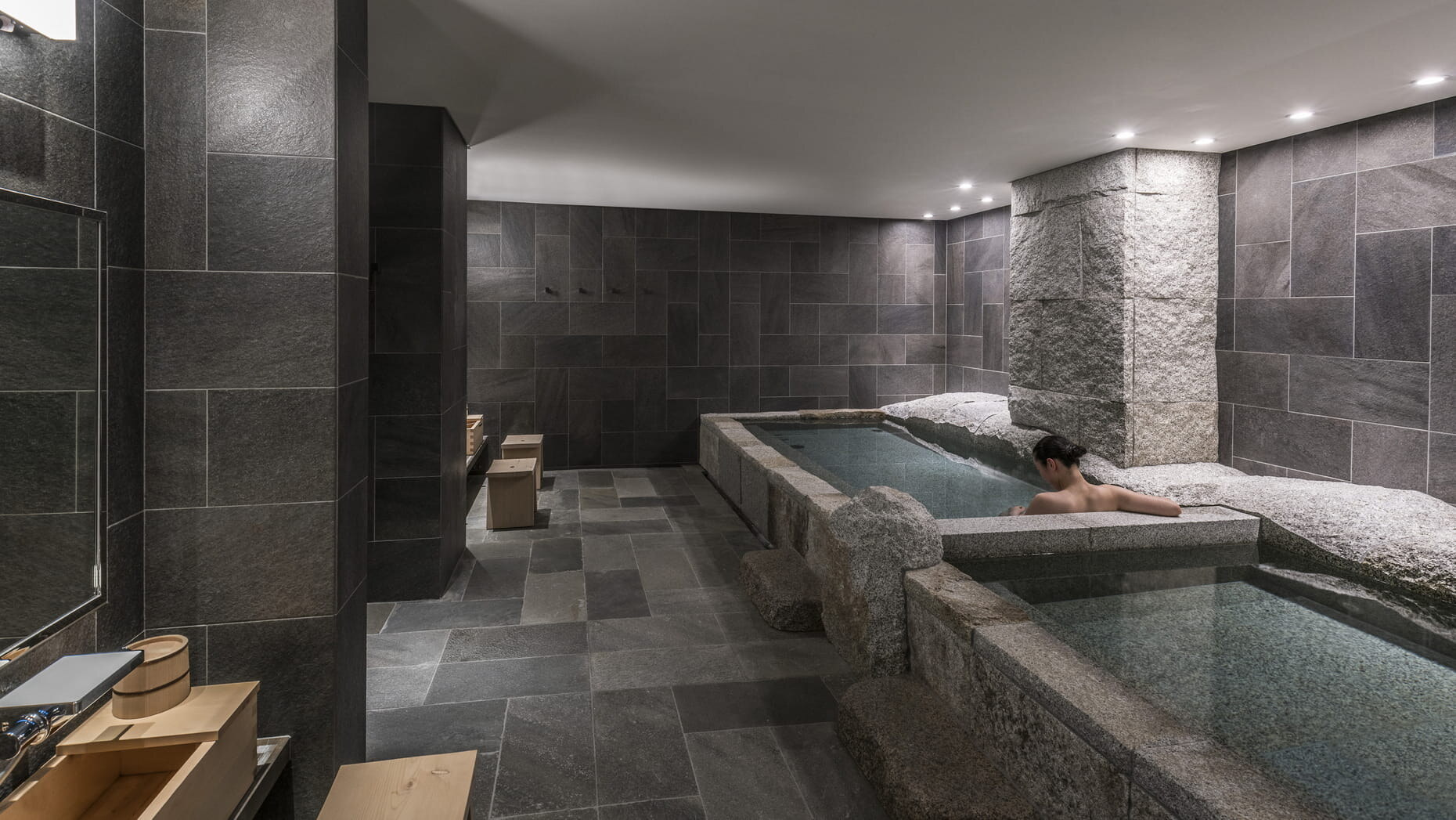
Four Seasons Kyoto's spa includes ofuro-style bathing, sauna, steam room, cold plunge, pool, and treatment spaces. The ofuro is communal and gender-separated, with no swimsuits, so it can feel intimidating if you are new to Japanese bathing culture. But the way the hotel designed the experience made it much easier to begin.
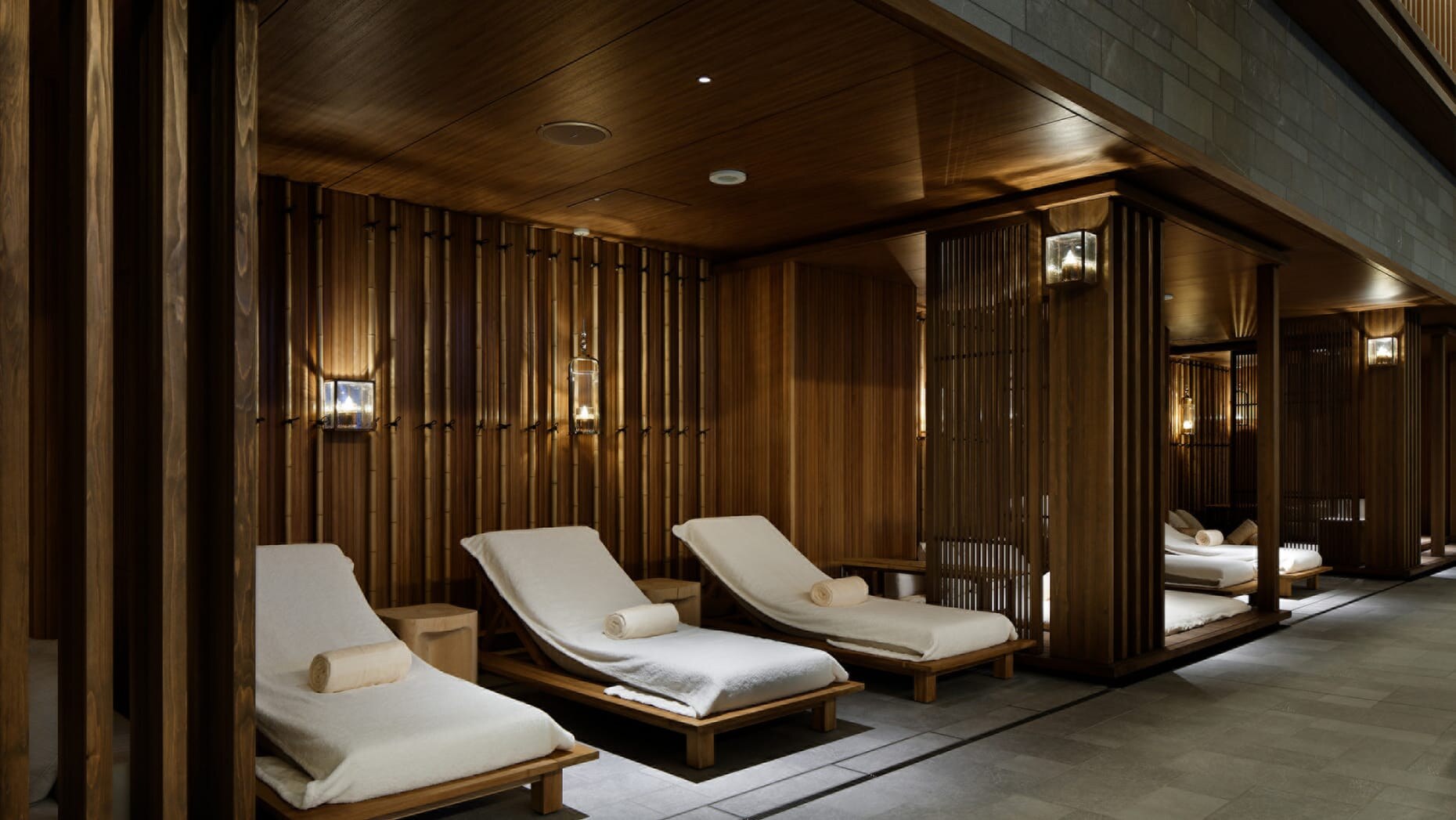
First, you pass the spa desk, then a corridor, the locker area, the sinks and toilets, the shower area, the relaxation space, and finally the baths. It feels like the hotel is walking you through the ritual without overexplaining it. There are privacy options for changing and showering, which reinforces what the property does well overall: it gives you a way into Japanese tradition without making you feel exposed, confused, or tested.
To be precise, this is not a natural onsen experience. It is an ofuro-style hotel bathing facility. But for many luxury travelers, that distinction is exactly why it works. You get the rhythm of Japanese bathing culture — washing first, slowing down, moving between heat, cold, and rest — with Four Seasons-level clarity.
The naked part is still the naked part. Four Seasons cannot do that part for you. But it can make everything around it feel less intimidating.
Who Should Book Four Seasons Kyoto: Romance, Families, and the Case for Three Nights
Four Seasons Kyoto is a romantic hotel. I went with my husband, and the property felt private and intimate — the garden, the dining, the bathing, the quiet pace of it all. But at breakfast one morning, a family with young children was there too, and the hotel held both experiences without either one intruding on the other. That is 180 rooms and residences doing their job well.
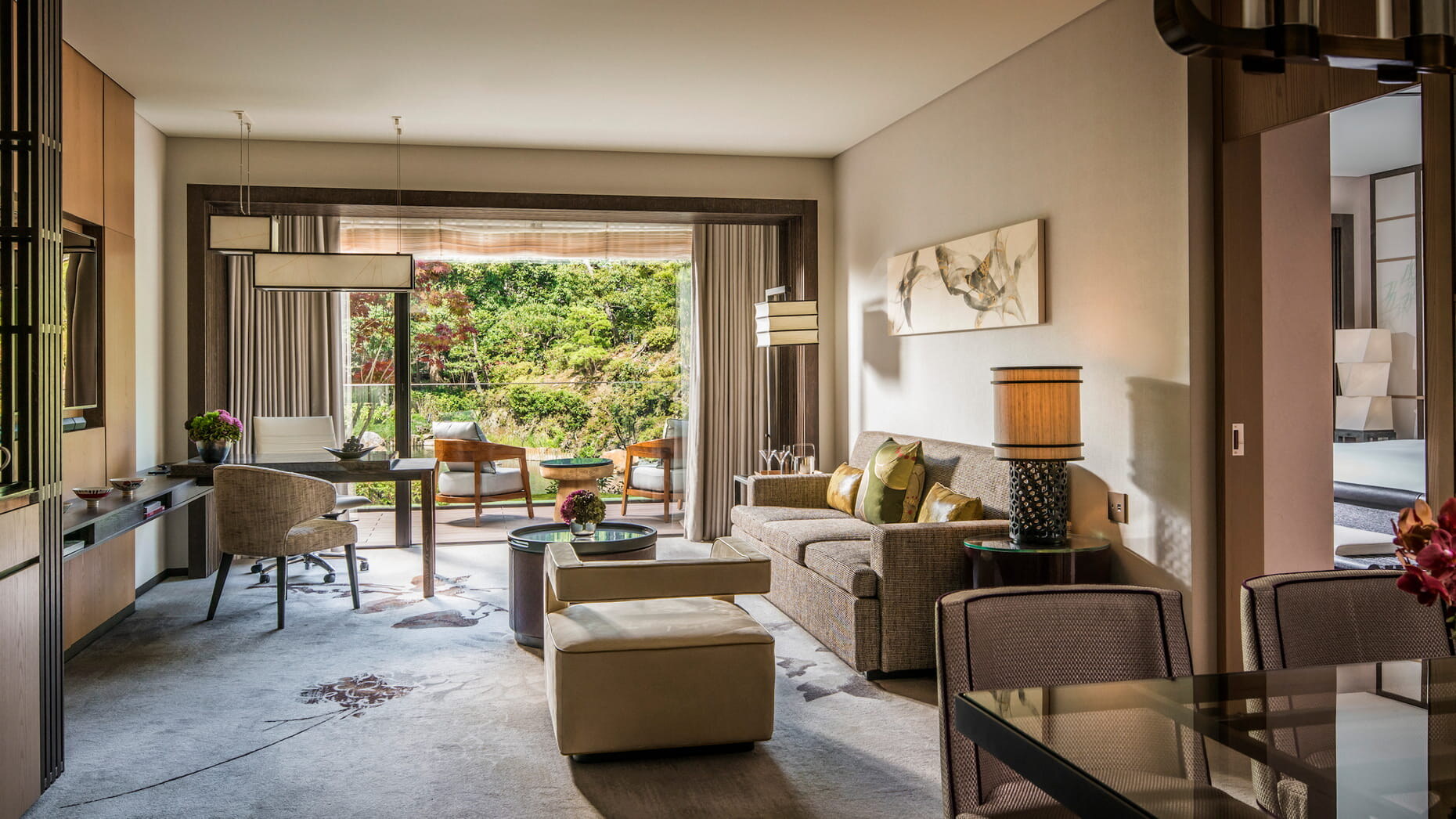
The two-, three-, and four-bedroom residences make Kyoto dramatically more manageable for families and multigenerational groups. Some include traditional Japanese design elements — a softer version of the ryokan feeling, with kitchens, space, and the full support of the hotel. For couples, the Premier Heritage Garden Room is where I would start: it connects the stay directly to the landscape without moving immediately into suite pricing.
Here's the thing most travelers get wrong about Japan: they don't stay long enough to enjoy the hotel. At Four Seasons Kyoto, that's a mistake.
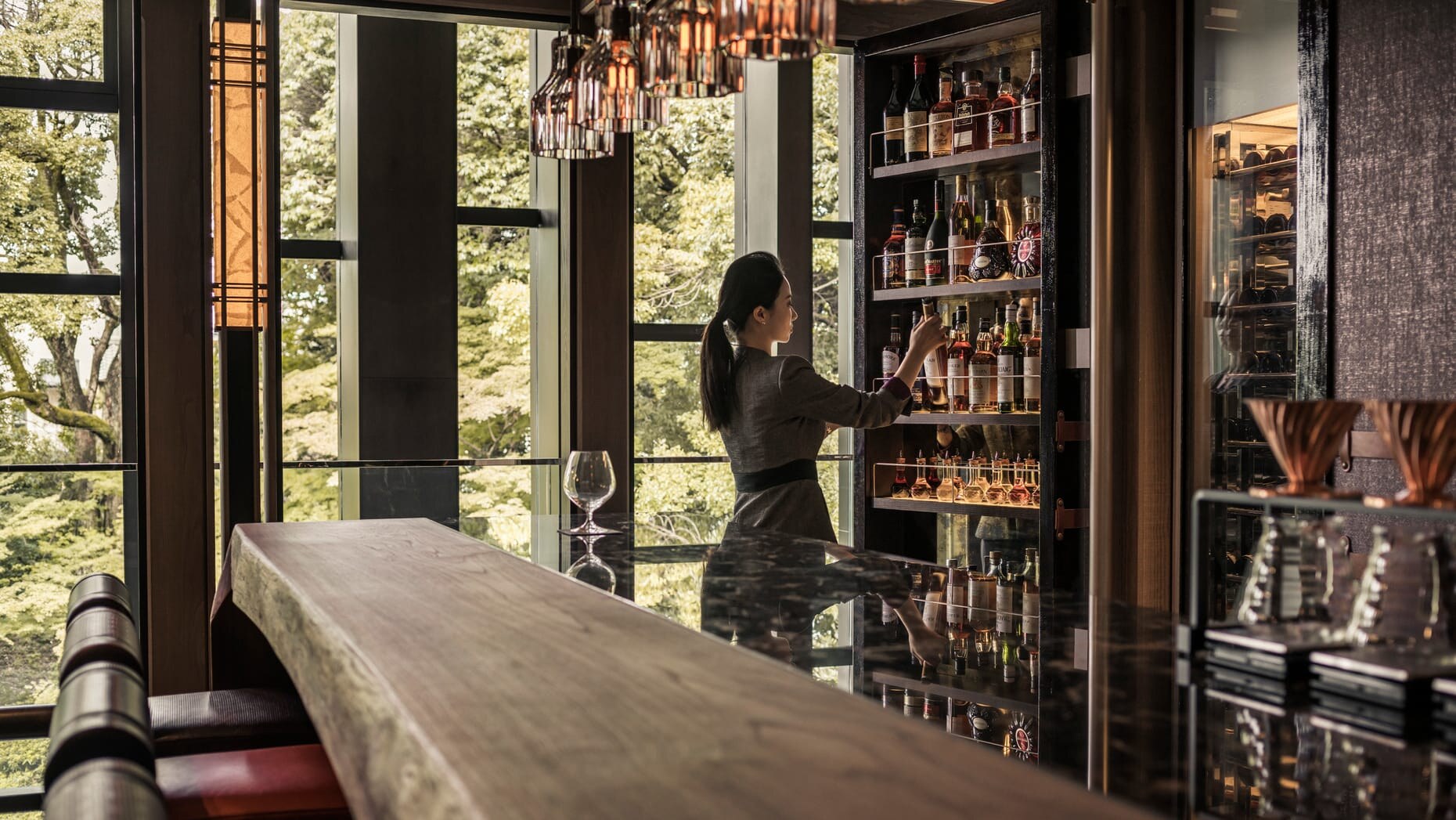
There is SEY, a speakeasy-style cocktail bar above the main dining room, that I glimpsed on our last night and wished I had another evening to enjoy. There's Fuju Tea House, a garden-facing lounge where you can drop in for tea, sake, or Champagne with a private party up to five people at a time. There are seasonal activities I noticed but did not have time to try.
Two nights gives you a glimpse. Three nights lets the property actually work — one day for arrival, one full day for Kyoto, and one slower morning where the garden, breakfast, spa, and all the things you keep walking past finally become part of the stay. Four nights is even better for families and slower travelers, and it is the length I most often recommend for multigenerational groups. In practical terms: rooms should be booked six to nine months ahead for cherry blossom season and autumn foliage. The Premier Heritage Garden Room is the starting point for couples. Families and groups should ask about the residences specifically — availability is limited and they move quickly.
Who Should Book Four Seasons Kyoto — and When Both Is the Answer
Four Seasons Kyoto is the right choice for first-time Japan travelers; couples who want romance without formality; families who need space; multigenerational groups; and anyone who wants Kyoto to feel historic, beautiful, and comfortable without unnecessary complication.
For many luxury Japan itineraries, the smartest move is both: Four Seasons Kyoto as the polished, garden-centered base, and a ryokan for the deeper ritual — in Kyoto, or somewhere like Hakone, Ise-Shima, or Kinosaki. For first-time travelers, I often recommend starting with the hotel and ending with the ryokan once guests have adjusted to Japan. The connected Four Seasons experience across Kyoto, Osaka, and Four Seasons Hotel Tokyo at Otemachi also often gives a Japan itinerary a seamless, well-supported spine.
This isn't a hotel to simply book online — it should be booked through a Four Seasons Preferred Partner like myself for daily breakfast, property credit, upgrade priority, and VIP recognition — benefits that matter here because breakfast, room placement, and how the hotel perceives you all shape the quality of the stay.
Kyoto rewards travelers who leave room for stillness. Four Seasons Kyoto offers exactly that — a sanctuary close to the city's center without sacrificing the comfort and consistency of home.
Connect with me below to plan your journey.
FAQ
How far is Four Seasons Kyoto from the airport?
Four Seasons Hotel Kyoto is in the Higashiyama district, about 8–10 minutes by car from Kyoto Station. Kyoto does not have its own airport; most international guests arrive via Kansai International Airport (KIX), about 90 minutes to 2 hours away by car, or approximately 75 minutes by train to Kyoto Station plus a short taxi ride. Osaka Itami Airport (ITM), mainly for domestic flights, is closer at about 50–60 minutes by car. If you arrive into Haneda or Narita, you will need to take the Shinkansen (bullet train) from Tokyo to Kyoto, about 2.5 to 3 hours. And then take a 10 minute car transfer to the hotel.
How much does a room at Four Seasons Kyoto cost per night?
Rates vary by season, room category, and availability, but entry-level rooms at Four Seasons Kyoto typically start around USD $1,000–$1,200 per night. Suites, residences, garden-view rooms, and peak travel dates can be significantly higher.
What dining options are available?
Four Seasons Kyoto offers several dining venues, including EMBA Kyoto Grill for refined grill-focused cuisine, Sushi Ginza Onodera for Edomae-style omakase, SEY cocktail bar, and FUJU, a tranquil tea and sake lounge overlooking the historic pond garden. Guests can also enjoy seasonal afternoon tea, in-room dining, and curated private dining experiences.

Plan your next journey with
Krystal ArielKrystal Ariel is a luxury travel curator and writer with a particular love for exceptional hotels, restorative experiences, and the small details that can transform an entire journey. Through Shibui Travel, she curates deeply personal trips for private clients who value thoughtful pacing, beautiful places, and feeling completely taken care of from start to finish. Originally from Miami and now based in Mexico, Krystal brings a local’s perspective to both destinations, alongside a particular depth of interest in Japan. She is especially drawn to hospitality with soul: intuitive service, a strong sense of place, nourishing food, thoughtful design, and the moments of care guests remember long after they return home. Before entering luxury travel, she spent more than a decade in public relations, marketing, content, and brand partnerships within the technology industry, working across startups, growing companies, and global enterprises. She is also a 500-hour yoga teacher and has studied positive psychology, stress management, and well-being through Stanford University, experiences that continue to shape the way she thinks about travel, rest, and human connection.
Related Stories
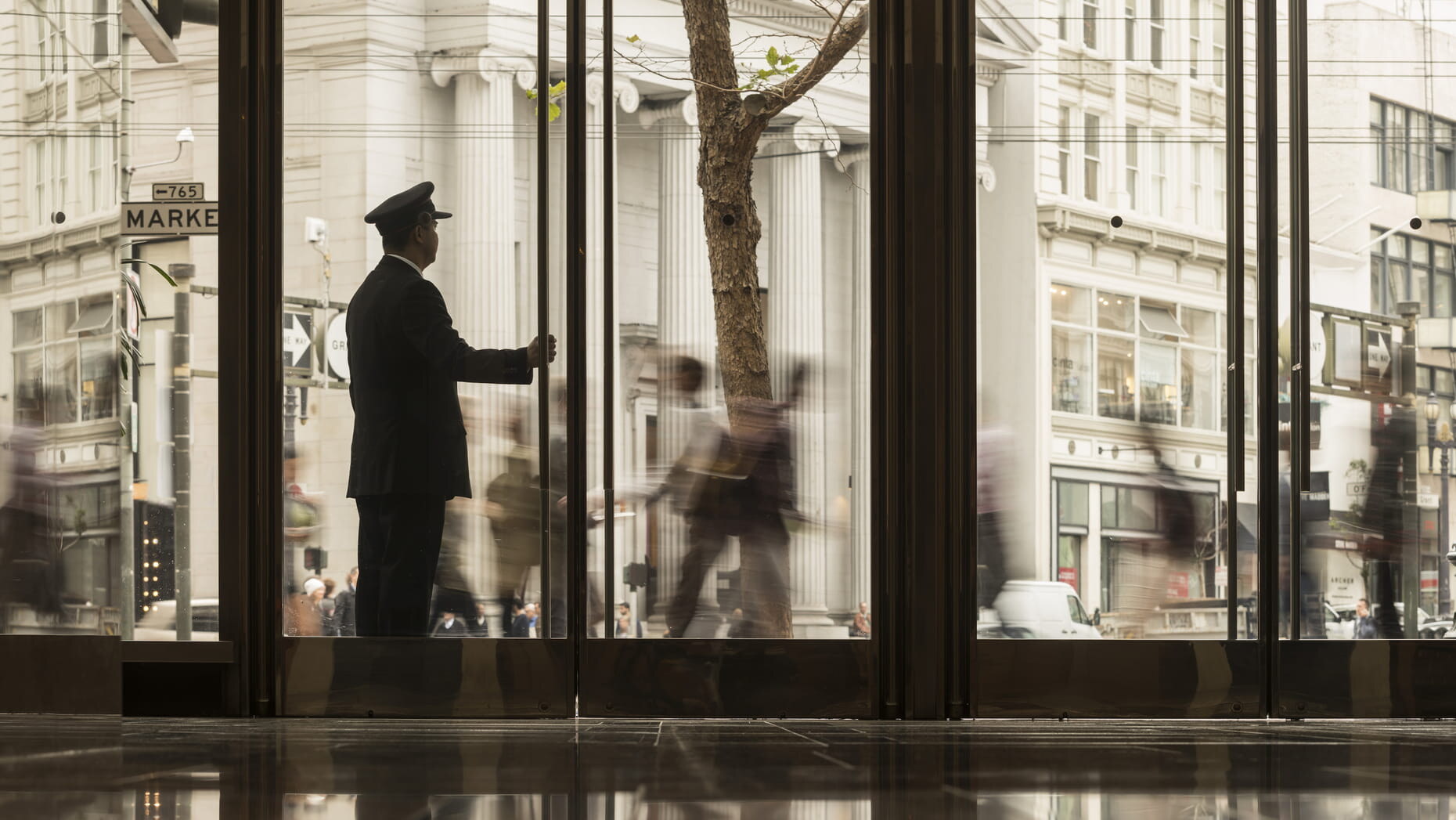
Fixing the Worst Part of a Napa Valley Trip: Four Seasons San Francisco
Driving from Napa to San Francisco International Airport takes at least two hours , which means an 8 a.m. flight translates to a 3 a.m. alarm on your last morning in wine country. Here's a much better way to end a Napa Valley trip.
By Krystal Ariel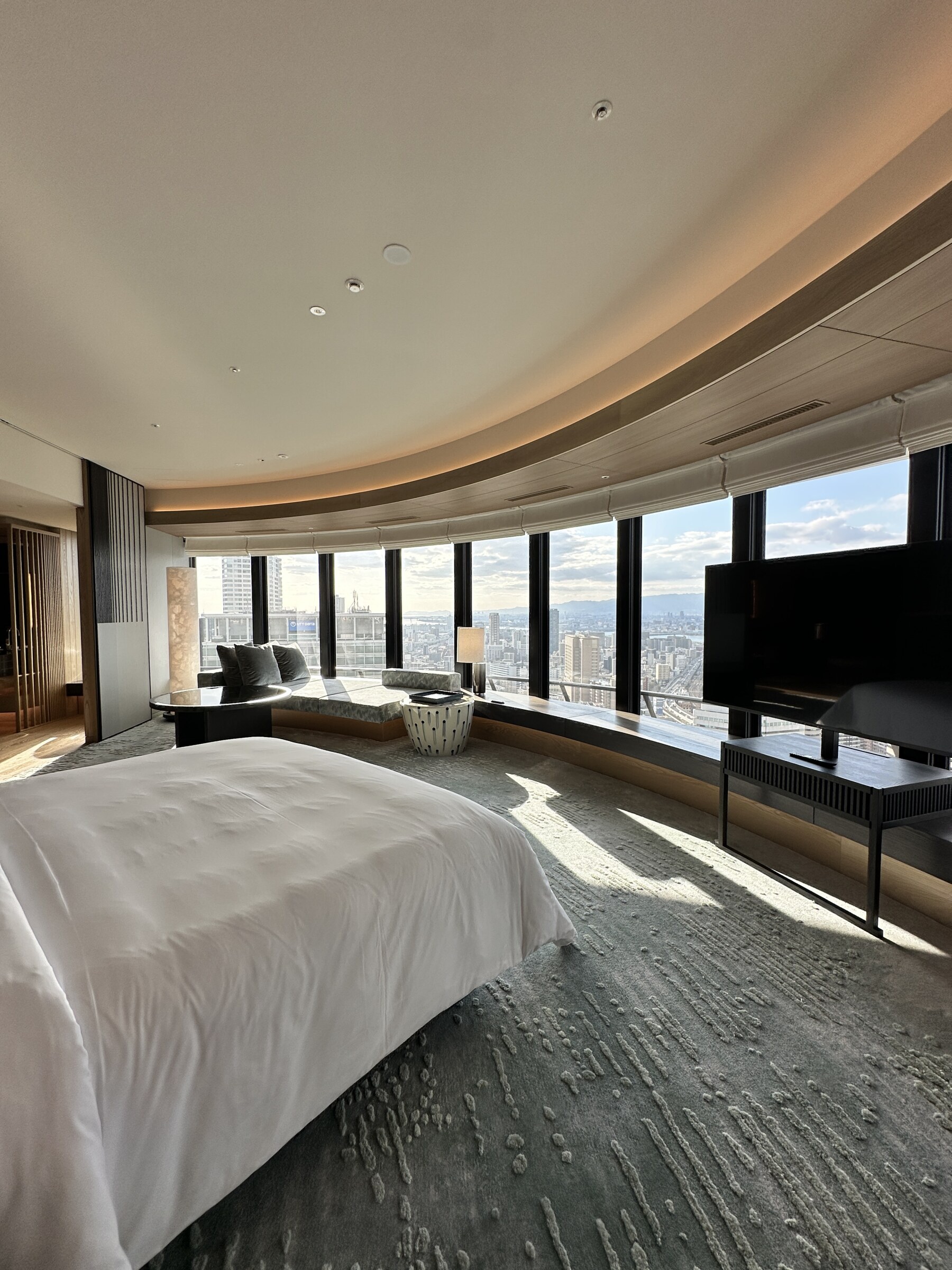
One Day in Osaka is a Mistake: Here's What I Would Do Instead
Osaka is too often treated as a day trip or one-night add-on. Four Seasons Osaka showed me why this city deserves more time, especially for travelers who care about food, movement, comfort, and easy access to the region.
By Krystal Ariel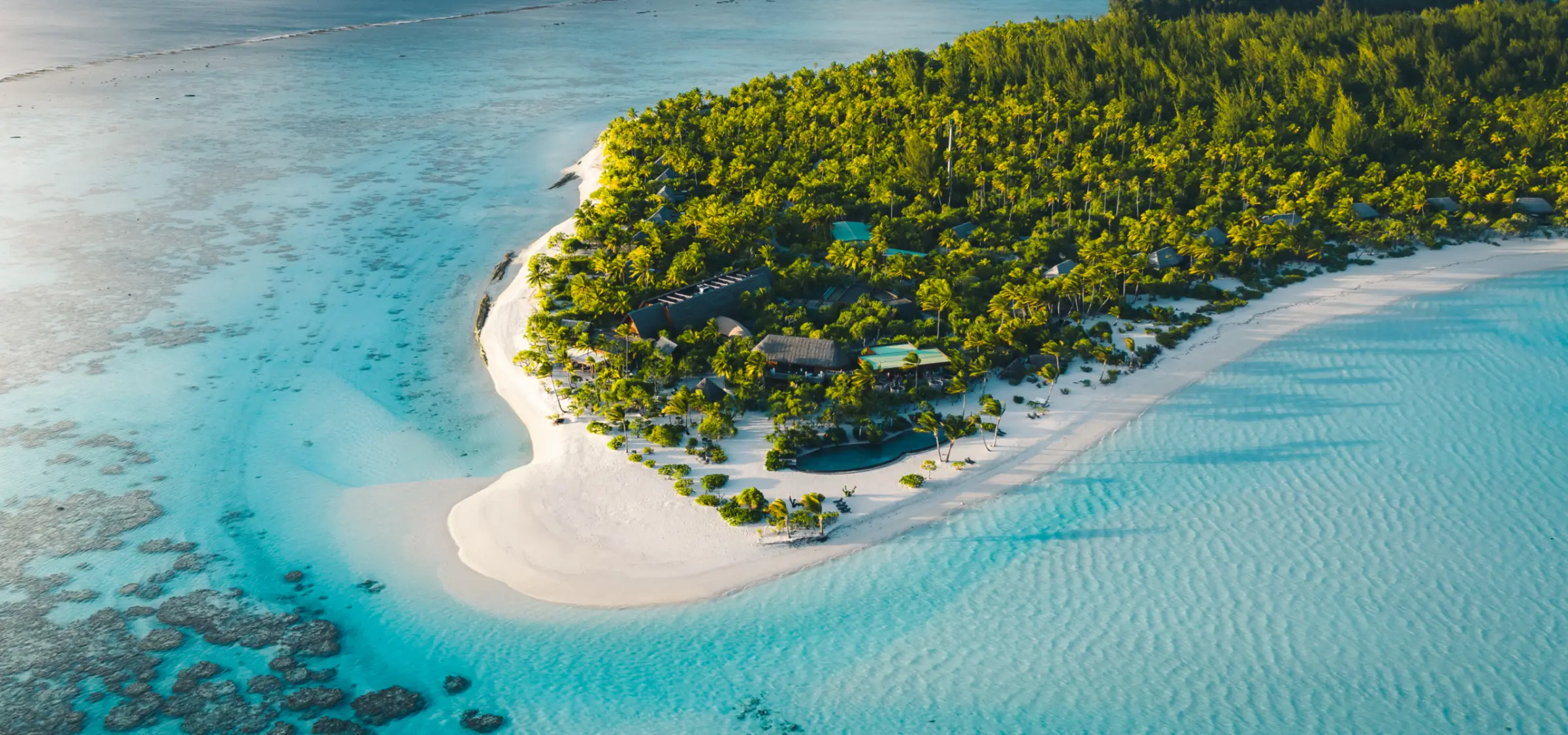
The Brando's Private Motu: One Island Marlon Brando Kept for Himself
A short flight from Tahiti, one islet sits apart from Marlon Brando's own resort, reserved by request for a single party at a time. It is the closest a traveler can get to the man who built this atoll, it's resort, and the private oasis even further from the main retreat.
By Alina Moretti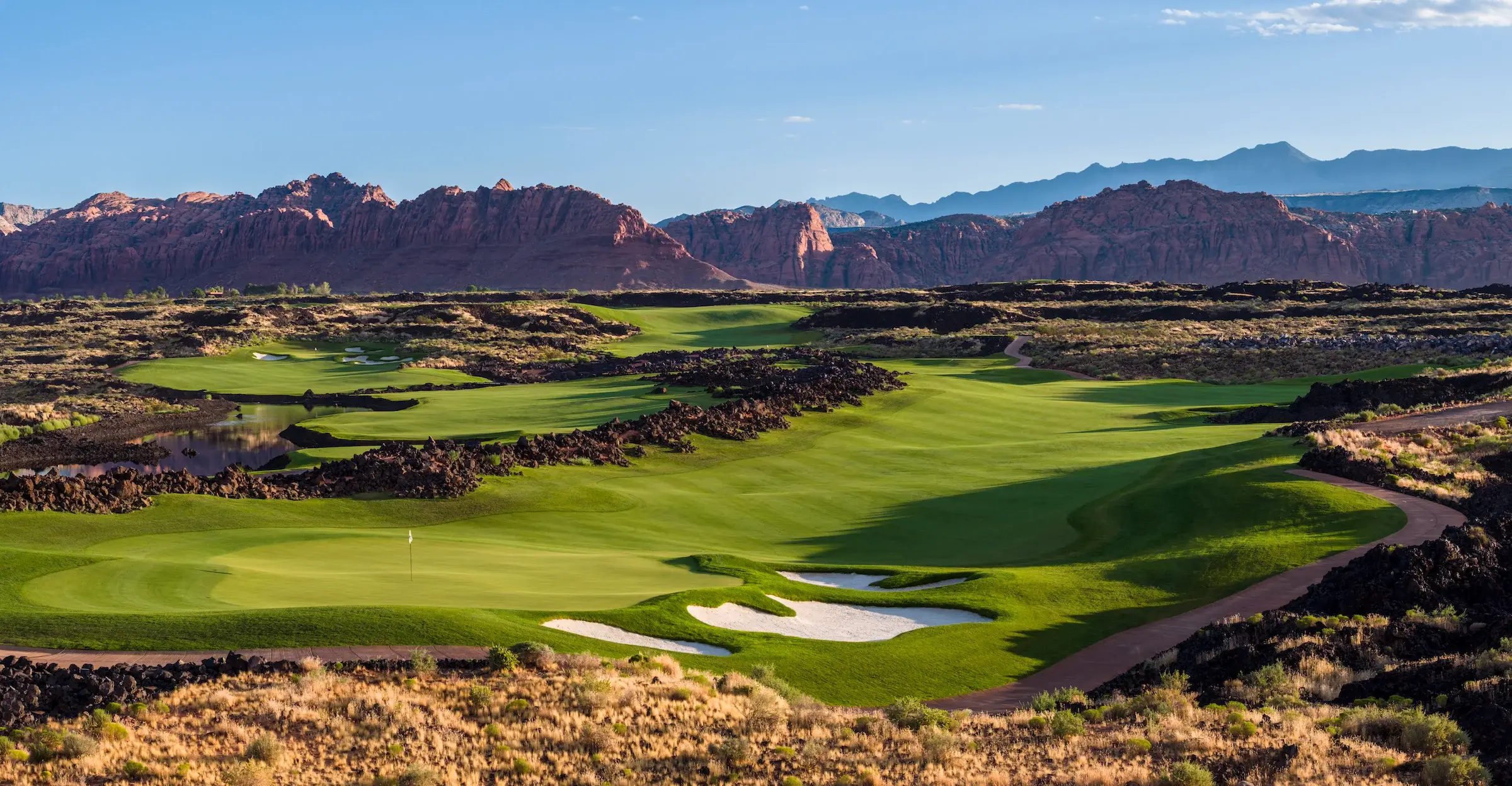
Kona Meets Sedona: Inside Black Desert Resort, Southern Utah's Luxury Escape
Deep black volcanic basalt, emerald fairways, and red sandstone cliffs that shift from terracotta to burnt sienna by the hour — Black Desert Resort shouldn't work as a landscape, but it does, spectacularly. I pulled up on an October morning and realized I was looking at something I'd never seen before in a place I call home.
By Megan Saldibar
The New Science of Living Longer: 5 Anti-Aging Retreats Redefining Luxury Wellness
Five destinations where longevity, biohacking, and genomic medicine have become the most compelling luxury on earth. From Swiss clinics to Mediterranean retreats, the future of travel is biological.
By Alina Moretti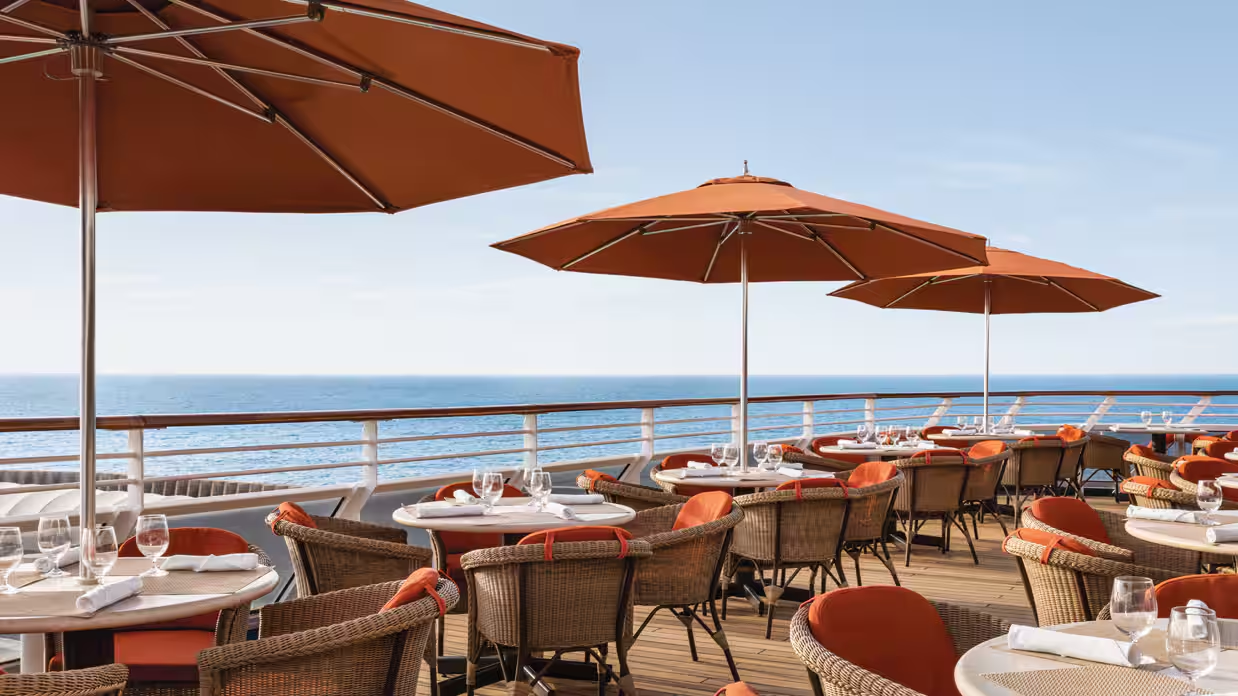
Confessions of a Converted Cruiser: How Alaska and Oceania Changed Everything
A self-proclaimed non-cruiser boards Oceania for an Alaskan voyage — and discovers that breaching humpbacks, foie gras-topped filets, and glass-smooth mornings can change a traveler's mind entirely.
By Cassie Bacon