
Destination Guide
Centro Histórico, Mexico: The Neighborhood for Cultural Travelers and History Buffs
Downtown Mexico City's Centro Histórico (Zócalo) lets you witness 700 years of civilization without moving — Aztec temple ruins, a Spanish colonial cathedral, and the seat of modern Mexican government all coexist in this one neighborhood.
May 23, 2026
El Centro Histórico: Where 700 Years of Civilization Collide
In downtown Mexico City, 700 years of civilization sit stacked on top of each other. The Zócalo, Plaza de la Constitución, is one of the largest public squares in the world, and standing in it, surrounded by the Metropolitan Cathedral and the National Palace, you feel the weight of all of it.
This is where the Aztec empire centered itself, where Spanish conquistadors built their colonial capital, and where Mexico declared independence, fought revolutions, and continues to govern itself today — all in the same few square kilometers.
Who Should Stay in Centro Histórico, Mexico City
Centro Histórico is ideal for:
- History enthusiasts who want to be immersed in Mexico's layered past
- Cultural travelers seeking museums, archaeological sites, and colonial architecture
- First-time visitors to Mexico City who want to understand the city's origins from a convenient location
- Those interested in traditional Mexican crafts, gold, and silver jewelry
- Anyone timing their visit around Día de los Muertos or other major festivals
Best Hotels in Centro Histórico
Gran Hotel Ciudad de México (Av. 16 de Septiembre 82)
It has one of the most impressive Art Nouveau lobbies I've seen anywhere. It's a turn-of-the-century landmark sitting directly on the Zócalo with stained glass that alone is worth stopping by to see.
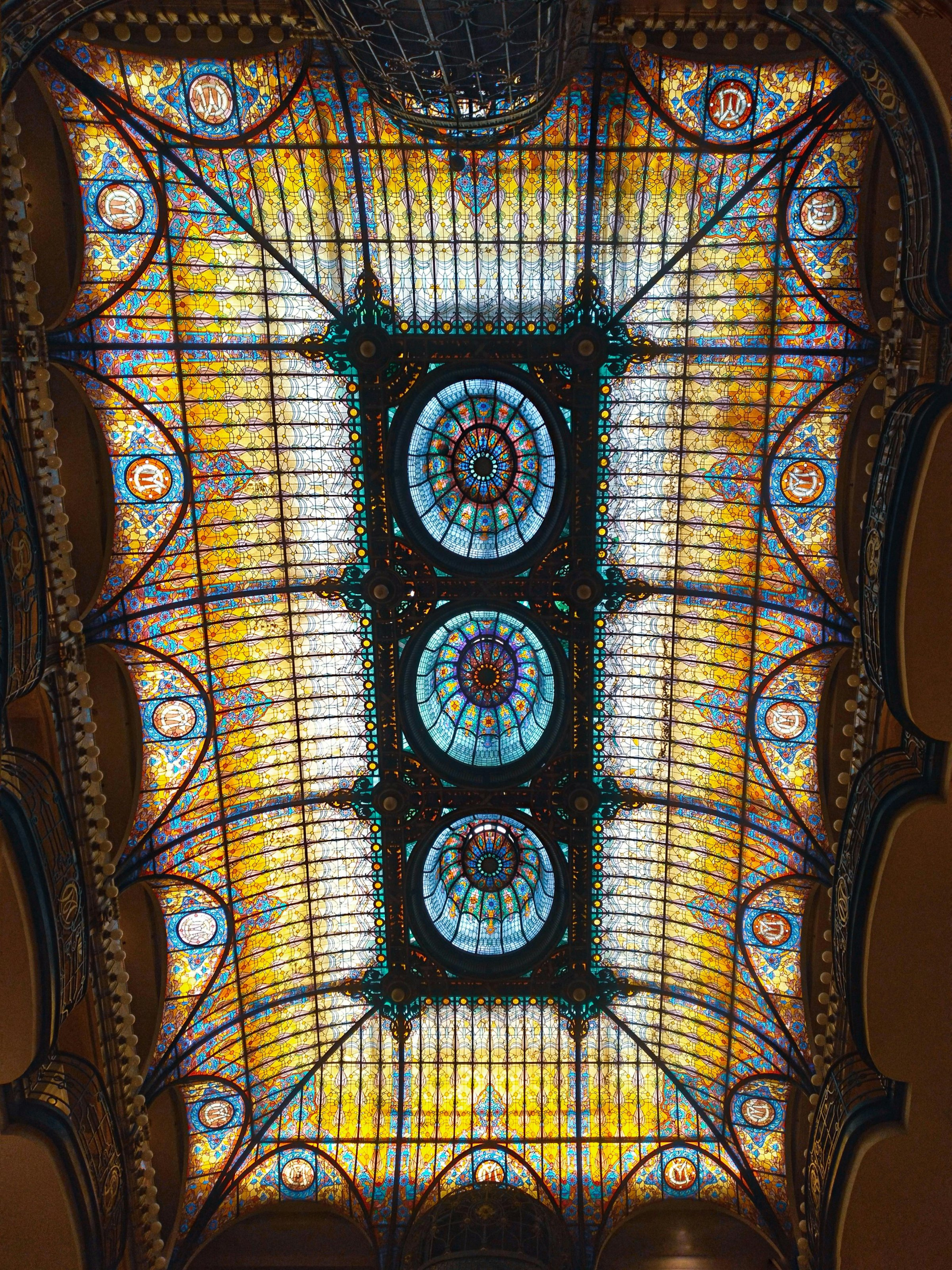
Book a Zócalo View suite and your windows face the entire plaza — the Metropolitan Cathedral, the National Palace, all of it. The rooftop terrace restaurant is where to be during Día de los Muertos or the Fiestas Patrias celebrations, when the Zócalo transforms below you.
It's also a James Bond filming location; both License to Kill and Spectre were shot here. The hotel feels grand, historic, and unapologetically theatrical in the best way.
Where to Eat in Centro Histórico
Balcón del Zócalo (Downtown Hotel rooftop)
This rooftop spot gives you direct views over the entire historical complex, excellent food and drinks, and none of the crowd below. It's how I recommend experiencing the scale of the Centro for the first time. The perspective from above helps you understand how the city is layered — Aztec foundations, Spanish colonial architecture, modern Mexico all coexisting.
Plaza Garibaldi & Salón Tenampa
One night after dinner, head to Plaza Garibaldi. It's touristy, it's loud — the competing trumpets and violins hit you the moment you step out of the Uber — and mariachi bands will materialize at your table whether you invited them or not. It's completely worth it.
Get a table at Salón Tenampa, order tequila, and let it happen. This place has been home to mariachi since 1925. The energy is pure Mexico City. The Museo del Tequila y el Mezcal is nearby; skip the museum, go straight to the rooftop bar for a drink and people-watching over the plaza.
Important: Uber there and back; don't wander the surrounding streets.
Zinco
It is famously hidden in the underground vault of the former Banco de México building (an Art Deco gem). You enter through a discreet door on Motolinía Street and descend into a space that feels like a 1930s speakeasy.
Intimate, dimly lit, decked out in crimson velvet and dark wood. Very "New York in the '50s" energy but right in the heart of Aztec ruins and colonial palaces. They serve classic cocktails—their Tamarind Mezcalini is the signature drink—and the acoustics in the old bank vault are exceptional.
El Cardenal (Palma 23, Centro)
Beloved for its moles, El Cardenal is one of the best places in the city to experience Mexican cuisine treated with the same reverence as any fine dining tradition. Traditional, upscale, and worth the visit for breakfast or lunch.
Top Things to See in Centro Histórico
El Templo Mayor: Mexico City's Ancient Aztec Temple
The Great Temple of Tenochtitlan, once the center of the Aztec empire, was accidentally rediscovered in 1978 by electrical workers digging near the cathedral. When the Spanish arrived in the 16th century, they tore down what they could see and started building their cathedral on top. What they didn't realize was that the foundations ran deeper than they could reach.
The ongoing restoration has revealed seven distinct phases of construction. The Aztecs ritually rebuilt their most sacred temple every 52 years, and new discoveries continue to be made. It's an extraordinary archaeological site, and it sits in the middle of the city. Standing here, you're literally at the center of what was once the most powerful civilization in Mesoamerica.
Palacio de Bellas Artes
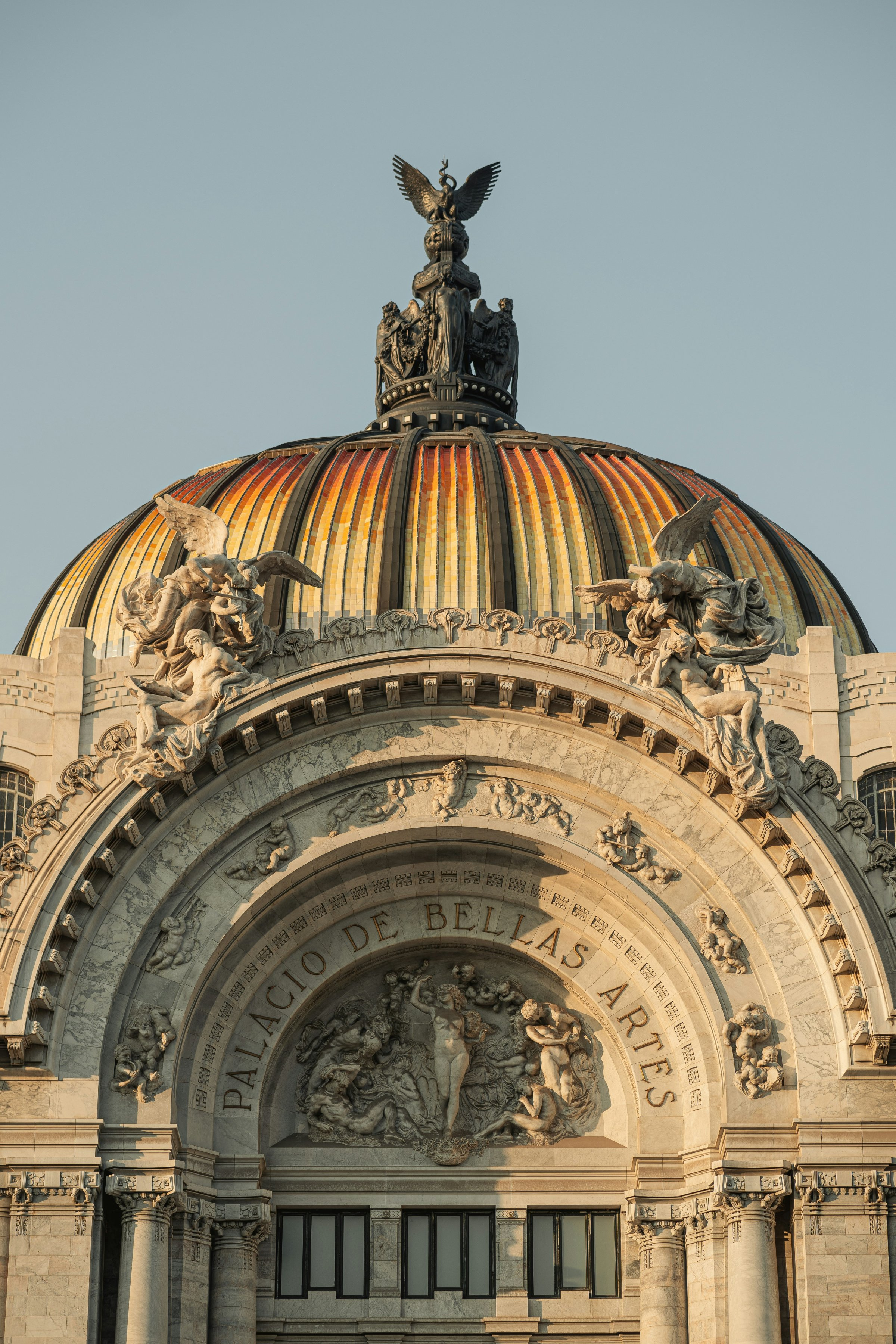
It is the kind of building that stops you mid-stride. The white marble exterior, the Art Nouveau dome, the way it sits at the edge of the Alameda—it's beautiful. Go inside if you can; the murals by Rivera, Orozco, and Siqueiros are worth the stop. But even standing in front of it for five minutes is enough.
The Metropolitan Cathedral
It is the largest cathedral in the Americas, constructed over nearly 250 years (1573–1813). It's an architectural encyclopedia of colonial styles—Baroque, Neoclassical, Churrigueresque—all layered on top of each other as fashions changed and construction continued.
The Cathedral's Bell Tower: For a small fee (or via a private guide), you can climb the narrow stone stairs to the roof of the Metropolitan Cathedral. Walking among the giant bells while looking down at the massive square is a "top of the world" moment.
The National Palace (Palacio Nacional)
This is where the President works. The building contains some of the most important Diego Rivera murals in existence—massive works depicting Mexican history from the Aztecs through the revolution.
To see the murals without the crowds, arrange a private guided tour through a luxury concierge or by emailing the SHCP cultural office in advance. The experience of having these monumental works nearly to yourself is worth the effort.
Museo Memoria y Tolerancia
On the border of Juárez and Centro, this is one of the most powerful and architecturally striking museums in North America. It is a somber, high-design space dedicated to human rights, genocide awareness, and tolerance. Not easy, but important.
Where to Shop in Centro Histórico: Gold, Silver & Artisan Crafts
Centro is the best place in the city to buy gold and silver jewelry. The streets around Calle Correo Mayor and the Mercado de Joyería are full of artisan workshops selling directly to the public, particularly Taxco silver, which is extraordinary, at prices that can't be found anywhere else.
Wander deliberately. The best shops are usually the ones hidden down unmarked corridors. This is where locals buy jewelry for weddings, quinceañeras, and special occasions—not tourist markup, actual market prices.
Mercado de Artesanías La Ciudadela (nearby, on the Juárez-Centro border) is where locals shop for crafts and you'll find proper artisan vendors with fair prices. Textiles, ceramics, folk art, leather goods—all authentic, all reasonably priced.
Festivals Worth Timing Your Trip Around
Día de los Muertos (November 1–2) turns the Zócalo into something otherworldly. You'll see massive altars, marigold carpets, processions running through the night — if you can only come once, come for this.
Fiestas Patrias (September 15–16) offers independence celebrations. The President gives the traditional "Grito" from the National Palace balcony, and the entire Zócalo fills with hundreds of thousands of people. Fireworks, music, and national pride on full display.
Semana Santa (March/April) brings elaborate processions and religious ceremonies throughout the historic center.
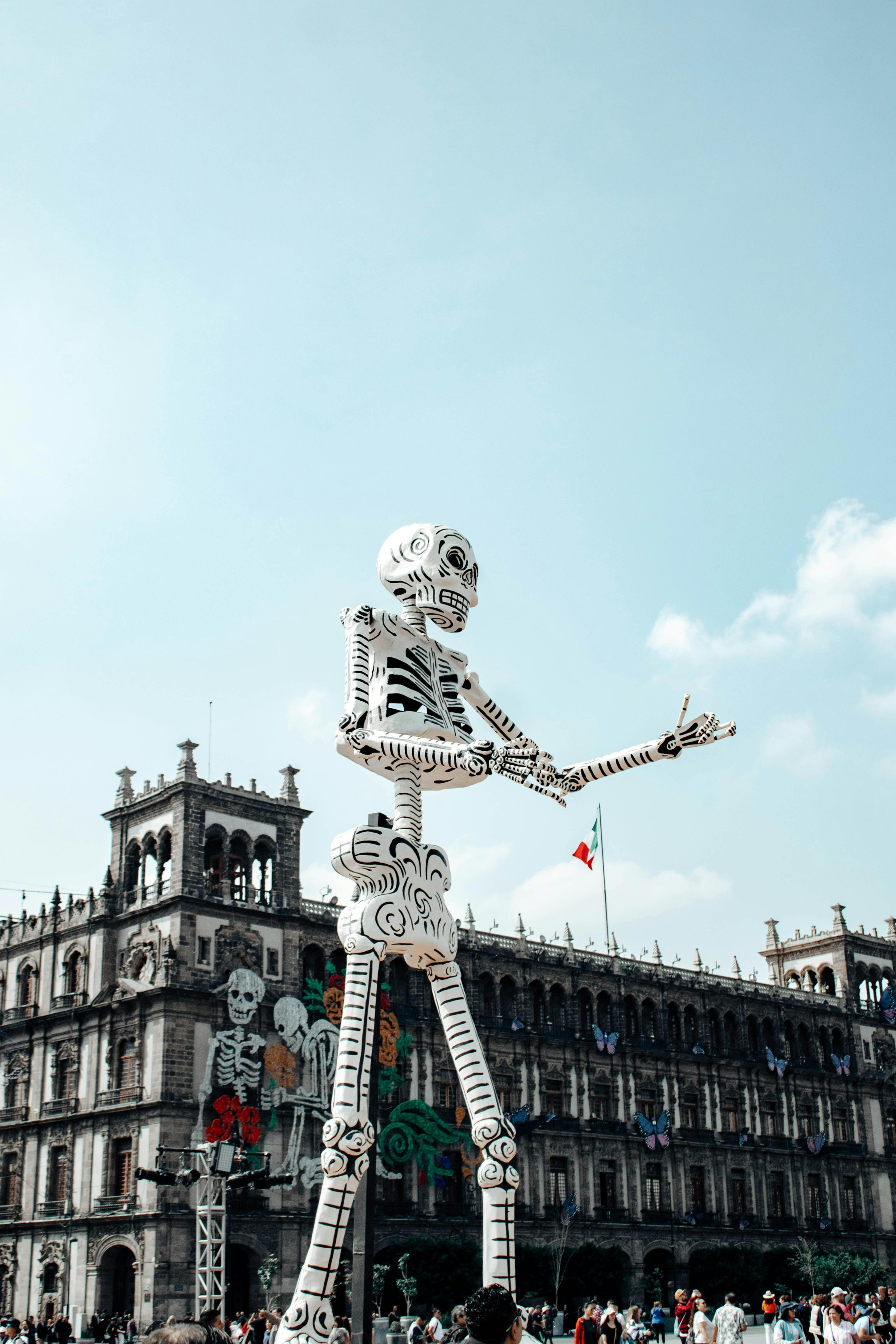
What makes Centro special is its density of history — you can stand in the Zócalo and see 700 years of Mexican history without moving: the Aztec temple ruins, the Spanish colonial cathedral, the National Palace where modern Mexico governs itself. All in one plaza.
It's overwhelming in the best way. The crowds, the street vendors, the constant motion, the way old buildings lean slightly from centuries of settling on the soft lakebed—it all communicates something essential about Mexico City. This is a place that has survived conquest, revolution, earthquakes, and modernization, and it's still here, still functioning, still central to the life of the city.
Centro isn't polished like Polanco or trendy like Roma. It's working, living history. You'll see office workers grabbing lunch, tourists taking photos, indigenous women selling textiles, and government officials in suits all sharing the same space. It's messy and beautiful and completely authentic.
Centro Histórico Practical Travel Tips
Getting Here: Centro is about 15–20 minutes from Reforma or Roma depending on traffic. Once you're here, most major sites are walkable, though the distances can be deceptive—the Zócalo is huge, and the historic center covers a large area.
Safety: Centro is safe during the day, especially around major tourist sites. Evenings are generally safe in well-lit, busy areas (around the Zócalo, Bellas Artes, etc.), but I recommend taking an Uber rather than walking long distances back to your hotel after dark.
Best Time to Visit: Weekdays can be crowded with both tourists and locals going about their business. Sundays have a different energy—many museums are free or discounted, and the plaza fills with families. If you're visiting for Día de los Muertos or Fiestas Patrias, book accommodations months in advance.
What to Skip: The immediate streets around the Zócalo can be overwhelming with crowds and vendors. If you're easily overstimulated, plan shorter visits and retreat to quieter spaces (rooftop restaurants, museum interiors) to recharge.
Planning Your Centro Histórico Experience
If you're planning a visit to Centro Histórico and want help arranging private after-hours tours of the National Palace murals, securing a Zócalo-view suite at the Gran Hotel for Día de los Muertos, or navigating the best artisan jewelry workshops, reach out to me through LuxRally Travel. This is the heart of Mexico City's history, and I can't wait to help you experience it in depth.

Plan your next journey with
Krystal ArielKrystal Ariel is a luxury travel designer and writer with a particular love for exceptional hotels, restorative experiences, and the small details that can transform an entire journey. Through SHIBUI.travel, she designs deeply personal trips for private clients who value thoughtful pacing, beautiful places, and feeling completely taken care of from start to finish. Originally from Miami and now based in Mexico, Krystal brings a local’s perspective to both destinations, alongside a particular depth of interest in Japan. She is especially drawn to hospitality with soul: intuitive service, a strong sense of place, nourishing food, thoughtful design, and the moments of care guests remember long after they return home. Before entering luxury travel, she spent more than a decade in public relations, marketing, content, and brand partnerships within the technology industry, working across startups, growing companies, and global enterprises. She is also a 500-hour yoga teacher and completed courses in positive psychology, stress management, and well-being through Stanford Medicine, experiences that continue to shape the way she thinks about travel, rest, and human connection.
Related Stories
Fixing the Worst Part of a Napa Valley Trip: Four Seasons San Francisco
Driving from Napa to San Francisco International Airport takes at least two hours , which means an 8 a.m. flight translates to a 3 a.m. alarm on your last morning in wine country. Here's a much better way to end a Napa Valley trip.
By Krystal Ariel
One Day in Osaka is a Mistake: Here's What I Would Do Instead
Osaka is too often treated as a day trip or one-night add-on. Four Seasons Osaka showed me why this city deserves more time, especially for travelers who care about food, movement, comfort, and easy access to the region.
By Krystal Ariel
Why Hải Phòng, Vietnam Should Be on Every Luxury Traveler's Itinerary
French colonial architecture, extraordinary multi-story cafés, and the quiet beauty of Tam Bạc Lake — Hải Phòng is Vietnam's best-kept secret, especially for solo travelers and couples seeking luxury off the beaten path.
By Stephcynie Curry
The Simplest Way to Safari: Africa's Southern Coast by Luxury Cruise
A cruise-based safari blends open-ocean expedition with wild game encounters and local exploration along Africa's southern coast. Here's everything you need to know before booking a voyage from South Africa to Namibia.
By Theodora Green
The Grand Tetons Are Calling: Ski Season with the Four Seasons Resort & Residences Jackson Hole
From ski-in, ski-out luxury at the Four Seasons to a hidden speakeasy bathed in moody red light, this curated roundup captures everything the discerning skier needs for the ultimate Teton Village experience.
By Amy Van Den Top
Local’s Guide to Chicago: America’s Most Underrated Luxury Family Escape
From a Chicago rooftop pool where snow falls beyond the glass, to afternoon tea that needs no occasion — this city rewards the traveler who slows down. Even after thirteen years, it's still a city that my family and I can discover anew.
By Natalia Semizarov