
Family Office Strategy
The Family Office Summer Calendar: Building Travel Infrastructure That Can Carry a Legacy
By the time an UHNW family boards that aircraft in June, I have been working their summer calendar since January. This is the framework that separates reactive travel from intentional family legacy.
By Alisha Myers
June 25, 2026
We've arrived at June. The families I have been building travel infrastructure for since January are boarding.
The planning is done. The architecture is set. And if it was built right, they will never once feel the weight of what it took to get them there.
That invisibility is not an accident. It is the product of six months of intentional work that most people will never see, because being good at this job means no one has to think about it.
The families I serve are not calling me because they want options. They are calling me because they need a single point of contact who can hold the entire architecture in her head, anticipate the conflict before it surfaces, and ensure that when the principal lands in Monaco, everything downstream is already solved.
Traveling is a transaction. Family legacy requires infrastructure.
The Anatomy of HNW Summer Travel Planning: January Through May
January is the strategy session. We map the non-negotiables first. School calendars. Board meetings. Medical appointments that cannot move. Anniversaries and milestone birthdays that anchor the entire summer. You build the skeleton before you ever touch a single vendor.
This is also when the critical bookings are secured. Yacht charters for peak Mediterranean season, July and August specifically, are gone by February if you want vessels that actually deliver on their promises. The same is true for resorts and buyouts. If your family wants exclusive use of a villa compound in Tuscany, or a private island property in the Maldives during peak summer, we need to speak months earlier. January is already late for some of those properties.
February is when aviation gets locked in. A family flying from San Antonio to Nice with a fuel stop is a different operation than a family whose children depart from New York while the parents leave from Houston. You are choreographing a convergence.
Come March, the details start demanding answers. Ground transportation sequences. Security briefings for international travel. Dietary and medical documentation for yacht crew. Restaurant reservations at properties requiring six to eight weeks' notice minimum — and, at this level, private dining experiences and chef's table arrangements that won't appear on any website.
April is the pressure point. If a family has not confirmed their core itinerary by April, I start having direct conversations about what is no longer possible. Not to alarm them, but to protect their experience and investment. By April, the best yacht crew configurations are committed. The premier villa staff for July are already assigned. Those differences will be tangible.
May is execution mode. Final briefing documents. Contingency planning. I am building communication into the trip itself, making sure my clients know exactly how to reach me at any hour, from any time zone, for any reason.
And now it is June. The families are boarding. The infrastructure holds, or it does not.
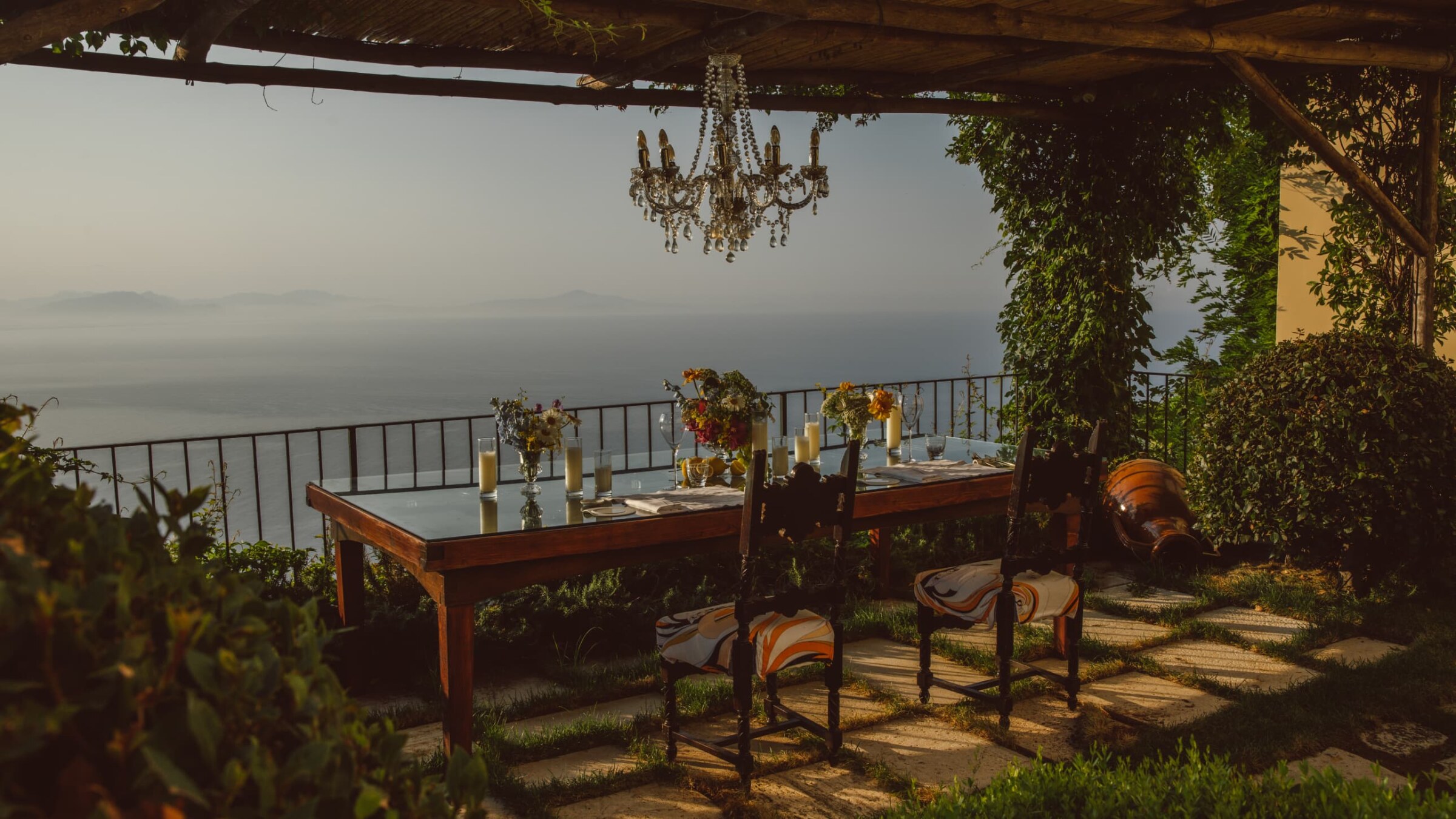
Choreographing the Convergence
I want to give you one real example, because the theory only means something when it is tested.
Seven family members. Three generations. Four departure cities. One destination: a private villa compound on the Amalfi Coast, exclusive access for ten days in late July. The primaries departing from Dallas. Their eldest daughter and her husband from New York. Their son flying in from London on a business extension. Three grandchildren with a nanny from Miami, where they had spent the first week of summer with maternal grandparents.
When London shifted, I did not panic. I rebuilt the scaffolding of his private air travel. I contacted the villa manager directly and restructured the staff sequence. I called our aviation partner in London and found an alternative routing through Nice that recovered nineteen hours. I reached the yacht broker and confirmed that the tide window on day three had enough flexibility to absorb a later arrival without losing the full day on the water. I moved the welcome dinner from night one to night two and worked with the chef to redesign it as a more intentional gathering, which they said made it more meaningful.
The moment it came together was not dramatic from the outside. It never is. It was a text from the villa manager: "Everyone is here."
The grandchildren arrived forty minutes before the Dallas flight landed, exactly the buffer I had built so the principals could walk through the door to find three grandchildren already in the pool. That was the image the grandmother had described to me in our very first planning call in January.
I'd been given very specific instructions when building this:
"I want to walk in and already hear them laughing."
Partnering With Family Offices and Executive Assistants
This is one of the most important conversations I have with new families, and it almost never happens early enough.
The family office coordinator, the chief of staff, the executive assistant — whatever the title, that person is extraordinary at what they do. They know the principal's preferences, schedule, temperament. The family office role is ownership and authorization. They hold the vision, communicate the principal's priorities, approve the budget architecture, and are my first call when something shifts.
My role is expertise and execution. I know which resort general managers will pick up the phone at midnight because we have a relationship built over years. I know that a particular villa in Positano has a staffing gap in August because their head chef left in April and no one updated the listing. That is information a family office coordinator cannot be expected to have. It is not their world.
I've seen family offices try to organize extensive travel themselves. And it works — until it does not. Until the yacht they chartered develops a mechanical issue three days before departure and they lack the broker relationships to source a replacement vessel in 72 hours. Until the primary changes his mind about routing or the grandmother decides she cannot do ten days on a yacht at sea.
I need to know that so I can protect the architecture we've built. I need a real partner on the inside.
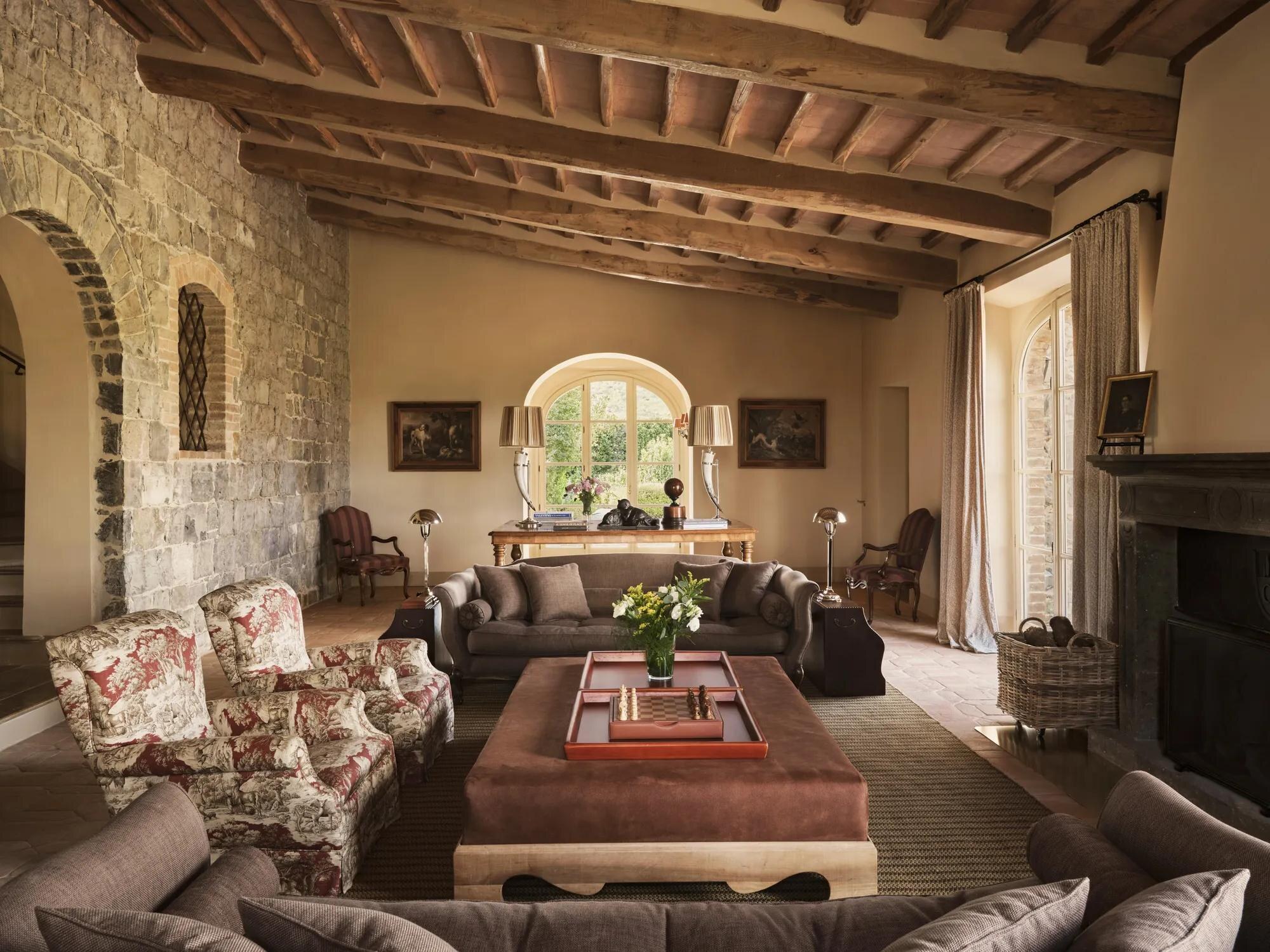

Family Office Travel Planning: How the Budget is Accommodated
The anchor commitments come first, and they carry the heaviest deposit structures. A yacht charter at this level typically requires 50 percent at signing and the balance 30 days before departure. That capital is deployed long before anyone boards. A villa compound with exclusive access operates the same way. You are not reserving a room. You are purchasing a window of exclusivity.
Aviation adds its own layer: positioning costs, international handling fees, line items that accumulate faster than families anticipate. Then there is the invisible layer: security costs, superyacht-crew gratuities at 10 to 20 percent of the charter fee, and provisioning for food, beverage, fuel, and port fees paid entirely outside the charter agreement.
The sequencing of when capital is committed matters as much as the total figure, and that conversation belongs in January.
I had a family come to me with a summer concept that was genuinely extraordinary: yacht in Greece, private villa in Sardinia, a week on the Côte d'Azur — all within a six-week window. When I built out the full commitment map, the number was real but the sequence was the issue. A liquidity moment in Q3 made the deposit calendar uncomfortable. We did not abandon the vision. We restructured it. We pulled Sardinia to the following summer and built a stronger Greece and France experience with the capital that was available. The following year, Sardinia was exactly what they had imagined because we had twelve months to do it properly.
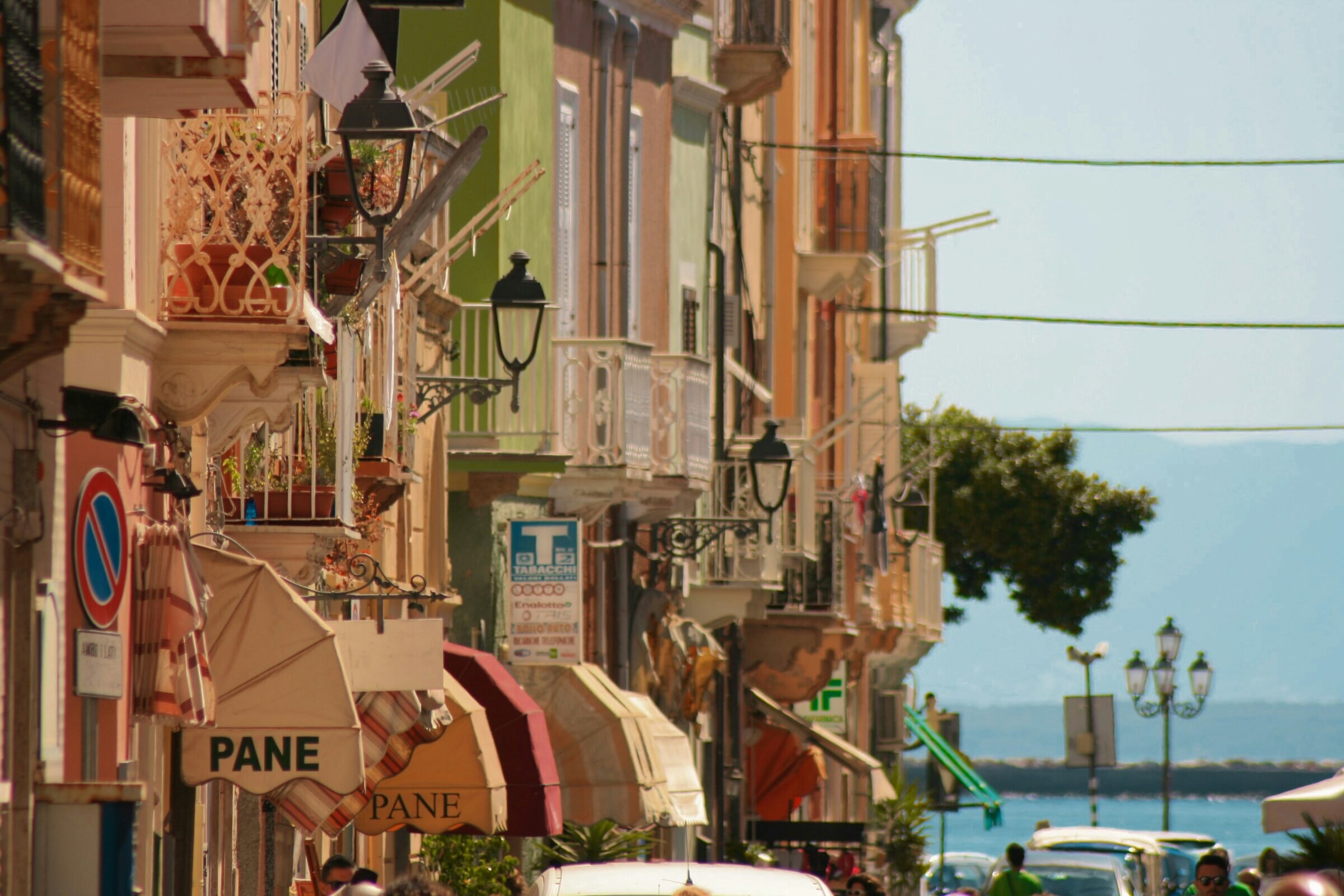
The Contingency Infrastructure
The contingency infrastructure does not begin when something breaks. By the time a situation is live, the infrastructure has to already exist. You cannot weave the net while someone is falling.
A family I work with was two weeks into a Mediterranean yacht charter itinerary when the captain contacted me on day nine. A mechanical issue with one of the stabilizers. Not a safety concern, but on a charter at this level, three days rolling through open water without stabilization is not the experience the family paid for or deserved.
By that evening, I had a comparable vessel ending a charter in Mykonos in 48 hours with an open window for exactly the duration my family needed. I called the family office coordinator first, gave her the complete picture, and we called the principal. He had the mechanical reality and the replacement vessel in the same conversation. He did not spend a single hour in uncertainty.
The family transferred the following afternoon, lost half a day, and gained a captain who knew a private anchorage near Folegándros that was not on any charter itinerary even I had seen. The value of this work is not most visible when everything goes right. It is visible in the moments when something breaks and the family doesn't feel it.
These trips become reference points. The dinner where three generations sat at one table overlooking the sea in Capri. The annual week in Tuscany that becomes tradition without anyone deciding it should.
No one remembers the routing sequence that got them there. No one remembers the staffing matrix or the contingency plans or the dozens of calls happening quietly in the background. They remember the feeling. And that is what I build. Not itineraries. Not logistics.
I build protected space for memories to happen.
From June through August, I am never fully offline. I have taken calls at 3 a.m. I have rebuilt itineraries before sunrise. I have spent the Fourth of July on the phone with a yacht broker in Palma de Mallorca because a mechanical failure did not care about the American holiday calendar. What makes this sustainable is the same thing that makes it effective: the relationships. Not just with family office coordinators and principals, but with the network of operators, captains, managers, and fixers who make the invisible infrastructure real. Multi-generational travel at this level is not served by a Rolodex. It is served by a reputation — the kind built over years of showing up, following through, and being the person who answers when something breaks. That reputation is the only reason I can move the way I do when the calendar shifts.

The best outcome of my work is that no one ever knows how close something came to going wrong. The family never feels the rebuild. They never know that their grandmother's moment of walking through the door to the sound of laughing grandchildren required six months of architecture and one hectic Tuesday evening when London shifted.
The invisibility is the product.
And then there is the text: "Everyone is here." What I feel in that moment is not pride. It is gratitude that I was trusted with something this important. That a family handed me their most sacred window of time and said, protect this — and I did.
Plan your next journey with
Alisha MyersAlisha Myers is a Forbes Travel Guide endorsed Elite Travel Advisor with LuxRally Travel. She specializes in high-complexity, high-touch travel for executives, founders, and families who require more than standard itinerary planning. Her work includes private retreats for CEOs, multi-generational travel, and family office travel programs designed around access, discretion, and seamless execution. Her writing in The LuxRally Journal reflects the same perspective. She explores destination intelligence, the private infrastructure behind ultra-high-net-worth travel, and the growing gap between what discerning travelers expect and what the traditional travel industry typically delivers. Her most widely read pieces focus on what real access looks like at the highest level, and how the right advisor can fundamentally change the travel experience. Readers often come across her work while searching for clarity in complex travel planning. Those who connect with it tend to value insight over inspiration, and execution over aesthetics. She is based in Austin, Texas and works with clients globally.
Related Stories

Family Office Travel: Planning, Booking, and Supporting, From First Call to First Trip
A practical look at how a luxury travel advisor begin working with a family office, from the first conversation and approval process to itineraries, 24/7 support and what we learn after the first trip.
By Alisha Myers
Welcome to Country: A Travel Guide to Indigenous Australia
Indigenous heritage is not another experience to add to a luxury Australian itinerary. It is the lens through which the entire country is best understood. A framework for designing journeys that create understanding rather than consumption.
By Alisha Myers
Luxury Travel for Veterans: Your Military Travel Benefits Deserve a Better Itinerary
By Raymond Giles
Tired of the Mass Market Cruise Experience? These are Your Best Upgrade Options
If you've loved big-ship cruising but crave fewer crowds, better food, and boutique-hotel refinement, affordable luxury lines are the natural next step. Here are your best options — and how to choose the cruise line that fits you.
By Gena Zak
The 5 Most Common Complaints I Fix as a Travel Advisor
Your worst travel memories are the blueprint for your best ones. A travel advisor explains why he wants to hear your complaints first — and how he turns gripes into dream itineraries.
By Phillip Ritzenthaler
7 Lessons I Share with Every Client Traveling to the UK and Ireland
From sheep poking their heads through screenless windows to discovering the charm of pub hotels, these are the surprising, hard-won lessons I learned from my first overseas adventure across Ireland and the UK.
By Cyndi Kirchhoff