
Veterans & Luxury Travel
Luxury Travel for Veterans: Your Military Travel Benefits Deserve a Better Itinerary
November 11, 2026
For most of us who served, travel was not a choice. Someone else determined where we went, when we left, what we brought, and when we would return. Leisure travel offers the opportunity to invert that entirely — and for veterans, that inversion carries a particular weight.
My own active-duty years in the Navy taught me the importance of preparation, situational awareness, adaptability, and having a plan when things do not go as expected. Now, in my career as a luxury travel advisor, those principles shape how I approach every itinerary I build. The instinct is the same one the service instilled: understand the objective, anticipate what can change, and build a plan that holds when circumstances do not cooperate.
For veterans who have spent enough of their lives adapting to circumstances beyond their control, luxury travel offers something particularly valuable: the ability to experience a destination without having to manage every detail along the way.

Luxury Travel Is About Value, Not Price Alone.
The military travel benefits you have earned are real — and worth using. Veterans are accustomed to looking for military discounts, and there is no reason to leave a legitimate benefit unused. I will use one myself when it represents the best option.
The mistake is assuming that the military rate is automatically the best value simply because it carries that label.
Booking luxury travel requires looking at the entire experience, not just the total price. A slightly higher hotel rate may include breakfast, property credits, preferred treatment, greater flexibility, or other amenities that ultimately deliver greater value. The right location can eliminate hours (and dollars) in transit. A private transfer can eliminate the disorientation of arriving in an unfamiliar city at the end of a long international flight. An upgraded room or suite category can fundamentally redefine the experience of a property.
This becomes particularly apparent when comparing exceptional hotels and resorts.
A stay at a Four Seasons, Rosewood, Aman, Belmond, or any number of luxury hotels should not be evaluated exclusively by the nightly rate. Location, service culture, room category, included amenities, recognition, flexibility, and the overall fit for the traveler all matter.

Through preferred partnerships with top-tier luxury names like Four Seasons, Rosewood, Aman, and Belmond, I can help evaluate those factors and, where available, secure amenities and benefits that a direct booking typically does not include. These include complimentary room upgrades when available, daily breakfast for two, a property credit toward dining or spa charges, early check-in and late check-out, and VIP recognition from the property's leadership. Across a multi-night stay, those inclusions can represent several hundred dollars of tangible value, often at the same rate the traveler would book independently.
Smart luxury travel is not about spending more simply because you can. It is about knowing where spending more actually improves the experience.
You Already Understand the Value of Good Planning.
Military service teaches you quickly that good outcomes rarely happen by accident.
You prepare. You understand the objective. You anticipate what could change, and you have alternatives when the original plan no longer works. Those habits translate remarkably well to travel.
Yet being capable of planning every detail yourself does not mean you should have to.
A well-designed luxury trip considers how the pieces work together, including flights, accommodations, private transfers, tours, dining, cruises, and the time required between each experience. The goal is not to impose an inflexible schedule, but to remove unnecessary friction so the traveler can actually enjoy the destination.

Preparation becomes even more important when circumstances change. Flights get canceled. Weather affects itineraries. Hotel rooms sometimes fail to meet expectations. Transfers can be delayed. Cruise itineraries can change.
Instead of beginning from scratch when something goes wrong, you can have an ally: an advisor who already understands the itinerary, the suppliers involved, and how the pieces fit together.
For someone accustomed to being responsible for the mission, there is something particularly valuable in allowing someone else to handle the logistics.
Luxury Can Mean Having Your Time Back.
One of the most valuable things any of us have is time. Luxury travel should give you more of it rather than consume it with unnecessary logistics.
The value of a well-planned trip is not simply measured by the hotel you booked or the cabin you selected. It is measured by how much of the trip you actually get to enjoy.
That might mean staying at the right hotel so you are not spending hours traveling across a city every day. It could mean having a driver waiting when your flight arrives, arranging a private guide rather than navigating a crowded group tour, or selecting a cruise itinerary that provides meaningful time in port rather than simply checking destinations off a list. I have seen the difference firsthand — a client who chose the right arrondissement in Paris over the landmark hotel across the city reclaimed two hours a day that they spent entirely on experience rather than transit.
For some travelers, that could mean an expedition voyage with Silversea or Seabourn. For others, an experience aboard Explora Journeys, Regent Seven Seas Cruises, or a luxury river cruise might be more appropriate. I won't try to recommend one to you here, because the brand is not the starting point. How you want to travel is.

That is why it is so important that we begin your travel planning with a real conversation. Once I understand who you are and how you want to travel, I can determine which product best fits those expectations.
That process begins simply. We start with a conversation — about where you want to go, what kind of experience you are after, your travel timeline, and any priorities that should shape the itinerary. From there, I evaluate the options across destinations, hotels, cruise lines, and logistics, and present a considered set of possibilities rather than a list of everything available. The goal is clarity: a well-matched journey, not an overwhelming catalog of choices.
Veterans spent enough years having their time belong to someone else. When traveling for ourselves, there is value in protecting it.
Some Trips Carry a Deeper Meaning for Veterans.
For veterans, returning to certain parts of the world can carry significance that goes well beyond sightseeing. I have worked with clients who wanted to stand where history shaped them — and others who wanted nothing more than two weeks of complete disconnection from anything that resembled their service years. Both are legitimate, and both deserve the same level of care in planning.
That might mean walking the beaches of Normandy, visiting Pearl Harbor, exploring the battlefields and memorials of Europe, returning to a country where you were once stationed, or finally sharing a place with your spouse or children that they previously knew only through your stories. A Normandy itinerary done well, for example, is not a battlefield tour with logistics attached. The most purposeful versions are built around private historian-guides who can move a small group through Pointe du Hoc or the American Cemetery at a pace that allows the weight of the place to register. The difference between arriving at Omaha Beach by crowded motorcoach and standing there with a knowledgeable guide, in quiet, before the first tour buses arrive, is not a matter of preference. It is a fundamentally different experience.
It can also have nothing to do with military history. After years when deployments, duty schedules, relocations, and other obligations determined where you could be and when, travel can simply be about choosing an experience for yourself.

A milestone anniversary at an exceptional resort. A private journey through Italy or France. A luxury safari in Africa. A river cruise through Europe or Southeast Asia. Two weeks doing almost nothing at an Aman or Rosewood resort. An expedition to Antarctica. For a veteran, the appeal is not simply the remoteness. It is the clarity of a place that has nothing to do with the life they left behind: no cities, no obligation, no context carried over from service. Silversea's Expedition product and Seabourn Venture are both purpose-built for polar itineraries, but they travel differently — Silversea with a larger complement of scientists and lecturers, Seabourn with a more intimate scale.
I have helped clients find experiences across that full range, and in doing so discovered one truth: the specific destination matters less than the clarity of what the traveler is actually seeking, whether it be time, meaning, comfort, or some combination of the three.
The significance is that this time, the journey belongs to you.
Luxury does not mean extravagance for the sake of extravagance. Sometimes it means having the time, access, comfort, and support to experience somewhere in a way that matters to you.
Use the Veteran Benefits You Earned, But Do Not Let Them Define the Trip.
The same discipline that makes a well-coordinated itinerary work — knowing which tools to use and when — applies equally to the benefits available to you as a veteran.
If an airline, hotel, cruise line, attraction, or travel provider offers a legitimate military benefit that improves your trip, use it. Veterans Advantage provides discounts across airlines, hotels, Amtrak, and select retail and entertainment partners. Most major U.S. airlines — American, Delta, United, and Southwest among them — offer military fares, often with waived bag fees, priority boarding, or flexible change policies that standard discount fares do not include.
Space-Available (Space-A) travel, available to eligible service members through the military's air mobility network, can dramatically reduce the cost of international flights when schedules allow for flexibility — though it works best for flexible trip segments or positioning flights, not for itineraries built around nonrefundable components. Miles accumulated through military service, frequent flying, or credit card spend can offset the cost of premium-cabin international flights — often the largest single line item in a luxury itinerary. Where military travel benefits reduce that cost materially without sacrificing the experience, using them is simply good planning.
But remember that these benefits are tools.
The objective is to use the right combination of them to create the trip you actually want. A military rate may be excellent. In another situation, the preferred luxury hotel programs I can access through our supplier relationships may produce greater overall value thanks to amenities, flexibility, recognition, or the specific room category involved. Use what serves you. Just do not confuse the lowest price with the best trip.
The Best Luxury Travel for Veterans Is Always Personal.
There is no single definition of the perfect vacation for a veteran.
For some, luxury might mean an expedition cruise to a part of the world they never imagined visiting. For others, it might mean a quiet resort where the biggest decision of the day is where to have dinner — or taking the entire family to Europe, celebrating an anniversary at a Four Seasons or Rosewood property, experiencing an AmaWaterways river cruise, staying aboard a Belmond train or barge, or finally planning the international trip that deployments, careers, children, and other responsibilities kept pushing into the future.
That is why luxury travel for veterans should not be defined by a list of discounts or predetermined destinations. It should begin with a question:
What do you want this trip to accomplish?
That is also where my advising process begins. The advisor's role is to understand the traveler first, and then evaluate the destinations, hotels, cruise lines, tour operators, experiences, and logistics that can deliver the right journey.
Veterans already understand that every mission is different. Every traveler is different, too, and a good advisor honors that.


One habit that does not disappear when the uniform comes off is situational awareness. Veterans often enter a new environment naturally paying attention to what is happening around them — exits, flow, who belongs and who does not. That instinct is worth keeping. What luxury travel infrastructure does, at its best, is operationalize it.
A carefully coordinated itinerary removes many of the conditions that create vulnerability in the first place. A vetted private driver waiting at arrivals eliminates the disorientation of navigating an unfamiliar city after a long international flight. A hotel whose concierge the advisor already knows means questions are answered before they become problems. Pre-arranged logistics — transfers, guides, reservations — mean the traveler is rarely improvising in an unfamiliar environment without support. The friction that invites poor decisions and opportunistic risk is reduced before the trip begins.
The fundamentals still apply. Know where your passport and important documents are. Keep valuables secured rather than displayed. Pay attention in crowded train stations, airports, markets, and tourist areas, and understand local conditions before you arrive. The U.S. Department of State's travel information and Smart Traveler Enrollment Program are worth consulting for international destinations.
But those are baseline habits, not a strategy. The more substantive protection comes from having a professionally designed itinerary in which the pieces are already accounted for — so you can focus on the destination rather than the logistics surrounding it.
Some veterans travel with considerations that extend well beyond itinerary logistics — sensory sensitivities, accessibility needs, or other service-related factors that shape what a trip should look and feel like. I attend to those requirements from the outset, building them into the structure of the itinerary rather than waiting for the traveler to raise them at each step.
Travel on Your Own Terms.
Military service teaches us to adapt.
For years, where we went, when we left, what we packed, and how long we stayed could be determined by someone else. Leisure travel gives us the opportunity to make those decisions for ourselves. That is what luxury travel for veterans means to me.
It is not about spending the most money, choosing the most expensive suite, or ignoring a military discount because you can afford to. It is about having choices — and about having someone who understands how to evaluate them.
The internet can show you hotel availability, cruise fares, destination rankings, and more opinions than any traveler needs. What it cannot easily determine is which combination of those is right for you.
That is the work I do: comparing luxury brands and programs, evaluating room categories, selecting the appropriate cruise product, coordinating private guides and transportation, and integrating the components into one cohesive itinerary. A good advisor understands why a particular Four Seasons might fit one traveler better than a nearby Rosewood, why an AmaWaterways sailing might suit one couple while a different river line makes more sense for another, or why the most expensive hotel in a city is not automatically the best choice. On complex international journeys, that judgment becomes the difference between a well-designed trip and an expensive one.

Sometimes that means five-star hotels, private guides, exceptional dining, and private transportation. Sometimes it means slowing down, staying longer, and experiencing fewer places more deeply — knowing that the details have been handled and that someone is available to advocate for you when the trip does not go according to plan.
After years of adapting to the mission, your vacation does not need to feel like another assignment.
Use the benefits you have earned when those benefits make sense. Choose quality when it adds value. Spend your time on experiences that matter to you. Above all, travel on your own terms.
My objective is not to find veterans the cheapest possible vacation. It is to help veterans experience the world exceptionally well.
Whether you know where you want to go or simply know that it is time to start traveling differently, connect with me below to start the conversation.

Plan your next journey with
Raymond GilesRaymond Giles is a fully licensed travel advisor with LuxRally Travel, a Forbes Travel Guide Endorsed agency. His work spans destination guides, travel inspiration, and industry insight, reflecting a well-rounded perspective on the world of luxury travel.
Related Stories

Myths and Truths about Visiting Saudi Arabia: An Insider’s Guide
Saudi Arabia has undergone one of the most ambitious national transformations in modern tourism. After 18 months in the Kingdom, these are the most common misconceptions and their realities across safety, luxury, culture, and geography in the region.
By Raymond Giles
Where Gods Once Walked: Tips for Visiting Luxor, Egypt's Ancient Capital
Luxor rewards thoughtful pacing, expert interpretation, and elevated planning. From hot air balloons over the Valley of the Kings to sunset at Karnak Temple, discover Egypt's ancient heart in refined luxury.
By Raymond Giles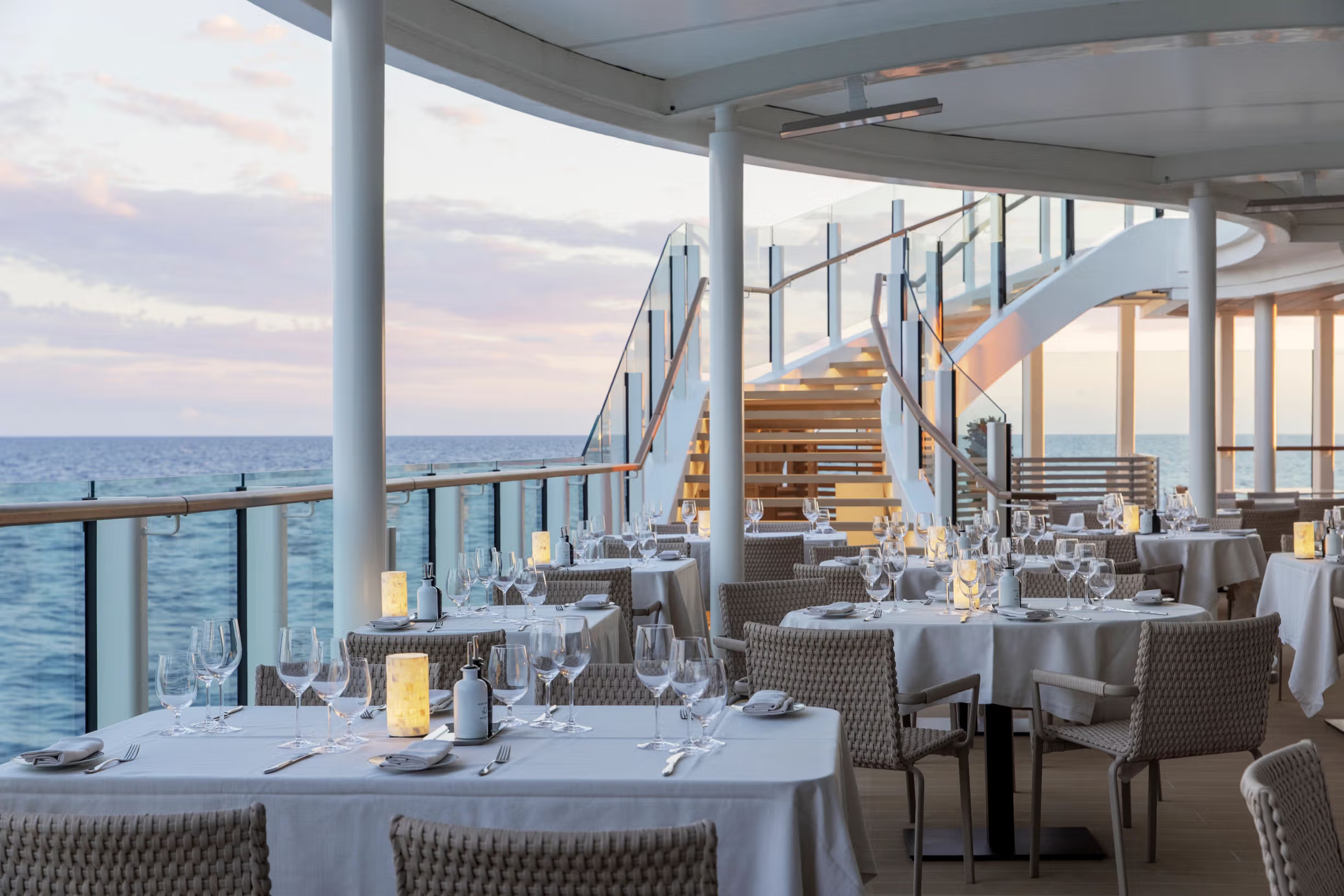
Tired of the Mass Market Cruise Experience? These are Your Best Upgrade Options
If you've loved big-ship cruising but crave fewer crowds, better food, and boutique-hotel refinement, affordable luxury lines are the natural next step. Here are your best options — and how to choose the cruise line that fits you.
By Gena ZakThe 5 Most Common Complaints I Fix as a Travel Advisor
Your worst travel memories are the blueprint for your best ones. A travel advisor explains why he wants to hear your complaints first — and how he turns gripes into dream itineraries.
By Phillip Ritzenthaler
7 Lessons I Share with Every Client Traveling to the UK and Ireland
From sheep poking their heads through screenless windows to discovering the charm of pub hotels, these are the surprising, hard-won lessons I learned from my first overseas adventure across Ireland and the UK.
By Cyndi Kirchhoff
The Crème de la Crème: The Apex of Ultra‑Luxury Yacht‑Style Cruising
From Ponant's expedition elegance to Aman's floating sanctuary, discover the most coveted names in ultra‑luxury yacht‑style cruising and how to choose the perfect voyage for your travel style.
By Gena Zak