
New Zealand Guide
From Queenstown to Auckland: The Guide I Wish I'd Had on My First Trip to New Zealand
Nine days. Two islands. From the crisp mountain air of Queenstown to the glittering harbor of Auckland — with a private flight over glaciers, glow worms in an underground cave, and a birthday dinner that still ranks among the best meals of my life — this is the New Zealand guide I wish I'd had before I went.
July 21, 2026
New Zealand rewards the traveler who comes prepared — and surprises the one who doesn't. This New Zealand travel guide is built on both.
I recently spent nine days across Queenstown and Auckland, covering Milford Sound, the Waitomo Glow Worm Caves, and a Hobbiton visit. Here is what I wish I'd known before my first trip — and what I now tell every client I help send to New Zealand.
Queenstown: Five Days of Cold, Beauty, and Very Good Meat
The cold hit first, a clean, startling chill in the mid-forties that felt like clarity, not discomfort. As the small plane descended into the mountain-ringed basin, New Zealand announced itself not with grandeur but with quiet authority. On the drive from the airport to the Sofitel Queenstown Hotel & Spa, Lake Wakatipu appeared through a light drizzle, its surface catching brief glimpses of sun and scattering them like mercury. The air smelled impossibly fresh.
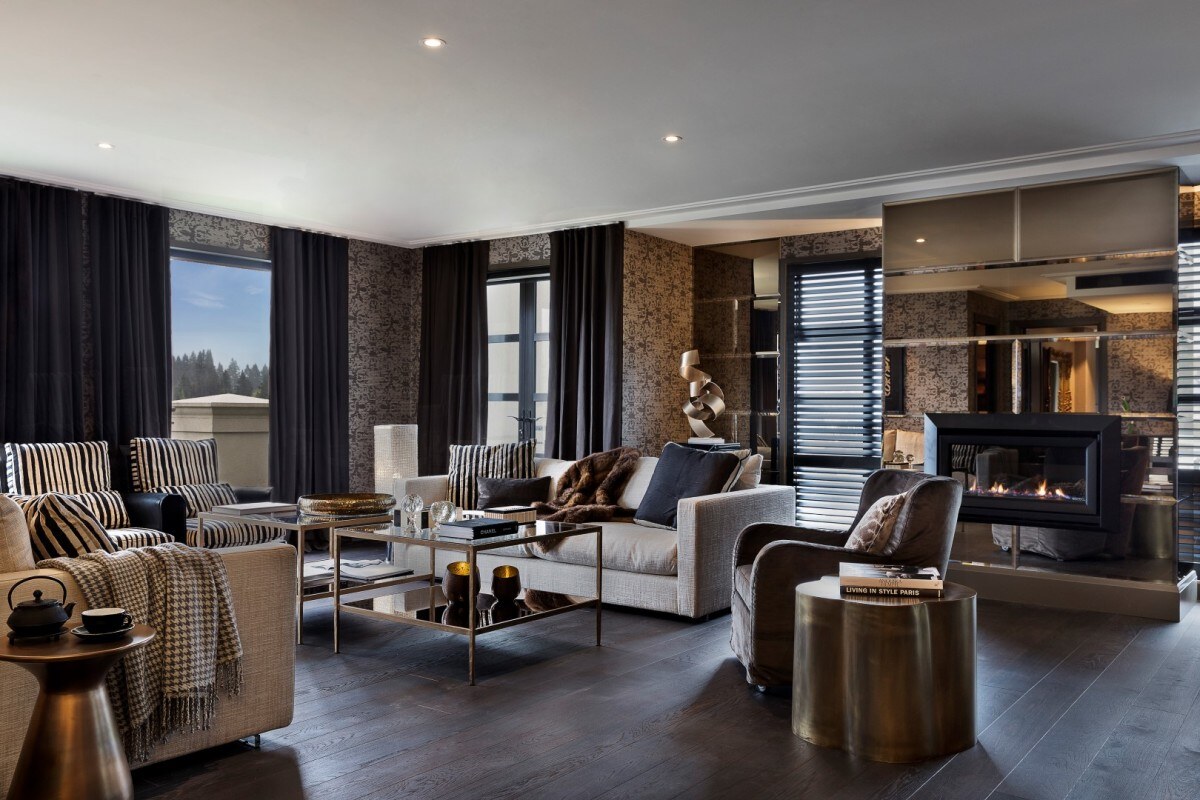
The Sofitel Queenstown's lobby is handsome, but the rooms are the real revelation. Expansive windows and private balconies frame Lake Wakatipu as if the hotel were designed around that single view. At sunset, the light pooled gold and copper across the water. At night, the city lights shimmered against the dark silhouette of the Remarkables mountain range. And one rainy afternoon, we simply sat on the balcony and watched the rain meet the lake — tea in hand, coats zipped, grateful for the forced pause. It was the kind of moment you never plan but always remember.
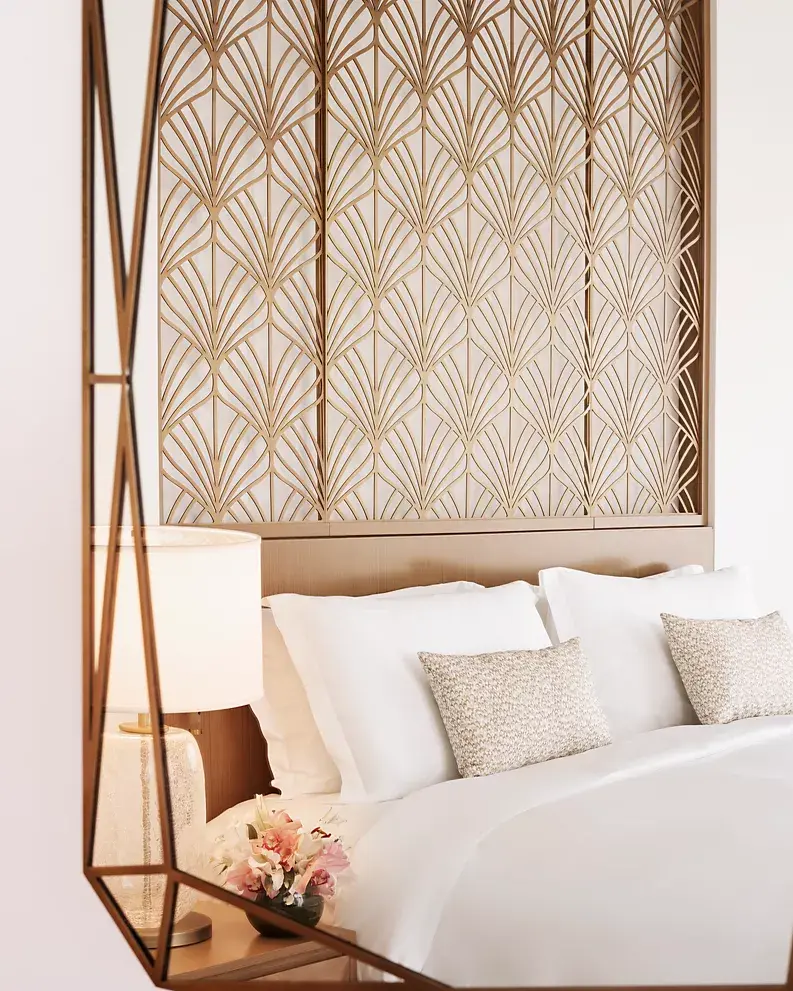
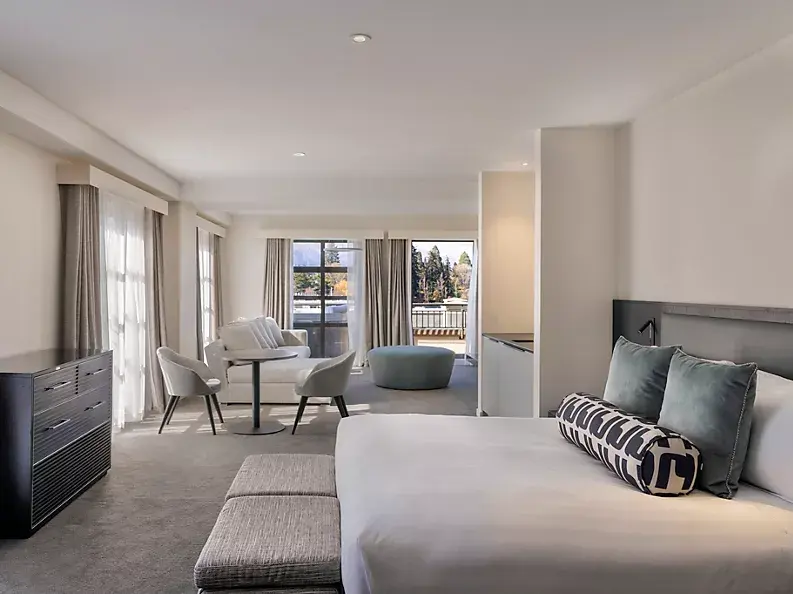
Breakfast was included: fresh juices, a proper latte machine, and all the hearty standards you need before a day in the cold. We spent five days in Queenstown in early May, and the South Island is dramatically colder and windier than most travelers expect. Four dining venues spoiled us for choice beyond the included spread: the Parisian Left Bank Bistro, Le Salon Rouge speakeasy, Le Petit Salon restaurant, and Jervois Steakhouse on property.
The hotel is located within walking distance of most of the excitement of the city, and makes a smart home base for trips to the more remote areas of New Zealand. The on-site spa offers seasonally inspired treatments honoring Māori tradition, including signature greenstone massages with a unique type of jade found only on the South Island. If you're drawn to the adrenaline-focused side of New Zealand travel, the spa is the perfect place to decompress.
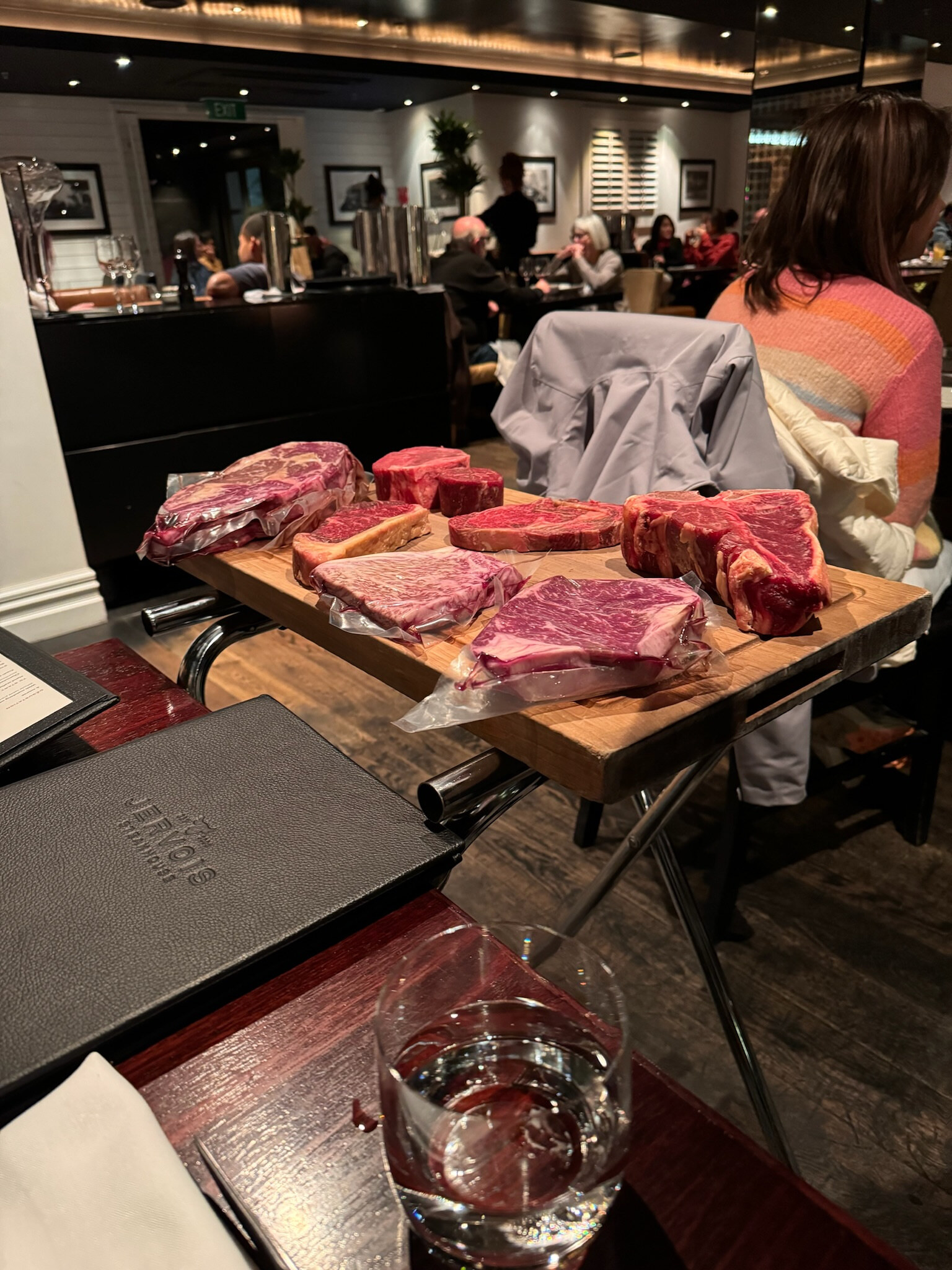
Queenstown's dining scene is compact but opinionated. Jervois Steakhouse was a standout: the server brought out physical examples of the cuts from the menu, something we'd never encountered before, and the meat itself was exceptional. Pig & Whistle served bangers and mash that were actually perfect. Vudu Café, perched close to the lake, delivered one of the best French toasts I have ever had — no exaggeration.
For drinks, Perky's Floating Bar is exactly as fun as it sounds, and 1876, housed in the original courthouse built that year, offers cocktails by a fireplace in a room heavy with character. As for Fergburger, the famous burger joint that draws perpetual queues — it was fine. I'm not sure what the buzz is about.
One practical note on popular Skyline Queenstown's dinner: the buffet food is decent, but do not pay the premium for a window seat at night. The glare from interior lighting makes the view nearly impossible to enjoy. Go during the day or at sunset instead.
What's the Best Way to See Milford Sound? The $325 Upgrade That Changed Everything
One piece of advice I'd press into the hands of every traveler: fly into Milford Sound. The bus journey for this iconic excursion is roughly nine to ten hours round trip. The private flight took forty minutes each way — and the views were breathtaking.
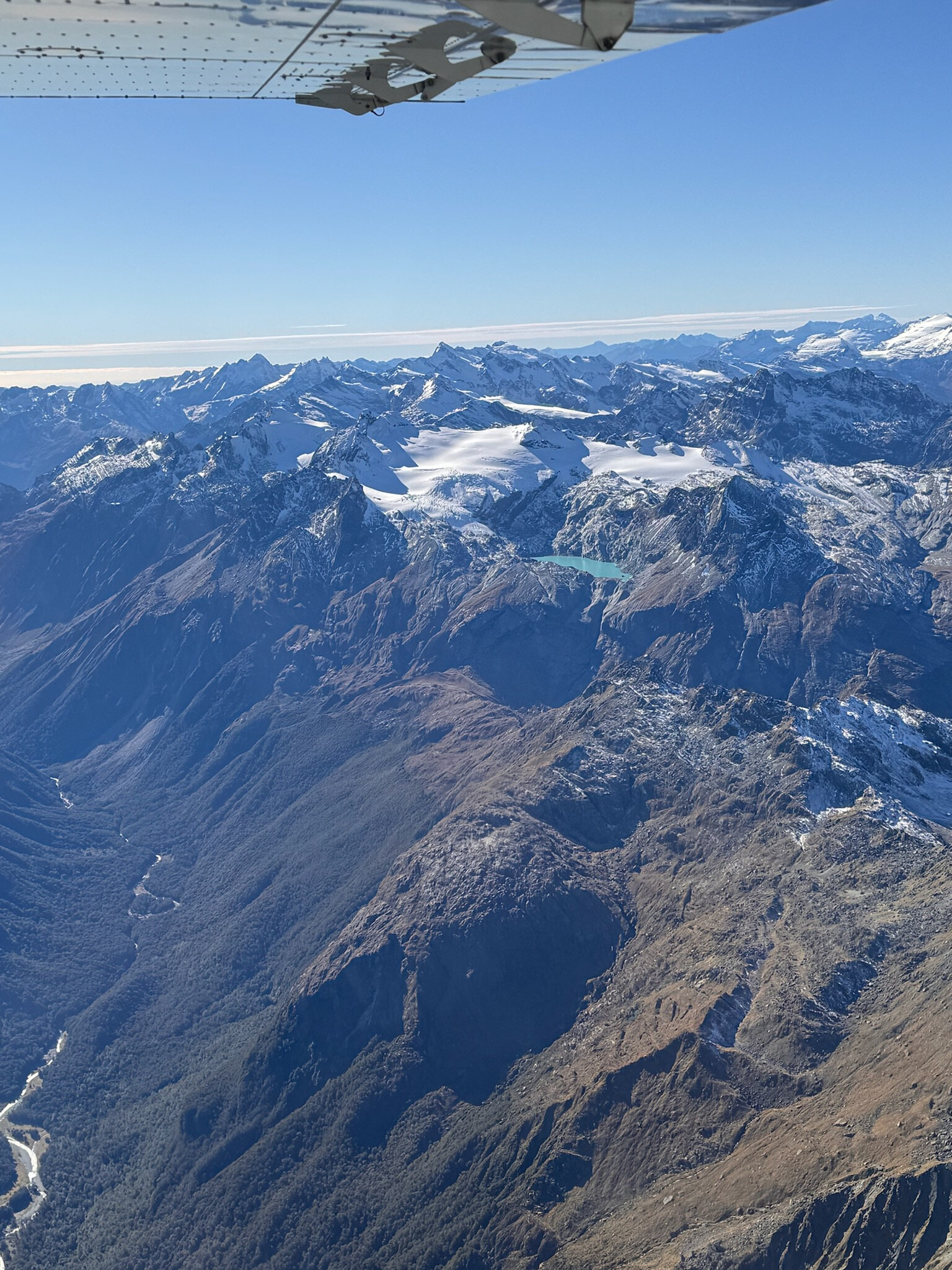
We were lucky with a crystal-clear day, not a cloud in sight. The pilot banked the plane on its side so we could peer directly down at glaciers, their ice impossibly blue against dark rock. Rivers threaded through valleys. Waterfalls appeared and vanished. We passed beyond the glaciers to the Tasman Sea and saw New Zealand's uninhabited coastline stretching into nothing. And then, as we approached Milford Sound, the landscape transformed: snow-capped peaks gave way to mountains that were green and lush, draped in vegetation. Watching that trajectory unfold from the air — from white to green, from ice to life — was worth every cent of the roughly five hundred dollars per person (compared to one hundred seventy-five for the bus). One hundred percent worth the splurge.
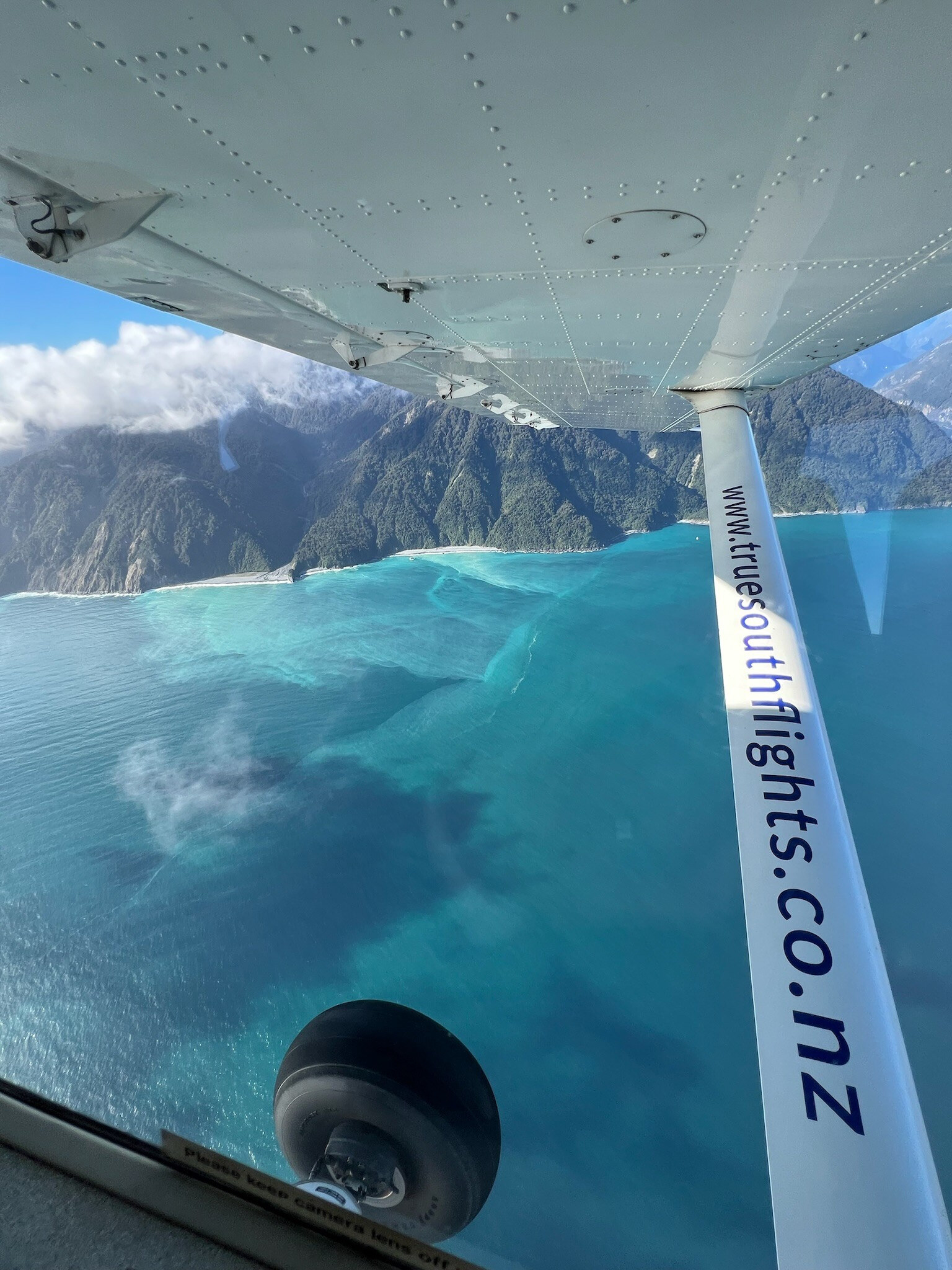
Once on the ground, we boarded a tour boat into the sound. Waterfalls cascaded from clifftops, seals lounged on sun-warmed rocks, and an albatross drifted overhead. At one point the boat edged close enough to a waterfall that cold mist soaked us — I didn't mind. It was refreshing, almost baptismal. Bring a rain jacket or umbrella regardless of the forecast; the waterfalls don't care about the weather. The boat has snacks and drinks for sale, and some guests pre-ordered meals through the tour operator.
Auckland: A New Hotel, a Birthday, and Stars Underground
We flew from Queenstown to Auckland and stayed four days in mid-May at the newly opened InterContinental Auckland. The weather shifted beautifully — perfect autumn temperatures in the fifties and sixties. The InterContinental Auckland doesn’t try to compete with the city’s skyline, it becomes part of it.
Floor‑to‑ceiling windows pull the harbor straight into the room, turning the water, ferries, and shifting light into a living backdrop.
The rooms lean modern and refined: soft neutrals, clean lines, and just enough texture to feel warm rather than corporate. It’s the kind of space where you immediately exhale — the bed was extraordinarily comfortable. The bathroom was immaculate. My only complaint: the lighting was less than ideal for putting on makeup, a small but real inconvenience. Breakfast was a standout with fresh pastries, proper espresso, and a spread that made it easy to fuel up before a day of exploring the city.
Location is where this hotel truly shines. Step outside and you’re in Commercial Bay, Auckland’s premier shopping district. Commercial Bay has a mix of local designers, global brands, and boutiques that make “just popping out for a minute” a full experience. The waterfront, Britomart’s restaurants, and the ferry terminal are all within a short walk, making this an effortless home base for both city days and island escapes. Dining options at the hotel include Advieh Restaurant and Bar as well as Club InterContinental. Advieh, led by acclaimed Chef Gareth Stewart, blends Middle Eastern and Mediterranean flavours with New Zealand's finest local ingredients.
And when you need to unwind, the in‑room spa services are waiting. Rejuvenating facials, soothing massages, and treatments designed to help you reset — all without leaving your room. Advanced bookings are required, and your travel advisor can arrange everything.
From Auckland, I hired a private driver through my travel advisor network for a day trip to Hobbiton and the Waitomo Glow Worm Caves — two of New Zealand's most iconic experiences, and together roughly two hundred dollars per person. (If you'd like a trusted referral for a vetted local driver, reach out directly — sourcing reliable ground transport is one of the advantages of booking through a travel advisor.)
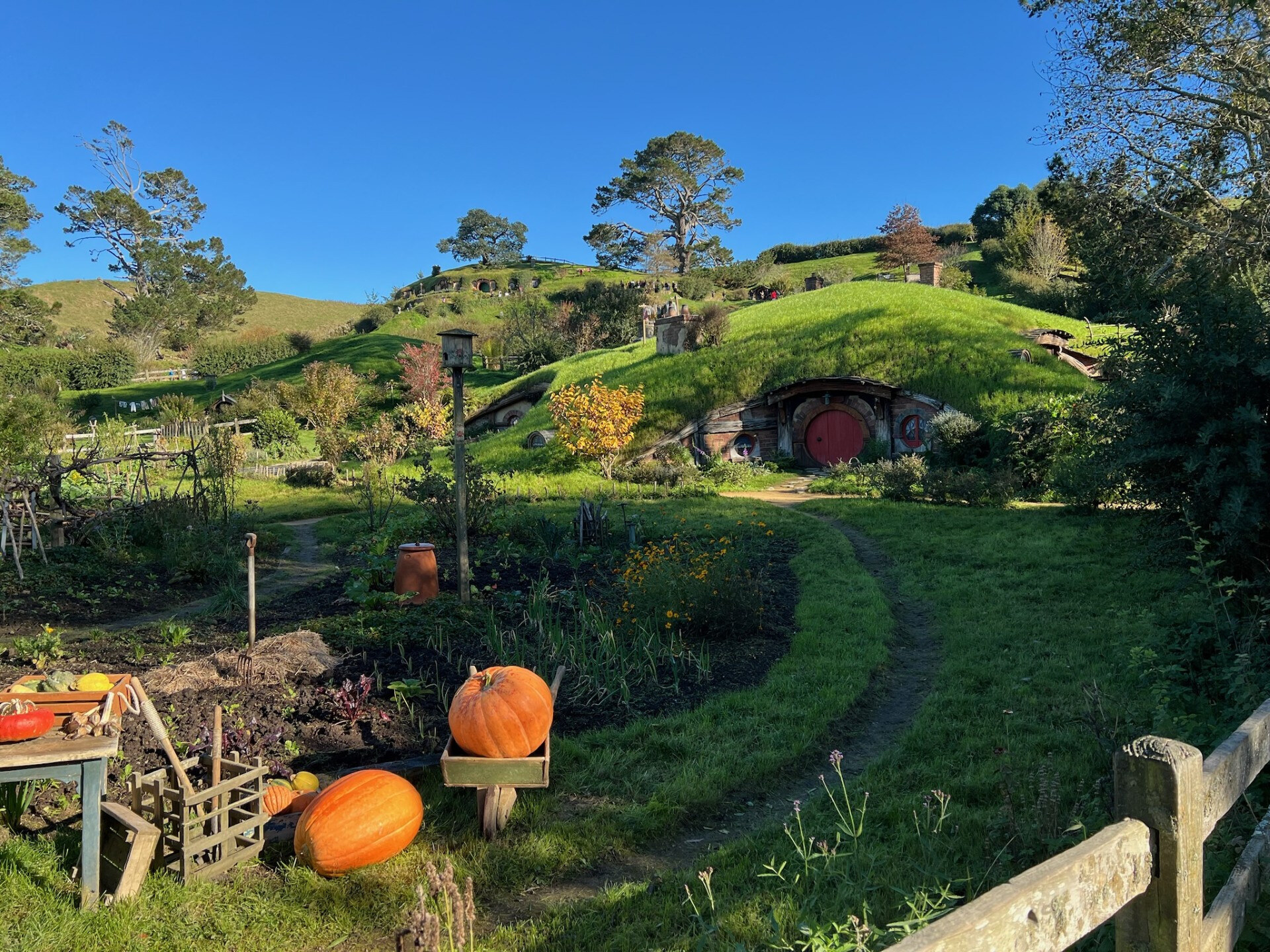
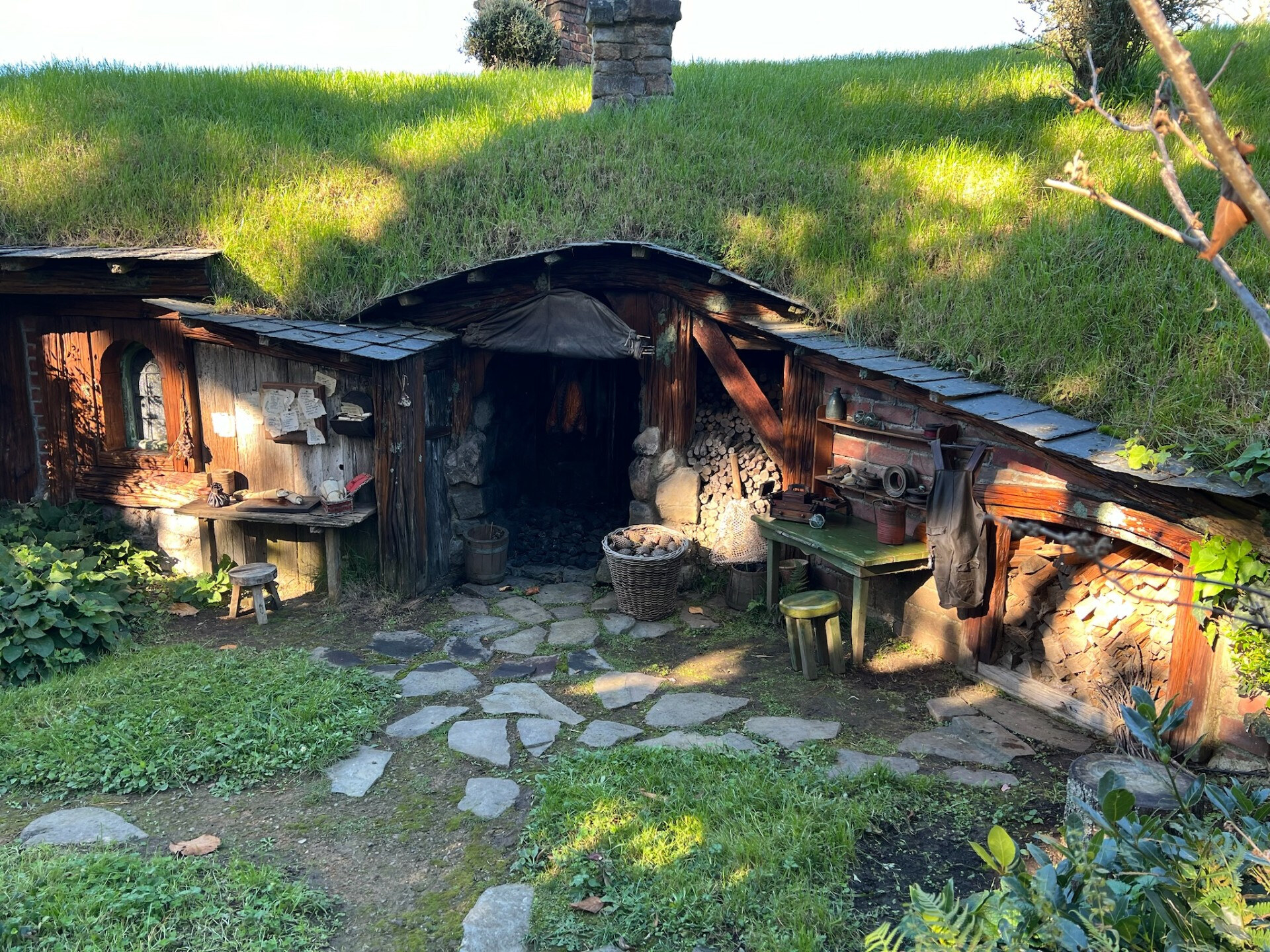
Hobbiton sits about two hours from Auckland; Waitomo is an hour beyond that. You don't need to be a Lord of the Rings devotee to appreciate Hobbiton. I watched two of the films before the trip, but honestly, it wasn't necessary. The craftsmanship alone is staggering — dry-stone walls, hand-painted signs, chimneys, gardens planted to appear as though a hobbit had just stepped inside. The rolling hills looked as though they were straight out of an early 2000s computer screensaver. Two of the hobbit homes were fully dressed with tiny beds, tiny kitchens, tiny chairs you could actually sit in. There's a gift shop on site, though curiously, they don't sell rings, something several visitors asked about.
Arrive early in the morning, before the buses. There is something magical about Hobbiton in the empty, quiet hours.
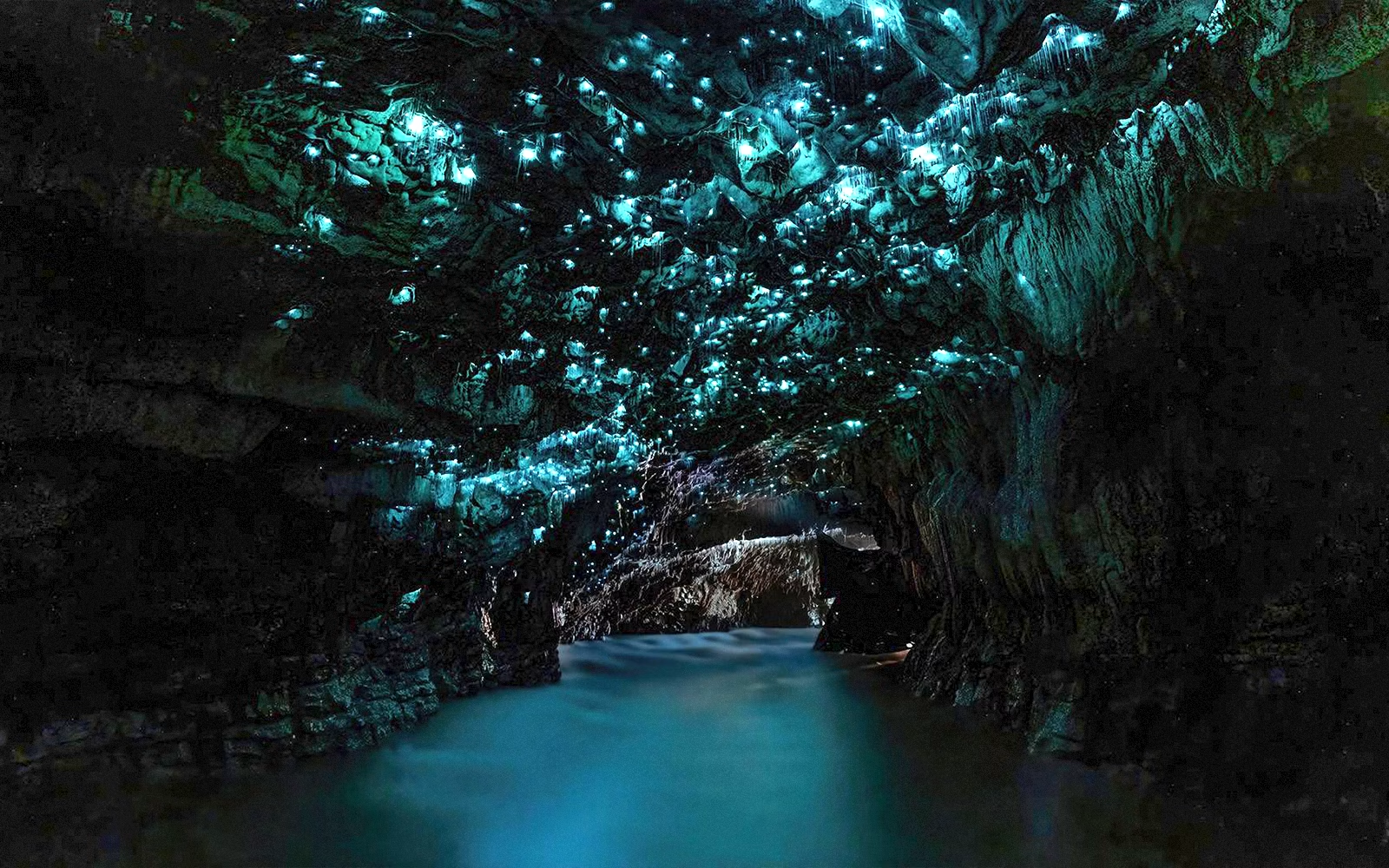
The Waitomo Glow Worm Caves were breathtaking. Māori tour guides led us deep into the earth, into a place the Māori have long regarded as sacred, a passage between the world of the living and the realm of ancestors. The very name Waitomo speaks to what you'll find here: wai meaning water, tomo meaning hole, a place where water disappears into the earth. Our guides showed us chambers used for ancient ceremonies and demonstrated how sound travels through the rock, before singing traditional waiata — songs once performed ceremonially in these very caves — their voices resonating through stone in a way that was deeply humbling.
At the lowest point, we boarded a small boat of about ten people and were told to remain silent. In the complete silence, the glow worms revealed themselves. It was surreal, like being in outer space, as if the stars were within reach.
Then, inevitably, someone spoke, and some of that magic dissipated. My one wish: to do this tour again, privately, so that the silence could hold. As a licensed travel advisor, I can help arrange this for your trip, with trusted on-the-ground providers so you can experience this the way it's meant to be.
Back in Auckland, the dining was exceptional. Ahi became the crown jewel of the trip. We went for my birthday and chose the chef's tasting menu — oysters, escargot, caviar, venison, and dishes I can no longer name but thoroughly enjoyed. The cocktails were superb. Reservations are highly recommended, and Ahi is steps away from InterContinental Auckland, putting your room within a 10-minute walk of your table.
Panacea is a cocktail bar run by three owner-bartenders who premake every drink. One side has tables and ambient music, the other a live band. Dr Rudi's Rooftop is lovely for drinks overlooking the bay, though securing an outdoor table can be a challenge. And for something low-key and local, Brew on Quay is a solid sports bar with a giant beer menu and honest late-night food. We also caught a rugby match at Eden Park — Blues vs. Hurricanes; Blues won — and afterwards walked onto the field to meet and photograph the players. The train there cost eight dollars round-trip per person.
New Zealand Travel Tips: The Wisdom I Wish Someone Had Told Me
New Zealand looks small on a map, but the topography is wild and distances are deceptive. Do not try to cram the entire country into two weeks. The golden rule: cut destinations, not experiences. Build your itinerary around fewer bases and more depth.
New Zealand food quality is genuinely top-notch, but prices reflect it. Tipping isn't required — wages are built into the cost — so don't be alarmed by the numbers on the menu. Budget more for dining than you'd expect.
What to Pack
The South Island will humble an underprepared suitcase. Waterproof layers are non-negotiable — a packable rain jacket, a mid-layer fleece, and a wind-resistant outer shell will carry you through Queenstown's unpredictable days. At the same time, don't underestimate sunscreen. New Zealand's UV index is intense even in autumn — the ozone layer is thinner here than in the Northern Hemisphere, and a deceptively cool day can still deliver a serious burn.
Timing
Early-to-mid May delivered dramatic beauty but genuine cold. If I were to return, I'd aim for March to avoid school holidays and find fewer crowds and milder temperatures — or late spring in October or November, when lambing season is underway and wildflowers are at their peak. Summer (December through February) is peak season: prices climb, crowds swell, and availability at top hotels and tours tightens considerably. Book well in advance if summer is your only option.
Practical Logistics: Getting Around New Zealand
Before anything else, handle the paperwork: most US visitors require an NZeTA (New Zealand Electronic Travel Authority) and will be charged the IVL (International Visitor Conservation and Tourism Levy, currently NZD $35) as part of that application. Both are processed through the official NZeTA app or Immigration New Zealand's website.
International and Domestic Flights
Most US travelers fly into Auckland Airport (AKL), the main international hub, before connecting to further regions. A word of advice: Auckland is a 13 to 17 hour flight from the US West Coast — jet lag is real. Build in at least one arrival night before any adventure bookings.
For the Queenstown–Auckland hop (or any inter-island connection), Air New Zealand is the standout choice — reliable, well-routed, and the default carrier for most domestic routes. Jetstar operates some of the same corridors at lower price points, though schedules are thinner. Book Air New Zealand early; fares climb steeply as departure dates approach. I or any LuxRally Travel advisor can help coordinate the excursions so you're not scrambling when you're on vacation.
Car Rental vs. Hiring a Driver
New Zealand drives on the left, and the roads — particularly on the South Island — can be narrow, winding, and deceptively demanding. Renting a car makes sense if you're comfortable with left-hand driving and want flexibility across multiple days. For single-day excursions to specific destinations, hiring a private driver is often the smarter call. The Hobbiton and Waitomo day trip ran approximately $200 per person with a driver included; for Milford Sound, the flight option (around $500 per person) renders a rental car moot entirely. A full-day private driver typically runs $300–$500 NZD depending on distance and itinerary. LuxRally Travel's in-house concierges can arrange drivers for popular routes or specialized itineraries.
Currency & Tipping
New Zealand uses the New Zealand Dollar (NZD). At time of writing, roughly 1 USD converts to approximately 1.60–1.65 NZD, though rates fluctuate — check before you travel. Credit cards are accepted virtually everywhere. Tipping is genuinely not expected in New Zealand; hospitality wages are built into menu prices, which is why those prices can feel higher than you'd expect. A small tip for exceptional service is always appreciated but never obligatory.
Mobile Connectivity
Your home carrier's international roaming plan will work in Auckland and Queenstown, but coverage thins considerably in rural areas — and New Zealand has a lot of rural. For day trips to Milford Sound or Waitomo, don't count on a reliable signal. Download offline maps (Google Maps) before you leave your hotel. If you want consistent data, pick up a local SIM on arrival — Spark and One NZ (formerly Vodafone NZ) are the two major networks, and prepaid tourist SIMs are available at the airport and most convenience stores for around $30–$50 NZD.
Perhaps the most important thing I learned: the people of New Zealand are extraordinary. Our driver on the Hobbiton day trip learned it was my birthday and surprised me with a plush Kiwi bird from one of the gift shops. He wanted me to remember New Zealand, he said. A cab driver spent the ride sharing tips about regions to visit and the best times to go; he wasn't originally from New Zealand, but he had lived there most of his life, and you could feel his love for the country in every recommendation. Bartenders, servers, tour guides — everyone we met radiated a genuine warmth and pride in their home.
Whether you're ready to start planning or simply want to talk through the itinerary, I'm here to offer support before, during, and after your trip. New Zealand rewards the traveler who comes prepared — and this guide exists so you can be.

New Zealand isn't a place you just visit.
It's a place that stays with you — in the mist on your face at Milford Sound, in the glow of a thousand tiny creatures underground, in a plush Kiwi bird tucked into your suitcase. If this guide has done its job, your next step is simple: connect with me below to start planning.
Go prepared. Go slowly. And let it surprise you.
Plan your next journey with
Katherine MettamKatherine Mettam is a guest contributor to LuxRally Travel, bringing a discerning eye and genuine passion for elevated travel experiences to every piece she writes. With a keen sense of what transforms a good trip into an unforgettable one, Katherine explores destinations and hospitality through the lens of curiosity, comfort, and cultural depth. Her writing balances practical insight with evocative storytelling, offering readers a thoughtful perspective on luxury travel that goes beyond the surface. Whether uncovering hidden gems in well-traveled cities or highlighting the details that distinguish exceptional service, she brings warmth and authority to her work, making her a valued voice within the LuxRally Travel editorial community.
Related Stories
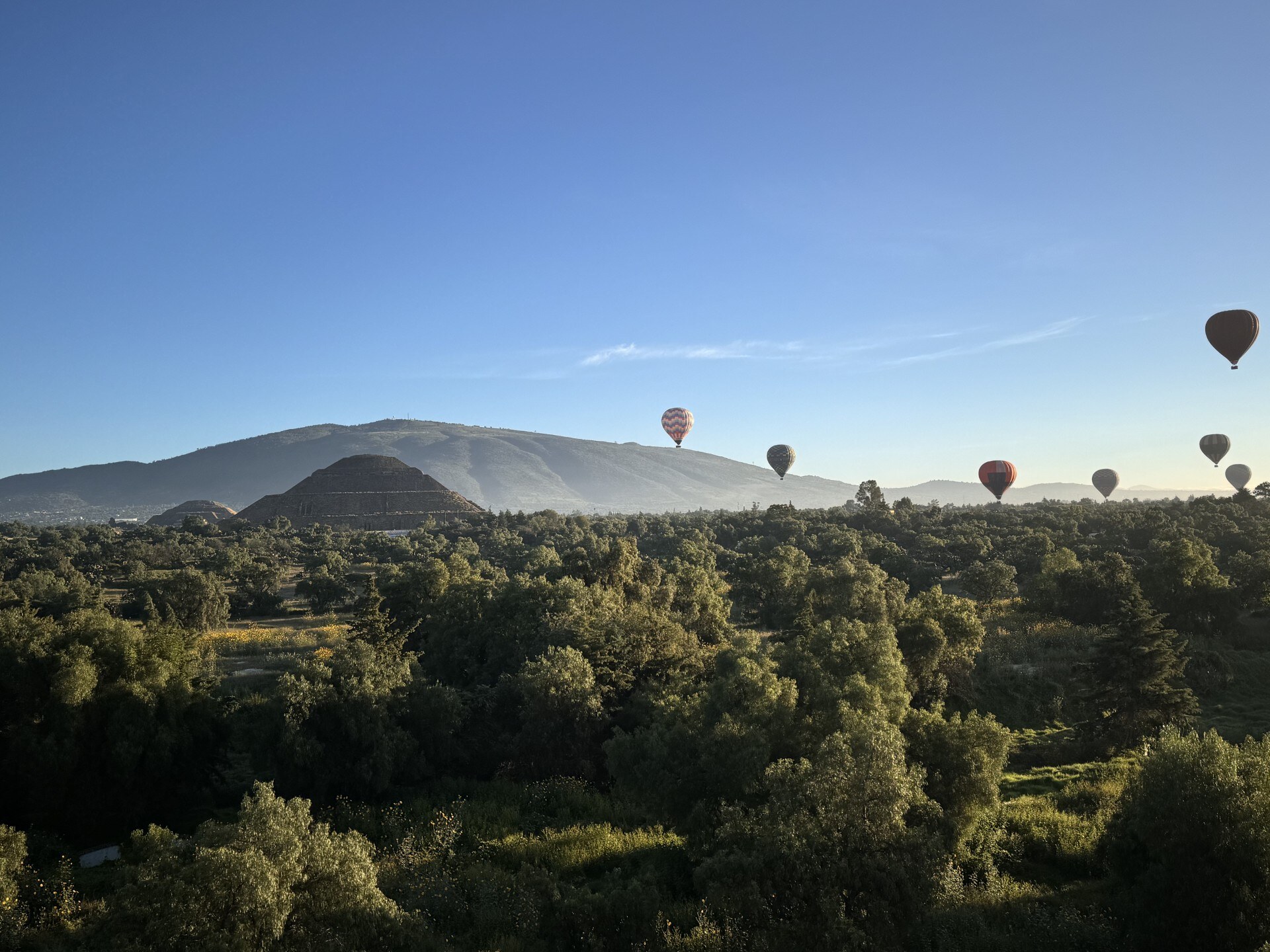
What to Do in Mexico City: An Advisor's Guide to the City's Most Vivid Experiences
From floating over Teotihuacán at dawn to eating Michelin-starred tacos on a curb, this is a ten-day deep dive into Mexico City's most unforgettable adventures, restaurants, and hidden bars.
By Katherine Mettam
The Invisible Work Behind an Autism-Friendly Vacation — and Who's Actually Doing It
A social worker turned luxury travel advisor explores how the industry is embracing neurodivergent travelers — from Royal Caribbean's sensory-friendly theaters to Karisma's Calm Zones — and what true inclusive hospitality looks like.
By Katherine Mettam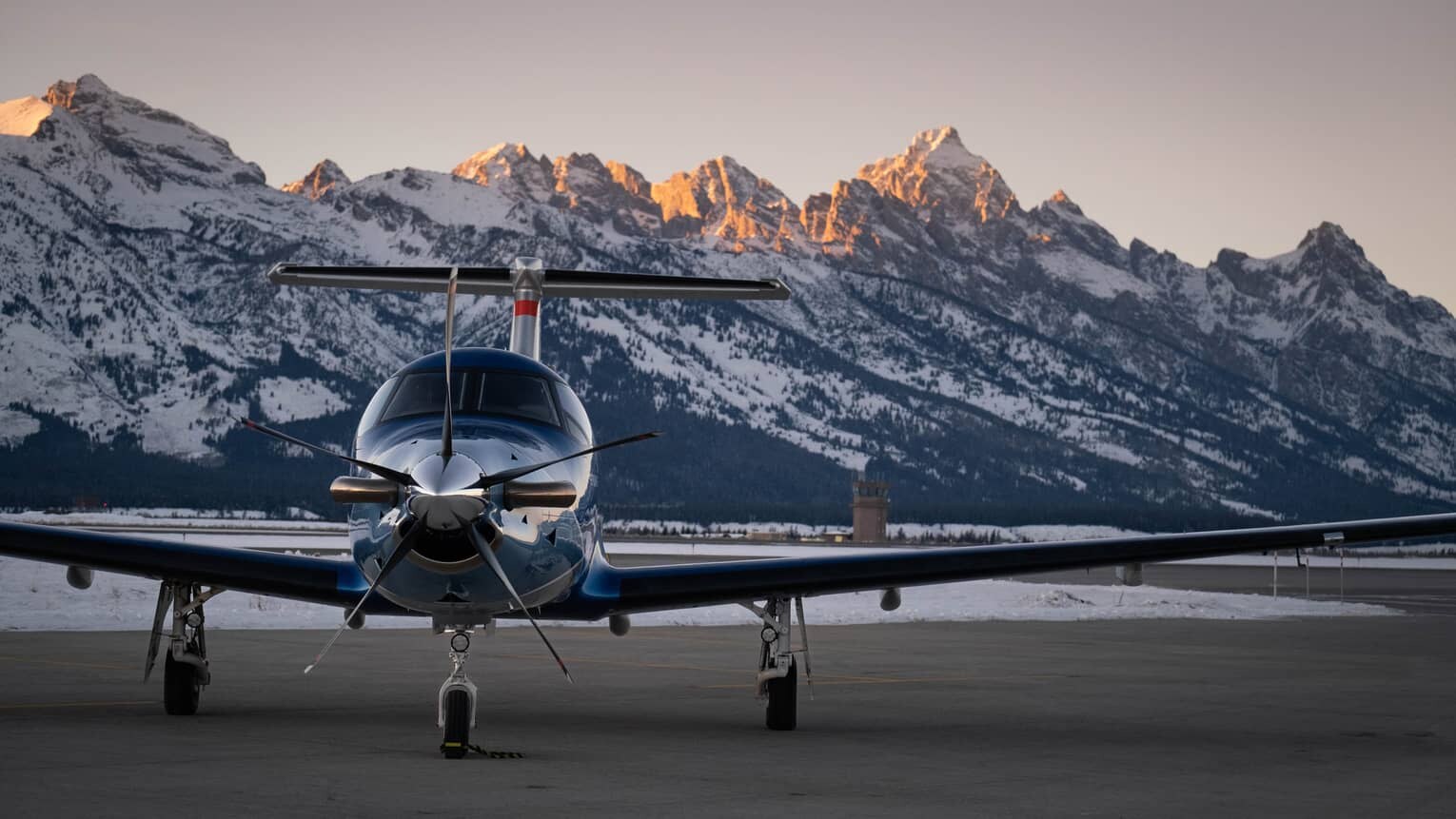
The Grand Tetons Are Calling: Ski Season with the Four Seasons Resort & Residences Jackson Hole
From ski-in, ski-out luxury at the Four Seasons to a hidden speakeasy bathed in moody red light, this curated roundup captures everything the discerning skier needs for the ultimate Teton Village experience.
By Amy Van Den Top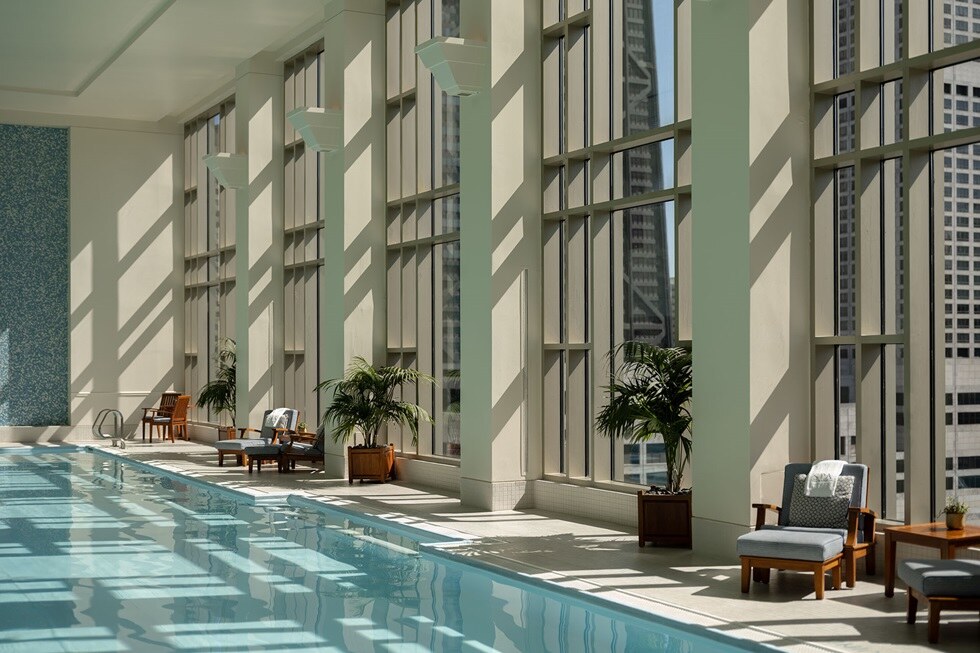
Local’s Guide to Chicago: America’s Most Underrated Luxury Family Escape
From a Chicago rooftop pool where snow falls beyond the glass, to afternoon tea that needs no occasion — this city rewards the traveler who slows down. Even after thirteen years, it's still a city that my family and I can discover anew.
By Natalia Semizarov
Multigenerational Travel Is Having a Major Moment: Here's The What, Why, Where, and How
Multigenerational trips are the fastest-growing travel trend — and for good reason. From grandparents initiating the adventure to Gen X bridging generations, families are trading scattered getaways for one unforgettable shared experience.
By Sara Ryburn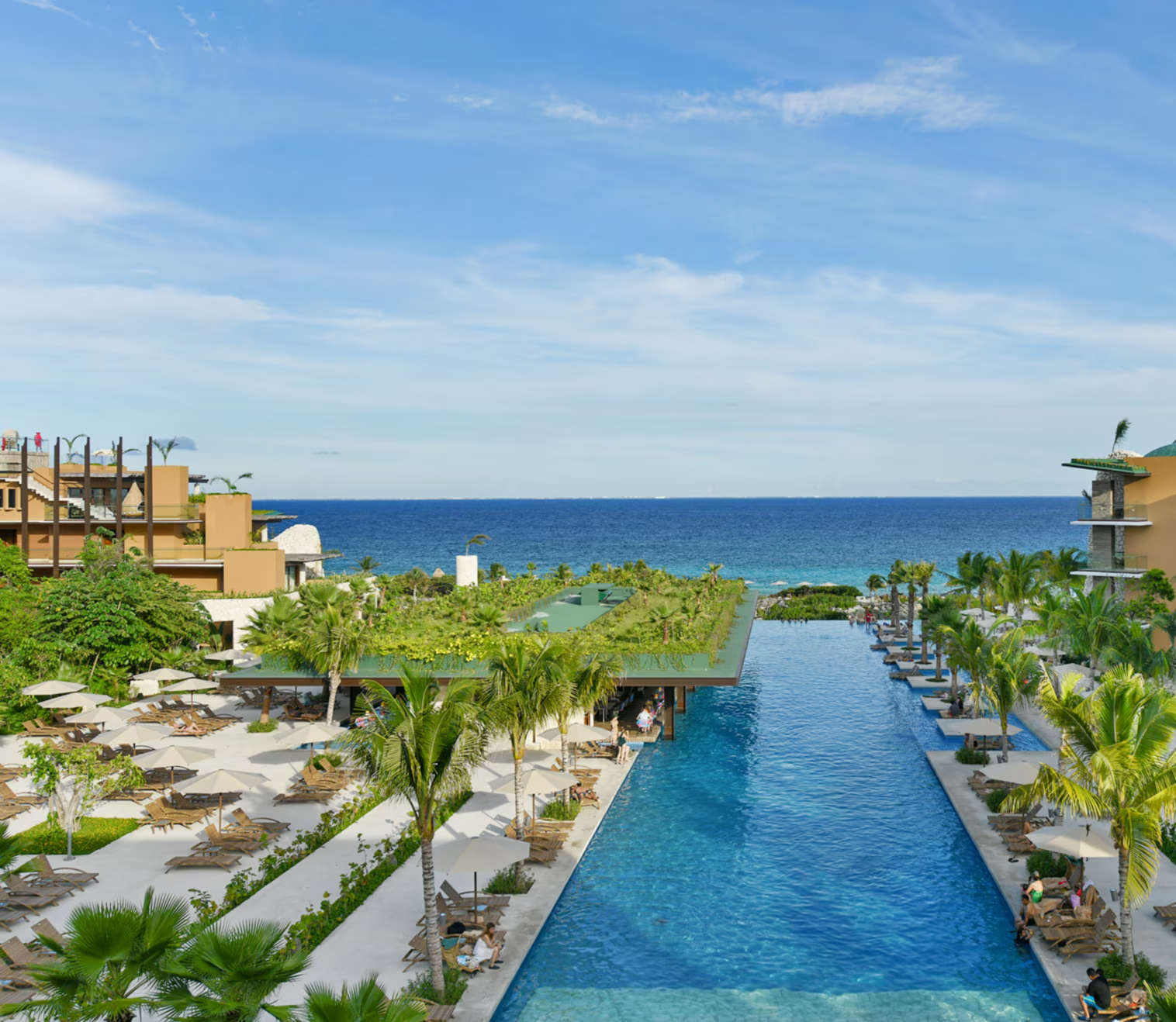
Hotel Xcaret México Review: Everything You Need to Know Before You Book
With eight distinct Casas, five adventure parks, and over 20 restaurants, Hotel Xcaret México is the Disney of the Riviera Maya. My biggest takeaway? Don't arrive unprepared.
By Alexis Dunfee