
Heritage Travel
Access is Not the Same as Meaning: The Case for Better Heritage Travel
From Cape Coast Castle to the streets of Accra, the most meaningful heritage journeys aren't built on destinations alone — they're built on context, emotional pacing, and the people who help you understand why a place matters.
By Alisha Myers
June 19, 2026
The travel industry has become remarkably skilled at delivering access.
I secure coveted reservations, unlock private experiences, arrange seamless transportation, and curate extraordinary accommodations. I can move families across continents with remarkable efficiency and place them in front of some of the world's most iconic landmarks, cultural institutions, and historical sites. But as more families seek travel that connects to their history, culture, identity, and legacy, a different challenge emerges.
The objective is no longer simply to help travelers see a place. The objective becomes helping them understand it.
There is a profound difference between giving someone access to a destination and creating the conditions for a meaningful connection to emerge. More and more, families are recognizing that difference. Rather than asking where they should go next, they are beginning with a different question entirely:
Why does this journey matter?
The answer often has little to do with luxury in the traditional sense.
It may involve exploring family history, understanding cultural heritage, engaging with pivotal historical events, introducing children to unfamiliar perspectives, or creating shared experiences that strengthen bonds across generations. The key to unforgettable heritage travel is remembering that the destination itself matters — but is often only one component of a much larger story.
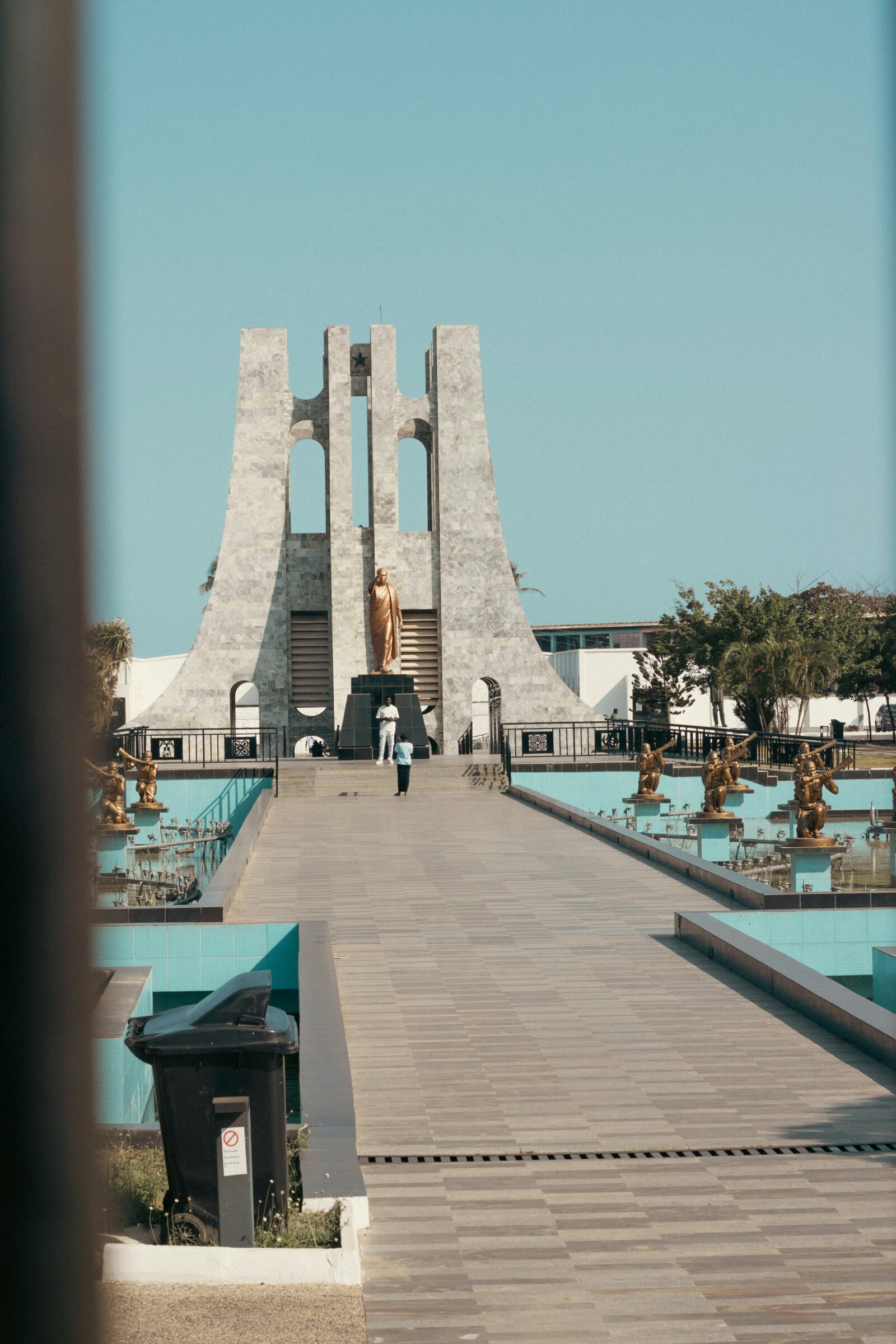

Context, Honor, and Respect: How I Plan Meaningful Family Heritage Travel Experiences
African heritage travel provides one of the clearest examples of this shift.
In destinations such as Ghana and Senegal — two of the most compelling settings for heritage travel and diaspora discovery — travelers from around the world are seeking opportunities to engage with diaspora history, cultural identity, and ancestral narratives. Interest continues to grow because these journeys offer something beyond sightseeing. They invite travelers into conversations about history, belonging, resilience, and legacy.
What makes heritage travel experiences like these impactful is rarely the destination alone. The most meaningful journeys are designed around context.
Consider a visit to Cape Coast Castle in Ghana or Gorée Island in Senegal.
Both carry enormous historical significance — frequently included on Juneteenth and heritage-focused African itineraries, and consistently among the most memorable experiences travelers encounter.
A traveler can arrive, take a guided tour, listen to the history, and depart having learned something important. Another traveler can visit the same site and experience a moment that fundamentally alters their understanding of history, identity, and their place within a larger narrative.
The difference is rarely the destination itself. More often, it is the framework surrounding the experience.
When I plan a heritage-focused journey, the goal is never simply a sequence of activities. The work is designing an experience that meets what travelers carry into it — and what they are ready to find.
That process often begins before arrival.
Depending on each family's background and interests, they might spend time with a historian, educator, or cultural expert before arrival — someone who can offer perspective that goes beyond dates and facts. Those conversations focus on the broader significance of the places they will visit and the stories that connect them. The purpose is not to create an academic exercise. It is to cultivate curiosity.
When you arrive with a foundation of understanding, destinations resonate more deeply. You begin asking better questions, recognizing nuances that might otherwise be overlooked. When you understand, you engage with experiences rather than simply observing them.
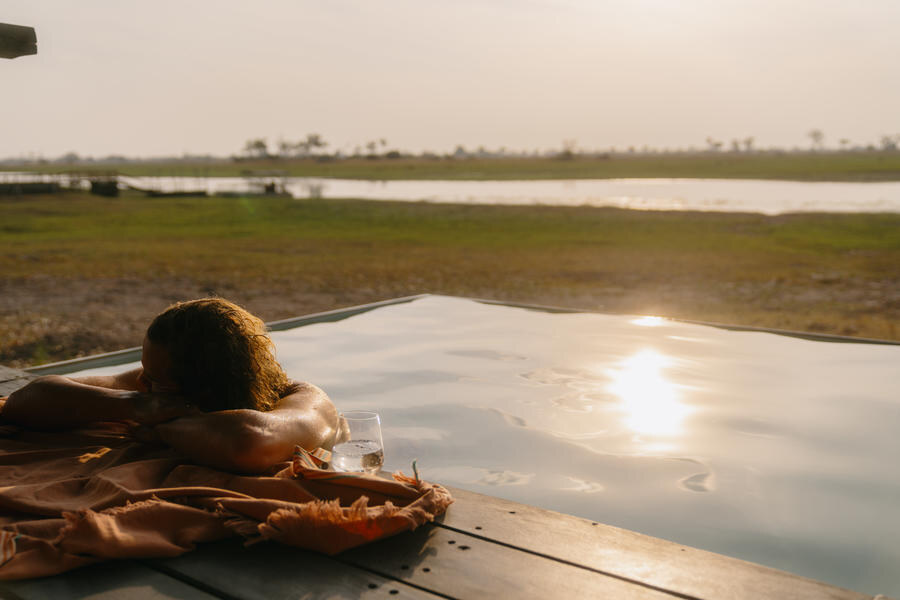
Emotional Pacing: The Missing Layer in Heritage Travel Design
Civil rights journeys through the American South, Holocaust remembrance travel in Europe, Indigenous cultural experiences, faith-based pilgrimages, and ancestry-focused travel all share one characteristic. Their value is not measured solely by what travelers see. It is measured by what travelers come to understand.
Understanding requires more than preparation.
It requires space.
One of the least discussed aspects of travel design is emotional pacing, and the principle applies far beyond heritage travel.
Travel professionals invest significant time sequencing flights, accommodations, activities, dining reservations, and transportation. Far less attention is paid to the sequencing of emotional experiences. This oversight fundamentally alters how a journey is received.
Some destinations invite celebration and energy. Others invite reflection. Still others demand presence. Some provoke difficult questions or complex emotions that take time to name. Treating every experience as an interchangeable stop on an itinerary ignores the reality of how people process meaning.
Historical and cultural experiences require time. Travelers may need space to reflect privately. Families may need time to process what they have encountered. Children process experiences differently than adults, sometimes asking their most important questions hours later, not in the moment.
A well-designed itinerary recognizes these realities.
Meaningful travel creates room for reflection — not by choreographing emotion, but by resisting the impulse to move immediately from a significant historical site to shopping, entertainment, or unrelated activity. Understanding often deepens after the experience itself has ended.
In many ways, emotional pacing functions like architecture. The most memorable buildings are not simply collections of rooms. They guide people through a sequence of experiences. Light changes. Spaces open and close. Movement is intentional.
Meaningful journeys operate similarly. Experiences build upon one another. Context prepares travelers for what they will encounter. Reflection deepens understanding. Conversations sharpen engagement. Each element contributes to something larger.

What Shapes the Journey Beyond Pacing, Accommodation, and Experience
Most travelers assume destinations create meaning on their own. In reality, relationships and people shape understanding just as powerfully as the places themselves.
A single conversation with a historian can transform how a traveler reads a landmark. An artist can provide insight into contemporary culture that no museum exhibit could convey. A community leader can illuminate perspectives that rarely appear in guidebooks. These are the moments that endure.
I have seen families struggle to recall the name of a particular monument or the museum that housed it. But they almost always remember the individual who helped them understand why that place mattered.
This is why relationships are a defining component of meaningful travel design.
The strongest itineraries are not collections of destinations. They are networks of people, perspectives, and experiences that help travelers engage more deeply with the places they visit.
Legacy Travel: The Journey Continues After the Flight Home
Most people treat a trip as a self-contained experience with a clearly defined beginning and end. Planning starts before departure and ends the moment they return home.
Meaningful travel does not follow that timeline. Often, the return flight marks the beginning of a different kind of journey entirely.
Families continue conversations that began abroad. Children revisit questions raised during the experience. Books are purchased, research continues, and the relationships formed during travel endure long after the itinerary ends. In many cases, heritage travel becomes a generational tradition.
Sometimes travelers become involved with educational initiatives, cultural preservation projects, or organizations they first encountered abroad. Other times the impact is quieter and more personal. A family develops a deeper appreciation for their own history. Parents and children discover new language for identity, culture, and values. Shared experiences become part of a larger family narrative.
Not every meaningful journey produces dramatic transformation. Nor should it.
Real value lies in creating conditions for engagement — not in manufacturing outcomes.


Designing Meaningful Travel That Endures Across Generations
This shift toward intentionality is reshaping how UHNW and HNW families approach family legacy travel — and how the best luxury travel advisors serve them. Access and experience still matter. Exceptional hotels, remarkable destinations, and extraordinary access remain valuable components of a well-designed journey. But they are increasingly viewed as tools rather than objectives.
The question I hear more often now isn't, "Where should we go next?" It's, "What do we want this trip to give us?"
What conversations should it open? What understanding should it build? What memories will endure long after the itinerary has ended?
The most enduring travel experiences answer those questions not through grand gestures or elaborate logistics, but through thoughtful design. They recognize that meaning does not emerge from proximity to significant places alone. It develops through context, relationships, and intentional reflection.
After years spent managing complexity at the executive level and designing bespoke travel experiences for families around the world, I've come to believe that the most meaningful journeys are rarely defined only by where you stayed. They're defined by the conversations they spark, the perspectives they broaden, and the memories families continue returning to long after the suitcases are unpacked. My role as your advisor is to handle every detail with precision while I help create experiences that are deeply personal, purposeful, and uniquely your own.
If you are considering a journey rooted in heritage, legacy, or a deeper connection with the people and places that matter most, connect with me below — I would be honored to make it happen.
FAQ
What is African Heritage Travel?
African heritage travel explores history, culture, ancestry, and diaspora connections through meaningful, purposefully designed experiences — most often in destinations such as Ghana and Senegal, where diaspora infrastructure and cultural depth intersect.
Why do families choose heritage travel?
UHNW and HNW families increasingly use heritage travel to strengthen cultural identity, explore family history, and create multigenerational experiences that carry lasting significance beyond the trip itself.
What is legacy travel?
Legacy travel is intentional, multigenerational travel designed around family values, cultural identity, and shared experiences, built to create lasting impact and generational meaning rather than a one-time leisure event.
How do you plan a meaningful heritage travel experience?
Meaningful heritage travel combines historical context, local cultural expertise, emotional pacing, and multigenerational preparation — creating a deeper understanding of diaspora history, ancestral identity, and legacy rather than surface-level sightseeing.

Plan your next journey with
Alisha MyersAlisha Myers is a Forbes Travel Guide endorsed Elite Travel Advisor with LuxRally Travel. She specializes in high-complexity, high-touch travel for executives, founders, and families who require more than standard itinerary planning. Her work includes private retreats for CEOs, multi-generational travel, and family office travel programs designed around access, discretion, and seamless execution. Her writing in The LuxRally Journal reflects the same perspective. She explores destination intelligence, the private infrastructure behind ultra-high-net-worth travel, and the growing gap between what discerning travelers expect and what the traditional travel industry typically delivers. Her most widely read pieces focus on what real access looks like at the highest level, and how the right advisor can fundamentally change the travel experience. Readers often come across her work while searching for clarity in complex travel planning. Those who connect with it tend to value insight over inspiration, and execution over aesthetics. She is based in Austin, Texas and works with clients globally.
Related Stories

Family Office Travel: Planning, Booking, and Supporting, From First Call to First Trip
A practical look at how a luxury travel advisor begin working with a family office, from the first conversation and approval process to itineraries, 24/7 support and what we learn after the first trip.
By Alisha Myers
Welcome to Country: A Travel Guide to Indigenous Australia
Indigenous heritage is not another experience to add to a luxury Australian itinerary. It is the lens through which the entire country is best understood. A framework for designing journeys that create understanding rather than consumption.
By Alisha Myers
So, You Want to See the World. Now What?
The most unforgettable trips aren't about luxury or itinerary — they're about your passions let off the leash in extraordinary places. From St Andrews to the World Series of Poker to a fairy-tale castle in Bavaria, your dream trip is already inside you.
By Phillip Ritzenthaler
5 Luxury Hotels That Please the Whole Family: Resorts that Grow with You
From babies and teenagers to young adults and grandparents, these five luxury family resorts give every generation a reason to return — and grow with the family across the years.
By Alina Moretti
Four Luxury Cycling Destinations in the USA That'll Battle Winter Blues
The best cycling vacations combine challenging roads with exceptional places to stay. Discover four U.S. destinations where serious riders can maintain their fitness while enjoying luxury hotels, restorative spa experiences, and memorable trips, no passport required.
By Natalia Semizarov
A Luxury Thailand Itinerary with Four Seasons: Two Weeks, North to South
Two weeks across all four Four Seasons properties in Thailand, from Bangkok's river buzz to rice paddies in Chiang Mai to a jungle tented camp on the Myanmar border, ending on the beaches of Koh Samui
By Kristen Unick