
New York City
NYC with Vertigo: Enjoying the Big Apple when You Don't Like Heights
New York City has hundreds of experiences above the 20th floor — and zero apologies if you can't handle them. Yet I checked into the Mandarin Oriental New York, a hotel starting on the 35th floor, with vertigo, alone. This is exactly why it worked.
August 10, 2026
New York City has hundreds of experiences above the 20th floor. Rooftop bars, sky-high restaurants, immersive art installations on the 93rd floor. Five iconic observation decks — all above floor 69 — offer sweeping 360-degree views of the city and assume, without hesitation, that you're fine with heights.
I am not fine with heights.
Years of sudden vertigo had convinced me that a trip to NYC meant settling for a low floor at a passable hotel. Skipping the iconic spots. Playing it safe in a city that practically dares you to look down.
But because I'm a luxury travel advisor, I took a risk. I'm so glad I didn't make that mistake. I want to walk you through exactly why, because the difference wasn't luck.
It was a handful of specific, findable details any traveler with an aversion to heights can look for when booking a high-rise stay. I found all of them at the Mandarin Oriental New York, believe it or not, on floor 48.
If heights make you anxious, here's what actually matters when you're choosing where to stay in a vertical city: how you arrive, how fast your nervous system gets a say before the view does, how much choice your room gives you over how close you get to the glass, and whether the staff notice what you need before you have to explain it.
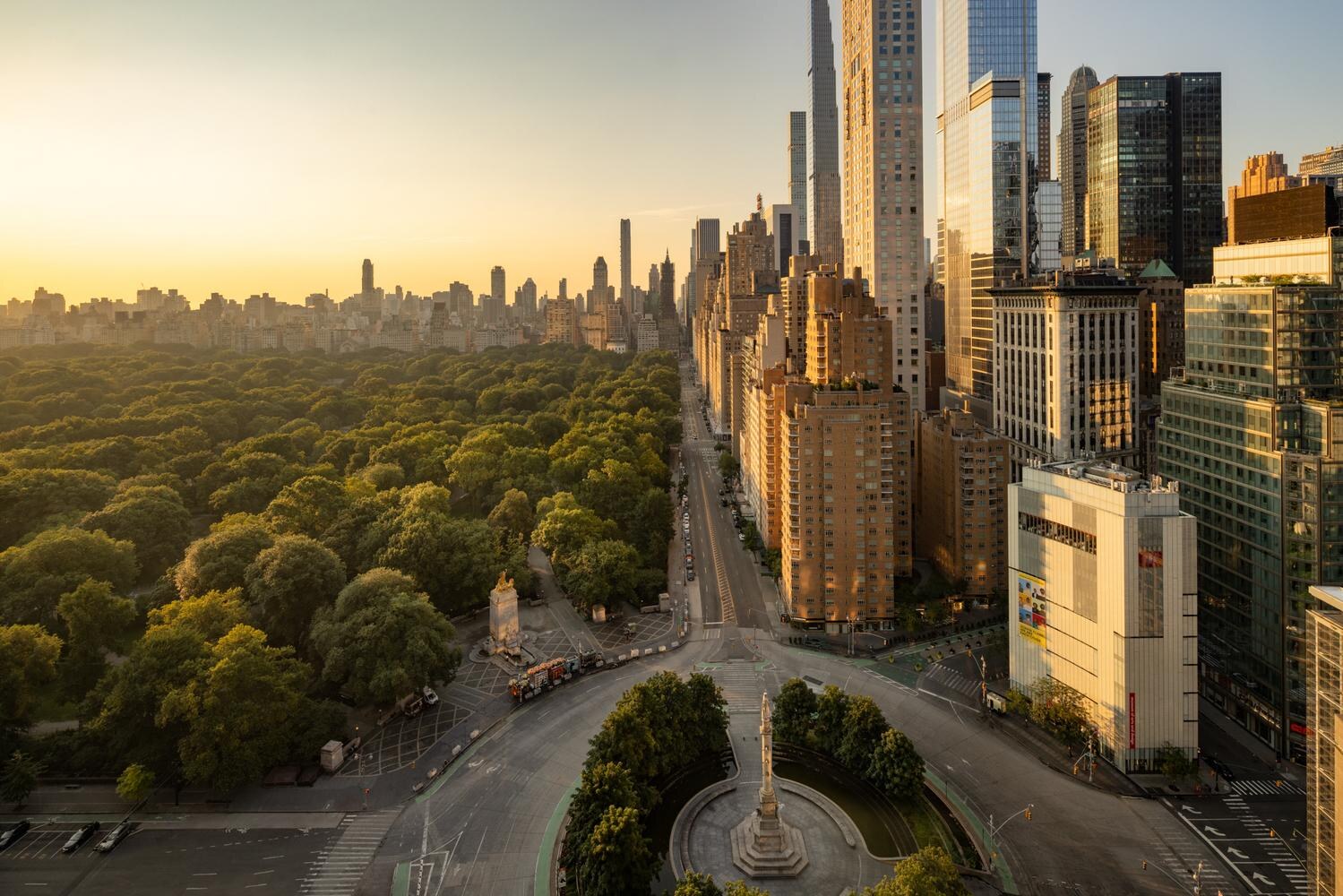
This is what that looked like in practice at Forbes 5-star hotel Mandarin Oriental New York.
The Arrival Buffer
The moment I arrived at the Mandarin Oriental New York, I was whisked inside from the busy Columbus Circle streets to a serene ground-floor lobby. My luggage disappeared with the bellstaff, and I was escorted up the first elevator bank to the Sky Lobby on the 35th floor.
The elevator ride was smooth. No appreciable sense of acceleration or wobble. Over very quickly.
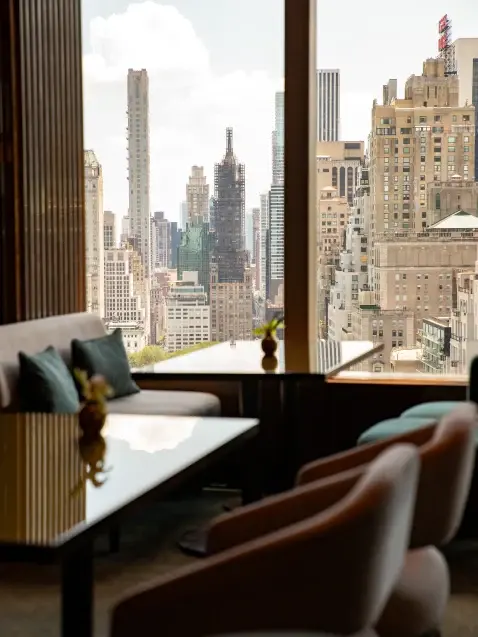
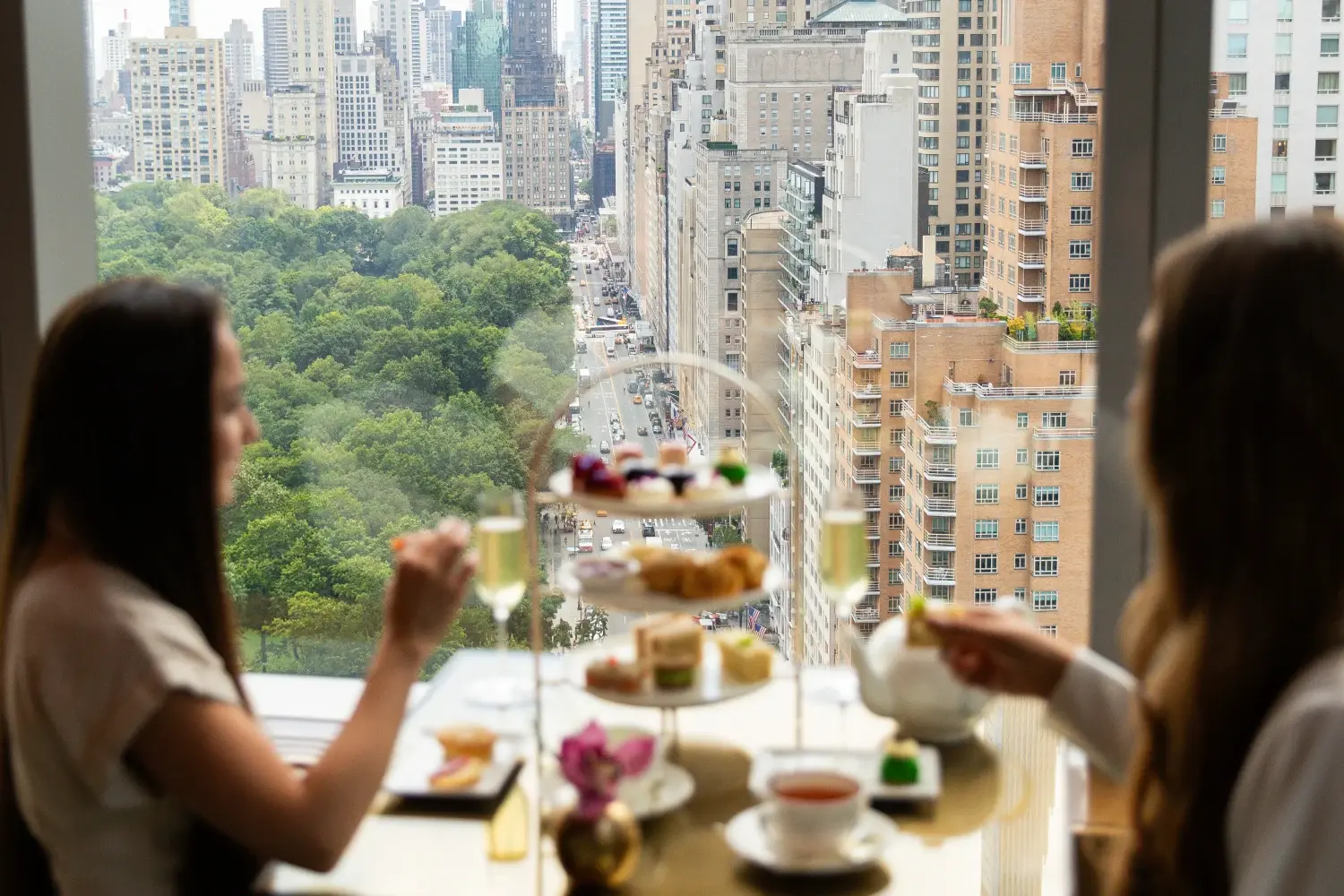
I entered the Sky Lobby from the far side, away from the windows, which allowed me to get my bearings without being immediately confronted with a giant window. By the time I turned toward the sweeping Central Park views from the Lounge restaurant, I was ready for them. An oversized floral table with a Chihuly glass masterpiece did a strong job of competing with the views for my attention, though.
That architectural buffer? It's everything when your nervous system is deciding whether to stay or bolt. If you're booking a high-floor stay yourself, this is worth asking your advisor about: does the lobby ease you toward the view, or does it put you face-to-face with it the second the elevator opens?
Calm Your Nervous System First
On my arrival day, I skipped the sightseeing and went straight to the spa. Easing into a stay where heights are involved is one of the greatest gifts you can give yourself. The more jittery you are, the more the vertigo will trigger.
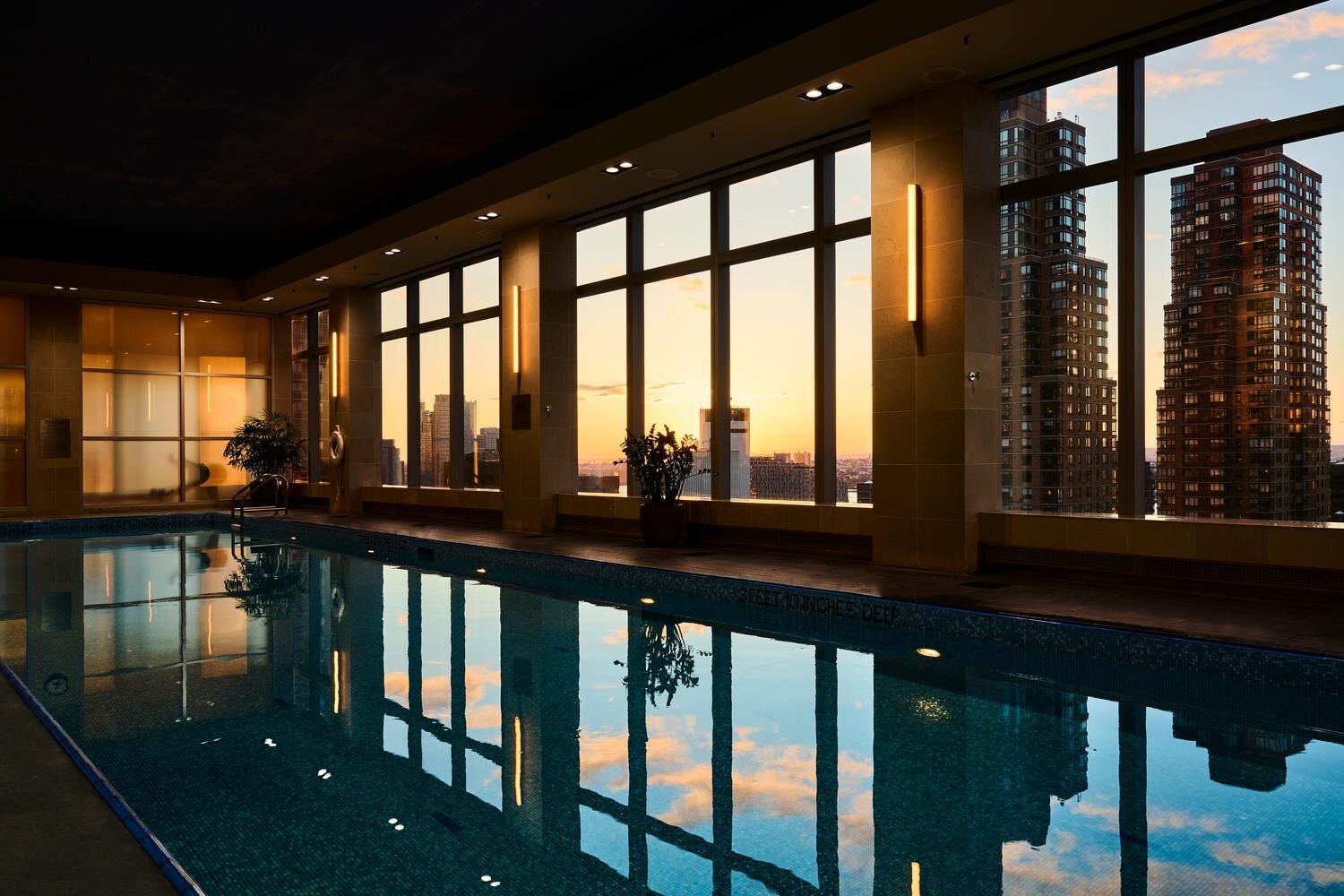
After one of the best massages of a well-massaged life, I sat in the oxygenated whirlpool and took in the steam room. 10/10 recommend. By the time I left the spa, my body had stopped bracing for the worst. The city could wait. My nervous system could not.
This is a strategy you can use anywhere, not just here: build in a low-stimulation buffer before you ever face the view, rather than checking in and heading straight up.
Floor 48: A Vertigo-Friendly Hotel Room on My Own Terms
Checking in required a second set of elevator banks, accessible only by key card. The elevator showed no signs of sway. A comfortable experience.
The Central Park View King room on the 48th floor offered enough space — a large desk, chaise lounge, generous bathroom with soaking tub and shower — to feel like I could approach the views from an enjoyable distance. Not as if I was preparing to bungee jump in Moab.
Floor-to-ceiling windows greeted me, yet the layout never forced a head-on encounter with the view. If you wanted to sit right against the windows, you could. If you wanted a little distance, or even to close a drape, that was a perfect option as well.
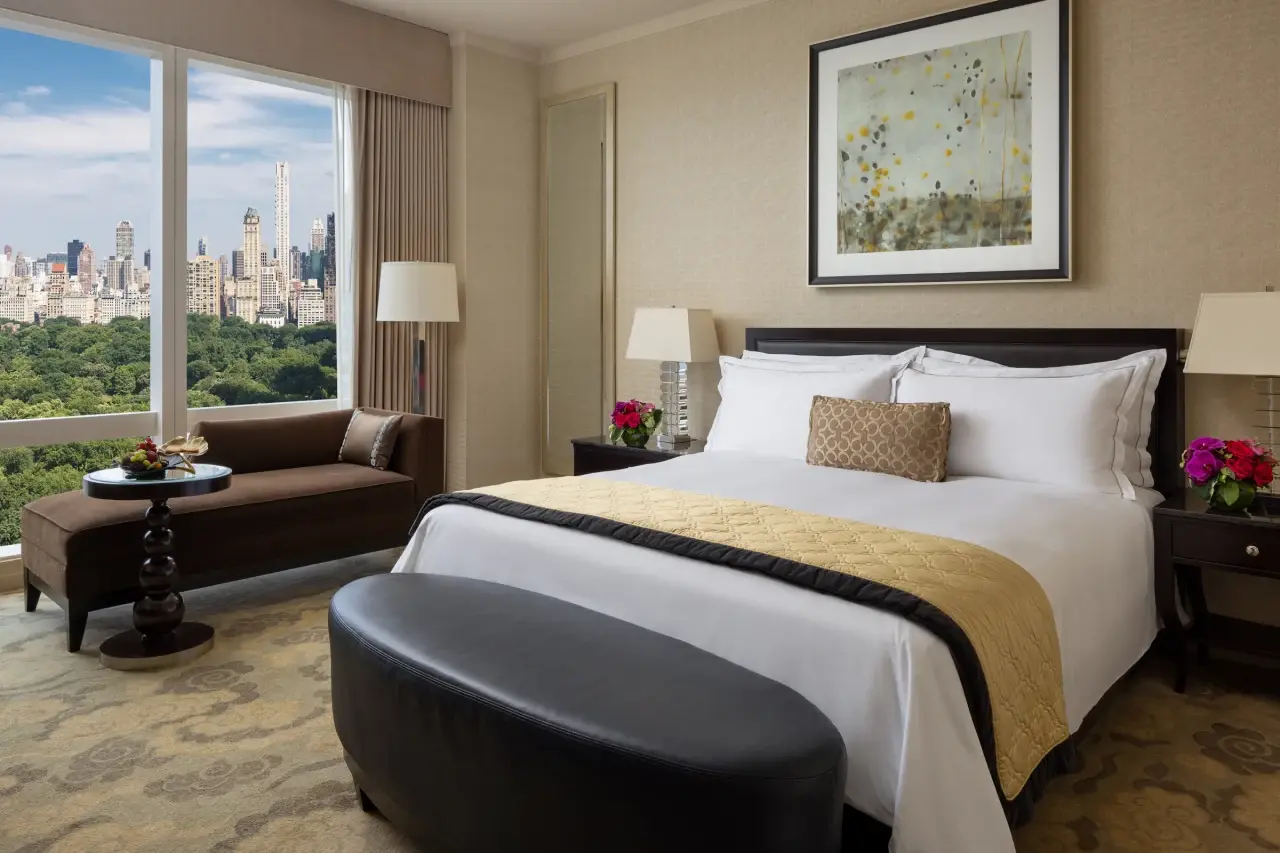
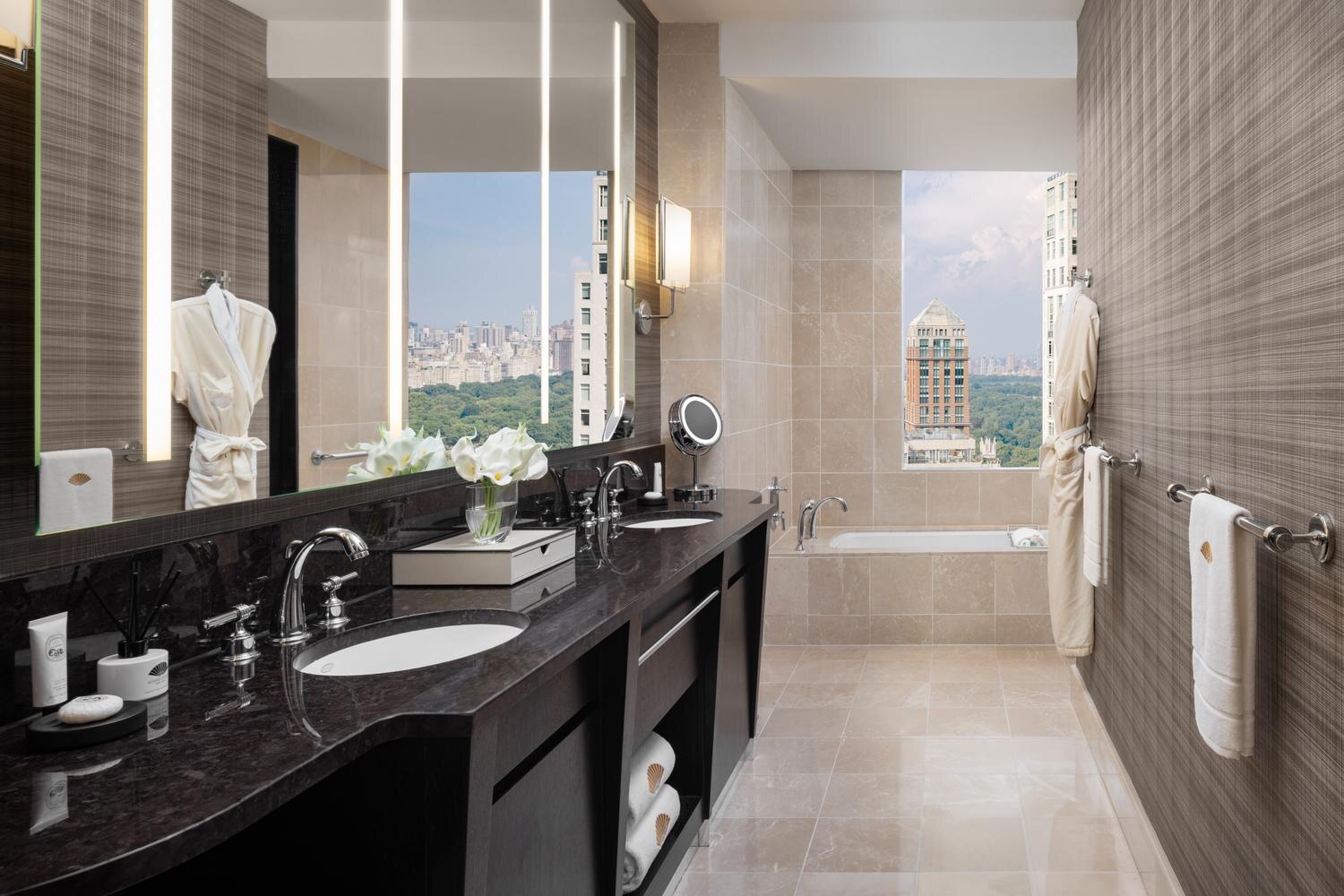
Choice. That's the word. The room gave me choice. The second thing worth checking before you book: does the room layout let you control your own proximity to the glass, or is the bed pushed right up against it with no way to create distance?
Fireworks, Speakeasies, and a Hidden Elevator
The staff was exceptional throughout my stay. Always at the ready with eye contact and warmth. The main Lounge restaurant serves breakfast through dinner, and I enjoyed several meals there — including two where I sat against the windows. The solid feel of the furniture helped to ground me against the sensation of vertigo.
One evening, I sat in a corner with only two tables and two banks of windows, enjoying a glass of wine above a sparkling city. Then I saw fireworks reflected in a building across the way.
I asked my server about them. She gasped — then had me follow her across the lounge and through a side door into an empty event space lined with floor-to-ceiling windows. The fireworks were fully visible from here — Knicks fireworks that usually only happen twice a year. A front-row seat with only one other soul in sight.
I was nearly 50 stories up. And I wasn't surviving it. I was savoring it.
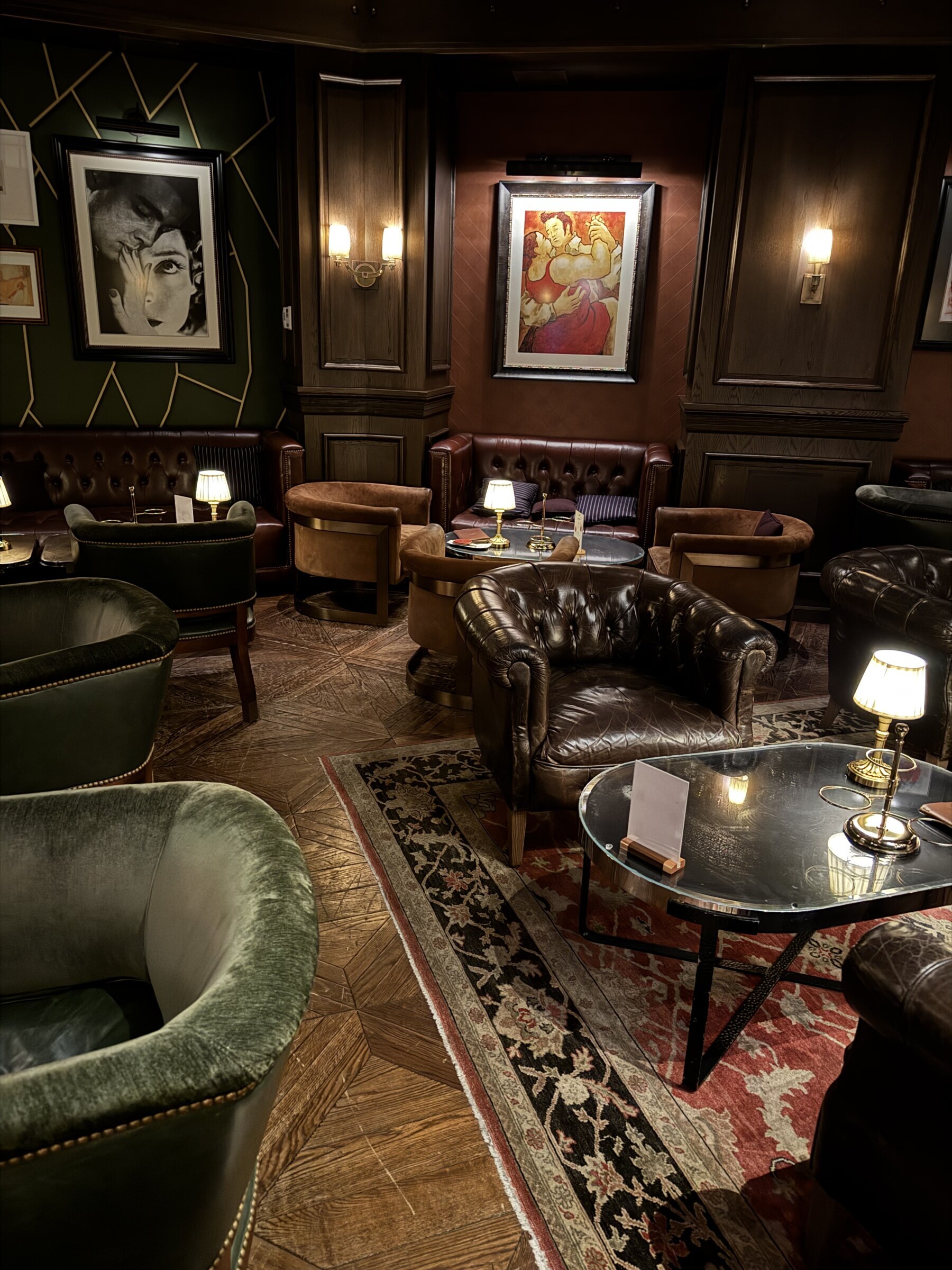
The lovely surprises continued. I heard through word of mouth about a speakeasy tucked behind the main restaurant, well-hidden and soundproofed. On my last night, I escaped the city entirely — cocktails themed around the Silk Road in a plush, dimly lit lounge with a serious cocktail program and live music. Ask your advisor — or a staff member at check-in — about the speakeasy during your stay.
Insider note for my fellow vertigo travelers: The hotel has an elevator that brings you directly to the third floor of the Shops at Columbus Circle, so you can skip the wide-open escalators entirely.
Solo, With Vertigo, and Not Settling
I traveled solo on this trip, which made the vertigo stakes higher. When you have a companion, you can close your eyes and let them lead you across a difficult space. Solo, that's not an option.
Knowing the hotel spa held a Forbes Five-Star rating made it easy to ask for help — and to trust those service standards throughout the property. The secured elevator banks doubled as both a vertigo comfort and a reassurance for solo female travelers — two concerns, one design choice. When I asked the concierge about theater tickets, they were also able to describe the theater layout so I could assess whether I'd feel comfortable there. That's not just service. That's someone understanding your actual needs.
I plan trips like this one for clients regularly — not just the destination, but the specific details that make a stay actually work for how you experience the world, whether that's a fear of heights, traveling solo, a medical condition, or something else entirely. That's the part of travel planning that doesn't show up on a hotel's website, and it's the part I spend the most time on.
If heights, solo travel, or any other dealbreaker have ever made you think a city or a hotel wasn't for you, let's talk before you count it out. I offer travel planning and advocacy at no cost to you, and I'd rather help you find the version of the trip that actually works than watch you settle for a lower floor and a smaller experience.
Connect with me below to start the conversation.
Plan your next journey with
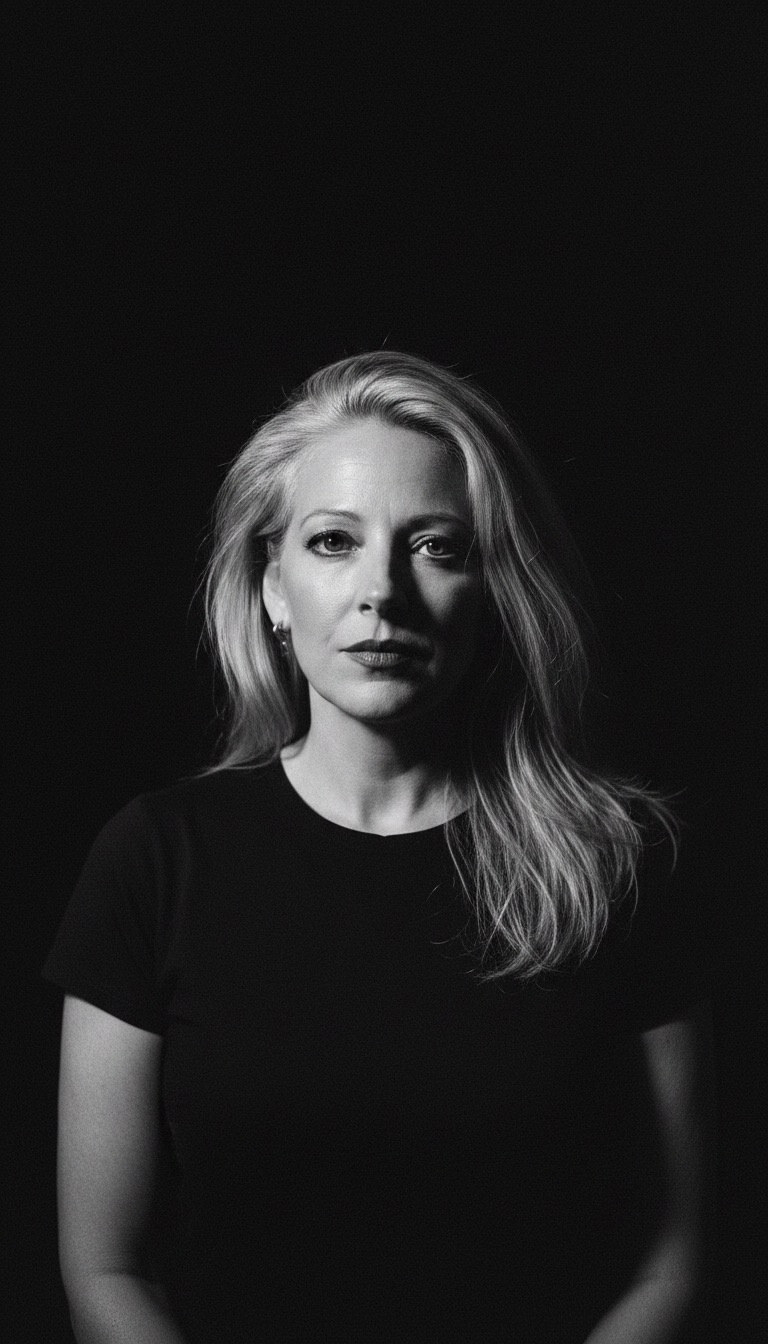
Jennifer JilotJennifer Jilot is a fully licensed travel advisor with LuxRally Travel, a Forbes Travel Guide Endorsed agency, specializing in curating exceptional travel experiences. As Director of Operations, she supports the day-to-day functions of the agency while also working with her own clients as a travel agent with a focus on luxury travel. She handles key operational areas including air ticketing support, commission tracking and reconciliation, and vendor logins and system access, and steps in when something needs to be resolved quickly.
Related Stories
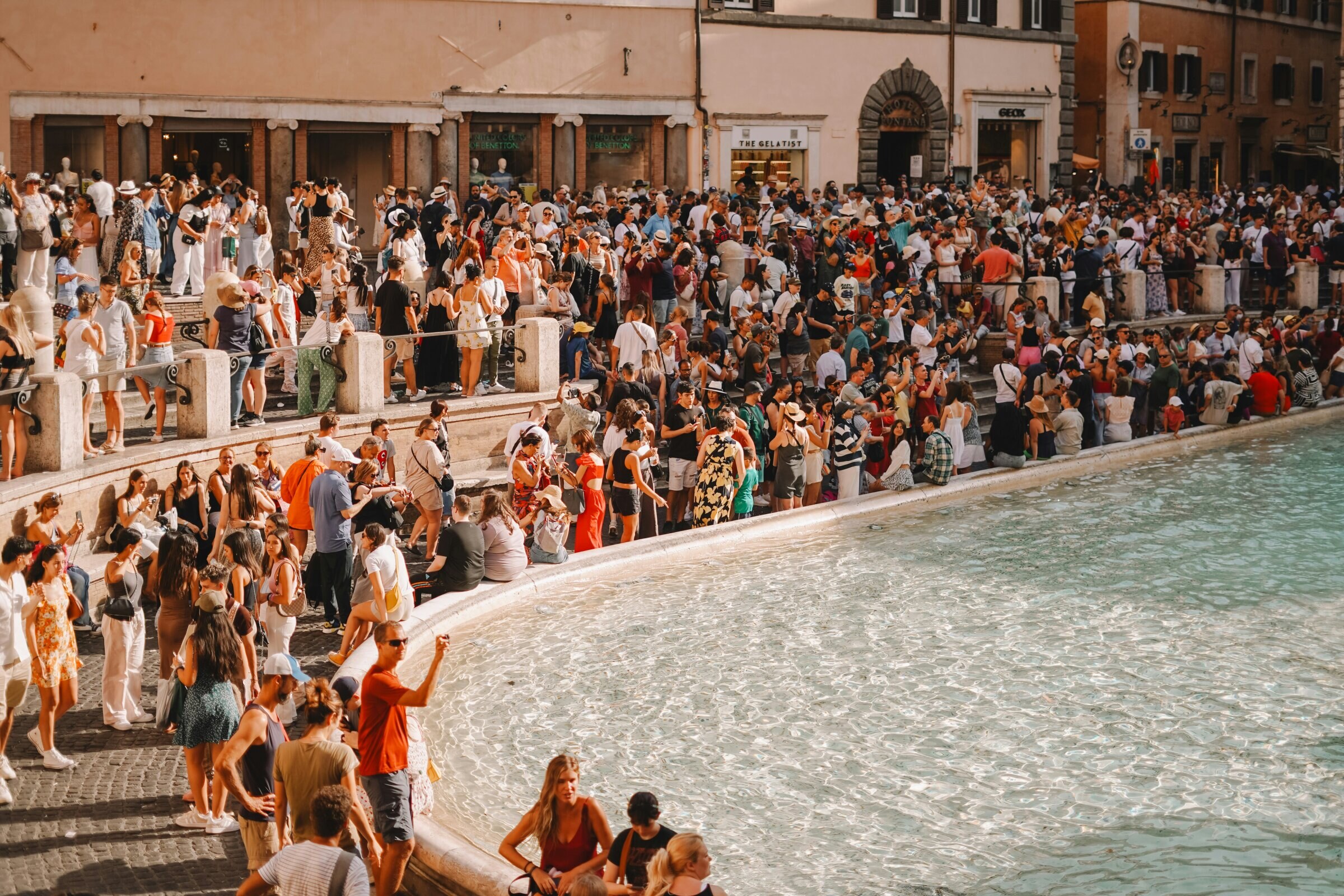
An Argument for Luxury Slow Travel: Instagram is Ruining Travel for Everyone
Perfectly curated moments. Perfectly cropped. Perfectly hollow. Instagram has turned travel into performance — and the destinations, the bystanders, and the travelers themselves are all paying the price.
By Jennifer Jilot
Behind the Curtain: There’s Thousands of Hidden Hotel Rates You'll Never See Online
1,729 rates for a single hotel. Most travelers see one price and click. Behind every "deal" is a layered pricing system—wholesale contracts, private allocations, advisor-only perks—that booking sites will never show you.
By Jennifer Jilot
The Brando's Private Motu: One Island Marlon Brando Kept for Himself
A short flight from Tahiti, one islet sits apart from Marlon Brando's own resort, reserved by request for a single party at a time. It is the closest a traveler can get to the man who built this atoll, it's resort, and the private oasis even further from the main retreat.
By Alina Moretti
Kona Meets Sedona: Inside Black Desert Resort, Southern Utah's Luxury Escape
Deep black volcanic basalt, emerald fairways, and red sandstone cliffs that shift from terracotta to burnt sienna by the hour — Black Desert Resort shouldn't work as a landscape, but it does, spectacularly. I pulled up on an October morning and realized I was looking at something I'd never seen before in a place I call home.
By Megan Saldibar
The New Science of Living Longer: 5 Anti-Aging Retreats Redefining Luxury Wellness
Five destinations where longevity, biohacking, and genomic medicine have become the most compelling luxury on earth. From Swiss clinics to Mediterranean retreats, the future of travel is biological.
By Alina Moretti
Confessions of a Converted Cruiser: How Alaska and Oceania Changed Everything
A self-proclaimed non-cruiser boards Oceania for an Alaskan voyage — and discovers that breaching humpbacks, foie gras-topped filets, and glass-smooth mornings can change a traveler's mind entirely.
By Cassie Bacon