
Insider Opinions
An Argument for Luxury Slow Travel: Instagram is Ruining Travel for Everyone
Perfectly curated moments. Perfectly cropped. Perfectly hollow. Instagram has turned travel into performance — and the destinations, the bystanders, and the travelers themselves are all paying the price.
October 13, 2026
The other side of the Trevi Fountain on a Summer day in Rome.
I once stood in the middle of New York City on a hot June day, and posted a clean, cropped photo of my coffee in Columbus Circle.
It was cute, well-framed, and didn't even begin to capture the reality of my experience outside the photo. The smells. The hustle. The noise. The full-body, overwhelming aliveness of actually being somewhere.
After years of helping discerning clients explore beautiful destinations around the world, I know the difference between the curated version and the actual experience. And yet, that morning in New York, I posted the clean, cropped version. Not because I was being dishonest, but because that's what the platform rewards. Perfectly curated moments. Perfectly timed. Perfectly hollow. The gap between what the camera captures and what the body actually feels is exactly what Instagram has trained us to ignore.
And it's ruining travel. Not for some people. For everyone.
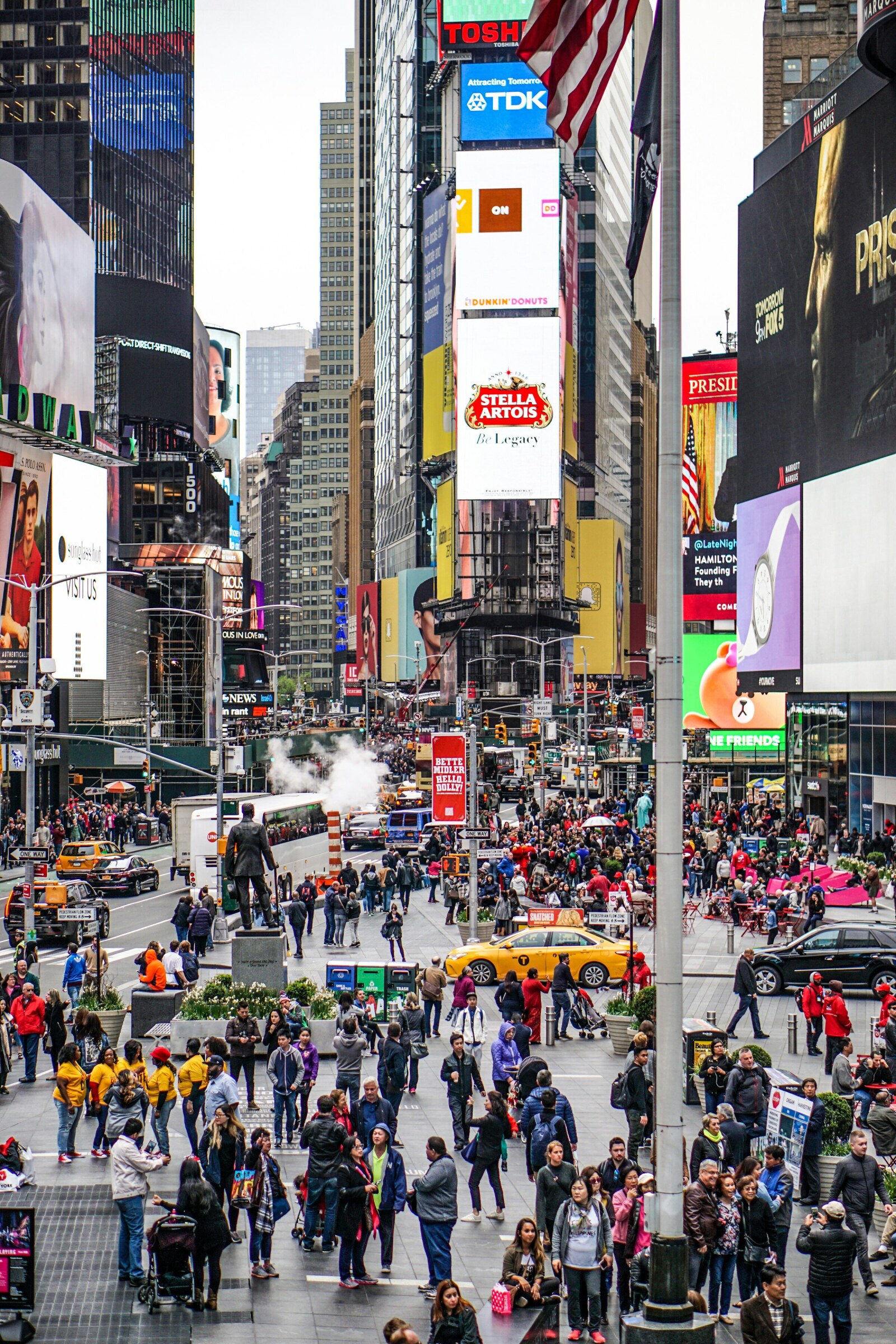
The Death of Slow Travel: Three Victims, One Problem
You've spent real money — on flights, on a Forbes-rated property, on a trip you planned for months — to stand at a cliffside view in Italy. And you're waiting. Someone ahead of you is lining up a shot. Then another angle. Then five more versions. Only when they finished could you step forward to the view you came for.
You're victim number one. The bystander.
Now think about the person sitting on their couch, dreaming about that exact cliffside. They saw it in a fifteen-second clip. It looked serene, empty, breathtaking. They booked the trip. They showed up. And they realized just how crowded, chaotic, and nothing-like-the-post that cliffside actually is.
It's a pattern I see repeatedly in my work: clients arrive at a destination having invested significantly in the experience, expecting the serene, effortless version the algorithm sold them, and find the opposite.
That's victim number two. The dreamer.
But the third, most overlooked victim? The person in the photo.
How much of your trip was curated to sell certain images? How many hours were spent chasing the shot instead of sitting in the moment? How many meals went cold, how many sunsets were watched through a screen, how many entire itineraries were built around content instead of connection?
When you think about going to a destination, are you thinking about what your photos will look like — or what you will always remember from your time there?
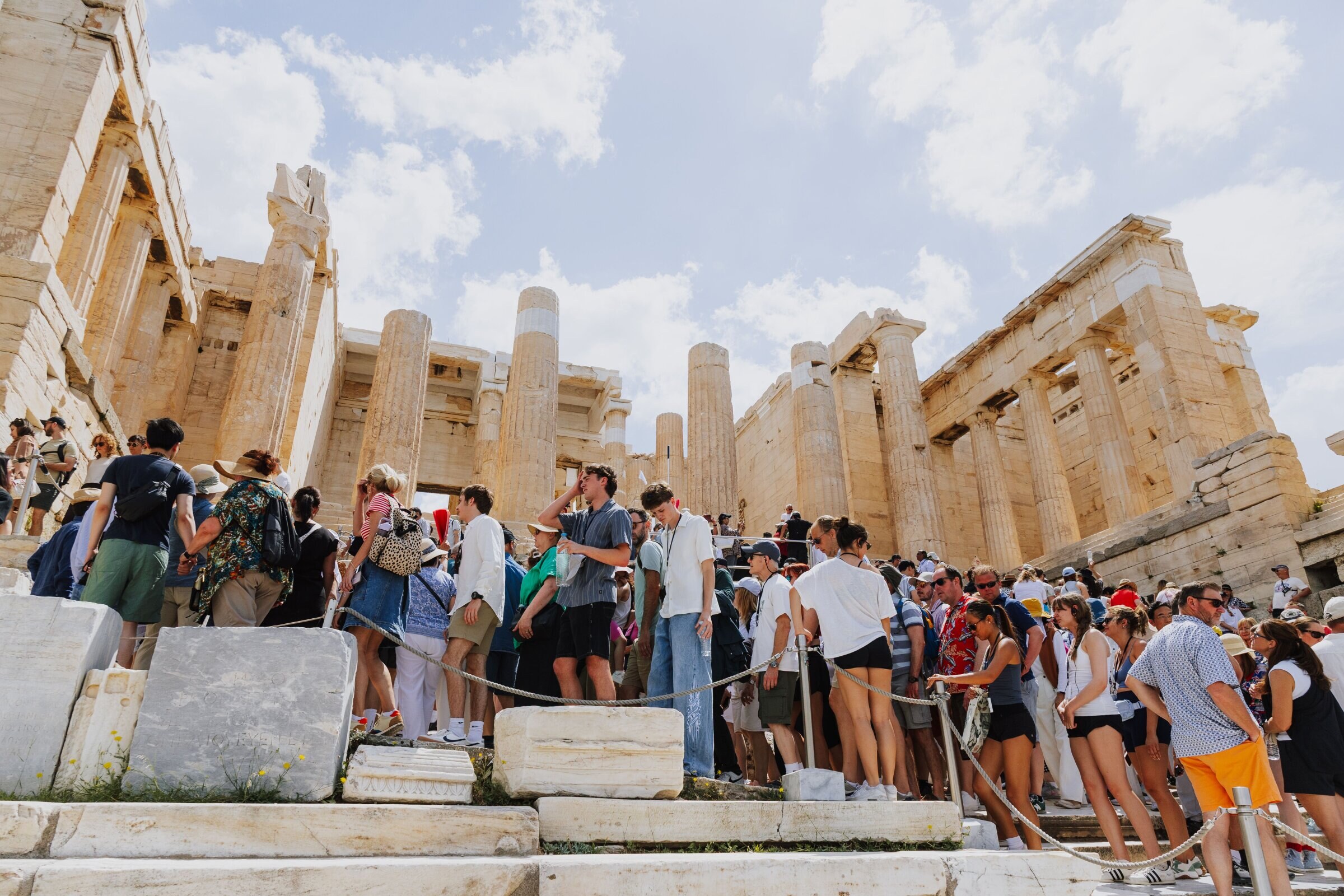
What Instagram Is Doing to Destinations: The Overtourism Effect
The algorithm doesn't want you to realize this, but those three victims don't exist in isolation. They're all downstream of the same problem — what Instagram is doing to the destinations themselves.
Many of us watched the anti-tourist protests in Barcelona last summer, driven in part by overtourism and the short-term rental explosion. Even a line at a local landmark like the Southernmost Point in Key West leaves a bad taste in the mouth. And don't get me started on the Grand Canyon — hot as Hades in the summer — where people hike in dangerous conditions because a reel made it look beautiful.
Which it is — from November through March. It's life-threatening in other months, and demands a respect that's rarely communicated.
Instagram didn't create all of this. But it accelerated it. It concentrated travelers into the same twenty spots on the same twelve weekends, convincing millions that the point of going somewhere was to prove they'd been there.
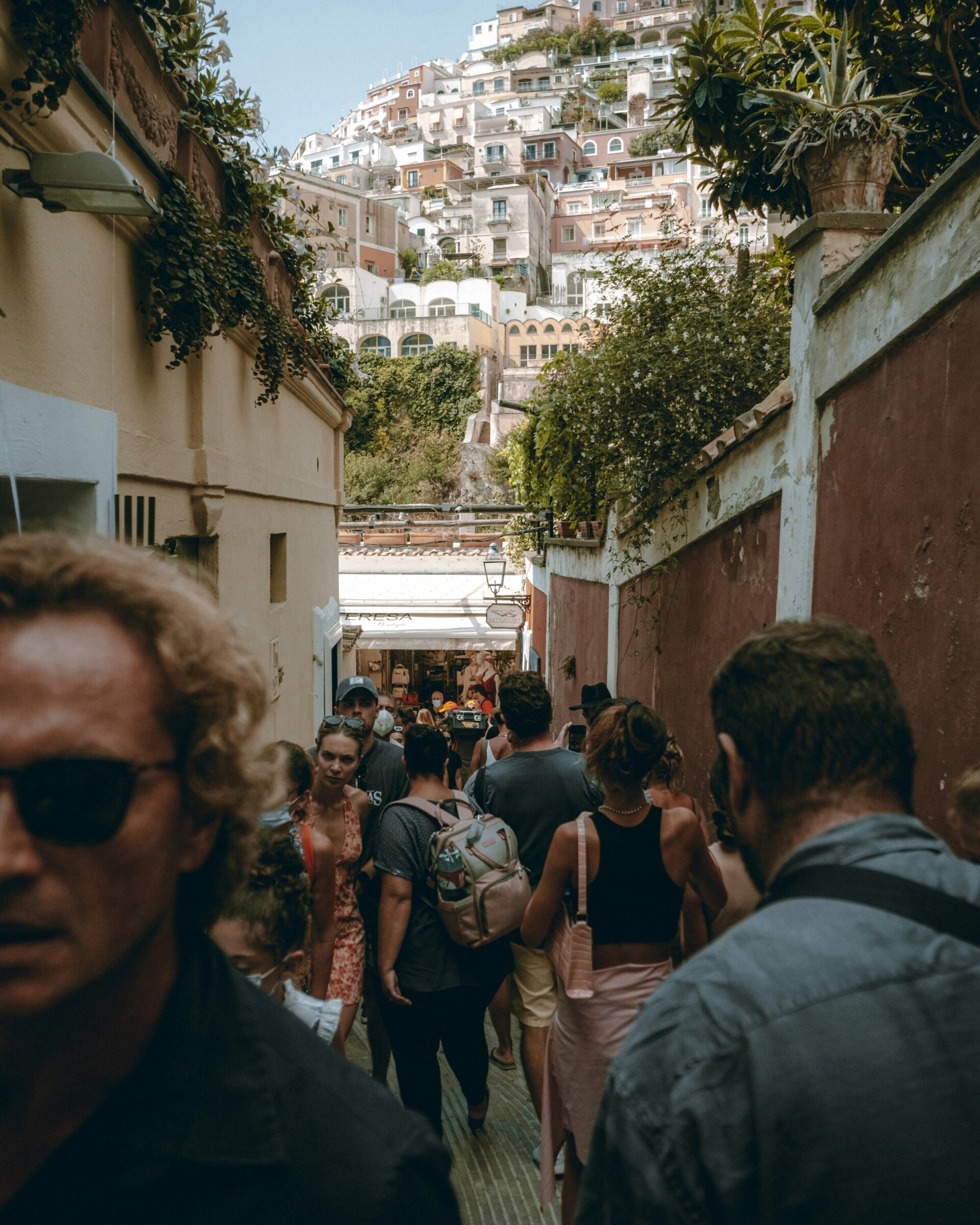
I've rerouted clients away from destinations mid-planning for exactly this reason. Positano used to be one of my first recommendations for a client chasing that Amalfi-dream feeling — the narrow streets, the stacked houses, the light. I stopped defaulting to it about two years ago.
The volume of Instagram exposure had simply rewritten the experience. What was once a village you wandered into is now a choreographed procession. The clients I send there now go with very specific expectations and a very specific itinerary. The ones who want what Positano used to feel like? I send them to Praiano, one cove over, where the same coastline exists without the foot traffic and the selfie staging.
So if the platform is shaping where we go, how we get there, and what we find when we arrive — the fix has to start before we ever open the app.
The Antidote: Find the Emotional Driver
Start by separating the inspiration from the destination.
What is really appealing about that post you saw? Is it the color of the water? The perceived ease of a Mediterranean summer? The sense of being someone beautiful with not a soul around? Is it the food, the pace, a bucket-list sight, a luxurious floral display at a hotel you saw posted on Instagram?
That's where most people stop researching. They see the post, they Google the location, they book the trip. And they never ask the harder, more useful question: What am I actually responding to?
Instagram isn't the enemy. Letting it replace your own curiosity is.
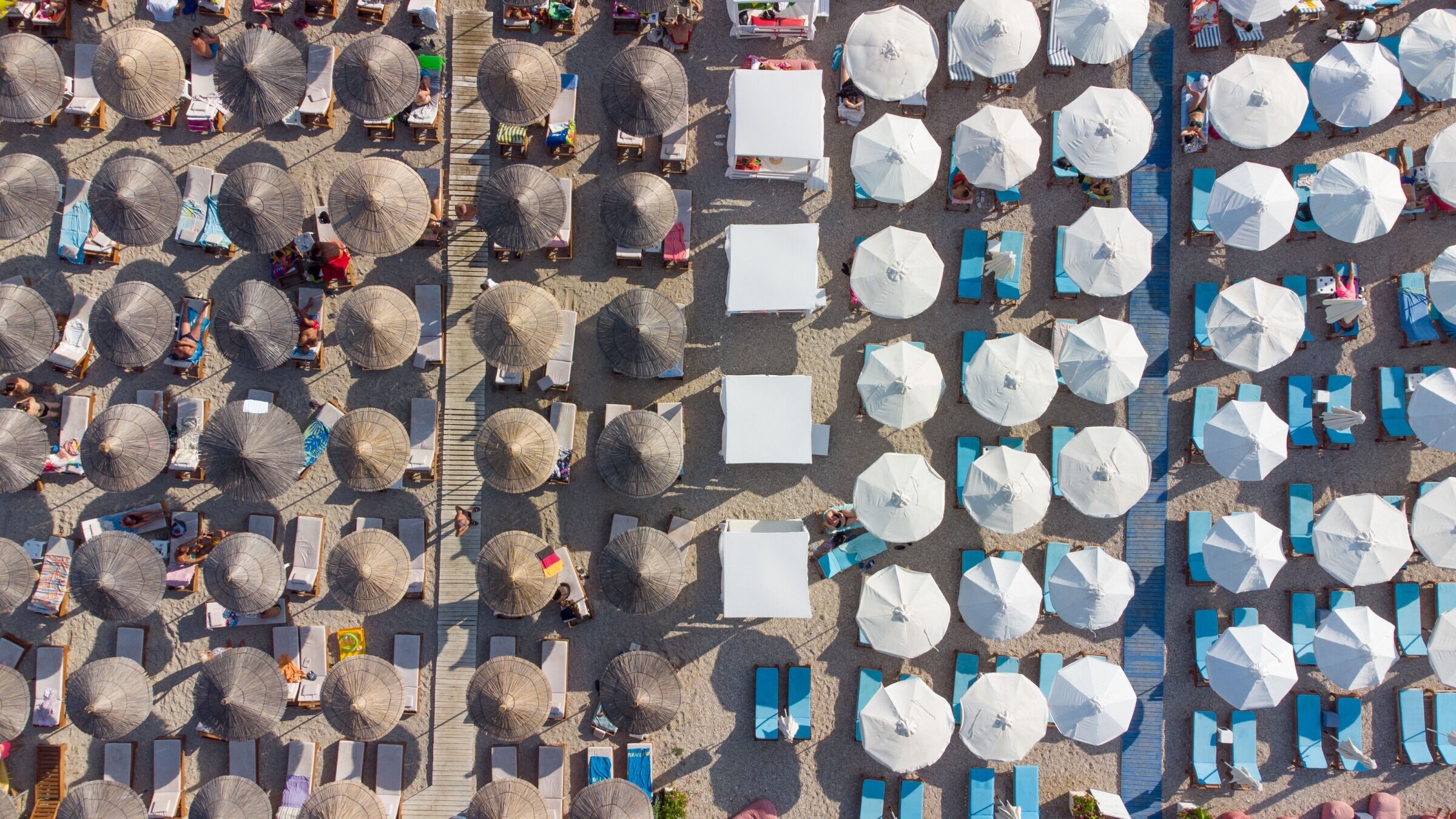
This is where a professional travel advisor changes everything. Not by handing you a different list. By asking the question most people skip entirely: What am I actually chasing here?
Does it have to be a stay on the Amalfi Coast? What about viewing it from a luxury yacht like Amangati — Aman's first yacht, sailing the Mediterranean with the kind of privacy and stillness the coast itself no longer offers — instead of fighting for a scrap of beach? Does it need to be Santorini? What about Mílos or Costa Navarino, only a short ferry ride away, with the same Cycladic light and a fraction of the crowds?
What Intentional Travel Actually Gives You
Travel used to require real effort. The grand European tours of the Regency and Victorian eras — luxury slow travel in its purest form — took months or years to complete, and I can only imagine even longer to plan.
Today, even with top-notch tech, travel advisors (myself included) still spend hours researching and calling vendors, organizing tours and access across time zones.
Take my own upcoming trip to Paris. In planning, I spent an hour identifying two historical art shops that sell pastels — one in chalk, one in oil. Picasso shopped in one. Degas in the other. That hour of research will not produce a single viral moment, but it will produce something better: a memory that belongs entirely to me. And that's the whole point.
Maybe it's time for travel to transform us again, from the inside out, instead of serving as a performative checklist: "Look where I've been!"
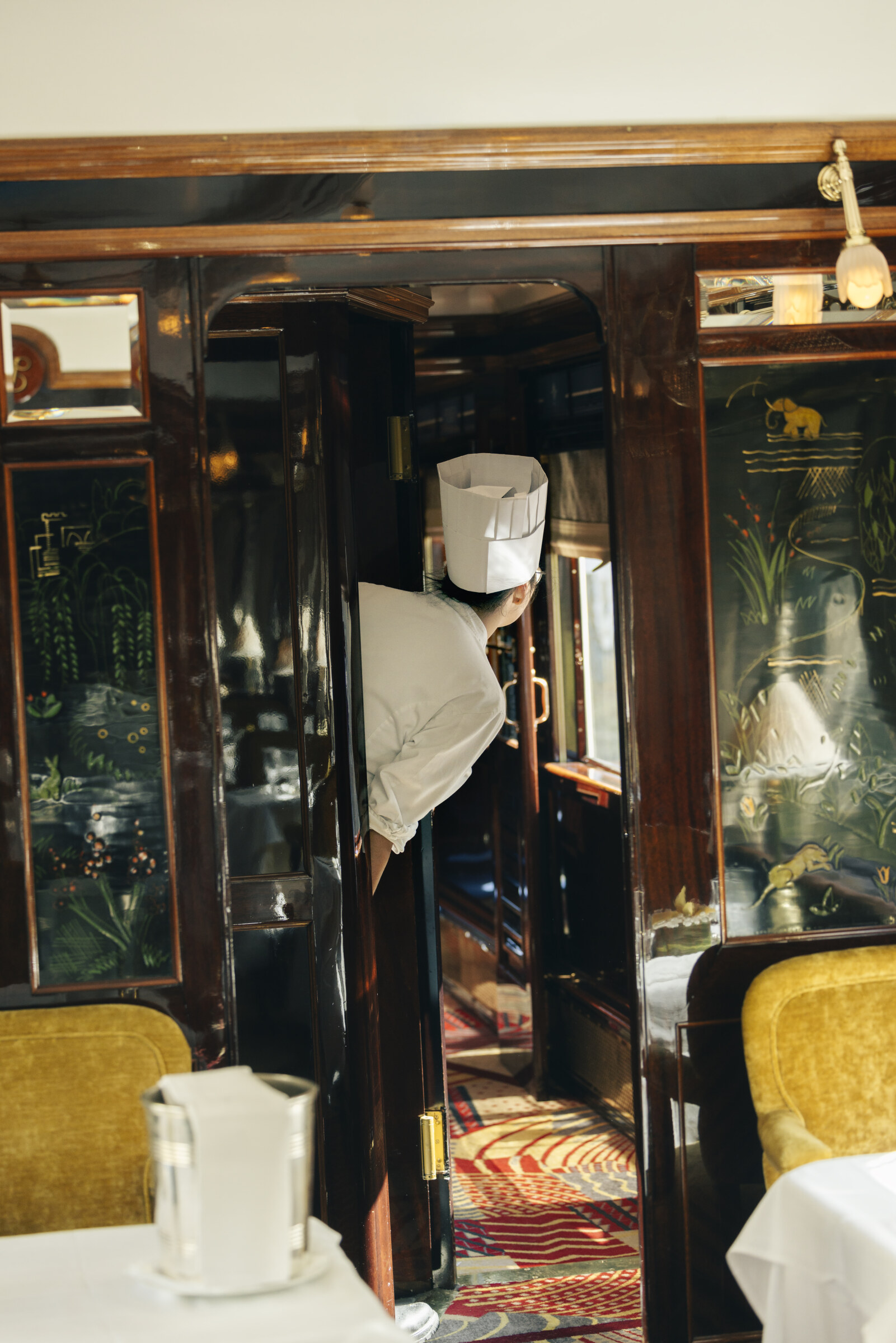

Many of the clients I work with have found that answer in what I'd call the modern version of the Grand Tour: long-form, unhurried journeys with a thread of intention running through them.
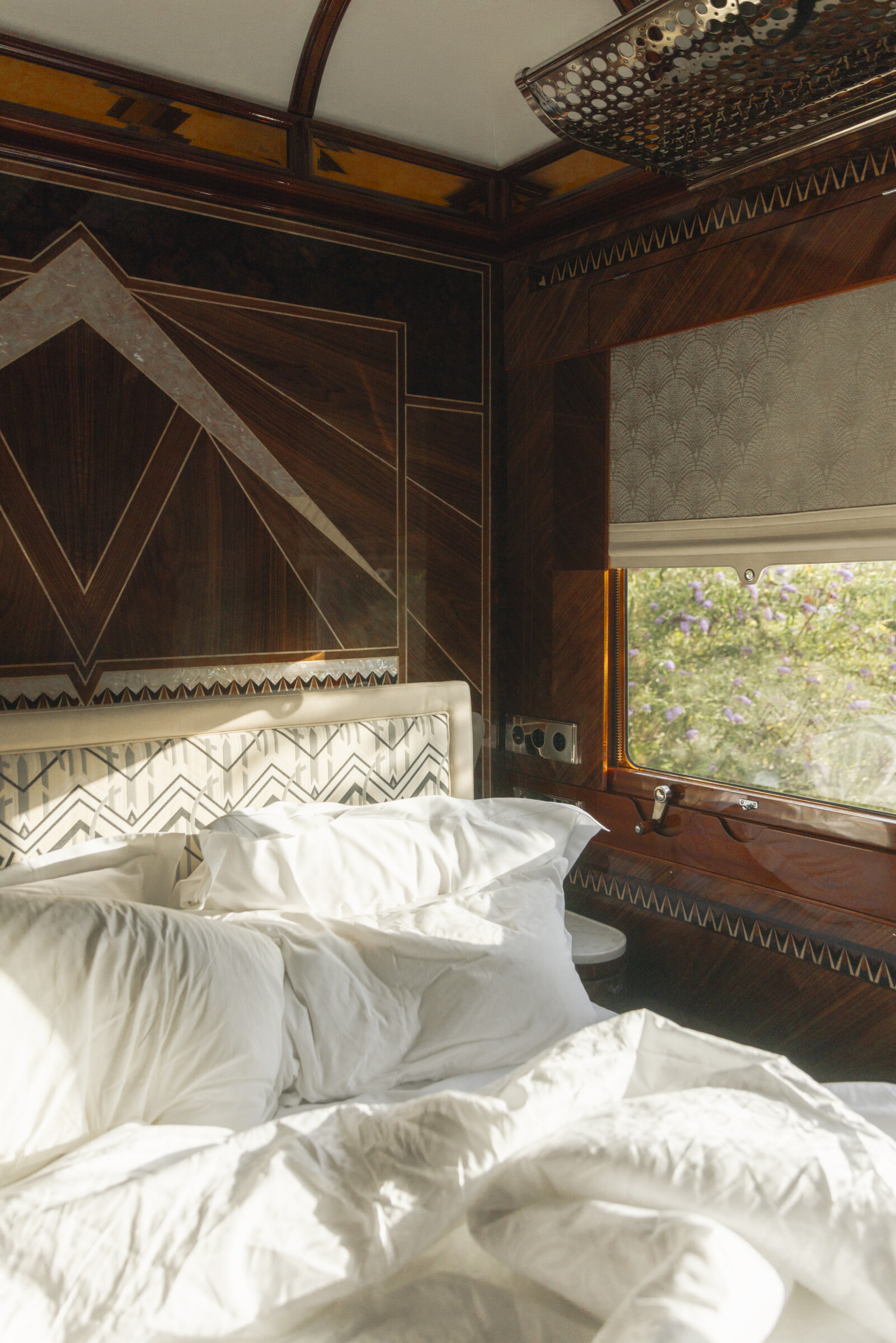
Today, brands like Belmond are creating intentional journeys that carry some of that original slow-travel spirit: the Venice Simplon-Orient-Express drifts from London to Venice over two unhurried days, with cabin categories ranging from classic compartments to grand suites — best booked well in advance, as departures sell out months ahead. The Royal Scotsman winds through the Scottish Highlands over four to seven nights depending on the itinerary, with the autumn season offering some of the most dramatic scenery.
Neither trip is something you book on a whim, and that's exactly the point. These aren't selling nostalgia. They're making an argument: the one I make to every client who comes to me chasing a reel or photo. If this kind of luxury slow travel is what you're seeking, connect with me so we can find the right journey to match.
It's simple enough. Slow down, and the experience delivers itself.

Slow Travel is Something You Can't Screenshot
Let me ask you a question. Is the trip worth it if you never posted a single frame? If nobody saw it but you? If the only evidence was the way it changed how you breathe, what you notice, how you move through a new place?
If the answer is yes, you're already ahead of the algorithm.
I'm not the kind of advisor who will hand you a list of places to photograph. I ask what you're actually chasing and then I build the trip that delivers it. The real thing, not the content-optimized version of it.
When you're ready to slow down and breathe in the experience, I'm ready to help you find the version that's actually worth the trip — not the one the algorithm sold you.
Connect with me below to start the conversation.
Plan your next journey with
Jennifer JilotJennifer Jilot is a fully licensed travel advisor with LuxRally Travel, a Forbes Travel Guide Endorsed agency, specializing in curating exceptional travel experiences. As Director of Operations, she supports the day-to-day functions of the agency while also working with her own clients as a travel agent with a focus on luxury travel. She handles key operational areas including air ticketing support, commission tracking and reconciliation, and vendor logins and system access, and steps in when something needs to be resolved quickly.
Related Stories
NYC with Vertigo: Enjoying the Big Apple when You Don't Like Heights
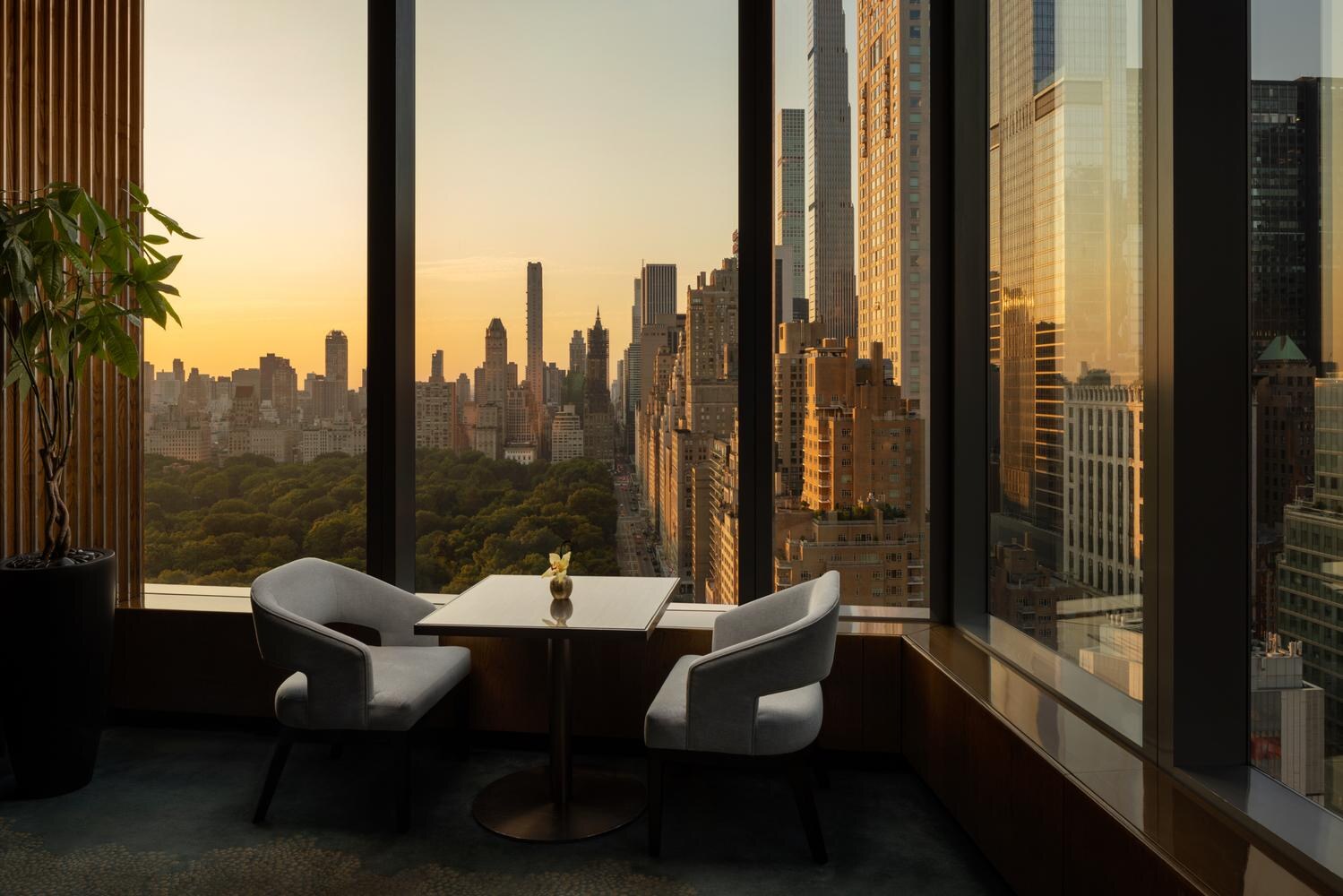
New York City has hundreds of experiences above the 20th floor — and zero apologies if you can't handle them. Yet I checked into the Mandarin Oriental New York, a hotel starting on the 35th floor, with vertigo, alone. This is exactly why it worked.
By Jennifer Jilot
Behind the Curtain: There’s Thousands of Hidden Hotel Rates You'll Never See Online
1,729 rates for a single hotel. Most travelers see one price and click. Behind every "deal" is a layered pricing system—wholesale contracts, private allocations, advisor-only perks—that booking sites will never show you.
By Jennifer Jilot
I Visited Dracula's Castle in Transylvania, Romania — and It's Lesser Known, Better Neighbor
I grew up watching Dracula movies on Saturday-night TV — so booking a day trip from Bucharest to Bran Castle felt like a childhood dream come true. Transylvania delivers: Gothic towers, stone corridors, and castles so eerily atmospheric they don't need the legend to impress.
By Nicole Severson
It Not About Remembering: Why Travel Matters During Early Childhood
Forget whether they'll remember it — that's the wrong question. Research suggests the value of early travel lives in the brain connections being built in real time, not the memories stored later. Here's what that means for how you plan family travel.
By Alexis Dunfee
Four Types of Solo Trips to Take When You're Done Waiting on Someone Else
After over a decade of waiting on others, I decided to see the world for myself, alone. Here are four types of solo trips, personally tested by a luxury travel advisor — from group expeditions to fully private tours.
By Shebna Garcon
Welcome to Country: A Travel Guide to Indigenous Australia
Indigenous heritage is not another experience to add to a luxury Australian itinerary. It is the lens through which the entire country is best understood. A framework for designing journeys that create understanding rather than consumption.
By Alisha Myers