
Destination Guide
Tokyo, Kyoto, and Osaka: The Complete Beginner’s Guide to Visiting Japan
From sumo tournaments and baseball traditions to the surprising truth about breakfast, this insider guide to Tokyo, Kyōto, and Ōsaka covers everything a first-time visitor needs to know.
June 23, 2026
The train system is organized chaos from the get-go. Step outside the station, though, and everything shifts.
The day I arrived in Tokyo, it was raining, and my partner and I emerged onto a street that smelled like spring. We were surprised at how quiet the streets were, even with traffic passing by. The roads were immaculate. No one was honking their horns. It was the exact opposite of stepping outside in New York City.
This is the first thing any Japan travel guide should tell you: recalibrate your expectations. The cities are dense and bustling, yet they hum with a kind of civic grace that is immediately apparent. There are few garbage cans anywhere, yet Tokyo, Kyōto, and Ōsaka are spotlessly clean cities. Everyone takes their trash with them. I watched someone pick up a piece of litter that another person had accidentally dropped and tuck it into a small plastic bag they carried — presumably for exactly these situations. Loud talking and eating are frowned upon in the streets and on public transport. A packed train car still maintains a measure of quiet that feels almost meditative.
The people you'll meet day to day are genuinely helpful, too. Even if they don't speak English, they will pull out their phone and use a translating app to communicate with you. This spirit of care and respect permeates every corner of daily life in Japan, and it sets the tone for an extraordinary trip.
Japan Travel Tip: The Breakfast Secret No One Told Me
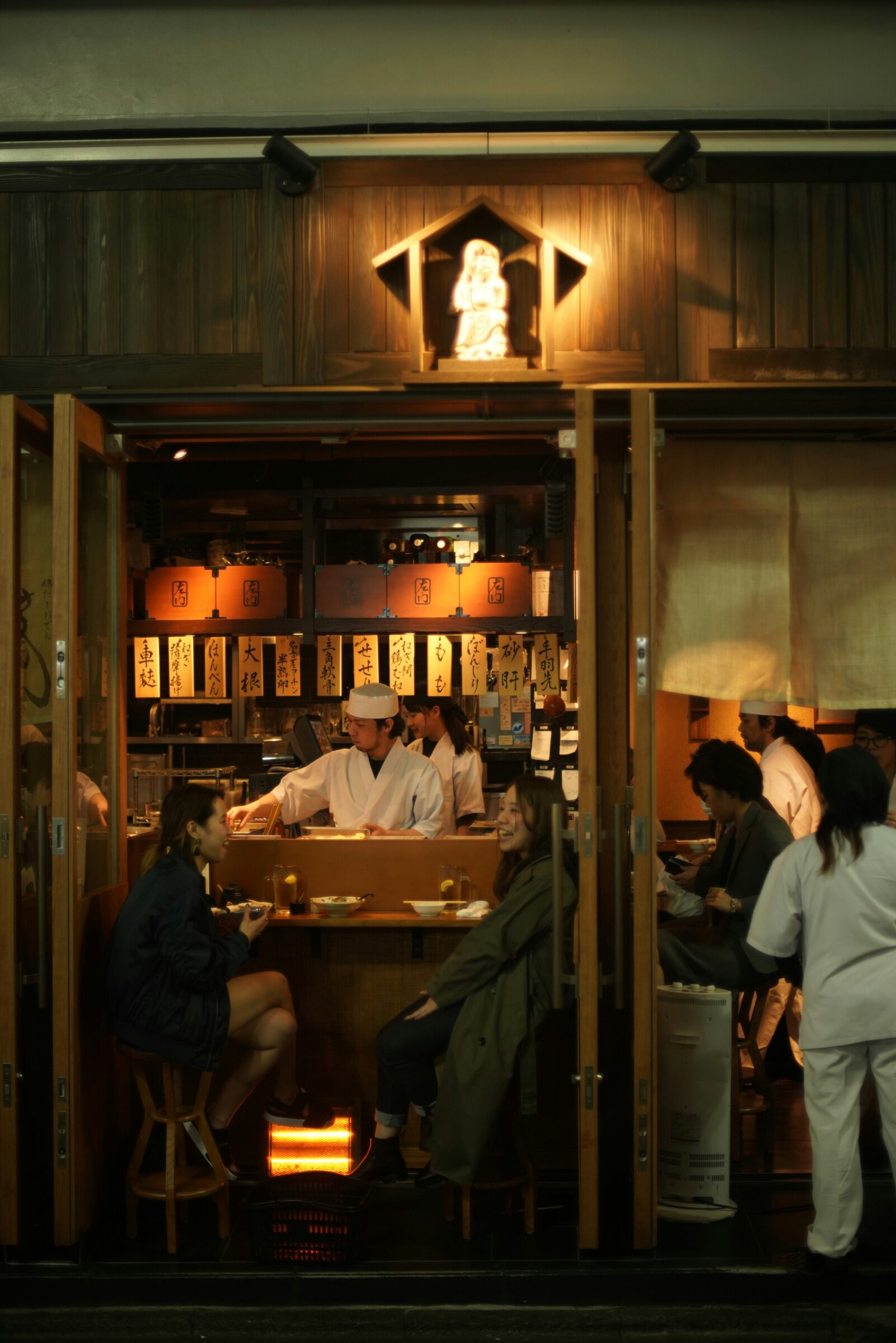
The most important piece of advice I have for travelers visiting Japan for the first time: choose a hotel that serves breakfast. We didn't realize this until several days into our trip in Tokyo, when we set out to explore and tried to find coffee shops or cafés. Almost every place didn't open until 10 or 11 a.m. The reason is cultural — breakfast in Japan is traditionally eaten at home with family, so the restaurant infrastructure simply doesn't cater to early risers the way Western cities do.
I didn't notice the gap initially because our hotel, the ANA InterContinental Tokyo, served an amazing array of food each morning — both Japanese breakfast items and more Americanized options. We managed to find one traditional pancake restaurant in Tokyo that opened at 8:30 a.m., but it was the exception, not the rule.
In Kyōto, we ran into the same situation and were able to find exactly one breakfast restaurant that opened at 7:30 a.m. We ate there at least three times. In Ōsaka, our hotel also offered breakfast, and when we checked, most restaurants didn't open before 10 or 11 a.m. either. We traveled with a few others who stayed at different hotels without breakfast service — they ended up eating at 7-Eleven most mornings. While that's fine once or twice for the novelty (the onigiri are surprisingly good), you don't want to be tied down to that option for every meal.
Where to Stay in Tokyo, Ōsaka, and Kyōto
The ANA InterContinental Tokyo is an excellent base for the capital, with its outstanding breakfast buffet featuring both Japanese and Western options — a critical advantage for travelers in Japan. Beyond just the breakfast, this hotel offers thirteen unique dining venues and lounges, including a pop-up restaurant featuring Le Petit Chef, sky-high lounges and bars, Japanese, Chinese, and grab-and-go restaurants, among other cafes, bars, and private dining rooms. Situated just steps from the Imperial Palace and Tokyo Tower, ANA InterContinental Tokyo also has three metro stations within walking distance to connect guests with the rest of the region.
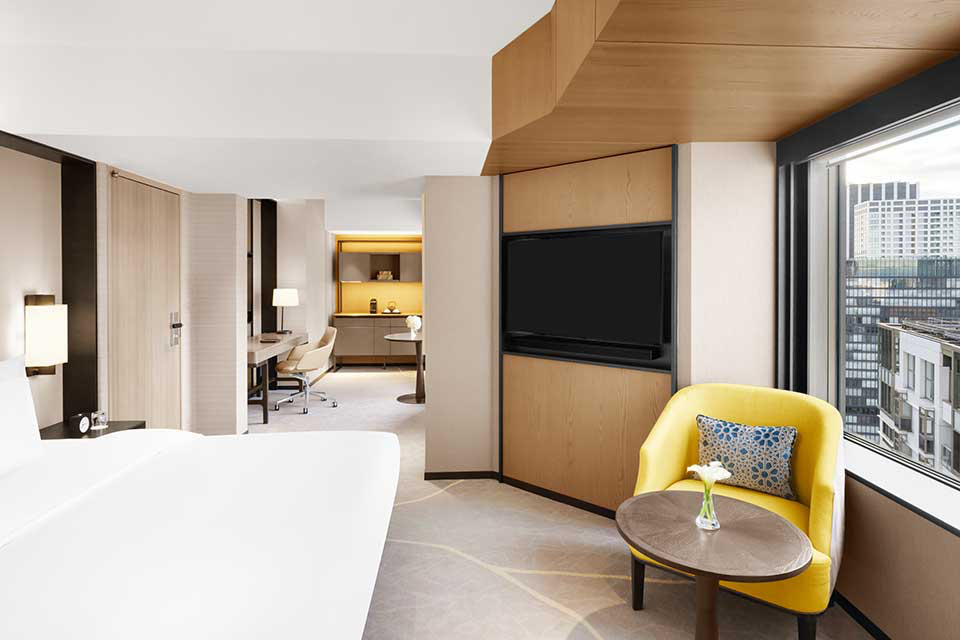
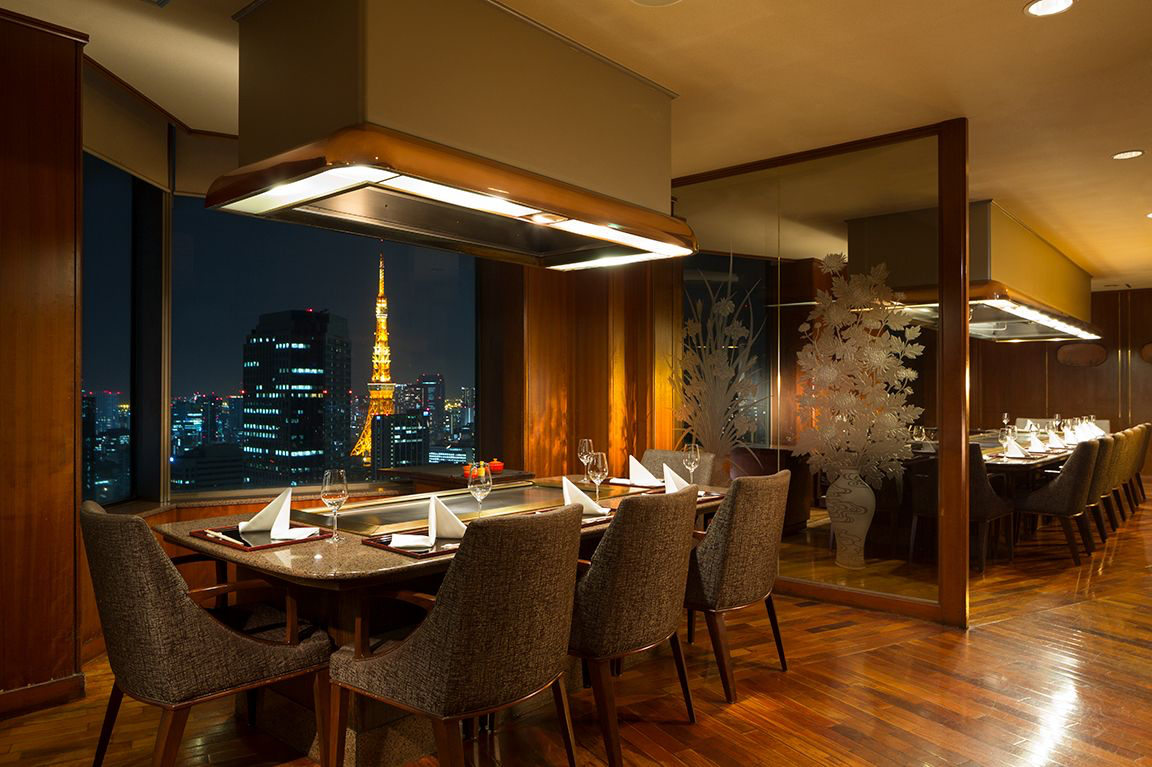
Standard rooms range from $200–$300 per night, depending on the season. For complete access to the open-air pool, two-story club lounge, and more luxurious rooms, Club InterContinental room rates start at around $500 per night and provide upgraded amenities, bigger rooms, and access (kids included) to all thirteen dining venues and lounges on site.
Other standout options for luxury hotels in Tokyo are the iconic Aman Tokyo and The Peninsula Tokyo, two established luxury brands offering refined tranquility in the heart of Tokyo. Working with me or any LuxRally Travel advisor can help you find the exact stay for your unique travel style, needs, and budget.
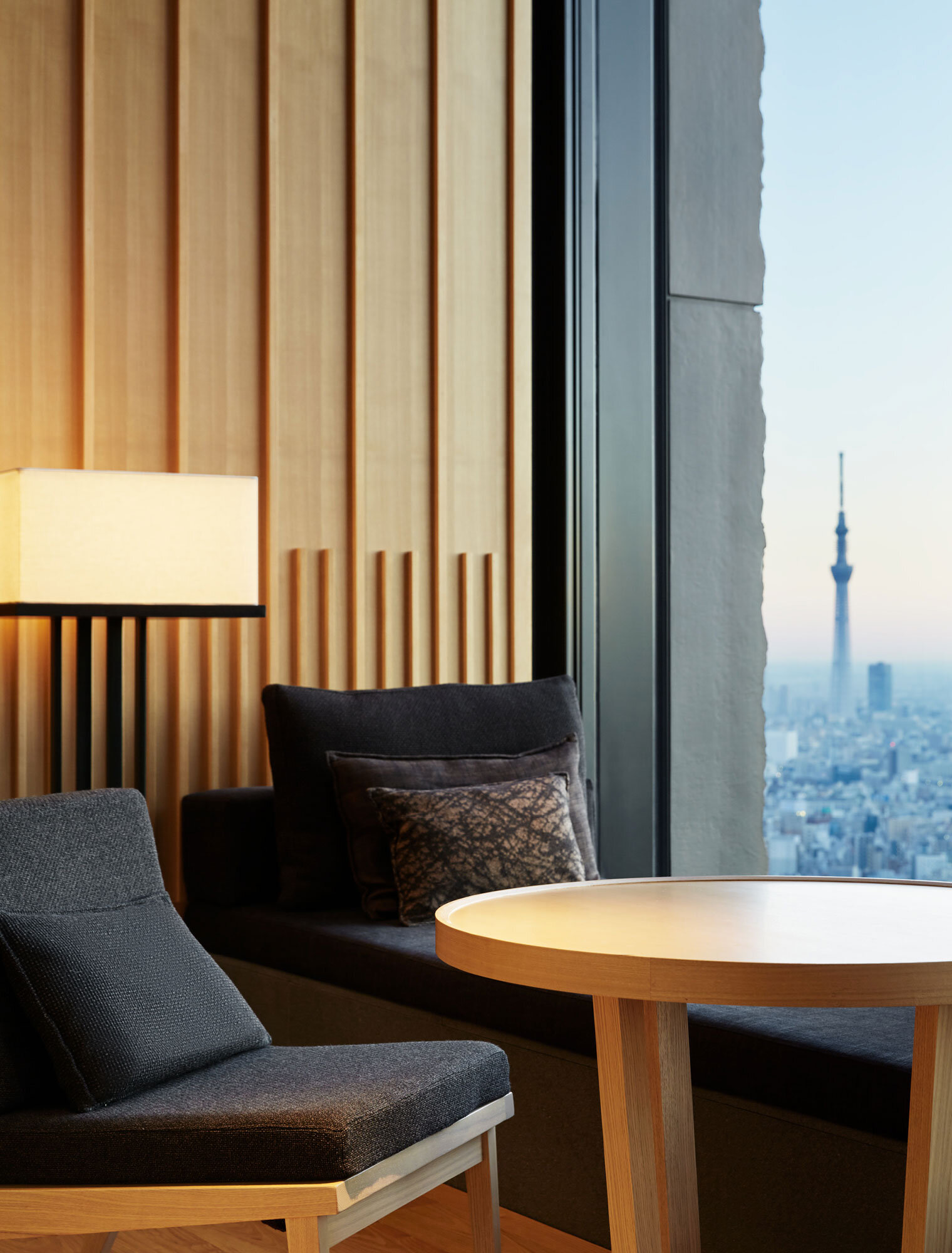
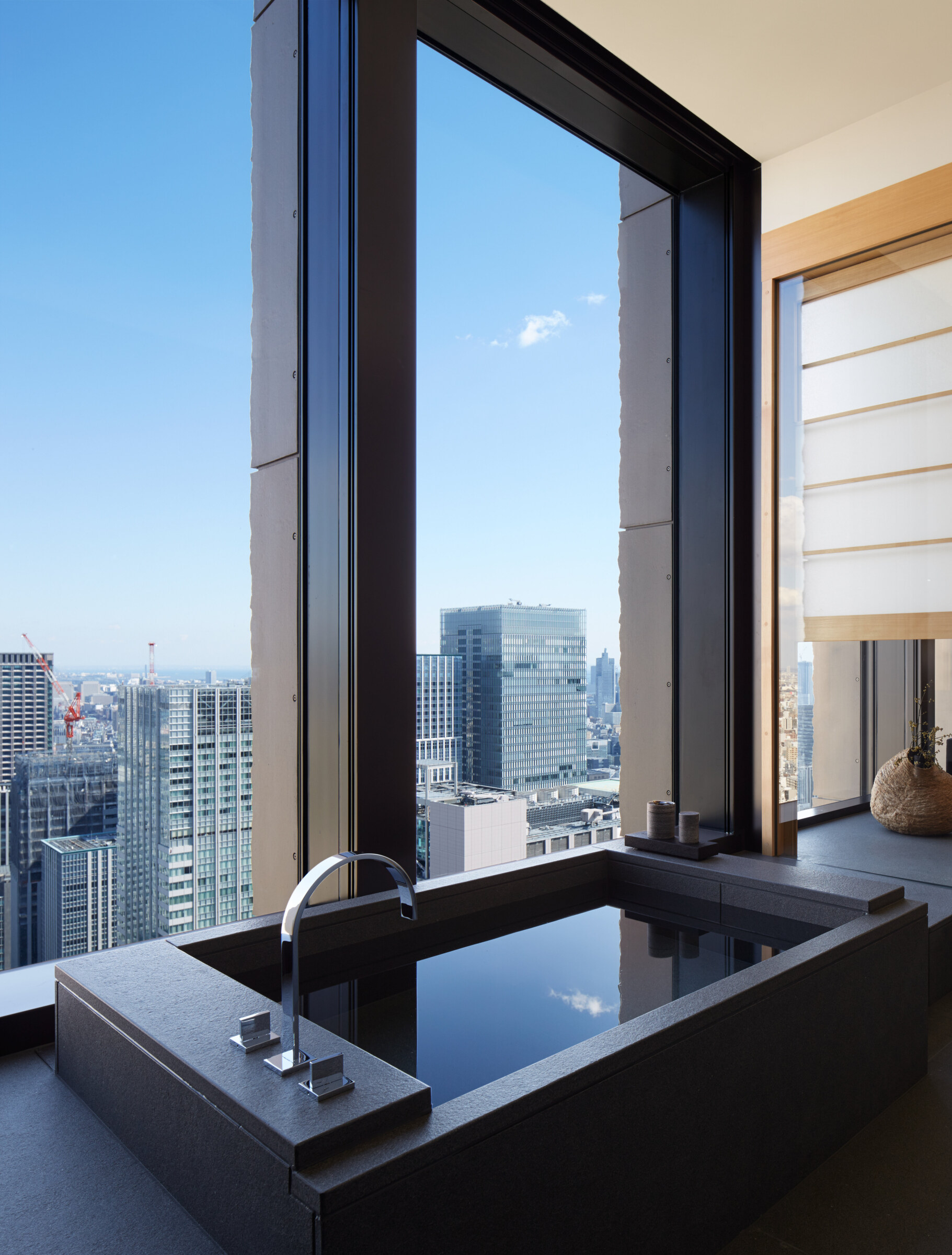
In Ōsaka, the voco Ōsaka Central by IHG was a genuine find. The location is within a few blocks of a train station, quiet and removed from the local and tourist crowds, yet only a few stops from the action. Nearby you'll find Ōsaka Castle, the bustling Shinsaibashi Shopping Street, and the Utsubo Rose Garden, plus quick access to other districts and destinations through the metro.
The rooms are large by Japan standards, with a spacious bathroom and full stand-up shower, and a focus on sustainable materials that is reflected in the toiletries, design, and décor makes this hotel feel as serene as the parks and gardens hiding between Ōsaka's busy streets. Breakfast was fantastic, with both American and Japanese fare, and the two-story Lokal House on-site features an open-kitchen Italian restaurant, a cafe, and a cocktail bar (happy hour is from 4–7pm weekdays, FYI).
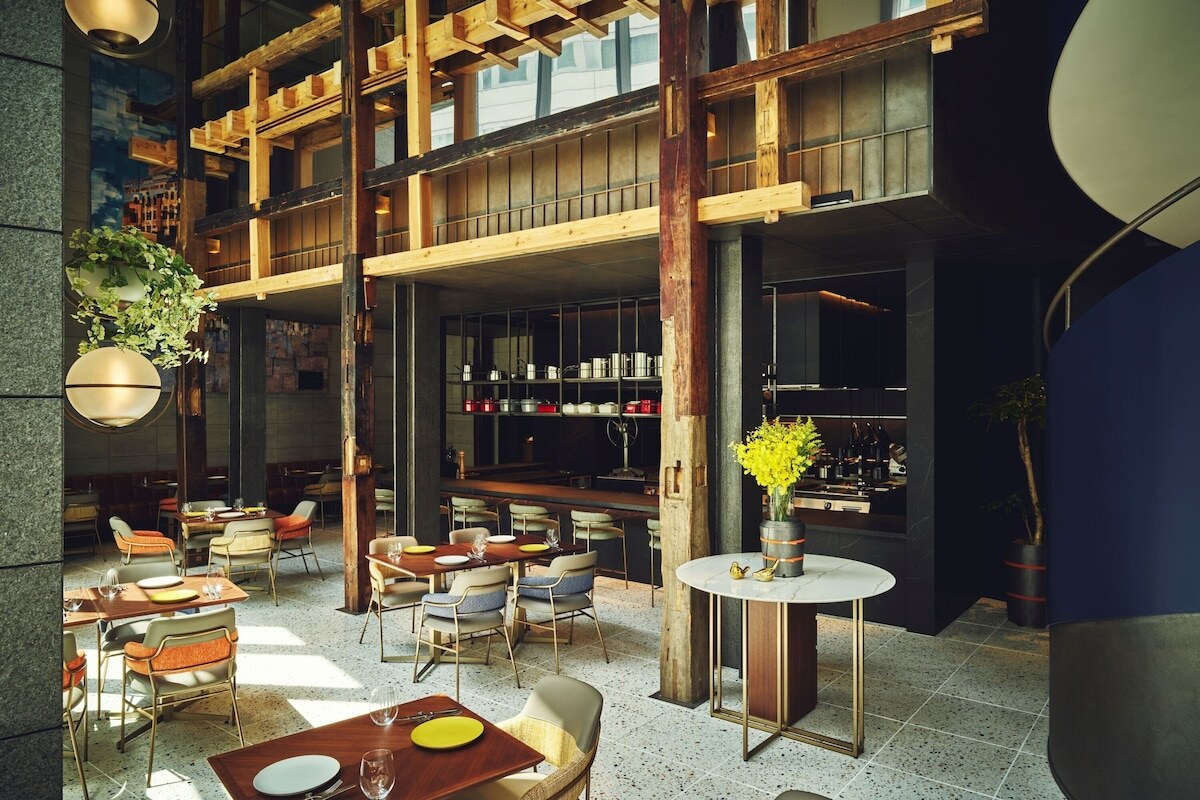
In Kyōto, I stayed at Hotel Resol Kyoto Kawaramachi Sanjo. The location was amazing — just steps from the districts of Pontocho and Kiyamachi, and a quick walk from the Kamo River and Gion. The luxury toiletries were top-notch — I'm talking face masks, premium hair products, and different types of teas at your disposal; everything you need for a DIY spa day without even leaving the hotel.
However, it's worth noting that the rooms here were cozy and small. For travelers who are claustrophobic or accustomed to more generous spaces, I would recommend Aman Kyoto for the truest expression of Japanese luxury, or Roku Kyoto for a more affordable and equally elegant stay. As a Forbes-endorsed travel agent, I can often secure more than you can get by booking on your own, with added perks like room upgrades, free breakfast, extra amenities and more, at no additional cost to you. There's no commitment or requirements; just expert, personal advocacy before, during, and after your trip.
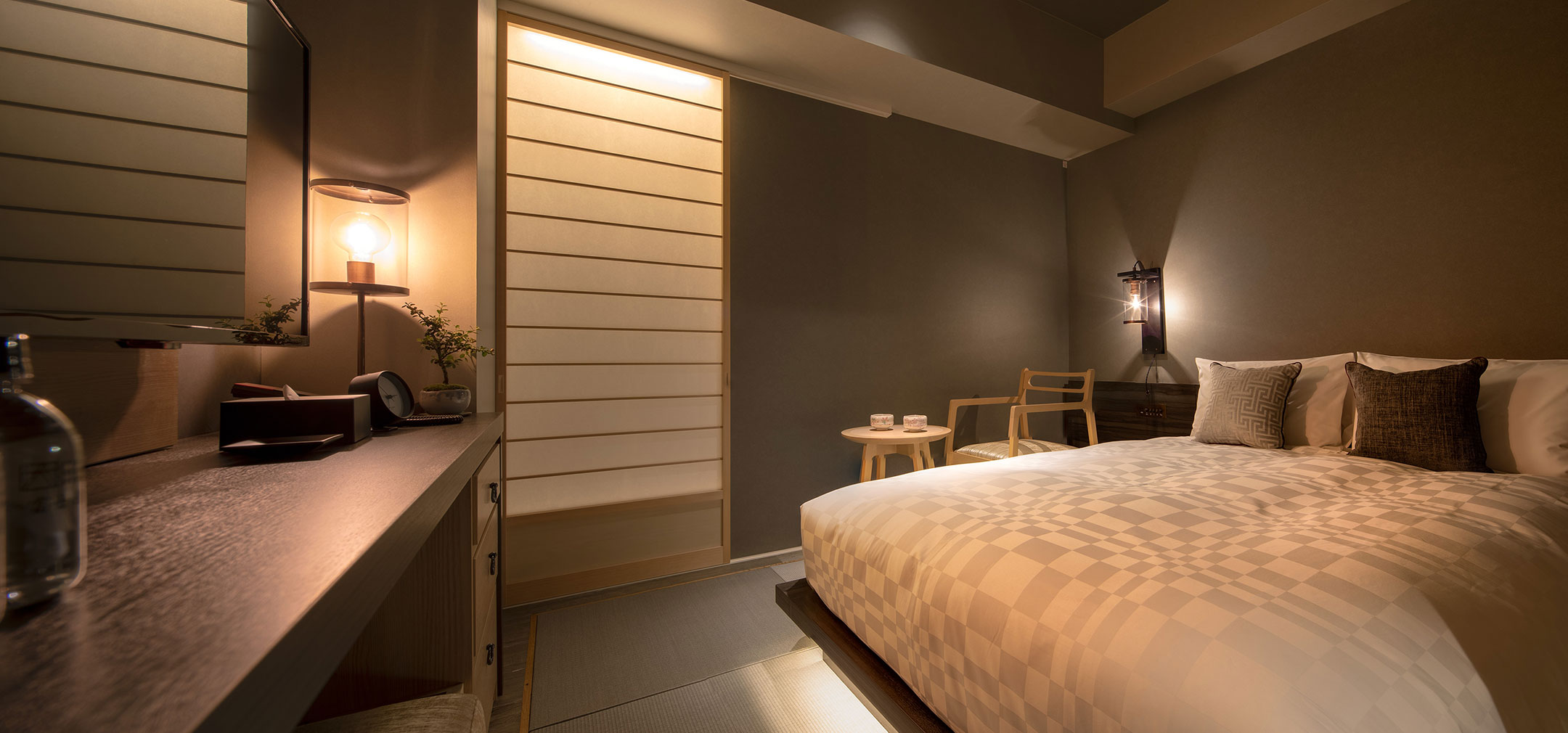
Where to Eat and Drink Across All Three Cities
Japan's food scene needs little introduction, but a few experiences stood out as truly exceptional.
In Tokyo, Den Kushi Flori was the site of a birthday dinner that felt like a masterclass in Japanese hospitality. The meal was perfectly curated and paired with sake, and when the staff learned it was our friend's birthday, they presented her with a small gift: a traditional Japanese cotton cloth. Most locals keep one on their person when out and about, as public restrooms rarely have paper towels — a detail that is both practical and deeply thoughtful. Wagyu Yakiniku Ten Gamushara Akasaka was excellent for lunch, while the Tsukiji Fish Market in Ginza surprised us with melt-in-your-mouth wagyu skewers rather than the fish we'd expected. For cocktails, The SG Club and LOST both delivered beautifully crafted drinks.
For a truly memorable sweet treat, seek out Daifuku-Mochi Pancakes, and don't overlook Tacos 3 Hermanos Harajuku — an unexpected gem that proves Tokyo's culinary diversity extends well beyond Japanese cuisine.
In Kyōto, wander Nishiki Market for grazing, explore the atmospheric alley of Pontochō and its restaurant row, and do not miss Kyōto Wamen Yukichi Honpo — hands down the best wagyu and ramen I had during the entire trip. It was so good that we went twice. For Italian food in Kyōto (yes, Italian), Stars'n Cacio Kyoto features a chef from Italy cooking remarkable pasta.
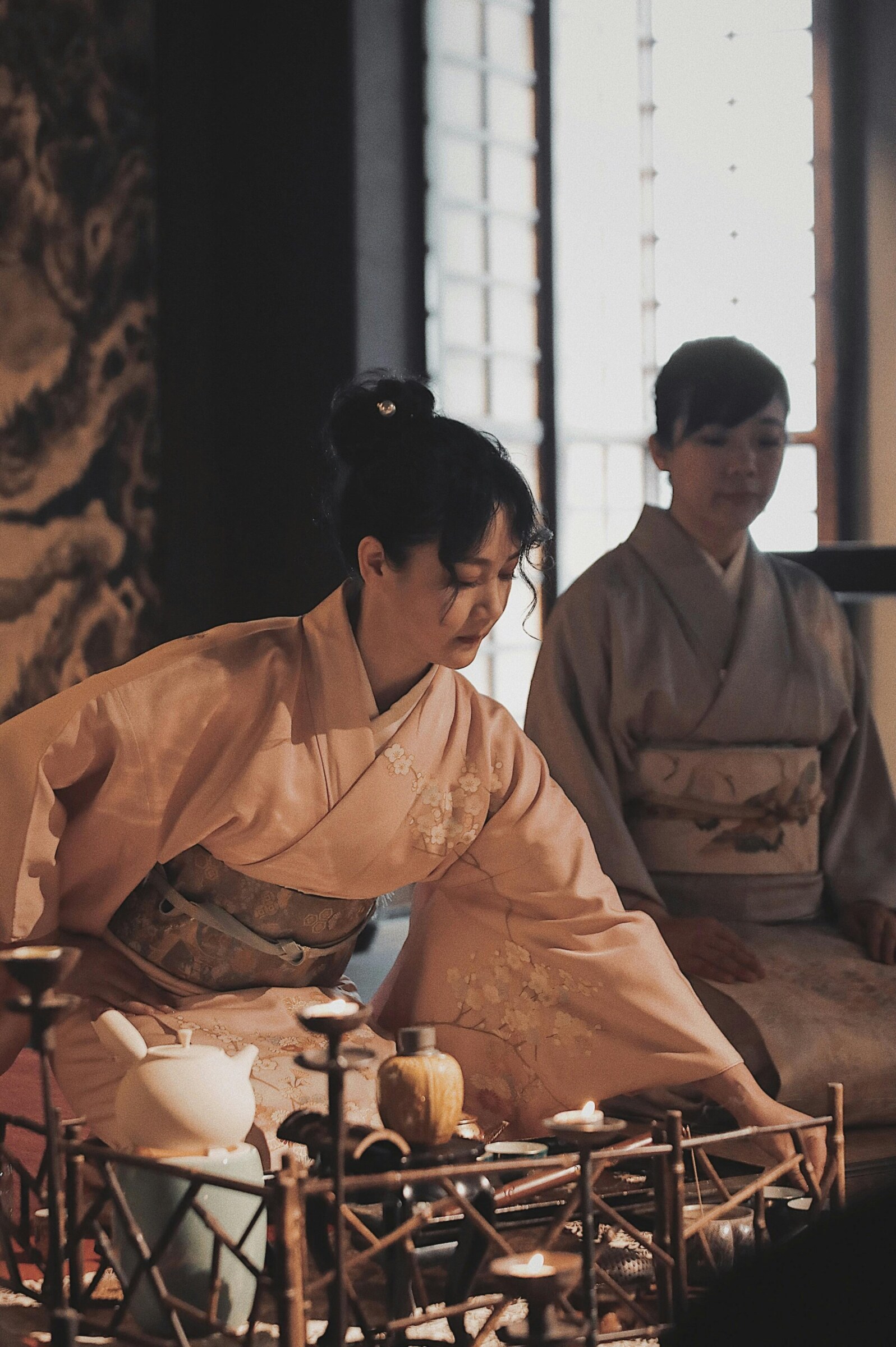
The Kimono Tea Ceremony at Kyōto Maikoya in Nishiki was as much a food experience as a cultural one — traditional sweets were served during the ceremony, and both men and women dressed in traditional kimonos for the occasion.
In Ōsaka, Shōgun Burger served one of the best burgers I've ever had anywhere, and a small yakiniku restaurant near Dōtonbori delivered top-quality beef and exceptional service, even though we didn't speak the same language. The warmth transcended words.
Sports: Baseball and Sumō
Two sporting experiences in Japan belong on every first-timer's itinerary.
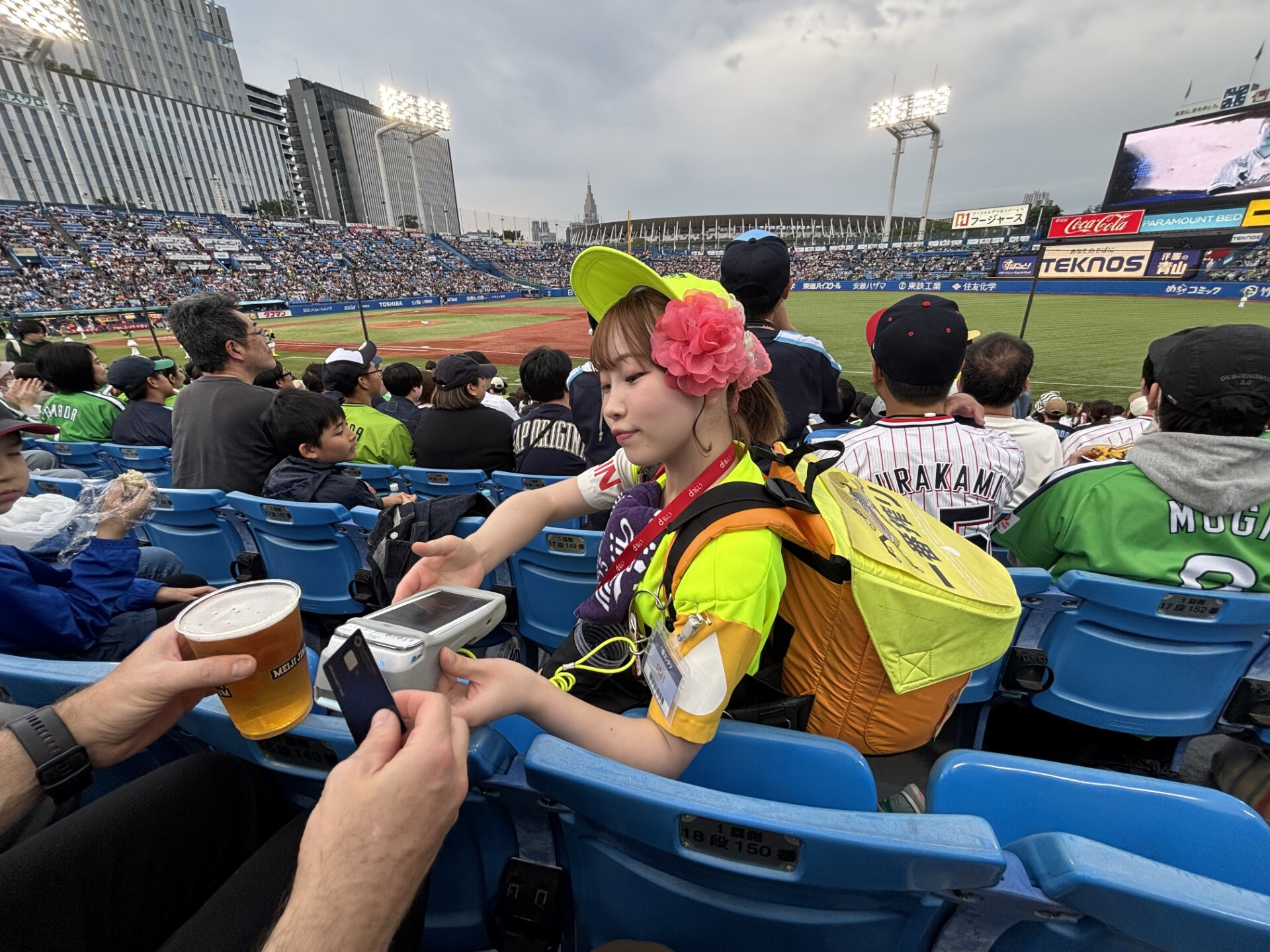
Baseball at Meiji Jingū Stadium in Tokyo was an absolute highlight. We watched the Tokyo Yakult Swallows take on the Yomiuri Giants, and the atmosphere was electric in the most distinctly Japanese way. There are beer-tending women who walk around the stands with small kegs strapped to their backs, serving patrons with cheerful efficiency. And here's the insider move: before the game, purchase a small umbrella from the shops nearby. When the Swallows score, the entire crowd opens their umbrellas and waves them — it's a tradition at every game and an unforgettable sight to be part of.
There was a moment during that baseball game that I didn't see coming — one that hit closer to home than I could have anticipated. I was born in the Dominican Republic, and baseball runs in my blood. So when outfielder Domingo Santana, a Dominican player, stepped up to bat for the Yakult Swallows, I was already surprised to see him there. What happened next moved me deeply: a Dominican flag was raised, and the crowd broke into a song written specifically for him — sung in a blend of English, Spanish, and Japanese. The Japanese fans had learned words in another language to honor a player from a country halfway around the world. As a Dominican, witnessing that level of cultural respect brought tears to my eyes and made me appreciate the Japanese people in a way I hadn't expected to on a baseball outing.
The Grand Sumo Tournament at Ryōgoku Kokugikan — one of the top sumo tournament venues in Tokyo — is a bucket-list experience, but it requires planning. Tournaments rotate across Japan on a set schedule: January in Tokyo, March in Ōsaka, May in Tokyo, July in Nagoya, September in Tokyo, and November in Fukuoka. The best way to secure tickets is to buy directly from the Japan Sumo Association's official site (Ticket OOSUMO) as soon as sales open — typically about two months before each tournament. It's the most reliable, lowest-cost, and most transparent method. Note that tickets will need to be picked up at any Seven-Eleven in Japan.
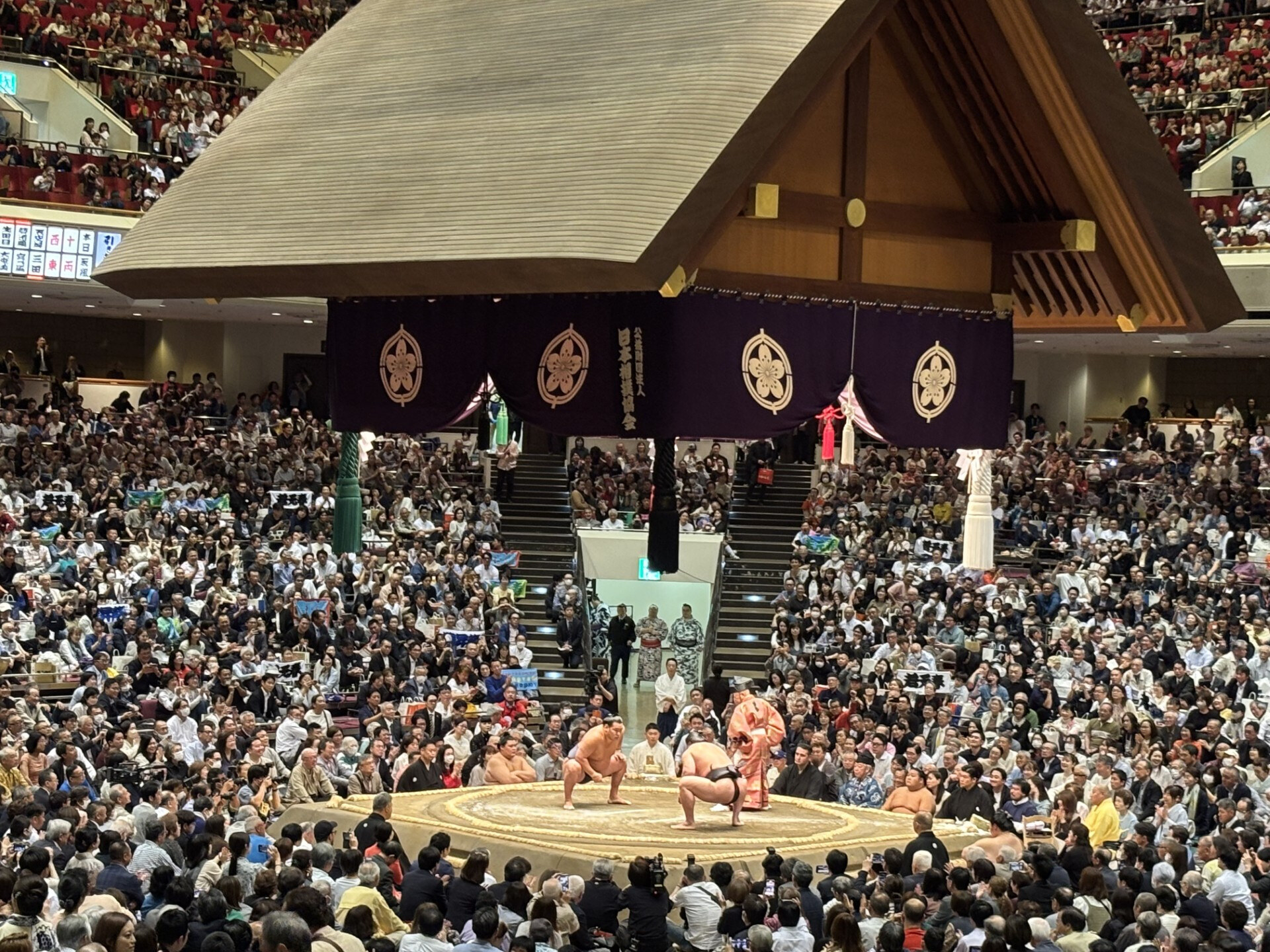
Tips for the day:
- Arrive early to see wrestlers enter the arenaena
- Don't miss the ring-entering ceremony, held around 3:30 p.m.
- Matches run for approximately six hours
- For those with mobility concerns, pick Stand Seats, those are chair seats instead of the Box Seats that are square-shaped cushions provided inside the box. For those in a wheelchair, there are "wheelchair seats".
Plan ahead, and you'll be rewarded with one of the most visceral, tradition-rich sporting spectacles in the world.
What to See: Tokyo, Kyōto, Ōsaka, and Beyond
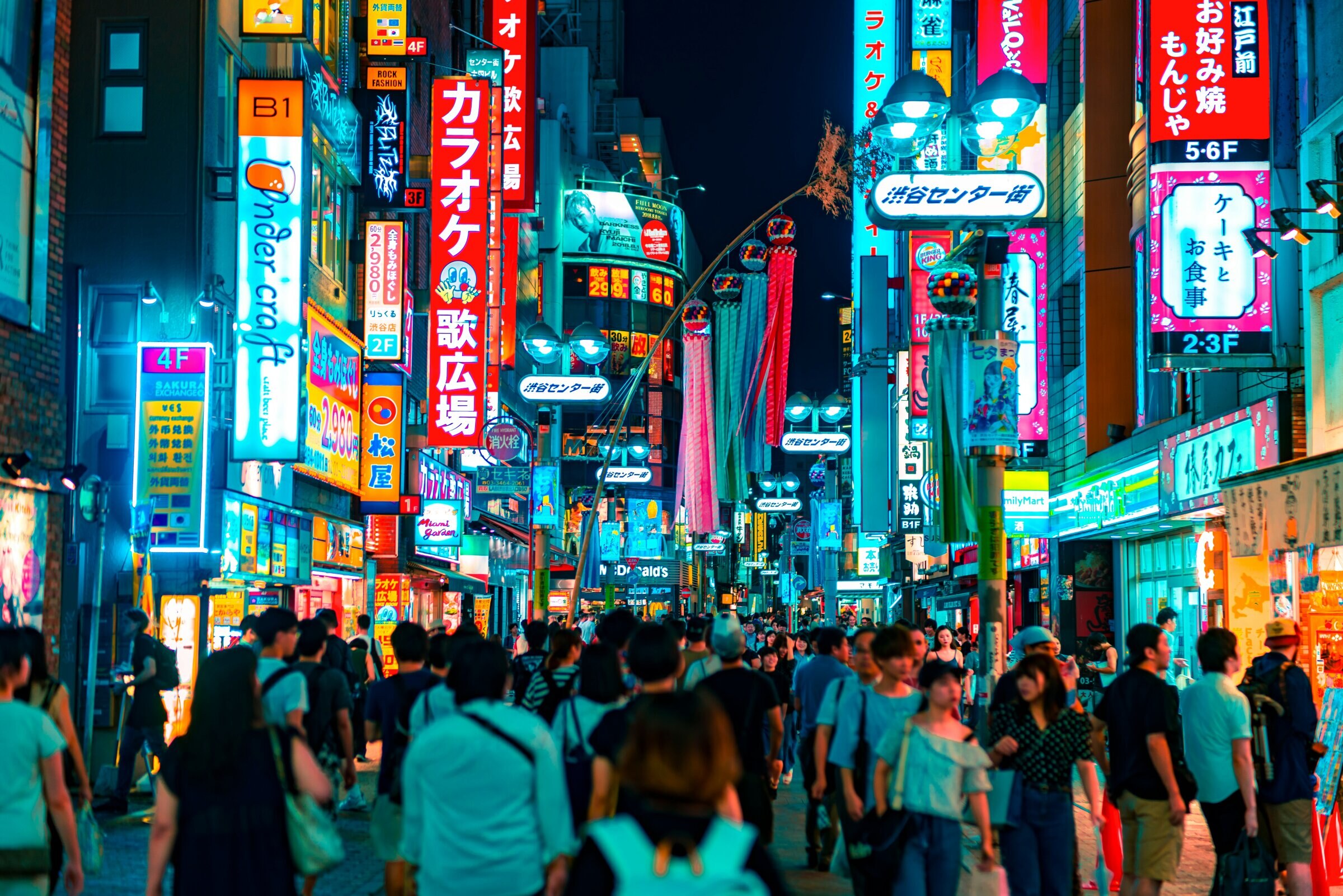
In Tokyo, don't miss the Tokyo Imperial Palace, Tokyo Tower, and the Ginza district, where the architecture alone is worth the visit. Shibuya delivers the iconic well-lit big-city energy you've seen in photographs. And Akihabara — the anime and manga neighborhood — is an unexpected highlight. It's a place where people can embrace their inner child without judgment and without a care in the world. Seeing adults fully immersed in what others might consider childish was beautiful — it felt like a kind of permission to find joy in fun without self-consciousness.
When I send clients to Japan, there are two day trips from Tokyo for first-time visitors I consider a must: Nikkō and Hakone.
A Nikkō tour with a licensed guide takes you to Kegon Falls, Lake Chūzenji, Rinnō-ji Temple, and stunning waterfalls. A Hakone day tour includes Hakone Shrine, the Hakone Ropeway, and the volcanic Ōwakudani valley.
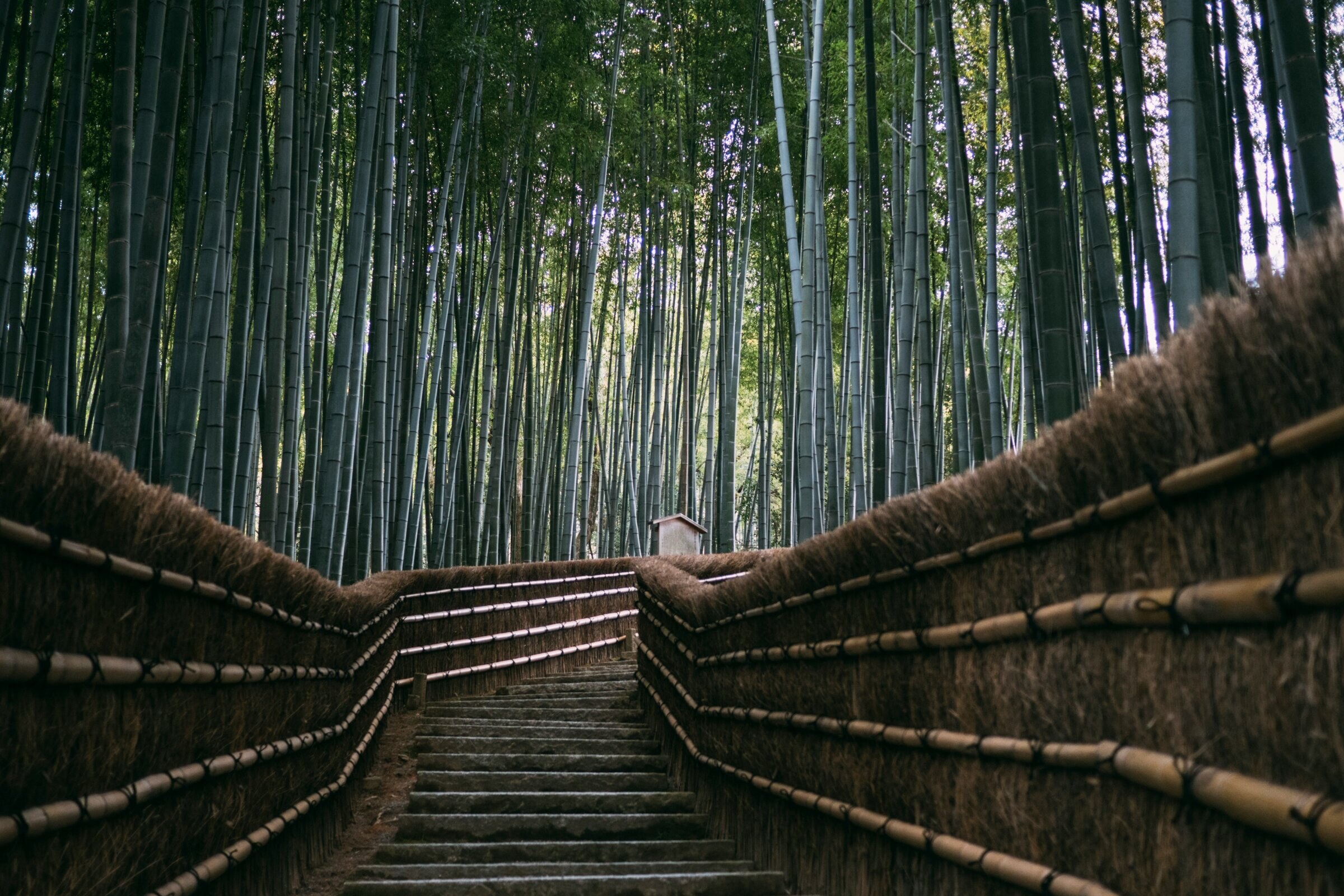
In Kyōto, the magic happens early. When you get lost in the streets between 6 and 8 a.m., when the sun is just peeking through and there aren't many others out, the city feels still and peaceful in a way that words struggle to capture. Prioritize the Bamboo Forest (go early morning for a more peaceful experience, and consider a tour that includes the monkey park, Togetsukyō Bridge, Nonomiya Shrine, and a matcha tasting), the Philosopher's Path, the Kyōto Imperial Palace, and the Gion District. A note on Gion: some private streets have tourist bans, but pay attention to signage and you'll be fine.
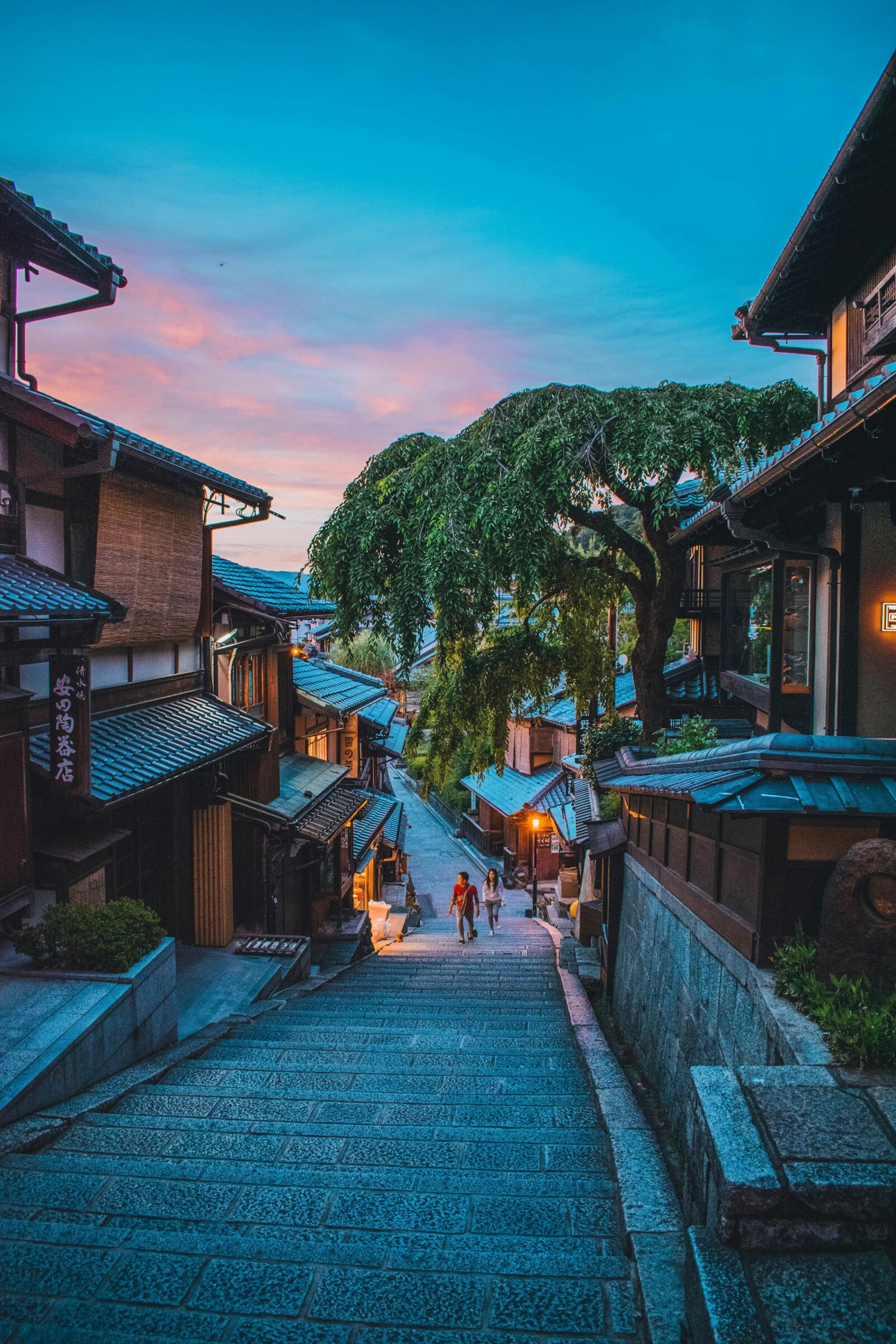
In Ōsaka, the vibrant neon chaos of Dōtonbori is a must, along with Ōsaka Castle and Sumiyoshi Taisha, a Shinto shrine known for its unique architectural style and tranquil atmosphere — one of the oldest shrines in Japan. A visit to Nara is also essential to any Japan itinerary, especially with kids; go early in the morning for a more tranquil experience with the famous deer.
Getting Around Japan: Public Transportation and Logistics
The Suica card is your best friend. I used the Suica option on my iPhone, and others with Android devices had the same capability through their phone wallets. It's an effortless system — you load money as needed without wasting time at station kiosks. For the Shinkansen (bullet train), arrive at the station at least an hour before departure. You can buy tickets from an agent, use the kiosks, or purchase online — though even with an online ticket, you'll still need to validate it in person at a kiosk or counter.
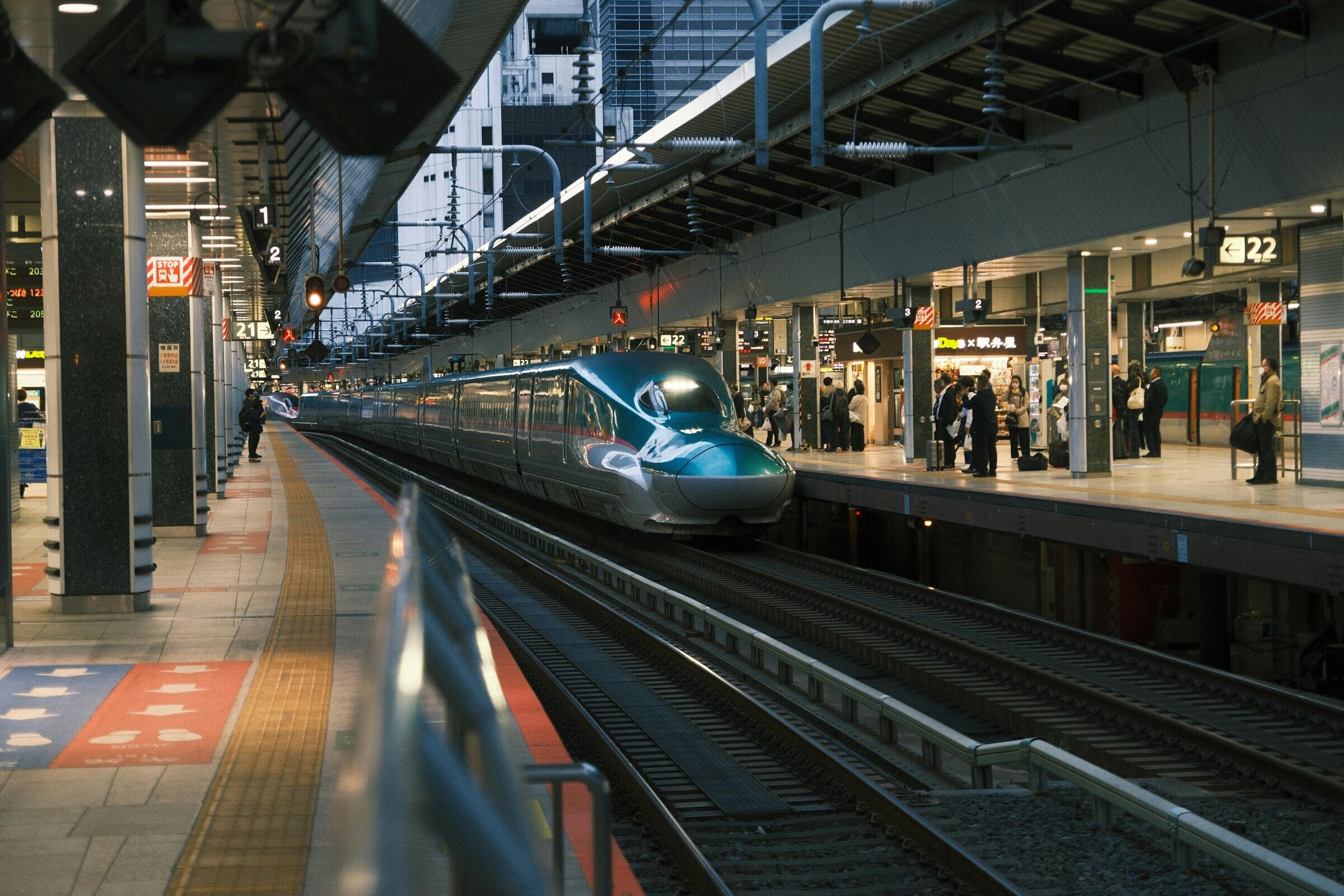
Google Maps is an indispensable ally. It shows you exactly which entrances and exits to use and which train car to board for the easiest exit at your destination.
One critical note: trains stop running around midnight and don't resume until 5 a.m.
Some major lines in Tokyo or Ōsaka operate until 12:30 or 1:00 a.m., but most cease service by midnight. When that happens, taxis, private drivers, and the rideshare app Go will get you where you need to go.
A cautionary tale: one night I entered a station, missed the last train, and created an "open loop" on my Suica card because I exited the same station I entered. The next day, my card threw an error message. A station agent resolved it in minutes — so if your card ever stops working, don't panic. Find an agent and they'll sort it out quickly.
Cultural Tips for First-Timers
- Carry a small bag for your trash — there are very few public garbage cans
- Keep your voice down on trains and in the streets
- Carry a small cloth or handkerchief for public restrooms, as paper towels are rare
- Pay attention to signage in neighborhoods like Gion, where some streets restrict tourists
- Download a translation app, and know that locals will happily meet you halfway
- The weather in May is particularly lovely — not too hot, not too cold, with the occasional spring rain that makes everything smell fresh and alive
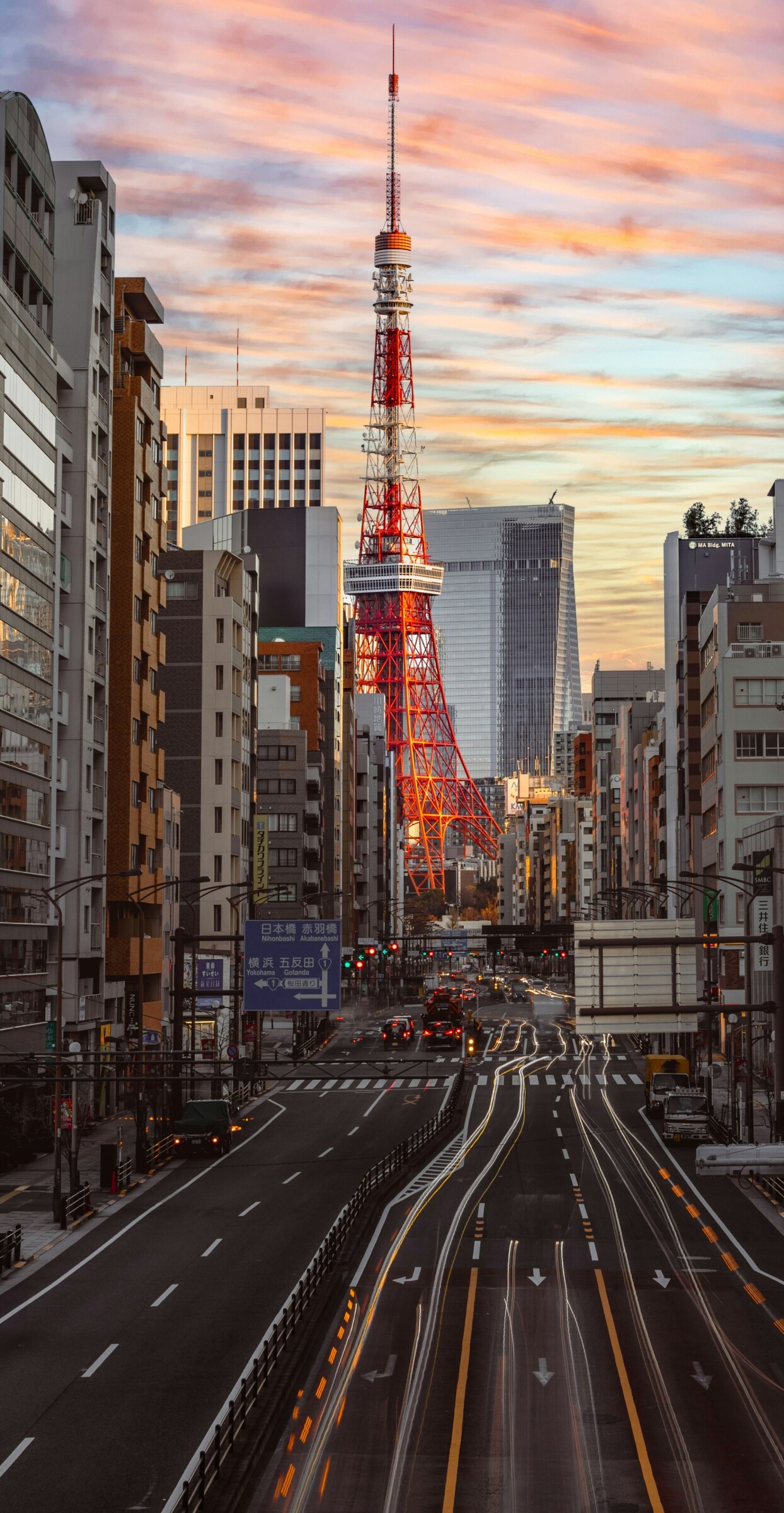
Japan doesn't just reward the first-time visitor — it recalibrates you completely. The quiet efficiency, the civic pride, the way a packed train car can feel like a meditation; a stranger pulling out their phone to help you find your way.
Go with an open heart, a hotel that serves breakfast, and a willingness to embrace your inner child in Akihabara. You'll come home changed.

Plan your next journey with
Katherine MettamKatherine Mettam is a guest contributor to LuxRally Travel, bringing a discerning eye and genuine passion for elevated travel experiences to every piece she writes. With a keen sense of what transforms a good trip into an unforgettable one, Katherine explores destinations and hospitality through the lens of curiosity, comfort, and cultural depth. Her writing balances practical insight with evocative storytelling, offering readers a thoughtful perspective on luxury travel that goes beyond the surface. Whether uncovering hidden gems in well-traveled cities or highlighting the details that distinguish exceptional service, she brings warmth and authority to her work, making her a valued voice within the LuxRally Travel editorial community.
Related Stories
What to Do in Mexico City: An Advisor's Guide to the City's Most Vivid Experiences
From floating over Teotihuacán at dawn to eating Michelin-starred tacos on a curb, this is a ten-day deep dive into Mexico City's most unforgettable adventures, restaurants, and hidden bars.
By Katherine Mettam
The Invisible Work Behind an Autism-Friendly Vacation — and Who's Actually Doing It
A social worker turned luxury travel advisor explores how the industry is embracing neurodivergent travelers — from Royal Caribbean's sensory-friendly theaters to Karisma's Calm Zones — and what true inclusive hospitality looks like.
By Katherine Mettam
The Grand Tetons Are Calling: Ski Season with the Four Seasons Resort & Residences Jackson Hole
From ski-in, ski-out luxury at the Four Seasons to a hidden speakeasy bathed in moody red light, this curated roundup captures everything the discerning skier needs for the ultimate Teton Village experience.
By Amy Van Den Top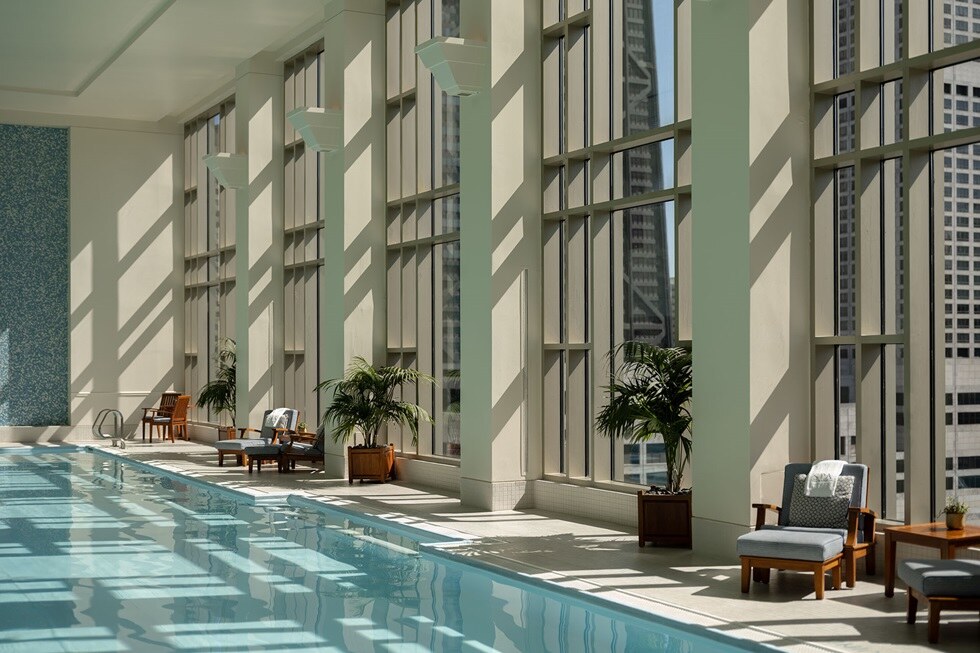
Local’s Guide to Chicago: America’s Most Underrated Luxury Family Escape
From a Chicago rooftop pool where snow falls beyond the glass, to afternoon tea that needs no occasion — this city rewards the traveler who slows down. Even after thirteen years, it's still a city that my family and I can discover anew.
By Natalia Semizarov
Multigenerational Travel Is Having a Major Moment: Here's The What, Why, Where, and How
Multigenerational trips are the fastest-growing travel trend — and for good reason. From grandparents initiating the adventure to Gen X bridging generations, families are trading scattered getaways for one unforgettable shared experience.
By Sara Ryburn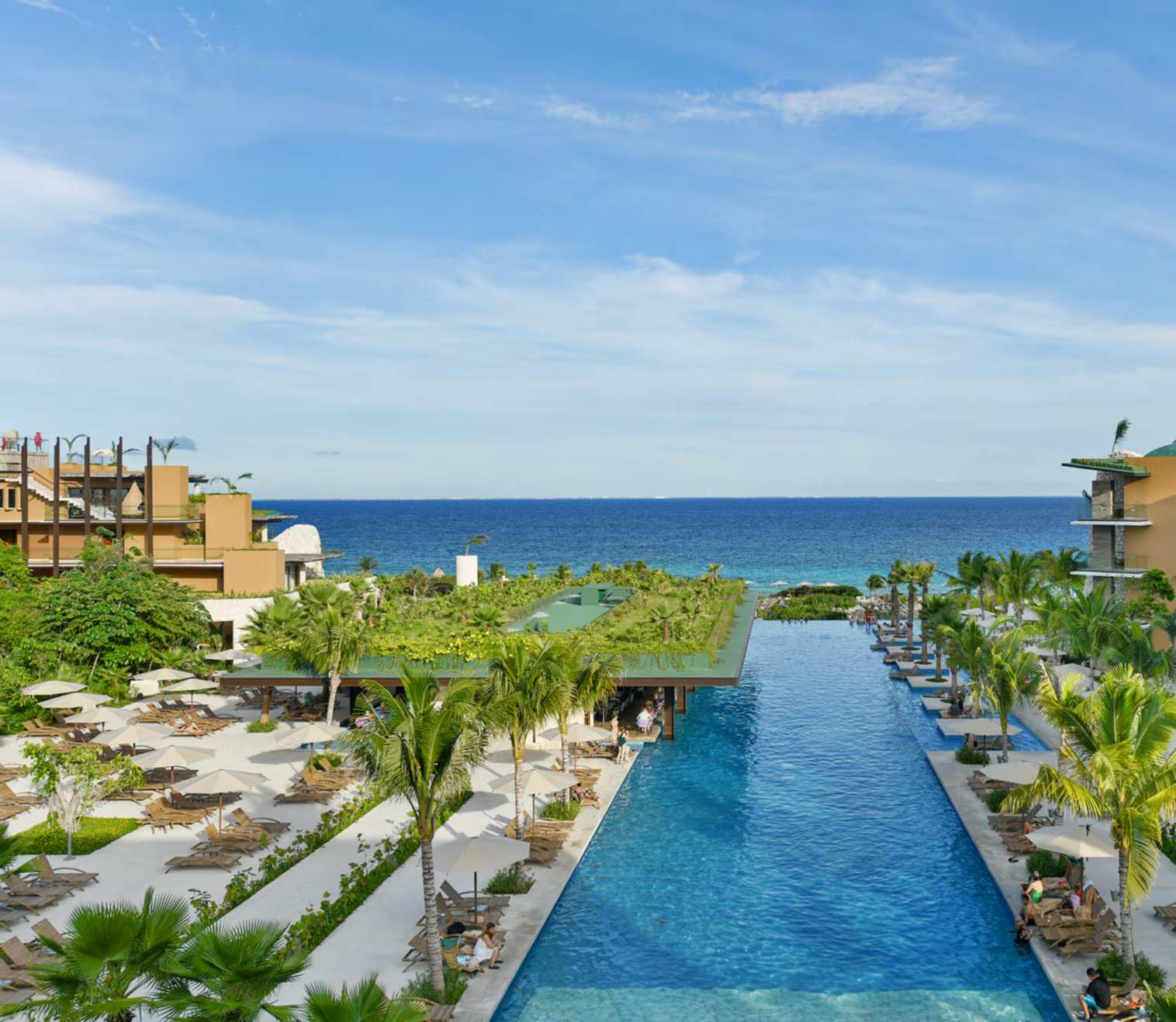
Hotel Xcaret México Review: Everything You Need to Know Before You Book
With eight distinct Casas, five adventure parks, and over 20 restaurants, Hotel Xcaret México is the Disney of the Riviera Maya. My biggest takeaway? Don't arrive unprepared.
By Alexis Dunfee