
Destination Guide
Which Hawaiian Island Is Right for You? A Travel Advisor's Guide to Hawai'i
Every Hawaiian island has its own personality. From Kauaʻi's unspoiled cliffs to the Big Island's volcanic drama, this personal guide helps you find the island that fits what you're craving.
By Cassie Bacon
August 14, 2026
I was born on the first day of summer, and I've always felt like sunshine is stitched somewhere into my DNA. It's no wonder that I am drawn again and again to quintessential year-round summer destinations like Hawaiʻi. I love the sun, the salt air, the endless beauty, the way it makes you slow down and reset without even realizing it.
Most people experience Hawaiʻi as a single vacation — a week on Maui or Oʻahu, a few beach days, a snorkel tour, maybe a luau before flying home sunburned and happy. And there's nothing wrong with that version of Hawaiʻi.
But there is a deeper version of Hawaiʻi that stays with you longer.
I've felt it standing at the Kalalau Lookout on Kauaʻi with the Nā Pali Coast unfolding in front of me, realizing no photograph could ever convey this kind of beauty. Or while driving along the North Shore of Oʻahu, watching the waves pummel the shore at the Banzai Pipeline. Or watching lava meet the ocean on the Big Island and feeling like you're witnessing the earth being created in real time.
Every island has its own character, and this Hawaiian islands guide will help you find yours. There's no such thing as the "best" island — only the one that fits what you're craving.
I've been coming back once or twice a year since my first trip to Oʻahu with my kids, when one look at the water had me hooked. In the last few years, that pull became part of the work I do as a luxury travel advisor, too — which has just meant more time on the ground, spending long enough on the islands to know how each one actually lives day to day, not just what it looks like in photos.
This is my personal guide to each Hawaiian island: what it feels like, who it's best for, and where I'd stay to experience the very best of it.
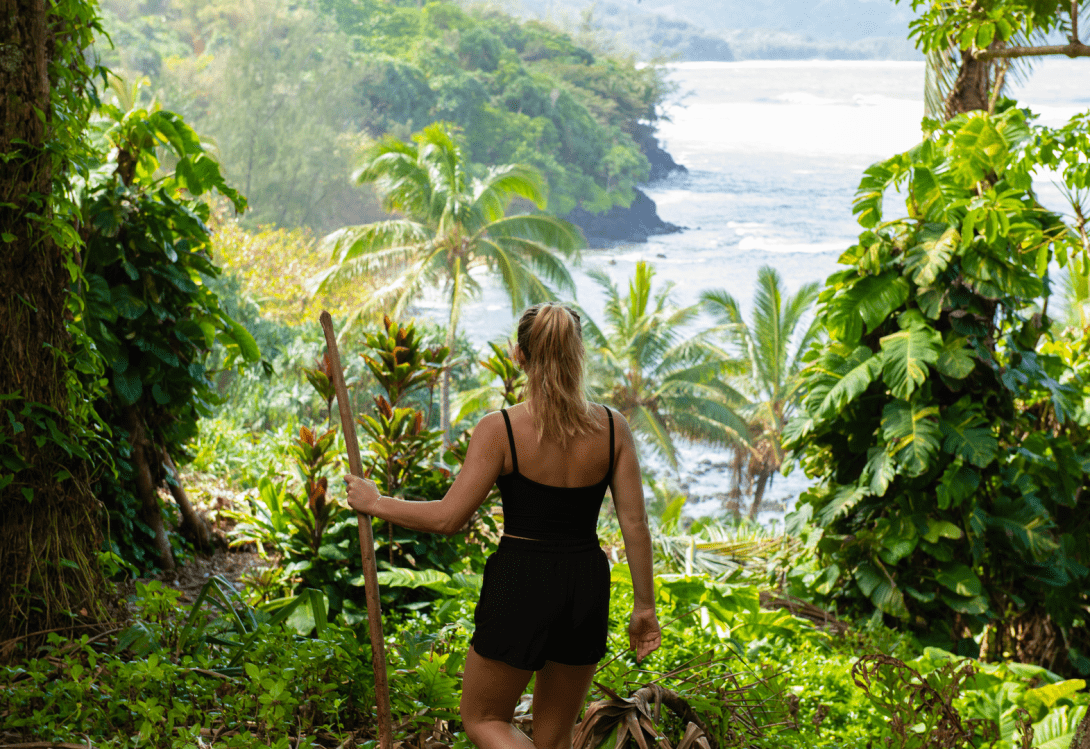
Kauaʻi — The Garden Isle
Best for: Honeymooners, nature lovers, wellness travelers, and those seeking seclusion.
We aren't supposed to pick favorites... but I did. Kauaʻi is the best Hawaiian island for raw, unspoiled natural beauty — making it a top pick in any Hawaiʻi island comparison. It's the one I return to again and again.
Photos don't really help here. The cliffs are too dramatic, the greens too vivid, the waterfalls too numerous, the ocean somehow too perfectly blue-green to translate through a screen. Kauaʻi is something you feel more than describe.
The Nā Pali Coast alone separates Kauaʻi from every other Hawaiian island. Seventeen miles of impossibly rugged emerald cliffs rise straight out of the Pacific, accessible only by boat, helicopter, or trail. The first time I saw it, the landscape genuinely did not look real — it did not look like it belonged to this world.
Some experiences stay with you forever — for me, so far: a zodiac boat weaving through the sea caves at sunrise, a helicopter swooping into Waimea Canyon, standing at the Kalalau Lookout in total silence while clouds move through the valleys below you. Kauaʻi is practically erupting with moments like that.
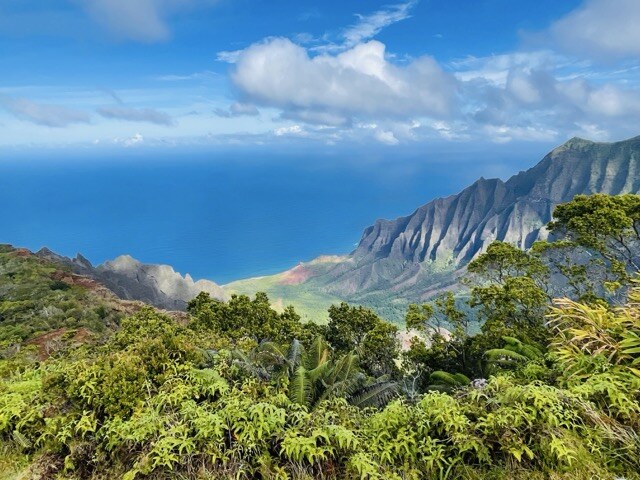
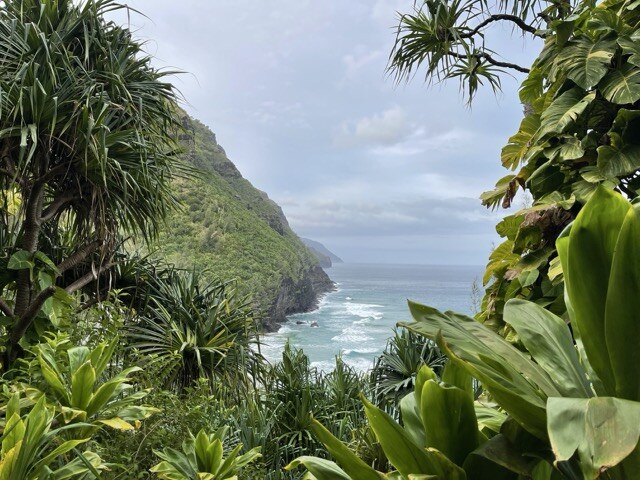
Beyond the drama, Kauaʻi moves more slowly than the rest of Hawaiʻi in the best possible way. The North Shore around Hanalei and Princeville feels lush, quiet, and deeply local — one-lane bridges, taro fields, roadside fruit stands, surfers disappearing into waves at sunset. The South Shore around Poʻipū gets more sunshine and offers a more classic resort experience, especially for families. The Coconut Coast sits between these two areas, making it easy to explore the entire island.
Kauaʻi has fiercely protected its identity. Buildings can't rise taller than a coconut palm. Overdevelopment never fully took hold here. The island made a decision long ago to protect its natural beauty, and you can feel that choice everywhere you go.
Getting There
Kauaʻi has one airport, Lihue (LIH), and it's served by direct flights from several West Coast hubs, including Los Angeles, San Francisco, and Seattle — so for most mainland travelers, there's no need to connect through Honolulu first. A rental car or private driver is essentially required here: the island's best spots are spread across distinct regions (the North Shore, the South Shore, the Coconut Coast), public transit isn't built for visitors, and taxis get expensive fast. Book your car well in advance, especially in high season, since demand regularly outpaces supply.
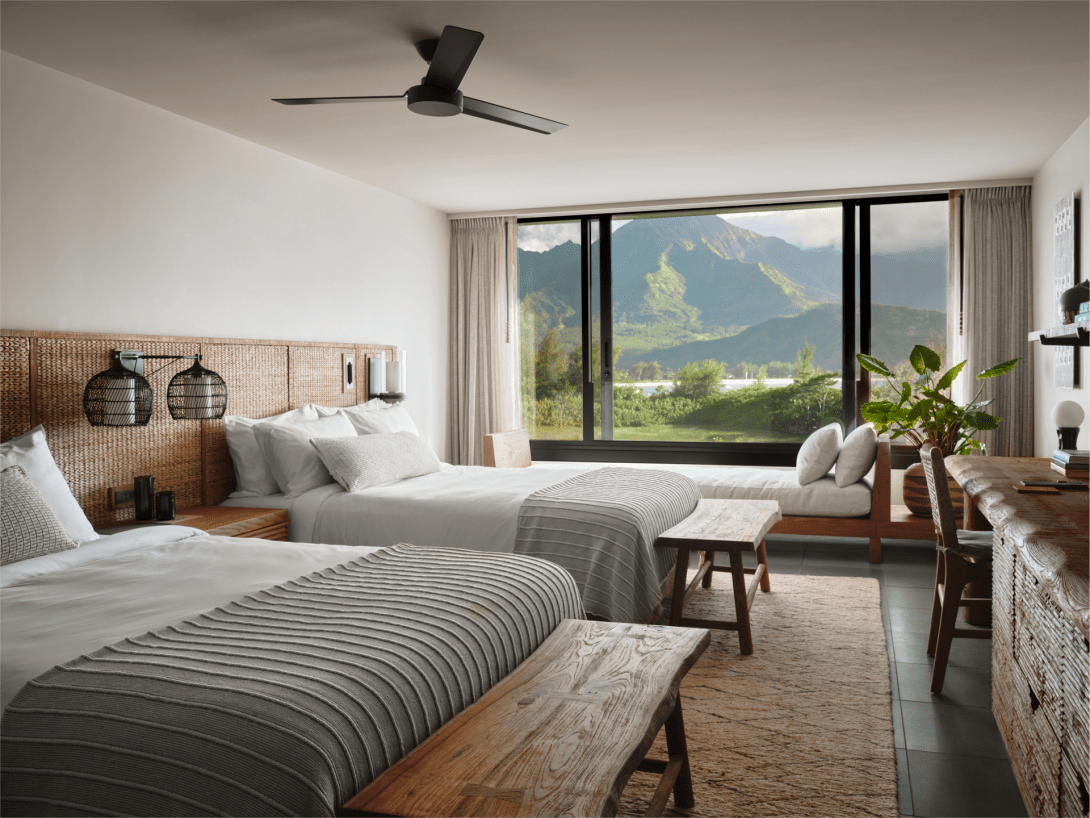
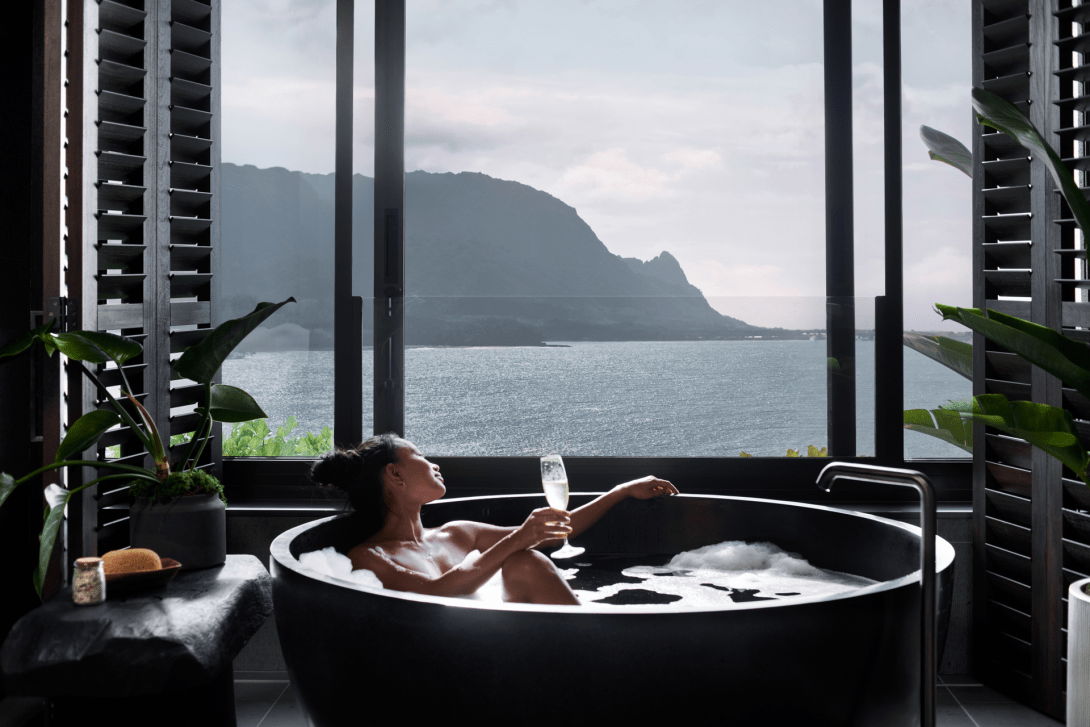
Stay Here
1 Hotel Hanalei Bay — my top pick for luxury stays in Kauaʻi, combining world-class wellness, dramatic bay views, and an authentic sense of place
Grand Hyatt Kauaʻi — ideal for families or travelers wanting a full resort experience on the sunnier South Shore
Kauaʻi Shores Hotel — a quaint, budget pick located on the Coconut Coast, with easy access to the South and North shores.
Maui — The Valley Isle
Best for: First-time visitors who want a little bit of everything.
Maui sits at the top of many Hawaiian wish lists for good reason. It somehow manages to offer a little bit of everything: adventure, luxury, incredible food, postcard-perfect beaches, and some of the most memorable scenery in the islands.
Some of my favorite Hawaiʻi moments have happened here: watching a whale calf practice its jump out of the water, following the Road to Hāna past waterfalls, bamboo forests, and a green so thick it seems unreal, and standing on the ancient black sand beach at Waiʻānapanapa State Park.
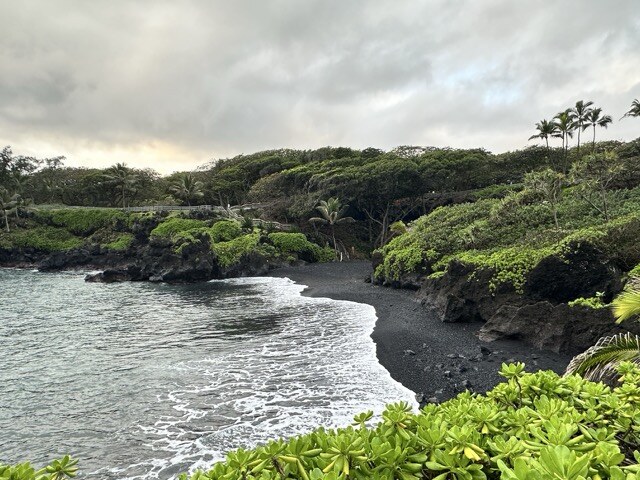
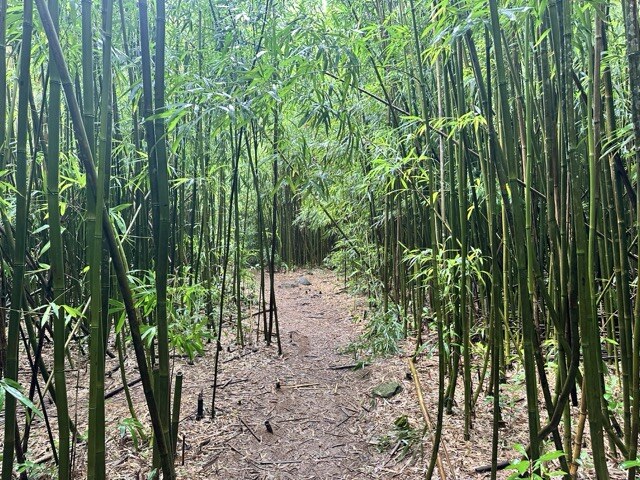
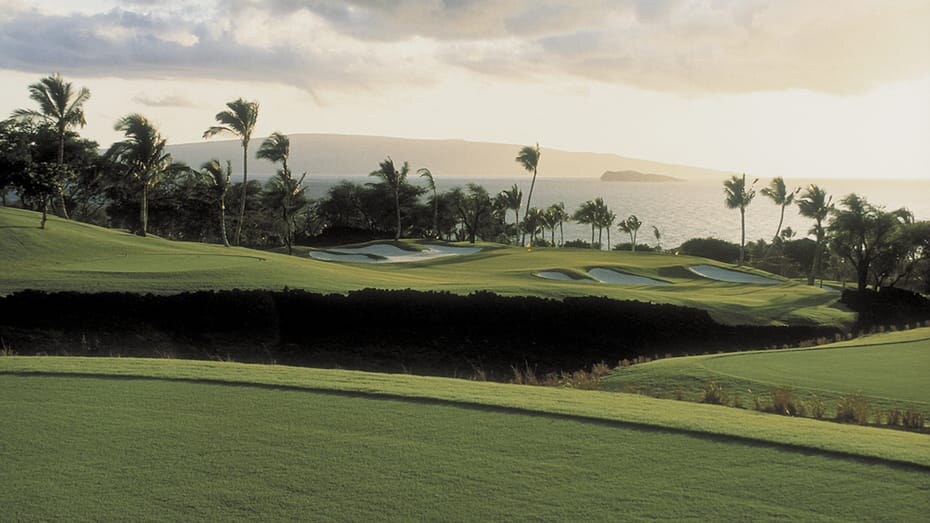
Then there are the ever-popular beaches. Wailea feels polished and luxurious, while Kaʻanapali and Kapalua offer a slightly more relaxed version of Maui with beautiful coastlines and unforgettable sunsets. During summer, these beaches fill with visitors quickly, but the best part of island life is that there is always coastline to share if you keep looking.
If you love food, Maui delivers — I still think about the fried rice and coconut syrup pancakes at The Gazebo in Napili. From January through April, Maui is also the best island for whale watching. Visit during those months for whale-calving season; watching a mother whale teach her calf to interact with the world is the kind of moment that stays with you forever.
Getting There
Maui's main airport, Kahului (OGG), takes direct flights from major mainland cities — Los Angeles, San Francisco, Seattle, Denver, and others depending on the season — so there's no need to route through Honolulu first. From OGG, it's roughly 30 minutes to South Maui resort areas like Wailea, and closer to 45 minutes to an hour out to West Maui (Kaʻanapali, Kapalua). A rental car or private driver is worth having for nearly any Maui stay: even if your resort area is walkable, the island's best experiences — the Road to Hāna, Haleakalā, whale watching spots — require getting there yourself, and car availability tightens considerably during peak season. For convenience, Four Seasons Maui at Wailea has a car rental service on-site, which helps with last-minute drives.
Stay Here
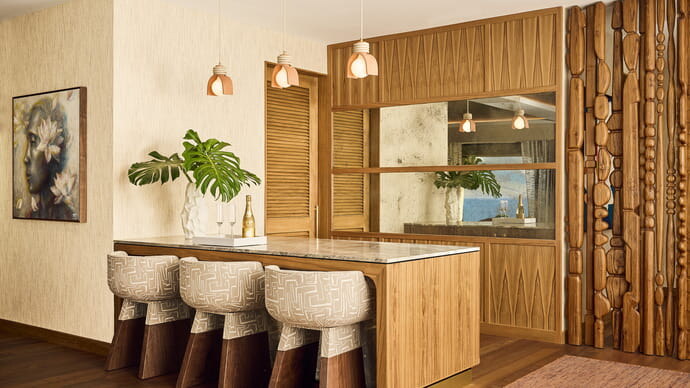
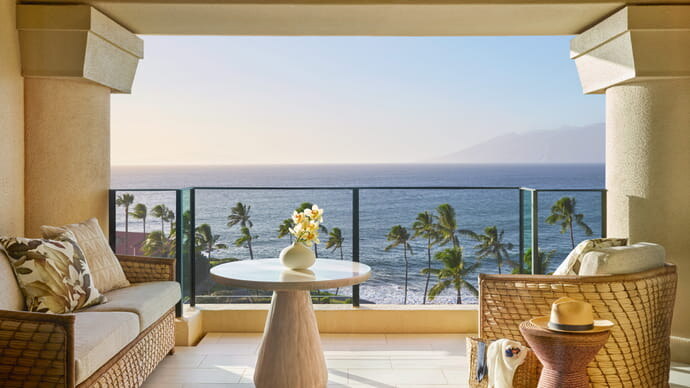
The Resort at Kapalua Bay (formerly the Montage) — spacious, residential-style luxury in a quieter and incredibly scenic nature preserve in West Maui
Four Seasons Resort Maui at Wailea — classic Maui luxury with exceptional service, beautiful pools, and one of the best locations on Wailea Beach
Oʻahu — The Gathering Place
Best for: Travelers who want culture and history alongside the beach.
Oʻahu is often underestimated. People hear "Honolulu" and imagine crowds, traffic, and Waikīkī high-rises. Yes, that version of Oʻahu exists, but this island has far more depth than people expect.
Once you leave Honolulu, Oʻahu opens up beautifully.
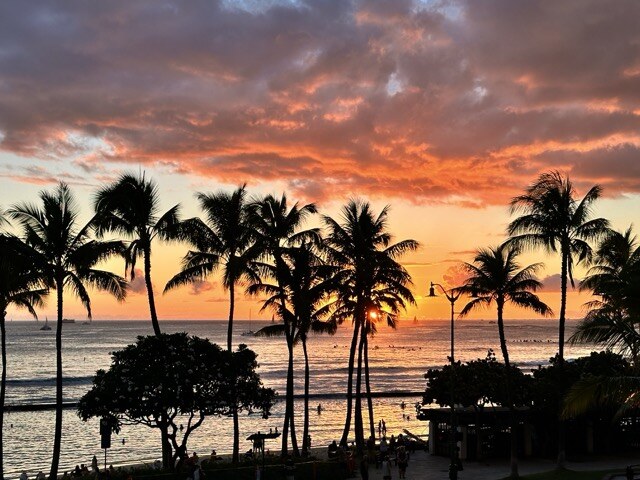
The North Shore feels worlds away from Waikīkī, especially in the winter when massive waves roll in and surfers gather to ride the historic waves at Banzai Pipeline. Small surf towns like Haleʻiwa move at a slower pace, with roadside food trucks, shave ice stands, and nearby beaches that somehow still feel wild despite the island's popularity.
On the windward side, Lanikai Beach looks almost impossibly turquoise, with calm, clear water and the Mokulua Islands floating just offshore like something painted into the horizon. Nearby hikes wind through bamboo forests to hidden waterfalls, reminding you how lush and tropical Oʻahu really is beyond the city.
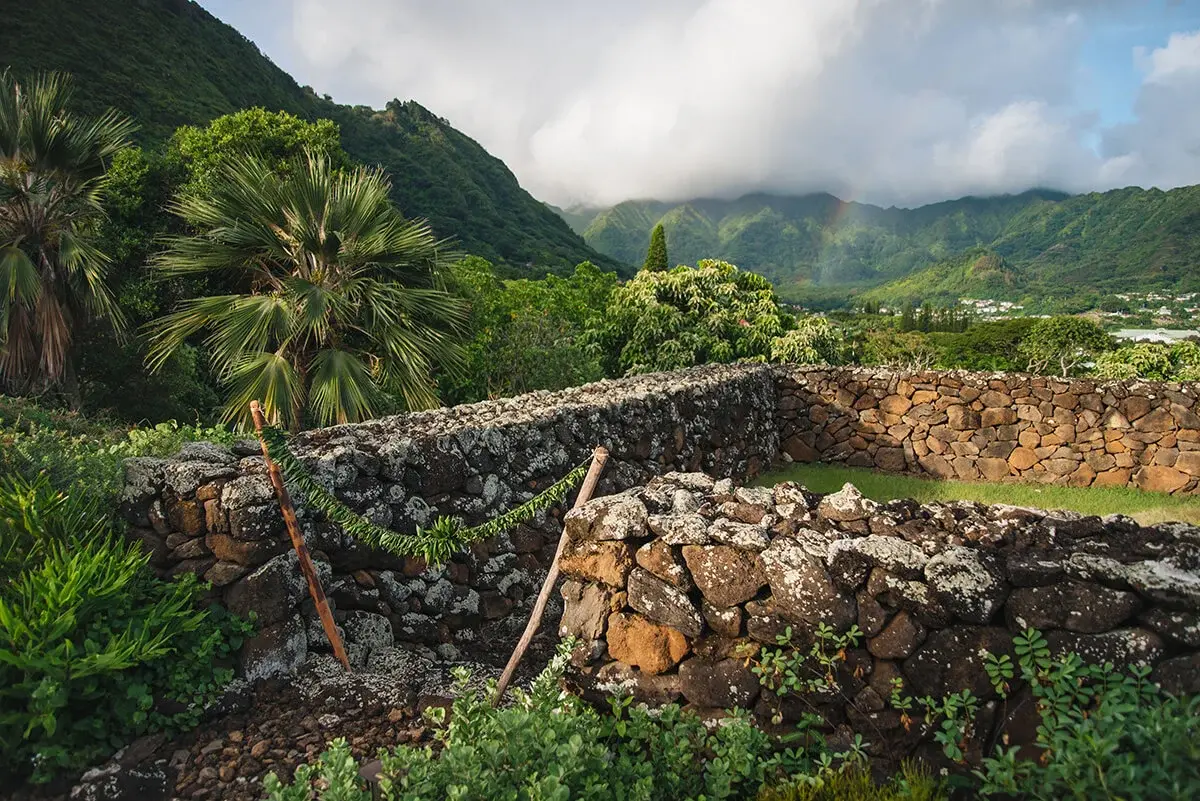
Oʻahu also carries a cultural and historical weight that the other islands don't share in quite the same way. Visiting Pearl Harbor National Memorial leaves a lasting impression, and the Polynesian Cultural Center in Laie offers a deeper look into the traditions and cultures woven throughout the Pacific Islands.
What makes Oʻahu unique is that it offers the most infrastructure, dining, nightlife, and activity in Hawaiʻi — but somehow, once you get outside Honolulu, you rarely feel the full scope of how many people are actually there. The island still finds ways to surprise you with beauty and quiet.
Getting There
Oʻahu's Daniel K. Inouye International Airport (HNL) has the most direct mainland and international access of any Hawaiian airport, and it's also the main hub for connecting to the other islands. Whether you need a rental car or a driver depends heavily on where you're staying: if you're based in Waikīkī, you can get by without one — TheBus, the Waikīkī Trolley, and rideshares cover most of what you'd want to do, and hotel parking fees add up fast. But Ko Olina and the North Shore are a different story. Ko Olina sits roughly 25 miles from Waikīkī, and the North Shore isn't much farther — both are reachable by bus or shuttle, but a rental car is worth having if you want the flexibility to explore beyond the resort.
Stay Here
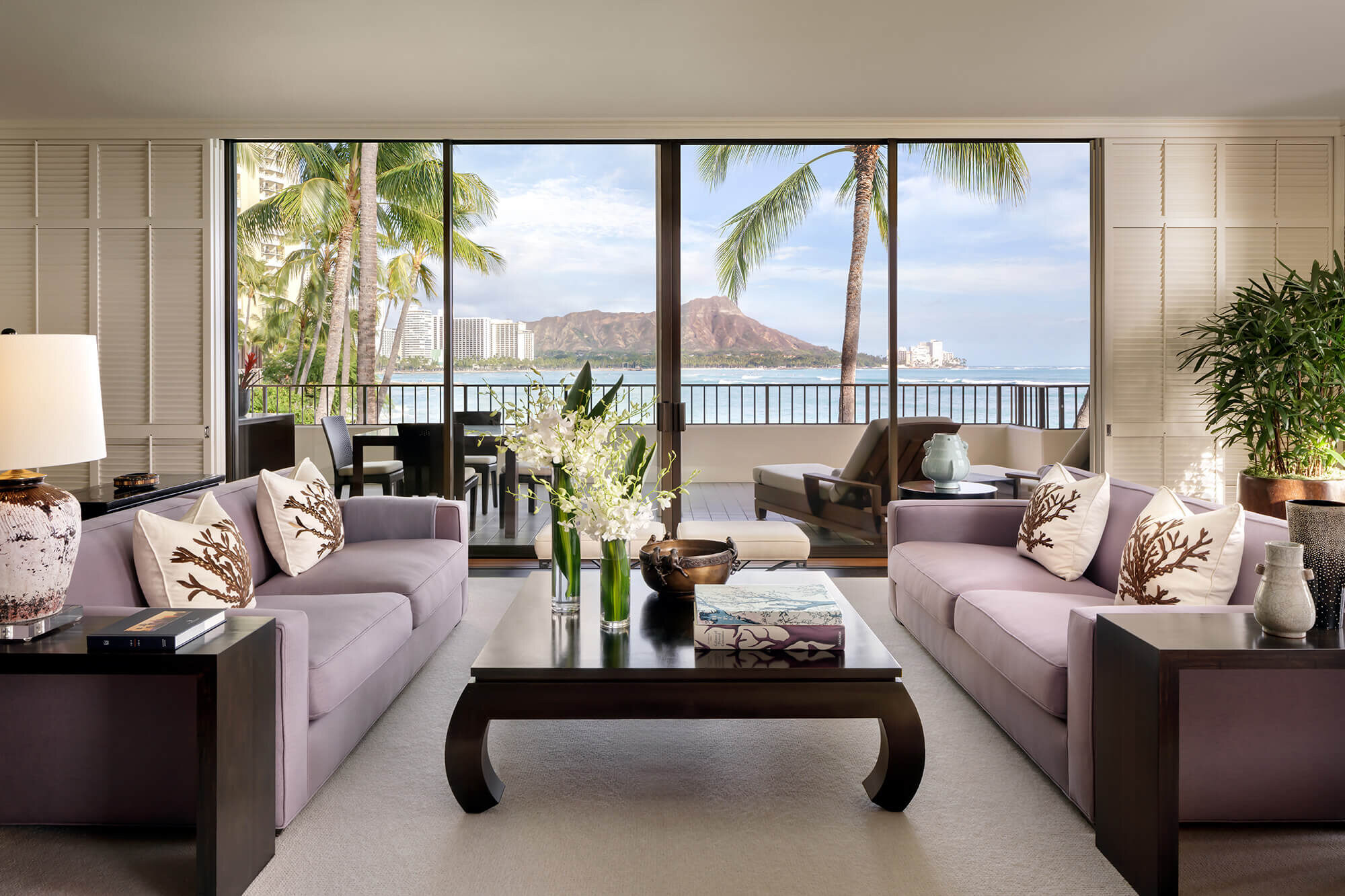
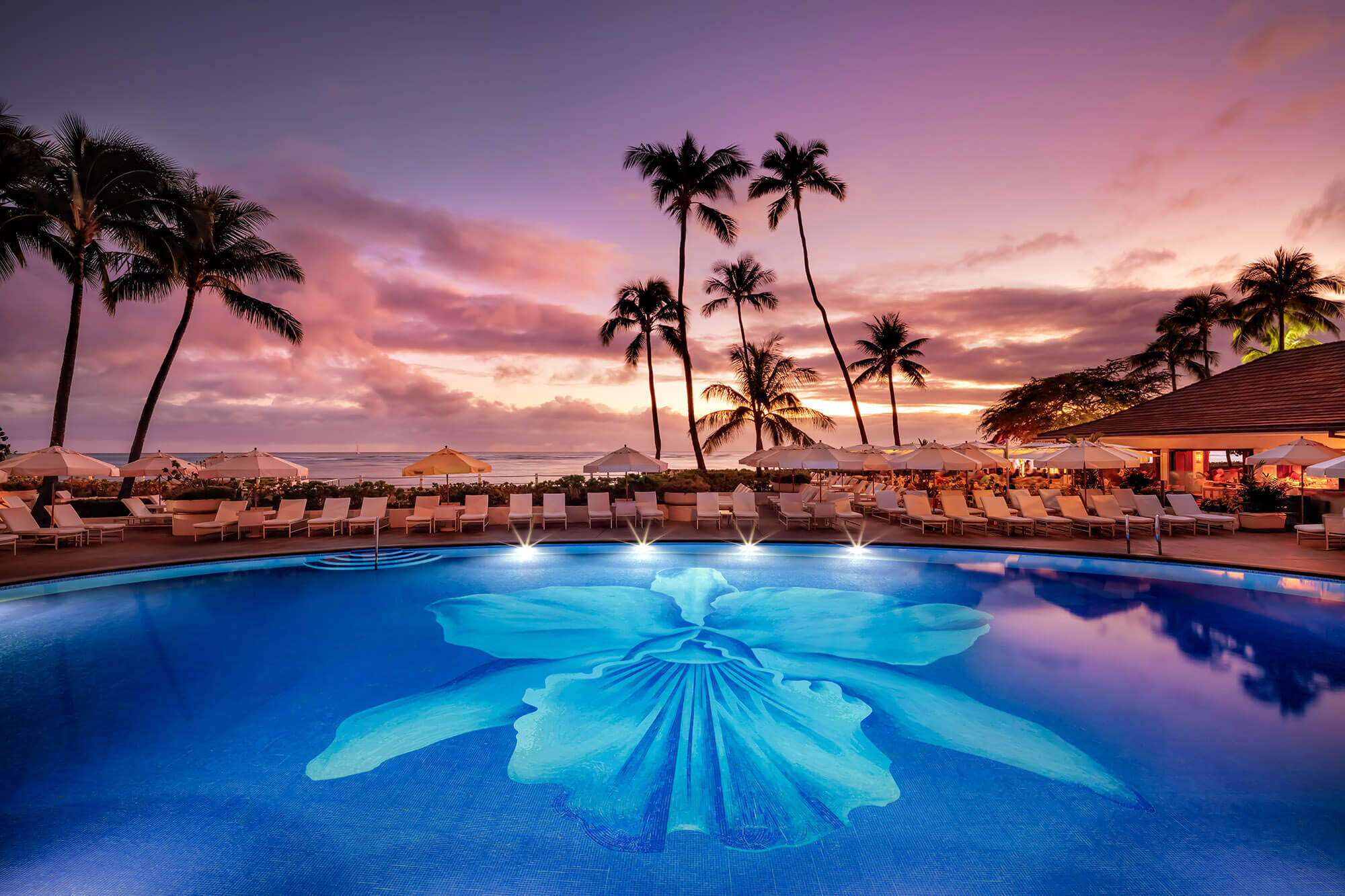
Halekulani Hotel — the undisputed queen of Waikīkī luxury, offering a tranquil, oasis-like escape right in the heart of the city's energetic center.
The Ritz-Carlton Oʻahu, Turtle Bay — North Shore luxury on the rugged coast of Turtle Bay, spanning 1,300 acres of breathtaking, untouched coastline.
Four Seasons Resort Oʻahu at Ko Olina — sits on the sunny western coast, isolated from Honolulu's crowds, and offers a picture-perfect beach vacation.
Hawaiʻi — The Big Island
Best for: Anyone drawn to raw, elemental landscapes and volcanoes
The Big Island feels different from the rest of Hawaiʻi in a way that's hard to explain until you experience it. It feels raw, new, elemental. As though you are witnessing the earth being created in real time.
Here, volcanoes aren't just part of the landscape — they're actively shaping it. Old lava flows stretch dramatically across the island in hardened black waves, a reminder that this land didn't exist all that long ago in geological terms. In some places, the scenery feels almost lunar; in other areas, impossibly alive.
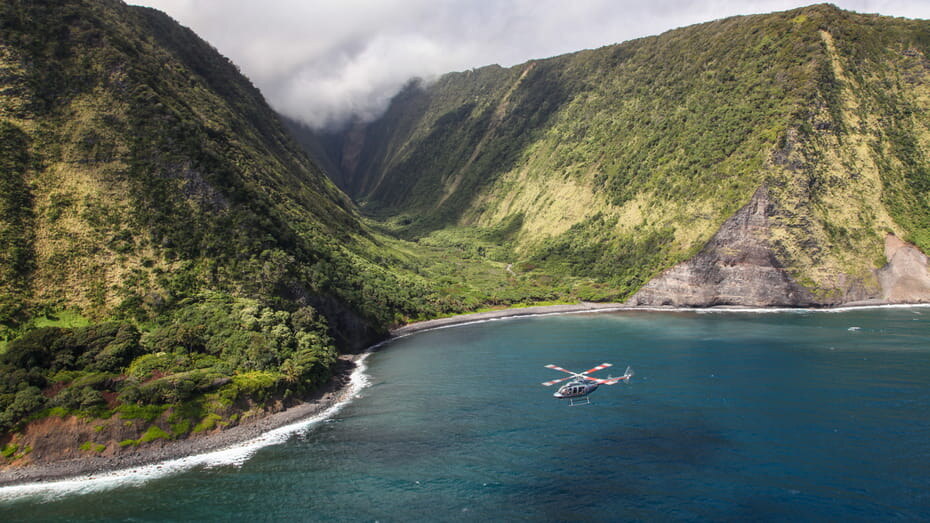
What makes the Big Island so fascinating is the contrast. You can drive from black lava fields to misty rainforests, from dry golden coastline to the rolling green hills of Waimea that feel more like Ireland than Hawaiʻi. Around Hilo, the island becomes lush and tropical, with waterfalls, dense jungle, and rain that seems to make everything glow green.
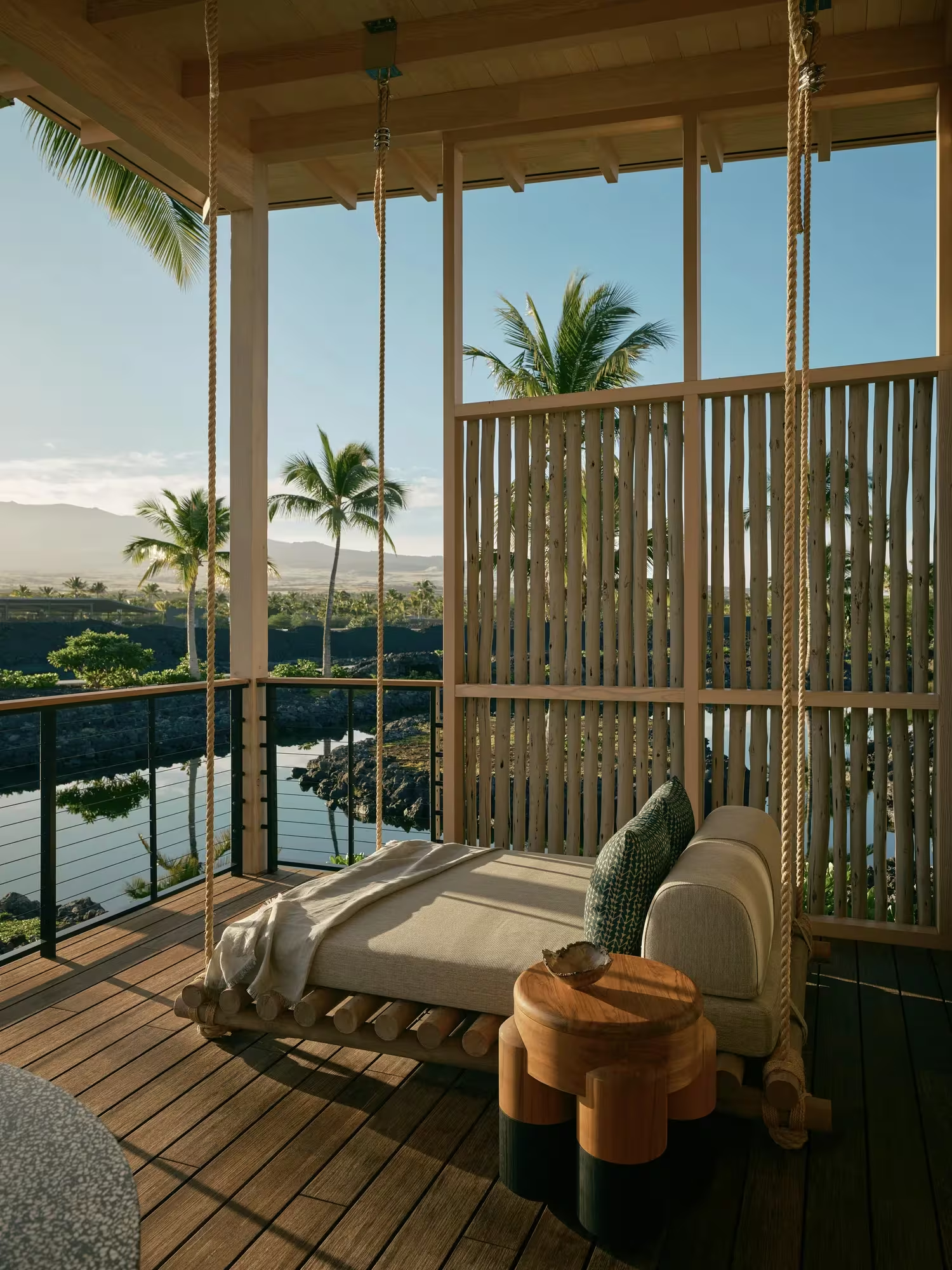
Along the Kohala Coast, the mood shifts again. This is where many of the island's luxury resorts sit against the stark lava landscapes and calm turquoise water. The beauty here feels quieter and more dramatic than other islands, less polished and more connected to the land.
And then there are the manta rays. Swimming in the dark of night with these gentle giants gliding silently beneath you is one of the most beautiful experiences you can have. At once peaceful and unforgettable, it's the kind of thing you will talk about for years afterward.
Getting There
The Big Island has two airports: Kona (KOA) on the west side, near the Kohala Coast resorts, and Hilo (ITO) on the east, closer to Hawaiʻi Volcanoes National Park. Fly into whichever matches where you're staying — there are no direct flights between the two, so connecting requires routing through Honolulu. A rental car is essential regardless: this is the largest Hawaiian island by far, with long distances between regions and no real public transit for sightseeing.
Stay Here
Four Seasons Resort Hualalai — an effortlessly luxurious beach resort with an incredible sense of place, stunning pools, and one of the best resort experiences in Hawaiʻi.
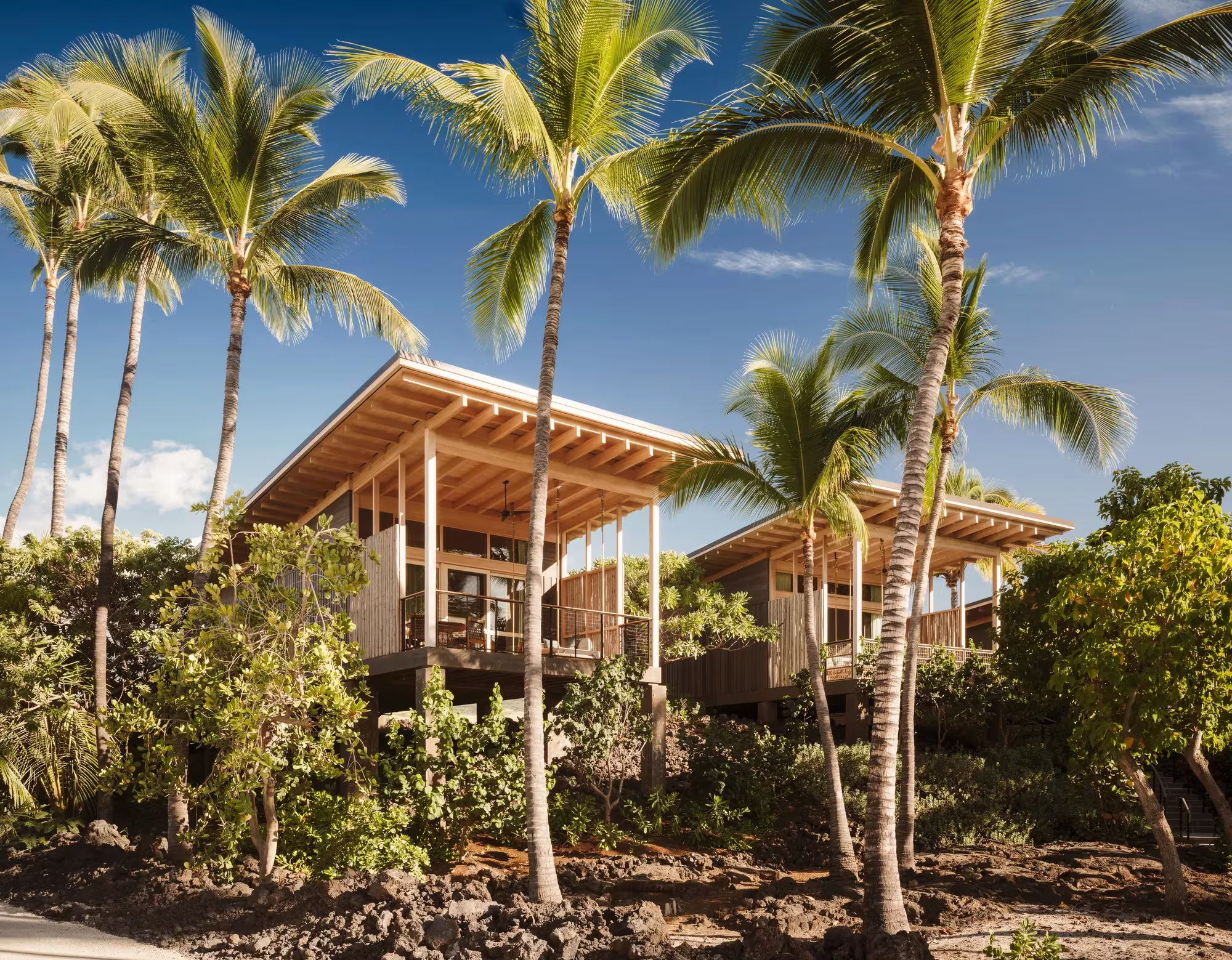
Kona Village, A Rosewood Resort — a beautifully reimagined historic retreat that feels private, peaceful, and deeply connected to the natural surroundings.
Lānaʻi — The Private Isle
Best for: Exclusive, private luxury without the crowds
Lānaʻi feels like a different version of Hawaiʻi entirely — more exclusive and intentionally unhurried. With no crowds, very little traffic, and vast stretches of rugged landscape, the island feels designed for slowing down.
What draws most travelers to Lānaʻi are the two extraordinary Four Seasons resorts, each offering a completely different experience.
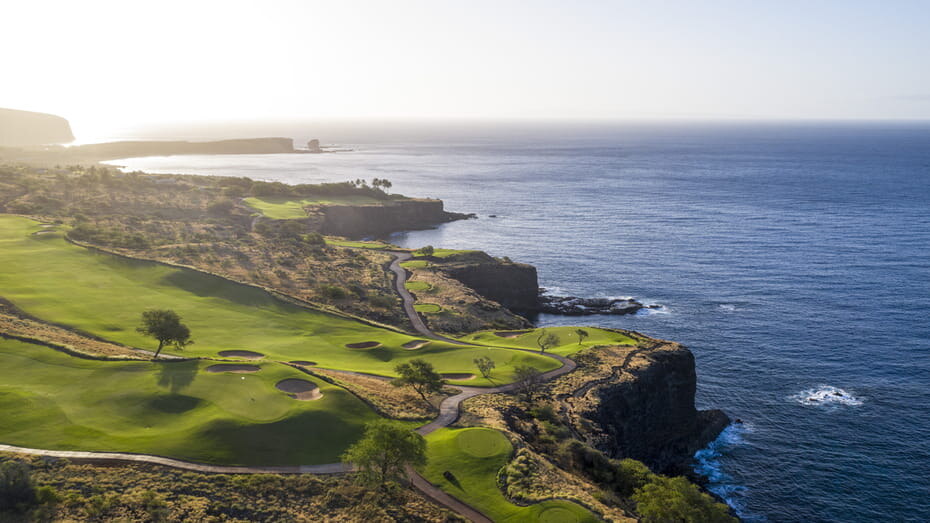
Four Seasons Resort Lānaʻi sits along Hulopoʻe Bay with calm turquoise water, beautifully manicured grounds, and a polished beachfront luxury experience that feels peaceful rather than scene-driven. This is the place for couples, golf, snorkeling, boat days, and long afternoons spent fully relaxing.
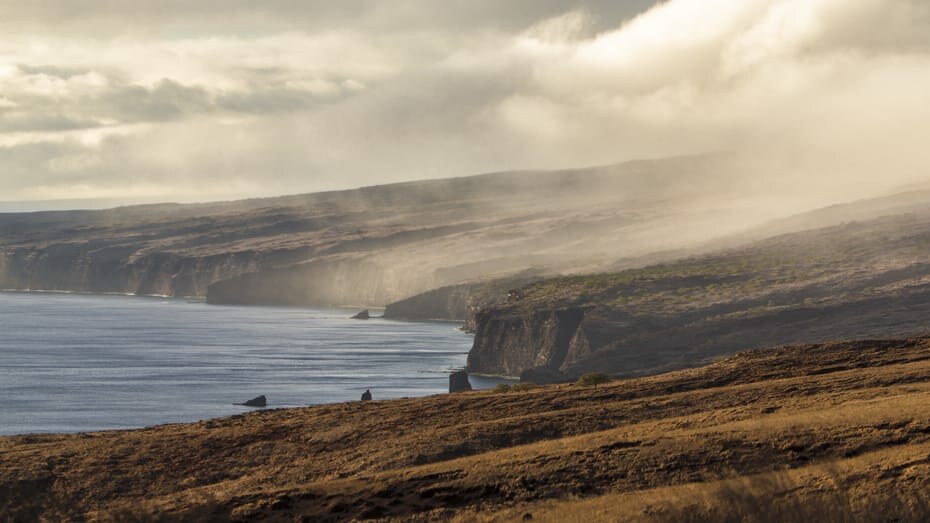
Higher up in the island's cooler uplands, Sensei Lānaʻi, A Four Seasons Resort is entirely different — an adults-only wellness retreat focused on rest, movement, spa treatments, nutrition, and complete reset. It feels quiet in a way that's increasingly rare.
Lānaʻi isn't the island for nonstop sightseeing. It's the island you choose when you want luxury without crowds, space to breathe, and a version of Hawaiʻi that feels deeply private.
Getting There
Lānaʻi has no direct mainland flights — you'll connect through Honolulu or Maui. The easiest route is Lānaʻi Air, a private carrier that flies daily from Honolulu directly for Four Seasons guests, with round-trip flights included in the room rate. From Maui, the Expeditions ferry offers a scenic hour-long alternative, departing from Māʻalaea Harbor. Once on-island, the resort's shuttle covers transfers to and from the airport and ferry terminal, so a rental car isn't strictly necessary unless you want to explore beyond the property on your own.
Stay Here
Four Seasons Resort Lānaʻi — beachfront luxury on Hulopoʻe Bay, best for couples, golf, snorkeling, and boat days
Sensei Lānaʻi, A Four Seasons Resort — an adults-only wellness retreat in the island's cooler uplands, best for a complete reset
Molokaʻi — Old Hawaiʻi
Best for: Old Hawaiʻi, paired with a few days somewhere more resort-forward
Molokaʻi is the opposite of modern resort Hawaiʻi — and that is entirely the point.
There are no luxury resorts here. No sprawling hotel developments. No nightlife scene. In fact, there is essentially one simple family-owned ranch hotel on the island, and travelers who come expecting Maui-style luxury amenities often leave disappointed.
But travelers looking for something quieter often fall in love.
Molokaʻi feels like Hawaiʻi before tourism reshaped it. The island moves slowly and intentionally — empty beaches, tiny towns, dramatic sea cliffs, and a deep connection to native Hawaiian culture, more preserved here than anywhere else in the islands.
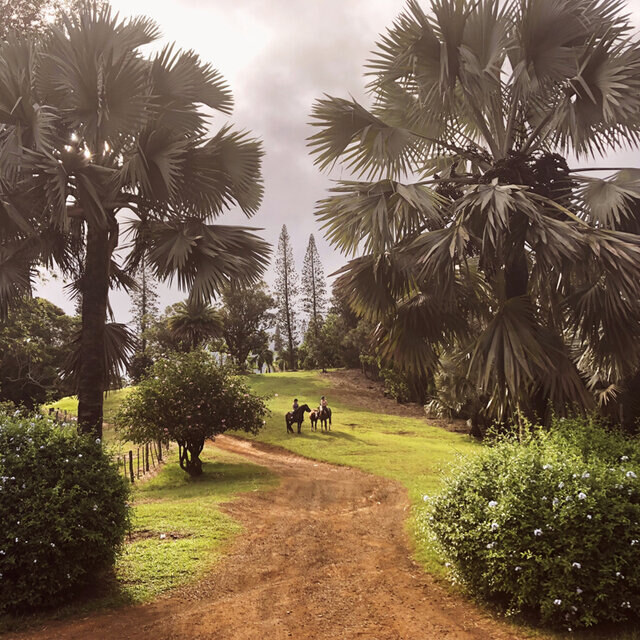
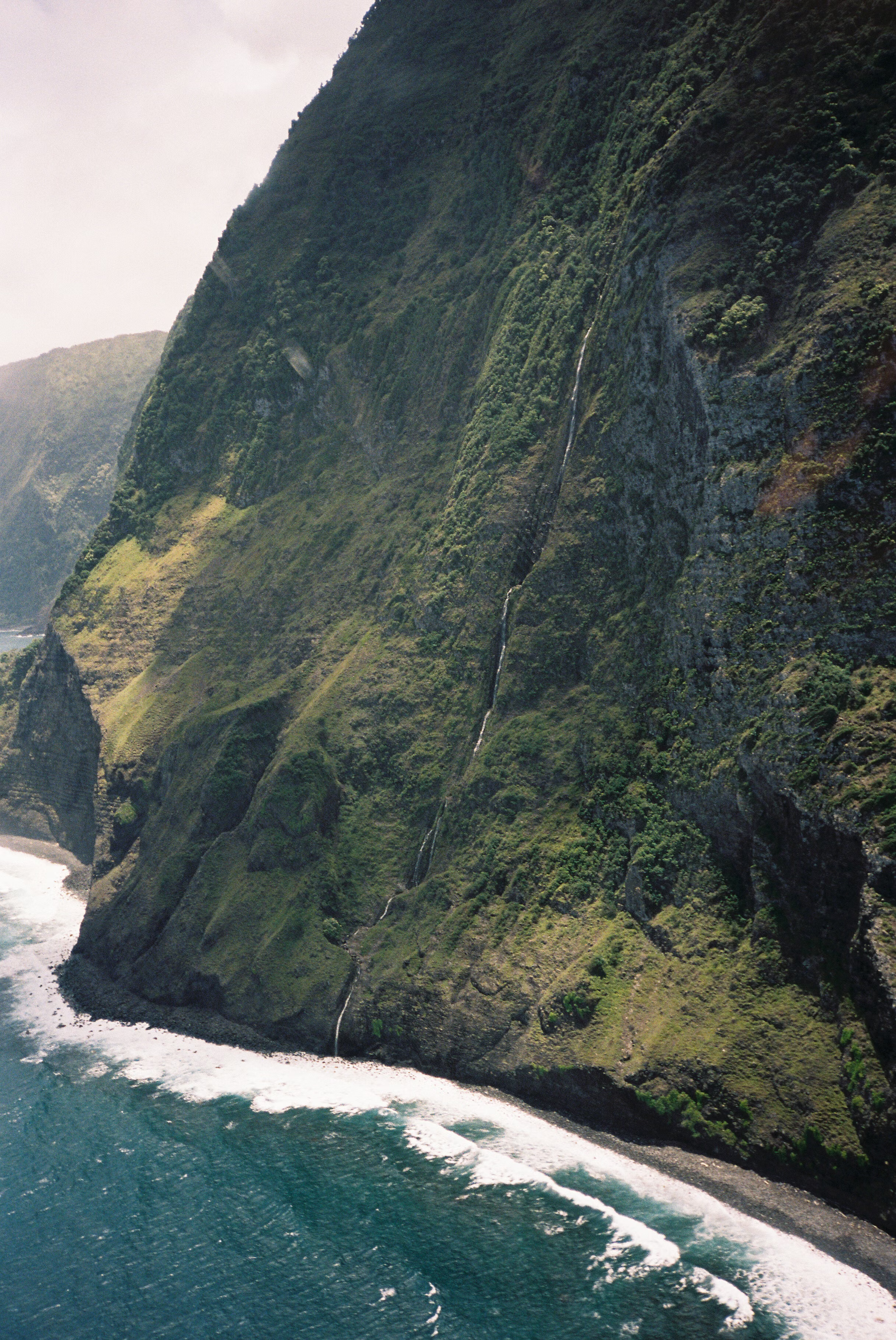
This is not the Hawaiʻi of packed itineraries. It's the Hawaiʻi of doing very little — driving slowly along the coast, talking story with locals, watching the ocean, and adjusting to a pace that feels almost forgotten elsewhere.
Molokaʻi won't be for everyone. But for the right traveler, that's exactly what makes it special. If a client asked me about Molokaʻi, I'd first make sure they understood exactly what kind of experience they're in for. More often than not, I'd recommend pairing a few peaceful days on Molokaʻi with another Hawaiian island so they can experience both authentic, old Hawaiʻi and the luxury resorts and amenities the state is also known for.
Getting There
Molokaʻi has no direct mainland flights and, unlike Lānaʻi, no resort-run air service either — you'll connect through Honolulu or Kahului via Mokulele Airlines or Southern Airways Express. There's no ferry option here; the old Maui-Molokaʻi route was discontinued in 2016. A rental car or private driver is essential once you land, and worth booking well ahead, since the island's limited inventory sells out faster than you'd expect for how few visitors actually come.
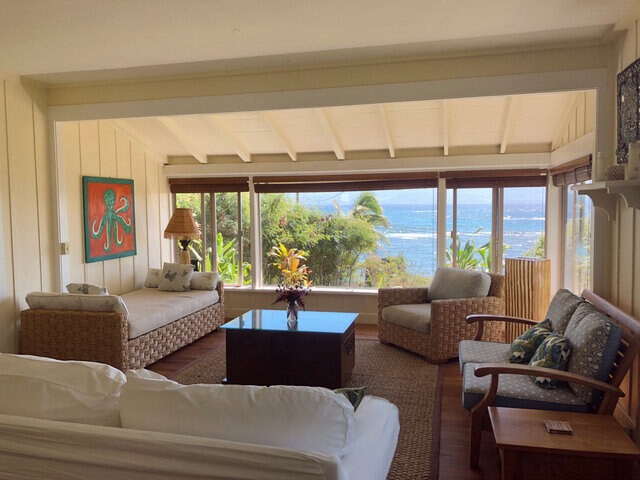
Every Hawaiian Island Tells a Different Story
Some are lush and quiet. Some feel polished and luxurious. Some are wild, volcanic, and still being formed. But each one offers its own version of paradise — and part of the magic is finding the one that feels most like yours.
If you're still deciding, here's the short version:
- Kauaʻi — honeymooners, nature lovers, and anyone craving seclusion
- Maui — first-time visitors who want a little bit of everything
- Oʻahu — travelers who want culture and history alongside the beach
- The Big Island — anyone drawn to raw, elemental landscapes and volcanoes
- Lānaʻi — quiet, private luxury without the crowds
- Molokaʻi — old Hawaiʻi, best paired with a few days somewhere more resort-forward
Most of my clients don't choose just one. These islands play well together, and a well-built multi-island itinerary often ends up being the trip people remember most.
As a travel advisor who has visited almost every Hawaiian island, helping travelers find the right fit is one of my favorite trips to plan. This is the kind of planning I specialize in, especially for families, larger groups, and weddings in Hawaii — not just picking a hotel, but building the flights, inter-island connections, and pacing so the logistics disappear and the trip just works.
Hawaiʻi isn't just a vacation destination. Done well, it becomes a place you carry with you long after you leave. If you're ready to figure out which island (or combination of islands) is right for you, connect with me below and let's start planning.

Related Stories
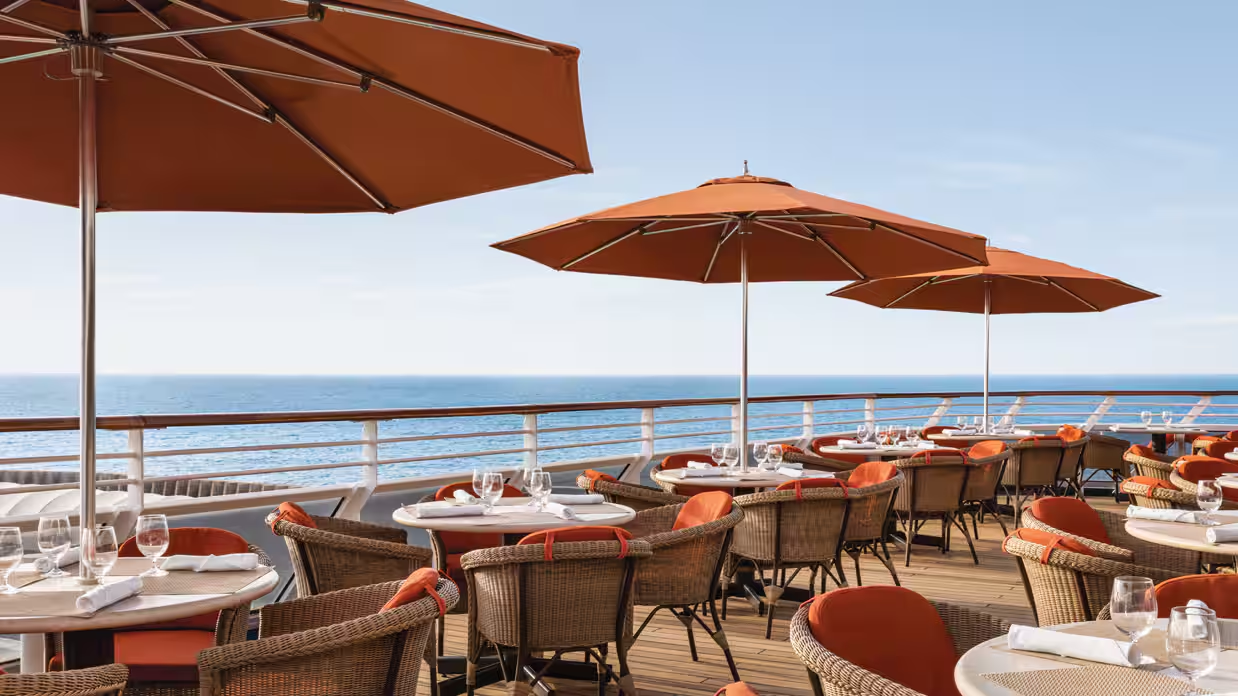
Confessions of a Converted Cruiser: How Alaska and Oceania Changed Everything
A self-proclaimed non-cruiser boards Oceania for an Alaskan voyage — and discovers that breaching humpbacks, foie gras-topped filets, and glass-smooth mornings can change a traveler's mind entirely.
By Cassie Bacon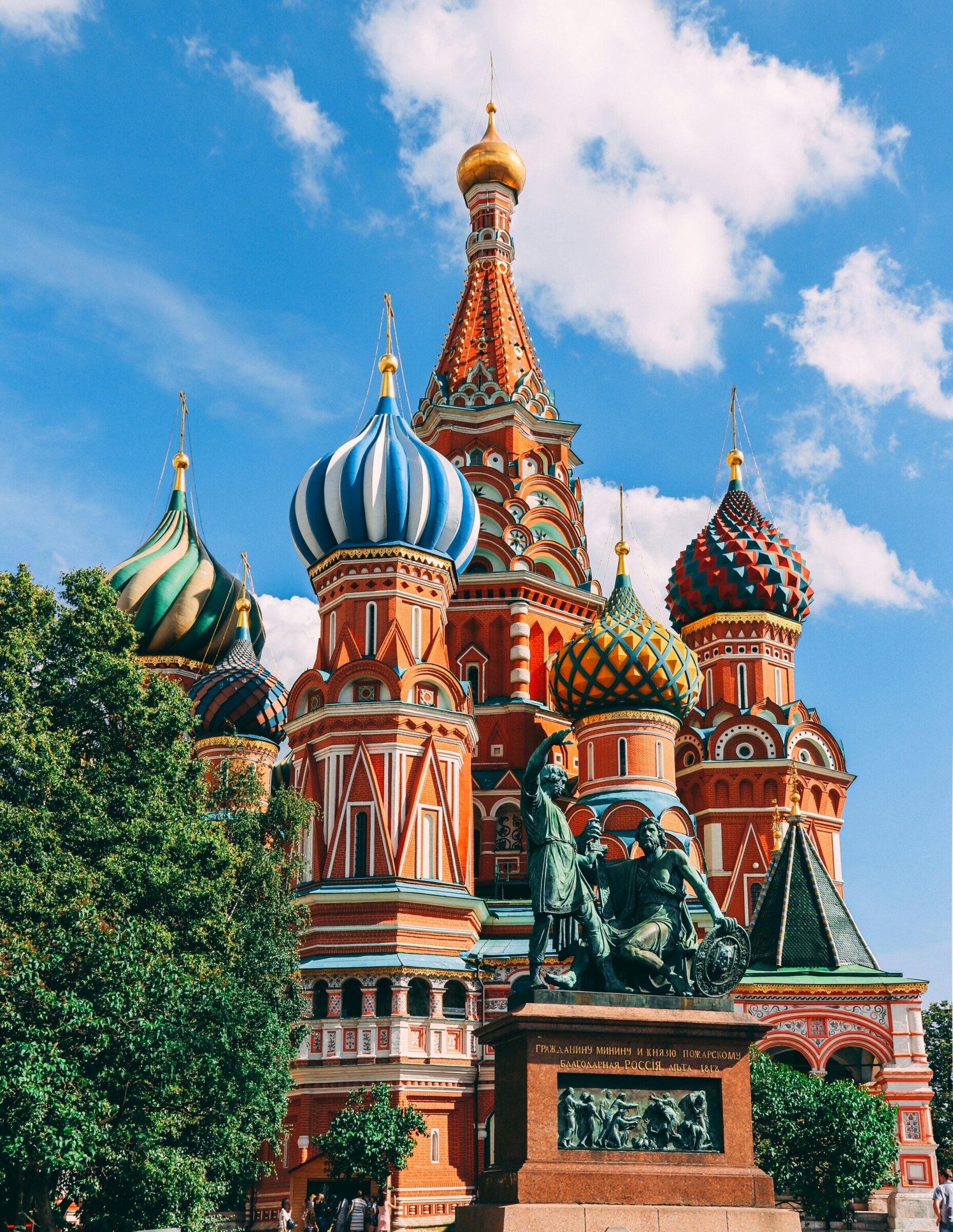
An Honest Case for the Trip You Keep Talking Yourself Out Of
Stood in Siberia expecting Cold War ghosts — found kindness instead. In Tuscany, tasted food that held memory of the earth it came from. At Machu Picchu, felt small and significant at once. Time has taught me the world is overwhelmingly kind, but only reachable if you give yourself permission to go.
By Cassie Bacon
The Grand Tetons Are Calling: Ski Season with the Four Seasons Resort & Residences Jackson Hole
From ski-in, ski-out luxury at the Four Seasons to a hidden speakeasy bathed in moody red light, this curated roundup captures everything the discerning skier needs for the ultimate Teton Village experience.
By Amy Van Den Top
Local’s Guide to Chicago: America’s Most Underrated Luxury Family Escape
From a Chicago rooftop pool where snow falls beyond the glass, to afternoon tea that needs no occasion — this city rewards the traveler who slows down. Even after thirteen years, it's still a city that my family and I can discover anew.
By Natalia Semizarov
Multigenerational Travel Is Having a Major Moment: Here's The What, Why, Where, and How
Multigenerational trips are the fastest-growing travel trend — and for good reason. From grandparents initiating the adventure to Gen X bridging generations, families are trading scattered getaways for one unforgettable shared experience.
By Sara Ryburn
Hotel Xcaret México Review: Everything You Need to Know Before You Book
With eight distinct Casas, five adventure parks, and over 20 restaurants, Hotel Xcaret México is the Disney of the Riviera Maya. My biggest takeaway? Don't arrive unprepared.
By Alexis Dunfee