
Travel Tips
First Time Abroad? What I Wish I Knew Before My First International Trip
From language basics to navigating foreign transport and staying safe abroad, these are my hard-won lessons from years of international travel—so you don't have to learn the hard way.
April 17, 2026
What I Wish I Knew Before My First International Trip
I had no idea what I was doing my first time abroad, at age 18. Armed with a single guidebook and a Pinterest board, I traveled to Rome and southern Italy with my grandmother, exploring ancient ruins, the Amalfi Coast, hundreds of churches, and Vatican City. But on my first full morning in Italy, I tried to order a pastry and coffee for breakfast, stumbling over too many "grazies" and realizing with a sickening feeling in my gut that I was inconveniencing everyone who worked there.
I'd spent months researching, reading, and planning, but even so, the culture shock and the reality of being immersed in the unfamiliar hit me swiftly upside the jaw. I couldn't read a single sign; every time I spoke, I annoyed the local taxi drivers, and people kept staring as I confidently led our small party in entirely the wrong direction. My ignorance was obvious, and I didn't know how to ask for help.
Fast forward many years and many flights: I've circumnavigated the globe (by plane only, so far...), met wonderful, helpful people everywhere, become a licensed travel advisor, and gathered a wealth of hard-won lessons from around the world. These are the things I wish I had considered when I began traveling—and that I still consider before any new destination today.
1. Language
Spare a couple thoughts for how you intend to communicate once you've arrived at your destination. Before you go, it's a good idea to learn a basic amount of the language of the country you'll be visiting. Taking the time to do this will ease your culture shock and take some of the travel anxiety away. Even if you pronounce the word incorrectly, getting a real smile from the baker your first morning will make you feel ten times more welcome than if you'd stayed silent and only gotten glares.
Lead with a greeting, say please and thank you, and bid locals farewell when you can. Basically, just be a decent person and keep in mind that you're visiting their home, so be a kind guest.
My best advice: laugh at yourself. No one cares about your bad pronunciation; they'll be happy to see you try, especially if you laugh first.
Duolingo is an excellent app for basic language practice. Even a couple of lessons on the flight over can help you acclimate to a new culture.
2. Getting Around
If you research one thing before your first time abroad, make it transport.
Did you rent a car? Arrange private transfers? Are you relying on taxi services or ride shares? Braving public transportation?
The most important question to ask is how you are getting from the airport to your hotel. You'll be tired, you'll have all your luggage, it might be late, you've never been there. The best option—which I didn't realize until it was too late—is to have a private transfer ready for you.
Trust me. You want a nice car waiting when you land, ready to safely drive you and all your luggage to the hotel, so that more transport is the last thing you have to think about after a long flight.
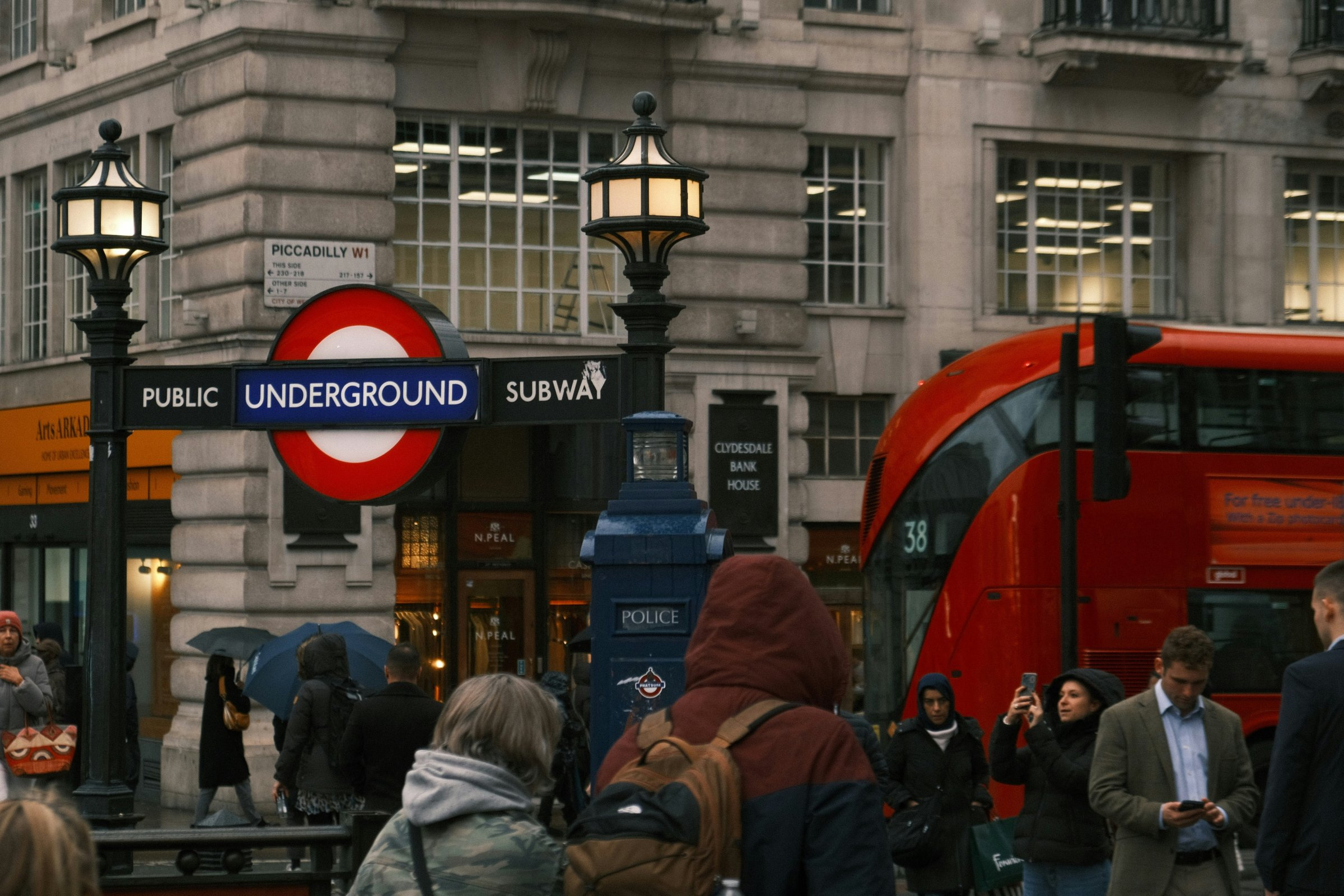
If you opt for public transport, make sure you do your research. The first time I went to Paris, I hadn't researched thoroughly enough, and the process of getting a ticket or pass from Charles de Gaulle airport to the main station, Gare du Nord, took me about three hours waiting in line for ID photos, payment, and confirmation.
Taking the train into the city was a viable option—but not a wise one. I could have had a car ready to whisk me and my luggage into the city, or asked an advisor how to prepare for the train ride into Paris. Instead, I lugged a suitcase through Charles de Gaulle Airport and lost three hours of an already short trip.
Now, my general rule for transport is to decide based on luggage. You want to avoid looking like a traveler, and standing on the side of the road with four suitcases makes it pretty obvious. Your travel advisor can arrange private transfers, easily, or help you find a rental car that will fit your needs.
Travel as light as possible when you take public transport. Metros are best for quick, under-30-minute commutes, and if you look like you're new here, you may be a target for scammers and pickpockets—which unfortunately abound. If you spent the day in the shops and have an armful of luxury shopping bags, don't take the subway. Book a private driver to take you back to the hotel. Don't be a target while you're traveling.
3. Foreign Currency and Local Customs
Having cash on hand in local currency is a good idea. I do not recommend carrying wads of cash, but keeping a few bills available keeps your options open if you decide to venture off the beaten path — which I always recommend. Local customs often anticipate or appreciate cash tips left on the table or after a tour or service (a few coins or bills will usually do), and some smaller eateries, shops, and street food vendors in more remote destinations only accept cash.
Plus, you never know when the music at a dimly lit pub in Ireland or the singing of a young busker below the Eiffel Tower will move you to drop a few spare bills in the artist's tin.

4. Travel Safety Tips
What are the biggest safety risks for first-time international travelers? The unaware traveler is the biggest target for scammers and pickpockets, which is an unfortunate reality of travel we can't ignore. Do your research and ask your travel advisor about destination-specific risks; the world is constantly evolving, and your safety should be the top priority.
Keep your phone close to your body and held tightly or secured with a wrist-strap, especially if you're extending it to take a photo. Bags should be kept close to your body and closed—I travel with a crossbody purse almost exclusively, now.
My basic rule of thumb: if they want your attention, don't give it.
- Don't take gifts or anything "free."
- Don't stop for panhandling
- Don't take pictures with strangers if they ask
Pickpockets often work together to cause a scene. Examples I've encountered around the world include a couple "fighting" loudly in public, teenagers staging a fight, overly friendly strangers requesting photos, and strangers offering "free" bracelets to celebrate something, only to be pressured relentlessly into "donating." If they're trying to get your attention, do not give it to them. Traveling is safest when you remain alert and use common sense to avoid placing yourself in dangerous situations.
The easiest way to cover all your bases if you are a first-time traveler is to work with a LuxRally Travel advisor. Our services are complimentary, all-encompassing, and personal to you—from arranging private airport transfers to advising on local customs and safety, we handle the details so you can focus on the experience.
If you're taking the leap across an ocean, work with one of our advisors to elevate and ease the entire process. You don't have to figure this out on your own.

Ready to plan your journey?
Our advisors have walked every lodge, driven every route, and planned every detail — so you don't have to.

Written by
Theodora Green1 year advising LuxRally clients
Theodora Green is Senior Travel Editor at LuxRally Travel, where she leads the editorial vision of the LuxRally Travel Journal and curates its team of writers from her base in Los Angeles, California.
Published April 17, 2026
Related Stories

Inside LuxRally Travel's 2026 Symposium: Belmond, Royal Caribbean, and the Advisors Redefining Luxury Travel
A look inside the annual LuxRally Travel Symposium at the Four Seasons Miami Brickell. Over fifty vendors, expert advisors from across the country, and hospitality's best and brightest, all in one building.
By Theodora Green
From Oil Exec to Luxury Travel: Building a Business with Authenticity
An Australian oil and gas executive turned luxury travel advisor, Alisha Myers, shares how she rebuilt her career from the ground up—by showing up every single day and letting authenticity drive her success.
By Theodora Green
Tired of the Mass Market Cruise Experience? These are Your Best Upgrade Options
If you've loved big-ship cruising but crave fewer crowds, better food, and boutique-hotel refinement, affordable luxury lines are the natural next step. Here are your best options — and how to choose the cruise line that fits you.
By Gena Zak
The 5 Most Common Complaints I Fix as a Travel Advisor
Your worst travel memories are the blueprint for your best ones. A travel advisor explains why he wants to hear your complaints first — and how he turns gripes into dream itineraries.
By Phillip Ritzenthaler
7 Lessons I Share with Every Client Traveling to the UK and Ireland
From sheep poking their heads through screenless windows to discovering the charm of pub hotels, these are the surprising, hard-won lessons I learned from my first overseas adventure across Ireland and the UK.
By Cyndi Kirchhoff
The Crème de la Crème: The Apex of Ultra‑Luxury Yacht‑Style Cruising
From Ponant's expedition elegance to Aman's floating sanctuary, discover the most coveted names in ultra‑luxury yacht‑style cruising and how to choose the perfect voyage for your travel style.
By Gena Zak