
Foraging Tourism
Where the Wild Things Grow: Foraging as a Luxury Travel Experience
From a Wisconsin herbal conference to the dream of morel hunting in Sweden, one writer traces how foraging-focused travel offers what no five-star resort can: true connection with place through nature.
By Sarah Garza
September 9, 2026
The scent of waterlogged wood reached me before the light did.
Each breath carried the deep, mineral dampness of a forest floor softened by rain. Then came the sun, streaming in beams through a tangled web of branches, casting that heavenly golden glow photographers chase and forests so generously give.
This was my first Herbal Conference, a wellness gathering and market held annually in Dodgeville, Wisconsin. I was there with my mother, about to step into a world I hadn't known I'd been looking for.
We had come for the wellness workshops and guest speakers, but what kept me at this herbal conference was the people who had built their lives around the land's generosity. Local vendors lined the pathways, their tables bearing jars of homemade honey and handcrafted soaps, each product a small biography of the place it came from. This wasn't commerce in any way I recognized; this was communion.
I didn't know it yet, but that weekend in the Wisconsin woods would crack open a question I'm still seeking an answer to: what does it mean to truly connect with a place? Not to visit it, photograph it, or check it off a list — but to kneel down, get your hands in its soil, and let it feed you.
The Woman Who Made Mushroom Honey
Among the vendors, one woman stopped me in my tracks. She sold mushroom-infused honey — an unlikely pairing that, once tasted, felt inevitable. Each honey variety came from local bees, and each jar featured a different mushroom species, the fungi foraged from the surrounding woods and married with sweetness in ways that revealed new dimensions of both ingredients.
I bought a jar of her cinnamon variety, made with the Lion's Mane mushrooms she'd gathered. When I tasted it at home, it was earthy and warm at once — the deep, woodsy undertone of the mushroom grounded by the familiar heat of cinnamon, all of it held together by the floral complexity of local honey. It was a single spoonful that tasted like a place, and I found myself standing in my kitchen, jar in hand, wishing I were back under those Wisconsin trees.
That jar changed how I thought about foraging. This wasn't just gathering food from the wild. It was an act of deep attention: knowing which species grew where, understanding what the forest offered in each season, and transforming that knowledge into something others could taste. Foraging, I began to realize, was a form of intimacy with the land.
Letting Things Flourish Where They Belong
The conference's most powerful moment, for me, came not from the forest but from a stage. Robin Wall Kimmerer, the acclaimed author of Braiding Sweetgrass, gave a speech at the conference about our relationship to places and with the land. Her message was, in short, both an ecological argument and a philosophical one:
We should let things grow where they naturally flourish, rather than reshaping the landscape to be visually pleasing.
That idea lodged itself somewhere deep in me. So much of modern travel — and modern life — is about rearranging the world to suit our expectations. Manicured resort gardens where native wildflowers once grew. Imported palms where oaks should stand. Kimmerer was asking a different question: what if we met the land on its own terms? What if we went to a place not to find what we wanted, but to discover what it had to offer?
Foraging, I realized, is exactly that practice. It asks you to pay attention to what is already there; to learn the language of a landscape rather than imposing your own. It is the opposite of the curated, the controlled, the Instagram-ready — and maybe that is precisely why it matters right now.
Incorporating Foraging into Luxury Travel
Luxury means different things to different people: for some, it is thread count and champagne at the lift of a finger. For others, it is the thrill of kneeling in a forest and pulling a perfect morel from beneath a blanket of moss. The most exciting frontier in luxury travel is the space where those two worlds meet.
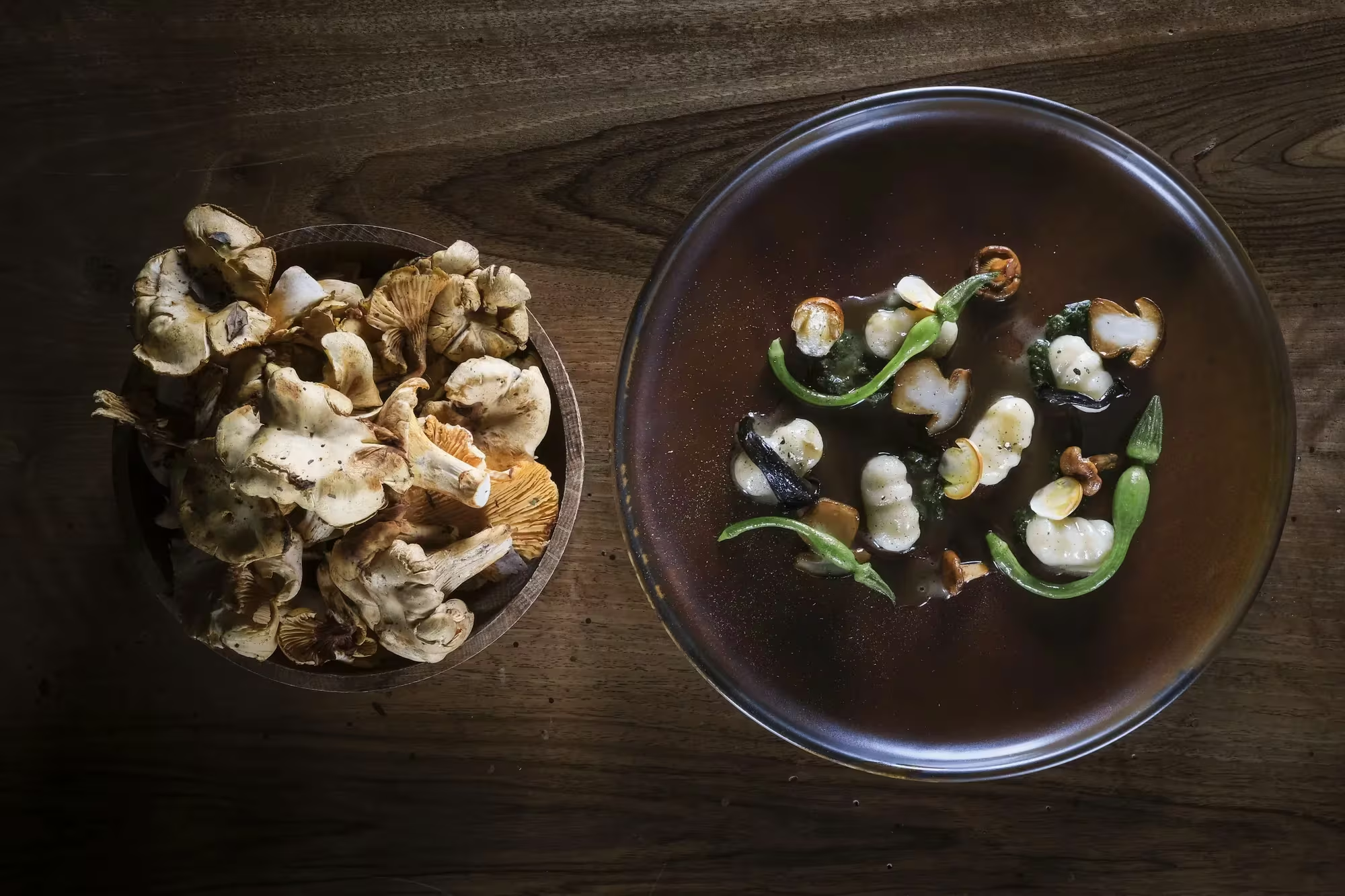
Picture a stay at a centuries-old Tuscan estate, your vintage car rumbling up the dirt drive to a waiting butler at the doorstep. After a day or two of wine tasting and relaxation, a private guide leads you through the surrounding forest, and you're given a scavenger-hunt list of ingredients to find — wild garlic, perhaps, or chanterelles, or the specific herbs a local chef needs for a traditional dish. The hunt has purpose, a delicious destination, and the forest reveals itself differently when you're searching with intention.
Midway through, your guide leads you to a clearing where a wine tasting awaits — glasses of something crisp and local, poured among the trees, the kind of pause that lets you actually see where you are. You sip, you breathe, and then you continue foraging.
The day ends at a beautifully set table inside a luxury property, where a chef prepares a local favorite from exactly what you gathered that afternoon. The menu isn't printed in advance — it's written by the forest, interpreted by the chef, and served to you as something wholly unrepeatable. This is the essence of experiential luxury travel: singular, sensory, and rooted in place. Tomorrow, the land will offer different things, and the meal will be different too. That impermanence is the luxury — and a philosophy that travelers are adopting across the world, in myriad forms, far from exclusive to Italy.
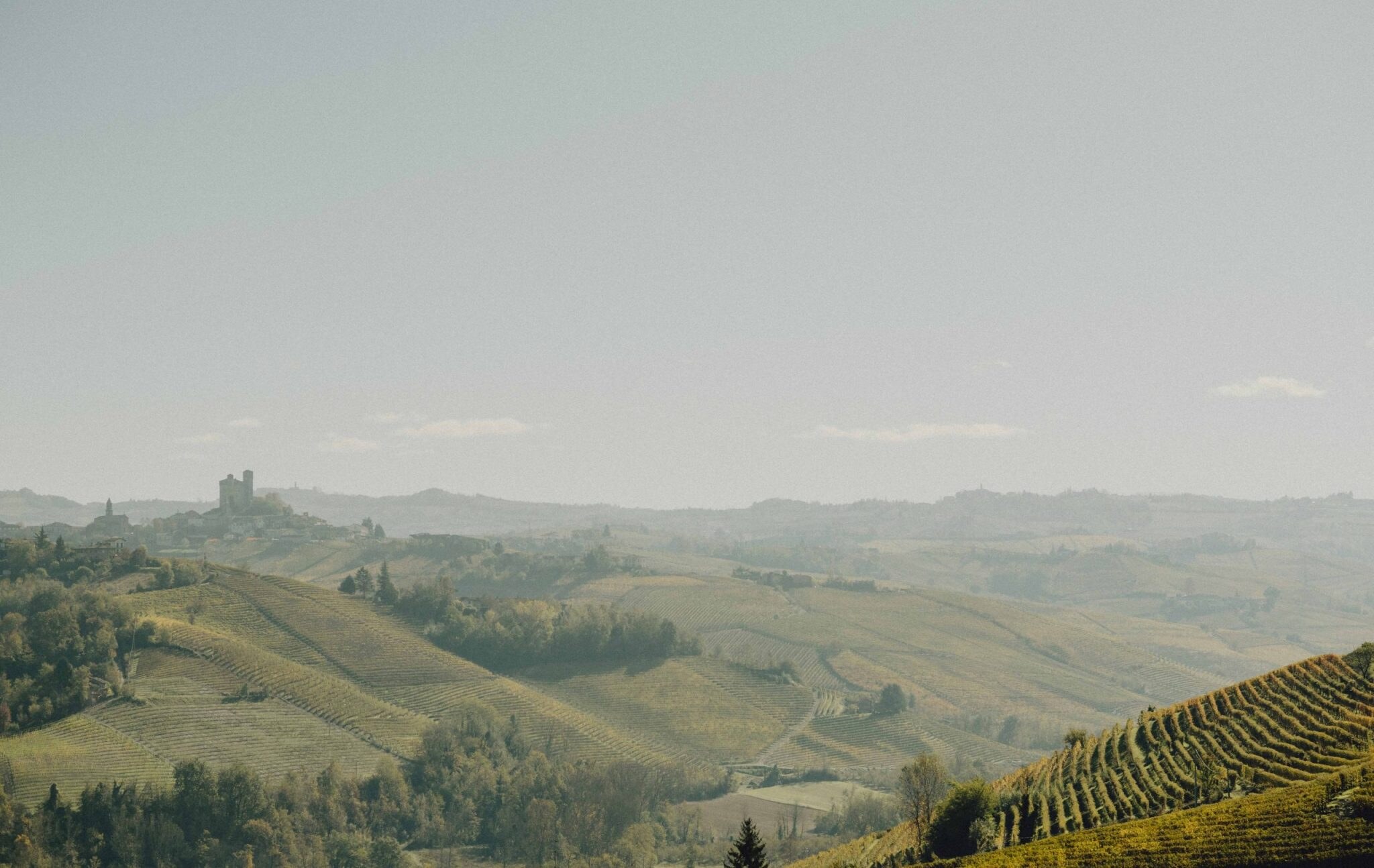
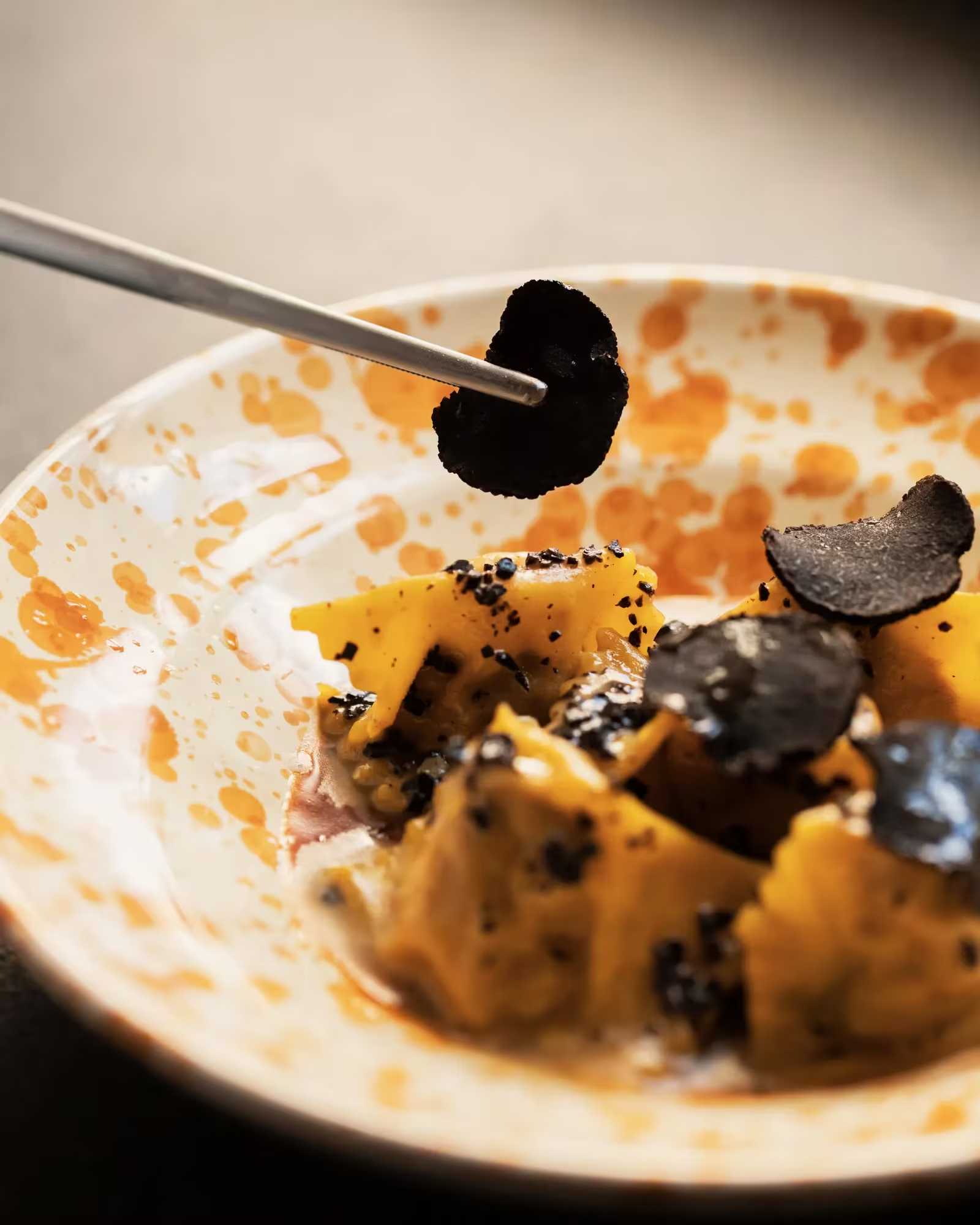
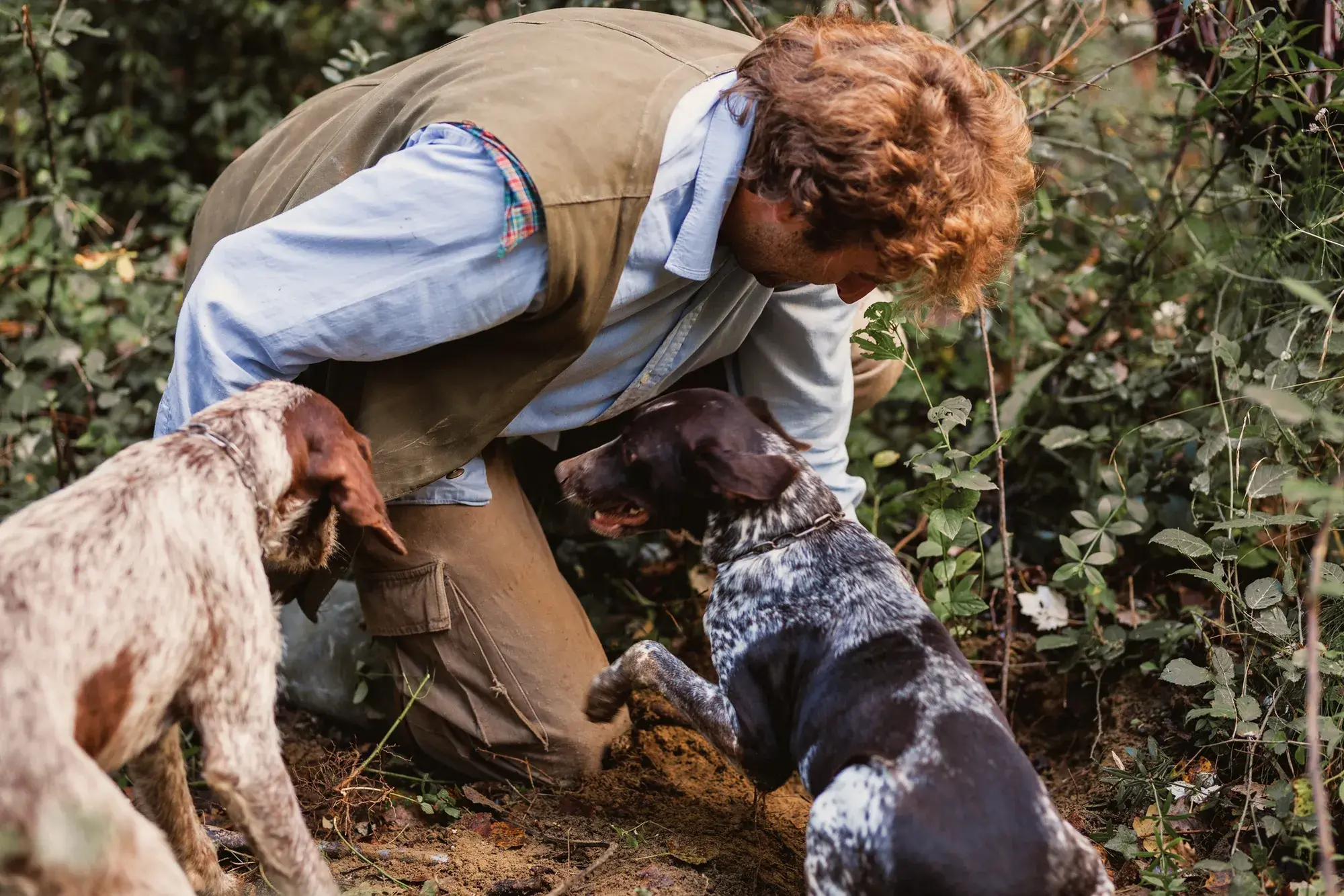
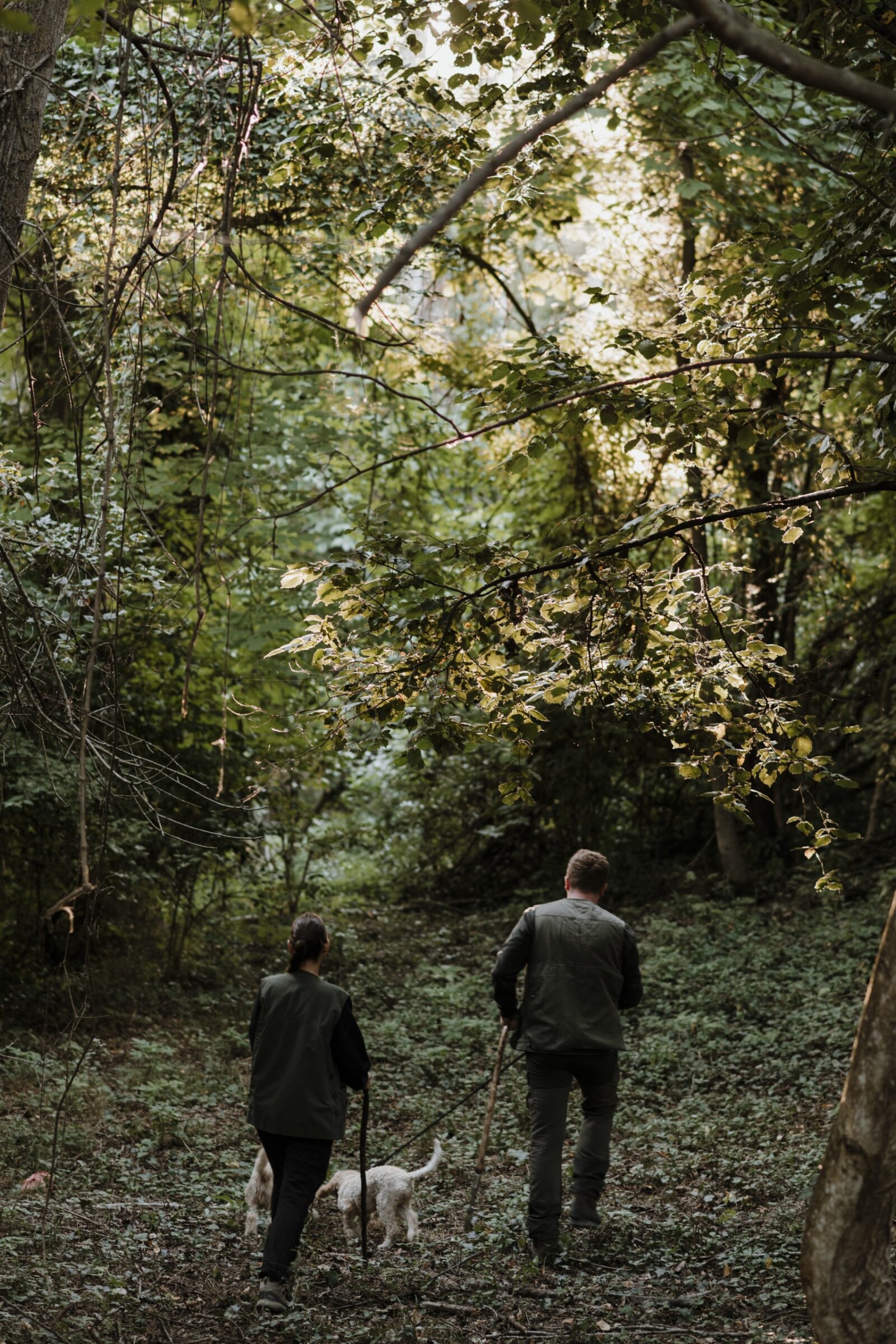
Truffle hunting occupies a similarly hallowed place in the foraging world — and nowhere more so than in the hills of Piedmont or the oak forests of Périgord. Unlike the scavenger-hunt spontaneity of a forest forage, truffle hunting is a ritual: a trained dog nosing through the underbrush at dawn, a specialist guide reading the land with decades of knowledge, and the extraordinary, almost disbelieving moment when the earth yields something worth its weight in gold. Many luxury estates in Tuscany and the Dordogne now offer private truffle hunts followed by a tasting menu built entirely around the day's find — shaved over handmade pasta, folded into butter, dissolved into a sauce that perfumes the whole room. It is foraging at its most theatrical, and its most delicious.
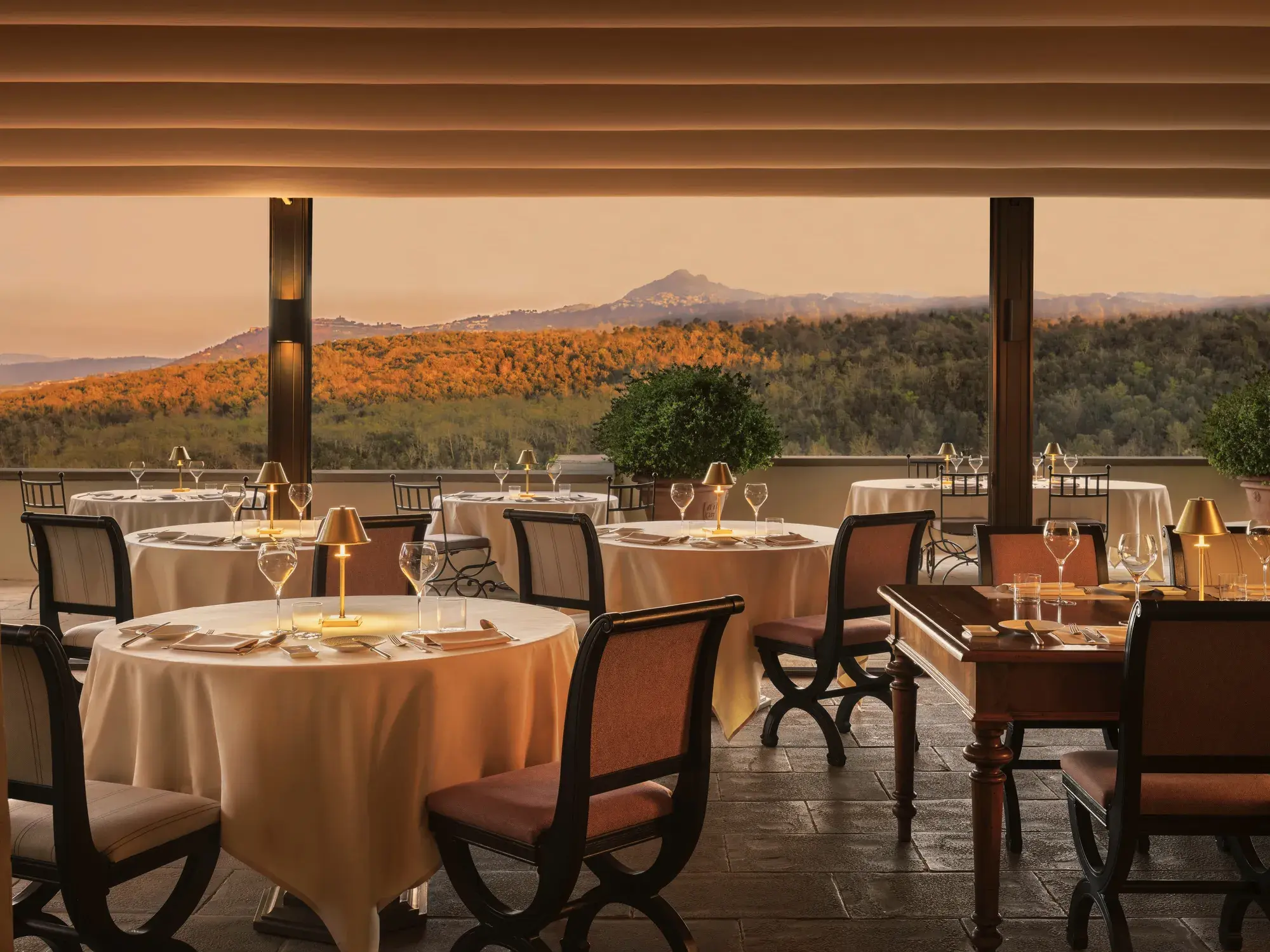
Private Foraging at Castiglion del Bosco, a Rosewood Hotel
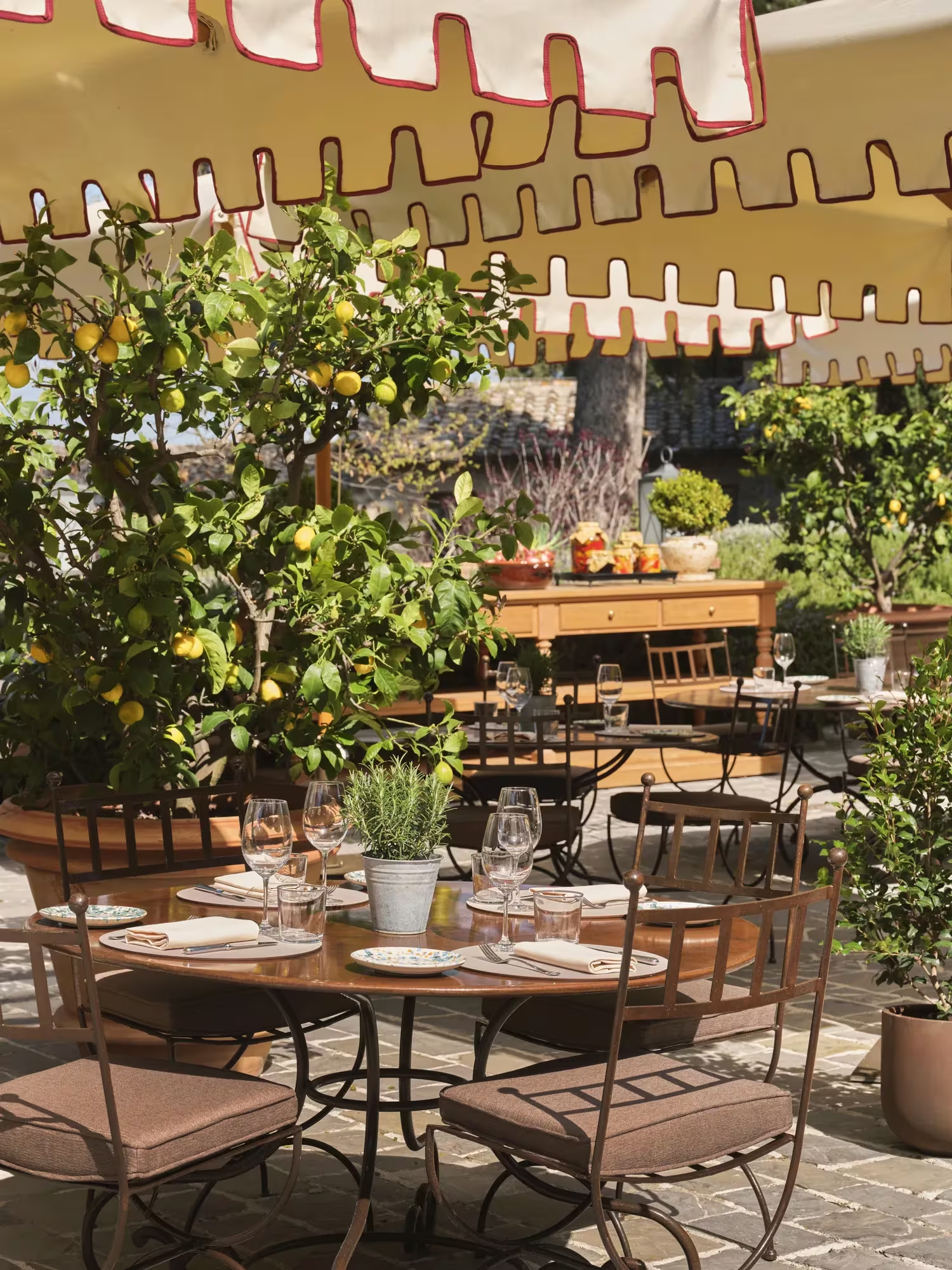
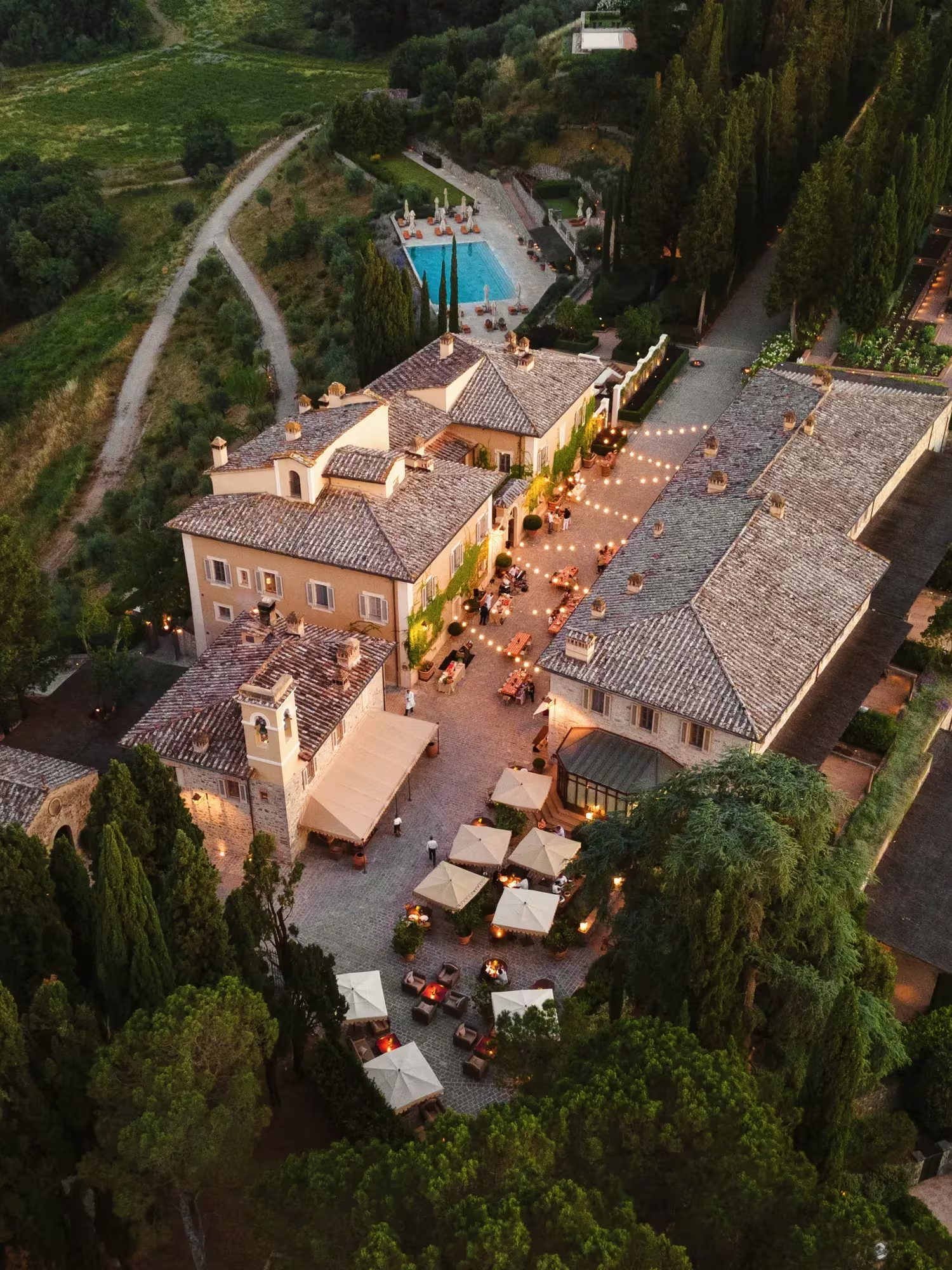
Nestled in Tuscany's Val d'Orcia, a UNESCO World Heritage Site with 900 years of foraging behind it, this luxury estate offers truffle-hunting experiences that immerse guests in the autumn harvest season. Guests explore the rolling hills with their tartufaio (truffle hunter) and trained dogs before a four-course dinner where truffle takes centre stage. For the first-time forager, this is a perfect place to start.
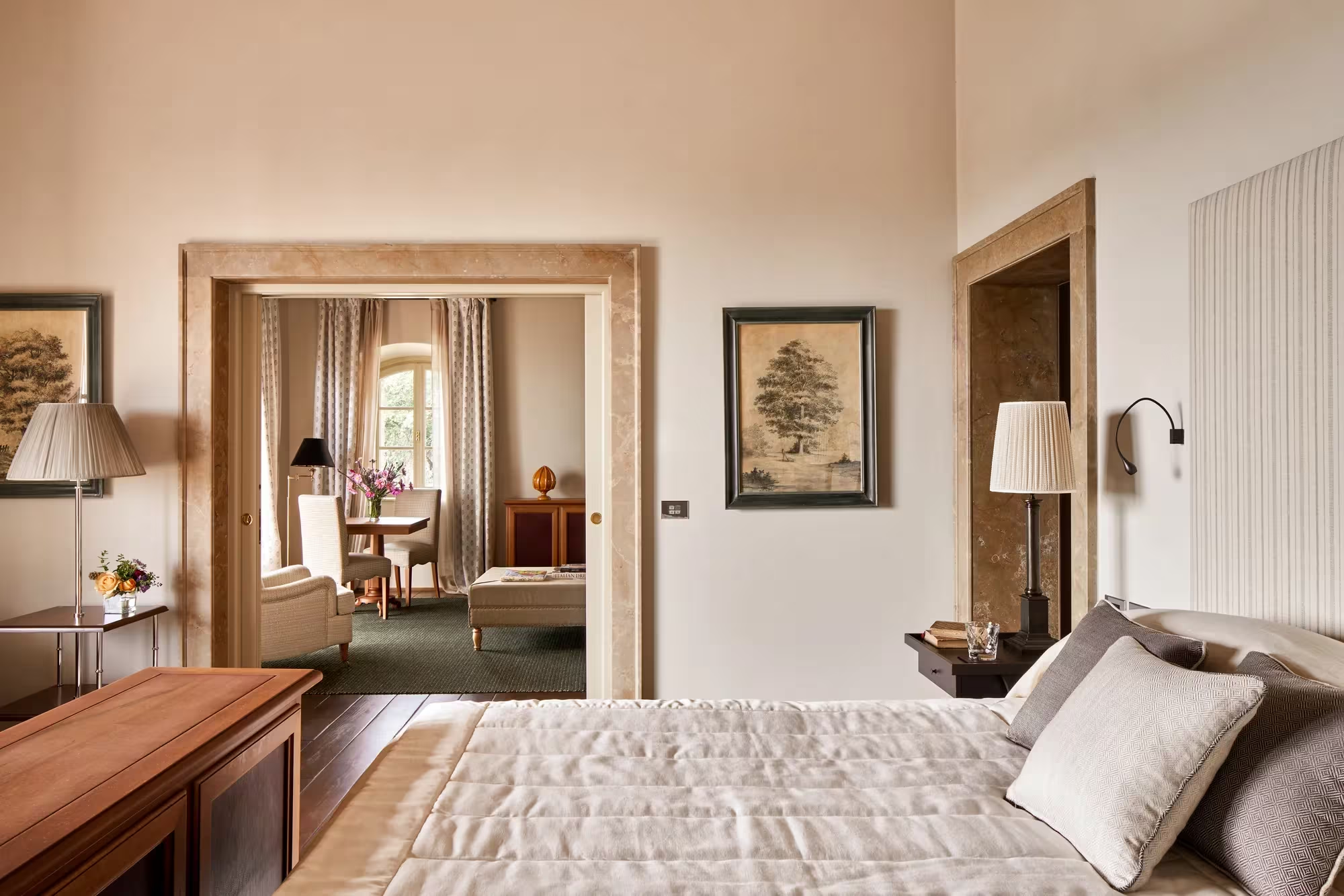
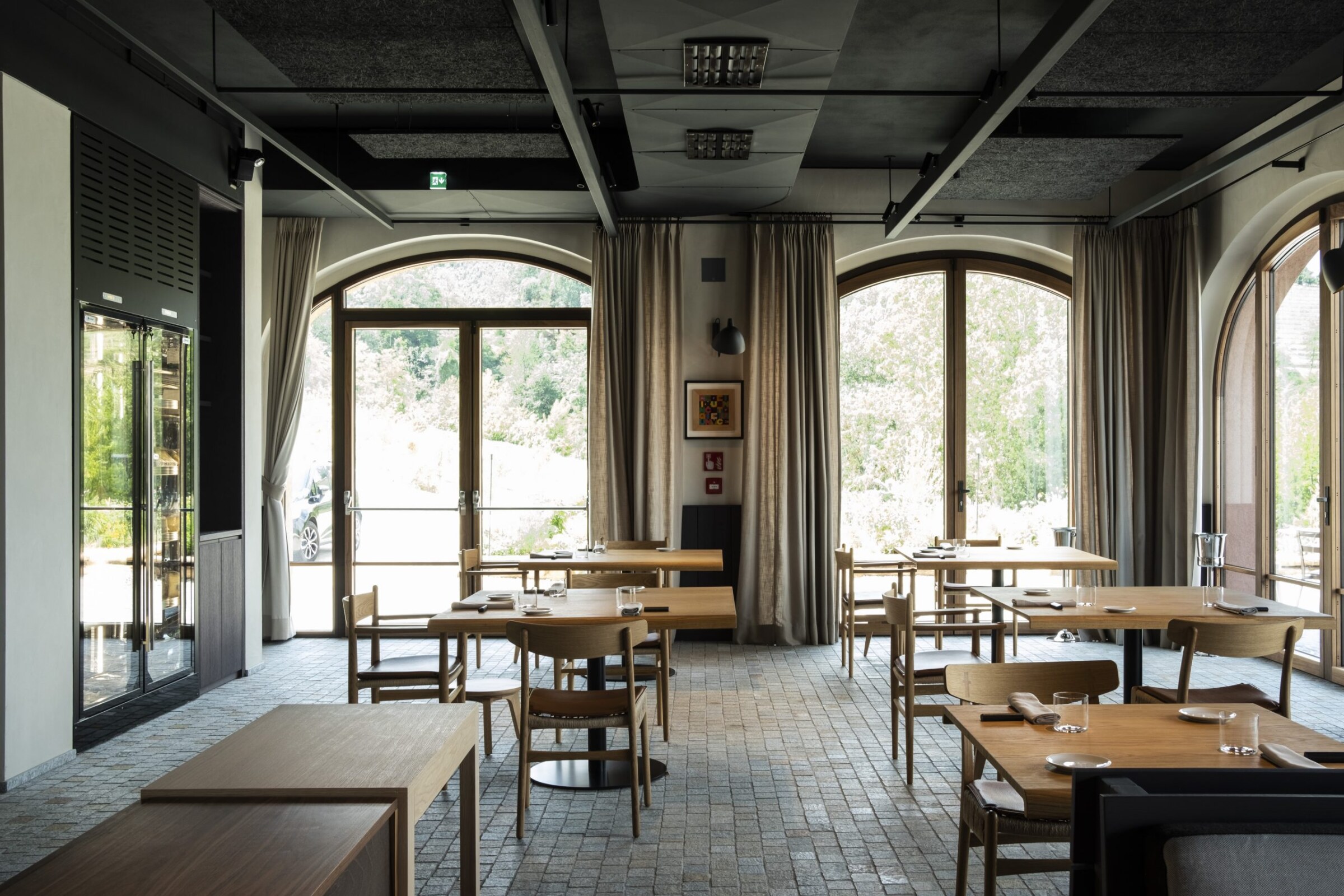
The 42 suites and 11 luxuriously restored villas — each with a private heated pool and warm Tuscan furnishings that feel curated rather than staged — offer the rare sense that you've arrived somewhere rather than checked into a hotel. Dining does real work here too: Michelin-starred Ristorante Campo del Drago, a trattoria inside the medieval borgo, estate-produced Brunello di Montalcino, and a cooking school that turns the kitchen into its own form of immersion. The accolades follow naturally — a Five-Star rating from the 2026 Forbes Travel Guide and Three Keys from the Michelin Guide, a top distinction for an extraordinary stay.
Casa di Langa: Home of the World's First Truffle Concierge
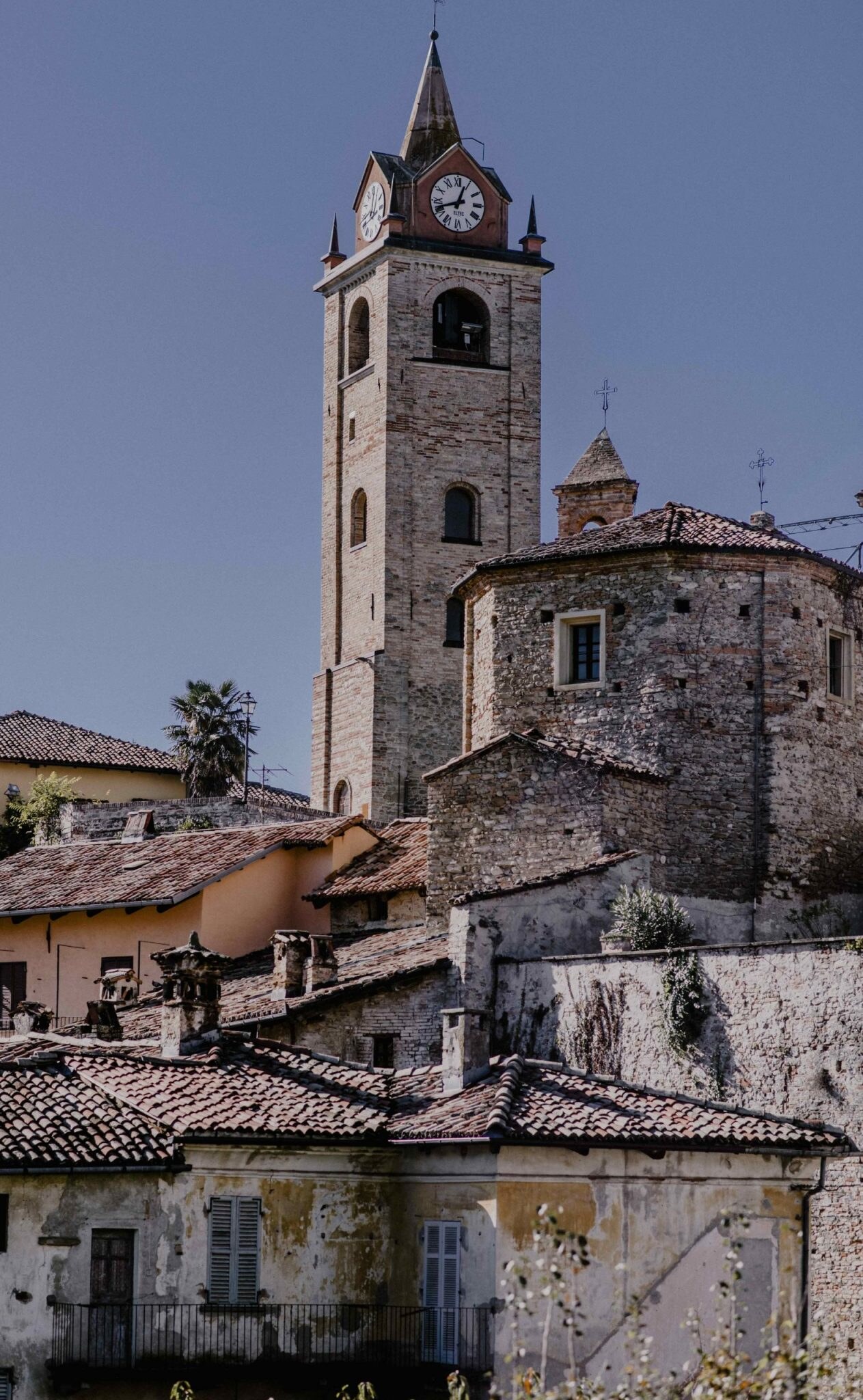
Casa di Langa sits in Piedmont's Langhe hills, a world away from Tuscany in feel — the Alta Langa wine region rather than Val d'Orcia, and the birthplace of both the Slow Food movement and Italy's white truffle tradition. The foraging here is the real draw: guided truffle hunts through the estate's hillside woods with an expert hunter and his trained Lagotto dogs, in search of the same Alba white truffles the region is famous for.
The resort keeps a dedicated truffle concierge on staff to help guests properly preserve and ship home whatever they find. Add in the farm-to-table Fàula restaurant, listed in the Michelin Guide, and a wine academy built around the surrounding Barolo and Barbaresco vineyards, and this is Piedmont's answer to Tuscan luxury foraging — quieter, earthier, and built entirely around what grows wild in the ground beneath it.
These other destinations have shown that the instinct I felt in those Wisconsin woods is not unusual — it is ancient. The longer I spend researching foraging, the more I realize I am not searching for a trend or a tour. I am searching for the same thing the honeymaker was doing when she paired Lion's Mane with local bees: finding out what a place knows, and letting it teach me.
True Connection with Place Through Nature
My mom brought me to those Wisconsin woods, and I walked out carrying more than a jar of Lion's Mane cinnamon honey. I walked out with a new understanding of what travel can be — not an escape from the world, but a deeper entry into it.
Connection with a place, I've learned, is not a feeling. It's a practice. It's the act of kneeling down, identifying what grows, and letting the land decide what you eat. It's pulling a morel from beneath a blanket of moss, tasting honey that remembers a specific forest in a specific season, sitting down to a meal you helped write.
Foraging isn't a trend — it's a remembering of a practice that's been here since long before we were. It's the radical act of letting a place tell you what it is, rather than asking it to be what you want.
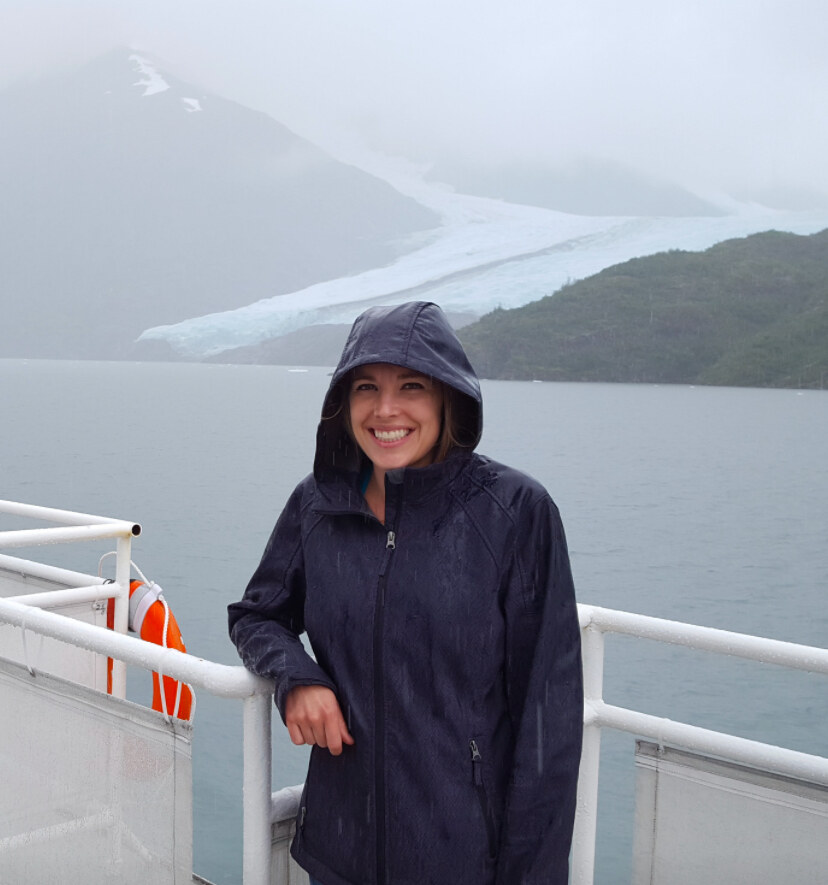
Ready to forage your own path? As a luxury travel advisor, I curate foraging journeys tailored to you — whether that's truffle hunting in Piedmont, morel hunting under the Midsommar light in Sweden, or a bespoke coastal cruise ending at a countryside estate table set in the forest itself.
Connect with me below to find the trip that suits your taste.
Related Stories
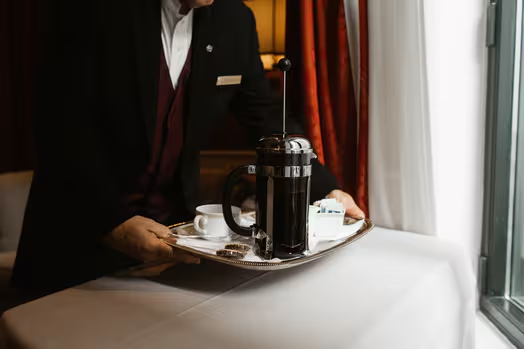
The Lesters of Travel: Luxury Hotels Where Doormen and Butler Service Set the Standard
Inspired by Lester's character on "Only Murders in the Building," a celebration of the real-world doormen and butlers who transform luxury hotels and cruise ships into places that feel like home.
By Sarah Garza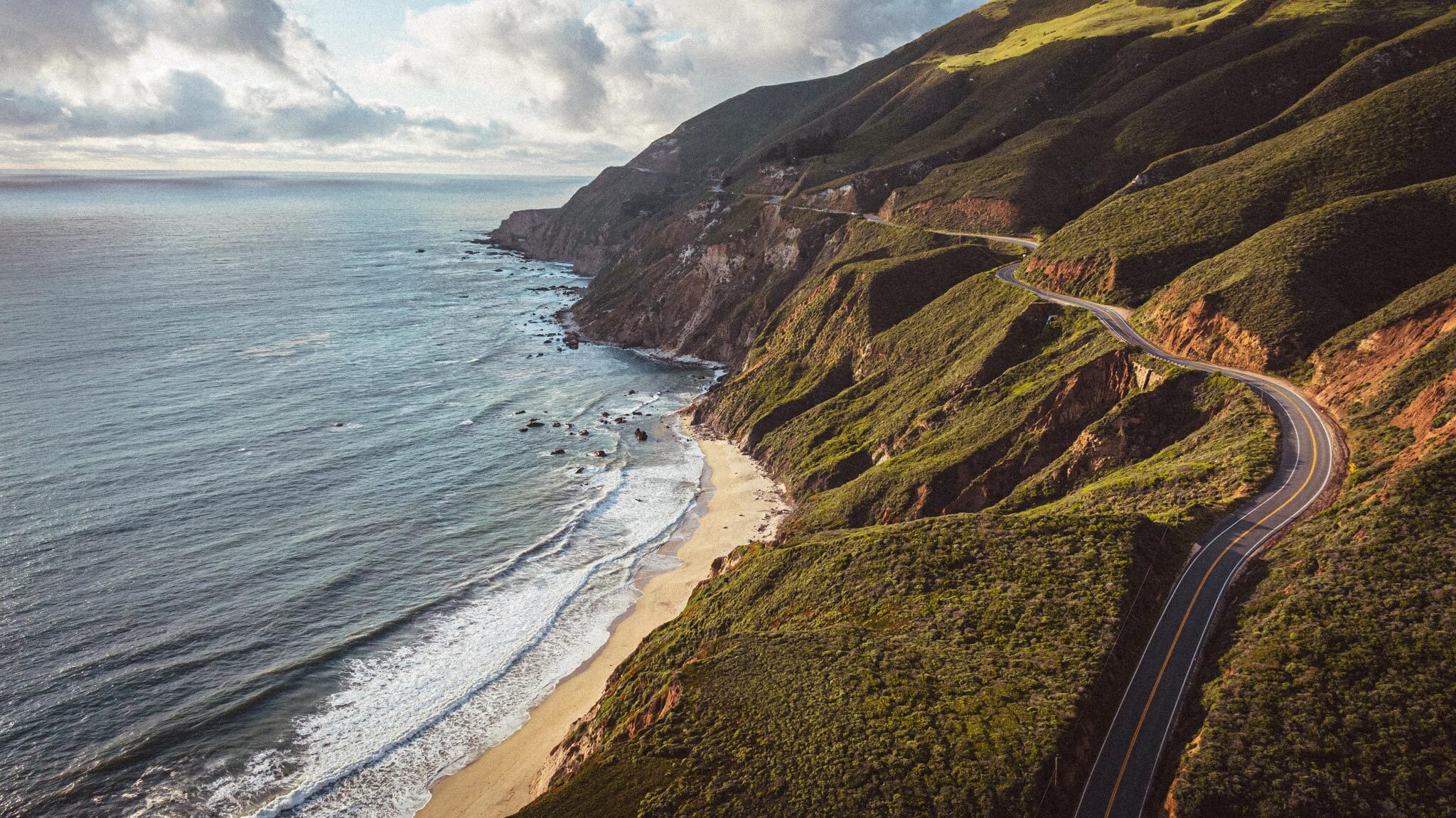
Luxury Along The World's Most Scenic Motorcycle Routes
From the Black Hills to the Italian Alps, these seven stunning motorcycle routes pair the raw freedom of two wheels with world-class luxury at every stop. Grab your helmet and hold on tight.
By Sarah Garza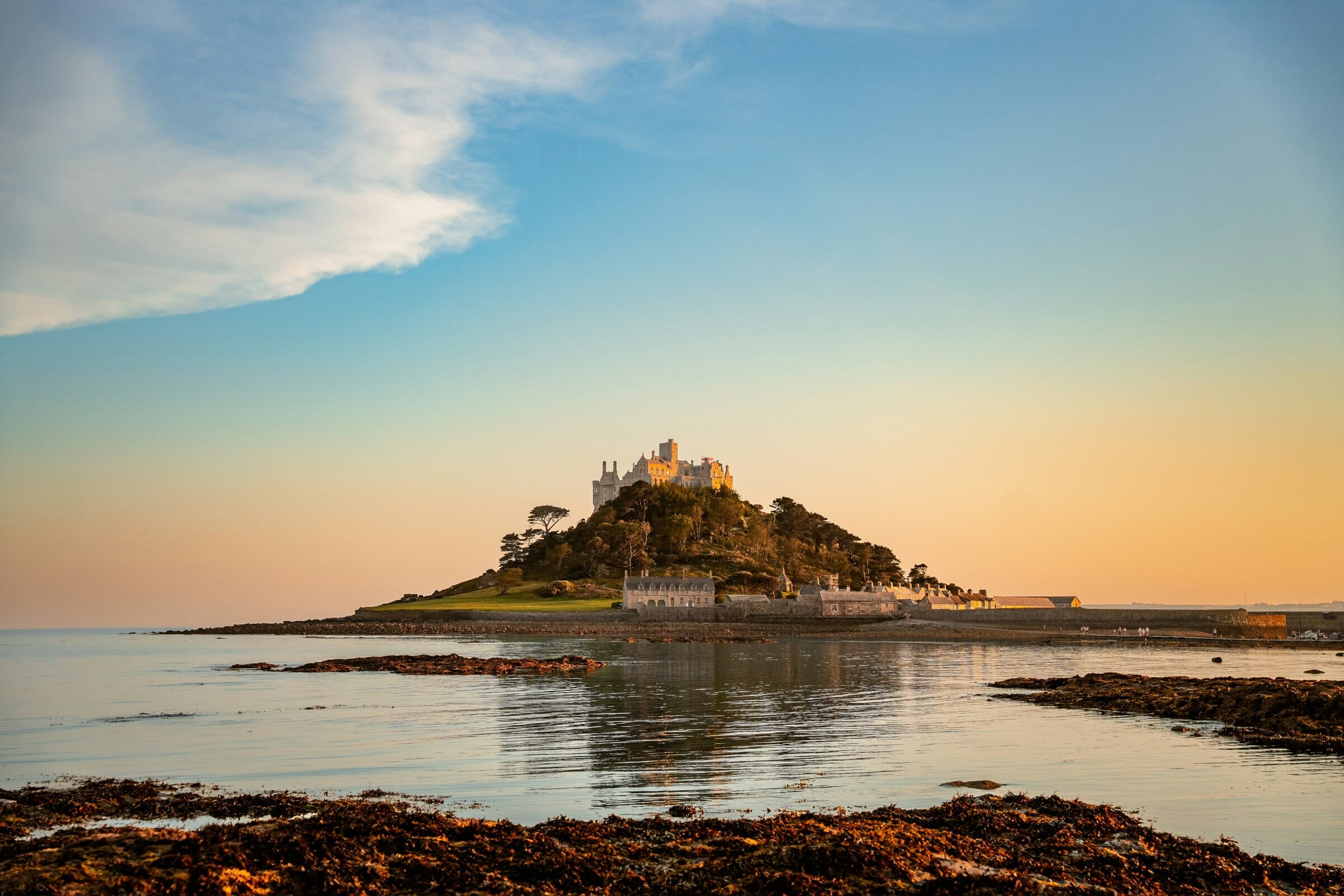
5 Days Along the Cornish Coast: Walking the South West Coast Path
Five days hiking the South West Coast Path from Penzance to Falmouth — hidden coves, unregulated cider, backup chocolate, and the kind of small-town magic you can only find on foot. Even with the meltdowns, it's a worthy walk.
By Hannah Anastasia VogtSchaller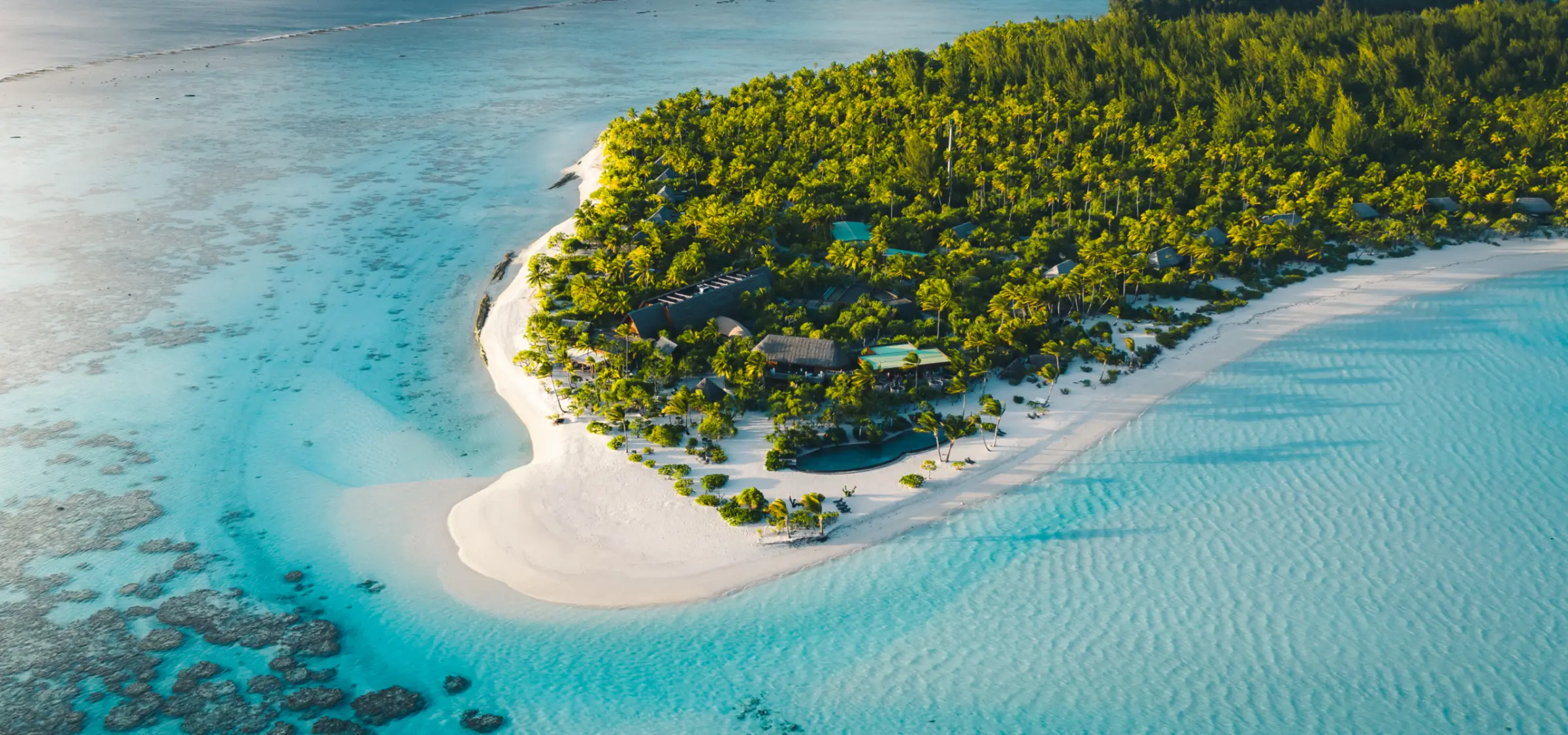
The Brando's Private Motu: One Island Marlon Brando Kept for Himself
A short flight from Tahiti, one islet sits apart from Marlon Brando's own resort, reserved by request for a single party at a time. It is the closest a traveler can get to the man who built this atoll, it's resort, and the private oasis even further from the main retreat.
By Alina Moretti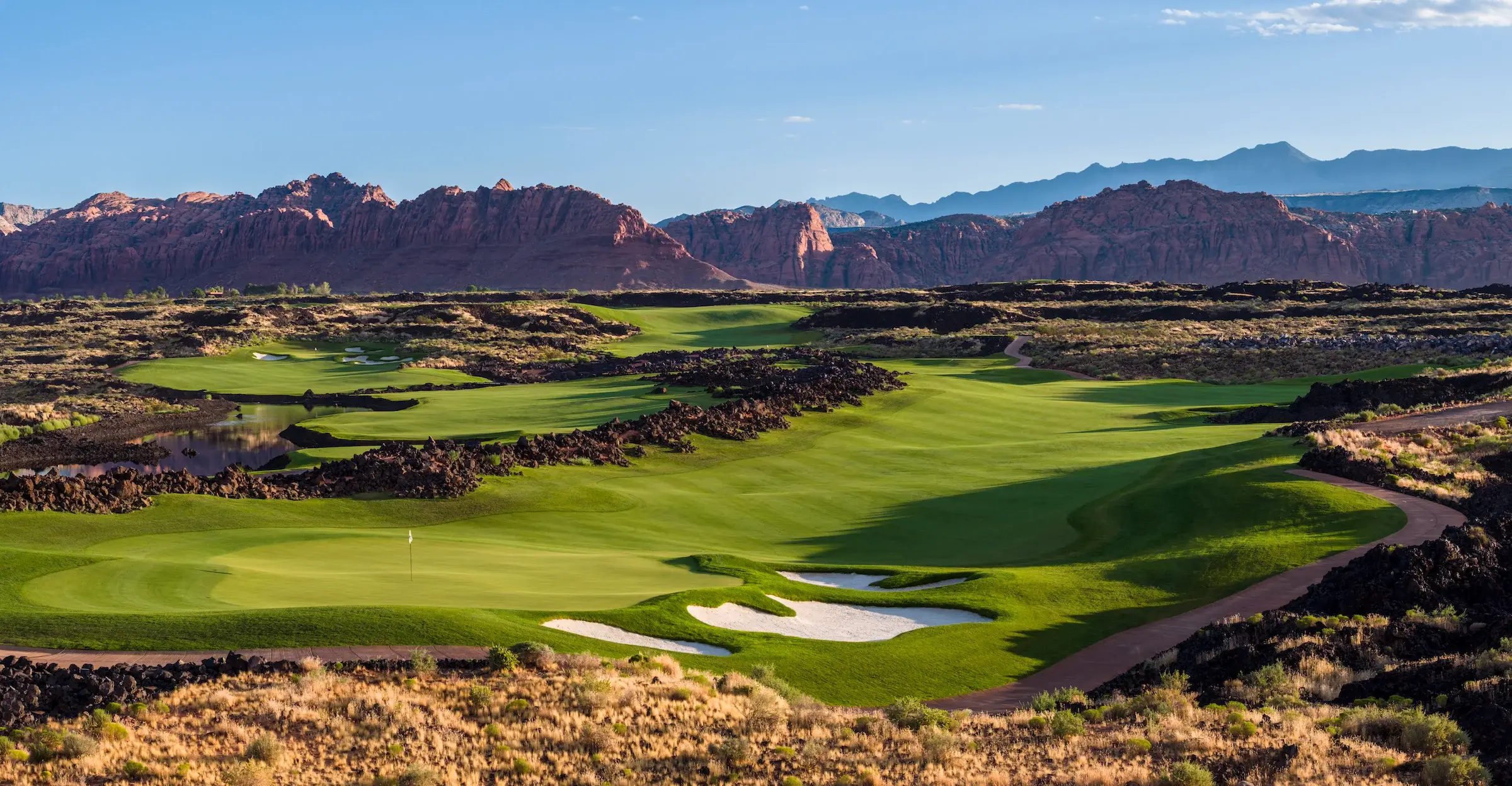
Kona Meets Sedona: Inside Black Desert Resort, Southern Utah's Luxury Escape
Deep black volcanic basalt, emerald fairways, and red sandstone cliffs that shift from terracotta to burnt sienna by the hour — Black Desert Resort shouldn't work as a landscape, but it does, spectacularly. I pulled up on an October morning and realized I was looking at something I'd never seen before in a place I call home.
By Megan Saldibar
The New Science of Living Longer: 5 Anti-Aging Retreats Redefining Luxury Wellness
Five destinations where longevity, biohacking, and genomic medicine have become the most compelling luxury on earth. From Swiss clinics to Mediterranean retreats, the future of travel is biological.
By Alina Moretti