
The Road Less Traveled
Menkake Gyōretsu: Kamakura's Masked Procession and the Art of Wandering
A chance encounter with an elderly charm seller lead to an ancient masked procession at the Goryō-jinja shrine in Kamakura, Japan — and a quiet revelation about luck, gratitude, and where and how they can be found in travel.
August 24, 2026
Silence hangs over Kamakura's tidy streets. Most visitors to Japan never veer from the predictable Tokyo-Kyoto-Osaka itinerary, and even fewer make their way here: a quiet seaside town an hour south of the capital, where the heavy September air and unhurried rhythm of daily life suggest a place entirely indifferent to the pace of Tokyo's hustle.
Fewer still stumble upon the Menkake Gyōretsu, an ancient masked procession held here each year, but those who do rarely forget it.
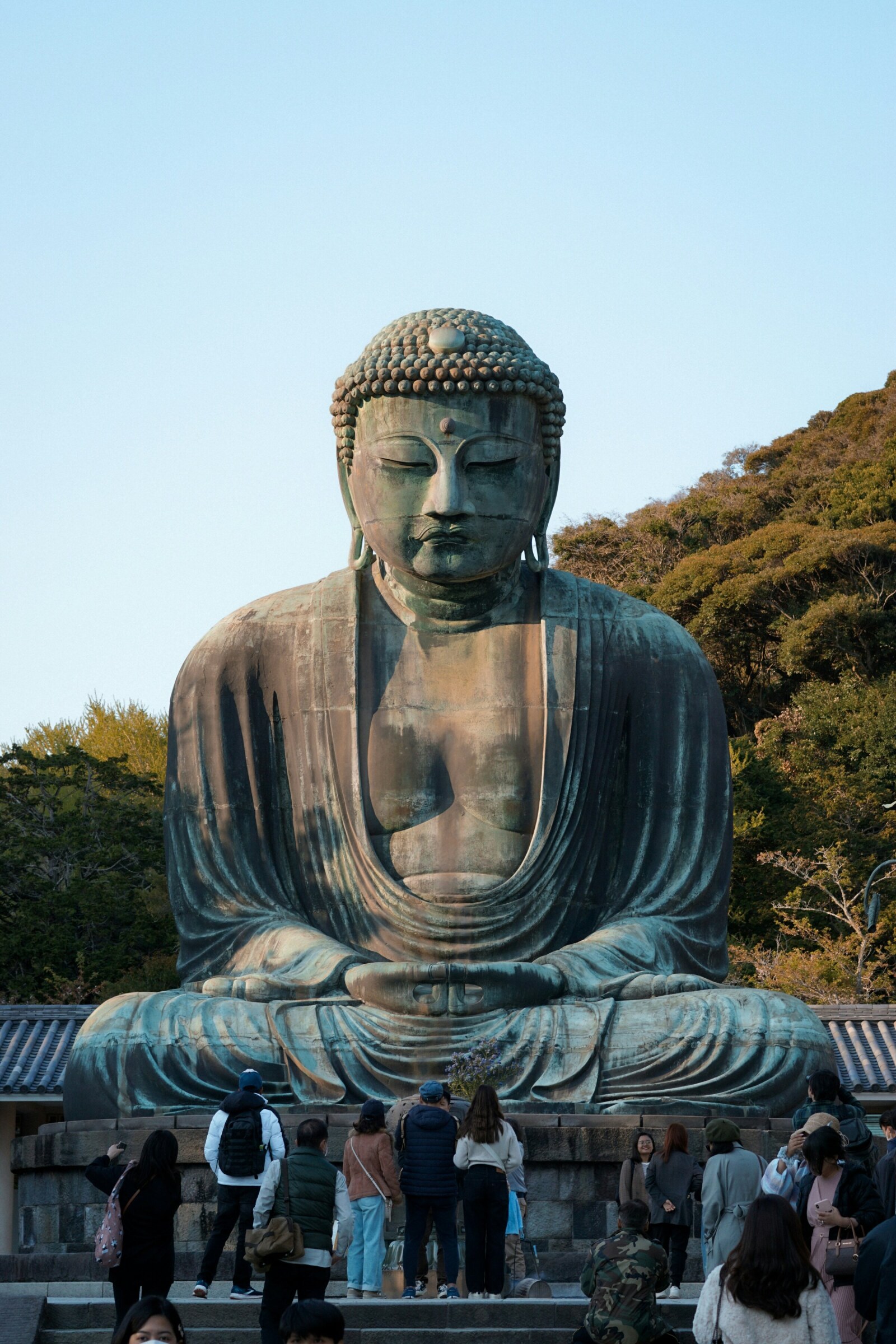
Once the seat of Japan's first warrior government — the Kamakura Shogunate (1185–1333) — Kamakura drew me for the 13th-century Daibutsu, a 267,000-pound bronze Buddha I'd seen in pictures as a child. I'd also come to wander, to lose an afternoon, and add a few more stamps to my growing temple-stamp collection.
What I didn't expect was to be told by complete strangers, in clear English, that I was a lucky man that day. I had no real agenda, which might be why I even took the time to notice the small shop, and the older gentleman inside it. After more than seventeen years of travel, residencies in three foreign countries, and a career in travel advising, I've learned that the best days abroad are rarely the ones you plan down to the minute — a philosophy I build into every itinerary I design. That day would prove no different.
A Charming Diversion
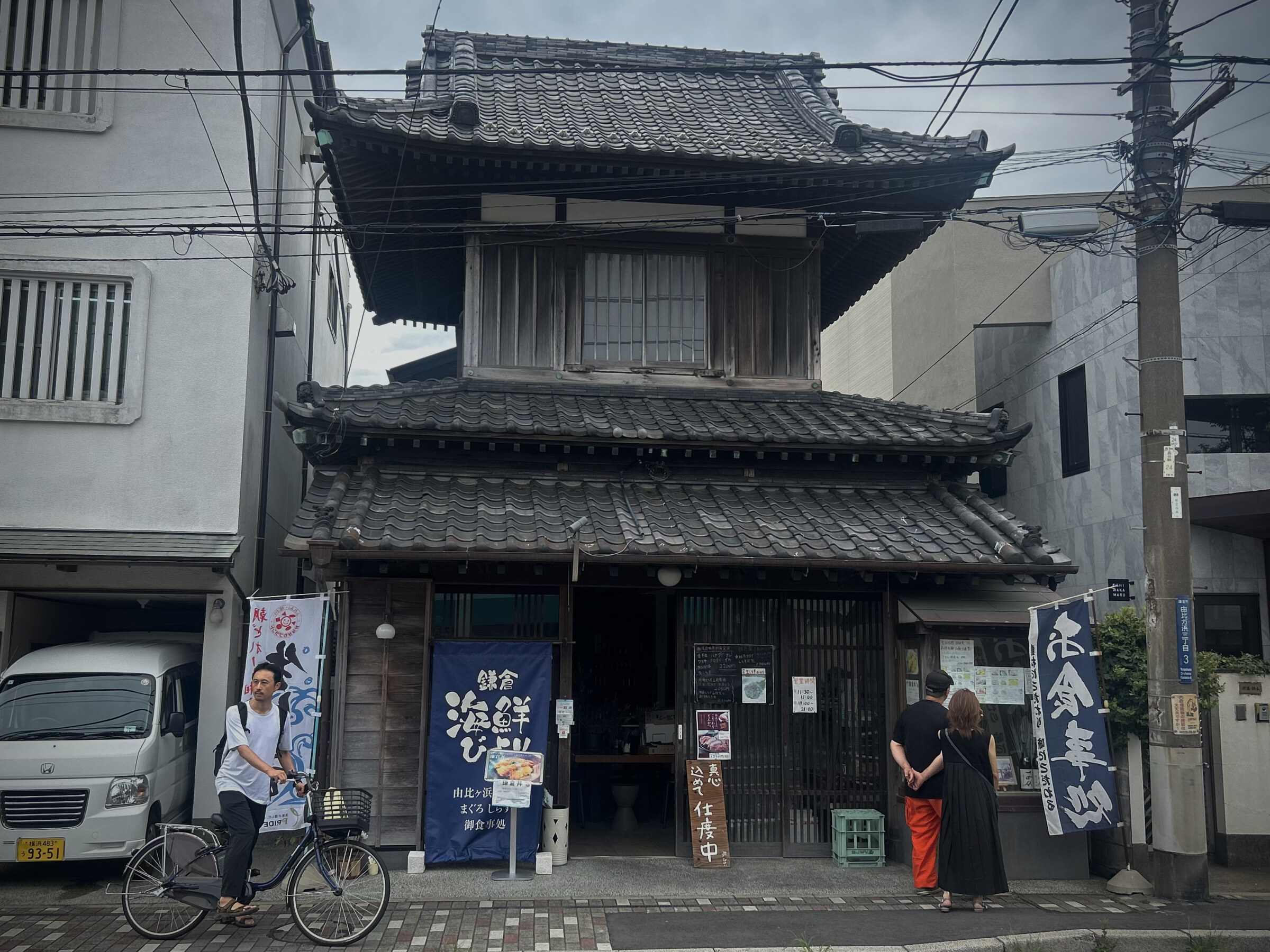
He was selling charms: matching resin snakes, each framed by a small circle and threaded through for hanging. His style was much more Laguna Beach than anything I'd seen in Tokyo, the craftsmanship relaxed and unhurried, the shop distinctly coastal. I didn't want to bother him, but when I Google-translated a question about the charms' significance, he looked up with a smile and answered in impeccable English: the snakes were "lucky" symbols of financial prosperity and renewal in Japanese folk tradition, their shed skin an emblem of fortune endlessly replenished. I chose a pair and thanked him, exchanging an unfamiliar currency.
Then he leaned in, like he was divulging trade secrets. I was in town on a very lucky day, he said, and my good fortune had brought me to him. An ancient procession called the Menkake Gyōretsu — the "Masked Procession" — was taking place that very afternoon at the Goryō-jinja shrine in Kamakura. If I left now, he said, glancing at his watch, I'd make it in time.
I thanked him and started down the hill, the snakes clinking in my bag. The street wound past modest homes, boutiques, and no-frills eateries, and down toward Sagami Bay in the distance.
Arriving at Goryō-jinja Shrine: Kamakura's Threshold of the Honored Spirits
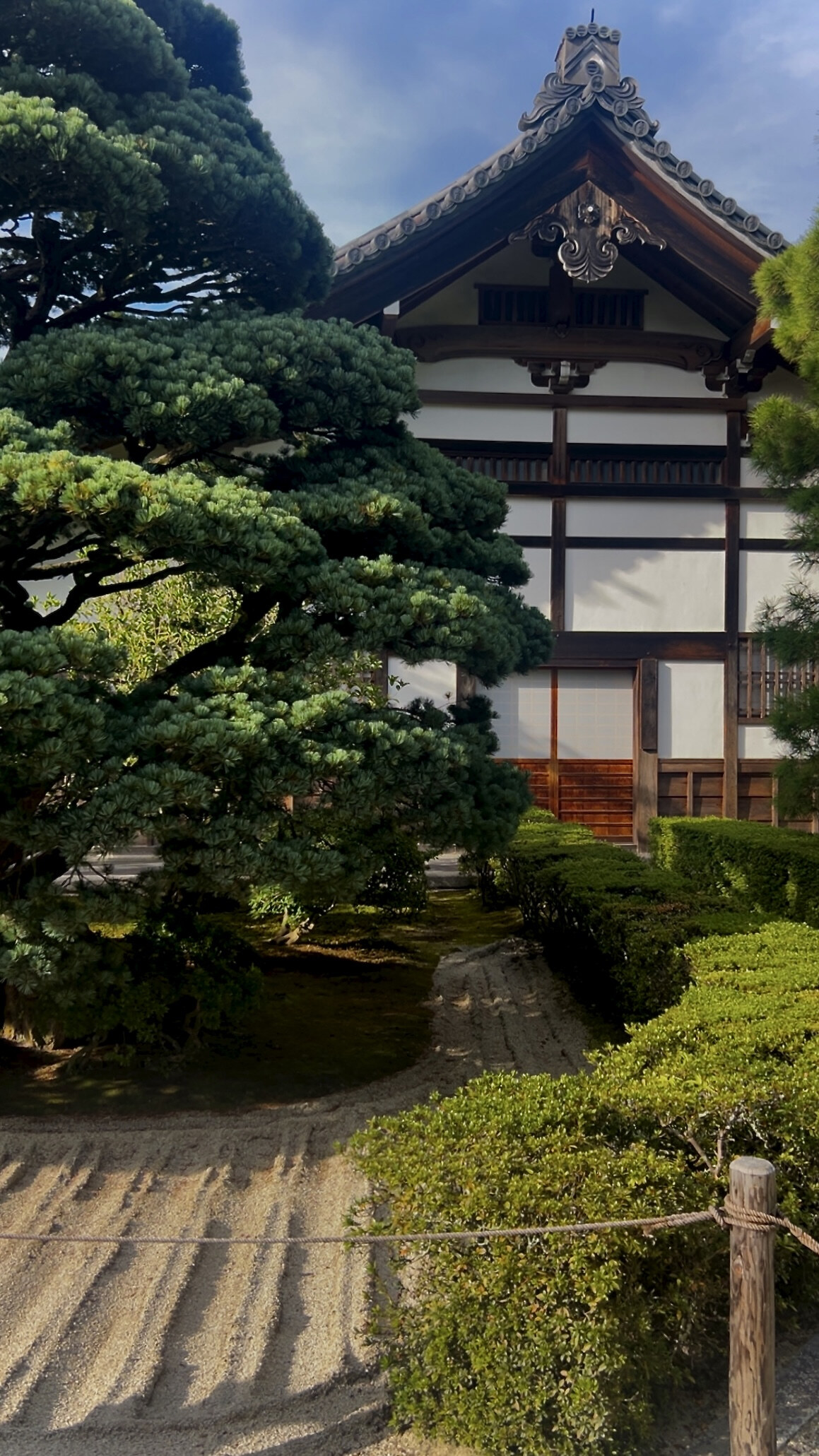
The torii gate spanning the shrine's entrance told me that this particular shrine was Shinto. It resembled the famous "floating torii" of Miyajima, seen in every guidebook on Japan, but this one was much smaller, and gray — not the saturated vermilion you find elsewhere in the country. That deep red carries a dual significance in Japan: it wards off evil spirits while protecting the wood itself from rot. Goryō-jinja's gray torii was more modest.
A sign at the entrance explained that the shrine's name derives from goryō — "honored spirits" — and that it serves as the earthly home of a fierce eleventh-century samurai named Kamakura Gongorō Kagemasa. But goryō are not simply benevolent guardians. In Shinto, they're the spirits of those who met violent or unjust ends, and, if left unappeased, can return as vengeful forces. The rituals performed here exist in part to honor and pacify them, transforming wrath into protection. It lent the festive atmosphere a gravity I hadn't expected.
Nearby, a cluster of children perched on a wooden cart with a swooping roof, beating small taiko-style drums while a man beside them played a shakuhachi flute. Everyone wore loose white shirts and bandanas — part of the procession, I assumed — and I held my phone loosely at my side, catching what I could without letting the impulse to record ruin the moment. Locals were already lining up before the shrine, performing the Shinto sequence I'd studied before arriving: two deep bows, two claps, a moment of silent prayer, one final bow.
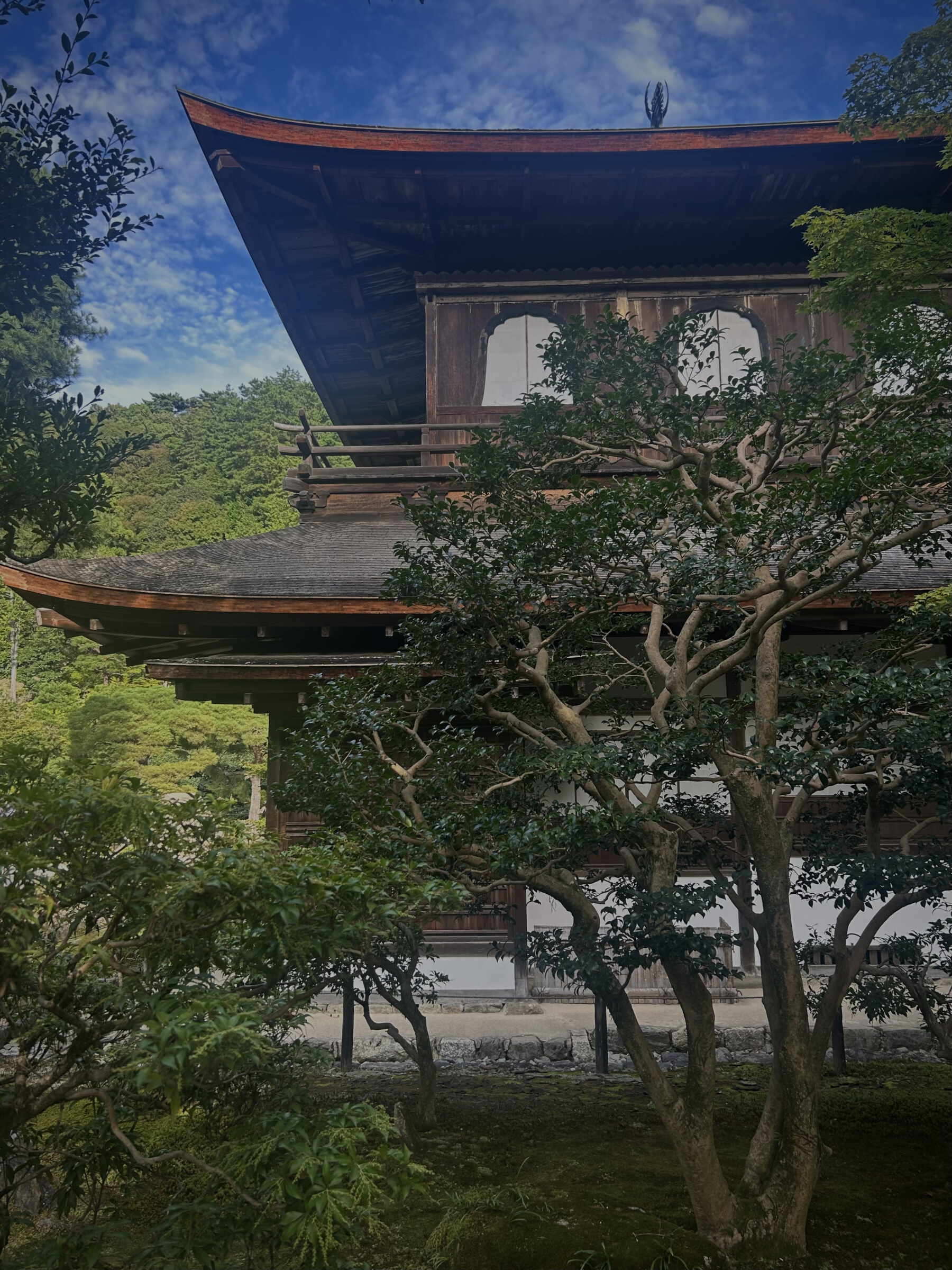
Cicada-like buzzing and birdsong mixed with the low hum of incantations. I stood at just the right distance — close enough not to miss anything, far enough to stay out of the way — and pulled out my goshūinchō temple stamp booklet, its pages already marked with visits to Ginkaku-ji in Kyōto, Sensō-ji in Tokyo, and now Kōtoku-in. A smiling shrine attendant pressed the red goshūin stamp carefully against the page, swept calligraphy over it in graceful strokes, then laid a translucent sheet of rice paper over it and handed it back. I had nowhere else to be — nowhere else I wanted to be, really. I stood back and watched the scene unfold.
Stepping into My Role
A series of sagacious-looking men in intricate garb took center stage at the front of the shrine. The central figure wore a large mask and carried a katana. His tight-fitting black hat was crimped into a neat wedge; a double-breasted white shirt folded in front; pale-blue trousers cut like wide culottes; and an elaborately embroidered vest draped over the shoulders.
After a ritual prelude, he began to act out a Noh-like scene — deliberate movements, each gesture weighted with significance, but without the long, drawn-out vocalizations characteristic of the art form. It was mesmerizing and impenetrable, the kind of performance that benefits from a little cultural context to fully appreciate. This centuries-old reenactment, or shinji, is meant not so much to entertain as to earn the attention of the kami (Shinto spirits or gods).
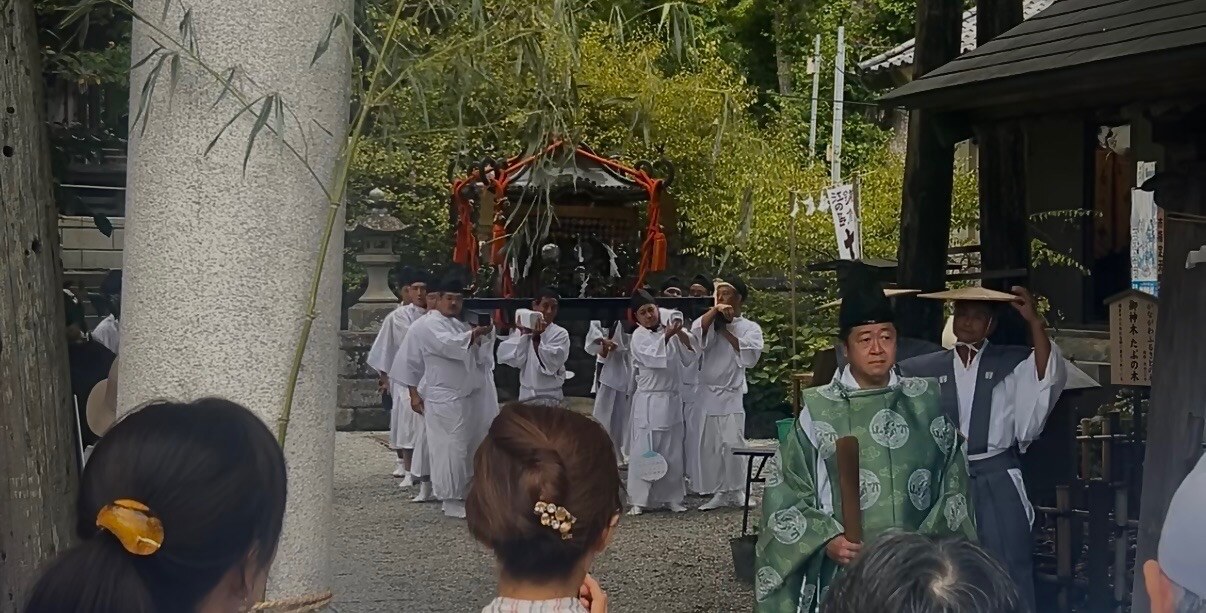
After the performance, young male participants gathered around a portable shrine — a smaller, ornate replica of Goryō-jinja itself, festooned with ribbons and prayers written on tiny strips of paper — and hoisted it onto their backs. Then, for a second time that day, a stranger saw something in me I must have needed reminding of. An older woman, having completed her bows and claps, walked up, pointed, and said in simple but accurate English, "Very lucky today," then pressed a small piece of melon-flavored candy, its wrapper printed with a smiling cat, into my hand. And I was starting to agree.
Singing began: one male and one female cantor, their warbling cadence exactly an octave apart, broadcasting a dirge-like tune through a 90s-looking speaker and microphone. Slow drumming followed, and the lead priest motioned for the onlookers to part the way for the men carrying the shrine. Not knowing whether or how to proceed, I stepped back — but was waved into the crowd by several smiling participants, inviting me to join.
So I did. To the right, I saw them: an entire roster of masked characters lined up to march. Designated an Intangible Folk Cultural Property by Kanagawa Prefecture, the Menkake Gyōretsu is a rare medieval masked procession held each September at the Goryō-jinja in Kamakura. Towering, expressive masks process through Kamakura's narrow streets past spectators close enough to touch them — their faces smiling, wincing, growling, bewildered, and unsettling. Each mask embodies archetypal emotions, protective spirits, demons, and folkloric characters rooted in centuries of syncretic Shinto-Buddhist belief.
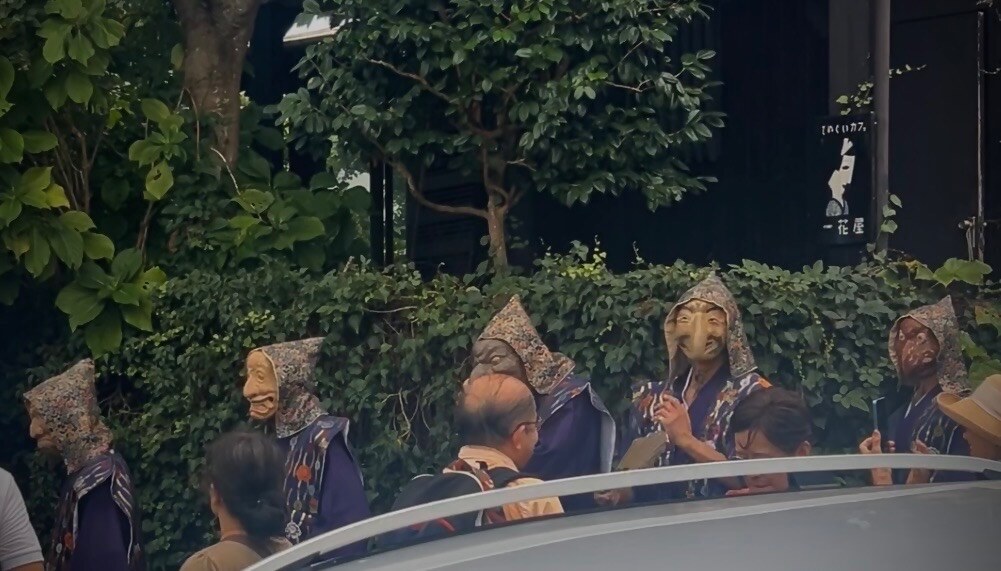
Up close, I could see cracked lacquer, weathered wood grain, uneven hand-painted expressions, and the unnerving way each mask seemed to shift in expression as it moved. Among them was Okame, a man disguised as a very pregnant woman teetering alongside a midwife. Okame represents fertility; women who rub her belly are said to receive protection during pregnancy, or assistance conceiving.
We retraced the slow-rising hill that had delivered me to the shrine, spilling back out toward the main road below. The cantors' crooning still rang in my ears — and yet, somewhere along the way, my shoulders had dropped. The imagined barrier between watching and belonging, between respectful outsider and welcomed participant, dissolved.
I had arrived knowing nothing about the Menkake Gyōretsu, and somewhere in the rhythm of the drums and the shuffle of sandaled feet, it folded me in — the way a crowd absorbs a stranger without ever making a point of it. I stopped worrying about whether I was standing in the wrong place. I wasn't watching the procession. I was moving with it, part of it.
The Stillness that Followed
I followed the procession long enough for my hunger to supplant the spiritual and point me toward a nearby restaurant, somewhere to sit and take in what I'd just experienced.
At Hase Shokudo, a small, nearby restaurant beside Hase Station along the historic Enoden Electric Railway, with tables practically within arm's reach of the tracks, I ordered shirasu don, the traditional dish of Kamakura: a generous, ice-cream-scoop mound of tiny, raw, translucent, whole-bodied fish resting atop a bowl of rice, with all the accoutrements I'd come to love — salty miso, a smattering of pickled vegetables and seaweed. Meticulously prepared. Ridiculously affordable.
I felt unhurried. My early eagerness to see everything the small seaside town offered gave way to a stillness that allowed me to enjoy my meal more fully. I realized I'd found an in-between, a balance between reason and mysticism, logic and symbolism, metropolis and village. The festive act of participating in a ritual, and of being recognized twice by strangers as possessing good fortune, filled me with the sense that I'd been quite fortunate indeed.
Gratitude washed over me. I noticed the smiling shop vendors who'd brought me my lunch. I paused.
I turned off my need to see everything, and saw more in that moment.
The Green Train Back
I knocked back my chilled barley tea, paid, and stepped outside — just in time to see the green-painted Enoden train click past within arm's reach, sounding its pleasant alarm on arrival. The honored spirits had been here for nine centuries; the train since the 1900s. Both seemed equally at home.
The charm seller. The attendees who nodded and smiled. The masked actors. The attendants at Goryō-jinja going about their day, paying respects with claps and bows and smiles. They'd all invited me in, pointed me in the right direction; and in doing so, curated one of the most unique experiences in my travels.
The lucky ones, it turns out, are simply those travelers who show up, openminded — not at a famous landmark on a curated itinerary, but at a modest gray torii gate on an unplanned detour, with no agenda beyond their openness to the experience itself. Building space for the unplanned, for the encounter a rushed itinerary doesn't always allow for, is something I incorporate into every trip I plan as a travel advisor.
When You Go: Kamakura, Practically Speaking
- When is Menkake Gyōretsu: The Menkake Gyōretsu takes place annually on September 18 at Goryō-jinja shrine.
- Getting there: About an hour from Tokyo via the JR Yokosuka Line; the historic Enoden coastal train links Kamakura's temples, shrines, and beaches. Entry to the procession is free.
- Best for: A premium day trip from Tokyo, or paired with Hakone or Yokohama for a luxury 2–3 day loop south of the city.
- Don't miss: Kōtoku-in (the Great Buddha), Kenchō-ji (the oldest Zen training monastery in Japan), the hidden Goryō-jinja shrine, and authentic shirasu don at Hase Shokudo.
Where to stay:
- Travelers prioritizing affodability and easy access will do well at the Hotel Metropolitan Kamakura, a clean, well-placed base for exploring on foot.
- For a more elevated stay with resort polish and coastal views, the Prince Hotel Kamakura delivers scenery and reliable comfort.
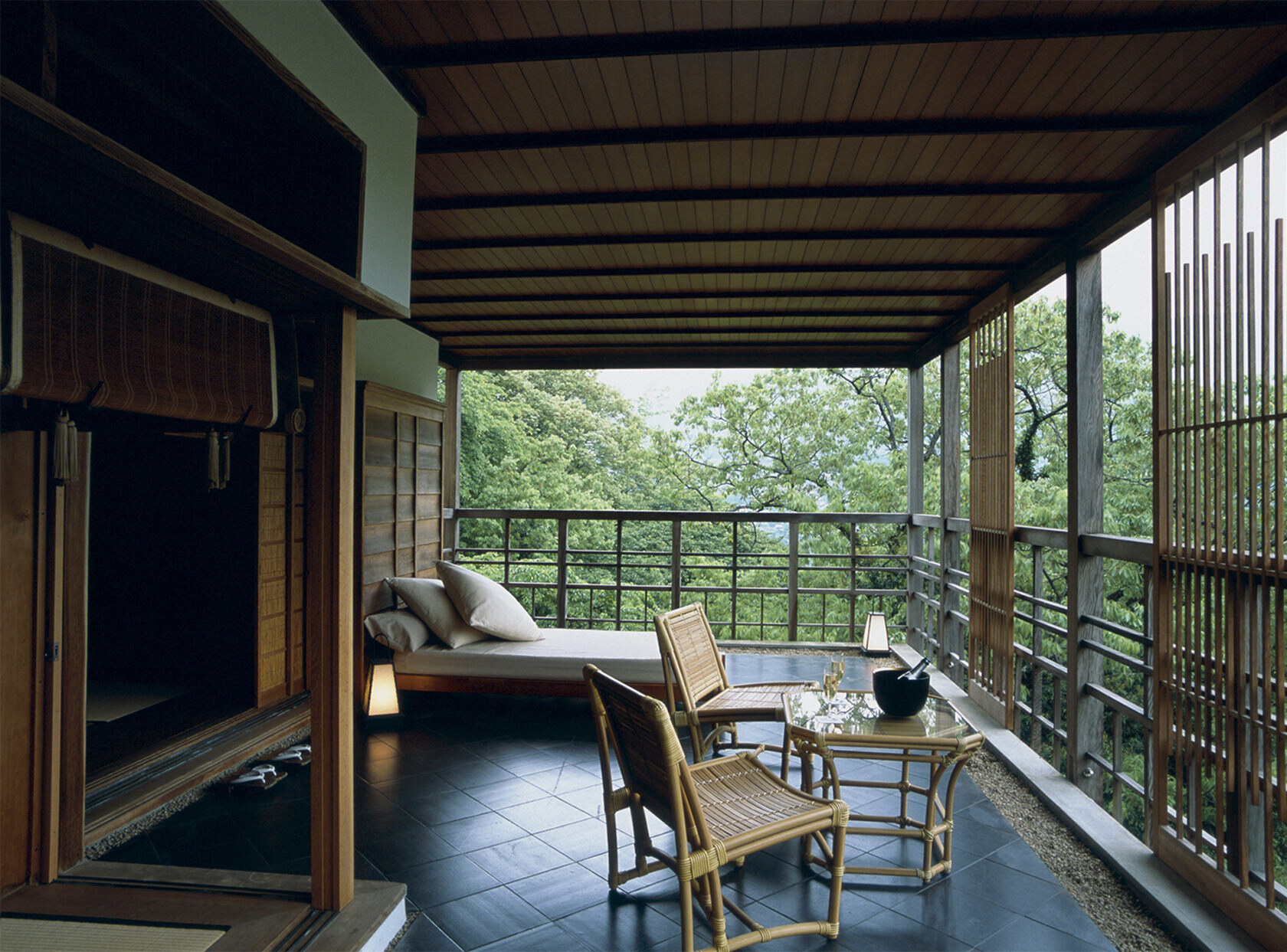
- For those interested in traditional Japanese onsen spas with views of Mt. Fuji, Hakone is between an hour and a half to two hours away. Gora Kadan, set on the grounds of Kan'in-no-miya Villa, the former Imperial family summer residence, is a strong contender for the most traditional ryokan experience in the region.
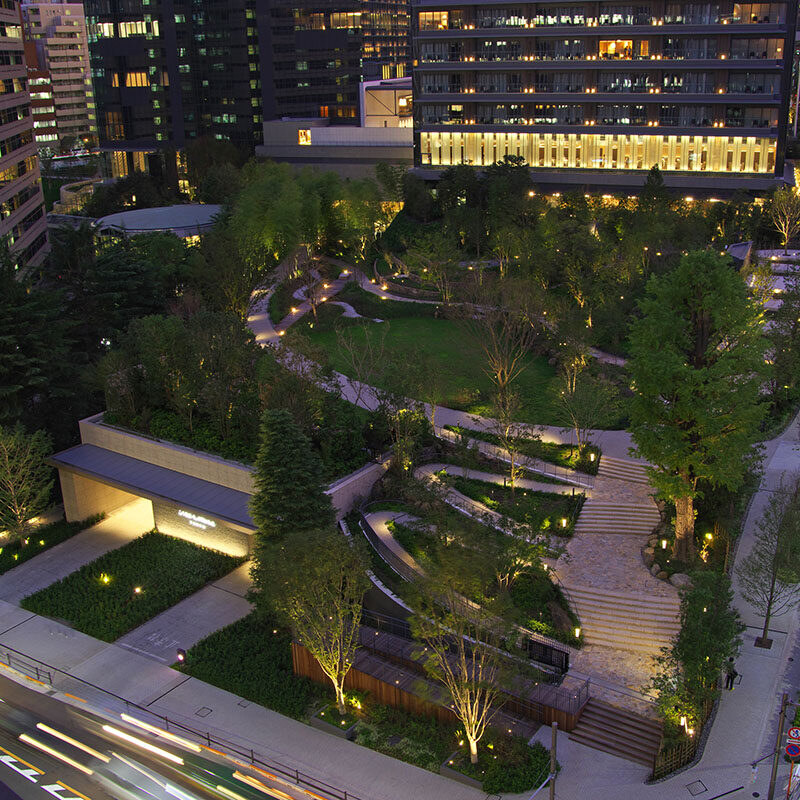
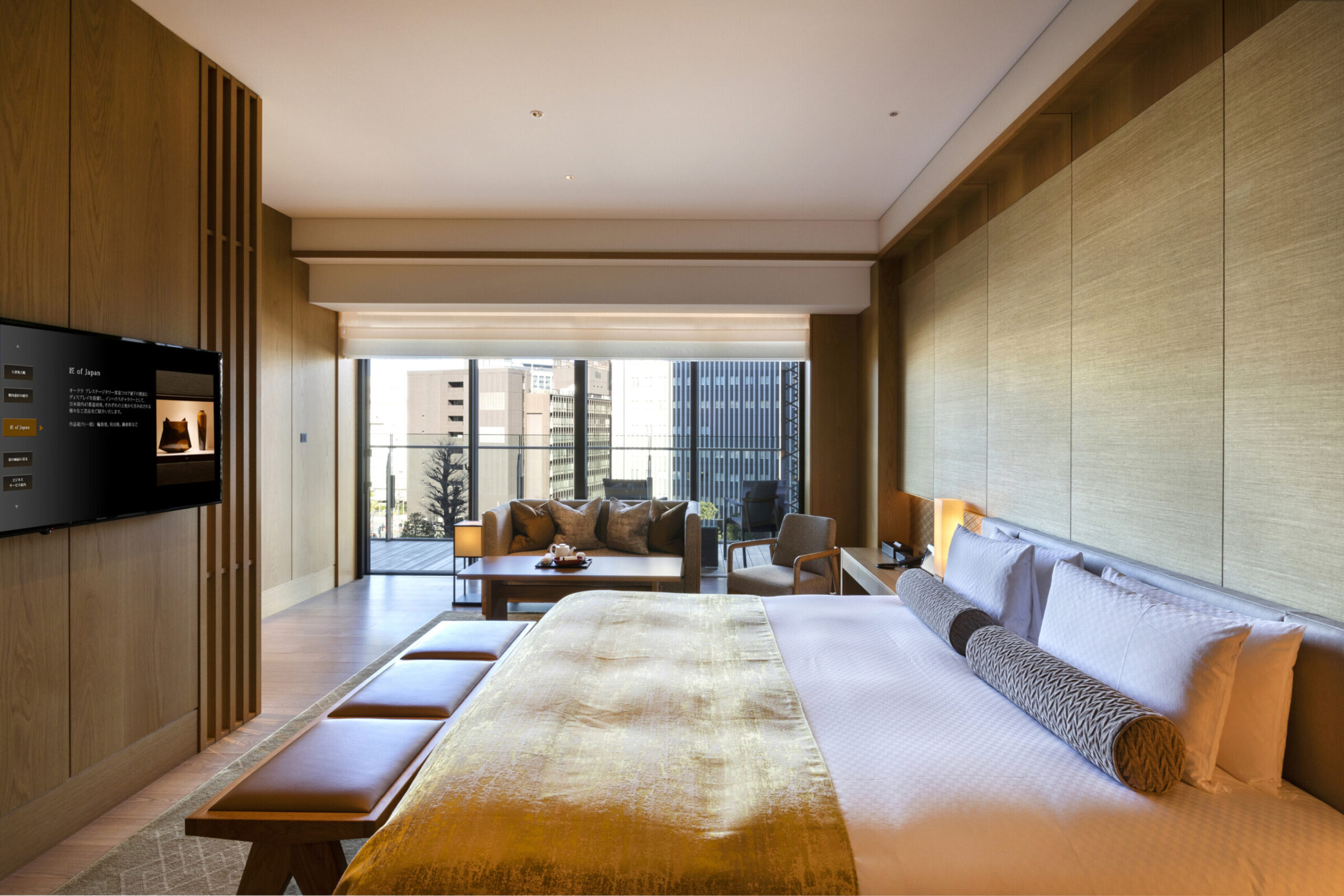
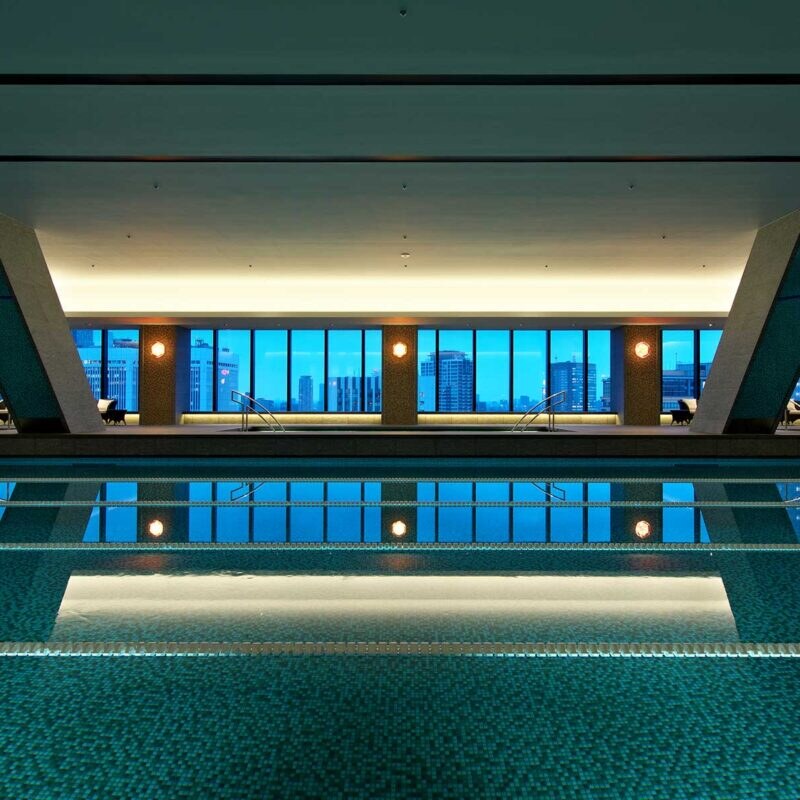
- For a dose of iconic Japanese modernism before or after visiting Kamakura, The Okura Tokyo is stellar. The Sales team at this Leading Hotels of the World property has always been incredibly warm and attentive to my clients and I.
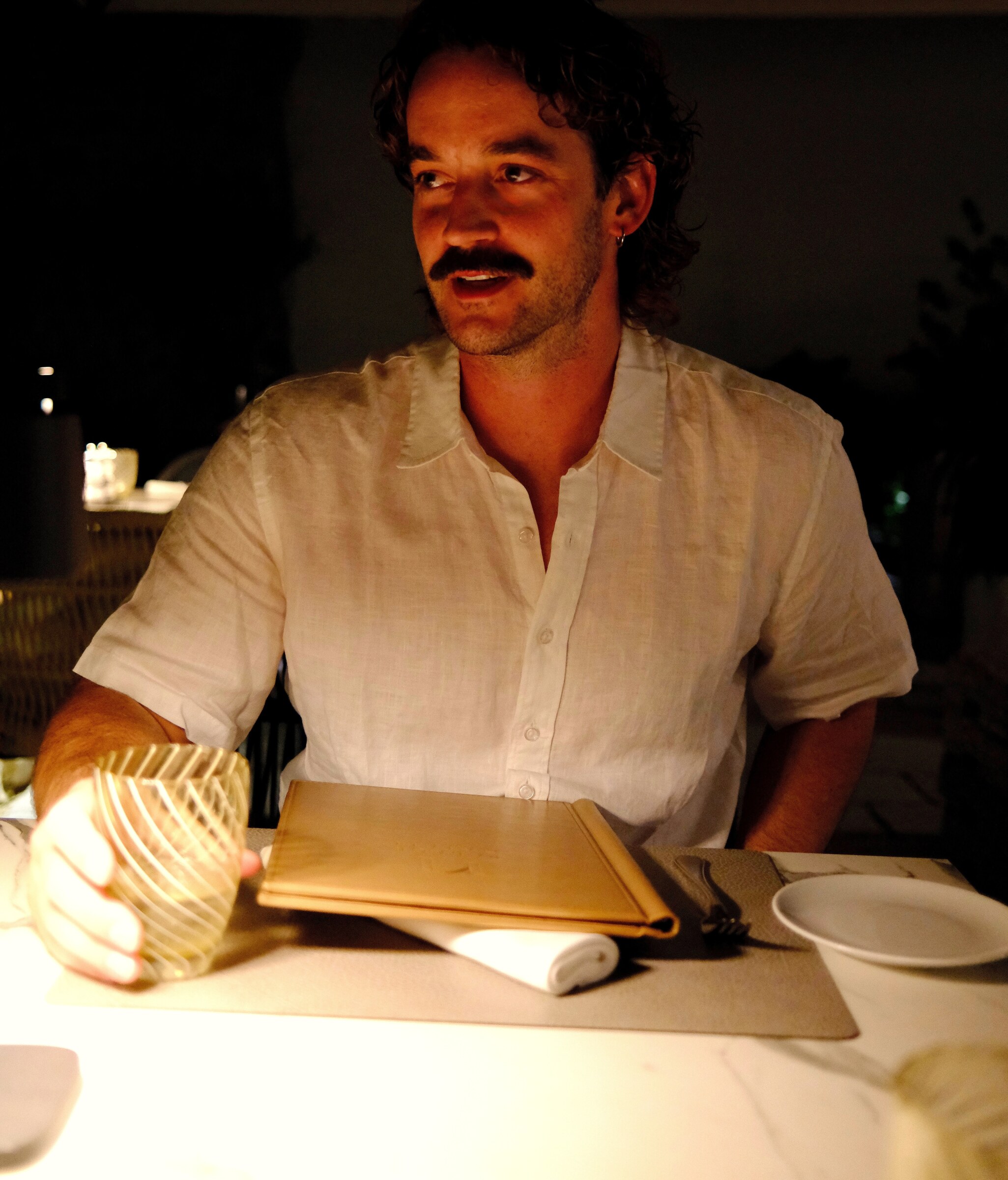
The best days I've had exploring were never the ones I scheduled down to the minute. They were the ones where I left room to wander, and wandering led me somewhere I hadn't known I needed to go.
I design custom itineraries around chance moments, rare festival calendars, and local insight, not just standard opening hours. If you're preparing to visit Japan, working with a Forbes-endorsed LuxRally Travel advisor like me gives you access to unpublished rates, preferred partnerships, and exclusive benefits at thousands of properties worldwide — alongside extensive real-world experience and personal advocacy so that your trip goes as smoothly as possible.
Almost anyone can cross items off a "best of Japan" list. I work to accommodate my clients' pace, palate, and tolerance for detours, to build an itinerary that maximizes the chances for moments exactly like these.
Connect with me below to plan a trip to Japan that flows exactly the way you want it to.
Related Stories
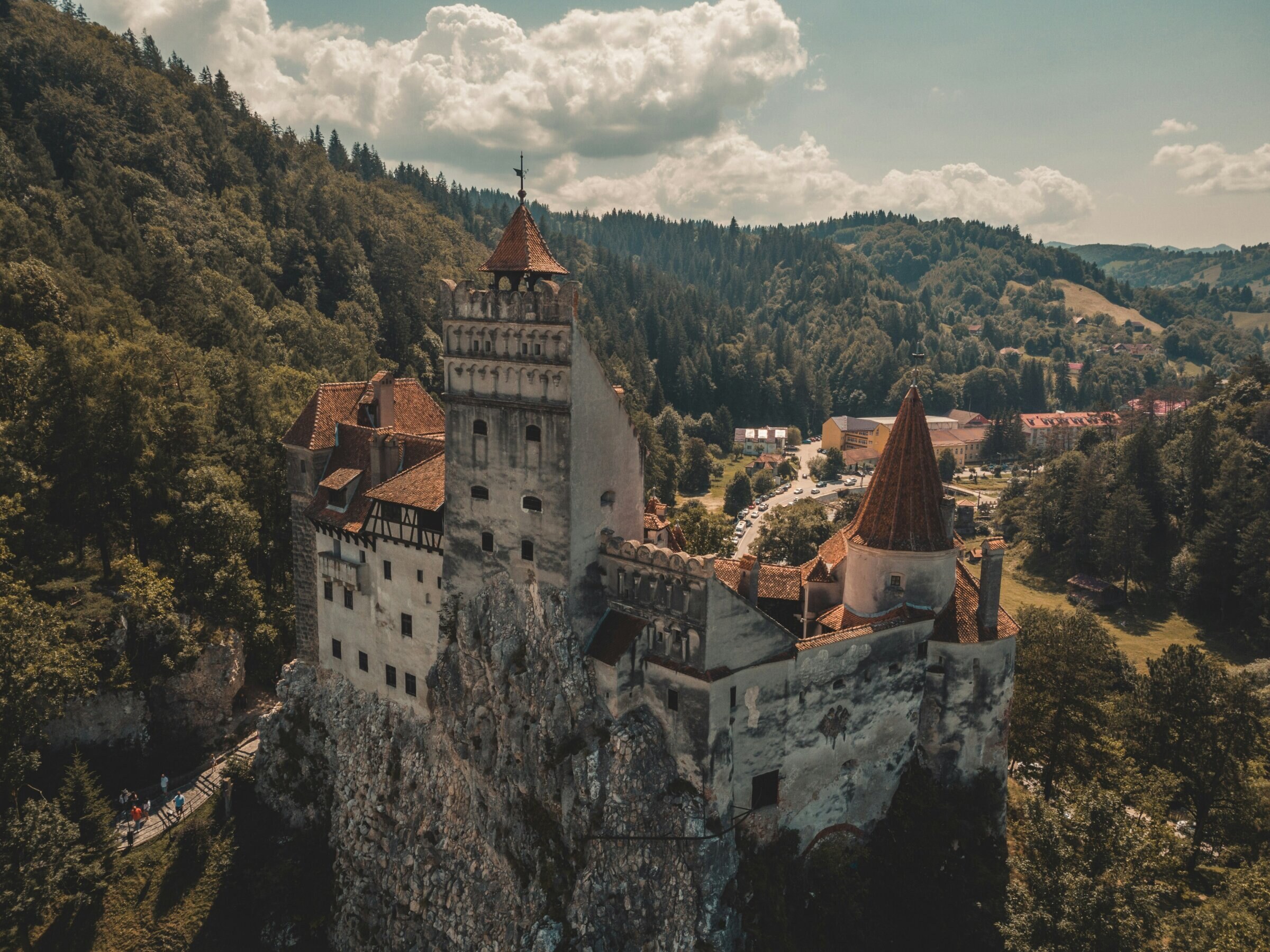
I Visited Dracula's Castle in Transylvania, Romania — and It's Lesser Known, Better Neighbor
I grew up watching Dracula movies on Saturday-night TV — so booking a day trip from Bucharest to Bran Castle felt like a childhood dream come true. Transylvania delivers: Gothic towers, stone corridors, and castles so eerily atmospheric they don't need the legend to impress.
By Nicole Severson
It Not About Remembering: Why Travel Matters During Early Childhood
Forget whether they'll remember it — that's the wrong question. Research suggests the value of early travel lives in the brain connections being built in real time, not the memories stored later. Here's what that means for how you plan family travel.
By Alexis Dunfee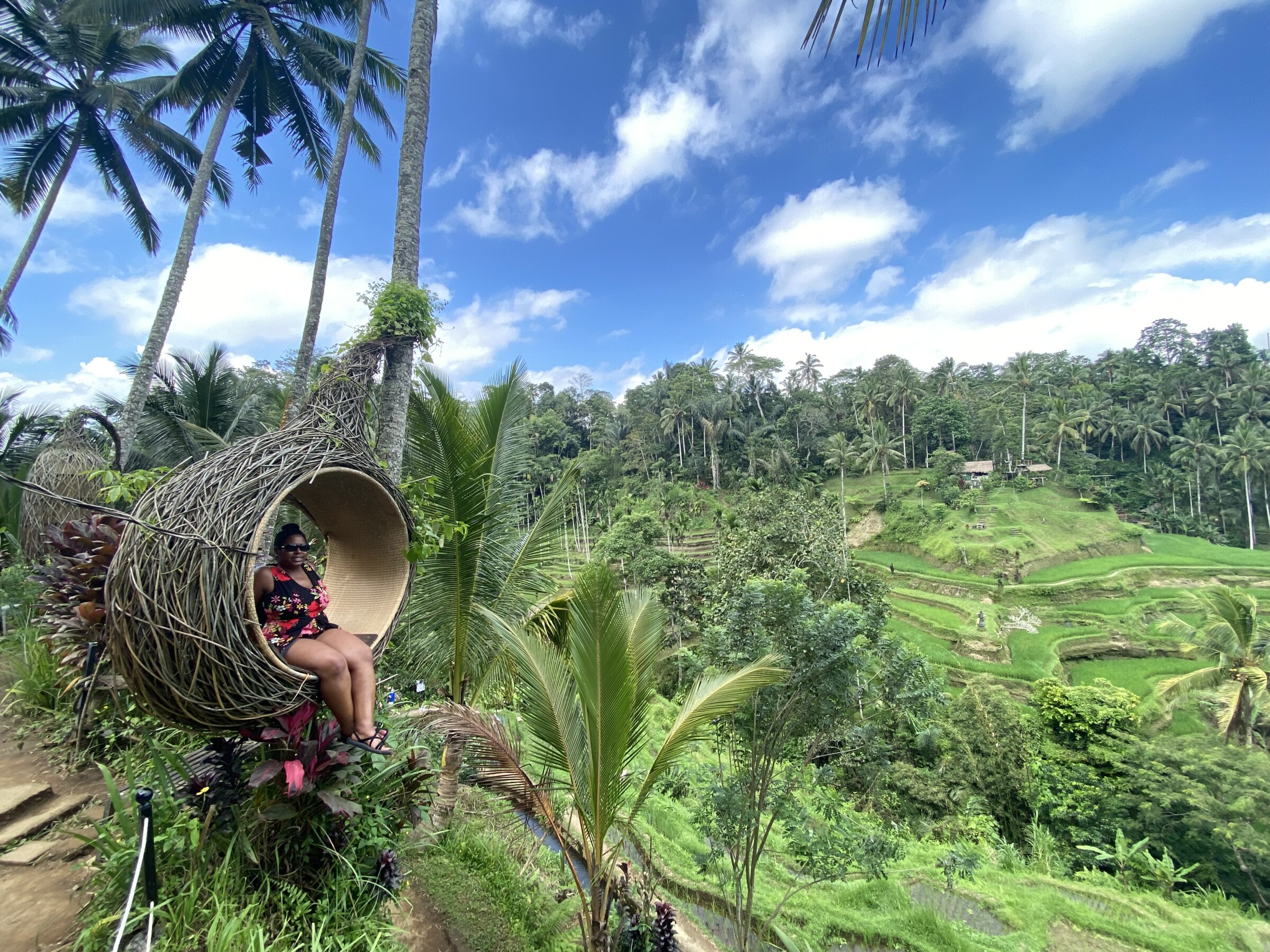
Four Types of Solo Trips to Take When You're Done Waiting on Someone Else
After over a decade of waiting on others, I decided to see the world for myself, alone. Here are four types of solo trips, personally tested by a luxury travel advisor — from group expeditions to fully private tours.
By Shebna Garcon
An Argument for Luxury Slow Travel: Instagram is Ruining Travel for Everyone
Perfectly curated moments. Perfectly cropped. Perfectly hollow. Instagram has turned travel into performance — and the destinations, the bystanders, and the travelers themselves are all paying the price.
By Jennifer Jilot
Welcome to Country: A Travel Guide to Indigenous Australia
Indigenous heritage is not another experience to add to a luxury Australian itinerary. It is the lens through which the entire country is best understood. A framework for designing journeys that create understanding rather than consumption.
By Alisha Myers
A Luxury Weekend in London: Protecting Time, Not Filling It
Private after-hours access at the National Gallery. Afternoon tea at Claridge's. The Belmond British Pullman threading through the English countryside. 48 hours in London, done right, begins with a single question I ask every client: what do you want these hours to feel like?
By Alisha Myers