
Destination Guide
Where Gods Once Walked: Tips for Visiting Luxor, Egypt's Ancient Capital
Luxor rewards thoughtful pacing, expert interpretation, and elevated planning. From hot air balloons over the Valley of the Kings to sunset at Karnak Temple, discover Egypt's ancient heart in refined luxury.
May 27, 2026
Thousands of years ago, the Nile Valley that is now Luxor was said to be traversed by gods in human form. Their likenesses still rise from temple walls, and the desert hills seem to whisper their names. This is not modern Cairo, but the true ancient heart of Egyptian civilization.
Luxor is not a destination to rush. It is a place that rewards thoughtful pacing, expert interpretation, and elevated planning—which is precisely why travelers seeking an exceptional experience work with LuxRally Travel advisors to curate every detail.
Hot Air Ballooning in Luxor: A Morning Above Antiquity
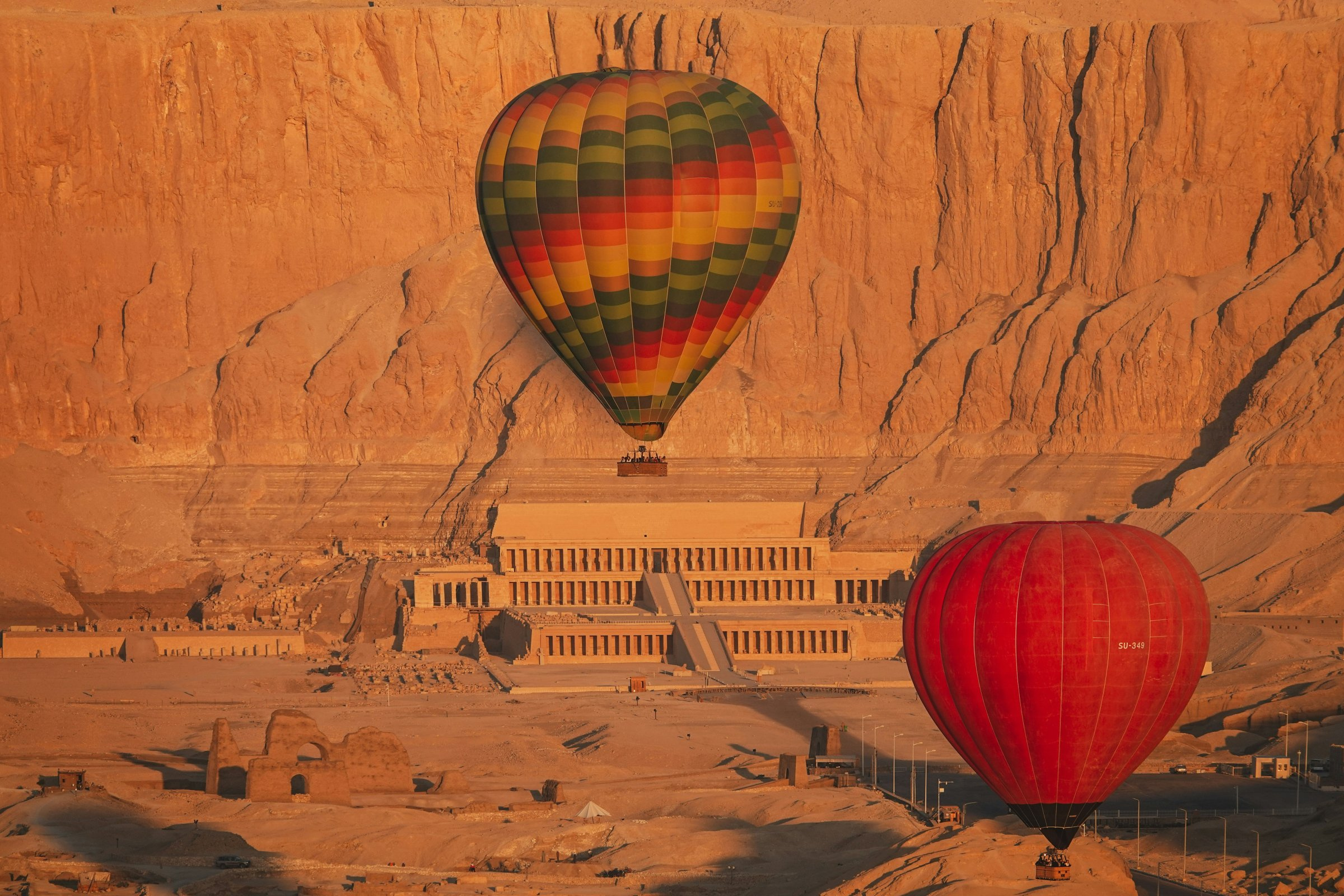
I recommend that at least one day begins before sunrise with one of Luxor's most iconic experiences: a hot air balloon flight over the banks of the Nile. From the basket, the ancient world unfolds beneath you—the Valley of the Kings, the Valley of the Queens, ancient temples and ruins, and the Nile River cutting a ribbon of life through the desert.
This is not an experience in which a low price should be the determining factor. While hot air ballooning in Luxor is regulated and a popular attraction, operator quality varies significantly. A LuxRally Travel advisor like myself ensures clients are booked exclusively with the most reputable and safety-conscious operators. After landing, guests can return to their hotel for a leisurely breakfast, the Nile glowing softly in the early light.
Where to Stay in Luxor, Egypt: East Bank Elegance
The East Bank is the preferred address for luxury accommodations, offering tranquil evenings and sunsets over the Theban Hills.
Al Moudira Hotel
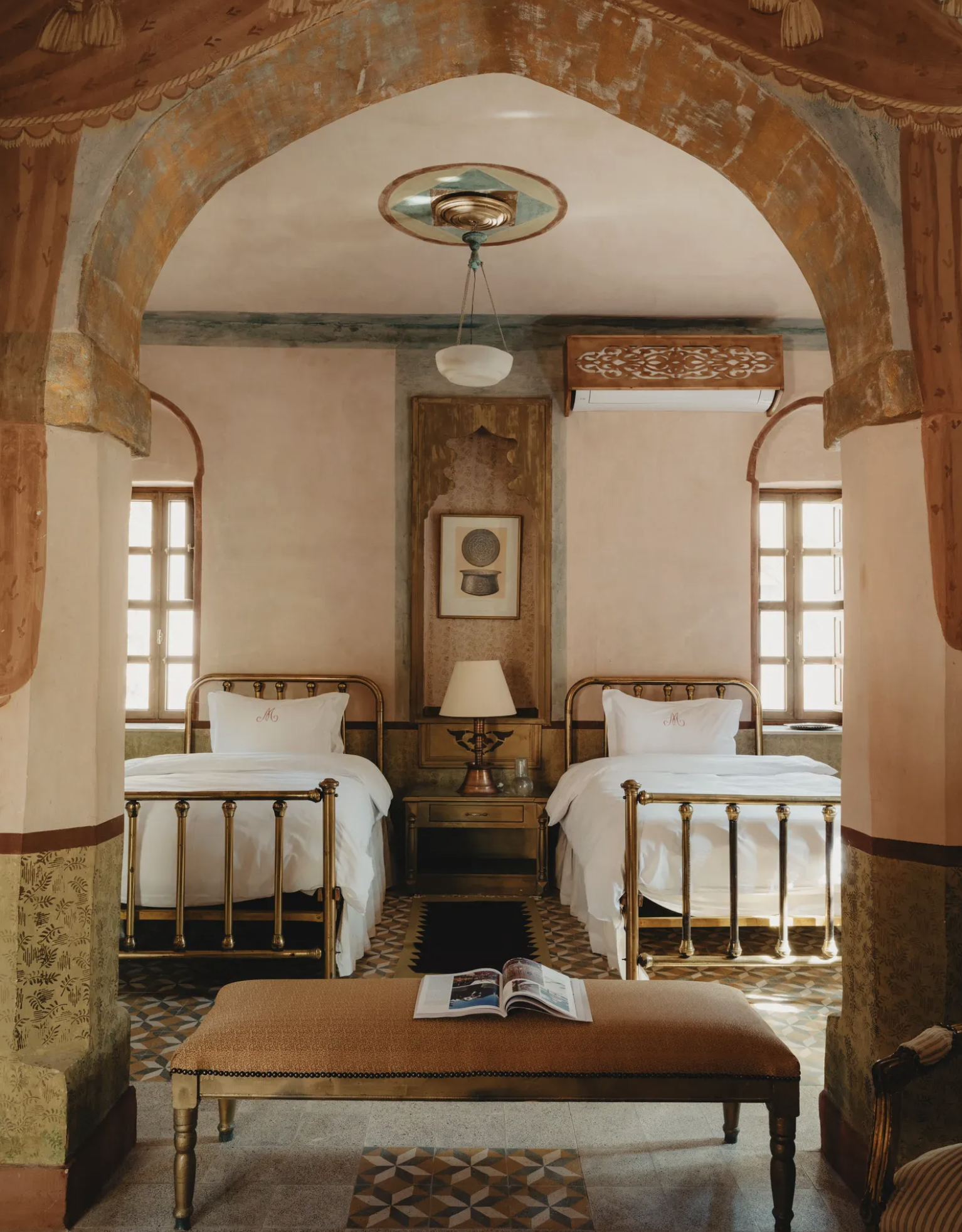
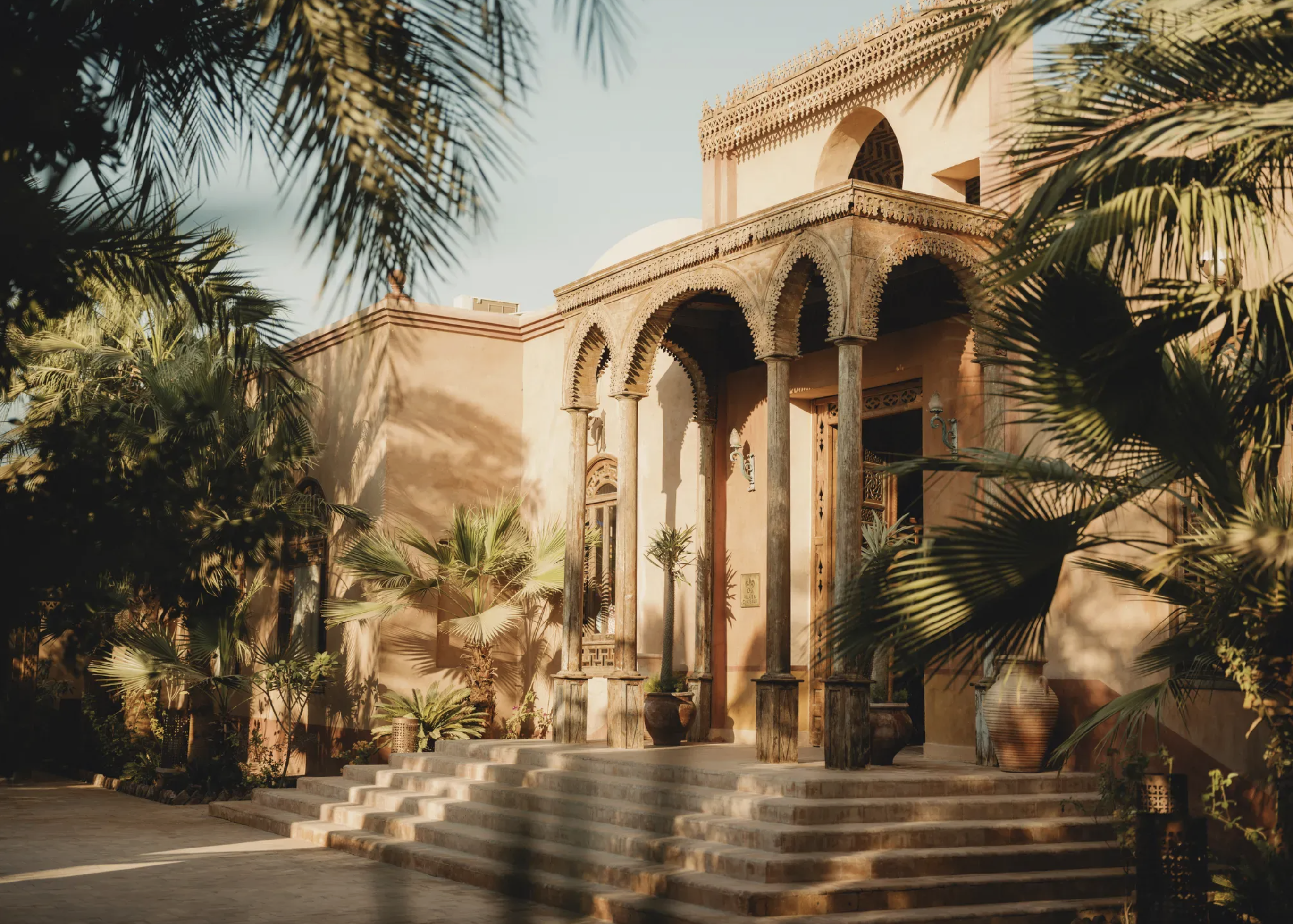
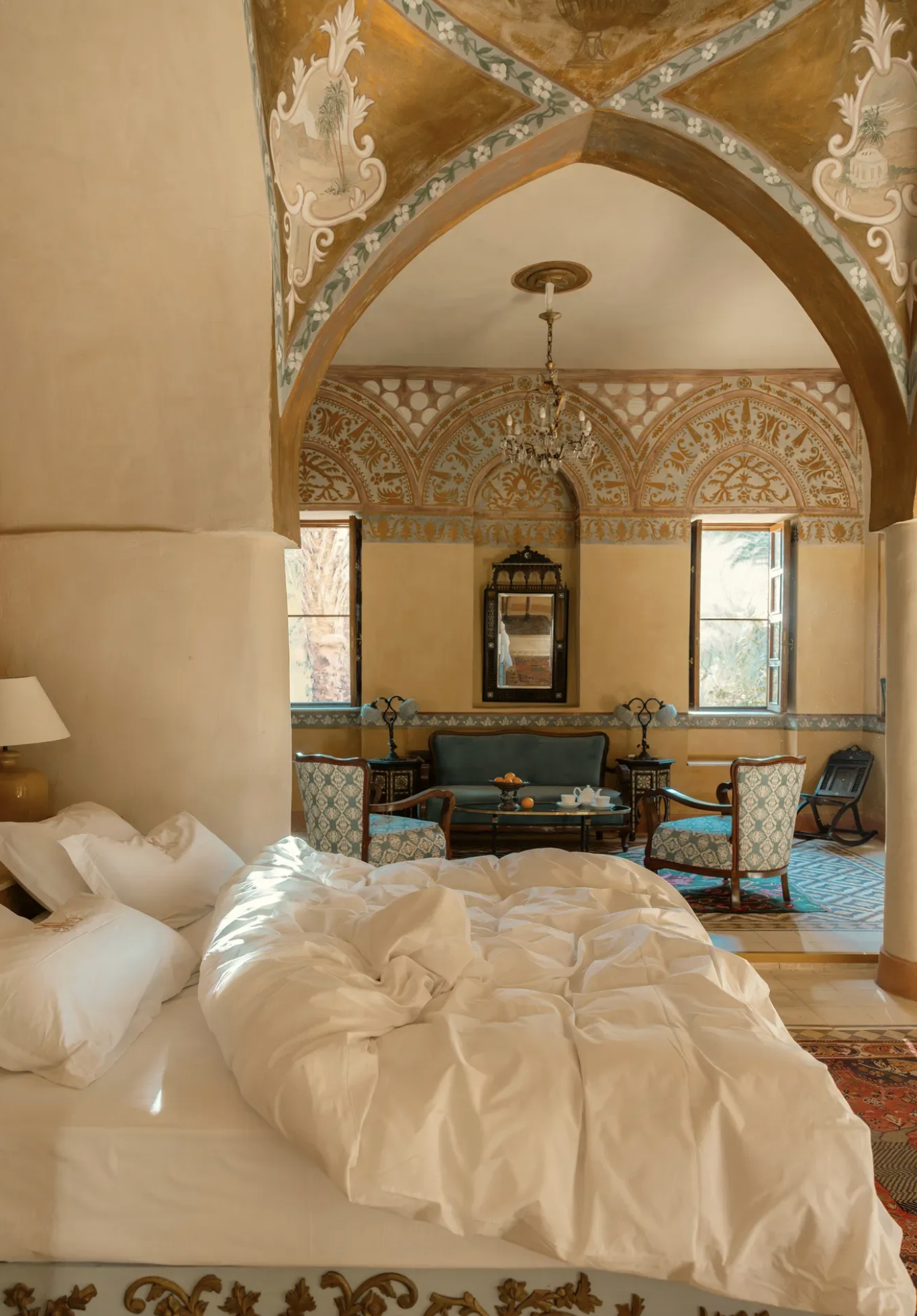
Al Moudira is among the most distinguished hotel properties in Luxor, and the property's character justifies the distinction. Designed in the tradition of the Egyptian bayt — the historic courtyard house — this intimate property carries the atmosphere of a private palace, rich in character, craft, and historical resonance. With six dining venues spanning traditional Egyptian cuisine and contemporary interpretations, this is a considered choice for discerning travelers seeking a well-positioned base and exceptional fine dining. Entry-level rates begin at approximately $250 per night, subject to seasonal variation.
Al Moudira also houses a spa offering holistic healing and spa treatments devised with ancient traditions and rituals in mind. The 1,250 sq ft wellness space includes an outdoor swimming pool and traditional hammam, adorned with hand-painted tiles and intricate domed ceilings.
Steigenberger Resort Achti
A classic resort set along the Nile combining space, comfort, and riverfront serenity. Notably, it has some of the most reasonable rates you can find without sacrificing quality. During the slower seasons, rooms cost less than $100 per night and range up to $500+ during peak season. This property is a touch above the Sonesta St. George Hotel (another budget-friendly Luxor hotel) in terms of service and amenities, offering spacious rooms with Nile River views and ornate Egyptian furnishings. With five dining venues to choose from, including riverside, open-air restaurants and a pool with panoramic views of the Nile, this is the top choice for budget-conscious travelers who want safe, reliable accommodations near Luxor's top attractions.
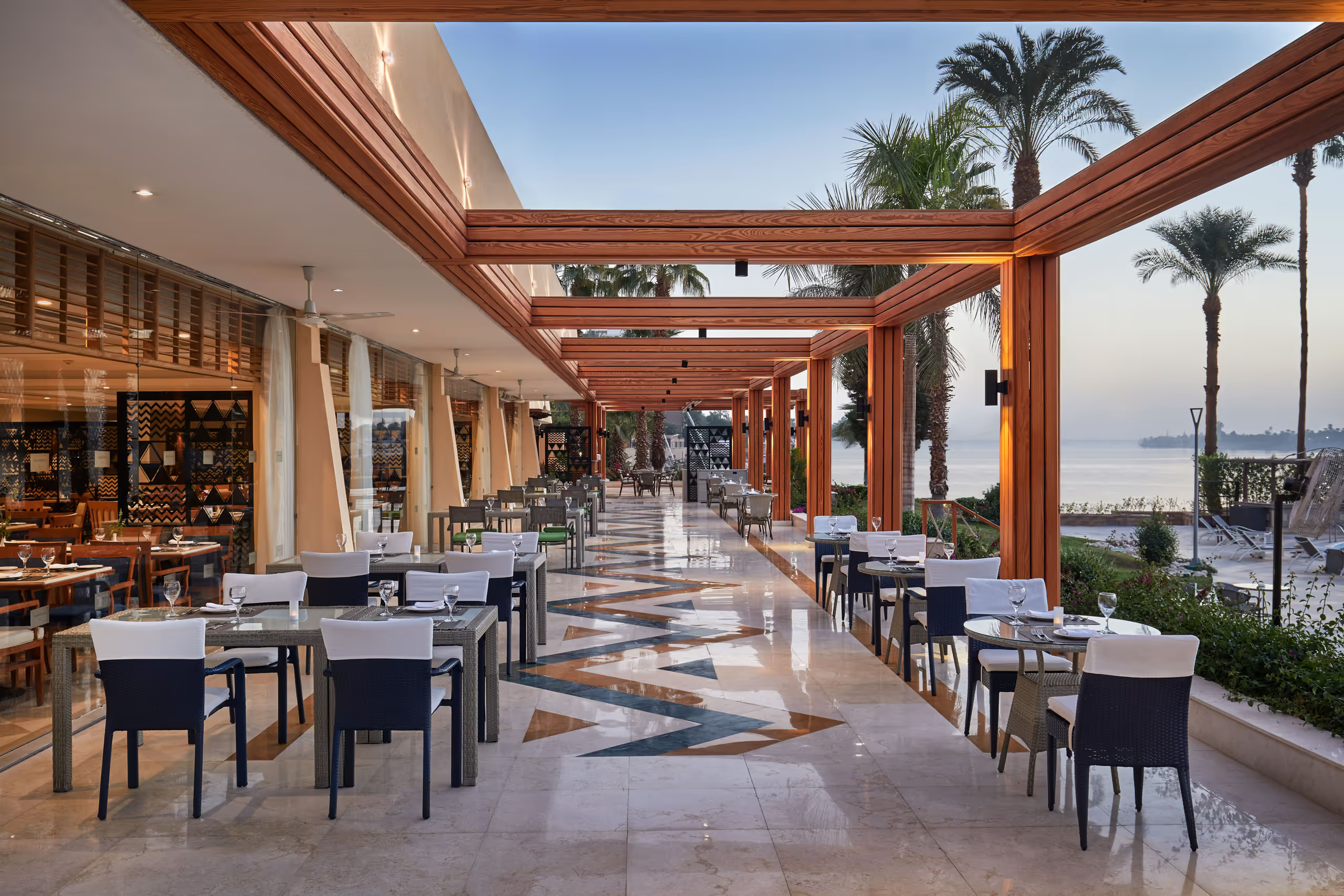
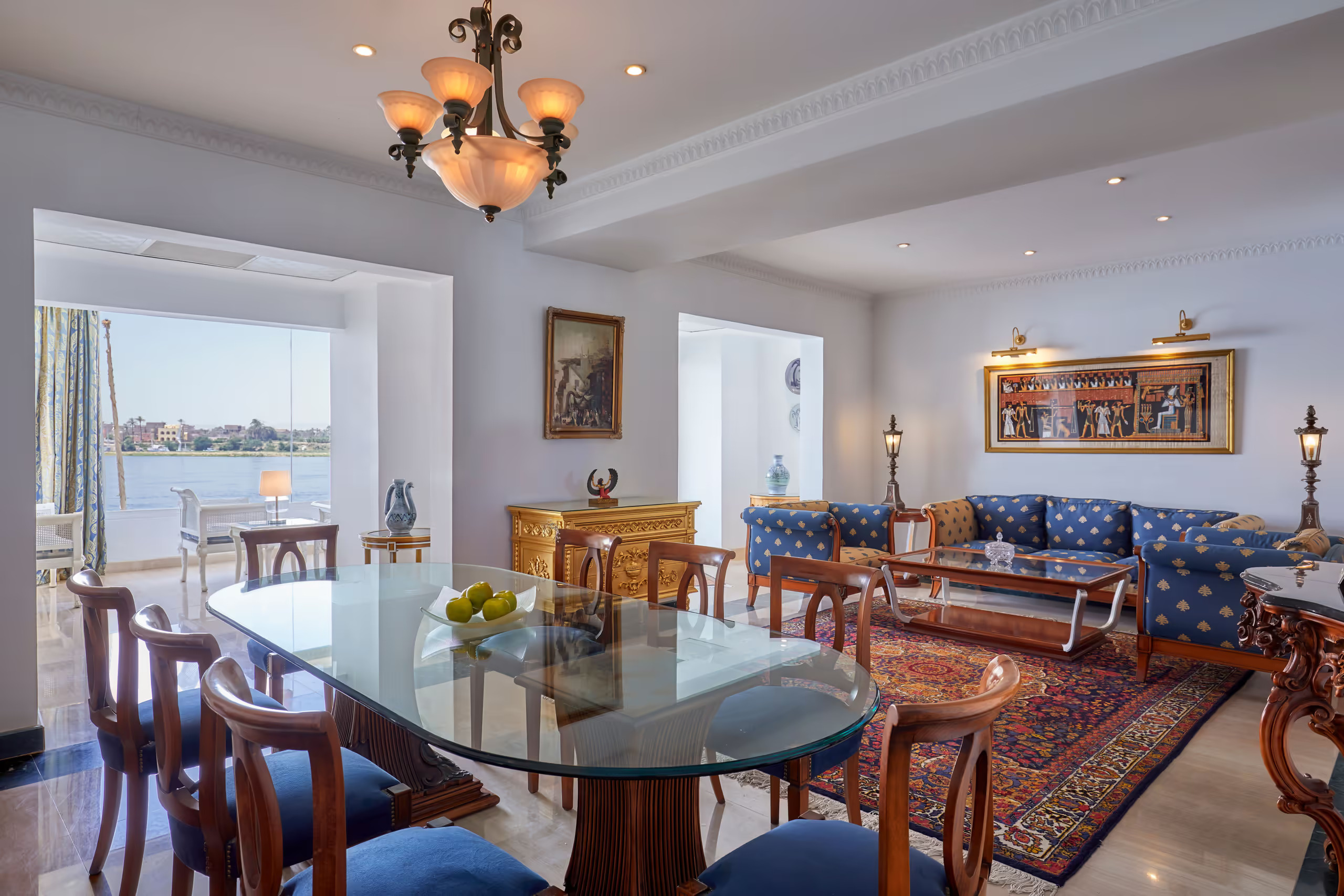
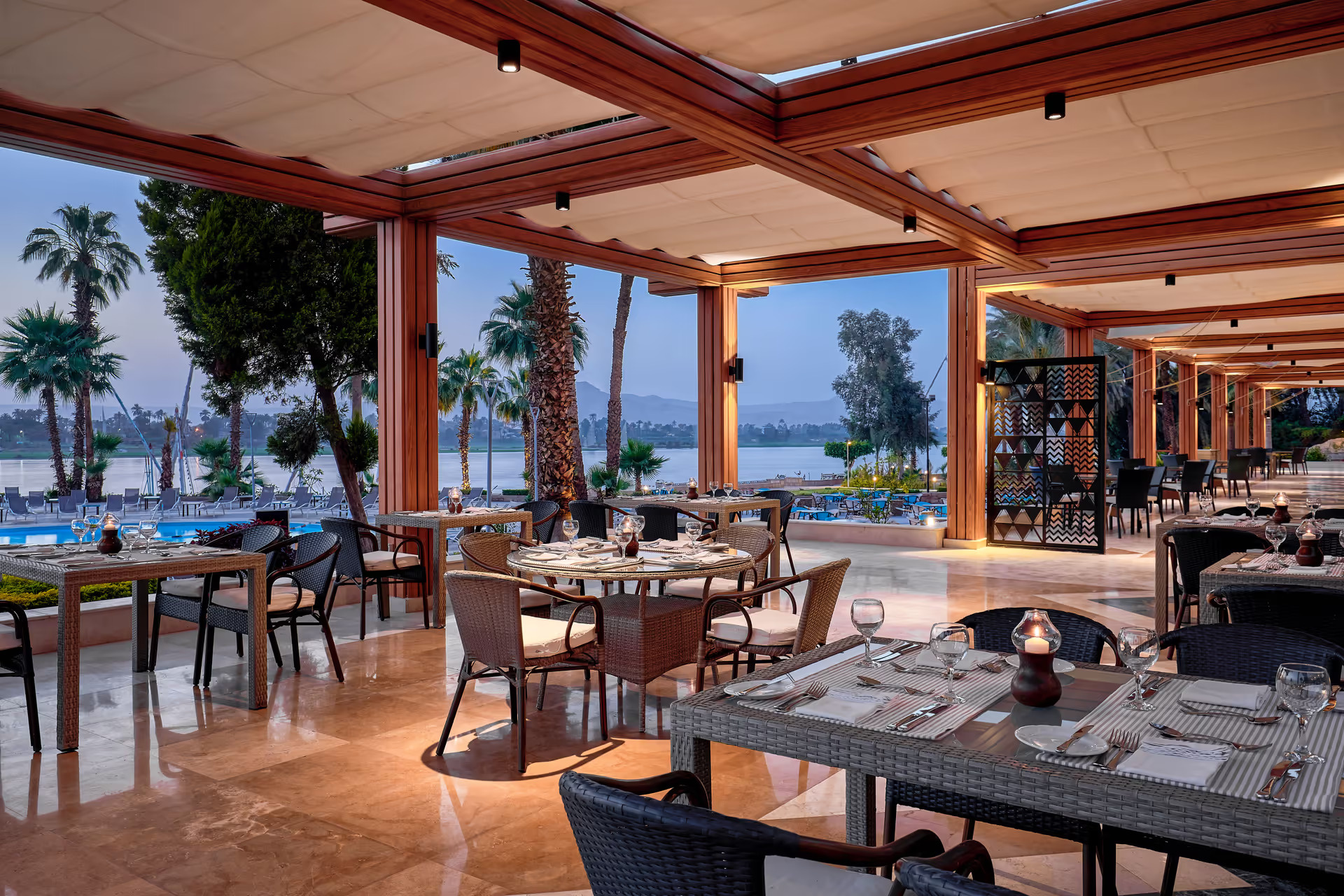
When I design a journey through Egypt for clients, I align property selection with the traveler's pace, preferences, and broader Egypt itinerary—because in a destination this layered, where you stay matters.
Valley of the Kings and Temple of Hatshepsut: Tombs, Temples, and Timeless Stories on the West Bank
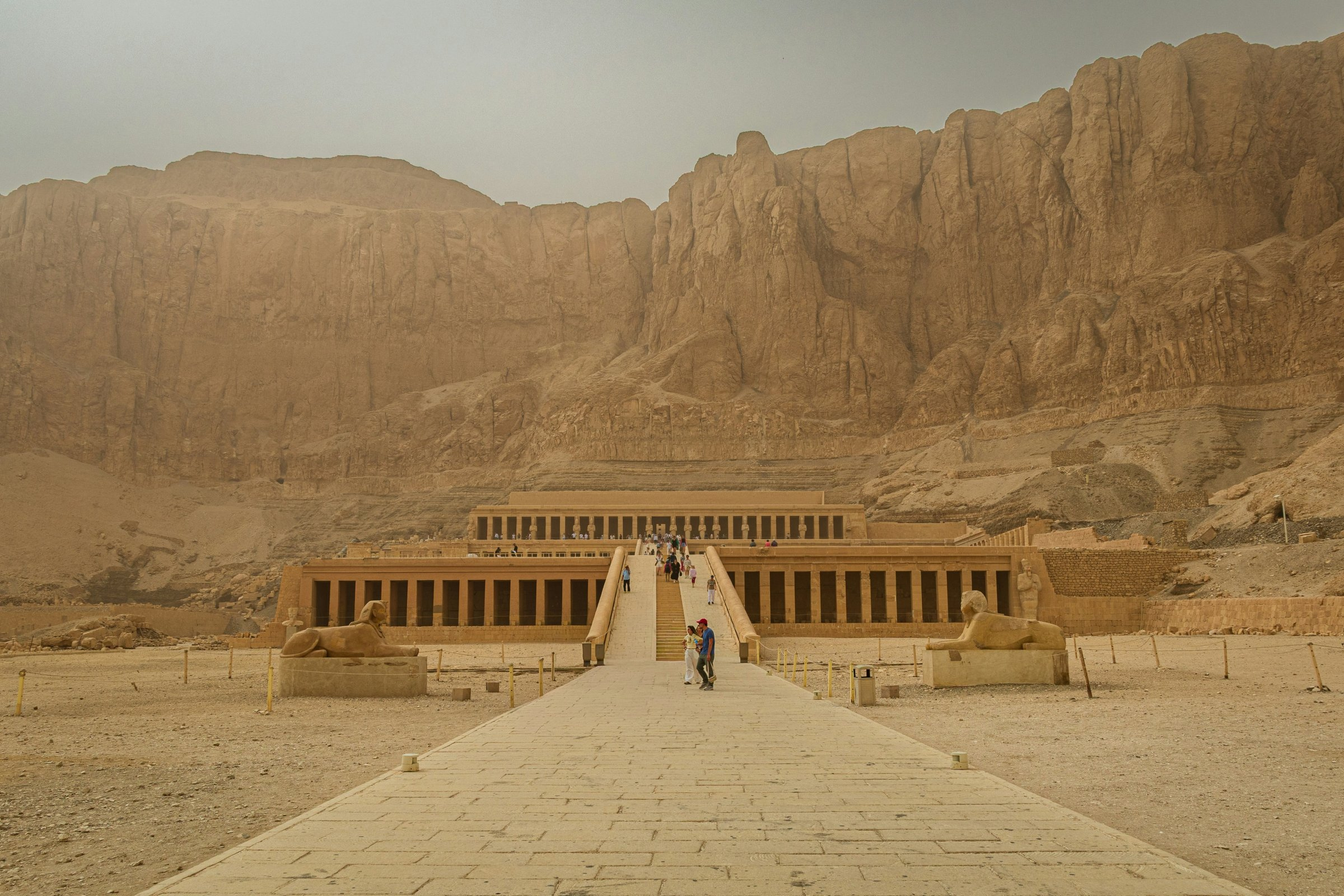
With a private, government-licensed guide—mandatory in Egypt and essential for understanding the historical depth—you can cross from the East Bank to the West Bank, passing the mortuary temple of Hatshepsut and the former home of Howard Carter, who discovered the intact tomb of Tutankhamun.
In the Valley of the Kings, several tombs are open for exploration, including Tutankhamun's, whose mummy remains there to this day. Despite repeated attempts to move him to Cairo, unexplained mishaps reportedly intervened, and ultimately he was left undisturbed in his original burial chamber. At the Temple of Hatshepsut, look closely for deliberately damaged reliefs — the evidence of political revenge after her death, when her stepson sought to erase her legacy. These details transform stone into story, and a visit into understanding.
A quiet Egyptian lunch follows, carefully timed and positioned to complement the day's rhythm—another detail that settles into place when the itinerary is professionally orchestrated.
The East Bank: Karnak Temple, the Avenue of Sphinxes, and Hypostyle Hall
The afternoon turns to the East Bank and the great open-air museums of Luxor.
At Luxor Temple, colossal seated statues of Ramesses II greet visitors. A knowledgeable guide reveals how Ramesses II famously re-carved monuments of earlier pharaohs—including King Tutankhamun—to reflect his own image. At the far end of the temple, hieroglyphs identified as perfume formulas have been studied by French archaeologists and later inspired fragrances still produced today. From there, a walk along the recently restored Avenue of Sphinxes—a 2.7-kilometer processional road lined with hundreds of sphinx statues—leads to the vast complex of Karnak Temple, a site built not for kings, but for the gods themselves.
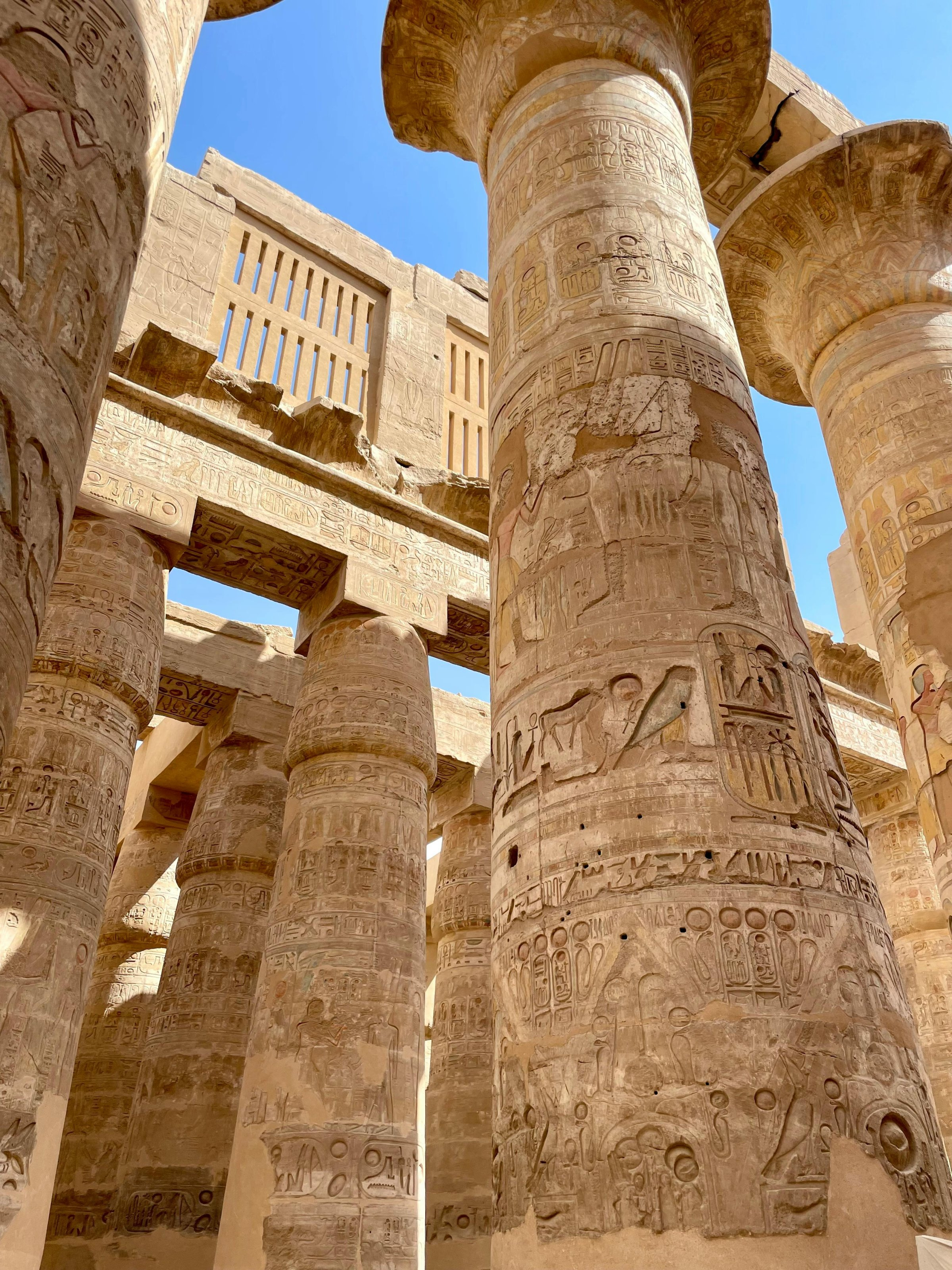
Within the nearby Hypostyle Hall, more than 100 massive columns rise over 10 meters high, some exceeding three feet in diameter. Even more remarkable than their scale is what remains visible today: original paint, still clinging to stone after more than 3,000 years under open skies.
As night falls, the Karnak Sound and Light Show brings the complex to life once more, casting ancient history against the darkening desert sky. After miles of walking and a full immersion in ancient Egypt, the days following these excursions are best reserved for rest and rejuvenation—spa treatments, riverside relaxation, and preparation for onward travel to Cairo or Abu Simbel.
Why Luxor, Egypt Rewards Expert Planning
Luxor is not simply a checklist destination—it is a layered and historically dense experience. The difference between visiting Luxor and experiencing it lies in expert sequencing, trusted local partnerships, and logistics executed without friction. After miles of walking and a full immersion in ancient Egypt, certain days of your trip are best reserved for rest and rejuvenation—spa treatments, riverside relaxation, and preparation for onward travel to Cairo or Abu Simbel.
As an advisor, I specialize in designing luxury journeys that honor the destination while protecting the traveler's time, comfort, and expectations. From vetted hot air balloon operators to premium accommodations and insider insight, the role I occupy within a luxury Egyptian itinerary is not always visible, but it is felt through seamless transitions and informed counsel at every stage.
In Luxor, where gods once walked and history still breathes, luxury is not about excess. It is about access, understanding, and impeccable execution.
FAQ
When is the best time to visit Luxor, Egypt?
The best times to visit are March-April or October-November for pleasant, temperate weather. Summer heat can be stifling, especially after noon. The lowest rates can be typically found during December-February.
How can I get to Luxor?
Arrive by plane to Luxor International Airport (LXR), a short, fairly cheap 1-hour flight from Cairo, or take the 10-12 hour overnight sleeper train from Cairo to Luxor to enjoy posh accomodations, dining, and striking desert scenery. I can also arrange private transportation depending on where you are traveleing from, or book you a luxurious Nile river cruise from Cairo to Luxor that allows you to see plenty of other historical sites along the way.
What are bathrooms like in Egypt?
They're a bit different. I recommend packing a small kit with toilet paper and hand soap or sanitizer when visiting historical sites and tourist venues, as the majority of public restrooms won't have these amenities. Most toilets offer a "shattaf" or bidet for cleaning, and if you do use paper, don't flush it. Due to the "historical" plumbing in most public restrooms, paper will clog the toilets. A bin is provided for disposal.

Plan your next journey with
Raymond GilesRaymond Giles is a fully licensed travel advisor with LuxRally Travel, a Forbes Travel Guide Endorsed agency. His work spans destination guides, travel inspiration, and industry insight, reflecting a well-rounded perspective on the world of luxury travel.
Related Stories
Luxury Travel for Veterans: Your Military Travel Benefits Deserve a Better Itinerary
By Raymond Giles
Myths and Truths about Visiting Saudi Arabia: An Insider’s Guide
Saudi Arabia has undergone one of the most ambitious national transformations in modern tourism. After 18 months in the Kingdom, these are the most common misconceptions and their realities across safety, luxury, culture, and geography in the region.
By Raymond Giles
The Grand Tetons Are Calling: Ski Season with the Four Seasons Resort & Residences Jackson Hole
From ski-in, ski-out luxury at the Four Seasons to a hidden speakeasy bathed in moody red light, this curated roundup captures everything the discerning skier needs for the ultimate Teton Village experience.
By Amy Van Den Top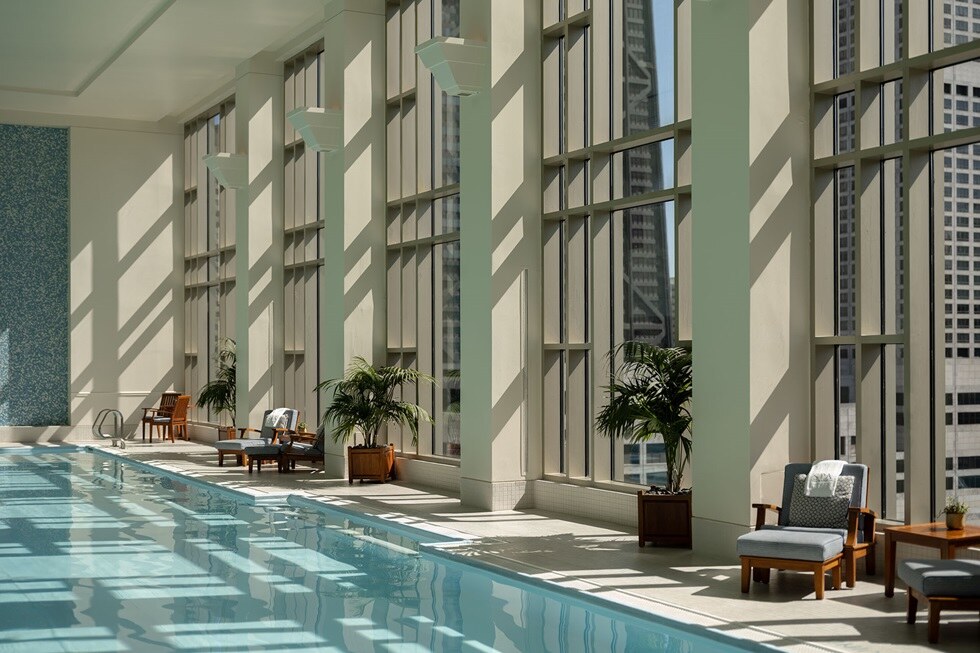
Local’s Guide to Chicago: America’s Most Underrated Luxury Family Escape
From a Chicago rooftop pool where snow falls beyond the glass, to afternoon tea that needs no occasion — this city rewards the traveler who slows down. Even after thirteen years, it's still a city that my family and I can discover anew.
By Natalia Semizarov
Multigenerational Travel Is Having a Major Moment: Here's The What, Why, Where, and How
Multigenerational trips are the fastest-growing travel trend — and for good reason. From grandparents initiating the adventure to Gen X bridging generations, families are trading scattered getaways for one unforgettable shared experience.
By Sara Ryburn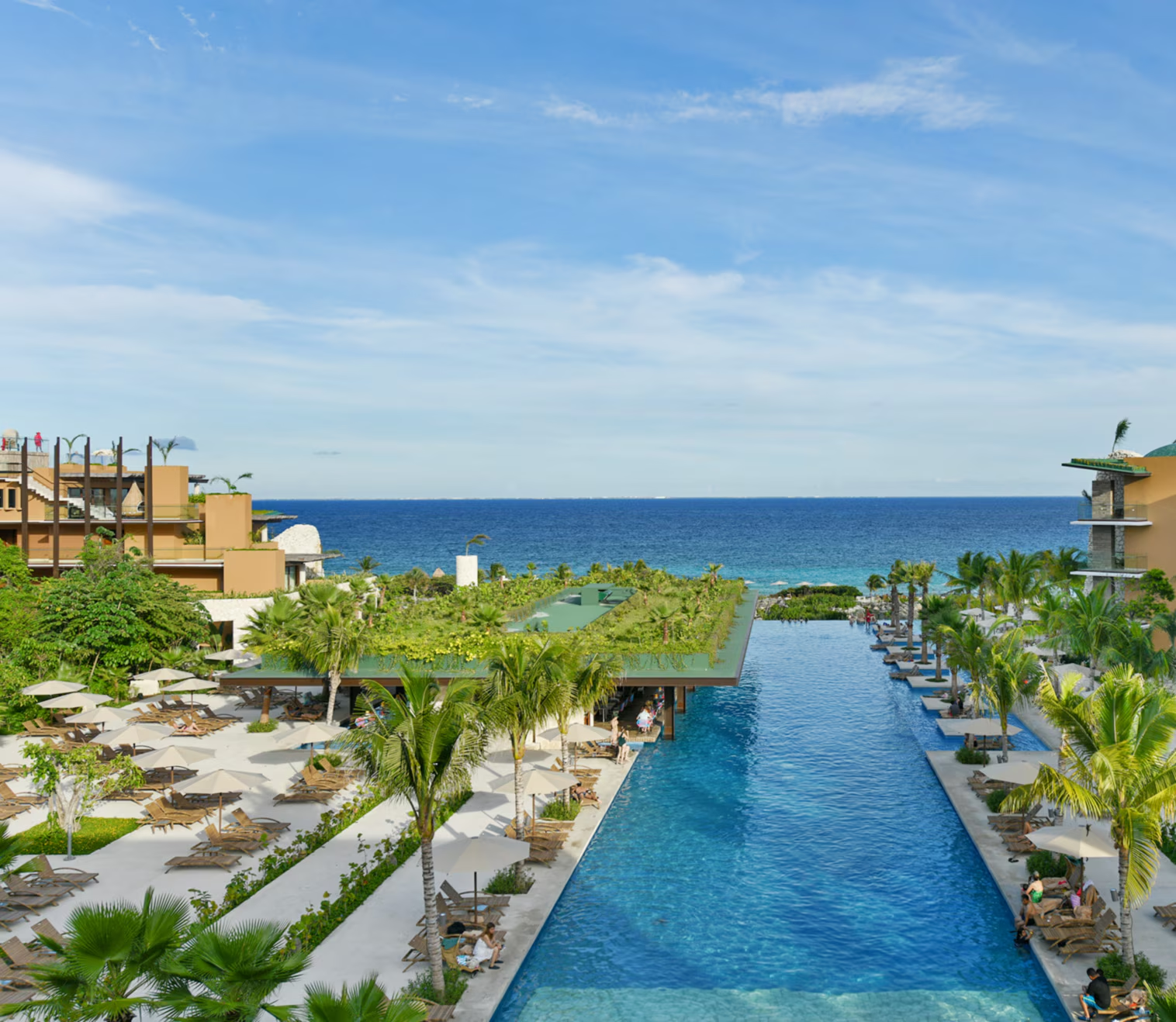
Hotel Xcaret México Review: Everything You Need to Know Before You Book
With eight distinct Casas, five adventure parks, and over 20 restaurants, Hotel Xcaret México is the Disney of the Riviera Maya. My biggest takeaway? Don't arrive unprepared.
By Alexis Dunfee