
Family Travel Tips
5 Family Travel Lessons from a Nurse-Turned-Travel-Advisor
After 30 years as a nurse and raising three boys of her own, a nurse-turned-travel-advisor shares why you might not need to rush to the ER or pack all your worries — just keep a calm head, a simple kit, and a plan. Practical advice every traveling parent needs.
July 28, 2026
So, you've booked the trip, packed the suitcases, and you're finally ready to make some family memories. Standing between you and those memories are long lines, potentially delayed flights, and overtired little travelers.
With some preparation and the right mindset, family travel can become one of the most rewarding experiences you share together. Before I became a travel advisor, I spent over 30 years as a nurse helping families prepare for trips and fielding calls when things went sideways. That combination of medical training and hands-on family travel experience gave me a different lens on traveling with kids — one built around safety, preparation, and keeping calm when it counts.
Whether you're navigating a commercial connection or a private charter across three countries, the fundamentals of traveling with children are the same. The key isn't chasing perfection — it's preparing, staying flexible, and keeping calm.
This article reflects the author's personal and professional experience and is not a substitute for medical advice. Always consult your child's pediatrician or a travel medicine specialist before departure.
Start with Medical Considerations
Before any trip — especially international family travel — make sure your family's health needs are covered.
Check that everyone's vaccinations are up to date and work with your travel advisor to determine whether any additional vaccines are needed for your destination. Most vaccines take several weeks to build immunity, so don't wait until the last minute to schedule appointments.
Some medications interact with certain vaccines and reduce how well one or both work. These timing considerations are easy to overlook, which is why it's a good idea to call your pediatrician or travel medicine clinic well in advance of your departure date. They can help you create a timeline for vaccines and medications specific to your destination.
Pack all necessary medications in your carry-on luggage, including prescription medications, over-the-counter remedies, allergy medications, pain relievers, and a basic first-aid kit.
When traveling with prescription medications, always keep them in their original, pharmacy-labeled containers. Pack them in your carry-on luggage, not your checked baggage, to ensure they arrive with you, even if your checked bags are delayed or lost. It's also wise to bring at least one extra week's supply in case your travel plans are unexpectedly extended.
If your child takes a controlled medication, such as many ADHD medications, carry a copy of the written prescription or a brief letter from your physician that includes the diagnosis and treatment plan. Some ADHD medications are classified as controlled substances — or outright prohibited — in certain countries.
Before you travel, check the medication regulations for your destination, as well as any countries where you have layovers, through the U.S. Department of State's Country Information pages. Some countries require travelers to obtain an import permit or other official authorization well in advance of arrival.
If your child has specific medical conditions, carry copies of prescriptions and a summary of key information — their diagnoses, current medications, and the contact numbers for all their doctors. If an emergency happens, you want to be focused on your child, not scrambling to find information.
Preparing Your Kids for the Journey
Travel is exciting, but it can also be overwhelming — especially for younger children or those who thrive on routine.
Prepare your kids according to their age and personality. Talk about where you're going, what they'll see, and what to expect during the journey. Frame it as an adventure rather than a series of logistical hurdles. And please, please talk through what the airport will look like before you get there.

I was flying alone with my three sons shortly after 9/11, when airport security measures had become incredibly strict. They were just 2, 7, and 9 years old. Right as we were about to board, we were pulled aside and separated for an additional security screening. Although my boys could still see me, I wasn't allowed to help, touch, or even comfort them. The officers took the boys' backpacks and unpacked every item for inspection. Then everyone had to take off their shoes to be searched—again.
My youngest was already overwhelmed, and the shoes were the final straw. He burst into tears and started screaming, which quickly brought even more security officers to the gate. Fortunately, one of the people who arrived was a supervisor. He took one look at the situation, realized what was happening, and put a quick end to it. The officers kindly helped us repack the backpacks, and we finally boarded the plane.
As it was unfolding, I realized I had two choices. I could start yelling at the security officers, which would only frighten my children and potentially leave them distrustful of authority figures. Or I could stay calm and remind them that, as absurd and upsetting as the situation felt, the security team was simply trying to do their best to keep everyone on the plane safe.
I chose the latter. Looking back, I don't think my children even remember the experience because I refused to make it bigger than it already was.
When taking kids through airports, I found role-playing to be surprisingly effective. Pretend you're going through airport security at home. Practice putting bags on a conveyor belt, walk through a scanner, and wait patiently in line. Familiarity helps reduce anxiety when the real experience arrives.
If your child is sensory-sensitive, talk with them ahead of time about what to expect — crowded airports, loud announcements, long waits. Noise-canceling headphones, comfort items, or sensory tools can make a real difference.
Most importantly, build excitement around this experience. Not every kid gets to go on adventures like these. Show photos of your destination, read books about the places you'll visit, and talk about the adventures waiting ahead.
My Best Travel Day Tip: Make Travel Day Fun
In a similar vein, a little novelty goes a long way on travel day.
Consider packing a few brand-new books, small toys, activity packs, or downloaded movies that your children haven't seen before. The excitement of something new can buy valuable entertainment time during long flights or road trips.
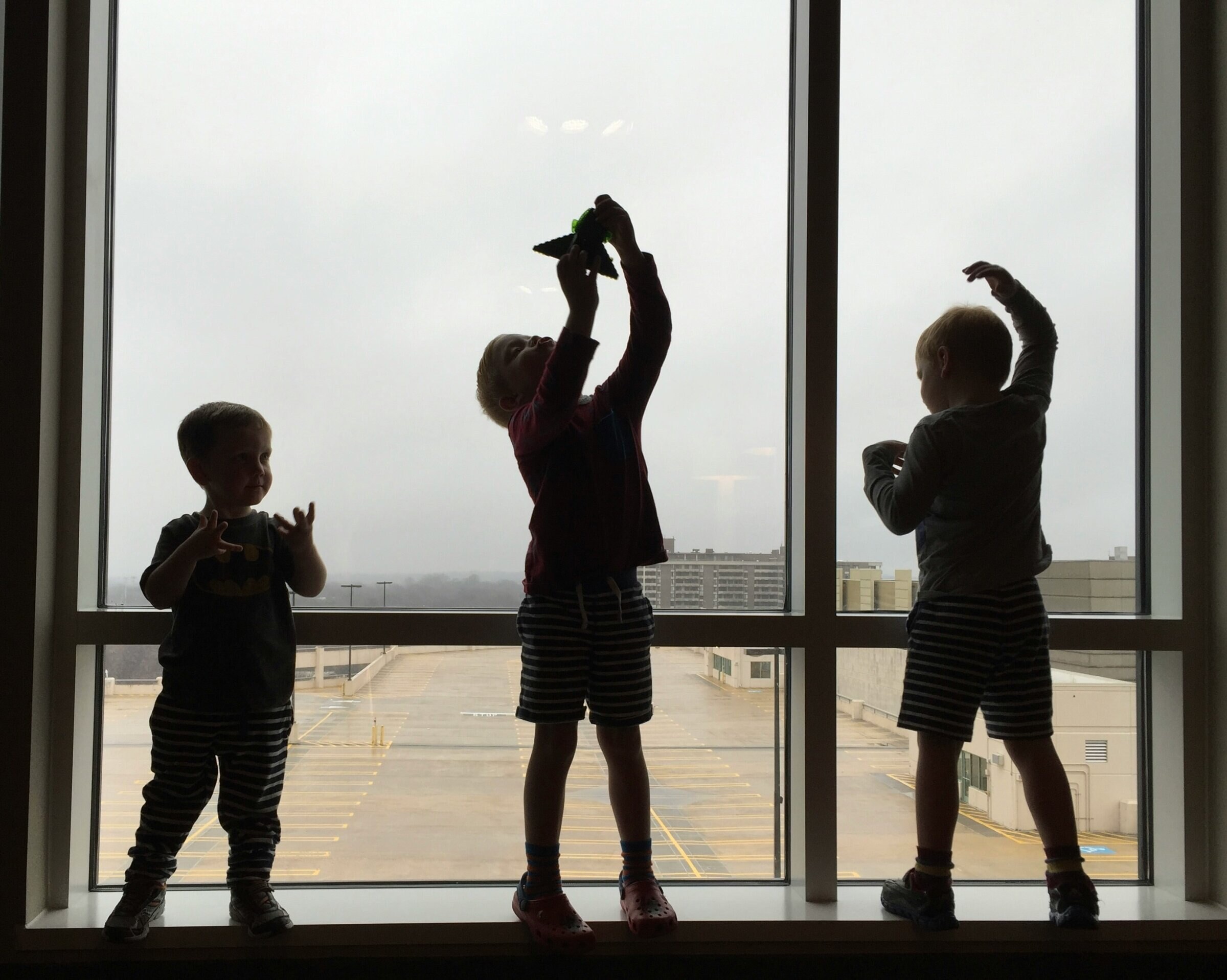
Create a simple airport or road trip bingo card. Children can mark off things they see, like a pilot, a purple suitcase, a red car, a dog, an airplane taking off, a luggage cart, and more. The game keeps kids engaged and turns waiting into part of the fun.
On one long car ride with a one-year-old, we rotated through a stash of small toys he hadn't seen in a while, swapping one out whenever he lost interest — and it worked far better than anything elaborate. On road trips, we'd stop at each state's welcome centers to grab brochures and a snack.
We always kept a ball in the car, too, so the boys could run around in the grassy areas kicking it back and forth to burn off some of their energy before climbing back into their seats. The lesson translates well: novelty, introduced in small doses, buys more calm than any single "big" toy or screen.
Snacks are another travel-day essential. Bring a variety of familiar favorites along with a few treats. Hungry kids rarely make happy travelers. And don't forget empty water bottles. Fill them once you're through airport security so everyone stays hydrated without paying airport prices.
During takeoff and landing, encourage your child to swallow, sip a drink, chew gum (if they're old enough), or suck on a lollipop. These simple tricks can help relieve ear pressure and make the flight more comfortable. If your child normally rides in a car seat, consider bringing it on the plane — having them sit in it during the flight can offer real comfort in an unfamiliar environment, and you might even be rewarded with a long nap!
Involve Kids in the Planning
Children are often more invested in a trip when they have a role in creating it.
Invite your children to help choose activities, attractions, or restaurants before your trip. Let them pick out some of the clothes they'll pack as well. I would give my boys a simple packing list and have them lay everything out on their beds. For example: "You'll need four everyday outfits, one nicer outfit for going out to dinner, and a bathing suit."
Even young children can pack successfully with clear instructions — and the process itself builds excitement before the trip begins. Best of all, those small decisions give them a genuine sense of ownership.
One of the best family travel strategies is making sure every person has something they're genuinely excited about. Maybe one child can't wait for the beach, another wants to visit a zoo, and a parent dreams of a local food tour. When everyone has something to anticipate, the trip feels more balanced and enjoyable.
At the same time, don't overschedule.
Leave room for downtime, naps, lazy mornings, and spontaneous discoveries. Some of the most memorable travel moments happen when you're not rushing from one attraction to the next.
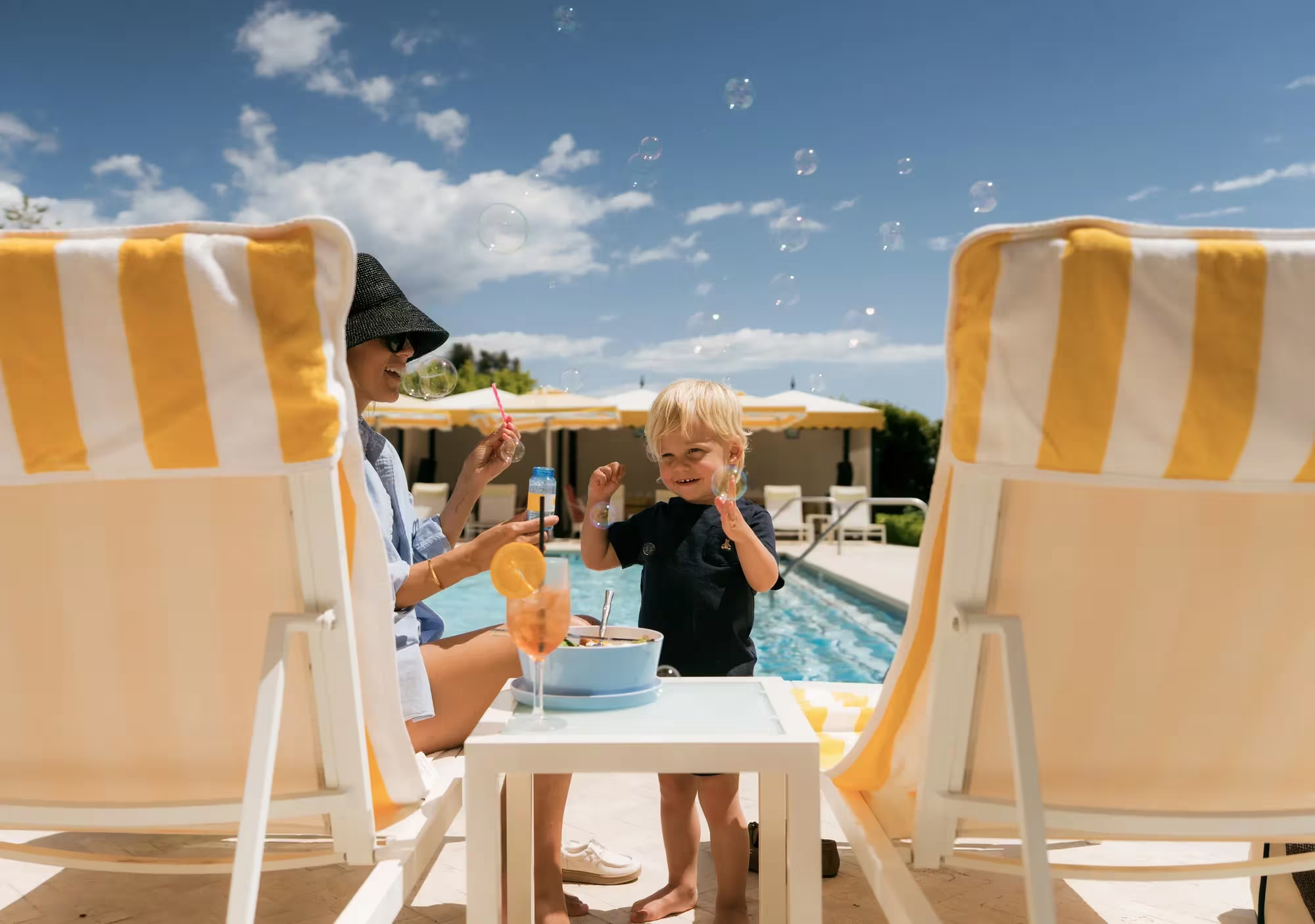
Keep Calm and Carry On
Kids are emotional mirrors. They notice our stress, frustration, and anxiety — even when we think we're hiding it.
Flights get delayed. Someone forgets a water bottle. A reservation falls through. Wallets and shoes don't make it onto the plane. These moments are part of travel. When parents stay calm, children are more likely to stay calm too.
I know this from my own experience: I once went snorkeling with all three of my young boys, and we ventured out to a sandbar pretty far from shore. My middle child spotted something and darted ahead of us, just as I noticed a fin moving no more than three feet from him.
I knew what it was, but panic would have made things worse. I calmly gathered the kids together and walked us back to shore as a group — a reliable shark deterrent — explaining as we went that we were fine. It worked. To this day, my sons aren't convinced I actually knew what I saw, because I stayed so calm.
Handling a Medical Emergency on the Road
Speaking of staying calm under pressure — a few years back, we were in Virginia celebrating my son's birthday with a trip to Kings Dominion. We were barely out of the car for dinner when my youngest fell and cut his chin open. My husband scooped him up and immediately said, "Let's go to the ER." I said, "Give me a moment."
As a nurse, I'd been trained to assess when a wound needs professional closure and when it can be safely managed at home — and that training is what let me make the call in that moment. This isn't a substitute for medical judgment: if you're ever unsure whether an injury needs an ER, err on the side of caution and go.
I cleaned the wound, had them hold pressure on it, and stepped into a drugstore for adhesive to seal the wound. An hour later, we were singing happy birthday over ice cream. Crisis averted.
Most things that send parents into a panic can be handled without one — and nothing derails a trip budget faster than an ER visit that wasn't necessary. Before you leave home, check whether your pediatrician offers a 24/7 nurse line or pediatrician hotline for travel emergencies. Unless your child is bleeding profusely or having difficulty breathing, call that line first. Many pediatric practices also have a symptom-checker on their website that tells you how to treat common issues and when to seek help.
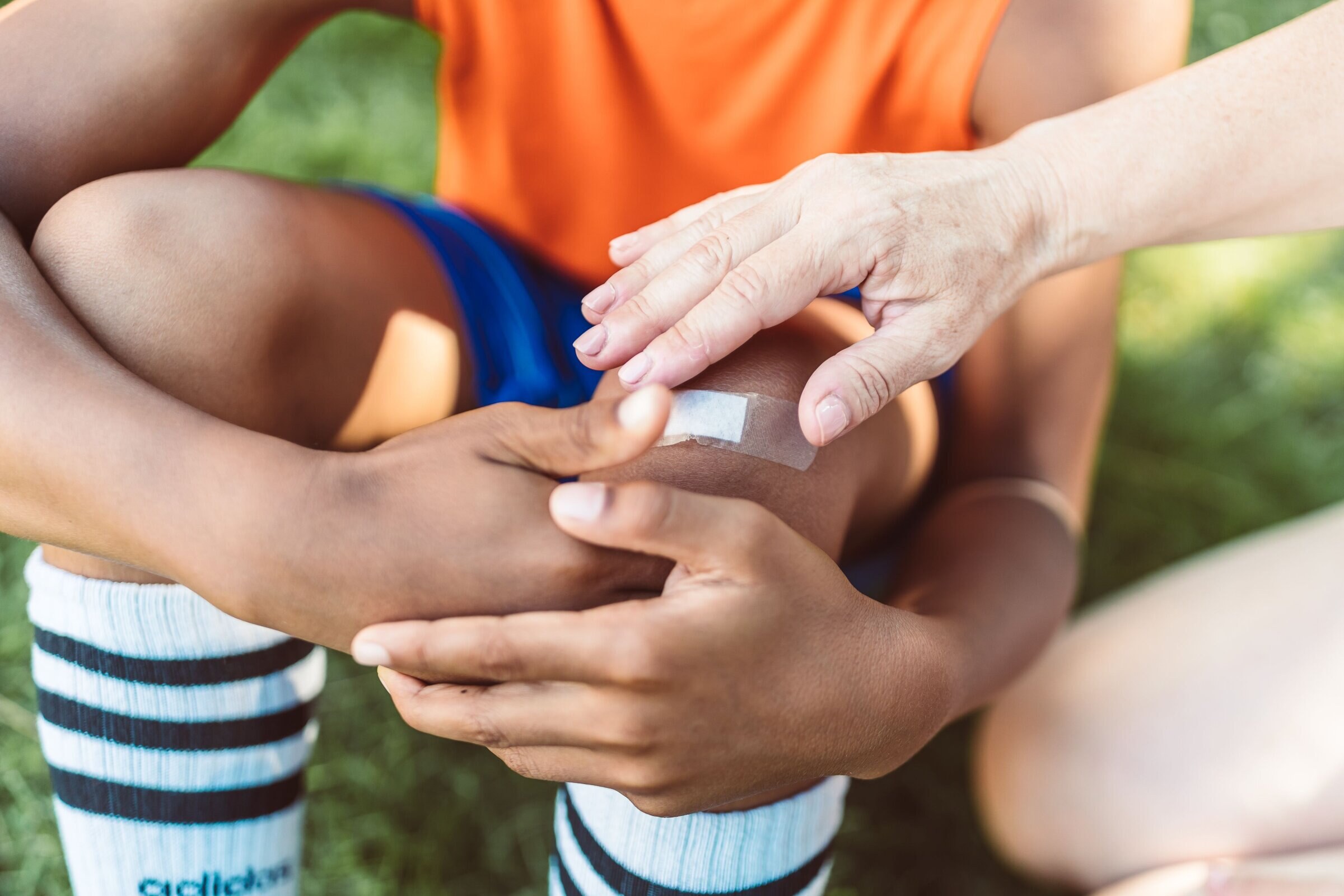
You might be thinking, "But you're a medical professional — this is second nature to you." And you're right, it is. But the good news is that anyone can learn these skills. That's why I recommend every parent take a first aid and CPR class. Even a little training gives you the knowledge and confidence to respond calmly when an emergency happens, and that can make all the difference.
As for what to pack for safe travel: don't overthink it. My go-to travel safety kit is Benadryl, Motrin, and a basic first aid kit. You just need the basics to handle the immediate moment. If you need something more, there's almost always a drugstore nearby.
When you hit a bump, remember: you're on an adventure. Unexpected moments are a perfect opportunity to teach your kids problem-solving skills — or let them try to work it out themselves and watch the joy on their faces when they succeed. Every trip is a new opportunity to learn and grow.
The best family memories rarely come from perfect travel days. They come from the unexpected moments, the funny mishaps, the shared adventures, and the stories you tell for years afterward.
So pack the snacks, the movies, the toys, prepare for the unexpected, and embrace the journey. The goal isn't flawless travel — it's creating experiences together that your family will remember long after the suitcases are unpacked.
Planning a family trip with more moving parts than usual? As a Forbes-endorsed travel advisor with LuxRally Travel, I can help you build a thoughtful, family-first itinerary from the ground up.
Connect with me below to start the conversation.

Plan your next journey with
Cyndi KirchhoffCyndi Kirchhoff is a fully licensed travel advisor with LuxRally Travel, a Forbes Travel Guide Endorsed agency. She brings her industry expertise to readers seeking trusted guidance in all types of travel.
Related Stories
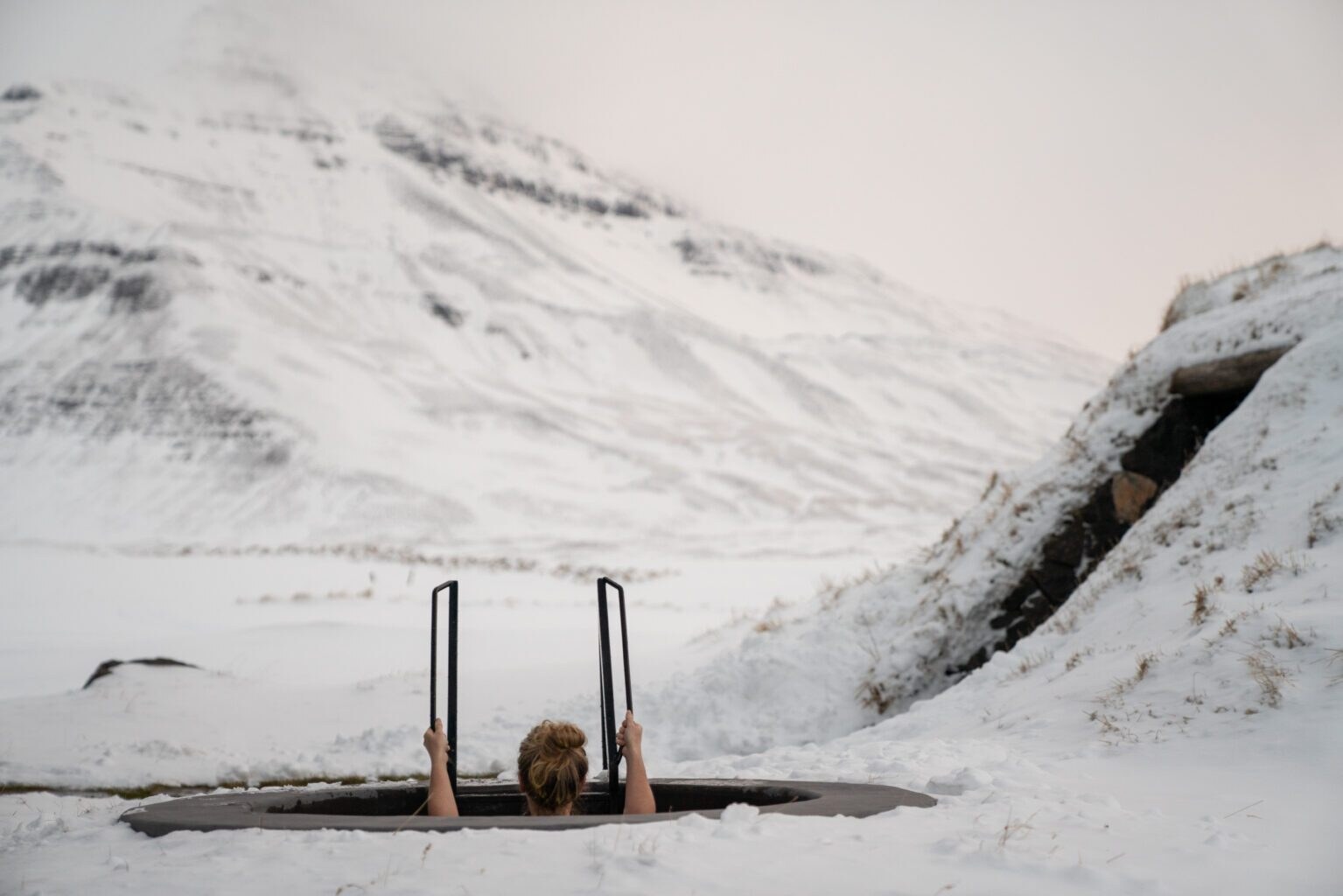
Three Ways to Experience Iceland, From The Ring Road to Luxury Cruising
I've planned trips to Iceland as guided city-and-excursion tours, a Ring Road road trip, and a luxury cruise, and each delivered something completely different. Here's how the three ways to visit Iceland break down.
By Cyndi Kirchhoff
Virgin Voyages: Myths, Reality, and Why I Booked a Second Cruise Before the First One Ended
Virgin Voyages has reimagined affordable luxury adults-only cruising—but do the myths hold up? After sailing on the brand-new Brilliant Lady, I was shocked by the separation between social media fiction and onboard reality.
By Cyndi Kirchhoff
Tired of the Mass Market Cruise Experience? These are Your Best Upgrade Options
If you've loved big-ship cruising but crave fewer crowds, better food, and boutique-hotel refinement, affordable luxury lines are the natural next step. Here are your best options — and how to choose the cruise line that fits you.
By Gena Zak
The 5 Most Common Complaints I Fix as a Travel Advisor
Your worst travel memories are the blueprint for your best ones. A travel advisor explains why he wants to hear your complaints first — and how he turns gripes into dream itineraries.
By Phillip Ritzenthaler
7 Lessons I Share with Every Client Traveling to the UK and Ireland
From sheep poking their heads through screenless windows to discovering the charm of pub hotels, these are the surprising, hard-won lessons I learned from my first overseas adventure across Ireland and the UK.
By Cyndi Kirchhoff
The Crème de la Crème: The Apex of Ultra‑Luxury Yacht‑Style Cruising
From Ponant's expedition elegance to Aman's floating sanctuary, discover the most coveted names in ultra‑luxury yacht‑style cruising and how to choose the perfect voyage for your travel style.
By Gena Zak