
One of a Kind
The Four-Story Pizzeria That Turned a Small Italian Town into a Pilgrimage
In a stone-carved village two hours from Naples, Pepe in Grani has turned pizza into pilgrimage-worthy art. Chef Franco Pepe's rule-breaking Margherita Sbagliata put Caiazzo on the world's culinary map and made it an essential stop for the best pizza in the Europe.
July 29, 2026
In the small Italian village of Caiazzo, a two-hour train ride from Naples, there stands a four-story shrine to the art of pizza—and arguably, the best pizza in the world.
Pepe in Grani topped the 50 Top Pizza Awards in 2018 and held the top spot in the 50 Top Pizza guide's ranking of the world's best pizzerias for two consecutive years. Chef Franco Pepe — whose family tradition spans three generations — has singlehandedly transformed Caiazzo into a culinary destination in and of itself, making it an essential, unconventional stop on a broader Italian itinerary.
The Stone Steps to the Best Pizza in the World
To reach Pepe in Grani, you must first enter the ancient city of Caiazzo, where the paths and buildings are carved from stone, centuries pressing against your shoulders as you climb. You ascend an ancient stone stairway, each step bringing you closer to the flickering flames of a pizza oven that has earned a place among the world's finest — one that, even when it went dark to diners, never stopped serving the town around it.
During the COVID-19 lockdown, Chef Pepe closed his restaurant's doors to guests, but didn't stop baking. He turned his ovens toward the community instead, preparing pizzas and biscuits for the elderly and those in need, and organized a fundraiser for the local hospital. That commitment was recognized at the national level — President Sergio Mattarella awarded him the honor of Knight of Merit of the Italian Republic for his community service during the crisis. The gentle ambiance of this small Italian village mirrors the flames, flickering and warm, inviting as a campfire.
Pepe in Grani, nestled in the province of Caserta roughly 60 to 90 minutes from Naples by car, is the life's work of Franco Pepe — a pizzaiolo whose name has become synonymous with the elevation of pizza from beloved comfort food to genuine culinary art. For anyone who considers themselves a lover of pizza, a visit to this destination restaurant is not optional. It is essential.
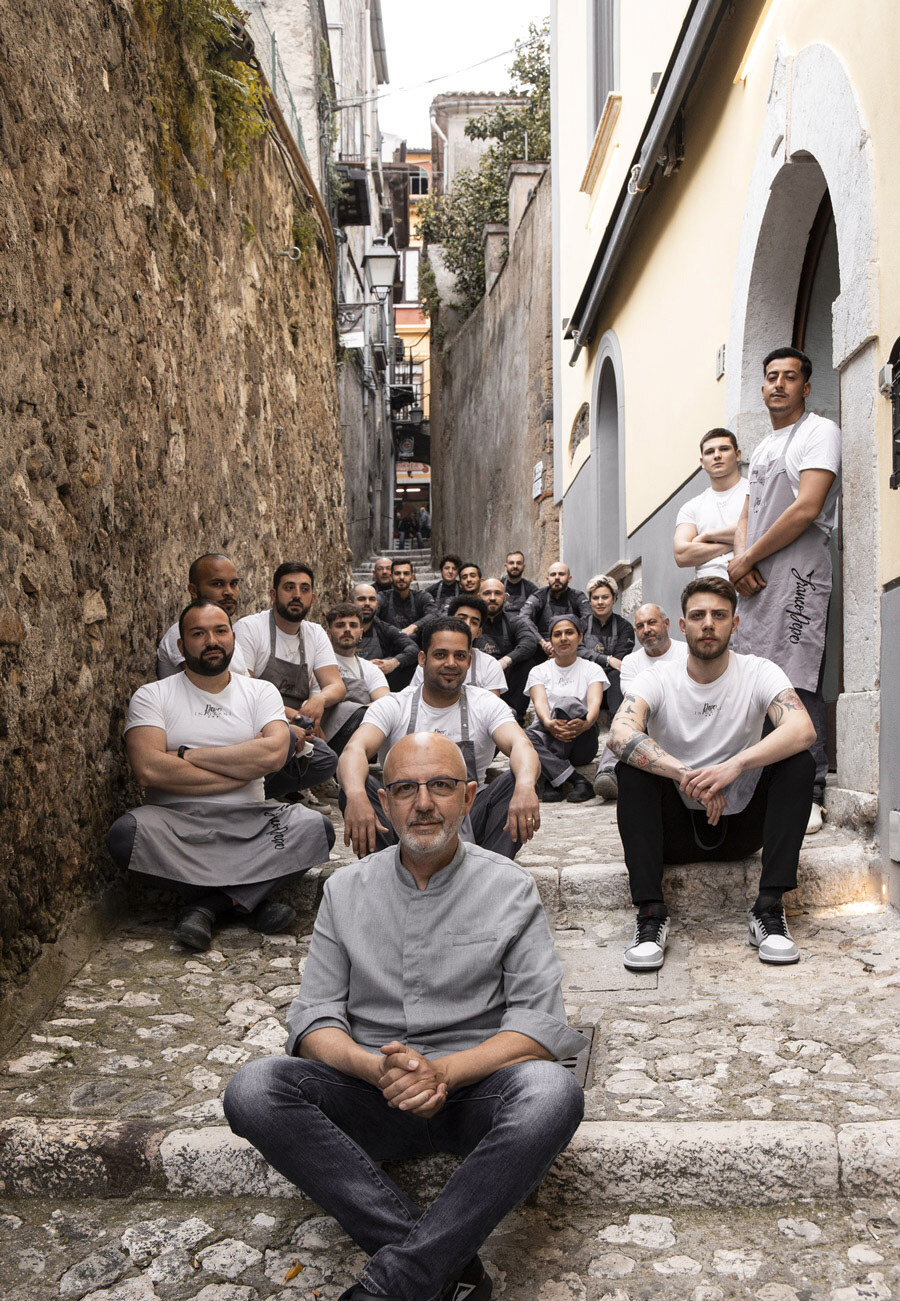
The Man Behind the Dough
What strikes you first about Franco Pepe is not his fame but his warmth. He frequently makes his rounds to the tables, greeting guests with the kind of genuine hospitality that cannot be manufactured. When he stopped at our table, he was kind and welcoming — a man who clearly understands that the experience of dining extends far beyond what arrives on the plate. In Franco Pepe's world, hospitality is baked into every moment, not just every pizza.
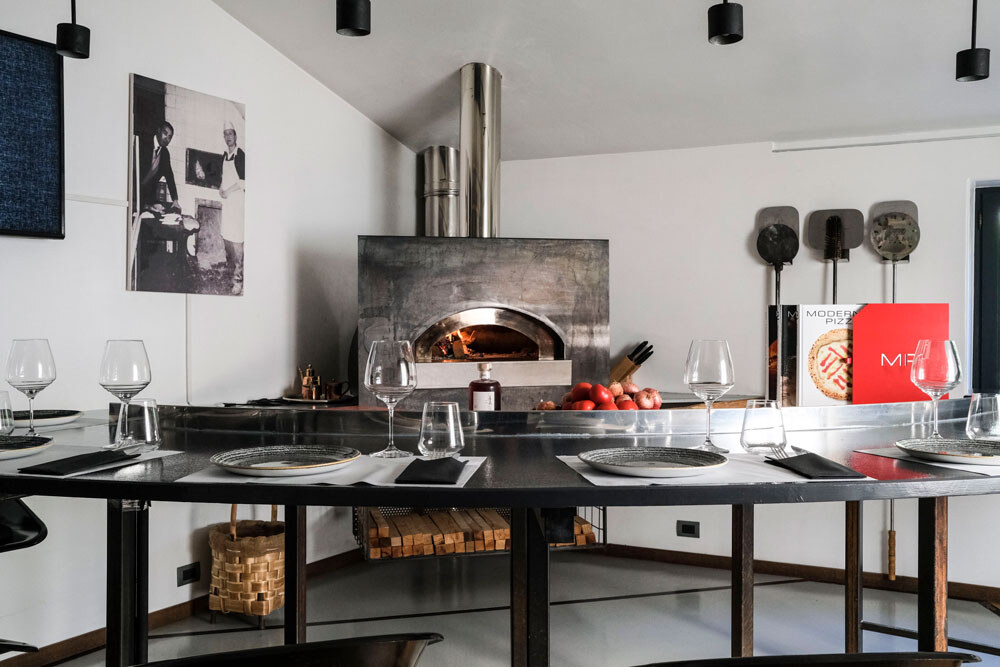
This philosophy extends into the tasting rooms upstairs, where the artistry becomes even more intimate. Designed for small groups of eight to ten guests, these exclusive spaces offer something extraordinary: the chance to watch master craftsmen stretch dough by hand, a process evaluated solely by feel and weather. There is no thermometer for this. No timer. Just decades of intuition meeting flour, water, and air. It is in these moments that you begin to understand — this is not just cooking. This is something else entirely, and you're in a museum dedicated to it.
A Tasting Menu That Rewrites the Rules
Most of us, when handed a pizza menu, gravitate toward what we know. A Margherita. A Diavola. Something safe and familiar. Franco Pepe knows this about us, which is why I cannot recommend the tasting menu highly enough. We chose the nine-course journey, which cost around 65 euros a person and became the single most compelling argument for stepping outside your comfort zone at the table.
We began with the Ciro — a dish Franco dedicated to his friend, Ciro. These elegant cones of fried pizza dough arrive filled with Grana Padano DOP fondue, rocket pesto, and dehydrated olives. They were playful, deeply flavored, and immediately signaled that the evening ahead would be full of surprises.
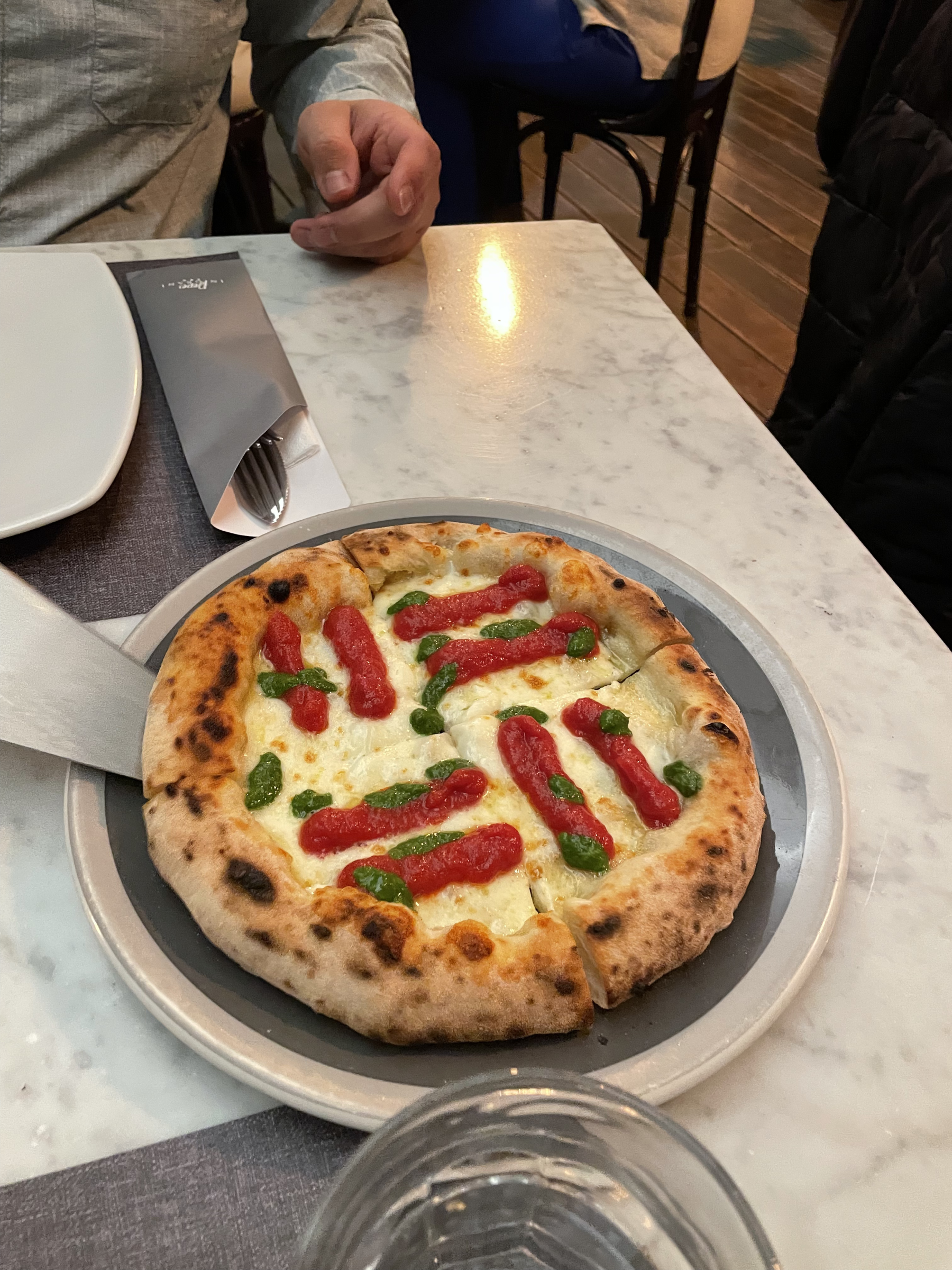
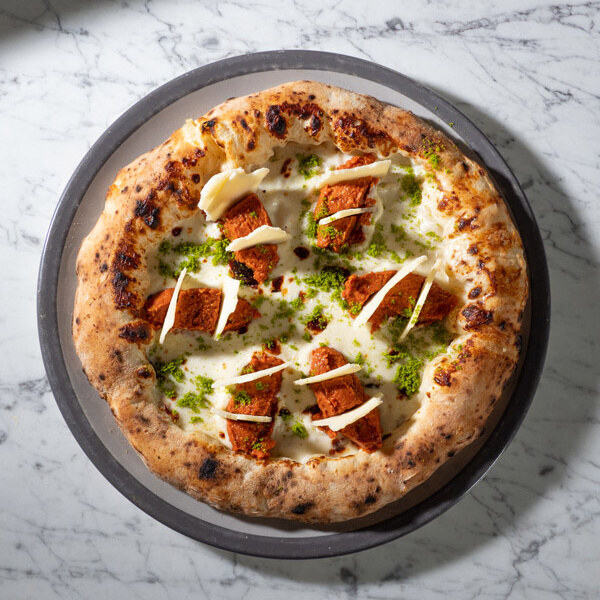
The dish I traveled to Caiazzo to experience was the Margherita Sbagliata — the "Mistaken Margherita." This is the pizza that skyrocketed Pepe in Grani to international fame, a brilliant deconstruction that places the cheese beneath the sauce rather than on top. As the restaurant describes it, the dish comes from the desire to bring attention to the Riccio tomato native to Caiazzo, while preserving its nutritional value. It is a simple pizza cooked with extra virgin olive oil and Campania DOP buffalo mozzarella, then topped after cooking with a purée of Riccio tomatoes and basil reduction.
The crust was perfectly cooked, with deep flavor coming through from aging the sourdough for several days. The cheese was a delight — you are, after all, visiting the region famous for buffalo mozzarella. But the real standout was the tomato, bursting with flavor and sweetness. With the purée placed on top, you fully enjoy the brightness of the fruit exactly as Franco intended. Design in service of ingredient. Intention in every bite.
The Dish That Surprised Me Most
For all the anticipation surrounding the Margherita Sbagliata, the dish that truly stopped me was the Scarpetta — an ode to fare la scarpetta, the beloved Italian tradition of using bread to scoop up the last bit of pasta sauce after finishing your dish. Franco transforms this humble ritual into a deconstructed masterpiece, featuring an unexpected cold tomato compote that I would have never anticipated, large flakes of 24-month aged Grana Padano, and the bright zing of freeze-dried pesto. That was the dish where my appreciation turned to awe.
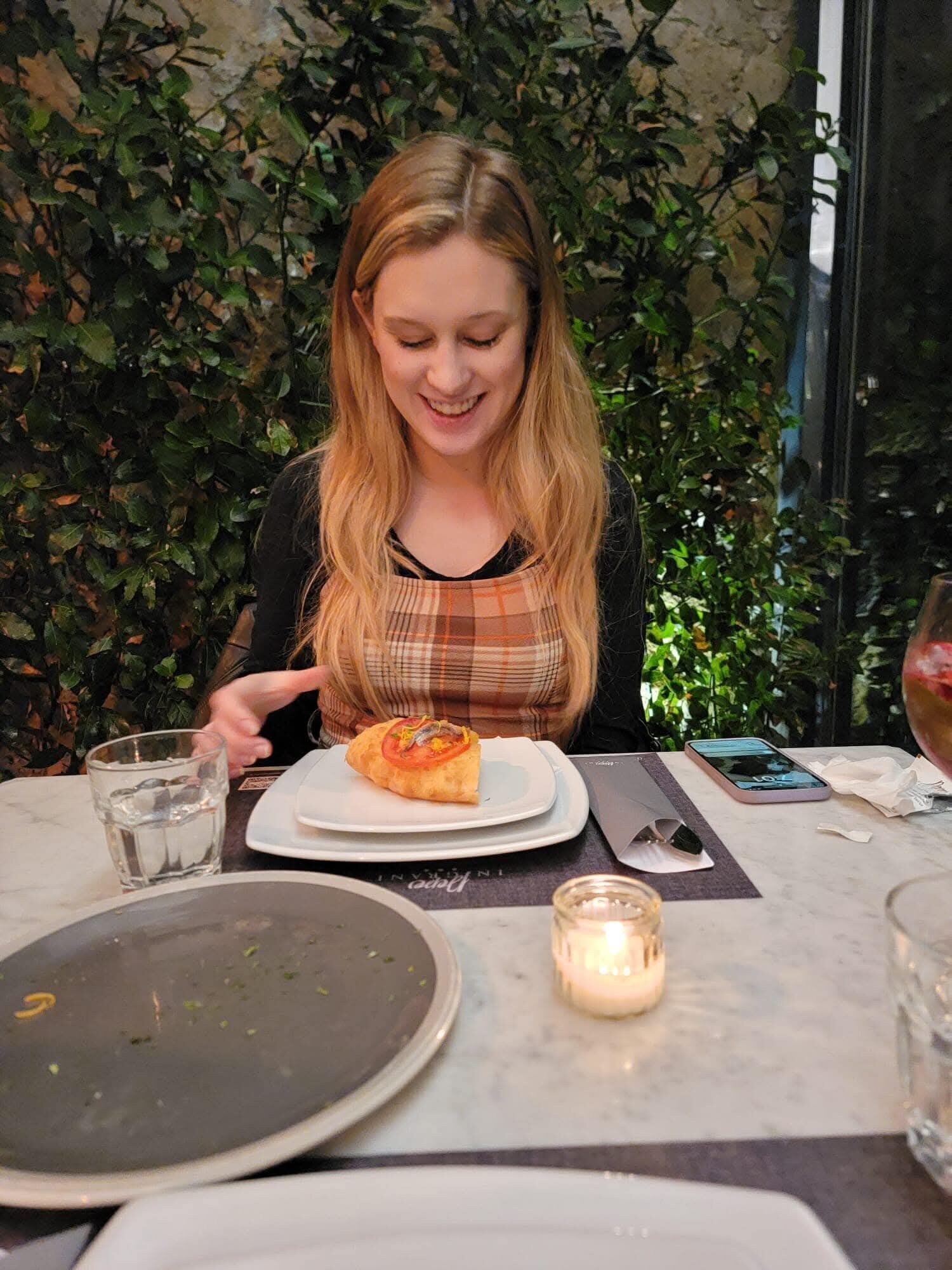
Our evening closed with the Crisommola del Vesuvio — a slice of fried "dessert" pizza with lemon peels flavored with DOP buffalo ricotta, Vesuvio apricot jam, roasted hazelnuts, Caiazzo dehydrated olives, and fresh mint. It was refreshing and lightly sweet, a finale that tied together the flavors of the region with the same restraint and creativity that defined every course before it.
Making Your Own Pilgrimage
Pepe in Grani fits naturally into a Southern Italian itinerary for anyone passing through Naples between Rome and the Amalfi Coast. The most convenient way to reach it is by car transfer, which I can arrange, ensuring you arrive on time and travel in comfort. A train runs from Naples to Caiazzo, though trains do not run late into the evening — a challenge given that Italian dinner runs late. A more economical alternative is to take a taxi to Caserta station, then catch a train to Naples afterward.
Reservations should be made weeks, if not months, in advance, as tables book up quickly—something else my concierge team and I can help with. Children are always welcome, as is common in Italian culture, though the quiet, string-light-lit ambiance of the gardens also makes this a perfect romantic dinner for couples and honeymooners. For the most intimate experience, book one of the exclusive tasting rooms, where curated courses are paired with premium wine or craft beer selections. If one evening in this corner of Campania simply isn't enough — it won't be — know that there is a nearby place worth staying for. The restaurant itself even offers two guest rooms on property, for those looking to immerse themselves in pizza day and night.
Where to Stay: A Fairytale Italian Castle Nearby
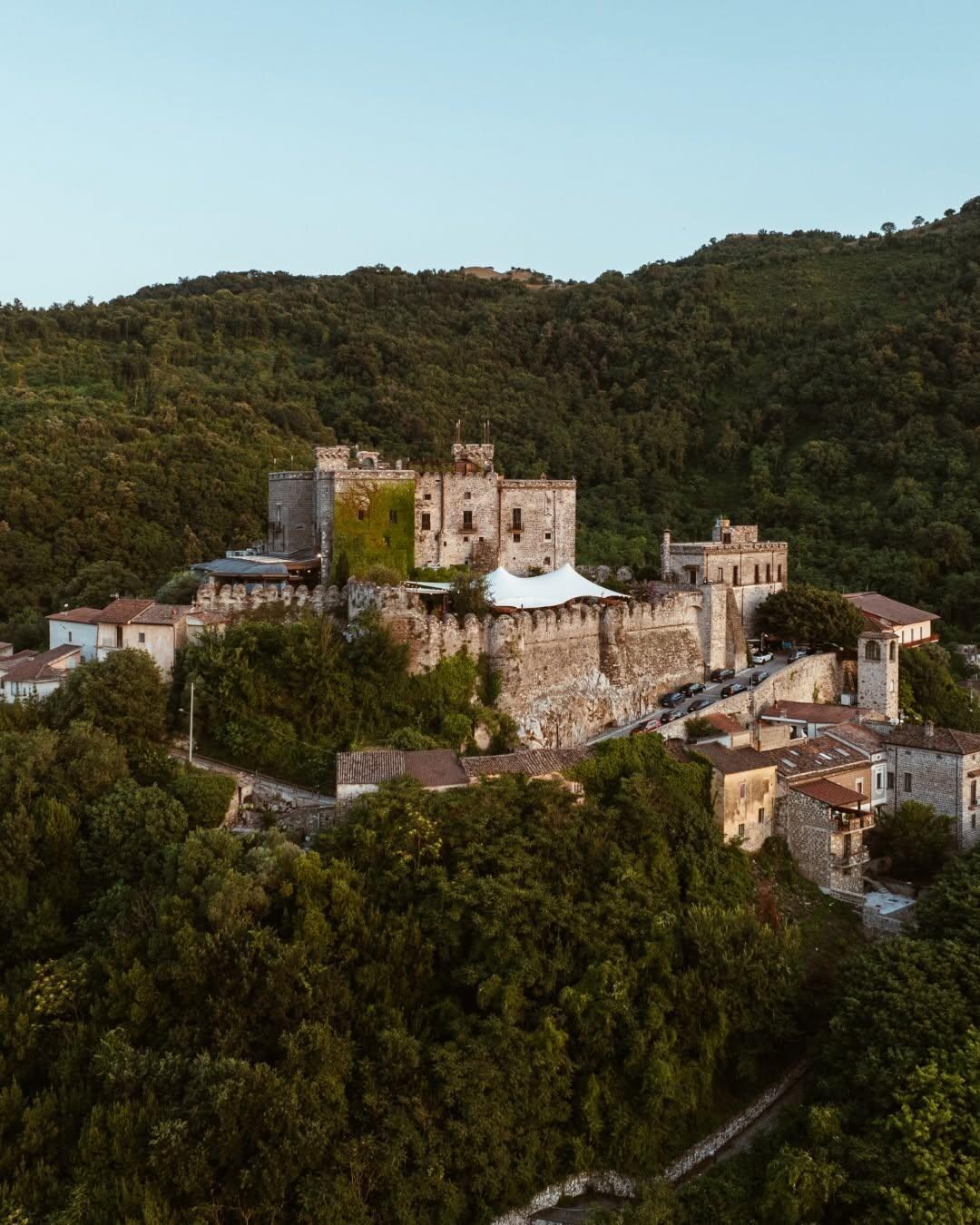
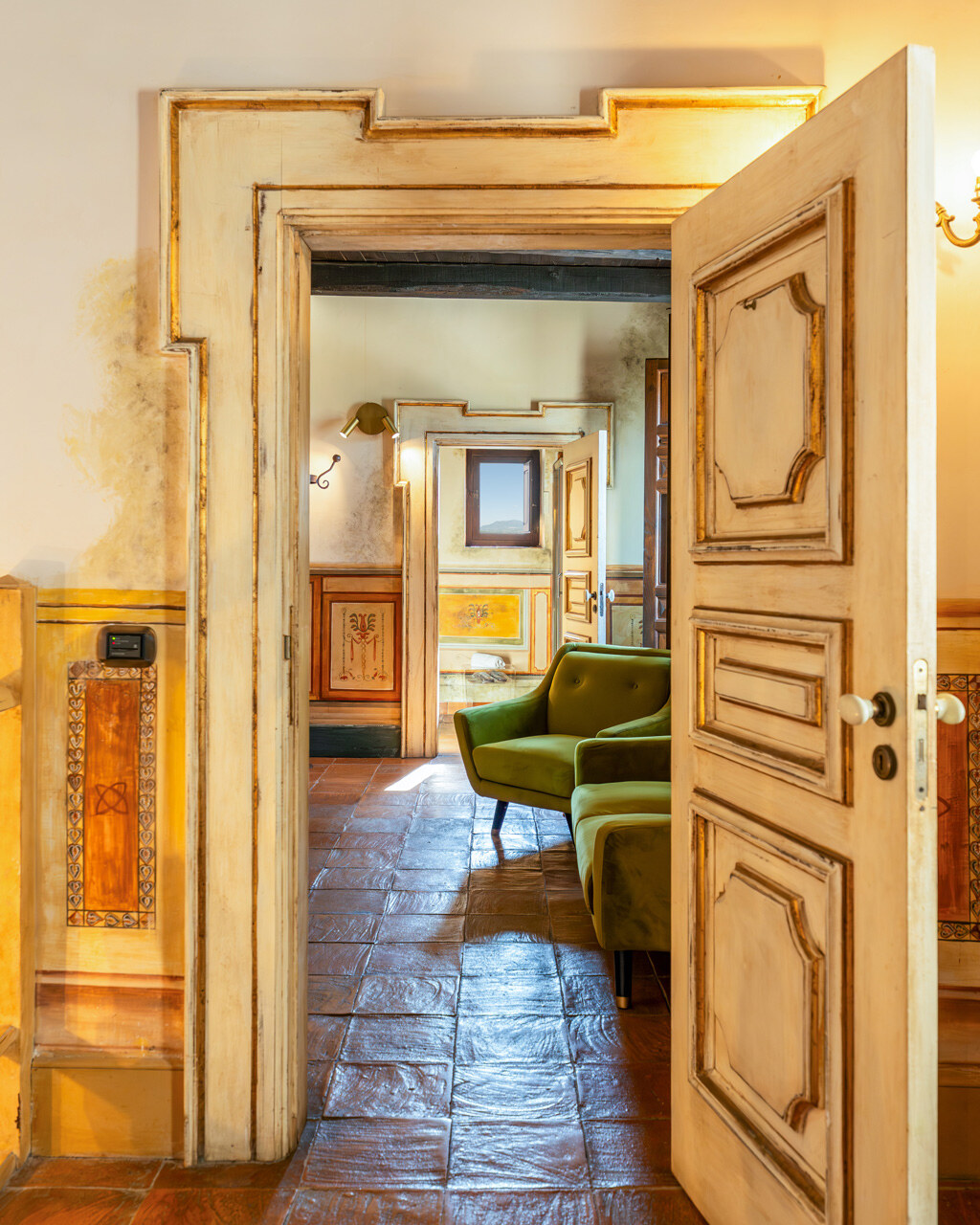
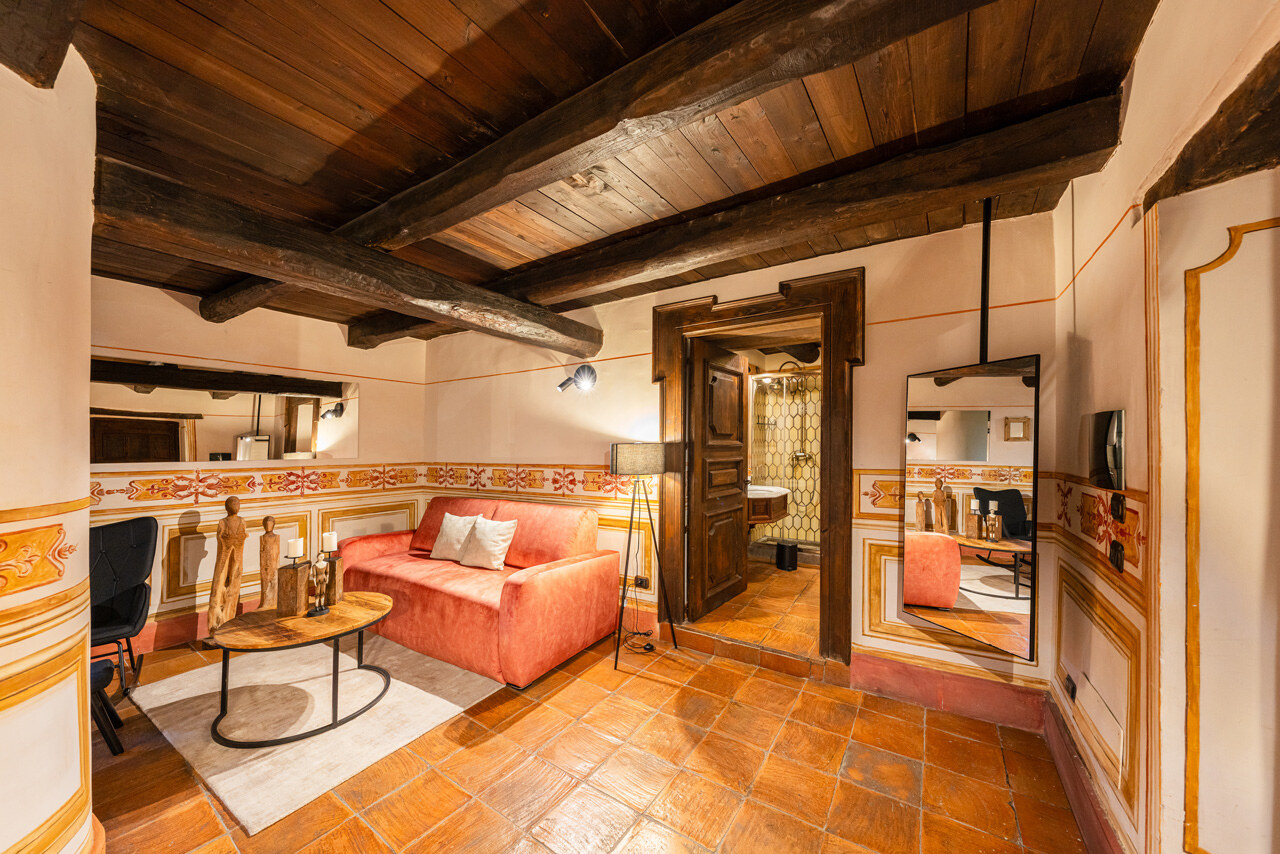
If the pilgrimage to Pepe in Grani inspires you to linger in this corner of Campania, consider pairing your dinner with a night at Castello di Limatola — a 1,000-year-old Norman castle just 13 minutes away, beautifully restored as a four-star boutique hotel with 13 elegantly appointed suites. Guests frequently describe the experience as a fairytale: 12th-century architecture, antique furnishings, and sweeping panoramic views of the Volturno River valley and the town below, all with the quiet seclusion that comes from being perched roughly a kilometer above Limatola.
The castle reveals different charms depending on when you visit. In winter, it transforms for an annual Christmas market — the grounds strung with lights, animated by carousels, a Ferris wheel, and market food stalls that make the ancient walls feel festive and alive. In autumn, the surrounding Campanian hills deepen into amber and rust, and the castle's stone takes on a warmth that feels almost cinematic. In spring, the gardens come into full bloom and the crowds thin considerably, offering a quieter, more contemplative atmosphere that pairs beautifully with the reflective mood that tends to follow a long, magnificent meal.
Getting there is half the challenge, but it doesn't have to be. A knowledgeable travel advisor can make the entire experience effortless — handling your restaurant reservations, arranging your car transfer, and ensuring you're booked at the right hotel for your goals. Whether Pepe in Grani is a single magical dinner stop or the anchor of a longer stay in the area, this is not a trip to wing. The details matter, and getting them right is what transforms a good meal into an unforgettable pilgrimage.
By the time we were back in the car, heading away from those ancient stone steps, we were honestly too full to even talk. An appetizer, six pizzas, and dessert will do that to you. But somewhere between the blissful silence and the food coma, we were already planning our next visit. That, perhaps, is the truest measure of Franco Pepe's art — not just that it satisfies, but that it lingers. In the memory of a cold tomato compote you never expected. In the sweetness of a Riccio tomato that redefines what simple can mean. In the knowledge that at the top of those ancient stone steps, there is a man who has spent his life proving that pizza — humble, universal, beloved pizza — can be transcendent.
When you're ready for your own pilgrimage to Pepe in Grani, let's talk. From priority reservations to recommended stays and transportation coordination, I can make traveling to the best pizza in the world a breeze.
FAQ
How are the prices at Pepe in Grani?
Prices at Pepe in Grani are 35 to 65 euro per person depending on which tasting menu you choose.
What does Castello di Limatola cost per night?
The rooms at Castello di Limatola start from $200-400+ per night depending on what season you book. There are only 12 rooms so it is recommended to book in advance, something your travel advisor can take care of.
Is this a good hotel to bring children?
Yes, this is a good location to bring children, but if you are ascending from the parking lot below it would not be a stroller friendly trek. I'd recommend having your advisor arrange a car transfer with dropoff in the city above where there is no public parking; it's worth it.
How do I get to Pepe in Grani?
The best way to get to Pepe in Grani is by driving or private transfer, about a 90 minute drive from Naples. Local trains and taxis offer more economical solutions.

Plan your next journey with
Megan SaldibarMegan spent four years living abroad in Naples, Italy with her husband, two kids, and dog, using it as a home base to explore the Amalfi Coast, Rome, and destinations throughout Italy and Europe. She now lives in Southern Utah with her family, where she spends her time hiking, reading, raising her kids, and helping her clients experience the world exceptionally well. If she had to choose one motivation for travel, it would always be the food. She has been known to plan an entire trip around a restaurant she wants to experience, or a meal she can't wait to return for. That same attention to detail shapes the way she approaches travel today. As a luxury travel advisor, Megan seeks out exceptional hotels, memorable dining, and thoughtfully curated experiences, using both firsthand knowledge and industry relationships to create trips that feel effortless, personal, and distinctly elevated.
Related Stories

Kona Meets Sedona: Inside Black Desert Resort, Southern Utah's Luxury Escape
Deep black volcanic basalt, emerald fairways, and red sandstone cliffs that shift from terracotta to burnt sienna by the hour — Black Desert Resort shouldn't work as a landscape, but it does, spectacularly. I pulled up on an October morning and realized I was looking at something I'd never seen before in a place I call home.
By Megan Saldibar
Three Hikes, Three Life-Changing Meals: A Guide to the Best Hikes on the Amalfi Coast
Ancient mule tracks, terraced lemon groves, and a plate of Spaghetti alla Nerano that Stanley Tucci called life-changing — I've walked the best trails along the coast and tracked down delicious dishes after, so you don't have to guess. The real Amalfi Coast rewards the curious.
By Megan Saldibar
I Visited Dracula's Castle in Transylvania, Romania — and It's Lesser Known, Better Neighbor
I grew up watching Dracula movies on Saturday-night TV — so booking a day trip from Bucharest to Bran Castle felt like a childhood dream come true. Transylvania delivers: Gothic towers, stone corridors, and castles so eerily atmospheric they don't need the legend to impress.
By Nicole Severson
It Not About Remembering: Why Travel Matters During Early Childhood
Forget whether they'll remember it — that's the wrong question. Research suggests the value of early travel lives in the brain connections being built in real time, not the memories stored later. Here's what that means for how you plan family travel.
By Alexis Dunfee
Four Types of Solo Trips to Take When You're Done Waiting on Someone Else
After over a decade of waiting on others, I decided to see the world for myself, alone. Here are four types of solo trips, personally tested by a luxury travel advisor — from group expeditions to fully private tours.
By Shebna Garcon
An Argument for Luxury Slow Travel: Instagram is Ruining Travel for Everyone
Perfectly curated moments. Perfectly cropped. Perfectly hollow. Instagram has turned travel into performance — and the destinations, the bystanders, and the travelers themselves are all paying the price.
By Jennifer Jilot